
The EcoFriendly Succulent Enthusiast's Toolkit: MustHave Supplies

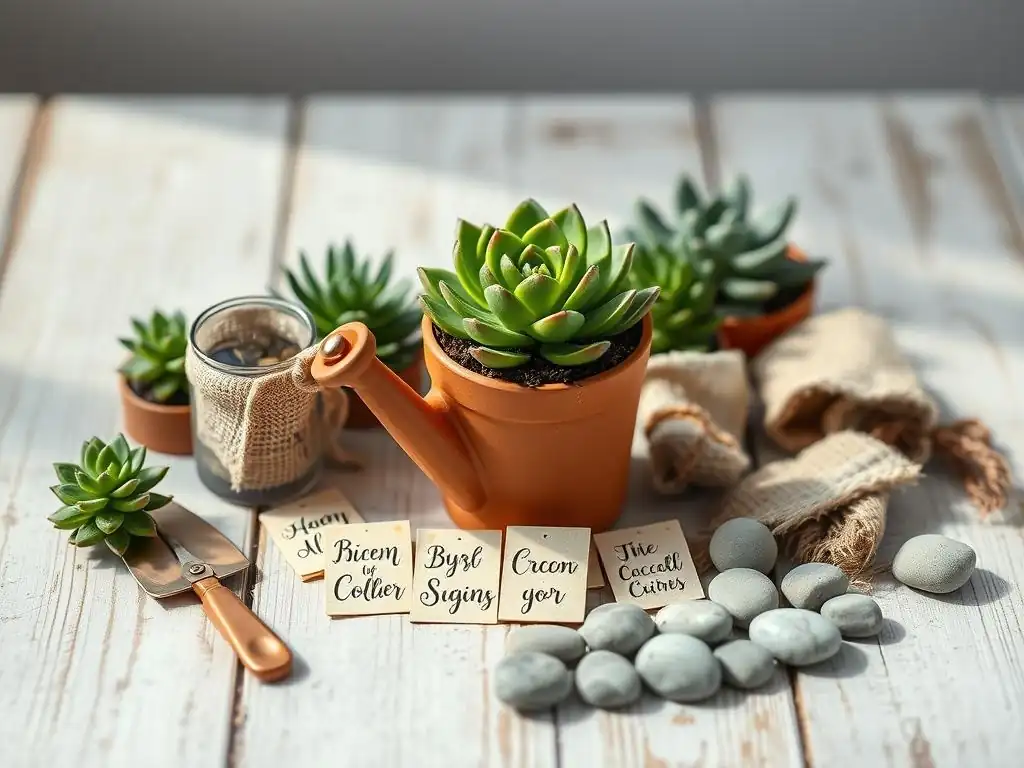
Welcome to SucculentEssentials.org, where the thriving world of succulents awaits! Are you ready to unlock the secrets to cultivating these resilient beauties? We're diving deep into the fascinating realm of ecofriendly succulent gardening supplies, equipping you with the knowledge and resources to create stunning displays while minimizing your environmental footprint. Discover the must-have tools and materials that will transform your succulent journey—explore our Expert Buying Guides and Product Reviews and get started today!
-
Choosing Sustainable Pots for Your Succulents: Eco-Friendly Container Options
- Biodegradable Planters: Coco Coir Pots & Their Benefits
- Recycled Plastic Pots: A Sustainable Alternative to Traditional Pots
- Upcycled Pottery: Finding Unique and Eco-Friendly Succulent Containers
- Terracotta Pots: A Classic Choice with Sustainable Considerations
- Choosing Recycled Plastic Pots: A Sustainable Alternative
- Upcycled and Repurposed Containers: Creative and Eco-Conscious Solutions
- Eco-Friendly Soil Mixes for Thriving Succulents
- Sustainable Watering Tools and Techniques for Eco-Conscious Succulent Care
-
Eco-Friendly Fertilizers and Nutrients for Sustainable Succulent Growth
- Organic Succulent Fertilizers: Boosting Growth Naturally
- Compost Tea for Succulents: A Natural and Sustainable Feeding Method
- Worm Castings: A Nutrient-Rich Amendment for Healthy Succulents
- Avoiding Chemical Fertilizers: Protecting Your Plants and the Environment
- Opting for Organic and Natural Alternatives: Nourishing Your Succulents Sustainably
- Homemade Succulent Fertilizers: Simple Recipes for Sustainable Growth
- Sustainable Tools for Propagation and Succulent Care
-
Creating an Eco-Friendly Succulent Arrangement: Sustainable Decor Ideas
- DIY Terrariums with Recycled Materials: Creating a Miniature Eco-System
- Vertical Gardens with Sustainable Materials: Maximizing Space and Aesthetics
- Repurposing Old Containers for Succulent Arrangements: Creative Upcycling Ideas
- Choosing Sustainable Decor for Your Succulent Displays: Natural and Eco-Friendly Options
- Resources for Finding Eco-Friendly Succulent Supplies
- Frequently Asked Questions
- Final Reflection: Cultivating a Greener Thumb, a Greener Planet
- Bloom Where You're Planted: Grow Your Green Oasis!
Choosing Sustainable Pots for Your Succulents: Eco-Friendly Container Options
Succulents, with their striking beauty and resilience, are increasingly popular among plant enthusiasts. But cultivating these drought-tolerant wonders doesn't have to come at the expense of the environment. This guide explores the essential tools for the eco-conscious succulent gardener, focusing on sustainable and eco-friendly options for every stage of succulent care.
We'll delve into the world of biodegradable planters, recycled materials, and upcycled treasures, proving that creating a thriving succulent collection can be both beautiful and environmentally responsible. Choosing eco-friendly succulent gardening supplies isn't just a trend; it's a commitment to a healthier planet and a more sustainable hobby. Let's explore the must-have supplies that will help you cultivate your succulent passion in an environmentally conscious way.
Biodegradable Planters: Coco Coir Pots & Their Benefits
Coco coir, a natural fiber derived from coconut husks, offers a fantastically sustainable alternative to traditional plastic pots. These biodegradable planters provide excellent drainage, crucial for preventing root rot in succulents. Unlike plastic, coco coir pots decompose naturally, enriching the soil with organic matter as they break down. This reduces plastic waste and contributes to a healthier growing environment. Furthermore, coco coir pots are often lightweight and breathable, promoting healthy root development.
They are also readily available online and in many garden centers, making them a convenient choice for the eco-friendly succulent enthusiast. Some brands even offer seed starting kits using these pots, ensuring a completely sustainable growing process from seed to mature plant. Consider the long-term benefits: less landfill waste and healthier plants. 🎉
Recycled Plastic Pots: A Sustainable Alternative to Traditional Pots
While biodegradable options are ideal, recycled plastic pots provide a practical and readily available alternative for those seeking a more sustainable approach. Look for pots explicitly labeled as made from recycled plastic; this ensures you're supporting businesses committed to environmental responsibility. These pots offer the durability and longevity of traditional plastic pots, but with a significantly reduced environmental impact. Choosing recycled plastic minimizes the demand for newly manufactured plastic, contributing to a decrease in plastic production and its associated pollution.
Moreover, many recycled plastic pots are available in a range of sizes and colors, providing aesthetic versatility for your succulent arrangements. Remember to check the recycling symbol and the percentage of recycled content to make an informed, eco-conscious choice. ♻️
Upcycled Pottery: Finding Unique and Eco-Friendly Succulent Containers
Upcycling existing materials is a fantastic way to add character and sustainability to your succulent collection. Transforming old teacups, vintage tins, or even broken pottery into unique succulent containers adds a touch of personality and reduces waste. This creative approach allows for endless possibilities, turning discarded items into charming homes for your plants. The process of upcycling encourages creativity and reduces your environmental footprint by giving new life to pre-existing materials.
Cleaning and preparing your chosen container is crucial to ensure a healthy environment for your succulents; proper drainage is still essential, even in upcycled pots. Embrace your inner artist and discover the endless potential of upcycled containers! 🎨
Terracotta Pots: A Classic Choice with Sustainable Considerations
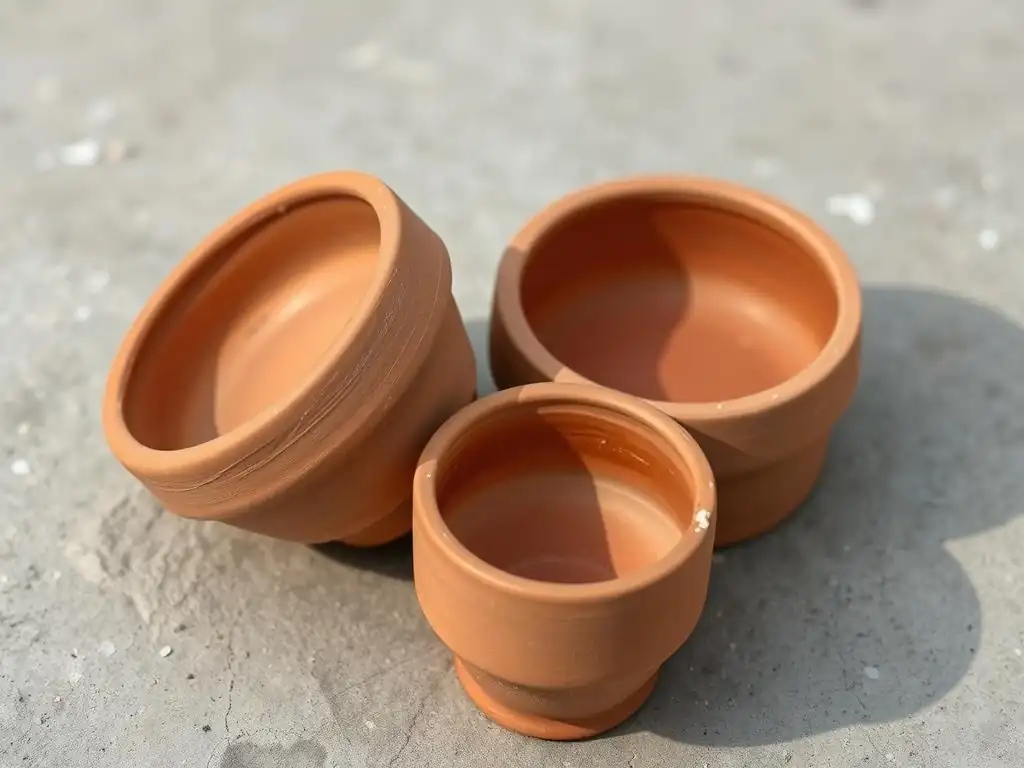
Terracotta pots, made from baked clay, represent a time-honored choice for succulent cultivation. Their porous nature allows for excellent air circulation, preventing waterlogging—a common problem that can lead to root rot in succulents. This breathability is crucial for succulents, which thrive in well-drained conditions and are susceptible to overwatering. The natural material also contributes to a more stable root temperature, preventing drastic fluctuations that can stress the plants. However, the sustainability of terracotta pots isn't solely defined by the material itself.
The production process of terracotta pots plays a significant role in their environmental impact. Traditionally fired in kilns, the energy consumption can be substantial. Look for producers who utilize efficient kilns or renewable energy sources in their manufacturing process. Furthermore, the transportation distance impacts the carbon footprint. Choosing locally produced terracotta pots significantly reduces the environmental impact associated with shipping. Consider the longevity of these pots; a well-maintained terracotta pot can last for many years, reducing the need for frequent replacements, thus minimizing waste. The natural degradation of terracotta pots is also relatively slow, unlike some plastic alternatives.
Choosing Recycled Plastic Pots: A Sustainable Alternative
While plastic is often associated with environmental concerns, recycled plastic pots provide a surprisingly eco-friendly alternative to traditional materials. Opting for pots made from recycled plastic directly reduces the demand for new plastic production, which is energy-intensive and generates considerable pollution. The durability of recycled plastic pots also contributes to their sustainability; they are often more resistant to cracking and breaking than terracotta, extending their lifespan and reducing the need for frequent replacements. Moreover, some manufacturers are now incorporating recycled ocean plastic into their pot production, diverting waste from landfills and oceans.
However, it's vital to be aware that not all recycled plastic is created equal. Look for pots made from post-consumer recycled plastic, meaning the plastic was previously used by consumers and then recycled, rather than post-industrial recycled plastic (recycled during the manufacturing process). Post-consumer recycled plastic has a more significant environmental benefit. Furthermore, the recycling process itself consumes energy and resources. To minimize the overall environmental impact, choose pots from brands with transparent and verifiable recycling practices. Finally, consider the end-of-life management of these pots – ensure your local recycling facilities accept them.
Upcycled and Repurposed Containers: Creative and Eco-Conscious Solutions
Embracing upcycled and repurposed containers for your succulents offers a remarkably sustainable and creative approach to gardening. This method diverts waste from landfills and reduces the demand for new materials. Numerous items can be transformed into charming succulent homes, including old teacups, tin cans, and even broken terracotta pots. The creative possibilities are virtually endless, allowing you to express your personal style while contributing to a greener lifestyle. Cleaning and preparing these containers thoroughly before planting is crucial to eliminate any potential contaminants.
The key to successful upcycling is selecting containers that are appropriately sized and well-drained. Ensure sufficient drainage holes are present to prevent waterlogging. For containers without pre-existing drainage, you can easily drill or punch holes to ensure proper drainage. While this approach is extremely eco-friendly, it requires some creativity and resourcefulness. Consider the durability of the upcycled container; some materials may weather faster than others. The longevity of these containers will vary depending on the material and the environment.
Eco-Friendly Soil Mixes for Thriving Succulents
Choosing the right soil is paramount for healthy succulent growth. But did you know that many commercially available potting mixes contain peat moss, a non-renewable resource that contributes to environmental damage? As eco-friendly succulent enthusiasts, we need to prioritize sustainable options. This section explores eco-conscious alternatives for creating the perfect soil blend for your succulents, promoting both their well-being and the health of our planet. We'll delve into the benefits of organic components and discuss readily available, sustainable alternatives to peat-based mixes. Remember, selecting the right soil is a crucial step in practicing ecofriendly succulent gardening.
Creating Your Own Organic Succulent Soil Blend: A Step-by-Step Guide
Creating your own succulent soil blend allows for complete control over ingredients, ensuring an environmentally friendly and highly effective growing medium. Here's a simple, yet effective recipe:
- Base: Start with a well-draining base. A 1:1 ratio of pumice and coarse sand provides excellent drainage and aeration, vital for preventing root rot—a common problem for succulents. Pumice is a volcanic rock, a completely renewable resource. Choose a play sand or builder's sand, ensuring it's free of chemicals.
- Organic Matter: Incorporate approximately 1/3 organic matter to retain some moisture and provide nutrients. Excellent choices include:
- Compost: Mature, well-rotted compost adds essential nutrients and improves soil structure. Use your own homemade compost or source it from a local, reputable supplier.
- Coco coir: A sustainable alternative to peat moss, coco coir is a byproduct of coconut harvesting. It retains moisture well but still allows for good drainage.
- Optional Amendments: Consider adding small amounts of perlite or vermiculite for enhanced drainage and aeration. These are both naturally occurring minerals.
- Mixing: Thoroughly combine all ingredients in a large container. Ensure the mixture is evenly distributed to avoid pockets of dense or poorly draining material.
This blend provides the perfect balance of drainage, aeration, and nutrient retention, promoting healthy root growth and minimizing the risk of root rot. Using this method actively supports ecofriendly succulent gardening supplies.
Compost-Rich Soil for Healthy Succulent Growth: Benefits and Sources
Compost significantly boosts the health and vitality of your succulents. It's a natural source of nutrients, improving soil structure and water retention. Using compost reduces the need for chemical fertilizers, contributing to a more sustainable gardening practice. Compost also supports beneficial microbes, creating a healthy soil ecosystem. This directly translates to healthier, more resilient succulents.
Finding high-quality compost is key. Several options exist:
- Homemade Compost: Composting kitchen scraps and yard waste is a rewarding and environmentally friendly way to obtain rich, nutrient-laden compost.
- Local Composting Facilities: Many communities have composting facilities that accept organic waste and produce high-quality compost for sale. Support your local economy and reduce your carbon footprint by sourcing your compost locally.
- Worm Castings (Vermicompost): Worm castings are a super-rich, nutrient-dense amendment that enhances soil fertility and promotes healthy root development.
Avoiding Peat-Based Soils: Eco-Friendly Alternatives for Succulents
Peat moss, a common ingredient in many commercial potting mixes, is a non-renewable resource and its harvesting contributes to habitat destruction and carbon emissions. Therefore, avoiding peat-based soils is crucial for ecofriendly succulent gardening. Fortunately, several excellent alternatives exist:
| Material | Benefits | Considerations |
|---|---|---|
| Coco Coir | Sustainable, good water retention | Can be slightly more expensive |
| Pumice | Excellent drainage, aeration | May need additional organic matter |
| Perlite | Improves drainage, aeration | Inert, doesn't add nutrients |
| Vermiculite | Improves drainage, water retention | Inert, doesn't add nutrients |
| Compost | Adds nutrients, improves soil structure | Requires careful monitoring for drainage |
| Recycled Materials | Reduces landfill waste, potentially free | Ensure materials are clean and inert |
By opting for these eco-friendly alternatives, you contribute to a more sustainable gardening practice while ensuring your succulents thrive. Remember, choosing sustainable materials is an essential aspect of responsible and ecofriendly succulent gardening supplies. 🌱
Worm Castings as a Soil Amendment: Benefits and Sourcing
Worm castings, also known as vermicompost, are a fantastic addition to any eco-friendly succulent soil mix. These are the excretions of earthworms, and they're packed with nutrients beneficial for succulent growth. Unlike many chemical fertilizers, worm castings release nutrients slowly, providing a sustained feeding that prevents the risk of fertilizer burn, a common problem with succulents prone to over-watering. Their slow-release nature aligns perfectly with the water-wise needs of these drought-tolerant plants.
The benefits extend beyond just nutrition. Worm castings improve soil structure, creating a more porous and well-aerated environment. This enhanced aeration is crucial for succulents as it helps prevent root rot, a major cause of succulent mortality. The improved drainage resulting from the enhanced soil structure also contributes to preventing overwatering. Furthermore, worm castings contribute to a healthier soil microbiome, fostering a diverse community of beneficial microorganisms that support overall plant health. This contributes to disease resistance and overall stronger, healthier plants.
Sourcing your worm castings is a key part of the eco-friendly approach. Consider contacting local composting facilities or farms that practice vermicomposting. Purchasing locally reduces transportation emissions associated with shipping materials from afar. Many community gardens also produce worm castings, providing a direct and sustainable source.
If buying online, choose suppliers with a strong commitment to sustainable practices and minimal packaging. You can even start your own worm composting bin at home—a rewarding project that provides a continuous supply of this valuable soil amendment while reducing your household waste. This allows for complete control over the quality and origin of your worm castings, ensuring you are using a truly sustainable product. Remember to always check the castings for any signs of pests or unwanted materials before using them in your succulent soil mix.
Sustainable Watering Tools and Techniques for Eco-Conscious Succulent Care
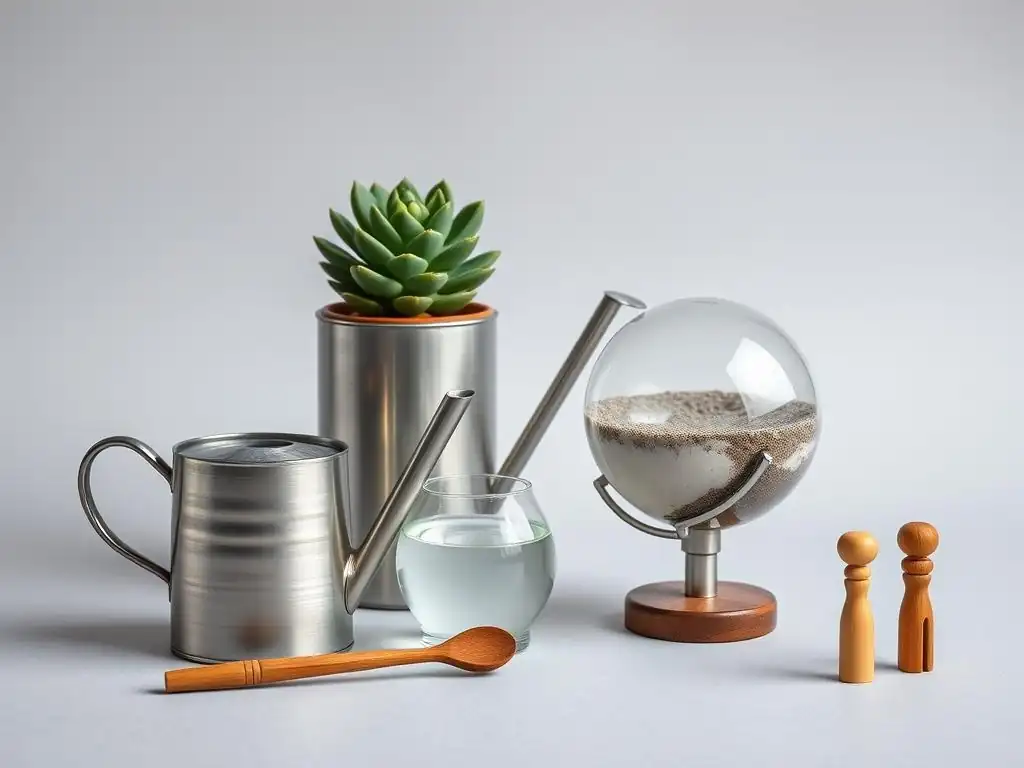
Efficient and eco-friendly watering is paramount for healthy succulent growth while minimizing your environmental impact. This section explores sustainable watering tools and techniques specifically designed for succulent care, allowing you to nurture your plants responsibly. Choosing the right tools and methods can drastically reduce water consumption, conserving this precious resource and aligning with eco-friendly succulent gardening practices.
Water-Saving Watering Cans: Choosing the Right Tool for Efficient Watering
Traditional watering cans often lead to water wastage due to their design and lack of control. However, several eco-friendly alternatives exist, prioritizing precise watering and minimizing spills. Look for watering cans made from recycled materials, such as recycled plastic or stainless steel. These materials are durable and reduce the demand for new resources.
Furthermore, consider the spout design. A long, thin spout allows for targeted watering directly to the soil, preventing water from splashing onto leaves and potentially causing fungal diseases. A rose-head attachment can also help to distribute water evenly, but be sure it's not too forceful, as this can damage delicate succulents.
Consider these features when selecting an eco-friendly watering can:
| Feature | Description | Benefit |
|---|---|---|
| Material | Recycled plastic, stainless steel, or other sustainable materials | Reduces environmental impact of manufacturing and disposal. |
| Spout Design | Long, thin spout or a gentle rose-head attachment | Enables precise watering, minimizing water waste and runoff. |
| Capacity | Choose a size appropriate for your needs, avoiding overly large cans. | Prevents overfilling and potential spillage. |
| Handle Design | Ergonomic handle for comfortable and controlled pouring. | Reduces strain and improves watering accuracy. |
Remember, less is often more when watering succulents. It's better to water deeply but infrequently than to provide frequent, shallow watering. This encourages deeper root growth and promotes drought tolerance, a key characteristic of succulents.
Rainwater Harvesting for Succulents: An Eco-Friendly Watering Solution
Rainwater harvesting represents a truly sustainable approach to succulent watering. Collecting rainwater not only reduces your reliance on municipal water supplies but also provides a naturally soft water source ideal for succulents. The absence of harsh chemicals often found in tap water helps prevent mineral buildup in the soil, which can harm your plants.
Implementing a rainwater harvesting system can be as simple as placing several large containers outdoors to collect rainwater during storms. Ensure the containers are clean and free from contaminants before use. For larger collections, consider installing a rain barrel or a more sophisticated system with gutters and downspouts to direct rainwater to a designated storage area. Always filter the collected water before using it to remove debris and potential pollutants. This simple method significantly reduces your water bill and minimizes your environmental footprint. It’s a fantastic example of eco-friendly succulent gardening in action! 💧
Drip Irrigation Systems for Succulents: Minimizing Water Waste
Drip irrigation systems offer a highly efficient and precise method of watering succulents, especially beneficial for larger collections or outdoor succulent gardens. These systems deliver water directly to the roots, minimizing evaporation and runoff. This targeted approach significantly reduces water consumption compared to overhead watering methods. Furthermore, drip irrigation systems can be automated, allowing for consistent and scheduled watering, even when you're away from home.
This consistent moisture supply promotes healthy growth and reduces the risk of underwatering or overwatering. Consider using recycled materials for the drip lines and components whenever possible to further enhance the sustainability of the system. The initial investment might seem higher, but the long-term savings in water and the environmental benefits make it a worthwhile investment for the serious, eco-conscious succulent enthusiast. The reduced water usage contributes significantly to conserving this precious resource.
Self-Watering Planters: A Review of Water-Efficient Options
Self-watering planters are a game-changer for eco-conscious succulent enthusiasts, significantly reducing water waste and promoting healthier plant growth. These innovative containers utilize a reservoir system, allowing the succulent's roots to absorb water as needed, minimizing the risk of overwatering – a common culprit in succulent demise. The reduced frequency of watering translates directly into water conservation, a crucial aspect of eco-friendly gardening. Choosing the right self-watering planter involves considering several factors.
The material of the planter is paramount. Terracotta, while beautiful, can dry out quickly, negating the benefits of a self-watering system. Instead, opt for materials that retain moisture effectively, such as recycled plastic or sustainably sourced wood. Look for planters with clear indicators showing the water level in the reservoir, allowing for precise monitoring and preventing overfilling. The size and design of the planter should also be carefully considered; larger planters with wider bases offer more stability and improved water retention. Smaller planters might require more frequent checks, potentially lessening the water-saving benefits.
Furthermore, the type of wicking system employed plays a crucial role in the efficiency of the self-watering planter. Some use simple capillary mats, while others incorporate more complex systems. A well-designed wicking system ensures even moisture distribution to the roots, preventing waterlogging in some areas while leaving others dry. When selecting a self-watering planter for your succulents, carefully examine the wicking system to ensure it’s suitable for the size and type of succulents you plan to grow.
Ultimately, the selection process hinges on balancing the planter's material, size, and wicking system to maximize water efficiency and promote thriving succulents. Investing in high-quality, durable self-watering planters is a long-term commitment to both eco-friendly practices and the health of your succulent collection. This approach aligns perfectly with the principles of sustainable succulent gardening, minimizing environmental impact while nurturing your plants.
Eco-Friendly Fertilizers and Nutrients for Sustainable Succulent Growth
Choosing eco-friendly fertilizers is crucial for sustainable succulent gardening. By opting for natural alternatives, you minimize your environmental impact while nurturing healthy, thriving plants. This section explores several options that provide essential nutrients without harming the planet or your succulents. Remember that over-fertilizing can be detrimental, so always follow package instructions carefully and err on the side of less rather than more. Regular watering is also key to ensuring your succulents absorb nutrients effectively.
Organic Succulent Fertilizers: Boosting Growth Naturally
Organic succulent fertilizers offer a natural and sustainable way to feed your plants. These fertilizers are derived from natural sources like seaweed, bat guano, or composted materials, providing a slow-release of nutrients that are gentle on the environment and your succulents. Unlike synthetic fertilizers, which can contain harsh chemicals, organic options promote healthy soil microbiology, improving overall soil health and nutrient availability.
Look for fertilizers specifically formulated for succulents, as these often have a balanced NPK ratio (Nitrogen, Phosphorus, Potassium) that suits their unique needs. For example, a balanced 1-1-1 ratio is often suitable. Avoid fertilizers high in nitrogen, as this can lead to leggy growth in succulents.
Many brands now offer organic succulent fertilizer options, often in granular or liquid forms. Granular fertilizers are convenient for slow-release feeding, while liquid fertilizers provide a quicker boost when needed. Always check the ingredients list to ensure that the fertilizer is truly organic and free from harmful chemicals or synthetic additives. Proper application is also key; follow the instructions carefully to avoid burning your plants.
Compost Tea for Succulents: A Natural and Sustainable Feeding Method
Compost tea is a liquid fertilizer created by steeping compost in water. This process extracts beneficial microorganisms and nutrients from the compost, creating a potent brew that nourishes your succulents and improves soil health. It's a highly effective and eco-friendly method that promotes strong root systems and enhances overall plant vigor. The beneficial bacteria and fungi in compost tea help break down organic matter, making nutrients more readily available to your plants. They also enhance the soil's structure and water retention capabilities.
Making compost tea is simple. You'll need a container (a bucket or a dedicated compost tea brewer works well), good quality compost, and water. Aerate the mixture regularly during the brewing process to ensure proper microbial growth. Once brewed, dilute the compost tea before applying it to your succulents to avoid burning them. The strength of the tea will depend on the compost used and the brewing time. Experiment to find what works best for your plants. Compost tea is a fantastic way to provide your succulents with a natural boost while contributing to a more sustainable gardening practice.
Worm Castings: A Nutrient-Rich Amendment for Healthy Succulents
Worm castings, also known as vermicast, are the waste product of earthworms. These castings are a highly prized soil amendment packed with nutrients and beneficial microorganisms. They improve soil structure, aeration, and water retention, creating an ideal environment for healthy succulent growth. Worm castings are rich in nitrogen, phosphorus, potassium, and a wide array of micronutrients, providing a slow-release fertilizer that feeds your plants over time. They also improve the soil's overall health by introducing beneficial bacteria and fungi that enhance nutrient uptake.
Unlike some synthetic fertilizers, worm castings won’t burn your succulents, even if applied liberally. They can be mixed directly into the potting mix during planting or applied as a top dressing. Using worm castings regularly can significantly improve the health and vitality of your succulents, contributing to lusher growth and vibrant colors.
Their gentle nature makes them perfect for sensitive succulents and those recovering from transplant shock. Adding worm castings to your soil is a simple yet highly effective way to embrace eco-friendly succulent gardening. They represent a sustainable and natural way to boost your succulents' health and promote vibrant growth.
Avoiding Chemical Fertilizers: Protecting Your Plants and the Environment
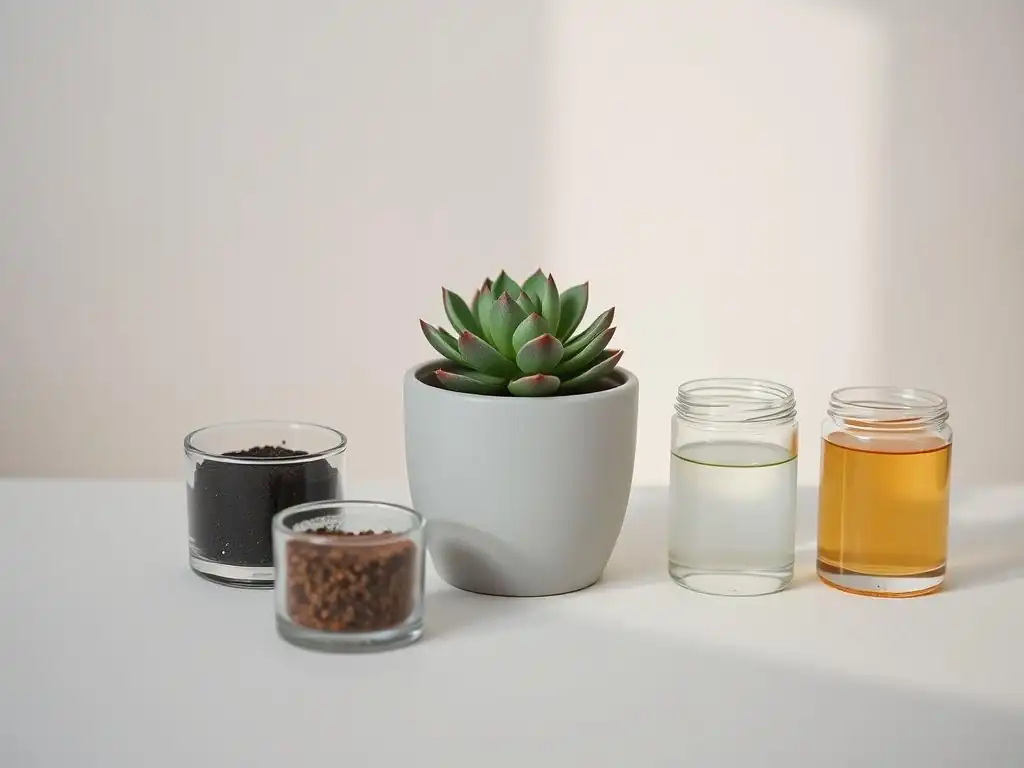
Chemical fertilizers, while offering a quick boost to plant growth, often come with significant drawbacks for both your succulents and the environment. These fertilizers frequently contain synthetic chemicals and salts that can disrupt the delicate soil ecosystem vital for healthy succulent growth. Over-fertilizing with chemical products can lead to salt buildup in the soil, resulting in root burn and ultimately, plant death.
The excess salts also negatively impact the soil's structure, reducing its ability to retain water and nutrients effectively. This can leave your succulents vulnerable to drought stress, even when adequately watered. Furthermore, the runoff from chemically fertilized soil can contaminate local waterways, harming aquatic life and disrupting the natural balance of ecosystems.
Choosing to avoid these harmful chemicals is a crucial step in eco-friendly succulent gardening. The long-term health of your plants and the surrounding environment will benefit greatly from this conscious decision. Sustainable alternatives, discussed below, provide the necessary nutrients without the harmful side effects.
Opting for Organic and Natural Alternatives: Nourishing Your Succulents Sustainably
Fortunately, numerous organic and natural alternatives exist to provide your succulents with the nutrients they need without compromising environmental health. Compost, a readily available and highly beneficial option, is rich in organic matter and essential nutrients. Worm castings, the byproduct of composting worms, are another excellent choice, offering a slow-release source of nutrients and improving soil structure. They also enhance drainage and aeration, which are particularly important for succulents that are prone to root rot.
Seaweed extracts, a natural and sustainable option, offer a balanced blend of micronutrients that promote healthy growth. They also help to improve the overall resilience of your succulents. Bone meal and blood meal, while derived from animal sources, provide a natural source of phosphorus and nitrogen respectively, essential for healthy root and leaf development.
Remember to use these organic fertilizers sparingly, following the instructions carefully to avoid over-fertilizing. By opting for these organic options, you're contributing to a healthier environment and promoting the long-term health and vitality of your succulent collection. The slow-release nature of these fertilizers also minimizes the risk of nutrient burn, ensuring a gentle and effective approach to plant nutrition.
Homemade Succulent Fertilizers: Simple Recipes for Sustainable Growth
Creating your own succulent fertilizer is not only cost-effective but also allows for complete control over the ingredients, ensuring that only natural and beneficial substances are used. A simple recipe involves combining equal parts of compost, worm castings, and aged manure. This mixture provides a balanced blend of nutrients and improves soil structure. For an additional boost, you can add a small amount of crushed eggshells to provide calcium, which is essential for strong cell walls.
Another option is to brew a diluted compost tea, which provides a liquid fertilizer rich in beneficial microorganisms. Remember to always dilute homemade fertilizers before applying them to your succulents. Starting with a weaker concentration and gradually increasing it as needed is crucial to avoid over-fertilizing.
These homemade options offer a sustainable and personally tailored approach to nourishing your succulents, minimizing your environmental impact while ensuring their health and vitality. The satisfaction of nurturing your plants with your own creation adds another layer of enjoyment to the succulent gardening experience. Experiment with different recipes and observe the response of your plants to find the perfect blend for your needs.
Sustainable Tools for Propagation and Succulent Care
This section delves into the specifics of eco-friendly tools crucial for successful succulent propagation and overall plant care. Choosing sustainable options minimizes your environmental impact while ensuring the health and vibrancy of your succulent collection. We'll explore several key items that embody the principles of eco-friendly succulent gardening supplies.
Eco-Friendly Propagation Trays: Seed Starting Trays Made from Recycled Materials
Starting succulents from seed offers a rewarding experience, and selecting the right propagation tray is key. Opt for trays made from recycled plastics, such as those crafted from post-consumer recycled polyethylene terephthalate (rPET). These trays are durable, reusable, and significantly reduce the demand for virgin plastic.
Look for trays with drainage holes to prevent root rot, a common issue in succulent propagation. Many manufacturers now offer these sustainable options, boasting a lower carbon footprint than their traditional plastic counterparts. The use of recycled materials in their production directly contributes to a circular economy, reducing landfill waste and conserving resources.
Consider the tray's size and the number of succulents you plan to propagate to select the most appropriate size. A larger tray might seem more convenient, but smaller trays can be easier to manage, especially for smaller seed quantities. Proper ventilation is also important; some trays include lids with ventilation holes to regulate humidity.
Furthermore, consider the longevity of the tray. A high-quality recycled plastic tray should last for many propagation cycles, offsetting the initial cost over time. Choosing such a tray demonstrates a commitment to both sustainable gardening practices and long-term cost savings. Remember to thoroughly clean and sanitize your propagation trays between uses to prevent the spread of diseases.
Bamboo Plant Markers: Sustainable Identification for Your Collection
Accurate plant identification is essential for proper succulent care. Instead of plastic plant markers that contribute to plastic waste, choose bamboo plant markers. Bamboo is a rapidly renewable resource, making it an environmentally responsible alternative. These markers are lightweight, durable, and can be easily written on with a waterproof marker. You can even personalize them with paint or other decorative techniques to reflect your unique style. Their natural aesthetic complements the beauty of your succulents, adding a touch of organic charm to your collection.
While bamboo is a sustainable choice, ensure the markers are sourced responsibly. Look for markers certified by organizations that promote sustainable forestry practices. This guarantees that the bamboo is harvested in a way that minimizes environmental impact and supports responsible forest management. The durability of bamboo markers also reduces the need for frequent replacements, further minimizing waste and contributing to the overall sustainability of your succulent gardening practices. Consider purchasing a set of various sizes to accommodate different sized pots and plants within your collection.
Recycled Metal Gardening Tools: Durable and Environmentally Conscious Choices
Investing in high-quality, recycled metal gardening tools is a significant step towards eco-friendly succulent gardening. Unlike plastic tools that often break and end up in landfills, recycled metal tools are incredibly durable and long-lasting. They are resistant to rust and corrosion, ensuring years of reliable use. Look for tools made from recycled aluminum or steel, often labeled as such by reputable manufacturers. The manufacturing process of recycled metal tools requires less energy than producing new metal, reducing their overall carbon footprint.
Consider the specific tools needed for your succulent care routine. A small trowel is useful for transplanting and potting, while hand rakes can help with soil preparation. Secateurs or pruning shears are essential for trimming and shaping your succulents. When selecting tools, prioritize ergonomics for comfortable and efficient use. Properly cared for, these tools will serve you for many years, reducing the need for replacements and minimizing waste. This long-term investment translates into both environmental and economic benefits. The durability of these tools also reduces the frequency of purchasing new tools, further lowering your environmental impact.
Organic Pest Control for Succulents: Protecting Your Plants Naturally
Protecting your succulents from pests while adhering to eco-friendly principles is crucial for maintaining a healthy and thriving collection. Many conventional pesticides contain harsh chemicals that can harm beneficial insects, contaminate soil, and even pose risks to human health. Fortunately, numerous organic methods effectively control common succulent pests without these drawbacks.
One highly effective approach involves utilizing insecticidal soaps. These soaps, derived from natural oils, disrupt the cell membranes of soft-bodied insects like aphids, mealybugs, and spider mites, leading to their demise. Always follow the product instructions carefully, ensuring thorough coverage of the affected plants, particularly the undersides of leaves where pests often hide. Remember to test a small area first to check for any adverse reactions on your specific succulent variety. Insecticidal soaps are generally biodegradable and pose minimal risk to the environment when used responsibly.
Another powerful organic weapon in your arsenal is neem oil. Extracted from the neem tree, this oil acts as a natural insecticide and fungicide, effectively controlling a wide range of pests and diseases. Neem oil disrupts the life cycle of insects, preventing them from feeding, mating, and laying eggs. It's crucial to dilute neem oil according to the manufacturer's instructions, as undiluted neem oil can damage plant tissues. Apply it as a foliar spray, ensuring even coverage. Neem oil is also known for its ability to improve plant health and boost their natural defenses.
Beyond chemical applications, proactive measures play a vital role in organic pest control. Regularly inspecting your succulents for signs of infestation is key to early detection and intervention. This allows for prompt action, preventing minor infestations from escalating into major problems. Maintaining good air circulation around your plants helps prevent fungal diseases and reduces humidity, which can attract certain pests. Proper watering practices, avoiding overwatering, also contribute to a healthier plant, less susceptible to pest attacks.
Finally, consider introducing beneficial insects to your garden. Ladybugs, lacewings, and praying mantises are natural predators of many common succulent pests. These beneficial insects can significantly reduce pest populations without the need for chemical intervention. You can purchase beneficial insects from specialized suppliers or attract them to your garden by planting flowers that attract them, creating a naturally balanced ecosystem. Remember that a healthy, well-maintained succulent collection is less prone to pest infestations, making organic pest control even more effective. By combining these methods, you can ensure your succulents remain healthy and vibrant while minimizing your environmental impact.
Creating an Eco-Friendly Succulent Arrangement: Sustainable Decor Ideas
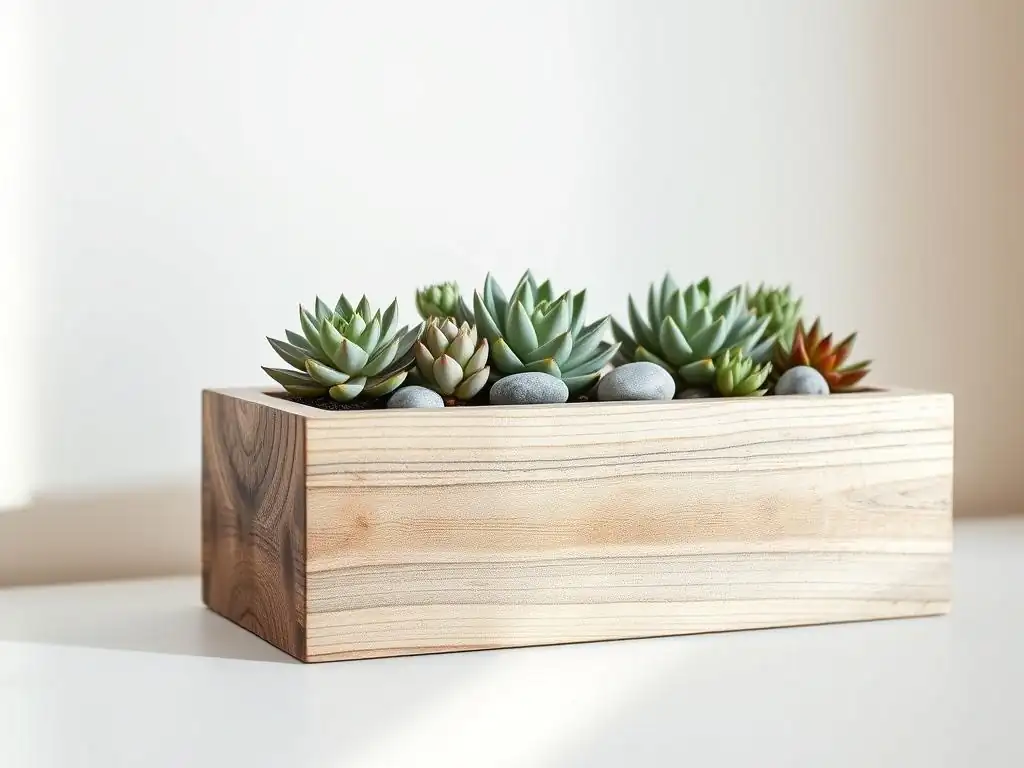
Creating stunning succulent arrangements doesn't necessitate a hefty environmental footprint. By thoughtfully selecting your materials and embracing sustainable practices, you can cultivate a thriving collection while minimizing your impact on the planet. Eco-friendly succulent gardening supplies are readily available, allowing you to enjoy your hobby with a clear conscience. This section explores how to create beautiful, eco-conscious succulent displays. Remember, even small changes can make a big difference!
DIY Terrariums with Recycled Materials: Creating a Miniature Eco-System
Building a terrarium provides a fantastic opportunity to repurpose materials and create a miniature ecosystem. Instead of buying new glass containers, consider using recycled jars, bottles, or even large, clear plastic containers. Thoroughly clean and sterilize your chosen container before use. For drainage, use a layer of pebbles or small stones, possibly salvaged from a landscaping project.
Next, add a layer of activated charcoal to filter the water and prevent mold growth. This can often be sourced from pet stores (as a filter for aquariums) or even from certain garden supply stores. Finally, layer in your potting mix – opt for a commercial organic blend or create your own using a mix of coco coir, perlite, and vermiculite. These components offer excellent drainage and aeration, crucial for succulent health.
Arrange your chosen succulents carefully, ensuring proper spacing to prevent overcrowding. Remember to research the specific light and water requirements of each succulent species before placing them in your terrarium to ensure their long-term health and survival. A well-crafted terrarium can become a captivating and sustainable centerpiece for your home.
Vertical Gardens with Sustainable Materials: Maximizing Space and Aesthetics
Vertical gardens offer a space-saving and visually appealing way to showcase your succulent collection. Creating one sustainably involves carefully considering the materials used. Instead of purchasing plastic or metal wall planters, explore using reclaimed wood pallets, repurposed shelves, or even upcycled picture frames. Ensure the wood is treated appropriately for outdoor use if you intend to place your vertical garden outside.
For the actual planting medium, consider using recycled fabric pockets or coconut fiber liners instead of plastic pots. These options allow for better drainage and aeration, promoting healthy root growth. You can even incorporate recycled materials like plastic bottles (cut and arranged strategically) into your design for unique visual interest.
Planning the layout carefully is crucial for a visually appealing and functional vertical garden. Remember to choose succulents that thrive in vertical environments, considering their growth habits and water requirements. A well-designed vertical garden not only adds beauty to your space but also showcases your commitment to eco-friendly gardening.
Repurposing Old Containers for Succulent Arrangements: Creative Upcycling Ideas
Don't underestimate the potential of upcycling existing containers! Old teacups, vintage tins, broken pottery, and even discarded watering cans can be transformed into charming homes for your succulents. A little creativity and some cleaning can turn these items into unique and sustainable planters. Before planting, ensure your chosen containers have adequate drainage holes to prevent root rot.
If needed, carefully drill holes in the bottom, being mindful of the material's fragility. Consider adding a layer of gravel or pebbles for drainage, and then add your succulent potting mix. The beauty of upcycling is the unique character it brings to your succulent arrangements. Each container tells a story, adding a touch of personality and sustainability to your display.
This approach minimizes waste and reduces the demand for new, resource-intensive products, making it a perfect choice for the eco-conscious succulent enthusiast. Remember to always prioritize the health of your succulents by ensuring proper drainage and sufficient sunlight. Experiment with different container types and sizes to create a diverse and visually striking display, showcasing the beauty of upcycling and the resilience of succulents.
Choosing Sustainable Decor for Your Succulent Displays: Natural and Eco-Friendly Options
Choosing the right containers and decorative elements is crucial for creating an aesthetically pleasing and environmentally conscious succulent arrangement. Forget the mass-produced plastic pots and opt for sustainable alternatives that complement your plants and your values. Many eco-friendly options not only enhance the beauty of your succulents but also contribute to a smaller carbon footprint.
For instance, consider using reclaimed wood for your succulent displays. Old pallets, repurposed crates, or even driftwood found on a beach can be transformed into unique and charming planters. The rustic texture of reclaimed wood provides a beautiful contrast to the smooth, often vibrant colors of succulents. Remember to properly clean and treat the wood to ensure it's suitable for planting, preventing rot and protecting your succulents. This adds a layer of charm and reduces the environmental impact of using newly harvested wood.
Another excellent option is using terracotta pots. Terracotta is a natural, porous material that allows for good air circulation, preventing waterlogging and promoting healthy root growth – crucial for succulents. While terracotta pots might require more frequent watering due to their porosity, this is a small price to pay for their eco-friendliness and contribution to healthy plant growth. They also come in a wide variety of sizes and styles, offering ample opportunities for creative arrangement.
Beyond planters, consider incorporating natural decorative elements into your displays. Instead of plastic or synthetic materials, opt for natural stones, pebbles, or even seashells. These add texture and visual interest to your arrangements while minimizing environmental impact. For instance, a carefully arranged collection of smooth river stones around a succulent can create a stunning minimalist display. The natural colors and textures of these elements perfectly complement the succulents' natural beauty. Remember to source these materials responsibly, avoiding the purchase of materials that may have been harvested unsustainably.
Finally, don't underestimate the power of repurposing. Old teacups, vintage tins, or even glass jars can be transformed into unique and charming succulent planters. Repurposing these items gives them a new lease on life, diverting them from landfills and reducing the demand for new materials. This not only saves money but also actively contributes to a more sustainable lifestyle. A little creativity can turn discarded items into beautiful and functional parts of your succulent arrangement, emphasizing the eco-friendly aspect of your gardening. Remember to clean these containers thoroughly before planting to ensure no residue harms your succulents.
Resources for Finding Eco-Friendly Succulent Supplies
Finding eco-friendly succulent gardening supplies might seem like a niche pursuit, but with a little research, you'll discover a growing market committed to sustainable practices. This section outlines key resources to help you source your succulent care essentials responsibly, minimizing your environmental impact while nurturing your thriving collection. Remember, choosing eco-friendly options benefits not only the planet but also often supports smaller, ethical businesses.
Online Retailers Offering Sustainable Succulent Products
The internet offers unparalleled access to a wide range of eco-friendly succulent gardening products. Many online retailers now prioritize sustainability, offering products made from recycled materials, organic soil mixes, and ethically sourced pots. Look for retailers that clearly state their commitment to sustainability in their product descriptions and company mission statements. Pay attention to certifications like Fair Trade, organic, and recycled content labels. These certifications provide assurance that the products meet specific environmental and social standards.
For instance, some online retailers specialize in selling peat-free potting mixes, a crucial element for sustainable succulent care. Peat harvesting significantly damages peat bogs, vital ecosystems that store carbon. Opting for alternatives like coconut coir or composted bark significantly reduces your carbon footprint. Furthermore, look for retailers offering biodegradable or compostable pots, reducing plastic waste associated with conventional plastic containers.
Here's a table summarizing key features to look for when shopping online for eco-friendly succulent supplies:
| Feature | Description | Importance |
|---|---|---|
| Potting Mix | Peat-free options (coconut coir, composted bark) | Reduces damage to peat bogs and carbon emissions. |
| Pots | Biodegradable, compostable, or recycled materials (e.g., terracotta, coconut shells) | Minimizes plastic waste. |
| Tools | Bamboo or sustainably harvested wood handles | Reduces reliance on unsustainable materials. |
| Fertilizers | Organic and slow-release fertilizers | Reduces chemical runoff and soil contamination. |
| Shipping Practices | Carbon-neutral or reduced-emission shipping options | Minimizes the environmental impact of transportation. |
Remember to read reviews carefully before purchasing to ensure product quality and the retailer's commitment to sustainable practices.
Local Nurseries and Garden Centers with Eco-Friendly Options
Don't underestimate the power of supporting local businesses! Many local nurseries and garden centers are increasingly adopting eco-friendly practices. Visiting these establishments allows you to personally inquire about their sourcing methods and commitment to sustainability. You can ask specific questions about their potting mixes, the origin of their pots, and their overall approach to environmental responsibility. Building a relationship with a local nursery allows you to get personalized advice and support for your succulent gardening journey.
This approach provides several advantages: you can directly support local economies, reduce transportation emissions by buying locally, and have the opportunity to engage directly with knowledgeable staff about sustainable gardening practices. Moreover, local nurseries often offer unique and regionally adapted succulent varieties, promoting biodiversity. By choosing local, you're actively contributing to a more sustainable and resilient local ecosystem.
Supporting Sustainable Succulent Businesses: Ethical Consumption and Sourcing
Supporting sustainable succulent businesses goes beyond simply buying eco-friendly products; it's about actively choosing businesses that align with your values. This involves considering the entire supply chain, from the origin of the plants to the packaging and shipping methods. Look for businesses that emphasize ethical labor practices, fair wages, and responsible resource management.
Consider these points when choosing a supplier:
- Transparency: Do they openly communicate their sourcing and production processes?
- Certifications: Do they hold any relevant certifications (e.g., organic, Fair Trade)?
- Packaging: Do they use minimal packaging and prioritize recyclable or compostable materials?
- Plant Sourcing: Do they propagate their plants responsibly, avoiding over-harvesting from the wild?
By consciously choosing to support ethical and sustainable businesses, you're not only reducing your environmental impact but also contributing to a fairer and more responsible succulent industry. This mindful approach helps foster a more sustainable future for both your succulent collection and the planet. It's a win-win situation for your plants, your conscience, and the environment. 🌱
Frequently Asked Questions
What are some eco-friendly options for succulent pots?
You can use recycled materials like glass jars, terracotta pots (ensure they're locally sourced), or even repurposed tin cans. Look for pots made from sustainable materials like coconut fiber.
What kind of soil is best for eco-conscious succulent gardening?
Opt for a well-draining succulent and cacti potting mix. Avoid mixes with peat moss, and consider using compost or other organic amendments to improve soil quality.
Are there eco-friendly fertilizers for succulents?
Yes! Use compost tea or worm castings as natural, slow-release fertilizers. Avoid chemical fertilizers that can harm the environment.
How can I water succulents in an eco-friendly way?
Use a watering can instead of a hose to avoid water waste. Water deeply but infrequently, allowing the soil to dry out completely between waterings. Consider using rainwater harvesting.
What are some eco-friendly ways to propagate succulents?
Leaf cuttings are a fantastic low-waste propagation method. You can also use soil-less propagation techniques, such as propagating in water or perlite. Avoid using plastic trays, opting for reusable containers instead.
Final Reflection: Cultivating a Greener Thumb, a Greener Planet
The burgeoning interest in succulent gardening intersects beautifully with a growing global awareness of environmental responsibility. Creating a thriving succulent collection doesn't have to come at the expense of our planet; in fact, mindful choices can transform this hobby into a powerful act of sustainability. By embracing eco-friendly practices, we can nurture both our plants and the environment that sustains us all.
The shift towards sustainable living is profoundly impacting how we approach even seemingly small aspects of our lives, and succulent gardening is no exception. The simple act of choosing recycled pots, biodegradable soil amendments, and water-wise gardening techniques ripples outwards, influencing not only our personal consumption habits but also the broader conversation around responsible resource management. The earth provides enough to satisfy every man's needs but not every man's greed.
- Mahatma Gandhi. This quote underscores the importance of mindful consumption, a principle that resonates deeply within the eco-friendly succulent gardening movement.
Now, consider your own gardening practices. What small changes can you implement to make your succulent collection even more environmentally conscious? Perhaps it's switching to peat-free potting mix, collecting rainwater for irrigation, or repurposing household items as planters. Embrace the journey of sustainable gardening; every small step contributes to a larger, more vibrant, and healthier future for both your plants and our planet. Let's cultivate a greener thumb, and in doing so, cultivate a greener world.
Bloom Where You're Planted: Grow Your Green Oasis!
Thank you for joining us on this journey into the wonderfully weird world of succulents! We hope you've discovered some essential tools to help your collection thrive. Now it's time to put that knowledge into practice.
- Start your own succulent propagation project! This is the most rewarding way to expand your collection and share the joy of these resilient plants. Try propagating a leaf or stem cutting – you might be surprised by how easily they root and grow!
- Share your succulent journey with fellow enthusiasts! Post a picture of your collection on social media, using #SucculentEssentials for a chance to be featured.
- Expand your collection with diverse succulent varieties! Consider adding some unusual species to your collection to create a more interesting and vibrant display.
Ready to dive deeper into the fascinating world of succulents? What unique succulent are you most excited to add to your collection next?