
Specialized Succulent Collections and Rare Species
Discover the extraordinary world of specialized succulent collections and rare species at SucculentEssentials.org, where botanical passion meets living art. Here, we delve into the most coveted and unusual plants on Earth—from stunning variegated and crested mutations that display mesmerizing color patterns and twisted forms, to endangered succulents that few ever see in cultivation. Whether you’re a seasoned collector hunting for that elusive specimen or a curious newcomer, our expert resources guide you through identifying and classifying rare species, mastering the delicate art of cultivating hard-to-grow succulents, and building your own private succulent sanctuary at home. We also champion conservation efforts and ethical sourcing, ensuring your collection thrives without harming wild populations, and we share the fascinating stories behind historic and legendary specimens that have captivated plant lovers for generations. Dive into a treasure trove of care tips, propagation secrets, and insider knowledge designed to help you grow, preserve, and showcase these botanical gems—turning your passion into a thriving, sustainable collection. 🌵✨
 Historic and Legendary Specimens
 Conservation Efforts and Ethical Sourcing
 Identification and Classification of Rare Species
 Cultivating Hard-to-Grow Succulents
 Building a Private Succulent Sanctuary
 Collecting Rare and Endangered Succulents
 Variegated and Crested Mutations
Specialized Succulent Collections and Rare Species
Welcome to the extraordinary side of succulents, where nature’s quirks meet collector passion. Here at SucculentEssentials.org, we dive deep into rare mutations, endangered species, and the art of curating a living treasure trove. Whether you’re hunting for a crested crest or dreaming of a private desert sanctuary, this category is your field guide. Expect expert insights on cultivation, ethics, and history—all tailored for serious enthusiasts and curious beginners alike.
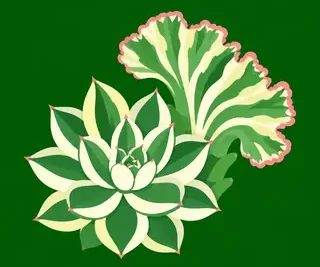
🌿 Variegated and Crested Mutations
Variegated succulents display stunning streaks of cream, pink, or yellow, while crested forms (cristata) grow in fascinating, fan-shaped waves. These mutations are rare and highly prized. Learn how to identify stable variegation versus stress colors, plus how to propagate crests without reverting to normal growth. We cover light needs, watering adjustments, and why some mutations are more fragile—so you can keep your prized specimens thriving.
🦏 Collecting Rare and Endangered Succulents
From the iconic Ariocarpus to elusive Pachypodium, collecting rare species is a rewarding yet responsible pursuit. This section explains how to source legally, quarantine new arrivals, and create microclimates for finicky growers. You’ll also learn which species are CITES-listed, why wild collection devastates populations, and how to build a collection that’s both impressive and sustainable.
🏜️ Building a Private Succulent Sanctuary
Transform a greenhouse, a sunny windowsill, or a backyard corner into a personal retreat. We guide you through layout design, substrate mixes, and climate control for rare succulents. Discover how to group plants by water needs, use shade cloths, and create natural-looking rockeries. This subcategory turns your space into a living museum—peaceful, low-maintenance, and endlessly fascinating.
🌵 Cultivating Hard-to-Grow Succulents
Some succulents challenge even seasoned growers—think Dioscorea elephants’ feet or Othonna caudiciforms. Here we demystify dormancy cycles, root rot prevention, and specialized watering techniques. You’ll find troubleshooting charts for yellowing leaves, shriveled stems, and pests. With step-by-step seasonal calendars, you can finally master species that once felt impossible.
🔬 Identification and Classification of Rare Species
Correctly naming a succulent is half the battle. This section covers botanical keys, leaf measurement, and flower morphology to help you distinguish look-alikes. We also explain hybridization history and how to verify cultivar names using reputable databases. Whether you’re labeling your own collection or buying online, you’ll avoid costly misidentifications and build botanical confidence.
🌍 Conservation Efforts and Ethical Sourcing
Rare succulents face habitat loss and illegal poaching. We spotlight sanctuaries, seed banks, and micro-propagation labs that protect threatened species. Learn to spot unethical sellers, understand phytosanitary certificates, and support conservation through captive cultivation. Your hobby can be a force for good—this subcategory shows you exactly how to tread lightly and leave wild populations untouched.
📜 Historic and Legendary Specimens
Some succulents carry centuries of lore—like the 100-year-old Agave or the “Living Stones” first described by explorers. Delve into famous herbarium collections, Victorian-era obsessions, and modern record holders. We share stories of legendary plants, their collectors, and how to care for heirloom specimens. Perfect for adding a narrative layer to your collection and impressing fellow enthusiasts.
Frequently Asked Questions
Are crested succulents more difficult to care for than normal ones?
Yes, often they are. Crested forms have compressed growth points, making them prone to rot if water sits in crevices. Use a grittier soil mix, water from below, and provide bright indirect light. Monitor for reverting growth—if a normal stem appears, prune it off to preserve the crest.
How can I tell if a rare succulent was ethically sourced?
Ask the seller for documentation, like CITES permits or nursery provenance certificates. Reputable growers will happily share photos of their propagation setup. Avoid any seller offering freshly dug wild plants or using vague terms like “field collected.” Support nurseries that openly discuss their conservation partnerships.
What are the first steps to building a private succulent sanctuary?
Start by assessing available light and temperature stability. Choose a shelving unit or greenhouse, then invest in well-draining pots and a cactus mix. Begin with 5–10 hardy rare species, like Haworthia or Echeveria, and gradually experiment. Track humidity and airflow—these are critical for success.
Why do some hard-to-grow succulents lose their roots after repotting?
This often happens due to overwatering or using too organic a soil. Many caudiciforms and caudex plants prefer a dry, rocky mix. Let freshly potted plants sit dry for 3–5 days, then water sparingly. Provide bright light and warmth, and avoid disturbing the root ball until new growth appears.
Can I help conserve endangered succulents from my home?
Absolutely. Grow endangered species from seed or cuttings obtained from ethical nurseries, and never buy wild-collected plants. Join conservation networks like the IUCN SSC Cactus and Succulent Specialist Group. You can also propagate and share rare plants responsibly, helping reduce wild demand.