Elevate Your Sanctuary: The Power of a Personal Succulent Space
😊 Transform your home with the therapeutic power of succulents! SucculentEssentials.org guides you through creating stunning DIY succulent garden designs, from basic…
Read article
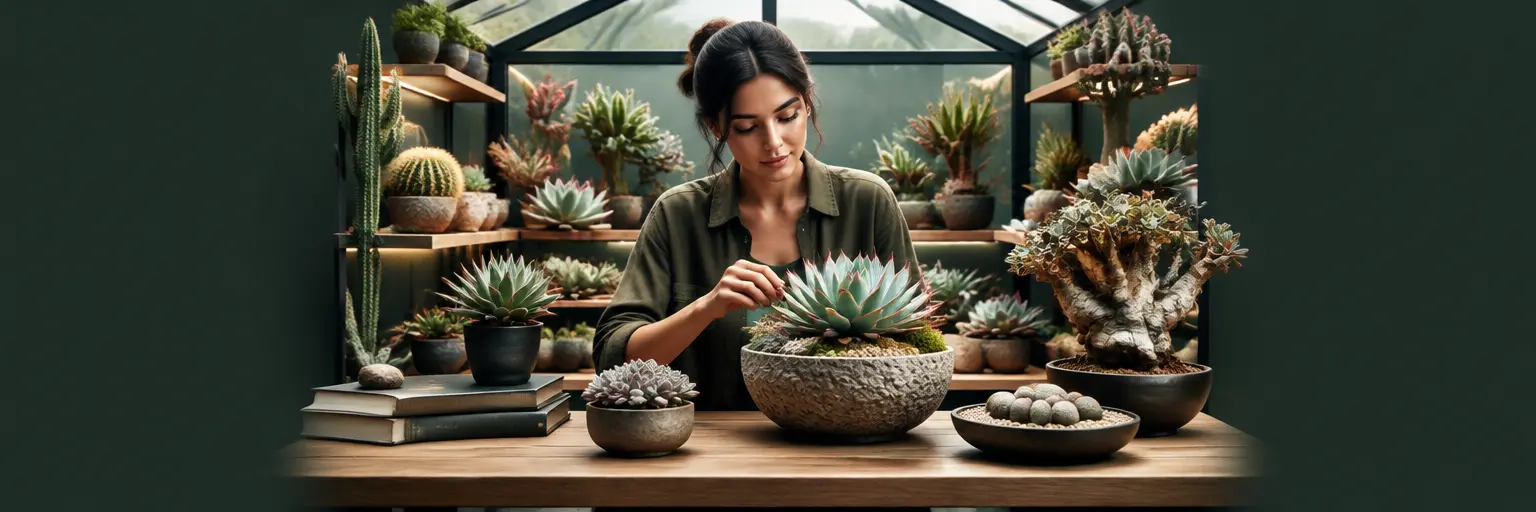
Transform your passion for these drought-resistant beauties into a personal retreat by building a private succulent sanctuary—a curated space where rare species and specialized collections thrive in perfect harmony. At SucculentEssentials.org, we guide you through every step, from selecting unique cultivars and sculptural caudiciforms to designing microclimates that mimic their native habitats. Whether you’re working with a sunny windowsill, a shaded patio, or a dedicated greenhouse, you’ll learn to layer gritty soil mixes, optimize light exposure, and master water-wise routines that keep your treasures healthy year-round. This isn’t just about growing plants—it’s about crafting a living art gallery that reflects your personal taste, with creative shelving, repurposed containers, and vertical displays that turn any corner into a serene, low-maintenance oasis. Dive into expert tips on pest prevention, seasonal care, and propagation to expand your collection sustainably, and discover how even a modest space can become a private haven for rare succulents that sparks daily wonder and quiet joy.
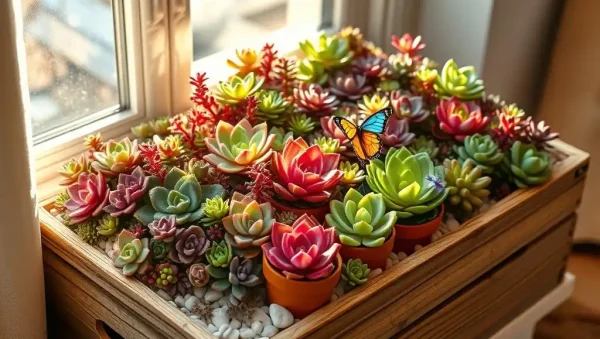
😊 Transform your home with the therapeutic power of succulents! SucculentEssentials.org guides you through creating stunning DIY succulent garden designs, from basic…
Read article
😊 Unleash your creativity with SucculentEssentials.org! Learn to design a unique succulent garden, crafting stunning arrangements and thriving terrariums, mastering care and…
Read article
😊 Transform stress into serenity with SucculentEssentials.org! Learn simple DIY succulent garden design techniques and create your own tranquil haven. Discover expert…
Read articleWelcome to your guide for crafting a hidden haven of drought-resistant beauty. A private succulent sanctuary is more than a collection—it’s a curated retreat where rare species thrive and you can unwind among sculptural leaves and earthy textures. Whether you have a sunny windowsill or a sprawling greenhouse, this subcategory helps you transform any space into a living gallery. From choosing rare specimens to designing microclimates, you’ll discover how to build a peaceful, low-maintenance oasis that reflects your personal style and deepens your connection to these resilient plants.
Start by mapping your space. Visual balance is key—arrange tall, architectural succulents like Euphorbia or Aeonium as focal points, then layer mid-sized rosettes and trailing varieties around them. Consider traffic flow and sunlight exposure; place sun-loving species within 12 inches of a bright south-facing window, while shade-tolerant Haworthia can occupy lower shelves. Use raised beds, tiered stands, or repurposed troughs to create depth and accessibility, making every plant a star.
Your layout should also include hardscaping elements like pebbles, smooth stones, or decorative gravel to mimic natural habitats. These not only suppress weeds but also help regulate soil temperature and moisture. Group pots with similar watering needs together, and leave narrow pathways between clusters—this invites slow, meditative walks where you can inspect your plants up close. Over time, adjust placements based on growth patterns and color contrasts, ensuring your sanctuary evolves into a dynamic, living art piece that feels both personal and intentional.
Curating rare species adds intrigue to your sanctuary. Seek out living stones (Lithops), pencil plants (Euphorbia tirucalli), or string of pearls (Senecio rowleyanus) for texture and uniqueness. Look for specialty nurseries or online growers that offer CITES-certified plants, ensuring legal and ethical sourcing. Prioritize species that suit your environment—arid-climate lovers like Adromischus or Othonna require gritty soil and infrequent water, while Senecio tolerates higher humidity if airflow is ample.
Don’t overlook hybrids and cultivars that offer unusual colors, shapes, or variegation. Examples include ‘Black Prince’ Echeveria or ‘Pink Blush’ Graptopetalum. Keep a journal of each specimen’s origin, growth habits, and care notes—this not only deepens your knowledge but also helps you identify pests early. Rotate new arrivals in quarantine pots for two weeks to prevent introducing diseases. By focusing on quality over quantity, your collection becomes a conversation piece and a testament to your dedication to preserving these botanical gems.
A successful sanctuary mimics nature’s diversity. Group plants by light and moisture needs into zones: a sunny “high desert” corner with gravel mulch, a shadier “rock crevice” area for airy succulents, and a humid “coastal” shelf for Crassula and Kalanchoe that appreciate occasional misting. Use shading cloth or sheer curtains to soften intense afternoon sun, especially for young or stressed plants. For humidity, place shallow water trays with pebbles near thirsty species, but ensure roots never sit in water.
To refine microclimates, invest in soil mixes tailored to each zone. Add coarse sand, perlite, or pumice to increase drainage for desert dwellers, while adding a bit of coconut coir for moisture-retentive species. Monitor temperature shifts—most succulents prefer 65–80°F during the day and 50–60°F at night. Use a simple hygrometer and thermometer to adjust placement seasonally. These careful tweaks prevent rot, sunburn, or leggy growth, resulting in vibrant, compact plants that reward your attention with show-stopping blooms.
Even without outdoor space, you can build a thriving sanctuary indoors. Use LED grow lights with full-spectrum output—position them 6–12 inches above plants for 10–14 hours daily. For shelving, repurpose wooden crates, metal racks, or wall-mounted hanging planters to maximize vertical space. Make sure each shelf has adequate ventilation; use small fans to prevent stagnant air that invites fungus. A simple timer automates light cycles, giving you consistent growth and color.
For a budget-friendly approach, build your own light stand from PVC pipes and zip ties, adjusting height as plants grow. Alternatively, use reflective mylar sheets to bounce light to lower shelves. When designing, prioritize accessibility—place daily-need plants like culinary Sedum at eye level, while rarer specimens can sit higher. Add labels or QR codes that link to care notes. These DIY solutions not only save space but also turn your sanctuary into a functional, beautiful feature of any room, proving that size doesn’t limit botanical creativity.
Your sanctuary thrives on rhythm. Spring and summer are active growth periods—water deeply but infrequently (every 7–10 days), and feed with a diluted cactus fertilizer monthly. Autumn and winter signal dormancy; reduce watering to every 3–4 weeks, stop fertilizing, and maintain cooler temperatures. Inspect plants weekly for mealybugs, scale, or spider mites, wiping leaves with isopropyl alcohol if needed. Rotate pots quarterly to ensure even light exposure and prevent leaning.
Incorporate repotting into your schedule every 2–3 years, refreshing soil and checking root health. Prune dead leaves and spent flower stalks to encourage new growth. As your collection matures, take cuttings for propagation—this expands your sanctuary and provides gifts for fellow enthusiasts. Keep records of your care routine’s success, adjusting watering based on weather shifts. This mindful, season-aware approach keeps your sanctuary resilient, so it remains a source of joy and relaxation for years to come.
Start with hardy genera like Echeveria, Sedum, Graptopetalum, and Aloe. They tolerate minor mistakes in watering and light. Provide bright, indirect light and a gritty soil mix. These species multiply easily, giving you early success and confidence to later attempt rarer varieties.
Water every 7–10 days during active growth (spring/summer), allowing soil to dry completely between waterings. In dormancy (autumn/winter), water every 3–4 weeks. Always check soil moisture with your finger—if it feels dry an inch down, water thoroughly but sparingly, avoiding standing water.
Yes, if they share similar light, water, and soil preferences. Group e.g., Echeveria with Sedum and Graptopetalum, which all prefer gritty, fast-draining soil and full sun. Avoid mixing soft-leaved tropicals with desert species. Use a wide, shallow container to prevent root rot.
Quarantine new plants for two weeks. Inspect leaf axils and roots regularly. Use neem oil spray weekly as a preventive. Isolate infected plants, remove visible pests with a cotton swab dipped in alcohol, and improve airflow with fans. Healthy, unstressed succulents are naturally pest-resistant.
Most succulents need 6–8 hours of bright, indirect light daily. If natural light is insufficient, use full-spectrum LED grow lights positioned 6–12 inches above plants for 10–14 hours. Rotate pots weekly to ensure even growth. Signs of too little light include stretching and faded colors.