Discover the World of Historic and Legendary Succulent Specimens
Welcome to the Historic and Legendary Specimens subcategory at SucculentEssentials.org, nestled within our Specialized Succulent Collections and Rare Species section. Here, we delve into the extraordinary tales and botanical marvels that have shaped succulent history—from century-old “living stones” to legendary plants that survived explorers, wars, and climate shifts. These are not just plants; they are living fossils, each with a story etched in their fleshy leaves. Whether you’re a seasoned collector seeking provenance or a curious hobbyist eager for inspiration, this page uncovers the rarest, oldest, and most storied succulents on Earth, blending horticultural insight with captivating lore.
🌵 Iconic Specimens with Proven Historical Provenance
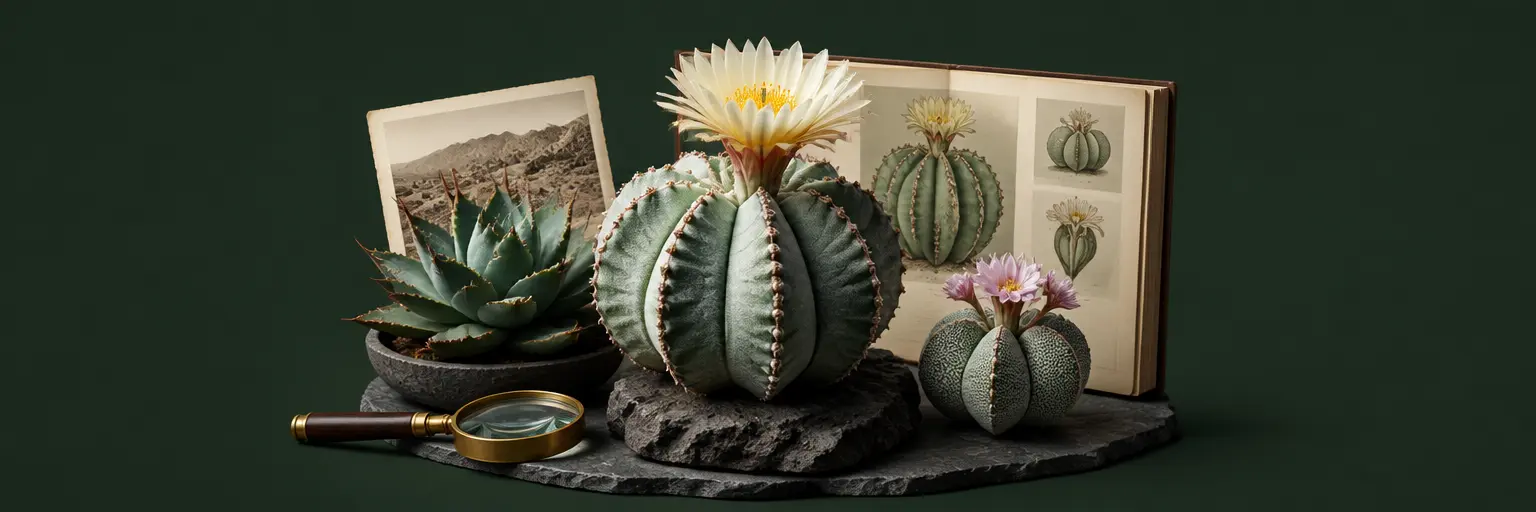
Explore succulents whose lineage can be traced back over decades or even centuries, often documented in herbaria, botanical gardens, or private collections. These specimens, like the famous “Old Man” Cactus (Cephalocereus senilis) or the “Century Plant” (Agave americana), have been cultivated for generations. You’ll learn how to verify provenance, understand the importance of documented lineage for value, and spot fakes or mislabeled plants. Our guides walk you through famous collections, such as those at the Huntington Botanical Gardens, and how you can acquire or view these living treasures responsibly.
For collectors, provenance adds immense worth—a specimen with a documented history from a renowned nursery or expedition can command premium prices. We break down the criteria used by experts to authenticate age and origin, including growth rings, style of pot, and archival photos. You’ll also discover tips for preserving historical records and how to ethically trade such rare plants without endangering wild populations. This section is your gateway to owning a piece of succulent history, complete with practical care advice tailored to mature, legacy plants that may require specialized attention.
🏺 Legendary Succulents in Folklore and Ancient Cultures
Many succulents have been revered for millennia, from the Aztec’s sacred peyote (Lophophora williamsii) to the African Hoodia used by San hunters to stave off hunger. This section explores the mythological and cultural significance of these plants, revealing how indigenous peoples used them for medicine, rituals, and survival. You’ll uncover the legends behind the “Mother-in-Law’s Tongue” (Sansevieria) and the “Tree of Life” (Adansonia), and how these stories influenced early botanical exploration and trade routes.
Understanding these historic connections enriches your appreciation and helps you advocate for conservation. We provide documented accounts from ethnobotanical studies, complete with references to academic sources, so you can distinguish fact from folklore. Additionally, we offer guidance on cultivating species with cultural significance in a respectful, legal manner, emphasizing the importance of CITES regulations. By the end, you’ll see these plants not just as decorations but as cultural artifacts that bridge human history and the natural world, making your collection a conversation starter with depth.
🔬 The Science Behind Ageless Succulents: Growth Rings and Aging
How do scientists determine the age of a succulent that has no visible tree rings? This section demystifies the methods used to date historic specimens, including dendrochronology adapted for succulents, isotope analysis, and historical documentation cross-referencing. Learn about “living stones” (Lithops) that can live for 50+ years and saguaro cacti that reach 150 years old, and the unique physiological adaptations—such as slow growth rates and cellular repair mechanisms—that enable their longevity. We also discuss how climate change and habitat loss are threatening ancient succulent populations worldwide.
For the curious mind, we break down academic research on succulent aging, citing studies that use radiocarbon dating on giant saguaros and clonal colonies like the “King Clone” creosote bush (though not succulent, a parallel). You’ll gain insight into how to estimate your own mature specimen’s age via leaf production patterns. This scientific perspective adds credibility to your collecting hobby and helps you appreciate the fragile ecosystems these plants inhabit. Plus, we offer conservation resources if you wish to support efforts protecting ancient succulent habitats.
📜 Famous Collections and Where to See Legendary Specimens
Plan your pilgrimage to world-renowned succulent gardens that house historic specimens, from the Jardin Exotique in Monaco to the Desert Botanical Garden in Phoenix. This article-style section provides virtual tour highlights, opening hours, and the specific legendary plants you can view, such as the 200-year-old giant barrel cactus or the original “Corpus Christi” aloe imported from South Africa. We also feature private collections that occasionally open to the public, like the Lyman Plant House or the Karoonda Rare Succulents in Australia.
Beyond mere addresses, we interview curators and provide insider tips for the best seasons to witness rare blooms. You’ll also learn how botanical gardens propagate and share cuttings, enabling you to legally acquire offspring of famous specimens. We emphasize the role of these institutions in preserving genetic diversity and offer guidelines for supporting them through memberships or donations. This section turns your passion into a travel adventure, proving that legendary succulents are not just myths—they are tangible, visitable wonders.
💡 Caring for Historic Specimens: Proven Techniques and Risks
Owning a historic or legendary succulent requires specialized care to prevent damage from age, pests, or environmental stress. Our expert guides cover rejuvenation pruning, soil composition for ancient roots, and light management to mimic their original habitat. You’ll learn how to handle corked bark, support massive branch weight, and recognize signs of decline unique to old plants. We also address common pitfalls like over-watering, which is fatal for these slow-growing species.
Additionally, we discuss conservation ethics—should you buy a specimen with dubious origins? We explain how to verify CITES permits and avoid trafficked plants. For rare species like the Welwitschia mirabilis (a living fossil, not succulent but related), we offer alternative legal options, such as seed banks or tissue culture. Included are step-by-step tutorials for repotting huge specimens, treating root rot without disturbing the plant, and creating microclimates indoors. By following our advice, you can ensure your historic succulent thrives for another generation, adding to its legend.
Frequently Asked Questions
What defines a “historic” succulent specimen versus simply an old plant?
A historic succulent is typically documented for age, origin, or cultural significance, often with archival records, named cultivar status, or connection to a famous collection. Old plants lack such provenance. For example, a century-old agave with nursery papers is historic; a wild-sourced old cactus without documentation is just aged. Always ask for provenance paperwork when purchasing.
Are legendary succulents like peyote legal to own?
No, peyote (Lophophora williamsii) is illegal to possess or cultivate in many countries without special permits due to its psychoactive alkaloids and endangered status. However, closely related but non-psychoactive species, like Lophophora diffusa, are legal with proper CITES documentation. Always check local laws—possession penalties can be severe, so err on the side of legal alternatives.
How can I prove the age of a succulent specimen I already own?
Collectors use growth ring counts (for columnar cacti), leaf scar counts (for aloes), or historical photographs comparing size over years. For a professional assessment, consult a botanist who can use radiocarbon dating on woody tissue—though this is costly. Start by documenting your plant’s current size and growth rate annually to build future proof.
Can I buy specimens from famous botanical gardens?
Many gardens offer propagation sales or member-only auctions for offspring of historic plants, but exact original specimens are never sold. You can also join societies like the Cactus and Succulent Society of America, which arrange exchanges. Always ensure cuttings are legally sourced and quarantined for pests before adding to your collection.
Do legendary succulents require different soil than typical ones?
Yes, very old specimens often have extensive, brittle roots that need a stable substrate—mix 70% inorganic grit (pumice, perlite) with 30% organic matter to prevent compaction. Avoid frequent repotting; instead, refresh topsoil annually. Also, use larger pots with drainage holes and avoid glazed ceramics that trap moisture, which can rot ancient roots quickly.