The Therapeutic Benefits of Caring for Rare Succulents
😊 Discover the surprising therapeutic benefits of caring for rare succulents! SucculentEssentials.org reveals how nurturing these unique plants can reduce stress and…
Read article
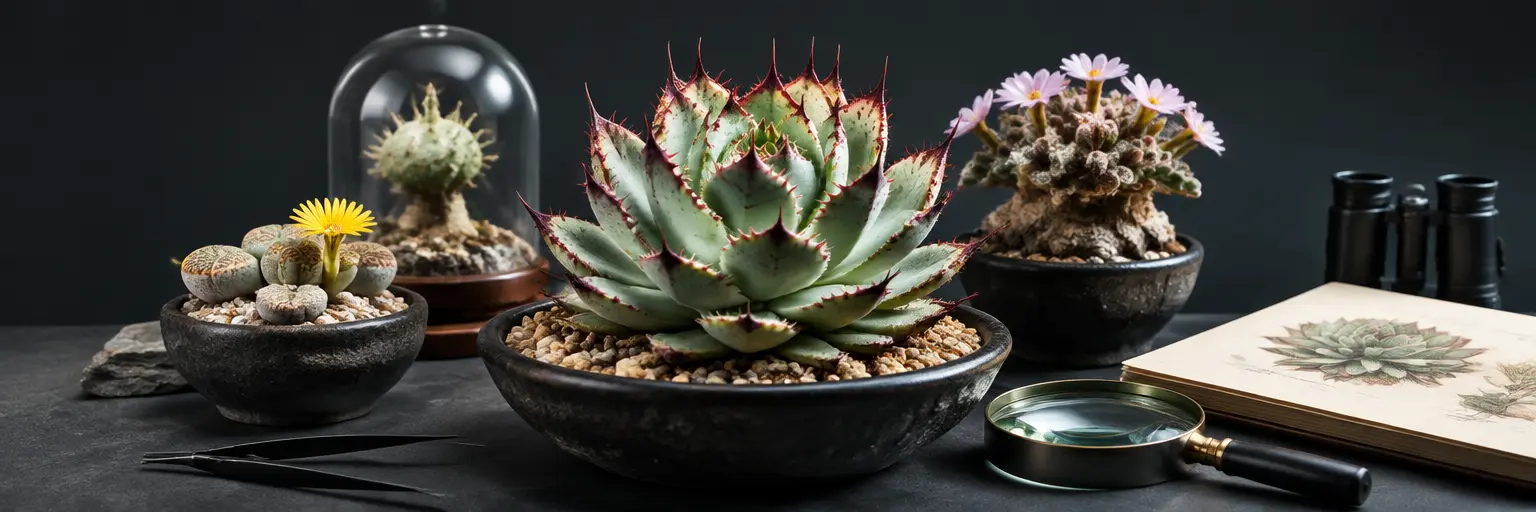
Dive into the fascinating world of rare and endangered succulents 🪴, where botanical treasure meets conservation passion. At SucculentEssentials.org, we guide you through the delicate art of collecting uncommon species—from slow-growing Ariocarpus and elusive Conophytum to legally protected Lithops and other CITES-listed varieties. 🌍 Learn how to responsibly source these living jewels from ethical growers, navigate legal trade regulations, and master the precise care routines that keep these fragile plants thriving in your home. Our expert tips cover specialized soil mixes, controlled watering schedules, and optimal lighting to mimic their harsh native habitats. Whether you’re a seasoned collector searching for that one-of-a-kind specimen or a curious beginner eager to start a conservation-focused collection, we provide actionable advice on seed propagation, grafting, and tissue culture techniques to help preserve these botanical wonders for future generations. Discover how to build a meaningful, sustainable collection that celebrates biodiversity while avoiding threats to wild populations.
😊 Discover the surprising therapeutic benefits of caring for rare succulents! SucculentEssentials.org reveals how nurturing these unique plants can reduce stress and…
Read article
🤔 Discover the hidden beauty of rare succulents thriving in their wild habitats! SucculentEssentials.org explores the unique environments where these extraordinary plants…
Read article
😊 Protecting rare succulent habitats is crucial for preserving these unique plants. Collectors play a vital role; learn how responsible collecting and…
Read article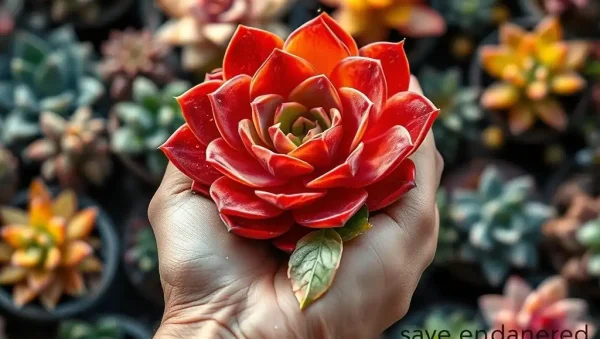
😊 Succulent collectors hold the key to saving endangered succulents now! Learn how responsible collecting and propagation practices can safeguard these unique…
Read articleWelcome to the fascinating world of rare and endangered succulents—where botanical rarity meets conservation commitment. At SucculentEssentials.org, we understand that collecting these extraordinary plants goes beyond aesthetics; it’s about preserving biodiversity and celebrating nature’s most resilient survivors. This specialized subcategory dives into ethical sourcing, legal considerations, cultivation challenges, and the deeply rewarding experience of nurturing species that few people will ever see. Whether you’re a seasoned collector or a curious beginner, this guide will help you navigate the complexities of acquiring and caring for these botanical treasures while supporting global conservation efforts.
Rare succulents are species with limited natural habitats, small populations, or slow reproduction rates, often found in isolated regions like Madagascar, the Namib Desert, or Mexico’s arid highlands. Endangered succulents face a more critical status, as categorized by the IUCN Red List, due to habitat destruction, illegal collection, and climate change. Examples include Dudleya species (poached in California) and Aztekium ritteri (a slow-growing cactus from Mexico). Understanding what makes a plant rare helps collectors appreciate its ecological significance and avoid inadvertently supporting illegal trade.
When you acquire a rare succulent, you’re not just buying a plant—you’re becoming a steward of its lineage. Many rare species produce limited seeds or offsets annually, making each specimen a tiny conservation victory. By learning their native environments, you’ll better replicate the precise light, airflow, and soil conditions they need. This knowledge also enables you to identify red flags in the market, such as suspiciously low prices for CITES-listed species or sellers lacking proper documentation. Start by researching the natural history of any plant before purchase, and you’ll build a collection that’s both ethically sound and biologically fascinating.
CITES (the Convention on International Trade in Endangered Species) regulates international trade of many rare succulents, requiring permits for cross-border transactions. For instance, most Ariocarpus, Pachypodium, and Lithops species are listed in Appendix I or II, meaning trade is strictly monitored. As a collector, you must verify that any imported plant comes from cultivated sources, not wild harvesting. Reputable nurseries provide certificates of provenance, while online marketplaces vary—always ask for documentation before purchase. Domestic sales may be less regulated, but ethical sourcing still means choosing growers who propagate from seed rather than stripping wild populations.
Beyond legality, ethical sourcing supports conservation by creating economic incentives for cultivation. When you buy from specialty nurseries that reinvest in propagation programs or habitat restoration, you’re directly aiding species survival. Conversely, purchasing wild-collected plants—often illegally—diminishes fragile ecosystems. Join succulent societies or forums where experienced collectors share vetted vendor lists and warn against unethical sellers. Remember, a rare plant is rare because its habitat is shrinking; every legally propagated purchase helps shift demand away from wild collection. Your commitment to CITES compliance not only protects you legally but also strengthens the entire collector community’s reputation.
Rare succulents often demand more precise care than their common cousins. Many are adapted to microclimates—think fog-drenched cliffs or rocky crevices—so replicating those conditions indoors or in a greenhouse requires attention to detail. For example, Dudleya thrives in cool coastal breezes, while Pachypodium needs intense heat and minimal humidity. You’ll need to research each species’ ideal substrate (gritty, mineral-heavy mixes), watering frequency (often minimal but consistent), and seasonal dormancy patterns. Expect a steeper learning curve, but the reward is seeing a rare flower bloom under your care—a moment few hobbyists achieve.
Pests and diseases also hit rare specimens harder because they lack genetic diversity. Scale insects, mealybugs, and root rot are common threats. Implementing a strict quarantine protocol for new arrivals is non-negotiable; keep them isolated for 2-4 weeks to spot issues early. Additionally, many rare succulents have shallow root systems, making them prone to overwatering—use terracotta pots and well-draining soil. Consider investing in grow lights if you lack a sunny windowsill, as unnatural light levels can stunt growth. With patience and observation, you’ll develop a feel for each plant’s signals, from leaf wrinkling (thirst) to black spots (sunburn or fungus).
Hybrid confusion is a real problem in succulent collecting. Many nurseries produce interspecies hybrids that resemble rare species but lack their genetic purity or conservation value. For example, Echeveria hybrids are common, but a plant labeled as E. elegans may actually be a complex cross. To verify authenticity, examine morphological details—leaf shape, rosette tightness, spine structure—against botanical references. Use reputable identification apps or consult experts in online communities where seasoned collectors often spot mislabeled listings. For critical species, consider micropropagation certificates or seeds from documented seed banks.
True authenticity matters for both conservation and pricing. Rare species in pure form are more valuable to science and future breeding programs. When you buy a mislabeled hybrid, you might unknowingly spread confusion in the community. Always ask sellers for clear photos of the original plant and its seed parent. If possible, purchase directly from botanical gardens or certified nurseries that specialize in rare species. They often provide detailed taxonomic history. Additionally, learning to identify species-specific traits—such as Ariocarpus’s tubercled surface or Conophytum’s windowed leaves—empowers you to spot fakes. A meticulous collector is a trusted one.
Responsible collecting actively contributes to conservation. By cultivating rare succulents from seeds, you create ex-situ populations that safeguard genetic material against habitat loss. Many botanical institutions partner with private collectors to maintain species that are extinct in the wild. For instance, certain Euphorbia and Aloe species survive only in collections because their natural habitats were cleared. When you share cuttings or seeds with other documented collectors, you’re building a genetic safety net. This collaborative effort is vital for future reintroduction projects.
Moreover, your demand for ethically propagated specimens reduces incentives for poaching. Every dollar spent with responsible growers funds their future propagation efforts and sometimes supports in-situ conservation initiatives. Document your collection’s provenance and consider registering with databases like the International Succulent Institute or Plant List. Educating others—through blog posts, social media, or local succulent society presentations—spreads awareness about rare species’ fragility. Your passion has ripple effects: neighbors start asking questions, friends become curious, and soon your community values these plants’ existence. Conservation isn’t just about preserving; it’s about inspiring others to care.
Start small and focus on disease-free, well-rooted plants. Begin with a few hardy rare species—like Haworthia truncata or Pleiospilos nelii—that tolerate beginner mistakes. Attend succulent shows or swaps where you can see plants in person, ask questions, and buy directly from experienced growers. Avoid impulse internet purchases without photos and documentation. As you gain confidence, expand to more demanding species like Tephrocactus geometricus or Pseudolithos cubiformis. Track your plants’ growth, flowering, and dormancy cycles in a journal; this data becomes invaluable as your collection grows.
Set a budget and a space limit to avoid overwhelmed collections. Rare succulents can be pricey—specimens like Aztekium hintonii may cost hundreds of dollars—so prioritize species you truly admire. Join succulent societies to access member-only sales and trade rare cuttings legally. Also, consider growing from seed: it’s slower but more affordable and offers genetic diversity. Over time, you’ll develop a collection that reflects your personal taste and conservation ethos. Remember, a well-planned collection outshines a haphazard one. Patience is your best tool; rare plants grow slowly, but their longevity is a testament to your skill.
Yes, but only if sourced legally. Many are CITES-listed, so international trade requires permits. Buying from reputable nurseries that provide provenance documentation ensures compliance. Domestic purchases may have fewer restrictions, but always verify the seller’s legitimacy. Avoid wild-collected plants; they’re often illegal and harm native populations.
Look for transparent provenance: reputable sellers share photos of mother plants, seed origins, or CITES certificates. They’ll answer questions about cultivation readily and discourage wild collection. Check reviews on forums or succulent society pages. Trust your instinct—if a deal seems too good to be true, it probably involves illegal sourcing.
Yes, but success varies. Many propagate via leaf cuttings, offsets, or seeds. However, some species are slow or require specific hormones to root. For endangered species, propagation helps conservation, but avoid creating uncontrolled hybrids that dilute genetics. Always label and document your propagations for accuracy.
Matching their microclimate—most rare species demand precise light, temperature, and airflow. Overwatering is a common killer, as rare roots are often delicate. Pest outbreaks are also tricky because you can’t just toss a rare plant. Research each species’ natural habitat and mimic it as closely as possible.
Yes, most prefer extremely well-draining, gritty mixes—think pumice, perlite, and coarse sand. Terracotta pots wick moisture, preventing root rot. Avoid plastic pots that retain water. Some species prefer shallow pots due to shallow roots. Adjust soil based on species; research each plant’s native substrate for best results.