
Fundamentals of Succulent Care
Master the essentials of succulent care with expert guidance from SucculentEssentials.org, your go-to resource for keeping these drought-resistant beauties thriving in any space. From watering and moisture management to soil selection, light and temperature needs, and seasonal routines, we break down practical, science-backed tips for healthy growth. Learn how to prevent pests, master repotting, and boost vigor with proper fertilization—whether you’re a beginner or a seasoned collector. Dive into simple, actionable advice that turns succulent care into a rewarding, stress-free experience. 🌵✨
 Light and Temperature Requirements
 Repotting and Transplanting
 Soil and Substrate Selection
 Fertilizing and Nutrient Management
 Watering and Moisture Management
 Pests and Disease Control
 Seasonal Care Routines
Fundamentals of Succulent Care
Mastering the fundamentals of succulent care is the key to thriving, colorful, and long-lived plants. Whether you’re a beginner or a seasoned collector, understanding the core principles—from watering and soil to light and seasonal shifts—prevents common issues like rot, etiolation, and pest infestations. This guide breaks down each essential pillar, helping you create the ideal environment for your drought-resistant beauties in any home or garden.
🌿 Seasonal Care Routines
Succulents follow distinct growth cycles tied to the seasons, and adjusting your care routine accordingly is vital. In spring and fall (active growth), increase watering and consider light feeding. During summer’s intense heat, many succulents enter semi-dormancy, requiring less water and afternoon shade. Winter dormancy demands minimal watering—only when leaves show slight wrinkling—and protection from frost. Learn to read your plant’s cues and align your schedule with natural rhythms for robust health.
🐛 Pests and Disease Control
Healthy succulents are resilient, but mealybugs, spider mites, scale, and fungal rot can still strike. Early detection is your best defense: inspect leaf axils and undersides weekly. Use isopropyl alcohol on cotton swabs for pests, or neem oil sprays for broader infestations. For root rot, remove affected tissue, let the plant dry, and repot in fresh, sterile soil. Preventing disease starts with proper drainage, airflow, and avoiding overhead watering. Quarantine new plants for 2–3 weeks to stop spread.
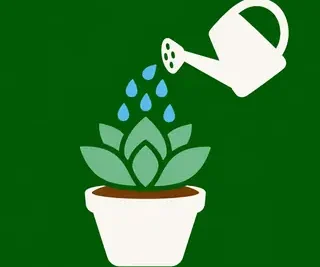
💧 Watering and Moisture Management
Overwatering is the #1 killer of succulents. Use the “soak and dry” method: water thoroughly until it drains from the pot, then wait until the soil is completely dry before watering again. Frequency depends on pot material, humidity, and season—terracotta dries faster than plastic. Always water at the base, avoiding leaves to prevent rot and sunburn. Invest in a moisture meter or simply test with your finger. Remember: it’s easier to revive a thirsty succulent than a waterlogged one.
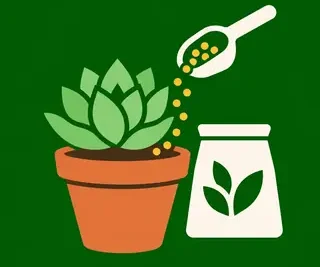
🌱 Fertilizing and Nutrient Management
Succulents need far less fertilizer than typical houseplants, but the right boost enhances color, growth, and flowering. Use a balanced, water-soluble fertilizer (e.g., 10-10-10) diluted to half or quarter strength. Apply only during the active growing season—spring through early fall—once a month max. Avoid fertilizing dormant plants or during extreme heat. Low-nitrogen or succulent-specific formulas prevent leggy growth. Always moisten soil first to protect tender roots from chemical burn.
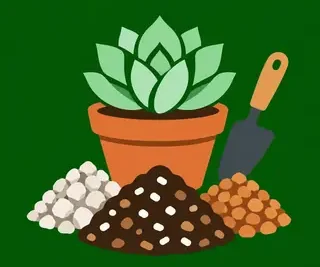
🪨 Soil and Substrate Selection
The perfect succulent soil is fast-draining, gritty, and low in organic matter. A basic mix combines 50–70% inorganic materials (pumice, perlite, coarse sand, small gravel) with 30–50% organic potting soil or coconut coir. This prevents water retention and root suffocation. For arid-climate species, increase inorganic content; for tropical succulents like Haworthia, lean slightly more organic. Never use garden soil—it compacts and harbors pathogens. Test drainage by watering: soil should be fully saturated and dry within 3–4 days.
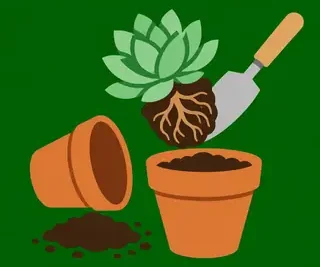
🏺 Repotting and Transplanting
Repot succulents every 1–2 years or when roots outgrow the pot. Choose a container 1–2 inches wider with drainage holes—unglazed clay is ideal. Gently remove the plant, shake off old soil, and trim dead or rotted roots. Let the plant dry for 2–3 days to callus before planting in fresh, dry soil. Water after 5–7 days to let roots settle. Repot during spring or early fall to minimize stress. Always handle leaves carefully; they’re prone to snapping.
☀️ Light and Temperature Requirements
Most succulents crave bright, indirect light for 6+ hours daily. South or east-facing windows are best indoors; outdoors, partial shade is safer for intense climates. Signs of insufficient light include stretched, pale growth (etiolation). Too much harsh sun causes sunburn (brown, crispy patches). Temperature-wise, keep most species between 60–80°F (15–27°C). Protect from frost below 40°F, and above 90°F, provide shade and airflow. A gradual acclimation period prevents shock when moving plants to new light or temperature conditions.
Frequently Asked Questions
How often should I water my succulents?
There’s no fixed schedule—it depends on pot size, soil, humidity, and season. In summer, water every 7–10 days; in winter, every 3–4 weeks. Always check that the top 2 inches of soil are completely dry before watering. When in doubt, wait an extra few days; succulents handle drought far better than overwatering.
Why are my succulent leaves turning yellow and mushy?
This is classic overwatering or poor drainage. The roots are suffocating and rotting. Remove the plant, trim any black or soggy roots, let it dry for 2–3 days, and repot in fresh, gritty soil. Adjust your watering routine and ensure the pot has drainage holes. Yellow, translucent leaves often signal irreversible rot—remove affected leaves immediately.
Can succulents survive in low light?
Most succulents will survive but not thrive in low light—they’ll stretch, pale, and lose their compact shape. If you must keep them in low light, choose shade-tolerant varieties like Haworthia or Gasteria. Supplement with a grow light for 10–12 hours daily. Rotate pots weekly to encourage even growth, and expect slower growth and less vivid colors.
How do I get rid of mealybugs on my succulents?
Dip a cotton swab in 70% isopropyl alcohol and dab each mealybug directly—this kills them on contact. For larger infestations, spray the whole plant with diluted neem oil (1 tsp per liter of water with a drop of dish soap). Reapply weekly for 3–4 weeks. Inspect new plants before bringing them indoors to prevent spread.
What is the best soil mix for succulents?
A reliable DIY mix is 2 parts inorganic grit (pumice, perlite, coarse sand) to 1 part organic potting soil. For extra drainage, add a handful of small pebbles. Ensure the mix is dry to the touch within 3–4 days after watering. Commercial cactus mixes often need added perlite. Avoid soil with moisture-retaining crystals or heavy peat.