The Power of Drainage Layers: Protecting Your Succulent Roots
🤔 Proper succulent drainage is crucial! Learn how a well-designed drainage layer prevents root rot, a common succulent killer, maximizing their health…
Read article
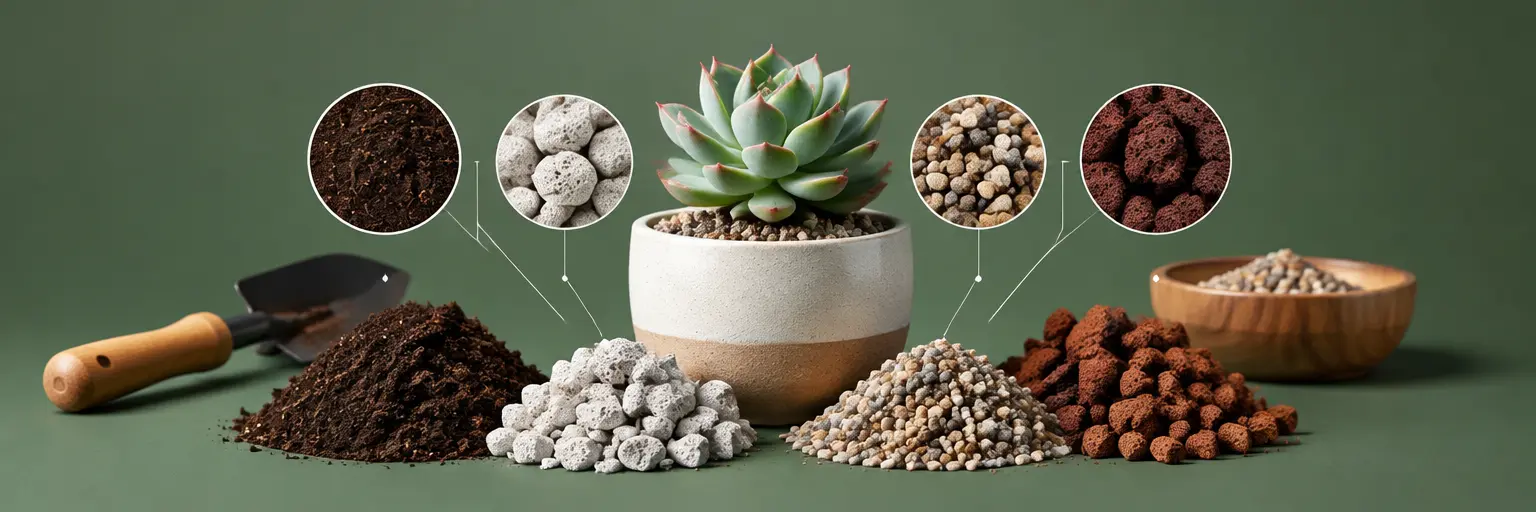
Choosing the right soil and substrate is the single most important step for thriving succulents, as it directly prevents root rot and mimics their natural arid habitat. At SucculentEssentials.org, we dive deep into the science and art of well-draining mixes, explaining why standard potting soil fails and how to create the perfect custom blend using coarse sand, perlite, pumice, and organic matter. Master the balance between moisture retention and aeration to ensure your plants’ roots stay healthy, dry, and oxygenated. Whether you’re potting a tiny echeveria or a sprawling jade tree, our practical tips help you choose the ideal substrate for every stage, from seedlings to mature specimens. Get ready to transform your succulent care routine and unlock vibrant growth, vivid colors, and lasting resilience in any container or climate.
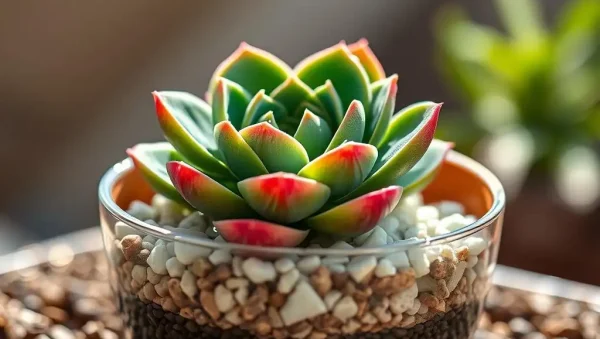
🤔 Proper succulent drainage is crucial! Learn how a well-designed drainage layer prevents root rot, a common succulent killer, maximizing their health…
Read article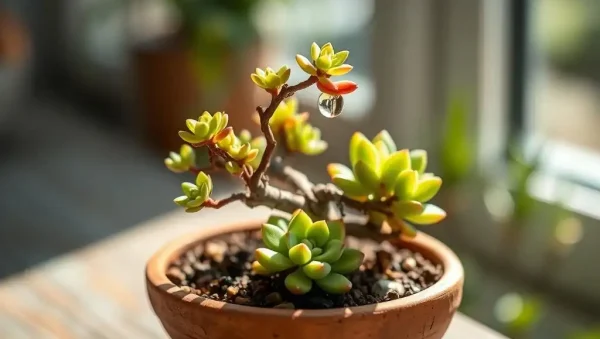
😊 Discover the secrets to thriving succulent bonsai! SucculentEssentials.org reveals why specially formulated bonsai soil provides superior drainage and aeration, crucial for…
Read article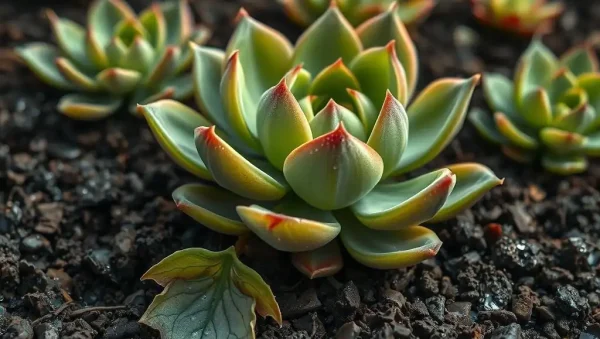
🤔 Succulent soil moisture dangers are real! Learn how seemingly beneficial moisture-retentive soil can lead to root rot and other fatal issues…
Read article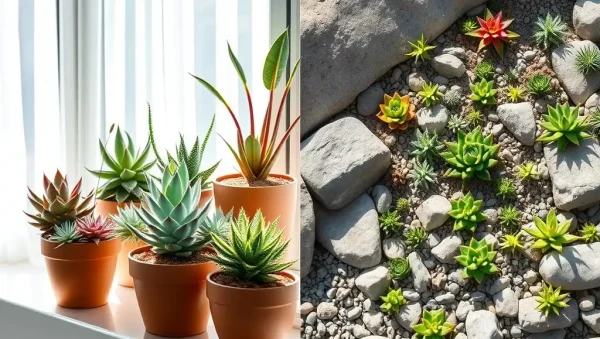
🤔 SucculentEssentials.org reveals the secrets to thriving succulents! Learn how selecting the ideal soil – the best soil for succulents indoors and…
Read articleChoosing the right soil and substrate is the single most critical factor for succulent health. Unlike typical houseplants, succulents store water in their leaves, stems, or roots, making them highly susceptible to root rot in dense, moisture-retentive mixes. In this subcategory, we demystify the science of aeration, drainage, and mineral balance, helping you craft the perfect growing medium for indoor pots, outdoor gardens, or vertical arrangements. Whether you are a beginner or a seasoned collector, understanding substrate ingredients and their ratios will transform your succulent care routine and prevent common failures.
Succulent roots need oxygen as much as they need water. The perfect substrate balances rapid drainage with minimal water retention, allowing roots to dry quickly between waterings. A gritty, porous mix—often comprising coarse sand, perlite, pumice, or crushed granite—prevents waterlogging while still holding enough moisture for root uptake. Organic matter like coco coir or compost provides nutrients, but should never exceed 30-40% of the total volume.
When you select soil, prioritize particle size (2-5mm) and uniformity. Larger particles create air pockets, while fine dust compacts and suffocates roots. This structure also encourages robust root growth, as roots naturally seek out oxygen-rich zones. By mastering this balance, you’ll reduce the risk of fungal infections, yellowing leaves, and sudden collapse—issues that plague succulents in standard potting soil.
Inorganic materials—pumice, perlite, coarse sand, and fired clay pellets—are the backbone of a succulent mix. They provide structural stability, improve drainage, and do not decompose over time. Pumice, for example, is lightweight yet porous, retaining moisture on its surface while allowing excess water to escape. Perlite, though cheaper, tends to float to the top over time. Organic components like pine bark, leaf mold, or worm castings supply essential nutrients, but they break down slowly, altering pH and drainage.
For most succulents, a 60/40 ratio of inorganic to organic is ideal. However, arid-climate species like Lithops or Ariocarpus prefer up to 80% inorganic, while leafy varieties like Haworthia tolerate more organic matter. Understanding each ingredient’s water-holding capacity and longevity helps you customize mixes for specific genera, ensuring your plants receive exactly what they need without guesswork.
Creating your own succulent soil is cost-effective and lets you fine-tune texture per plant group. A universal indoor recipe: 2 parts pumice, 1 part coarse sand, 1 part coco coir, and 1/2 part perlite. For outdoor settings exposed to rain, increase inorganic to 70-80% to prevent water retention during wet spells. For closed terrariums, avoid organic matter entirely—use a charcoal, pumice, and gravel mix to prevent mold and souring.
Rather than buying pre-bagged “cactus soil” (which often remains too heavy), test your DIY mix by watering a handful: water should flow out within 3-5 seconds. Adjust by adding more perlite for faster drainage or more coir for slightly higher moisture. Remember that container depth and material (terracotta vs. plastic) influence drying times, so adapt your recipe accordingly. This hands-on approach ensures your succulents flourish in every environment, from sunny windowsills to shaded patios.
Most commercial cactus mixes are still too dense for long-term health. They often contain peat moss that turns hydrophobic when dry and compacts when wet. To amend, mix 50% commercial cactus soil with 25% perlite and 25% coarse pumice or crushed granite. This boosts air porosity without sacrificing the nutrients present in the bagged mix. Alternatively, add orchid bark chips for extra structure, especially for Echeveria or Aeonium with delicate roots.
Before using any commercial mix, inspect for visible fibers or excessive organic fines. If it feels dusty, sift it through a 1/4-inch mesh to remove small particles. Then, always wet the amended mix thoroughly before potting—dry commercial soil can repel water initially, causing uneven hydration. With simple amendments, you transform a mediocre product into a professional-grade substrate that promotes vigorous root development and vibrant foliage.
Monitoring your substrate’s behavior after watering is the best troubleshooting guide. If water pools on the surface for more than 10 seconds, your mix lacks drainage—add more coarse sand or pumice. Conversely, if roots appear white and mushy or leaves become translucent, the substrate is too retentive; increase inorganic components. Use a moisture meter or lift the pot—it should feel noticeably lighter within 3-4 days after watering in warm conditions.
Also watch for salt buildup from fertilizers, appearing as white crust on pot edges. This indicates poor flushing; remedy by leaching the soil with distilled water every few months. If you see soil shifting or eroding from the pot’s top, use a layer of gravel as a top dressing to stabilize the mix. By regularly assessing these signs, you can proactively adjust your substrate recipe, saving plants before visible damage occurs. Remember, succulents thrive when their roots breathe—listen to what your soil tells you.
Start with a 50/50 combination of commercial succulent soil and perlite or pumice. This provides adequate drainage while remaining forgiving for beginners. As you gain experience, adjust the ratio based on your watering habits and local humidity.
Regular potting soil retains too much moisture and lacks aeration, leading to root rot. If you must use it, mix in 50-70% inorganic materials like perlite, coarse sand, or pumice to improve drainage. Otherwise, opt for a dedicated succulent mix.
Repot every 2-3 years, or when you notice roots growing out of drainage holes or soil breaking down. Refresh the substrate to restore aeration, remove salt buildup, and provide new nutrients. Best done in spring or early summer during active growth.
Most succulents thrive in low-nutrient soils; excessive fertilizer causes leggy growth and burns. If desired, apply a balanced 10-10-10 fertilizer diluted to half strength once in spring and once in summer. Avoid fertilizing in winter dormancy.
No—beach sand contains salt and fine particles that compact, harming roots. Use coarse horticultural sand or builder’s sand instead, which is washed and provides better aeration. Always rinse commercial sand before mixing to remove dust.