The Humidity Hurdle: Managing Moisture Levels to Prevent Disease
🤔 High humidity threatens succulent health. This Succulent humidity control guide reveals crucial techniques to prevent fungal diseases and root rot, ensuring…
Read article
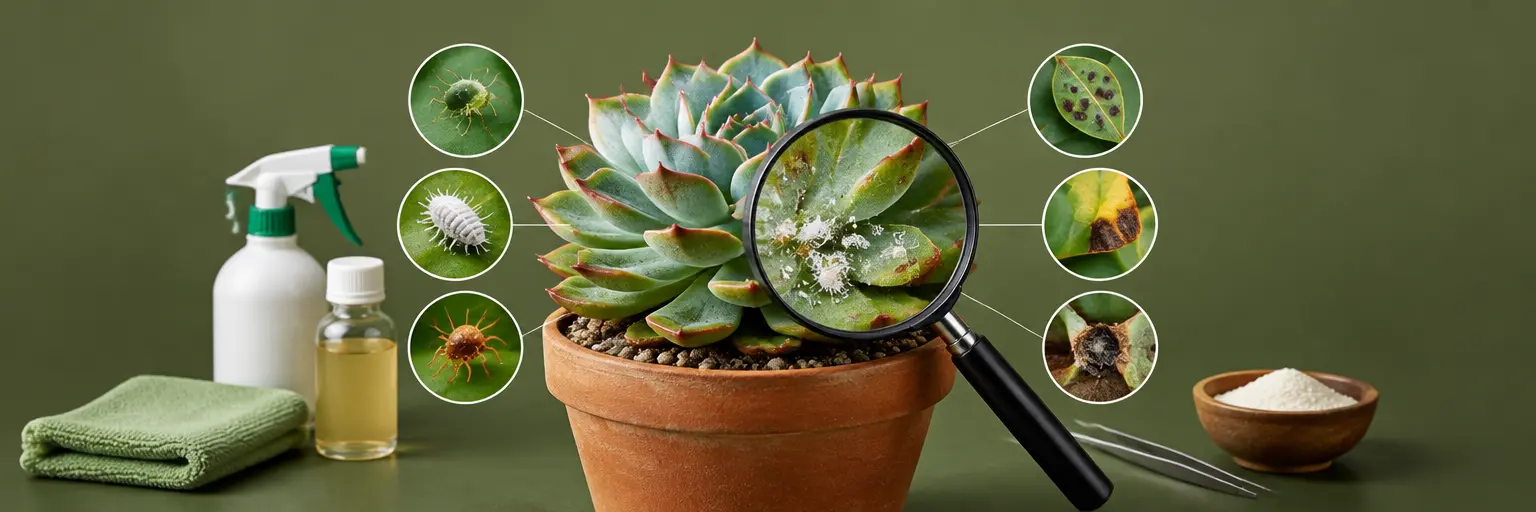
Protect your prized succulents from common threats with our expert pest and disease control guidance! Whether you’re dealing with pesky mealybugs, stubborn spider mites, or the dreaded root rot, this section from SucculentEssentials.org delivers actionable, plant-safe solutions to keep your collection thriving. Learn to identify early warning signs, apply organic remedies, and master prevention techniques tailored for drought-resistant plants. From quarantine tips to natural sprays, we cover everything you need to safeguard your green companions and maintain their vibrant, healthy glow in any environment. Perfect for beginners and seasoned growers alike, turn your succulent care routine into a fortress against infestations and fungal issues—because healthy succulents are happy succulents!
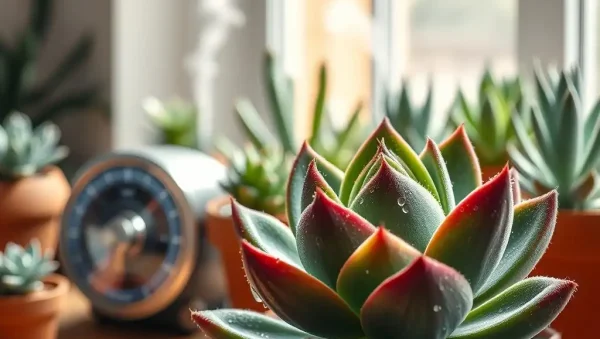
🤔 High humidity threatens succulent health. This Succulent humidity control guide reveals crucial techniques to prevent fungal diseases and root rot, ensuring…
Read article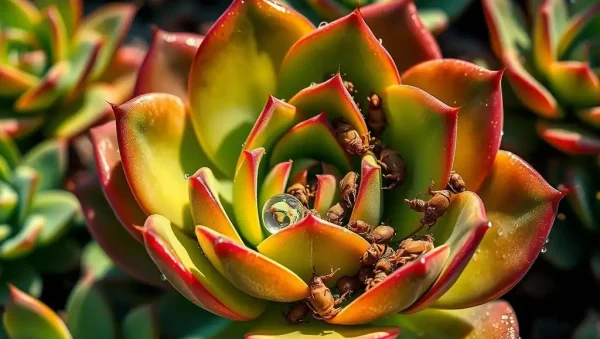
🤔 SucculentEssentials.org reveals the secrets to identifying and effectively removing succulent scale insects, saving your beloved plants from these insidious pests. Learn…
Read article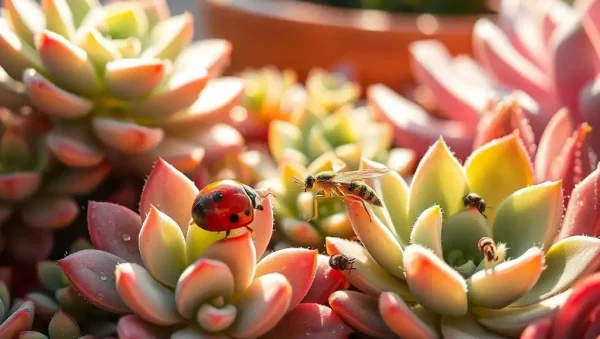
😊 Combatting succulent pests naturally is easier than you think! SucculentEssentials.org reveals how beneficial insects can protect your precious plants, offering a…
Read article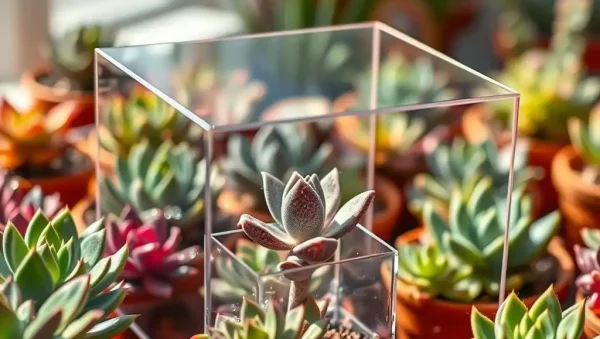
🤔 Protect your precious succulent collection! Isolating new succulents prevents the spread of diseases and pests, safeguarding your existing plants. Learn how…
Read article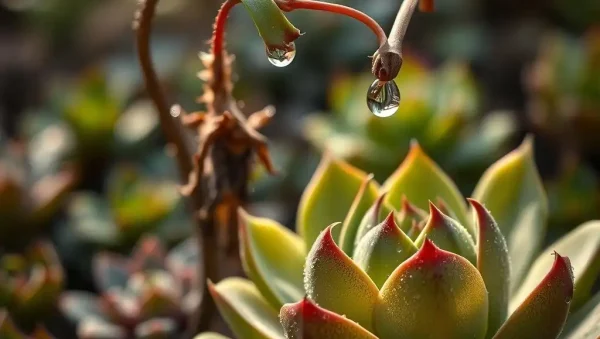
😊 SucculentEssentials.org reveals the secrets to preventing succulent stem rot! Learn to identify early signs, understand the causes, and implement effective preventative…
Read articleHealthy succulents are resilient, but even the toughest plants can fall victim to pests and diseases when conditions aren’t right. In this essential subcategory, we dive deep into identifying, treating, and preventing common issues like mealybugs, scale, root rot, and fungal infections. With targeted solutions and proactive strategies, you’ll learn to keep your collection vibrant and disease-free, whether you’re growing indoors or in a greenhouse. Explore practical, eco-friendly methods that protect both your plants and the environment.
Recognizing the early signs of an infestation is the first step to saving your succulents. Common culprits include mealybugs, which appear as white cottony clusters on leaves and stems, and spider mites, which leave fine webbing and cause stippled, yellowed foliage. Scale insects look like tiny brown bumps on leaf surfaces, while fungus gnats flutter around moist soil. Each pest leaves distinct damage patterns, so learning to spot them quickly—often by inspecting the undersides of leaves and the soil line—prevents small problems from becoming widespread outbreaks.
Beyond visual identification, understanding the lifecycle of each pest helps you choose the right treatment timing. For example, mealybugs reproduce rapidly in warm, dry conditions, so regular weekly checks during growing season are crucial. Use a magnifying glass to spot juvenile pests that are harder to see. By pairing visual cues with knowledge of environmental triggers, you can act decisively, using organic options like neem oil or insecticidal soap before resorting to stronger chemicals. This proactive approach keeps your succulents healthy and minimizes stress on the plants.
When pests strike, you have a range of control methods—from gentle, organic remedies to targeted chemical treatments. For minor infestations, wiping leaves with rubbing alcohol on a cotton swab effectively kills mealybugs and scale on contact. Neem oil, a natural fungicide and insecticide, disrupts pest life cycles and is safe for most succulents. Insecticidal soaps work well against soft-bodied insects like aphids and spider mites without leaving harmful residues. These options are ideal for indoor collections where you want to avoid harsh fumes.
For severe or recurring infestations, systemic insecticides containing imidacloprid can be applied to the soil, where roots absorb the chemical to protect the entire plant. However, use these sparingly and strictly follow label instructions to avoid harming beneficial insects and pollinators. Always quarantine new plants for two weeks before introducing them to your main collection. Additionally, cultural controls like removing severely infected leaves and repotting in fresh, sterile soil reduce pest populations dramatically. Combining methods—multiple approaches in rotation—prevents pests from building resistance and ensures long-term success.
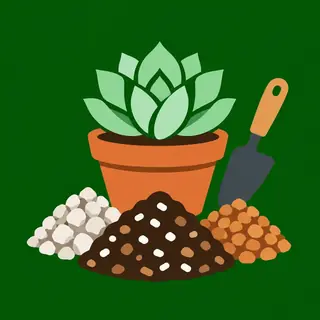
Root rot is the most common succulent killer, almost always caused by overwatering and poor drainage. Symptoms include blackened, mushy roots, yellowing leaves, and a soft, collapsed stem. To prevent this, always use pots with drainage holes and a well-aerated soil mix (like a 50/50 blend of cactus soil and perlite). Water only when the soil is completely dry—often every 1-2 weeks, depending on humidity and season. If you notice rot, remove the plant, trim away affected roots with sterilized scissors, and let it dry for several days before repotting.
Fungal diseases, including powdery mildew and black spot, appear as white powder or dark, sunken lesions on leaves. These thrive in high humidity and stagnant air, so improve ventilation around your succulents and avoid wetting the foliage when watering. A diluted baking soda solution (1 teaspoon per liter of water) can combat early mildew, while copper-based fungicides are effective for stubborn infections. Always discard heavily infected soil and clean your tools with rubbing alcohol to prevent reinfection. By mastering proper watering habits and airflow, you eliminate the conditions that diseases need to develop, keeping your succulents robust.
Pest and disease pressure fluctuates with the seasons, so adjusting your care routine is vital. In spring, succulents enter active growth and need more water, but also become attractive to pests like aphids—inspect weekly and apply preventative neem oil sprays. Summer heat and dry air can stress plants, making them vulnerable to spider mites; increase humidity around them with pebble trays, but ensure good air circulation. Autumn brings cooler nights, which can lead to fungal issues if moisture lingers on leaves—water in the morning to allow foliage to dry by evening.
During winter dormancy, reduce watering drastically and keep succulents in a cool, bright spot. Overwintering indoors concentrates humidity, so watch for mealybugs hiding in leaf axils. Regularly clean leaves with a soft brush or cloth to remove dust and deter pests. Additionally, avoid placing new plants near existing ones until proven pest-free. By syncing your preventative actions with seasonal rhythms, you create an environment where pests and diseases struggle to establish, resulting in a lower-maintenance, healthier collection year-round.
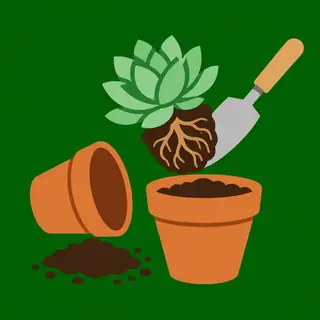
Acting swiftly with a clear plan saves your succulents from severe damage. First, isolate the infected plant immediately to prevent spreading. For pests like mealybugs, use tweezers to remove visible clusters, then apply rubbing alcohol with a cotton swab to affected areas. For root rot, unpot the plant, wash off soil, and cut away any mushy, dark roots. Let the root system dry in a shaded, airy spot for 3-5 days—this allows calluses to form, preventing further rot.
After treatment, repot in fresh, sterile mix and a clean pot with drainage. Do not water immediately; wait 5-7 days to allow any remaining wounds to heal. For fungal leaf spots, remove affected leaves with sterilized scissors and spray the plant with a fungicide. Monitor daily for at least two weeks, repeating treatments as needed. Document your process—what treatments worked and how your plant responded—so you can refine your approach for future infestations. With patience and consistency, most succulents recover fully and return to vigorous growth.
Inspect your succulents at least once a week, focusing on leaf undersides, stem joints, and the soil surface. During active growing seasons (spring and summer), increase checks to twice weekly. Early detection is key—catching a pest early allows you to treat it with simple methods, avoiding costly chemicals and plant loss.
Yes, a mild dish soap solution (1 teaspoon per liter of water) can work for soft-bodied pests like aphids and spider mites. However, use only pure, additive-free soap and test on a single leaf first, as some soaps can burn succulent leaves. Rinse after 15 minutes and avoid reapplying frequently.
The best prevention is a well-draining pot with a hole and a gritty soil mix, such as 2 parts coarse sand, 2 parts perlite, and 1 part potting soil. Always water deeply but infrequently, checking that the soil is completely dry before watering again. Avoid letting pots sit in standing water.
Natural remedies work best for early or moderate infestations. For severe cases, they may require repeated applications combined with manual removal. Start with neem oil or rubbing alcohol, and if pests persist after two weeks, consider a systemic insecticide, but always follow label directions.
If the stem and all roots are completely black, mushy, and smelling rotten, the plant is likely beyond saving. However, if any healthy leaf or stem section remains, you can propagate it. Remove healthy tissue, let it callus, and replant in fresh soil—giving you a new, pest-free plant.