The Ultimate Guide to Fertilizing Succulents in Rock Gardens
😊 Master the art of fertilizing succulents in your rock garden! SucculentEssentials.org's expert guide reveals the optimal feeding schedule and techniques for…
Read article

Unlock the secret to thriving, vibrant succulents with the right fertilizing and nutrient management strategies! Proper feeding is the cornerstone of robust growth, vibrant colors, and resilient roots—far more than just watering or sunlight. At SucculentEssentials.org, we break down the science of succulent nutrition into simple, actionable steps, teaching you exactly when, how, and what to feed your drought-resistant plants. From understanding the subtle signs of nutrient deficiency to choosing between slow-release granules and liquid cactus formulas, our expert guidance ensures your collection flourishes year-round without the risk of burn or leggy growth. Discover how balanced NPK ratios, seasonal feeding schedules, and organic amendments can transform even the most stubborn Succulent into a showpiece. Whether you’re a beginner or a seasoned collector, mastering fertilizer is your key to healthier leaves, stronger stems, and more prolific blooms. Dive into our practical tips and elevate your succulent care to the next level—because every gorgeous rosette begins with proper nourishment. Feed smart, grow bold, and let your succulents thrive!

😊 Master the art of fertilizing succulents in your rock garden! SucculentEssentials.org's expert guide reveals the optimal feeding schedule and techniques for…
Read article
😊 Master the art of fertilizing hanging basket succulents! SucculentEssentials.org's guide reveals the optimal feeding schedule and techniques to keep your cascading…
Read article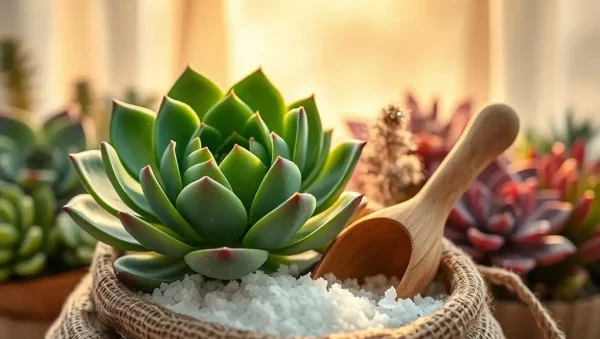
😊 Discover the amazing Epsom salt benefits for succulents! SucculentEssentials.org reveals how this simple solution boosts growth, improves chlorophyll production, and combats…
Read article
😊Unlock your succulents' full blooming potential! SucculentEssentials.org reveals the best succulent fertilizer schedule and expert tips on choosing the right nutrients for…
Read articleWelcome to the cornerstone of vibrant succulent health—fertilizing and nutrient management. At SucculentEssentials.org, we understand that these drought-resistant plants thrive on a delicate balance of neglect and nourishment. Proper feeding is not about more, but about the right nutrients at the right time. This guide will help you master the art of supplementation, ensuring your succulents display intense colors, robust growth, and resilient root systems. From understanding NPK ratios to seasonal application schedules, we cover everything you need to boost your plants without causing etiolation or root burn. Get ready to transform your collection with informed, precise nutrient care.
Succulents have unique nutritional needs that differ from leafy houseplants. A balanced fertilizer with a low nitrogen content, such as a 2-4-4 or 5-10-10 N-P-K ratio, is ideal. Nitrogen promotes lush foliage, but too much can cause weak, soft growth and a loss of the deep pigmentation that makes succulents so striking. Phosphorus and potassium support root development and overall hardiness, which are critical for drought stress resistance. Always choose a water-soluble fertilizer diluted to half or quarter strength, especially for young plants, to prevent chemical burns on sensitive roots.
Organic options, like worm castings or compost tea, release nutrients slowly and improve soil microbiome health. Synthetic fertilizers, while fast-acting, require careful measurement. For your specific succulent varieties—whether echeverias, sedums, or lithops—understanding these ratios lets you tailor feeding to growth phases. During active growth in spring and fall, a slightly higher phosphorus blend encourages flowering. In dormant summer or winter, reduce nitrogen entirely. Test your soil occasionally to identify deficiencies; yellowing leaves often signal magnesium or iron shortages, while stunted growth may indicate zinc or boron needs. This knowledge empowers you to correct imbalances proactively.
Timing your fertilizer applications is as crucial as the formula itself. Succulents typically enter active growth during cooler, wetter months—spring and autumn—when they absorb nutrients most efficiently. Fertilize once a month during these periods, always after watering to ensure the soil is moist and roots are less porous. Avoid feeding during prolonged heat waves or freezing temperatures, as metabolic activity slows, and nutrients remain unused in the soil, risking salt accumulation and root burn. For indoor succulents with consistent temperatures, you can extend the season slightly, but always observe leaf firmness—plump, turgid leaves indicate sufficient uptake.
Summer-dormant types like Lithops and some Pachyphytum require minimal to zero feeding. If they show extreme stress, a single diluted dose in early summer is enough. Winter growers, like certain Aloe and Haworthia, benefit from a weak feeding in late autumn. Keep a simple journal to track your feeding schedule and plant responses. Over-fertilization symptoms—browning leaf tips, white crust on soil, or wrinkled, unhealthy leaves—signal you to flush the soil thoroughly with pure water. Remember, succulents are adapted to poor soils; they often thrive with less intervention. The golden rule is: when in doubt, do not fertilize—your plants will thank you with stronger, more natural growth.
Selecting the right fertilizer delivery system impacts how effectively your succulents receive nutrients. Liquid fertilizers are the most common for houseplant enthusiasts; they mix easily, allow precise control over dosage, and are quickly absorbed through roots and leaves. For outdoor succulent gardens, granular fertilizers can be worked into the topsoil, but they require consistent moisture to break down—a challenge in dry conditions. Slow-release pellets are convenient but risky, as they release nutrients unpredictably with each watering, potentially causing bursts of growth. If you choose slow-release, use half the recommended amount and scatter only on the soil surface, avoiding direct contact with stems.
Organic liquid options like seaweed extract and fish emulsion provide trace minerals and gentle micronutrients, improving soil vitality without salt buildup. Synthetic liquid formulas, such as 10-15-10, offer quick green-up but require strict dilution to ¼ strength. For maximum control, consider a dedicated succulent fertilizer like the popular “Cactus Juice” blends, which balance pH specifically for these plants. Always test new products on a single plant first. Observe leaf color and root health over two weeks; if foliage becomes pale or reddish, reduce concentration. Ultimately, the best choice matches your watering habits—if you water sparingly, opt for dilute liquids; if you forget to feed, a minimal slow-release may help, but monitor closely.
Applying fertilizer improperly can undo all your good intentions. Start by ensuring your succulents are hydrated—never feed a bone-dry plant. Water thoroughly first, then wait 24 to 48 hours before applying your diluted fertilizer solution. This pre-moistening “primes” the root system and prevents shock. For liquid fertilizers, use a watering can with a fine spout and apply at the base, avoiding leaves and rosette centers to prevent rot. Drench the soil until runoff emerges from the drainage holes, then allow the pot to fully drain—never leave succulents sitting in a saucer of fertilizer water.
For granular products, sprinkle evenly on the soil surface at half the package rate, then lightly rake into the top ½ inch without disturbing roots. Water immediately afterward to initiate dissolution. In containers with poor drainage, increase your dilution to quarter strength. After feeding, monitor your plants for one week; look for new growth at leaf centers or slight color deepening, which indicates successful uptake. If you notice any leaf drop or browning, flush the soil with plain water three times over five days. Always wear gloves and avoid inhaling dust from fertilizers. Clean your tools after use. Following this simple, methodical approach ensures every nutrient reaches its destination without harming your beloved succulents.
Even seasoned succulent keepers make fertilizing errors. The most frequent is over-fertilization, which manifests as crispy brown leaf tips, pale yellow new growth, or a white crust of salt on the soil surface. If this occurs, perform a thorough soil flush: run clean water through the pot for several minutes, repeating after 48 hours, then let the soil dry completely before next watering. Under-fertilization is rarer but causes slow, leggy growth with poor color—address this by switching to a complete fertilizer with micronutrients. Another common mistake is feeding during dormancy, which forces unnatural growth that becomes etiolated and weak. Always respect your plant’s seasonal rest.
Misreading symptoms can also mislead you. Yellowing leaves might indicate nitrogen deficiency, but often they signal overwatering or root rot—check soil moisture first. Purple or reddish leaves usually point to phosphorus deficiency, but low light can mimic same effect. Keep a fertilizer log and compare leaf color photographs over time. If you suspect a specific mineral issue, use a simple soil pH test kit; succulents prefer slightly acidic to neutral pH (5.5-7.0). If pH is off, nutrients become unavailable. Correct with sulfur or lime as needed. Remember that less is more with succulents—they survive in rocky, nutrient-poor habitats. Your ultimate fix is moderation: feed only during growth, in half-strength, and always water first.
During their active growing seasons—spring and fall—fertilize once a month. In summer and winter dormancy, skip feeding entirely. Indoor succulents with consistent light may tolerate bi-monthly weak doses, but observe your plant; if growth slows, stop. Always dilute to half or quarter strength to prevent salt buildup.
Yes, but with caution. Regular houseplant fertilizers often have high nitrogen, causing soft, leggy growth. Dilute to ¼ strength, and reduce frequency. Better yet, choose a low-nitrogen formula like 2-4-4 or a specialist succulent fertilizer to match their specific needs.
Both work well. Organic options like worm castings release nutrients slowly and improve soil structure, reducing burn risk. Synthetic fertilizers act faster and are easier to measure precisely. Choose based on your routine—organics suit low-maintenance growers, synthetics give quicker correction for nutrient deficiencies.
Yellowing right after feeding usually indicates over-fertilization or salt stress. Flush the soil thoroughly with plain water multiple times, let it dry completely, and skip feeding for at least two months. Ensure drainage is adequate, and consider repotting in fresh, well-draining soil if leaves continue to pale.
No, avoid fertilizing succulents in closed terrariums. Limited soil volume and poor drainage make nutrient buildup rapid, causing root burn and rot. Terrarium succulents rely on existing soil nutrients for many months. Refresh the soil every year instead, and only water when completely dry.