
Sustainable Practices and Eco-Friendly Approaches
Embrace sustainable practices and eco-friendly approaches in your succulent journey with SucculentEssentials.org, where caring for these stunning, drought-resistant plants goes hand-in-hand with protecting our planet. 🌱 Discover how to cultivate a thriving garden that conserves precious water, nurtures soil health, and supports local wildlife—all while reducing your environmental footprint. From water-wise watering techniques and organic pest control to building pollinator-friendly habitats and using eco-friendly fertilizers, our expert guidance empowers you to grow responsibly. Whether you are a seasoned collector or a budding enthusiast, learn to turn your love for succulents into a powerful force for habitat restoration and biodiversity. 🌍 Create a greener, more resilient garden that gives back to nature, one leaf at a time. ✨
 Integrated Pest Management (IPM) in Succulent Gardens
 Organic Pest Control Methods
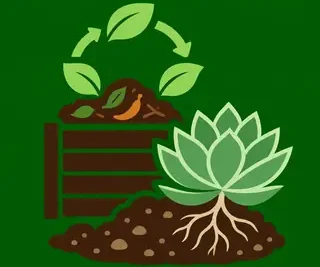 Soil Health and Composting for Succulents
 Pollinator-Friendly Succulent Gardens
 Reforestation and Habitat Restoration Efforts
 Eco-Friendly Fertilizers and Amendments
 Water Conservation Strategies
Sustainable Practices and Eco-Friendly Approaches for Succulent Gardening
At SucculentEssentials.org, we champion sustainable practices that nurture both your succulent collection and the planet. From water-wise techniques to regenerative soil care, this category guides eco-conscious gardeners in reducing environmental impact while cultivating thriving, drought-resistant plants. Explore actionable strategies for conservation, biodiversity, and natural garden health.
💧 Water Conservation Strategies
Master the art of watering succulents with minimal waste. Learn about sub-irrigation methods, drip systems, and rainwater harvesting tailored to arid plant care. We cover how to create moisture-retentive soil blends, use mulching to reduce evaporation, and group plants by hydration needs. These techniques cut water usage by up to 50% while keeping roots healthy and rot-free.
🌱 Eco-Friendly Fertilizers and Amendments
Feed your succulents without harming ecosystems. Discover compost tea, worm castings, and seaweed extracts that release nutrients slowly and improve soil structure. We explain how to avoid synthetic chemicals that leach into groundwater, and how to craft homemade amendments using kitchen scraps. Your succulents will flourish with vibrant growth—sustainably and safely.
🌳 Reforestation and Habitat Restoration Efforts
Succulent enthusiasts can give back by supporting native habitat recovery. This section highlights partnerships with desert restoration projects, ways to propagate rare species for replanting, and how to create micro-habitats in your garden. Learn about seed banking, invasive species removal, and rewilding drylands—so your hobby actively combats biodiversity loss.
🐝 Pollinator-Friendly Succulent Gardens
Turn your succulent display into a haven for bees, butterflies, and hummingbirds. We profile flowering succulent varieties like sedums, echeverias, and aloes that provide nectar year-round. Gain tips on planting in drifts, avoiding pesticides, and installing water features. A pollinator-friendly garden boosts local ecology while adding stunning seasonal blooms to your collection.
🌿 Soil Health and Composting for Succulents
Healthy succulents start below the surface. Explore organic soil mixes using coconut coir, pumice, and aged bark, plus how to monitor pH and drainage. We teach simple composting methods for succulent owners—from cold bins to vermicomposting—that turn plant waste into gold, enriching soil life while reducing landfill contributions.
🐞 Organic Pest Control Methods
Protect your succulents from mealybugs, aphids, and spider mites without toxic sprays. Discover neem oil, insecticidal soaps, and diatomaceous earth, plus physical removal tricks and beneficial insect release. We cover prevention through proper air circulation and quarantine routines, ensuring a pest-free garden that’s safe for pets, children, and beneficial critters alike.
🛡️ Integrated Pest Management (IPM) in Succulent Gardens
Adopt a holistic, long-term approach to pest control using monitoring, cultural practices, and targeted interventions. Learn how to identify threshold levels, use sticky traps and pheromone lures, and selectively apply organic treatments only when necessary. IPM minimizes ecosystem disruption while keeping your succulents resilient—perfect for dedicated, eco-aware gardeners.
Frequently Asked Questions
How often should I water succulents to conserve water?
Water deeply but rarely—typically every 10-14 days in warm months and monthly in winter. Check soil dryness with a moisture meter or finger test. Use a drip system or watering can with a narrow spout to target roots, avoiding foliage. This method reduces total water use by encouraging deep root growth and preventing surface evaporation.
Can I compost succulent leaves and stems?
Yes, but use them sparingly in standard compost as they’re slow to break down. Chop them finely and mix with high-nitrogen greens like grass clippings. Avoid diseased or pest-infested material. Alternatively, use dried succulent trimmings as a mulch layer that shelters soil and retains moisture while decomposing naturally.
What are the best pollinator-friendly succulents for containers?
Choose small-flowered sedums (like ‘Autumn Joy’), echeverias with bell-shaped blooms, and aloes such as Aloe vera. These produce abundant nectar and pollen. Plant in shallow, wide containers with gritty soil and full sun. Group multiple varieties to extend blooming periods from spring to fall, ensuring a steady food source for pollinators.
Is neem oil safe for all succulents?
Neem oil is generally safe but test on a single leaf first. Avoid using it on very young seedlings or during extreme heat (above 85°F). Dilute at 1 teaspoon per quart of water and apply in the evening to prevent leaf burn. It works best as a preventative—reapply after rain or every two weeks during active pest seasons.
How do I start a worm bin for succulent compost?
Use a plastic or wooden bin with drainage holes, bedding of shredded cardboard and coconut coir, and red wiggler worms. Add fruit scraps, coffee grounds, and dry leaves, but avoid citrus and meat. Keep moisture like a wrung-out sponge. Harvest castings every 3-4 months—they make a mild, nutrient-rich tea for succulents. Place bin in a shaded, temperatures between 55-77°F area.