The Truth About Clay in Succulent Soil: Friend or Foe?
🤔 Uncover the surprising role of clay in succulent soil! SucculentEssentials.org reveals whether clay helps or hinders your plants' growth, guiding you…
Read article
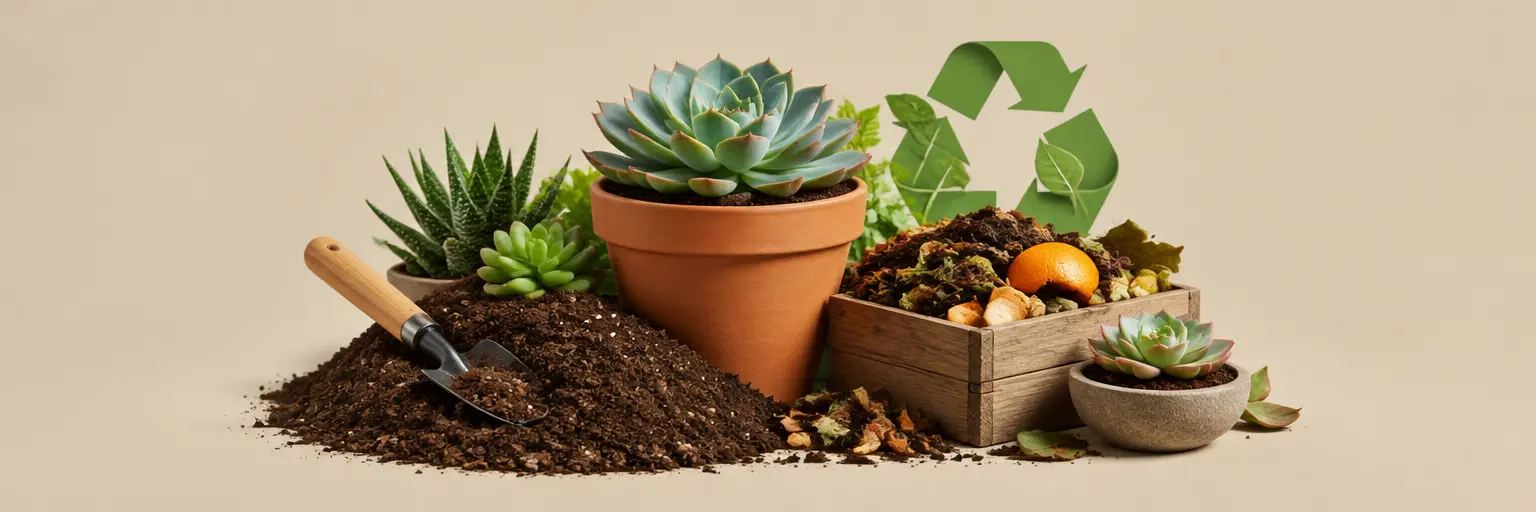
Unlock the secret to thriving, resilient succulents by mastering soil health and composting—where sustainability meets plant vitality. At SucculentEssentials.org, we champion eco-friendly approaches that transform your gardening routine into a regenerative ritual. Healthy soil isn’t just dirt; it’s a living ecosystem teeming with beneficial microbes, fungi, and organic matter that support deep root growth, vibrant colors, and natural pest resistance. By integrating homemade compost—rich in nutrients and carbon—you can reduce waste, improve drainage, and boost water retention, all while minimizing your environmental footprint. Our expert guides teach you how to craft the perfect gritty, well-aerated mix tailored to succulents, using sustainable amendments like coconut coir, worm castings, and aged bark instead of peat moss. Discover simple techniques for testing soil pH, avoiding over-fertilization, and creating DIY compost bins that turn kitchen scraps into gold for your plants.
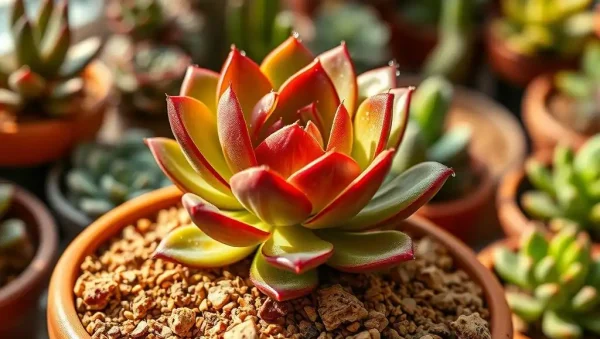
🤔 Uncover the surprising role of clay in succulent soil! SucculentEssentials.org reveals whether clay helps or hinders your plants' growth, guiding you…
Read article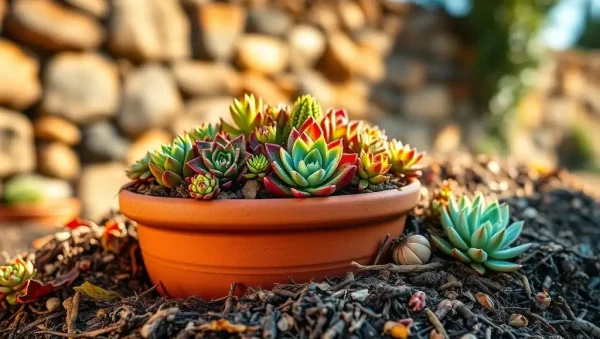
😊 Learn the secrets to thriving succulents! SucculentEssentials.org's ultimate compost guide for enthusiasts reveals the perfect soil blend for your precious plants,…
Read article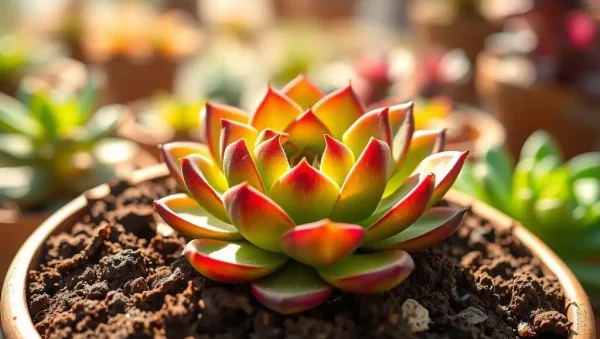
😊 Improve clay soil for succulents with SucculentEssentials.org's simple guide! Learn how to amend heavy clay, ensuring optimal drainage and thriving succulents.…
Read article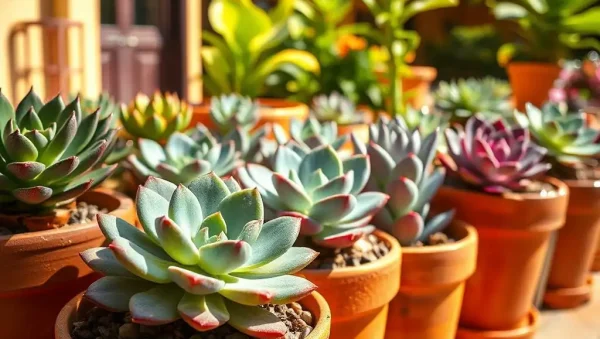
🤔 Unlock your succulents' full potential! SucculentEssentials.org reveals crucial drainage tips for growth, ensuring thriving plants and avoiding common rot problems. Learn…
Read articleYour succulent’s health starts below the surface. Unlike typical garden plants, succulents demand sharp drainage, low organic matter, and a mineral-rich environment that mimics their native arid habitats. By mastering soil health and composting tailored to succulents, you not only prevent root rot and pest issues but also embrace sustainable, eco-friendly gardening. This subcategory explores how to create custom soil mixes, compost smartly without excess moisture, recycle kitchen scraps, and improve long-term soil vitality—all while reducing waste and chemical inputs. Whether you are a beginner or a seasoned collector, these practices help your plants flourish and your gardening footprint shrink.
Succulent roots are adapted to infrequent rainfall and rapid drying. A healthy soil mix should include inorganic components like coarse sand, perlite, pumice, or crushed granite, combined with only a small amount of organic matter such as coconut coir or compost. This structure creates air pockets, prevents waterlogging, and encourages strong root development. Avoid standard potting soil, which retains too much moisture and leads to rot.
To test your mix, water a handful and squeeze it—if it holds shape and drips little, it is too water-retentive. Aim for a gritty, crumbly texture that drains within seconds. For most succulents, a 2:1:1 ratio of inorganic grit to coarse sand to organic matter works well. Adjust for species like Lithops, which need even less organic content. By prioritizing aeration and fast drainage, you mimic natural desert soils and drastically reduce fungal diseases.
Traditional composting produces rich, moisture-holding humus—too heavy for succulents. Instead, create a “lean compost” by using well-aged leaf mold, worm castings, or coconut coir in small proportions. These add trace nutrients without increasing water retention. You can compost vegetable scraps, crushed eggshells, and coffee grounds, but ensure the final product is thoroughly decomposed, dry, and screened to remove large particles that could trap water.
For a succulent-specific compost tea, steep a handful of finished compost in water for 24 hours, then dilute and use as a monthly fertilizer. This boosts microbial life and micronutrients without altering soil texture. Alternatively, top-dress pots with a thin layer of fine compost each spring. Never use fresh manure or high-nitrogen compost, as these cause rapid soft growth and invite rot. Sustainable recycling of kitchen waste becomes safe and effective when you tailor the compost’s maturity and particle size to your plants’ needs.
Succulents generally prefer a slightly acidic to neutral pH (6.0 to 7.0). Overly acidic soil from excess peat can hinder nutrient uptake, while alkaline soil may lock out iron. Test your mix using a simple pH meter or strips. If pH drifts too high, add a pinch of elemental sulfur; if too low, incorporate crushed limestone. Regular testing every six months prevents long-term deficiencies.
Beyond pH, assess drainage by timing how long a pot takes to empty after watering—ideal is under 10 seconds for a 4-inch pot. Also check compaction: if the soil feels dense after months, repot with fresh gritty mix. Healthy soil should never smell sour or musty. Integrating these tests into your routine helps you adjust care seasonally, ensuring your succulents stay robust. Eco-friendly gardeners can also recycle old soil by sterilizing it in the oven (180°F for 30 minutes) and refreshing it with new grit and compost.
A layer of inorganic mulch, such as small pebbles, gravel, or crushed lava rock, serves dual purposes: it prevents soil erosion during watering and stabilizes pots, while also blocking weed seeds and reducing evaporation. Unlike organic mulch, stone does not hold moisture against stems, making it safe for succulents. For a sustainable twist, use reclaimed broken pots or recycled glass pebbles as top dressing.
However, ensure the mulch layer is not too thick (1/4 to 1/2 inch) to allow airflow. Some gardeners mistakenly cover the soil entirely, trapping humidity at the base. Instead, leave a small gap around the plant’s crown. Mulching also prevents soil splashing onto leaves during watering, which can cause fungal spots. By choosing recycled materials, you reduce waste and add visual texture, making your succulent arrangements both beautiful and naturally resilient.
When repotting, do not toss away old soil—rejuvenate it. Remove plant debris, roots, and any pests, then spread the soil out to dry in the sun for a few days. This kills pathogens and pests without chemicals. Next, sift to remove fine dust, then mix with 50% fresh inorganic grit and 10% compost. This revitalized blend works perfectly for new plantings or as a base for future mixes.
For severely depleted soil, consider adding biochar—a charcoal-like substance that improves nutrient retention and microbial life while maintaining drainage. Biochar is an eco-friendly amendment that sequesters carbon and enhances soil structure for years. Additionally, use leftover rinse water from cleaning pots to moisten compost piles, reducing water waste. By closing the loop on soil resources, you align with sustainable practices and reduce your gardening footprint, all while keeping your succulents thriving in a living, healthy medium.
Yes, but only in small amounts and with caution. Regular compost is often high in moisture and nitrogen, which can cause rot. Mix no more than 10-20% well-aged, screened compost into a gritty soil blend. Ensure it is completely decomposed and free of large chunks to maintain drainage. For best results, use compost in a diluted tea rather than as a soil additive.
Succulents generally need repotting every 2-3 years, not necessarily for soil replacement but for root space and freshness. Between repottings, top-dress with a thin layer of fresh gritty mix to replenish minerals. If you notice poor drainage, foul odor, or compacted soil, replace it immediately—that signals decomposition or salt buildup.
Compost provides slow-release micronutrients, but succulents still benefit from occasional feeding during active growth. Use a balanced, water-soluble fertilizer diluted to half strength once a month in spring and summer. Avoid high-nitrogen formulas. If your compost is rich, reduce fertilizer frequency to every other month to prevent soft growth.
Coconut coir is excellent because it improves aeration and water retention without becoming dense or acidic. Well-aged leaf mold and worm castings are also good, but use them sparingly. Avoid peat moss, as it retains too much water and becomes hydrophobic when dry. Always choose fined, dried, and screened organic matter to integrate seamlessly with grit.
Yes, you can use a small worm bin or a bokashi bucket to compost kitchen scraps indoors without odors. Worm castings are a superb, low-moisture addition to succulent soil. Alternatively, create a fermented compost tea from bokashi pre-compost. Ensure the final product is fully cured and dry before mixing, and never use fresh food waste near succulents.