
The Ultimate Guide to Composting for Succulent Enthusiasts

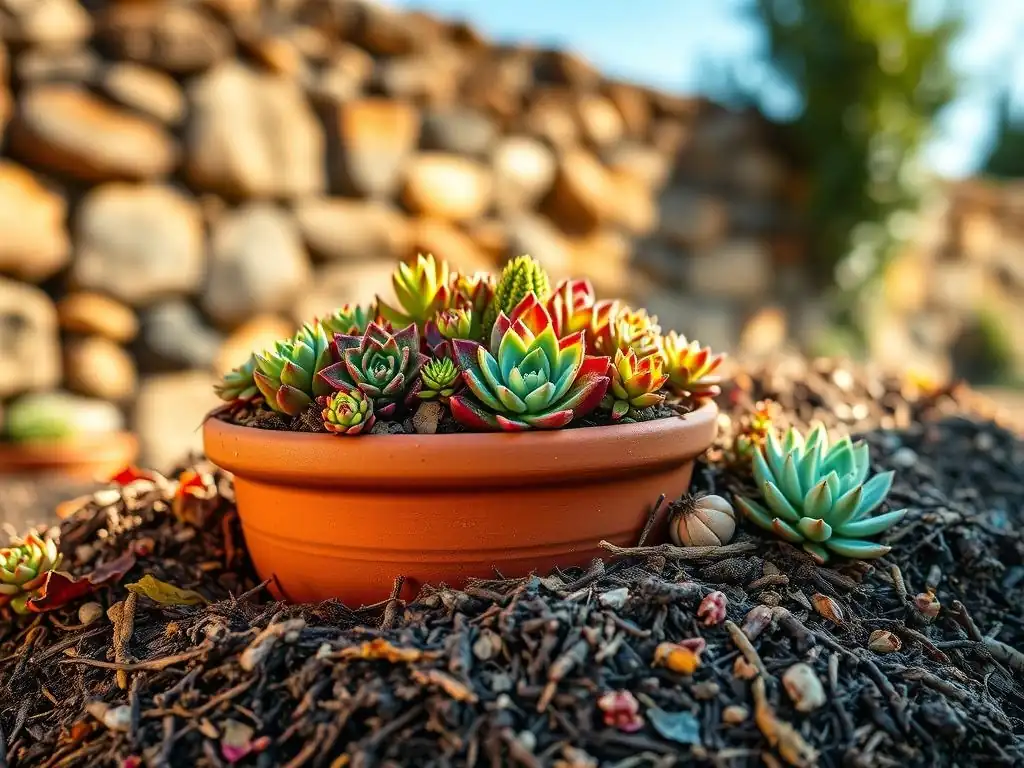
Welcome to SucculentEssentials.org, where the fascinating world of succulents unfolds before you! Are you ready to unlock the secrets to thriving succulents? Then prepare to be captivated by the ultimate guide to nurturing these resilient plants. We'll delve into the art of creating the perfect succulent compost, essential for healthy growth and vibrant displays. Discover the surprising techniques that even seasoned succulent enthusiasts will find invaluable – because when it comes to these drought-resistant beauties, the right compost makes all the difference. Dive in and uncover the secrets to succulent success!
- Understanding the Benefits of Compost for Succulents
- Creating the Perfect Succulent Compost: A Step-by-Step Guide
- Using Compost Effectively in Your Succulent Garden
- Troubleshooting Common Compost Issues
- Advanced Composting Techniques for Succulent Enthusiasts
- Frequently Asked Questions
- Final Reflection: Cultivating a Thriving Ecosystem, One Succulent at a Time
- Unleash Your Succulent's Secret Weapon: Start Composting Today!
Understanding the Benefits of Compost for Succulents
Succulents, with their striking beauty and resilience, are beloved by plant enthusiasts worldwide. However, even these drought-tolerant plants thrive best when provided with the optimal growing conditions. This ultimate guide will delve into the crucial role of composting in creating a flourishing environment for your succulent collection. We'll explore the numerous benefits of using compost for succulents, from improving soil drainage and aeration to providing essential nutrients and reducing reliance on chemical fertilizers.
By understanding how compost enriches your succulent's soil, you'll empower yourself to cultivate healthier, happier, and more vibrant plants, contributing to a sustainable and eco-friendly approach to succulent care. This comprehensive guide caters specifically to succulent enthusiasts, providing practical tips and techniques for creating the perfect compost blend for your unique collection. Let's embark on this journey towards healthier succulents through the power of composting!
Improved Drainage and Aeration in Succulent Soil
Succulents are notoriously susceptible to root rot, a devastating condition caused by overly wet soil. Proper drainage is paramount for their survival. Compost, particularly when mixed with other well-draining components like perlite or pumice, significantly improves soil aeration and drainage. The organic matter in compost helps to create a loose, crumbly soil structure that allows excess water to drain quickly, preventing waterlogging around the roots.
This improved drainage reduces the risk of root rot, a common problem for succulent growers, especially those in humid climates. The improved aeration also ensures that the roots receive sufficient oxygen, which is essential for healthy growth and nutrient uptake. Imagine the difference: a well-aerated soil allows for optimal root development, leading to stronger, healthier plants that are more resilient to disease and stress. The addition of compost ensures your succulents have the best possible chance to thrive!
Nutrient-Rich Soil for Healthy Succulent Growth
While succulents are adapted to low-nutrient environments, they still require a balanced supply of essential nutrients for vigorous growth and vibrant coloration. Compost provides a natural and slow-release source of these vital nutrients. Unlike chemical fertilizers that can burn succulent roots if applied incorrectly, compost gently feeds the plants over time, mimicking the natural nutrient cycle in their native habitats. The rich organic matter in compost is teeming with beneficial microbes that enhance nutrient availability, making them more readily accessible to the succulent's roots.
This leads to healthier, more robust growth, with improved leaf color, size, and overall plant vigor. For example, a compost enriched with well-rotted manure provides a significant boost of nitrogen, phosphorus, and potassium — key nutrients for succulent growth and flowering. The natural slow release of nutrients from compost ensures consistent feeding without the risk of over-fertilization, a common pitfall when using synthetic fertilizers.
Reducing the Need for Chemical Fertilizers: Organic Succulent Care
Composting aligns perfectly with the principles of organic gardening and sustainable practices. By incorporating compost into your succulent's soil, you significantly reduce or even eliminate the need for chemical fertilizers. This contributes to a healthier environment for your plants and avoids the potential negative impacts of synthetic fertilizers on the soil ecosystem and the environment. Chemical fertilizers can disrupt the delicate balance of soil microbes, potentially harming beneficial microorganisms that aid in nutrient cycling and disease suppression.
Compost, on the other hand, fosters a thriving soil microbiome, creating a natural defense against pests and diseases. Embracing composting as a core element of your succulent care routine demonstrates a commitment to environmentally responsible gardening practices, allowing you to enjoy the beauty of your succulents while minimizing your impact on the planet. This approach is not only beneficial for your plants but also contributes to a healthier and more sustainable environment.
Compost as a Natural Pest Deterrent for Succulents
Compost, particularly well-rotted compost, can significantly reduce the risk of pest infestations in your succulent collection. This is due to several factors working in concert to create a less hospitable environment for common succulent pests like mealybugs, aphids, and spider mites.
Firstly, healthy soil fostered by compost is generally more resilient to pest attacks. A soil rich in organic matter is better able to retain moisture and nutrients, promoting strong, vigorous succulent growth. Stronger plants are inherently more resistant to pest damage. Think of it like a healthy human body – better able to fight off illness than a weakened one. Similarly, a succulent thriving in nutrient-rich, well-drained compost will be less susceptible to pest infestations.
Secondly, the beneficial microorganisms present in compost play a crucial role in pest control. These microorganisms, including bacteria and fungi, compete with harmful pests for resources, effectively reducing their populations. Some beneficial fungi, for example, can produce compounds that are toxic to certain pests, acting as a natural pesticide. This biological control is a key element of sustainable gardening practices and is a significant advantage of using compost for succulents.
Thirdly, the structure of compost itself can deter pests. Well-made compost has a crumbly structure that allows for good aeration and drainage. This well-aerated environment is less conducive to the moist, humid conditions that many pests prefer. Pests often thrive in dense, compacted soil where they can easily hide and reproduce. The open structure of compost makes it more difficult for them to establish themselves.
Finally, the introduction of compost can improve the overall health of the soil ecosystem, leading to a more balanced environment. This balance discourages the proliferation of any single organism, including pests, preventing outbreaks and promoting a healthier environment for your succulents. By creating a thriving soil ecosystem, you are naturally deterring pests without resorting to harsh chemical pesticides. This is particularly valuable when cultivating sensitive succulent varieties.
Creating the Perfect Succulent Compost: A Step-by-Step Guide
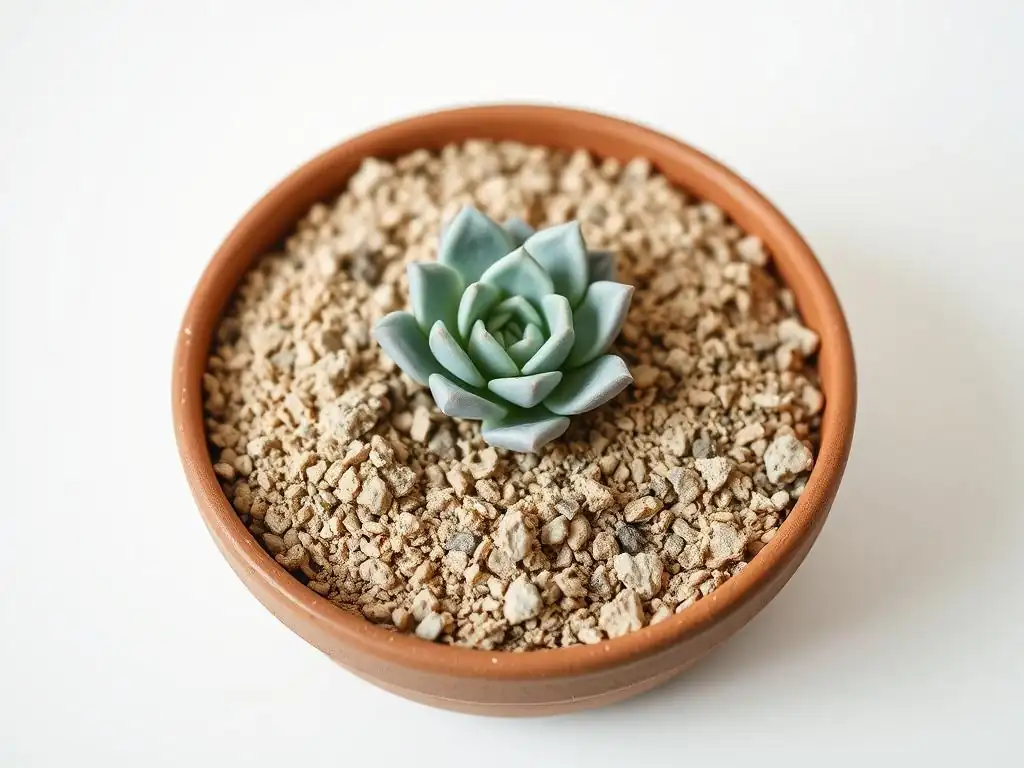
This section delves into the specifics of crafting a succulent compost blend that promotes thriving growth and vibrant colors. Remember, the right compost is crucial for healthy succulents, providing essential nutrients and optimal drainage. We'll guide you through selecting the perfect ingredients and achieving the ideal ratio for your succulent's needs. This guide caters specifically to the needs of succulent enthusiasts, ensuring your plants receive the best possible care.
Choosing the Right Materials for Succulent Compost
Creating the perfect succulent compost involves a careful selection of both green and brown materials. The balance between these components is key to achieving the right texture and nutrient content. Too much of one over the other will negatively impact the health of your succulents. Let's examine the specifics:
Selecting Suitable Green Materials for Succulent Compost
Green materials in composting contribute nitrogen, crucial for succulent growth. However, succulents are relatively low feeders and require a well-balanced approach. Overuse of nitrogen-rich materials can lead to leggy growth and susceptibility to diseases. Suitable green materials include:
- Vegetable scraps (in moderation): Small quantities of vegetable scraps like carrot tops or pea pods can be beneficial. Avoid large amounts of high-nitrogen vegetables such as broccoli or spinach.
- Fruit scraps (in moderation): Similar to vegetables, use sparingly. Citrus peels, while rich in nutrients, can sometimes attract pests.
- Coffee grounds: These add nitrogen and improve soil structure, but again, use in moderation to avoid overly rich compost.
- Grass clippings (dried): Ensure they are thoroughly dried to prevent excessive moisture and fungal growth.
Choosing the Best Brown Materials for Succulent Compost
Brown materials in composting provide carbon, essential for balanced nutrient levels and proper drainage. Succulents thrive in well-draining soil, so incorporating plenty of brown materials is crucial. Excellent choices include:
- Shredded paper: Newspaper, cardboard (remove any glossy coatings), and paper towels (unprinted) are excellent choices.
- Dried leaves: These are a readily available, excellent source of carbon.
- Small twigs and wood chips: These contribute to aeration and drainage. Ensure they are small enough to decompose effectively.
- Pine bark fines: These provide excellent drainage and aeration, mimicking the conditions succulents thrive in.
Avoiding Harmful Materials in Succulent Compost
It's crucial to steer clear of certain materials when creating succulent compost. These can harm your plants or attract pests:
- Diseased plants: Avoid adding any plant material showing signs of disease or pest infestation.
- Meat and dairy products: These attract pests and create unpleasant odors, leading to potential issues with your compost and your succulents.
- Oily or greasy foods: These can repel beneficial microorganisms in the composting process.
- Pet waste: This contains harmful bacteria and parasites, posing health risks to your succulents.
- Weed seeds: Undesirable weeds can spread through your compost. Ensure all plant material is weed-free.
The Ideal Compost Ratio for Succulents
The ideal ratio for succulent compost leans heavily towards brown materials to ensure proper drainage. A good starting point is a 3:1 or even a 4:1 ratio of brown to green materials. This means for every part of green material, you should add three or four parts of brown material. This ratio promotes proper drainage, crucial for preventing root rot, a common issue with over-watered succulents. Always observe your compost; if it's too wet or smells foul, you likely have too much green material.
Adjust the ratio accordingly based on the moisture level and the overall health of your compost. Remember, a well-draining compost is the cornerstone of healthy, thriving succulents! This precise balance ensures your "Succulent compost guide enthusiasts" will achieve optimal results. 🌱
Building Your Succulent Compost Pile: A Practical Approach
Creating a thriving compost pile specifically for your succulents requires careful consideration of the ingredients. Unlike general garden composting, succulent compost benefits from a higher proportion of coarse materials to ensure excellent drainage. Start by designating a dedicated area, ideally a shady spot to prevent the pile from drying out too quickly.
Avoid areas with standing water, as this can lead to anaerobic decomposition and undesirable odors. The size of your pile will depend on your needs, but aim for a minimum volume of 1 cubic yard for efficient decomposition. A larger pile retains heat better, accelerating the composting process.
Begin by layering your materials. A good base layer consists of coarse materials like twigs, shredded branches, and even small pieces of untreated wood. This provides crucial aeration, preventing compaction and ensuring proper oxygen flow vital for microbial activity. Next, add your succulent-specific organic matter.
This includes spent succulent leaves and stems (ensure they are free of pests and diseases), dried-out potting mix, and even well-rotted hardwood mulch. Avoid adding succulent cuttings you wish to propagate, as the composting process will destroy them. Avoid adding diseased plant material, as this can contaminate your compost and harm your healthy succulents.
You can also incorporate other organic materials such as coffee grounds, eggshells (crushed), and dried leaves. However, steer clear of oily or fatty food scraps, meat, dairy products, and pet waste, as these can attract pests and hinder decomposition. Remember to layer these materials, alternating coarse and fine materials for optimal air circulation.
Monitoring and Maintaining Your Succulent Compost Pile
Maintaining your succulent compost pile requires regular monitoring and adjustments to ensure optimal decomposition. This process isn't passive; active management leads to a superior end product. Regular monitoring will help identify and address any potential problems early on. The frequency of your checks will depend on factors like the ambient temperature and humidity. However, a weekly inspection is generally recommended.
Pay close attention to the pile's temperature. A healthy compost pile will generate heat through microbial activity. Use a compost thermometer to monitor the internal temperature. Ideally, the temperature should be consistently between 130-160°F (54-71°C) for several weeks to effectively kill pathogens and weed seeds. If the temperature is too low, it may indicate insufficient aeration or moisture. If it's too high, it might suggest overheating, requiring you to add more carbon-rich materials to cool it down.
Managing Moisture Levels in Your Compost
Maintaining the right moisture content is crucial for successful composting. The pile should feel like a wrung-out sponge—moist but not soggy. Too much moisture can lead to anaerobic conditions, resulting in foul odors and slow decomposition. Insufficient moisture, however, will hinder microbial activity.
Regularly check the moisture level by squeezing a handful of compost. If water drips freely, it's too wet; if it crumbles easily, it's too dry. Adjust moisture levels by adding water to dry piles or turning a wet pile more frequently to improve aeration and allow excess water to evaporate. Consider covering your pile with a tarp or other protective material during periods of heavy rain to prevent excessive moisture buildup.
Turning Your Compost Pile for Optimal Decomposition
Turning, or aerating, your compost pile is essential for promoting even decomposition and preventing anaerobic conditions. This process introduces oxygen to the pile, fueling the aerobic microorganisms responsible for breaking down organic matter. The frequency of turning depends on several factors, including the size of the pile, the ambient temperature, and the type of materials used. As a general guideline, aim to turn your pile every 1-2 weeks, especially during warmer months.
Turning the pile involves using a pitchfork or other suitable tool to thoroughly mix the materials. This helps to redistribute moisture and oxygen, ensuring even decomposition throughout the pile. During the turning process, observe the condition of the compost. You may notice different stages of decomposition, from coarsely broken-down material to finely textured humus. Turning helps to accelerate the decomposition process by exposing different parts of the pile to optimal conditions.
Recognizing Signs of Successful Decomposition
Successful decomposition is characterized by several key indicators. The finished compost should be dark brown or black in color, crumbly in texture, and have a pleasant earthy aroma. It should be relatively free of recognizable pieces of the original materials, indicating complete breakdown. The absence of strong unpleasant odors is a good sign that anaerobic decomposition has been avoided. If you notice any foul smells, it might suggest a problem with aeration or moisture levels.
A mature compost pile will have a significantly reduced volume compared to its initial size. This is a clear indication of the organic matter's breakdown. You should also observe a significant temperature drop from its peak during the active composting phase. This signifies the completion of the primary decomposition processes. Once your compost meets these criteria, it's ready to be used to enrich your succulent soil mix. You can then start a new batch for your continuous supply of nutritious succulent compost.
Using Compost Effectively in Your Succulent Garden
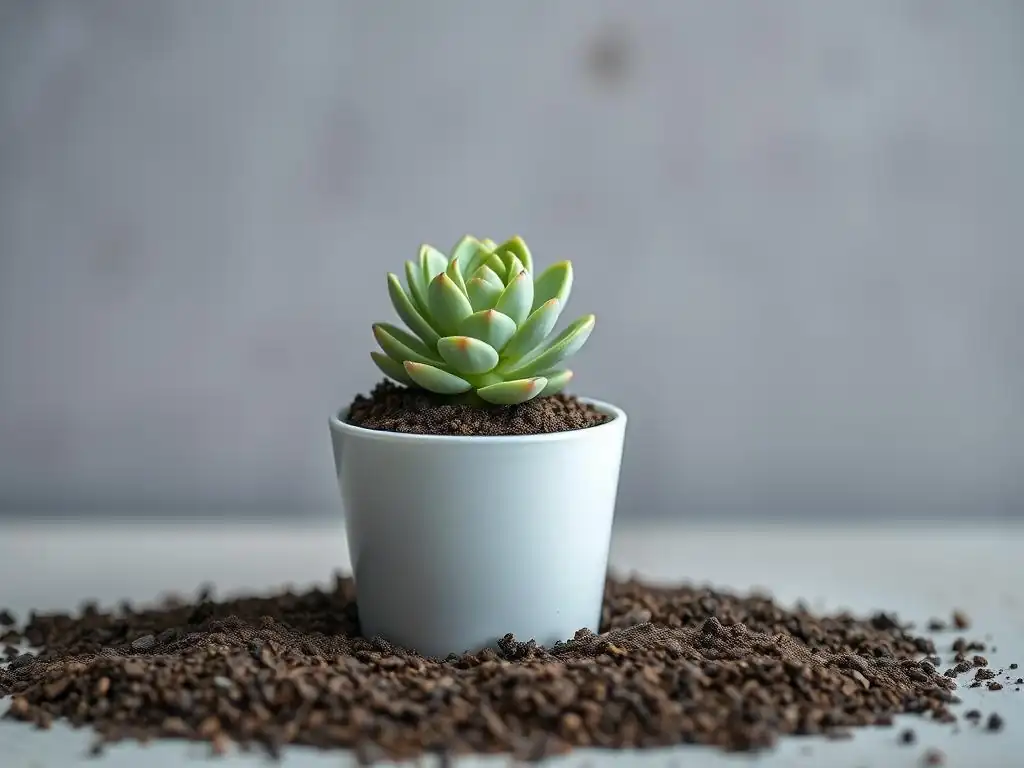
This section delves into the practical applications of compost within your succulent cultivation practices. Successfully using compost for succulents requires understanding its benefits and limitations, ensuring you don't inadvertently harm your precious plants. Remember, while compost offers numerous advantages, improper application can lead to root rot, a common succulent ailment. Therefore, moderation and proper soil drainage are paramount.
Incorporating Compost into Existing Succulent Soil
Adding compost to already established succulent soil requires a delicate touch. Avoid directly mixing large amounts of compost into the existing soil, as this can significantly increase moisture retention, leading to root rot. Instead, opt for a top-dressing approach. Gently spread a thin layer (approximately 1/4 inch) of well-decomposed compost over the soil surface, ensuring it doesn't directly contact the succulent's stem. This method allows the compost to slowly break down and release nutrients, improving soil structure without drastically altering its drainage properties. This gradual enrichment is ideal for mature succulents that are already well-established in their current containers.
Consider the type of succulent. Fast-growing succulents might benefit slightly more from this method compared to slow-growing varieties, which are more sensitive to changes in their growing medium. Regularly monitor your succulents after top-dressing for signs of overwatering. The appearance of mushy leaves or stem rot indicates the need to reduce watering frequency or remove excess moisture from the pot.
Preparing New Potting Mixes with Compost for Succulents
When preparing fresh potting mixes, incorporating compost requires careful consideration of the mix's overall composition. Succulents thrive in well-draining soil, so the addition of compost should never compromise this crucial aspect. A good rule of thumb is to use compost as no more than 20-30% of the total potting mix volume. The remaining 70-80% should consist of well-draining components such as perlite, pumice, coarse sand, and other inorganic materials. This balance ensures excellent aeration and prevents waterlogging, crucial for preventing root rot.
Here's a sample recipe for a succulent potting mix incorporating compost:
| Component | Percentage | Notes |
|---|---|---|
| Perlite | 40% | Provides excellent drainage and aeration. |
| Pumice | 30% | Improves drainage and aeration, retains some moisture. |
| Coarse Sand | 10% | Adds grit and improves drainage. |
| Well-decomposed Compost | 20% | Provides nutrients and improves soil structure. Avoid using fresh compost! |
Remember to always use well-decomposed compost. Fresh compost can contain harmful pathogens and excessive moisture which can be detrimental to your succulents' health.
Top-dressing Your Succulents with Compost
Top-dressing is a fantastic way to replenish nutrients and improve the soil structure around your established succulents without disrupting their root systems. It's particularly beneficial for plants that have been in the same pot for a while and might be showing signs of nutrient deficiency (e.g., pale leaves, stunted growth). As mentioned before, use a thin layer (around ¼ inch) of finely sifted, well-decomposed compost. This prevents the compost from creating a barrier that impedes drainage.
The frequency of top-dressing depends on several factors: the type of compost used, the type of succulent, and the overall health of the plant. A good starting point is once or twice a year, during the growing season (spring and summer). Always monitor your succulents closely after top-dressing to ensure they are not over-watered. The addition of compost slightly increases the water retention capacity of the soil, so you might need to adjust your watering schedule accordingly.
Observe your succulents carefully for any signs of stress, such as wilting or leaf drop, and adjust your care routine as needed. Healthy, thriving succulents are the ultimate reward for your composting efforts! 🌱
Compost Tea for Succulents: A Natural Boost
Compost tea, a liquid extract derived from composted organic matter, offers a fantastic way to boost the health and vigor of your succulents. Unlike using compost directly in the soil, which can sometimes be too heavy or retain too much moisture for succulents, compost tea provides a readily available source of nutrients in a diluted form. This makes it an ideal supplement, especially for plants that might be showing signs of nutrient deficiency or need an extra boost after repotting or propagation.
The brewing process itself is relatively straightforward. You'll need a container (a bucket works well), your finished compost (ensure it's fully decomposed to avoid introducing pathogens), and some water. Aerate the mixture well, either by using an air pump or by gently stirring it regularly. Allow the mixture to steep for several days, ensuring the container is covered to prevent contamination. Once brewed, the tea is ready to be diluted with water before application. A good rule of thumb is to dilute the tea to a weak brown color, similar to weak tea.
The benefits of compost tea are numerous. It introduces beneficial microbes into the soil, improving soil structure and aeration. This improved soil health promotes stronger root systems, leading to healthier, more resilient succulents. The nutrients in the tea are readily absorbed by the plants, providing a natural and sustained source of essential minerals.
Furthermore, compost tea helps to improve the overall health of the soil ecosystem, reducing the need for chemical fertilizers and promoting a more sustainable approach to succulent cultivation. Regular application of diluted compost tea, perhaps once a month during the growing season, can significantly contribute to the overall health and thriving of your succulent collection. Remember to avoid over-application, as this can lead to nutrient burn.
Observe your succulents closely after application and adjust your application frequency accordingly. Always prioritize careful observation of your plants to ensure their optimal health and well-being. This mindful approach ensures you provide the perfect balance of nutrients, avoiding any potential negative impacts.
Troubleshooting Common Compost Issues
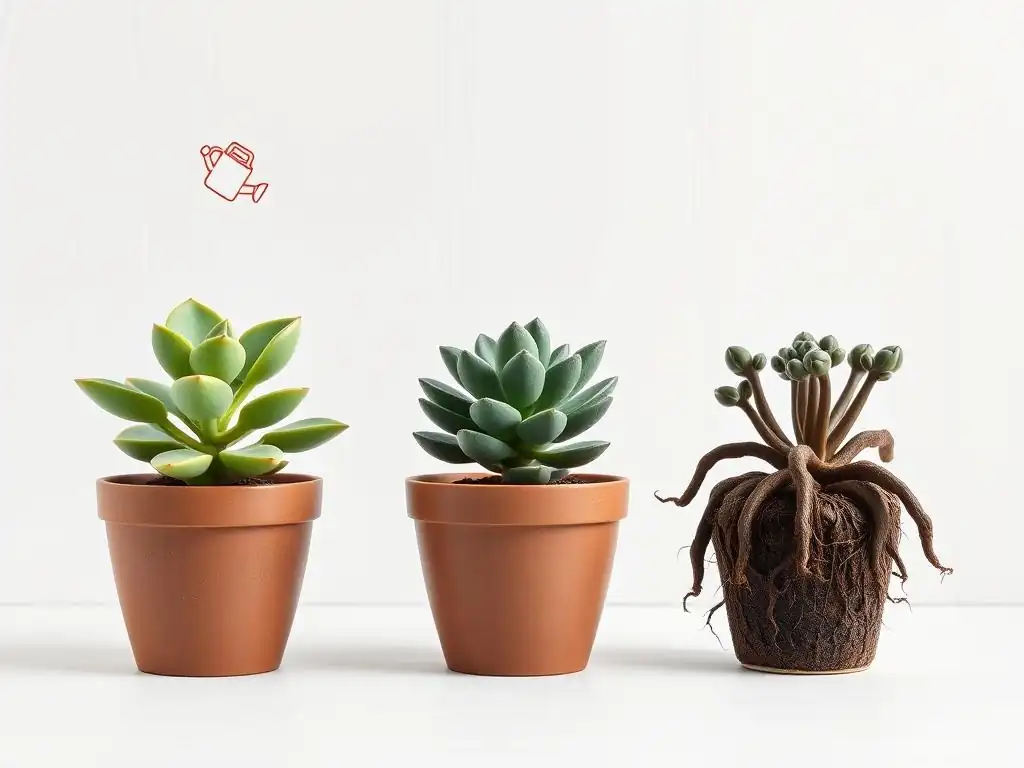
Creating the perfect succulent compost blend requires careful attention to detail. Even with meticulous planning, however, you might encounter some challenges. This section addresses common problems and offers practical solutions to ensure your compost remains healthy and beneficial for your succulents. Understanding these issues and how to address them is crucial for maximizing the benefits of home composting for succulent cultivation. This guide focuses on resolving issues related to pests, decomposition rates, and nutrient imbalances, empowering you to create optimal conditions for thriving succulents.
Dealing with Pests and Diseases in Your Compost
Pests and diseases can quickly compromise your compost pile, affecting its quality and potentially harming your succulents. Early detection and swift action are key. Common culprits include fungus gnats, fruit flies, and various molds.
Here's a breakdown of preventative measures and solutions:
- Fungus Gnats: These tiny flies are attracted to moist compost. Reduce moisture levels by turning the compost pile more frequently and ensuring adequate aeration. Consider adding a layer of diatomaceous earth to the surface, which can help dehydrate the larvae. Neem oil can also be effective.
- Fruit Flies: Similar to fungus gnats, fruit flies thrive in decaying organic matter. Remove any overly ripe or rotten fruits or vegetables promptly. A simple trap using apple cider vinegar in a jar can lure and capture the adults.
- Molds: Molds often indicate excessive moisture or a lack of aeration. Improve airflow by turning the pile regularly and adding carbon-rich materials like shredded paper or dry leaves. Avoid adding overly wet materials.
Addressing these issues proactively ensures that your compost remains a beneficial, rather than detrimental, component of your succulent care regimen. Regular monitoring is vital for early detection and prevention of more serious problems. A healthy compost pile is the foundation for healthy succulents.
Addressing Issues with Decomposition Rate
The decomposition rate in your compost pile is influenced by several factors, including moisture content, aeration, carbon-to-nitrogen ratio, and the types of materials used. A slow decomposition rate can be frustrating, while overly rapid decomposition can lead to nutrient loss and overheating.
Here's how to optimize the decomposition rate:
| Issue | Cause | Solution |
|---|---|---|
| Slow Decomposition | Low moisture, poor aeration, high C:N ratio | Increase moisture (but avoid waterlogging), turn regularly, add nitrogen-rich materials (e.g., grass clippings) |
| Fast Decomposition | High moisture, high nitrogen, insufficient carbon | Reduce moisture, add carbon-rich materials (e.g., shredded paper, dry leaves), turn frequently to cool the pile |
Maintaining a balanced decomposition rate is crucial for creating nutrient-rich compost ideal for your succulents. Regularly monitoring and adjusting the mix is essential for success.
Correcting Imbalances in Your Compost Mix
The ideal succulent compost blend has a balanced mix of organic matter, providing essential nutrients and improving drainage and aeration. Imbalances can manifest in various ways, affecting plant health.
- Nutrient Deficiencies: If your succulents exhibit signs of nutrient deficiency (e.g., yellowing leaves, stunted growth), your compost might lack essential nutrients. Amend the compost with appropriate fertilizers or add nutrient-rich materials such as well-rotted manure or seaweed meal. Regular soil testing can help identify specific deficiencies.
- Poor Drainage: If your compost is too dense or contains too much clay, it will retain excessive moisture, leading to root rot. Amend the compost with perlite, vermiculite, or coarse sand to improve drainage.
- Excessive Salinity: Accumulation of salts can harm succulents. Ensure you are using high-quality compost materials and avoid using excessive amounts of fertilizers. Regular leaching of the soil can help remove excess salts.
Creating and maintaining a balanced compost mix is key to cultivating healthy and thriving succulents. Remember that regular monitoring and adjustments are essential for optimal results. By understanding these potential issues and their solutions, you can effectively troubleshoot any imbalances and ensure the success of your succulent compost and, by extension, your succulent collection.
Advanced Composting Techniques for Succulent Enthusiasts
This section delves into more advanced composting methods specifically tailored to the needs of succulent enthusiasts. While basic composting is beneficial, these techniques offer enhanced nutrient profiles and improved soil structure, leading to healthier, more vibrant succulents. We'll explore vermicomposting, Bokashi composting, and creating DIY compost tea – all powerful tools for the discerning succulent grower.
Vermicomposting for Succulents: Worm Castings as a Soil Amendment
Vermicomposting, or composting with worms, produces exceptionally nutrient-rich worm castings, a fantastic soil amendment for succulents. These castings are teeming with beneficial microorganisms and offer a slow-release fertilizer, preventing the risk of salt buildup which can be detrimental to succulents. Worm castings improve soil aeration and water retention, crucial factors for succulent health.
The process involves creating a worm bin, typically using a plastic container with drainage holes. You'll need red wiggler worms ( Eisenia fetida), readily available online or at garden centers. These worms thrive in a moist, dark environment and feed on organic matter like fruit and vegetable scraps (avoiding citrus and oily foods), coffee grounds, and shredded newspaper. The worms break down the organic matter, producing nutrient-rich castings that you can then harvest and incorporate into your succulent potting mix.
A well-maintained vermicomposting system can provide a continuous supply of high-quality worm castings. Adding a small amount (about 10-20% by volume) to your succulent potting mix can significantly boost plant growth and overall health. Remember, consistency is key; regularly monitor moisture levels and add more organic matter as needed. The benefits of using worm castings include improved drainage, enhanced nutrient availability, and a boost in beneficial microbes crucial for a thriving succulent ecosystem.
Bokashi Composting for Succulents: A Unique Approach
Bokashi composting is a fermentation process that uses beneficial microorganisms to break down organic matter, even including some foods that wouldn't typically be suitable for traditional composting. This anaerobic process results in a nutrient-rich material that can be added directly to your succulent pots or used to create a high-quality compost tea. Unlike traditional composting, Bokashi doesn't require high temperatures, making it a convenient option for indoor succulent enthusiasts.
The process involves layering food scraps and Bokashi bran (a mixture of fermented grains and microorganisms) in a Bokashi bucket. The bran introduces the beneficial bacteria that initiate the fermentation. The resulting material, called Bokashi compost, is slightly acidic, which can help to balance the pH of your succulent soil. It's a great addition to potting mixes, improving soil structure and providing slow-release nutrients. However, it’s important to note that Bokashi compost should be buried in the soil, not left on the surface, as it continues to ferment.
Bokashi offers several advantages for succulent growers, including the ability to compost a wider variety of materials than traditional methods, its compact nature (ideal for smaller spaces), and the reduced odor compared to traditional composting. The resulting fermented material is a powerful soil enhancer, providing a boost of nutrients and beneficial microorganisms to your succulent garden.
DIY Compost Tea Recipes for Succulents
Compost tea is a liquid fertilizer made by steeping compost in water. It's a rich source of beneficial microbes, nutrients, and humic acids that promote healthy root development and overall plant vigor in succulents. Creating your own compost tea is easy, cost-effective, and allows for customization based on your succulents' specific needs.
There are several ways to brew compost tea. A simple method involves using a breathable container (like a burlap sack) filled with compost submerged in a bucket of water. Aerate the mixture for 24-48 hours using an air pump to ensure sufficient oxygen for the beneficial microbes. Alternatively, you can use a compost tea brewer which allows for better control over aeration and brewing time.
Here's a basic recipe:
| Ingredient | Amount | Notes |
|---|---|---|
| Compost | 1 cup (loosely packed) | Use well-aged compost, free from pathogens |
| Water | 1 gallon | Use non-chlorinated water if possible |
| Molasses (optional) | 1 tablespoon | Provides food for beneficial microbes |
After brewing, strain the tea to remove the compost solids. Dilute the tea with water before applying it to your succulents, typically at a ratio of 1:10 or 1:20. Avoid applying the tea during the hottest part of the day to prevent scorching. Regular application of compost tea can significantly improve the health and vigor of your succulent collection, providing a natural and effective way to boost their nutrient intake. Remember to always observe your plants' response after applying compost tea and adjust accordingly.
Frequently Asked Questions
What type of compost is best for succulents?
A well-draining compost is crucial. A good mix would be a blend of gritty materials like perlite or pumice, with regular potting soil. Avoid overly rich or water-retentive soils.
How often should I fertilize my succulents?
Succulents are low feeders. Fertilize only during their growing season (spring and summer) with a balanced, diluted liquid fertilizer, approximately once a month.
Can I use homemade compost for my succulents?
Yes, but ensure it's well-rotted and very well-draining. Mix it with other inorganic materials like perlite to improve drainage and prevent root rot. Avoid using fresh compost.
What are the signs of over-watering or improper compost?
Signs include soggy soil, yellowing or mushy leaves, and root rot. Improper compost, usually too dense, contributes significantly to these issues.
How can I improve drainage in my succulent pots?
Use porous pots with drainage holes. Add a layer of gravel or broken pottery shards at the bottom of the pot before adding the compost. This will further enhance drainage.
Final Reflection: Cultivating a Thriving Ecosystem, One Succulent at a Time
The art of composting for succulents isn't merely about creating nutrient-rich soil; it's about fostering a sustainable and interconnected relationship with the natural world. This practice, once considered niche, is rapidly gaining traction as more people recognize the environmental and economic benefits of reducing waste and creating their own enriching soil blends. The future of succulent cultivation, and indeed gardening as a whole, hinges on embracing these eco-conscious methods.
Witnessing the transformation of kitchen scraps and yard waste into vibrant, life-giving compost for my succulents has been profoundly rewarding. It's a tangible connection to the cycle of life, a reminder of the interconnectedness of all things. The earth laughs in flowers.
– Ralph Waldo Emerson. This quote perfectly encapsulates the joy and satisfaction derived from nurturing life, from the smallest seed to the most resilient succulent, using resources we would otherwise discard. The impact extends beyond the individual plant; it's about contributing to a healthier planet, one compost bin at a time.
Now, consider your own succulent collection. What steps can you take today to integrate composting into your routine? Start small, perhaps with a simple worm composting bin or a dedicated compost pile in your garden. Embrace the learning process, experiment with different materials, and observe the remarkable results. By embracing sustainable practices like composting, you're not just cultivating healthy succulents; you're cultivating a healthier planet and a deeper connection to the natural world. Let's grow together, one compostable leaf at a time.
Unleash Your Succulent's Secret Weapon: Start Composting Today!
Thanks for exploring the world of succulent composting! You've learned how to cultivate healthier, happier plants. Ready to put your knowledge into practice?
- Craft the perfect succulent compost mix: Using the ratios and ingredients discussed, create a batch today – your succulents will thrive! Adding worm castings provides an extra boost of nutrients.
- Share your composting journey: Show us your progress on social media – we'd love to see your flourishing succulents!
- Explore other enriching techniques: Discover more about natural pest control and sustainable gardening practices on our website.
What will you add to your succulent compost mix to give it a personal touch? Let us know in the comments below!