
Demystifying Drainage: The Key to Happy and Healthy Succulents

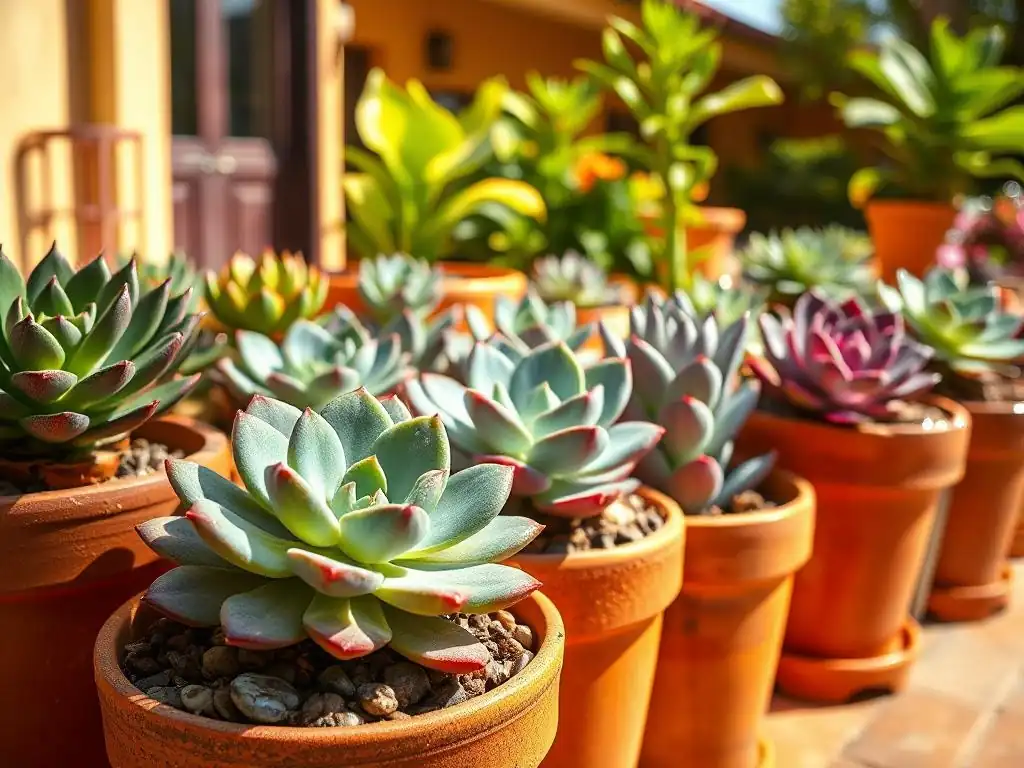
Welcome to SucculentEssentials.org, where the thriving world of succulents awaits! Are you ready to unlock the secrets to cultivating truly spectacular succulents? We'll delve into the fascinating details of succulent care, from propagation techniques to stunning arrangement ideas. But first, let's address a crucial element often overlooked: succulent drainage tips for growth. Discover how proper drainage is the cornerstone of healthy, vibrant plants – and learn how to avoid common pitfalls that can lead to rot and disappointment. Prepare to be amazed by what a little knowledge can do for your succulent collection!
- Understanding the Importance of Proper Succulent Drainage
- Essential Drainage Tips for Succulent Growth
- Advanced Drainage Solutions for Succulent Cultivation
- Troubleshooting Drainage Problems in Succulents
- Maintaining Excellent Drainage for Long-Term Succulent Health
- Frequently Asked Questions
- Final Reflection: The Enduring Power of Proper Drainage
- Unleash Your Inner Plant Parent: Thrive with Healthy Succulents!
Understanding the Importance of Proper Succulent Drainage
Succulents, with their captivating shapes and vibrant colors, have captured the hearts of plant enthusiasts worldwide. However, their unique beauty belies a crucial need: excellent drainage. This article delves into the critical role of drainage in ensuring the health and longevity of your succulent collection. We'll explore why proper drainage is paramount for succulent growth, the devastating effects of root rot (the biggest threat to succulent health), and how to identify signs of poor drainage.
Mastering succulent drainage is key to unlocking the secrets to thriving, vibrant plants and avoiding common pitfalls that plague many succulent owners. This guide provides essential succulent drainage tips for growth, focusing on sustainable and eco-friendly approaches to soil health and composting, crucial aspects of responsible succulent care. Understanding these principles will transform your succulent care routine, leading to healthier, happier plants and a more rewarding gardening experience.
Why Drainage Matters for Succulent Growth
Succulents, native to arid and semi-arid regions, have evolved to thrive in environments with minimal water availability. Their thick, fleshy leaves and stems store water, making them remarkably drought-tolerant. However, this adaptation also makes them incredibly susceptible to overwatering. Unlike many other plants, succulents don't appreciate consistently moist soil. Poor drainage leads to waterlogging, creating a breeding ground for harmful bacteria and fungi.
This stagnant moisture suffocates the roots, preventing them from absorbing oxygen and nutrients crucial for growth. Proper drainage ensures that excess water quickly escapes the pot, preventing the root system from becoming waterlogged and allowing for optimal aeration. This, in turn, promotes healthy root development, leading to vigorous growth and a more robust, resilient plant. Think of it like this: succulents need a drink, not a bath! 💧
Root Rot: The Biggest Threat to Succulent Health and How Drainage Prevents It
Root rot, caused by various fungal pathogens thriving in consistently wet conditions, is the most significant threat to succulent health. The symptoms often appear subtly at first, but they quickly escalate, leading to irreversible damage. Infected roots turn brown, mushy, and eventually decay, preventing the plant from absorbing water and nutrients. Above ground, you may notice wilting, yellowing leaves, and a general decline in the plant's overall vigor.
In advanced stages, the entire plant may collapse and die. Effective drainage is the first line of defense against root rot. By ensuring that excess water drains away swiftly, you significantly reduce the risk of creating the damp, anaerobic conditions that fungi thrive in. Prevention is always better than cure, and proper drainage is the cornerstone of preventative succulent care.
Signs of Poor Drainage in Your Succulents
Recognizing the signs of poor drainage is crucial for timely intervention. Several telltale signs can indicate that your succulents are suffering from inadequate drainage:
| Sign | Description |
|---|---|
| Mushy or decaying roots | Upon inspection, roots appear brown, soft, and rotting. |
| Yellowing or wilting leaves | Leaves lose their turgor, become soft, and change color. |
| Foul odor from the soil | A musty or unpleasant smell emanating from the potting mix indicates decay. |
| Water sitting in the pot | Even after watering, water remains standing in the saucer or pot for extended periods. |
| Slow or stunted growth | The succulent isn't growing at its expected rate or exhibiting signs of poor health. |
If you observe any of these signs, you should immediately assess your drainage setup and take corrective measures. This might involve repotting the succulent in a well-draining soil mix and a pot with adequate drainage holes. Remember, early detection and prompt action are key to saving your succulents from the devastating effects of poor drainage. 🌱
Essential Drainage Tips for Succulent Growth
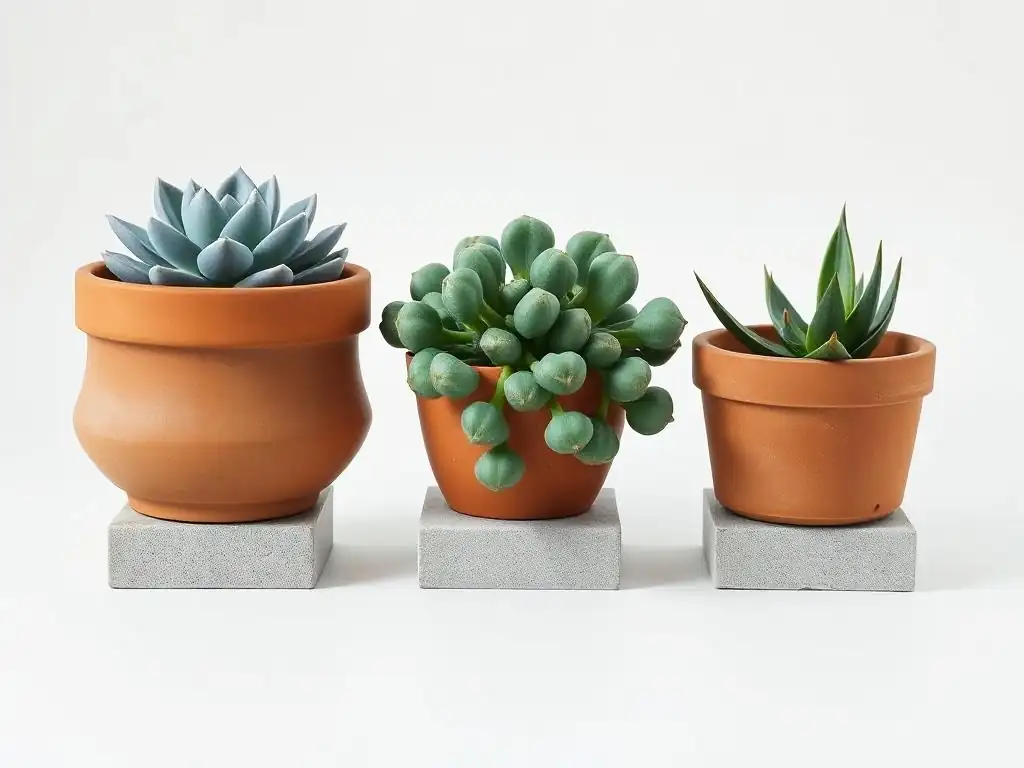
This section delves into the crucial role of drainage in cultivating thriving succulents. Proper drainage prevents root rot, a common and often fatal issue for these drought-tolerant plants. We'll explore practical steps to ensure your succulents receive the optimal drainage they need for robust growth, addressing various aspects from pot selection to soil composition and repotting strategies. Mastering these techniques significantly enhances your chances of successful succulent cultivation and contributes to a healthier, more sustainable gardening practice. Remember, proper succulent drainage tips for growth are paramount for long-term plant health.
Choosing the Right Pot for Optimal Drainage
Selecting the appropriate pot is the first step towards achieving excellent drainage for your succulents. Avoid using pots without drainage holes, as standing water will quickly lead to root rot. The material of the pot also matters. Terracotta pots are excellent for succulents because they are porous, allowing for better air circulation and evaporation, which helps prevent waterlogging. Plastic pots, while convenient, retain moisture more readily, necessitating more careful watering.
Consider the pot's size relative to the succulent's root system. A pot that's too large can retain excessive moisture, while one that's too small can restrict root growth. Aim for a pot that's slightly larger than the root ball, allowing for some room for expansion. For example, a small Echeveria might only need a 4-inch pot, whereas a larger Agave could require a 12-inch pot or even larger.
Here's a table summarizing the pros and cons of different pot materials:
| Pot Material | Pros | Cons | Best for |
|---|---|---|---|
| Terracotta | Porous, promotes air circulation, evaporation | Can dry out quickly, prone to breakage | Most succulents, especially those in hot climates |
| Plastic | Lightweight, durable, inexpensive | Retains moisture, less air circulation | Beginners, indoor succulents |
| Ceramic | Attractive, durable | Can be expensive, may retain moisture | Indoor succulents, decorative arrangements |
Creating a Well-Draining Soil Mix for Succulents
The soil mix is just as critical as the pot itself. Succulents require a well-draining soil that doesn't retain excessive moisture. Avoid using standard potting soil, which is often too dense and retains too much water. Instead, create a custom blend that prioritizes drainage and aeration.
A common and effective recipe includes:
- 1 part potting soil
- 1 part coarse sand (not beach sand, as it can contain salt)
- 1 part perlite or pumice
This blend provides a balance of nutrients, drainage, and aeration. Perlite and pumice are inorganic materials that improve drainage and aeration, crucial for preventing waterlogging. You can also incorporate other materials like coco coir or vermiculite for added moisture retention, but use them sparingly.
Remember to sterilize your soil mix before use to prevent the introduction of pests and diseases. This can be done by baking the soil in the oven at a low temperature for about 30 minutes.
It's crucial to remember that the soil mix is a dynamic component of succulent care. Over time, the soil can compact, reducing drainage efficiency. This highlights the importance of repotting your succulents periodically.
Improving Drainage in Existing Pots: Repotting Techniques
If you already have succulents in pots with inadequate drainage, repotting is essential. This process involves carefully removing the succulent from its current pot, inspecting the roots, and transplanting it into a more suitable pot with a well-draining soil mix.
Before repotting, gently loosen the root ball to remove any compacted soil. Inspect the roots for signs of rot (mushy, dark brown roots). Remove any affected roots with clean, sharp scissors. Allow the roots to air dry for a few hours before repotting to prevent the introduction of rot into the new pot.
When repotting, add a layer of gravel or broken pottery shards at the bottom of the new pot to improve drainage further. This creates a drainage layer at the base, preventing water from accumulating around the roots. Then, add your prepared well-draining soil mix, carefully placing the succulent in the center. Fill in the remaining space with soil, ensuring the crown of the succulent is not buried. Water thoroughly after repotting, allowing excess water to drain freely. Remember, consistent monitoring is key to ensuring your succulents thrive. 🌱
Using Drainage Layers: Gravel, Perlite, and More
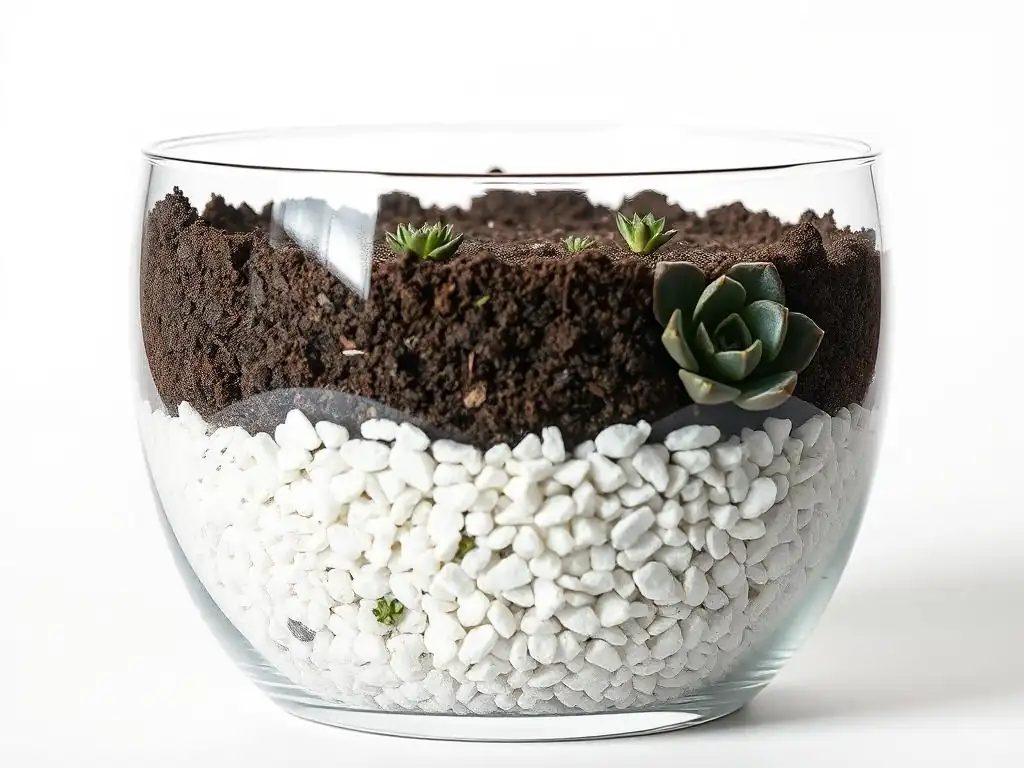
Creating a well-draining environment for your succulents is paramount to their health and longevity. Simply using the right potting mix isn't always enough; incorporating drainage layers into your pots significantly improves water flow and prevents root rot, a common succulent killer. Think of it as creating a mini-drainage system within your container.
The most common approach involves layering the bottom of the pot with an inert material like gravel, pebbles, or broken pottery shards. This layer acts as a reservoir for excess water, preventing the soil from becoming waterlogged. However, it's crucial to understand that this layer does not replace well-draining soil; it complements it. The drainage layer should only occupy about 1/4 to 1/3 of the pot's height. Using too much will reduce the space available for the succulent's roots, hindering growth.
Beyond gravel, perlite is another excellent addition to your drainage strategy. Perlite is a volcanic glass that's lightweight, porous, and provides excellent aeration. Mixing perlite into your succulent potting mix improves drainage and prevents compaction. It allows for better air circulation around the roots, which is crucial for healthy root development and prevents fungal diseases. A good rule of thumb is to incorporate perlite at a ratio of 2:1 or 3:1 (potting mix to perlite).
Experiment to find the perfect balance for your specific succulent type and pot size. Some enthusiasts also use pumice, another volcanic rock, which offers similar benefits to perlite. The key is to choose an inert material that won't decompose or affect the soil's pH. Remember to always choose high-quality materials to avoid introducing contaminants to your potting mix. Proper drainage layers, combined with the right soil mix, are essential succulent drainage tips for growth.
Watering Techniques for Excellent Drainage
Even with perfect drainage, improper watering can negate all your efforts. Overwatering is a leading cause of succulent death, regardless of drainage. Understanding proper watering techniques is just as crucial as having excellent drainage. The goal is to water deeply but infrequently, allowing the soil to dry out completely between waterings. This encourages strong root growth and prevents the development of fungal diseases.
Check the soil moisture before watering. Stick your finger about an inch into the soil; if it feels dry, it's time to water. If it's still moist, wait a few more days. Avoid watering on a schedule; instead, water based on the needs of your plants. Factors like temperature, humidity, sunlight exposure, and pot size will influence how frequently your succulents need watering. During the winter months, succulents typically require less frequent watering.
When you do water, water thoroughly until water drains out of the drainage holes. This ensures that the roots are fully saturated. Allow any excess water to drain completely; do not leave your succulents sitting in standing water. This standing water can lead to root rot, even with good drainage. Watering in the morning is generally recommended, as this allows the foliage to dry before nightfall, reducing the risk of fungal diseases.
Proper watering techniques are just as important as the use of drainage layers. Using both effectively are critical succulent drainage tips for growth. Remember, less is often more when it comes to watering succulents. Consistent monitoring and adjustment based on environmental conditions are key to achieving optimal hydration and promoting healthy growth.
Advanced Drainage Solutions for Succulent Cultivation
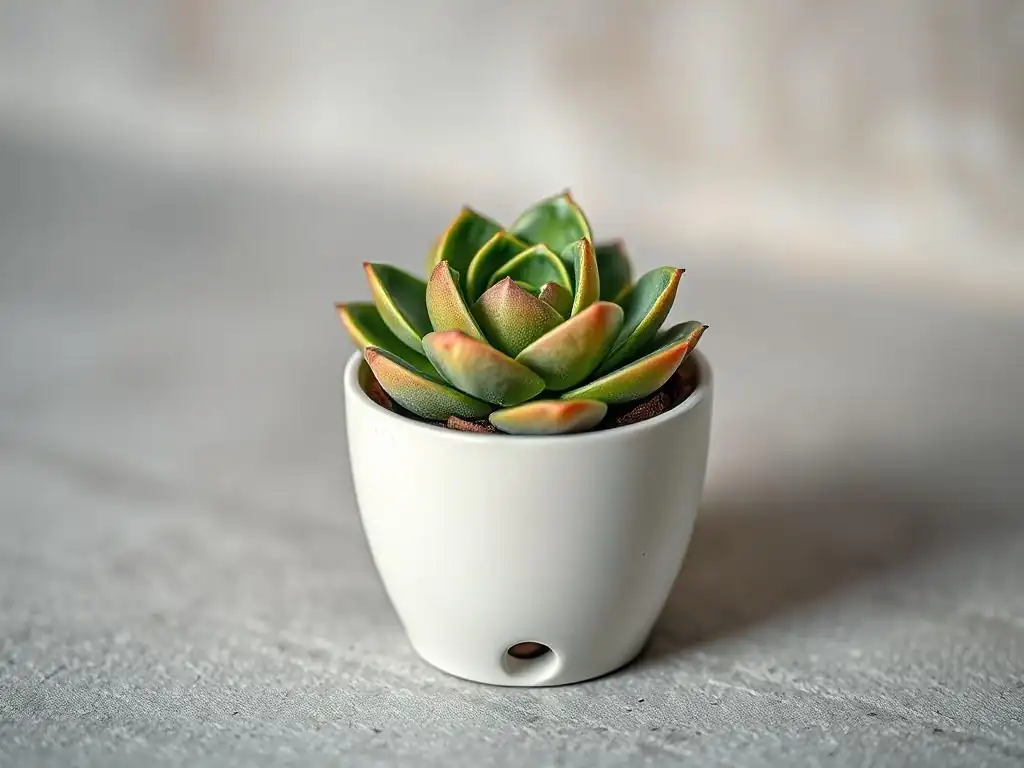
This section delves into sophisticated drainage strategies crucial for optimal succulent growth. Proper drainage isn't just about preventing root rot; it's about creating a thriving environment that mimics succulents' natural, arid habitats. We'll explore advanced techniques beyond basic potting mixes, focusing on solutions that maximize airflow and water management for robust succulent development. Mastering these techniques will significantly improve your success rate in cultivating these fascinating plants, providing the best succulent drainage tips for growth.
Drainage Solutions for Succulents in Containers
Containers offer unparalleled flexibility in succulent cultivation, but choosing the right pot and implementing effective drainage is paramount. Poor drainage in containers leads to waterlogged soil, a breeding ground for fungal diseases and root rot. The ideal container for succulents combines several key features:
- Drainage Holes: Multiple, generously sized drainage holes are essential. Small holes can easily clog, defeating their purpose. Consider the size and number of holes relative to the container's volume. Larger pots require more drainage holes to ensure efficient water evacuation.
- Pot Material: Terracotta pots are excellent for succulents due to their porous nature. This porosity allows for better air circulation and evaporation, helping to prevent overly saturated soil. Plastic pots, while convenient, require more careful monitoring of watering.
- Layer Creation: Creating a layered drainage system within the container significantly improves water flow. A layer of coarse gravel or perlite at the bottom of the pot provides excellent drainage, preventing the soil from becoming compacted and improving aeration. This is a critical aspect of succulent drainage tips for growth.
- Choosing the Right Pot Size: Selecting a pot that's appropriately sized for your succulent's root system is vital. A pot that's too large can lead to overwatering, while one that's too small restricts root growth. Aim for a pot that's slightly larger than the root ball, allowing for some expansion.
Drainage Solutions for Succulents in Hanging Baskets
Hanging baskets present a unique challenge when it comes to succulent drainage. The upside-down orientation can lead to water pooling at the bottom of the basket, potentially suffocating the roots. Here's how to mitigate this risk:
- Using Specialized Baskets: Opt for hanging baskets specifically designed for drainage. These often feature integrated drainage holes or a perforated liner that facilitates water escape.
- Creating a Multi-Layered System: Even with drainage holes, creating a layered drainage system is still beneficial. Place a layer of coarse gravel or perlite at the base of the basket before adding the succulent soil mix.
- Watering Techniques: Adjust your watering techniques. Instead of thoroughly soaking the soil, water more frequently in smaller amounts, allowing excess water to drain freely. This prevents saturation and encourages healthy root development. This is a key element of succulent drainage tips for growth.
- Monitoring for Water Retention: Regularly inspect the basket for signs of water retention. If you notice water pooling, adjust your watering schedule or consider using a different basket with better drainage.
Drainage in Terrariums and Closed Environments
Terrariums and closed environments present a particularly delicate balance when it comes to drainage. While these setups create a humid microclimate ideal for some succulents, excessive moisture can quickly lead to problems.
- Well-Draining Substrate: A highly porous substrate is crucial for terrariums. Use a blend of coarse sand, perlite, and small gravel to ensure excellent drainage. Avoid using peat moss or other organic materials that retain too much moisture.
- Limited Watering: Water sparingly in closed terrariums, allowing the soil to dry out completely between waterings. Overwatering is the most common cause of failure in closed terrarium environments.
- Ventilation: Ensure adequate ventilation to prevent excessive humidity buildup. This can be achieved through carefully placed openings in the terrarium's lid or by using a terrarium with a naturally vented design. Proper ventilation is a fundamental aspect of succulent drainage tips for growth.
- Monitoring for Condensation: Regularly monitor the terrarium for condensation. Excessive condensation indicates overly humid conditions that require adjustment in watering and ventilation. The presence of mold or mildew is a clear indicator of poor drainage and necessitates immediate action.
This detailed exploration of advanced drainage solutions provides a comprehensive understanding of how to optimize water management for healthy succulent growth, offering invaluable succulent drainage tips for growth. Remember, consistent monitoring and adaptation are key to maintaining a thriving succulent collection.
Troubleshooting Drainage Problems in Succulents
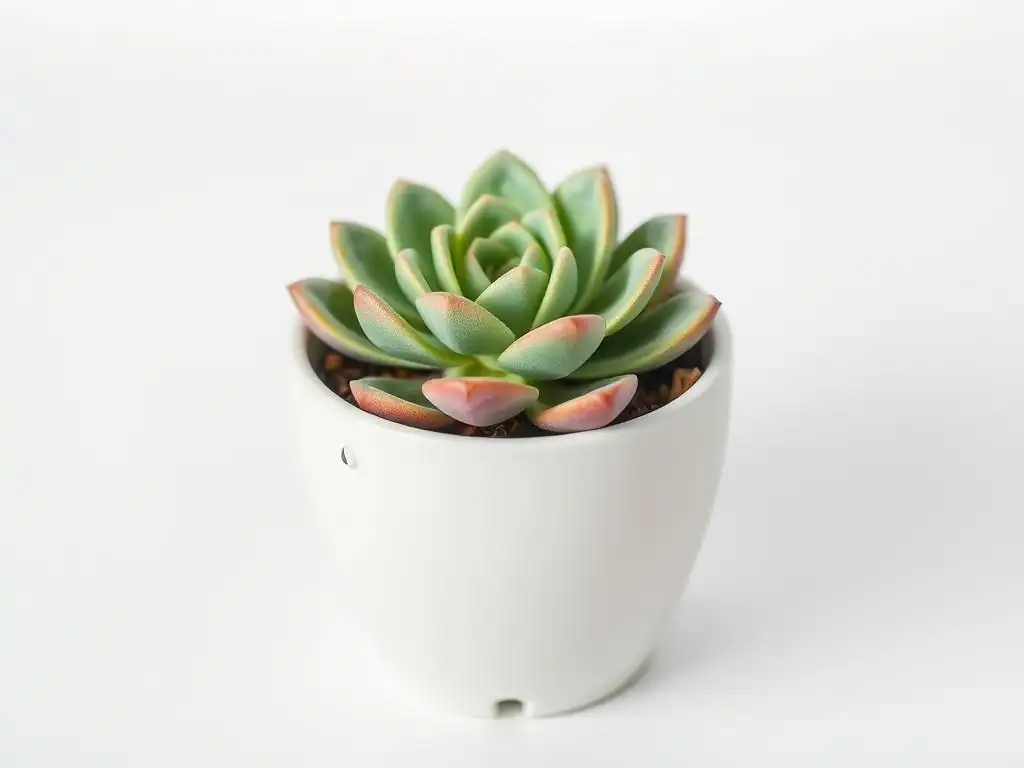
Proper drainage is paramount for succulent health and successful cultivation. Ignoring this crucial aspect often leads to root rot, a common and devastating problem for succulent enthusiasts. This section focuses on identifying and resolving drainage issues, ensuring your succulents thrive. Understanding the signs of poor drainage is the first step towards cultivating healthy, vibrant plants. We'll explore effective strategies to address existing problems and implement preventative measures for long-term success in your succulent gardening journey. Mastering succulent drainage tips for growth is key to avoiding many common pitfalls.
Diagnosing and Addressing Drainage Issues
The telltale signs of poor succulent drainage are often subtle at first, but become increasingly obvious as the problem worsens. Early detection is crucial for effective treatment. Look out for these symptoms:
- Soft, mushy leaves: This indicates root rot, a direct consequence of consistently soggy soil. The leaves lose their firmness and become translucent or discolored.
- Yellowing or browning leaves: While various factors can cause leaf discoloration, persistent yellowing or browning, particularly at the base of the plant, often points to overwatering and poor drainage.
- Unpleasant odor: A foul smell emanating from the soil is a clear indicator of decaying roots and bacterial or fungal growth, usually stemming from inadequate drainage.
- Stunted growth: Succulents with poor drainage struggle to absorb nutrients effectively, resulting in stunted growth and overall weakness.
- Falling off leaves: If leaves are dropping off excessively, along with other symptoms, it's a strong sign that the roots are not getting enough oxygen due to waterlogged soil.
Addressing these issues requires a multi-pronged approach:
- Assess the pot: Is the pot material appropriate? Terracotta pots are excellent for succulents due to their porous nature which aids in evaporation. Plastic pots, however, retain more moisture and require careful monitoring. Ensure adequate drainage holes exist and are not blocked by soil or debris.
- Examine the soil: Is the soil mix well-draining? Succulents require a porous, well-draining potting mix that allows for efficient water percolation. A mix of cactus and succulent potting soil, perlite, pumice, and coarse sand is ideal. Avoid using garden soil as it retains too much moisture.
- Repotting: If the drainage issues are severe, repotting is often necessary. Carefully remove the succulent from its pot, gently remove any decaying roots, and repot it in fresh, well-draining soil using a suitable container.
- Watering techniques: Adjust your watering habits. Water thoroughly when the soil is completely dry, allowing excess water to drain completely. Avoid letting the plant sit in standing water.
Fixing Overwatering Problems in Succulents
Overwatering is a major contributor to poor drainage problems in succulents. Even with good drainage, excessive watering can overwhelm the plant's ability to absorb moisture, leading to root rot and other issues. Here's how to address overwatering:
- Immediate action: If you suspect overwatering, remove the succulent from its pot immediately. Assess the roots. Any soft, mushy, or dark brown roots should be carefully trimmed away using sterilized scissors or a knife.
- Allowing to dry: After removing the affected roots, allow the succulent to air dry for a few hours to several days, depending on the severity of the problem. This helps prevent the spread of rot.
- Repotting with fresh soil: Repot the succulent in a fresh, dry, well-draining soil mix. Ensure the pot has ample drainage holes.
- Monitoring: After repotting, monitor the plant closely, avoiding watering until the soil is completely dry. Resume watering carefully, using smaller amounts of water more frequently. This allows for more controlled moisture levels.
Remember, prevention is key. Proper watering techniques are crucial in preventing future overwatering problems.
Preventing Future Drainage Problems in Your Succulents
By implementing preventative measures, you can significantly reduce the risk of drainage problems and ensure the long-term health and vitality of your succulents. Here are some key strategies:
- Choosing the right pot: Select pots with ample drainage holes. Terracotta pots are ideal due to their porous nature, while plastic pots need extra attention to ensure proper drainage.
- Creating a well-draining soil mix: Use a specialized cactus and succulent potting mix, incorporating perlite, pumice, and coarse sand to enhance drainage and aeration.
- Watering wisely: Water thoroughly only when the soil is completely dry. Allow excess water to drain completely and avoid letting the plant sit in standing water. Consider using a watering can with a long, thin spout to ensure accurate watering at the base of the plant, avoiding wetting the leaves which can cause rot.
- Regular inspection: Regularly check the soil moisture level by inserting your finger a couple of inches into the soil. If it feels dry, it's time to water. Regularly inspect your succulents for signs of stress or disease. Early detection is crucial for effective treatment.
- Proper sunlight: Providing adequate sunlight helps the soil to dry out faster, thus reducing the risk of overwatering and root rot.
By following these succulent drainage tips for growth, you'll significantly improve your chances of cultivating healthy and thriving succulents. Remember, consistent attention to detail and proactive measures are essential for successful succulent cultivation. 🌱
Maintaining Excellent Drainage for Long-Term Succulent Health
Proper drainage is paramount for the long-term health and vibrancy of your succulents. These drought-tolerant plants are incredibly susceptible to root rot, a devastating condition caused by consistently soggy soil. Understanding and implementing effective drainage strategies is not merely beneficial; it's essential for preventing this common problem and ensuring your succulents thrive.
This section delves into the practical aspects of maintaining excellent drainage, ensuring your succulent collection flourishes for years to come. We'll explore the importance of regular monitoring, the impact of pot size, and long-term strategies to optimize drainage and promote healthy succulent growth. Mastering these techniques is key to achieving optimal succulent drainage tips for growth.
Regular Soil Monitoring and Maintenance
Regularly checking your succulents' soil moisture is crucial. Don't rely solely on a schedule; instead, use your finger to test the soil's dryness. Insert your finger about an inch into the soil. If it feels dry or slightly damp, it's time to water. If it's still moist, wait a few more days. Overwatering is a far more common problem than underwatering for succulents, leading to root rot and ultimately, plant death. This simple check prevents overwatering and promotes healthy succulent drainage tips for growth.
Consider using a moisture meter for a more precise measurement, especially for beginners. These tools provide a numerical reading of the soil's moisture level, taking the guesswork out of watering. However, even with a moisture meter, always supplement with a finger test to ensure accuracy and avoid over-reliance on technology. Remember, the goal is to allow the soil to dry out completely between waterings.
Another important aspect of regular maintenance is examining the soil itself. Over time, soil can compact, reducing drainage efficiency. Repotting your succulents every 1-2 years, depending on the growth rate and pot size, helps to refresh the soil and ensure optimal drainage. This process allows you to replace old, compacted soil with fresh, well-draining potting mix, significantly improving your succulents' overall health and promoting vigorous growth.
The Role of Pot Size in Drainage and Succulent Growth
The size of the pot significantly impacts drainage and subsequent succulent growth. A pot that's too large can retain excessive moisture, increasing the risk of root rot. Conversely, a pot that's too small restricts root development and can lead to stunted growth. Finding the right balance is crucial for healthy succulents.
The ideal pot size depends on the size of the succulent and the type of potting mix used. Generally, choose a pot that's slightly larger than the succulent's root ball, allowing for some room for growth but avoiding excessive space that retains too much water. Ensure the pot has drainage holes at the bottom; this is non-negotiable for succulents. Without adequate drainage holes, water will pool at the bottom, creating a breeding ground for harmful bacteria and fungi. This simple step is vital for preventing root rot and ensuring healthy succulent drainage tips for growth.
Furthermore, the material of the pot also matters. Terracotta pots are excellent for succulents because they are porous, allowing for better air circulation and evaporation, thus improving drainage. Plastic pots, while convenient, can retain more moisture, requiring more careful monitoring and potentially less frequent watering.
Long-term Drainage Strategies for Healthy Succulents
Maintaining excellent drainage is a long-term commitment. It's not a one-time fix but rather a continuous process that requires attention and adjustment over time. Implementing these long-term strategies will ensure your succulents continue to thrive.
- Choosing the Right Potting Mix: Avoid using regular garden soil. Instead, opt for a well-draining succulent and cactus potting mix. These mixes typically contain ingredients like perlite, pumice, or coarse sand, which improve aeration and drainage. You can even create your own custom blend!
- Improving Existing Soil Drainage: If you notice your soil is becoming compacted, you can improve its drainage by adding amendments like perlite or horticultural grit to the existing soil. Gently loosen the compacted soil before adding the amendments to ensure even distribution.
- Mulching (with Caution): While mulching is beneficial for many plants, use it sparingly with succulents. A thin layer of small gravel or grit can help prevent soil splashing and retain some moisture, but avoid excessive mulching, which can impede drainage and lead to moisture build-up.
By consistently applying these strategies, you can ensure your succulents receive the optimal drainage they need to flourish, resulting in a vibrant and healthy collection. Remember, consistent monitoring and proactive measures are key to achieving long-term success in succulent cultivation and mastering succulent drainage tips for growth.
Frequently Asked Questions
What is the most important aspect of succulent care?
Proper drainage is paramount. Succulents are prone to root rot if their soil remains waterlogged. Ensure your pots have drainage holes and use a well-draining potting mix.
How can I improve drainage in my succulent pots?
Use a porous potting mix specifically formulated for cacti and succulents. Add materials like perlite or pumice to increase aeration and drainage. Ensure your pots have adequate drainage holes.
My succulents are showing signs of root rot. What should I do?
Immediately remove the affected succulents from their pots. Carefully remove any rotten roots and repot them in fresh, dry, well-draining soil. Ensure good air circulation around the plants.
What kind of pot is best for succulents?
Terracotta pots are ideal because they are porous and allow for better air circulation, helping the soil dry out more quickly. Plastic pots can work, but ensure they have ample drainage holes.
How often should I water my succulents?
Water thoroughly only when the soil is completely dry. Overwatering is a common mistake that leads to root rot. The frequency depends on factors like pot size, soil type, and climate.
Final Reflection: The Enduring Power of Proper Drainage
The health and longevity of your succulent collection hinges entirely on understanding and implementing proper drainage. A seemingly small detail, adequate drainage is the cornerstone of succulent success, impacting not only their visual appeal but also their overall resilience and ability to thrive. Ignoring this fundamental principle can lead to irreversible damage and ultimately, the loss of beloved plants.
The impact of proper drainage extends beyond the individual plant; it speaks to a broader appreciation for the delicate balance of nature. Understanding the specific needs of these resilient yet sensitive plants fosters a deeper connection with the natural world. As we learn to provide the right conditions for their growth, we also learn to appreciate the interconnectedness of all living things. The glory of gardening: hands in the dirt, head in the sun, heart with nature. To nurture a garden is to feed not just the body, but the soul.
This quote perfectly encapsulates the rewarding experience of nurturing succulents, and proper drainage is the key that unlocks this rewarding journey.
Now, consider your own succulents. Are they receiving the care they deserve? Take a moment to examine their drainage. Are you providing them with the foundation for a long and healthy life? By implementing the drainage techniques discussed in this article, you're not just improving the health of your plants; you're cultivating a deeper understanding of their needs and fostering a more mindful approach to plant care. Embrace the challenge, and watch your succulent collection flourish!
Unleash Your Inner Plant Parent: Thrive with Healthy Succulents!
Thanks for joining us on this succulent journey! You've learned the secrets to happy, healthy plants. Ready to put your new knowledge into practice?
- Repot your succulents today! Ensure they have excellent drainage in a pot that allows them to flourish. This is the most impactful step you can take.
- Share your success! Let's inspire others in the SucculentEssentials community. Tell us about your thriving succulents!
- Explore our other articles for even more expert tips and tricks to help your succulents thrive.
What's the first thing you'll do to improve your succulents' health, and what exciting growth do you expect to see?