
The Truth About Clay in Succulent Soil: Friend or Foe?

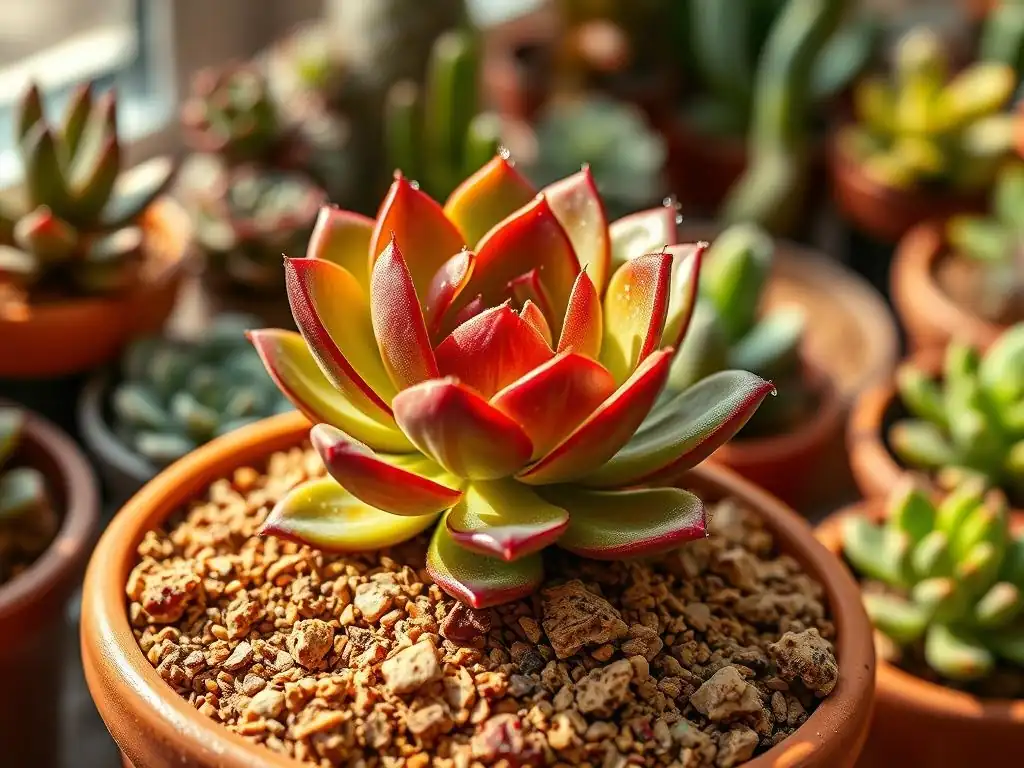
Welcome to SucculentEssentials.org, your gateway to the captivating world of succulents! Are you ready to unlock the secrets to thriving succulents? We delve into every aspect of succulent care, from propagation techniques to stunning design ideas. But first, let's address a crucial question that can make or break your succulent's success: what's the truth about using the best clay for succulents? Discover the surprising answer and learn how to cultivate a flourishing succulent collection with our expert guide on sustainable practices. Dive in and let's grow together!
- Understanding the Role of Soil Composition for Succulents
- Clay Soil: A Detailed Examination
- Best Clay for Succulents: Myth vs. Reality
- Alternative Soil Amendments for Improved Drainage
- Creating the Perfect Succulent Soil Blend
- Troubleshooting Common Soil-Related Issues
- Maintaining Healthy Soil for Thriving Succulents
- Frequently Asked Questions
- Final Reflection: Nurturing Success: The Enduring Power of the Right Soil Mix
- Unlock Your Succulents' Full Potential!
Understanding the Role of Soil Composition for Succulents
Succulents, with their fascinating diversity and adaptability, thrive in well-drained, porous soil that mimics their natural desert or arid environments. Unlike their moisture-loving counterparts, succulents are highly susceptible to root rot if their soil retains too much water. Therefore, understanding the precise composition of your succulent soil is paramount to their health and longevity. This article dives deep into the often-debated role of clay in succulent soil, exploring whether it's a beneficial addition or a potential hazard to your beloved plants.
We'll examine the ideal soil texture and components, guiding you towards creating the best clay for succulents (if any! ), and ultimately helping you cultivate a thriving succulent collection. Choosing the right soil is a crucial step in practicing sustainable and eco-friendly succulent care, ensuring your plants flourish while minimizing waste and environmental impact. Let's explore the nuances of creating the perfect soil blend for your precious succulents.
The Importance of Well-Draining Succulent Soil
The single most critical factor in successful succulent cultivation is well-draining soil. Succulents evolved to store water in their leaves and stems, making them highly vulnerable to overwatering. Poorly draining soil leads to waterlogged roots, creating the perfect breeding ground for fungal diseases and ultimately, root rot – a common and often fatal condition for succulents. A well-draining soil allows excess water to easily escape, preventing the roots from sitting in saturated conditions.
This is achieved through a careful balance of inorganic and organic components, offering both aeration and moisture retention, but never to the point of sogginess. Think of it like this: you want your soil to be like a sponge that can absorb water but then quickly release the excess, not a waterlogged towel. 💦
Essential Soil Components for Optimal Growth
Creating the perfect succulent soil blend involves a thoughtful combination of ingredients. While the exact ratios can vary depending on the specific succulent species and climate, a general guideline includes a mix of inorganic and organic materials. Inorganic components, like perlite, pumice, and coarse sand, provide excellent drainage and aeration. These materials don't retain water and help prevent compaction. Organic components, such as coco coir or composted bark, offer some water retention and essential nutrients.
However, the amount of organic material should be carefully controlled to avoid creating a heavy, water-retentive mix. The key is balance – enough organic matter to provide nutrients, but not so much that it compromises drainage. This is where the debate around clay arises. While some gardeners use small amounts of clay for its nutrient-holding properties, its tendency to retain water can be detrimental to succulents, particularly in moist climates.
Identifying the Right Soil Texture for Your Succulents
The ideal soil texture for succulents should feel gritty and loose, not compacted or heavy. You should be able to easily work the soil with your fingers, and it should feel airy and not clump together. If you squeeze a handful of soil and it forms a solid clump that doesn't easily crumble, it's likely too dense and needs more inorganic amendments like perlite or pumice.
Conversely, if the soil is excessively dry and dusty, it may lack enough organic matter to retain sufficient moisture. The ultimate goal is to achieve a balance between aeration, drainage, and minimal water retention. Finding the right balance is key to creating a healthy and thriving environment for your succulents.
Remember, observation is key! Monitor your succulents closely, paying attention to how quickly their soil dries out after watering, to fine-tune your soil blend over time. This process of refinement will ultimately lead to the creation of the perfect soil, tailored to your specific succulents and environmental conditions.
Clay Soil: A Detailed Examination
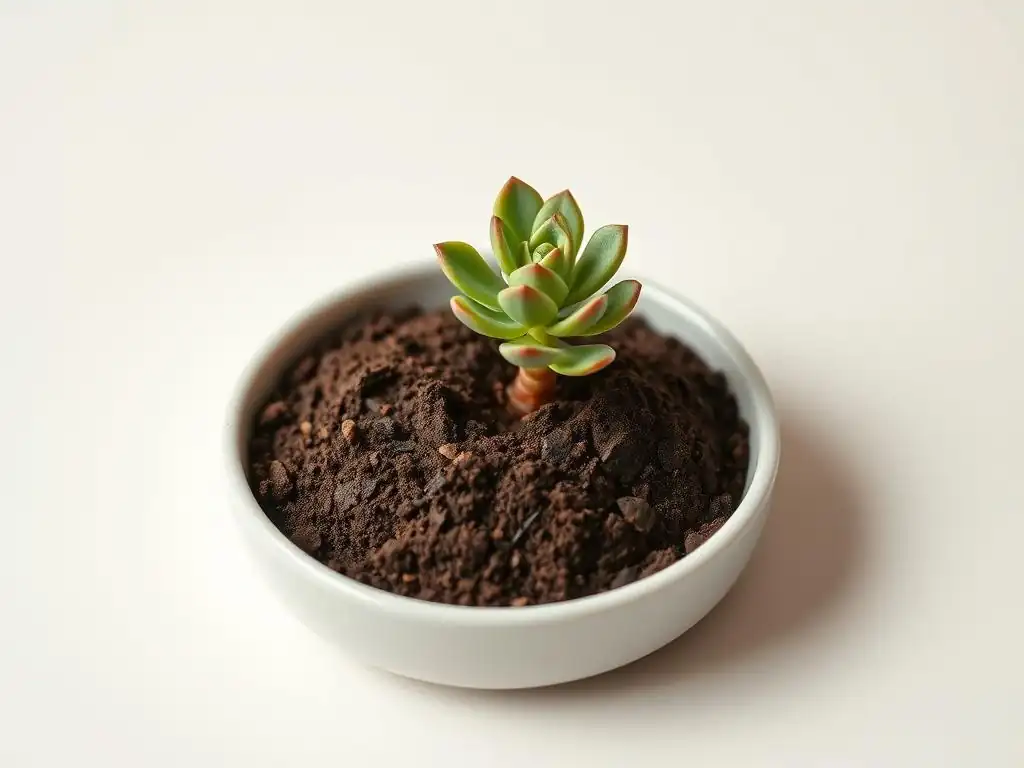
This section delves into the specifics of clay soil and its suitability for succulents. Understanding the properties of clay is crucial for determining whether it's a beneficial component or a detrimental one in your succulent's potting mix. We'll explore its impact on drainage, water retention, and nutrient availability, ultimately helping you decide if clay deserves a place in your best clay for succulents blend.
Characteristics of Clay Soil and its Impact on Drainage
Clay soil, characterized by its fine particles and high density, presents a unique challenge for succulent cultivation. Unlike sandy or loamy soils, clay particles bind tightly together, creating a dense matrix with minimal pore space. This significantly impacts drainage. Water struggles to penetrate the compact structure, leading to prolonged periods of saturation. For succulents, accustomed to well-draining conditions, this can be disastrous, increasing the risk of root rot – a common cause of succulent death.
The severity of the drainage issue is influenced by the type of clay. For example, bentonite clay, known for its exceptional water-holding capacity, is particularly problematic. Conversely, some clay particles might exhibit slightly better drainage properties, but generally, pure clay soil is unsuitable for succulents. The ideal soil for succulents requires excellent drainage to prevent waterlogging and subsequent fungal infections.
To illustrate, imagine watering a succulent planted in pure clay soil. The water will sit on the surface for an extended time before slowly percolating through the dense soil. This slow percolation increases the likelihood of the roots remaining waterlogged, creating the perfect environment for root rot pathogens to thrive. Even seemingly small amounts of clay can negatively impact drainage if not carefully balanced with other soil components.
Clay's Effect on Water Retention and Succulent Health
While poor drainage is a significant drawback, clay's high water retention capacity can seem beneficial at first glance. Succulents, adapted to arid conditions, require infrequent watering. However, the water retention in clay soil is not the type of retention that benefits succulents. Instead of retaining water in a way that is accessible to the roots as needed, clay holds water too tightly. This results in a consistently soggy environment, which suffocates roots and prevents proper oxygen uptake.
Think of it this way: succulents need water, but they need it in controlled amounts and with adequate aeration. Clay soil provides neither. The water is effectively locked away, unavailable to the plant despite its presence. This leads to a paradox: the succulent is surrounded by water, yet it suffers from dehydration because its roots cannot access it. This leads to stunted growth, yellowing leaves, and ultimately, plant death. Therefore, although clay retains water, it doesn't offer the available moisture succulents require.
Nutrient Availability in Clay-Based Succulent Soil
The nutrient availability in clay-based succulent soil is a complex issue. While clay can hold onto nutrients, its compact structure can hinder their accessibility to plant roots. The tightly bound particles restrict the movement of water and dissolved nutrients, meaning that even if nutrients are present, the succulent may struggle to absorb them. This can result in nutrient deficiencies, despite the soil potentially being rich in essential elements.
Furthermore, the high cation exchange capacity (CEC) of clay can be a double-edged sword. CEC refers to the soil's ability to hold onto positively charged ions, including essential nutrients. While this sounds positive, it can also lead to the binding of nutrients so tightly that they become unavailable to the plants.
This means you might add fertilizer, but the clay will hold it so firmly that your succulent won't be able to utilize it. Therefore, while clay can hold nutrients, its ability to release them in a usable form for succulents is severely limited. A well-balanced, well-draining soil mix is crucial for ensuring proper nutrient uptake.
Best Clay for Succulents: Myth vs. Reality
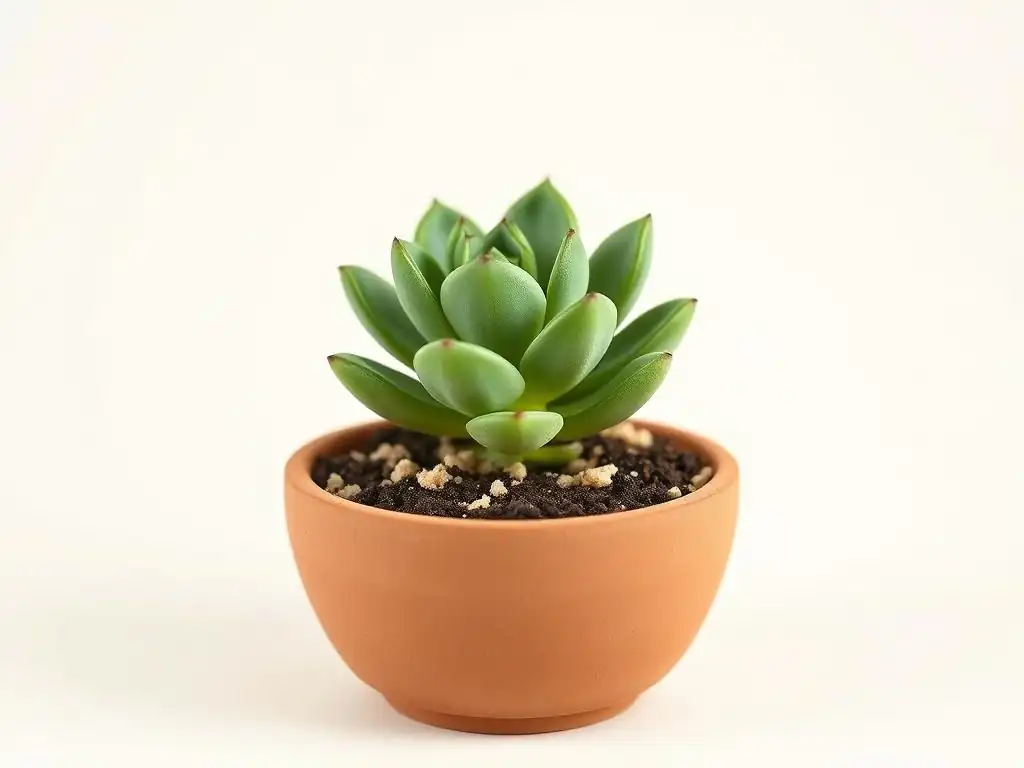
This section delves into the often-misunderstood role of clay in succulent soil. While many believe clay is universally detrimental to succulents, the truth is more nuanced. The key lies in understanding the type of clay and its proportion within the overall soil mix.
Using the wrong clay, or using too much, can indeed lead to root rot and other problems. However, carefully selected and incorporated clay can offer surprising benefits. This section aims to dispel common myths and highlight the potential advantages of using clay for your succulents, helping you find the best clay for succulents in your specific context.
Debunking the Common Misconceptions about Clay and Succulents
A prevalent misconception is that all clay is bad for succulents. This stems from the fact that heavy clay soils retain excessive moisture, leading to waterlogged conditions that suffocate succulent roots. This is particularly true for dense, poorly draining clay like those found in many areas with high clay content. However, not all clays are created equal.
Certain types of clay, when used sparingly and in the right mix, can actually contribute positively to soil structure and water retention. The problem isn't the clay itself, but rather the lack of understanding about its properties and how to use it effectively. For example, many beginners will try to use garden soil, which often has a high clay content and poor drainage, leading to disastrous results. This is not the best clay for succulents, and highlights the importance of using a specifically formulated succulent soil mix.
The Potential Benefits of Carefully Incorporating Clay
Surprisingly, carefully chosen and incorporated clay can offer some advantages in succulent soil mixes. Specifically, certain types of clay, like well-aged, finely-ground clay (often found as a component in specialized potting mixes), can improve the soil's structure. This is because these clays can enhance drainage and aeration when properly mixed with other ingredients like perlite, pumice, and coarse sand. These are crucial for healthy succulent growth. The key is to use a very small amount, acting as a soil amendment rather than a primary component.
A well-structured soil will drain efficiently, preventing waterlogging while still retaining enough moisture to prevent complete desiccation between waterings. This balance is critical for succulent health. Think of it as providing a slightly improved water-holding capacity, not a water-retaining swamp. This is a crucial difference when considering the best clay for succulents.
Furthermore, some clays can contribute beneficial minerals to the soil, though this benefit is often minimal and should not be the primary reason for inclusion. The improvement in soil structure and drainage far outweighs any potential mineral contribution.
When and How to Use Clay in Your Succulent Soil Mix
Using clay in succulent soil should be approached with caution and precision. It's generally not recommended for beginners. Experienced succulent growers might consider incorporating a small amount (no more than 5-10% by volume) of well-aged, finely-ground clay into their soil mix under specific circumstances. These circumstances might include:
- Improving drainage in sandy soils: In extremely sandy soils lacking any water retention, a small amount of clay can help retain some moisture between waterings.
- Adding structure to peat-based mixes: Clay can help improve the structure of peat-based mixes, preventing them from becoming too compact.
Important Considerations:
- Always use well-aged clay: Fresh clay can be too dense and retain too much moisture.
- Mix thoroughly: Ensure the clay is evenly distributed throughout the soil mix to prevent pockets of waterlogged soil.
- Start small: Begin with a small percentage of clay and observe your succulents' response before adding more.
- Prioritize drainage: Even with the addition of clay, excellent drainage remains paramount. Always ensure your pots have drainage holes.
Ignoring these points can negate any potential benefits and lead to problems. Remember, the best clay for succulents is the one that contributes to well-draining, aerated soil, not one that adds significant water retention. The focus should always remain on creating a balanced and well-draining soil mix tailored to the specific needs of your succulents. Improper use can lead to root rot and other issues, so proceeding with caution is crucial.
Alternative Soil Amendments for Improved Drainage
While clay is often touted as a component of succulent soil, its role is complex and often misunderstood. Many succulent enthusiasts find that focusing on alternative amendments provides better drainage and aeration, ultimately leading to healthier plants. This section explores superior options to clay for creating the best clay for succulents (or rather, the best alternative to clay). Let's delve into some effective substitutes that promote optimal growth and prevent root rot, a common problem for succulents.
Perlite: Enhancing Drainage and Aeration
Perlite is a volcanic glass that's been heated to create a lightweight, porous material. This makes it ideal for improving drainage and aeration in succulent potting mixes. Its tiny, white particles help to separate soil particles, preventing compaction and ensuring that water can easily drain through the soil. This is crucial for succulents, which are prone to root rot if their roots sit in soggy soil.
Using perlite is straightforward. A good rule of thumb is to incorporate perlite into your succulent soil mix at a ratio of approximately 30-50%. This percentage can be adjusted based on the specific type of succulent and the existing soil composition. For example, very fine potting mixes might benefit from a higher percentage of perlite, whereas a mix already containing some coarse components might need less.
The key is to achieve a balance that allows for good drainage without making the soil too loose and unstable. Properly amended soil should feel light and airy, not heavy and compacted. Regularly check your soil moisture levels to ensure you are not overwatering your succulents, even with improved drainage.
Pumice: Improving Drainage and Providing Essential Minerals
Pumice, another volcanic rock, offers similar drainage benefits to perlite, but with an added bonus: it provides essential minerals to your succulents. Its porous nature allows for excellent water drainage and aeration, preventing waterlogging and promoting healthy root growth. Unlike perlite, pumice contains trace minerals that can gradually leach into the soil, providing nutrients to your plants. This can reduce the need for frequent fertilizing, contributing to a more sustainable gardening practice.
The incorporation of pumice into your succulent potting mix is similar to perlite, with a recommended ratio of around 20-40%. However, the ideal percentage will vary depending on the specific type of pumice (granularity varies), the type of succulent, and the other components of your soil mix. Observe your plants closely after repotting; if you notice signs of nutrient deficiencies despite using pumice, you may need to supplement with a balanced, slow-release fertilizer specifically formulated for succulents. Remember that over-fertilizing can also harm succulents, so moderation is key.
Coarse Sand: Increasing Drainage and Soil Texture
Coarse sand, unlike fine sand, can be a valuable addition to succulent soil. Its larger particles help to improve drainage and aeration. However, it's crucial to use coarse sand, not fine sand, which can compact and hinder drainage. Fine sand can also retain too much moisture, negating the benefits of improved drainage.
When using coarse sand, aim for a ratio of approximately 20-30% in your succulent potting mix. Again, the optimal percentage depends on the other ingredients in your mix and the type of succulent. Always ensure the sand is washed thoroughly before using it to remove any salts or other impurities that could harm your plants.
The texture of the soil with coarse sand will feel slightly gritty but still allow for good water retention, making it a supportive component in the overall mix. The improved drainage provided by coarse sand aids in preventing root rot and ensures your succulents have the optimal growing conditions.
Creating the Perfect Succulent Soil Blend
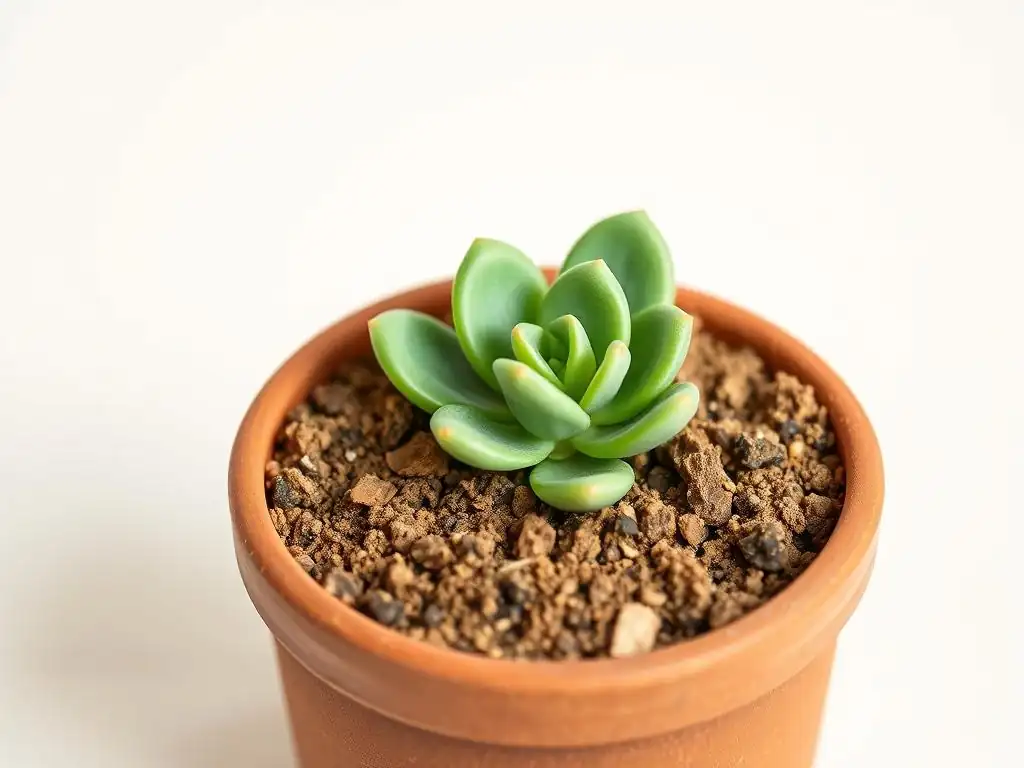
This section delves into the art of crafting the ideal succulent soil blend, focusing on the crucial role of clay and achieving optimal drainage and aeration. We'll explore how to balance the benefits of clay with other essential components to create a thriving environment for your succulents. The "best clay for succulents" isn't a single type, but rather a careful consideration of its properties within a balanced mix.
Step-by-Step Guide to Making a Custom Succulent Soil Mix
Creating a custom succulent soil mix is surprisingly straightforward. The key is to achieve a balance of drainage, aeration, and water retention – and understanding the role of clay in this equation is paramount. Here's a step-by-step guide:
- Gather your ingredients: You'll need several components. Besides clay, consider using:
- Potting soil (choose a low-nutrient variety)
- Perlite (for drainage and aeration)
- Coarse sand (improves drainage)
- Optional: Pumice (adds aeration and drainage) or Coco coir (for added water retention, use sparingly).
- Choose your clay: The best clay for succulents isn't a specific brand, but a type with good drainage properties. Avoid heavy clay that retains too much moisture. Look for a well-draining, gritty clay that's finely ground but not powdery. Consider using a clay that's been specifically formulated for potting mixes, as these are often processed to improve drainage.
- Determine your ratios: The ideal ratio will vary depending on your climate and the specific succulent species. However, a good starting point might be:
- 3 parts potting soil
- 3 parts perlite
- 2 parts coarse sand
- 2 parts gritty clay
- (Optional: 1 part pumice or coco coir). Adjust these ratios based on your climate and succulent type. In hotter, drier climates you may need less clay and more perlite.
- Mix thoroughly: Combine all ingredients in a large container. Mix them well to ensure even distribution. Ensure that there are no large clumps of clay or other ingredients.
- Test the drainage: Fill a small pot with your homemade mix and pour water through it. The water should drain quickly and completely. If it doesn't, add more perlite or coarse sand.
- Pot your succulents: Once you're happy with your mix, you can use it to pot your succulents. Remember to use pots with drainage holes.
Choosing the Right Ratio of Ingredients for Optimal Growth
The success of your succulent soil mix relies heavily on the correct ratio of ingredients. Too much clay, and you risk root rot. Too little, and your plants may suffer from dehydration. Understanding the role each component plays is crucial:
- Potting soil: Provides some nutrients and helps retain some moisture, but choose a low-nutrient mix to avoid over-fertilizing succulents.
- Perlite: A volcanic glass that's crucial for aeration and drainage. It helps prevent compaction and ensures proper airflow around the roots.
- Coarse sand: Improves drainage and prevents waterlogging. Avoid fine sand, which can compact easily.
- Gritty clay: Adds structure and some water retention, but only in small amounts. The goal isn't to mimic heavy garden soil; it's to improve the overall texture of the blend.
Experimentation is key. Keep detailed records of your mixes (ratios, ingredients, plant type, climate, etc.) to track what works best for your succulent collection. Observe your plants carefully for signs of overwatering or underwatering; this will help you refine your soil blend over time. Remember that even the "best clay for succulents" won't work optimally without a balanced mix.
Adapting Your Soil Mix Based on Specific Succulent Needs
Different succulents have different needs. Some are more tolerant of moisture than others. Consider these factors when adjusting your soil mix:
- Climate: In humid climates, you'll likely need a mix with more perlite and less clay to ensure excellent drainage and prevent root rot. In arid climates, you might need slightly more clay and less perlite for increased water retention.
- Succulent type: Echeverias, for example, often prefer a well-draining mix with less clay, while Sedums might tolerate a slightly higher clay content. Research the specific needs of your succulents.
- Pot size and material: Smaller pots dry out faster, requiring a mix with slightly less perlite. Terracotta pots are porous and allow for better air circulation, potentially allowing for a slightly higher clay content compared to plastic pots.
Remember that observing your plants closely is the best way to determine if your soil mix is appropriate. Wilting leaves can indicate underwatering, while mushy leaves or stem rot suggest overwatering. Adjust your ratios accordingly, and you'll be well on your way to cultivating healthy and thriving succulents. The key is finding the right balance for your specific conditions and plant types, making the search for the "best clay for succulents" a journey of experimentation and observation.
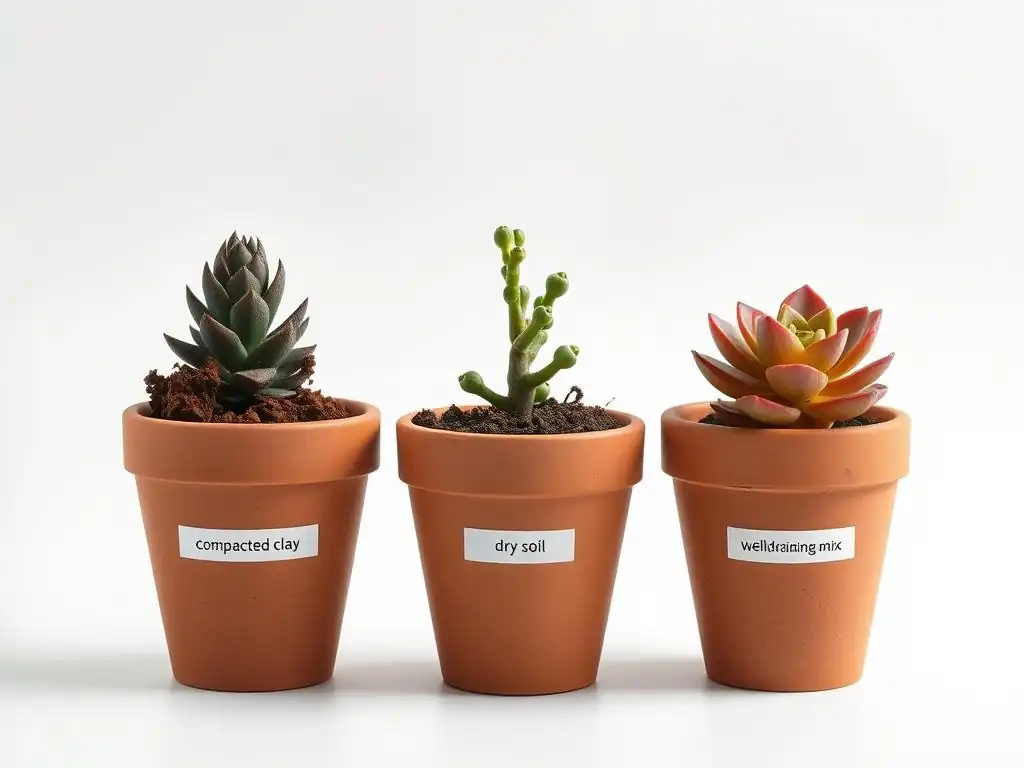
This section delves into the practical challenges of using clay in succulent soil and offers solutions to common problems. While clay can offer benefits like water retention, its drawbacks, if not managed carefully, can significantly impact the health of your succulents. Understanding these potential issues and how to mitigate them is crucial for achieving optimal growth. Finding the best clay for succulents involves careful consideration and proactive management.
Addressing Poor Drainage in Clay-Heavy Soil
Clay soil, while beneficial for water retention, can easily become waterlogged, leading to root rot – a common and often fatal problem for succulents. The fine particles of clay pack tightly together, reducing pore space and hindering water drainage. This creates a suffocating environment for roots, preventing them from accessing necessary oxygen.
To improve drainage in clay-heavy succulent soil, several strategies can be employed:
- Amend with Perlite and Pumice: Incorporating these inorganic materials significantly increases porosity. Aim for a mix where perlite and pumice constitute at least 50% of the total volume. This creates air pockets, allowing for better water percolation and aeration. For example, a good starting point might be a 3:1:1 ratio of potting mix:perlite:pumice.
- Use Raised Planters: Elevated planters improve drainage by allowing excess water to escape more easily. Terracotta pots are also a good choice, as they are porous and allow for some evaporation.
- Avoid Overwatering: This is paramount. Always allow the soil to dry out completely between waterings. Check the moisture level by inserting your finger about an inch into the soil; if it feels dry, it's time to water.
- Create a Gravel Layer: Adding a layer of gravel or small pebbles at the bottom of the pot improves drainage by creating a space for excess water to collect before it reaches the roots.
Ignoring poor drainage can lead to a rapid decline in succulent health, manifesting as mushy leaves, stem discoloration, and eventually, plant death. Proactive drainage management is key to successful succulent cultivation in clay-based soils.
Dealing with Overwatering in Clay-Based Soil
Clay's high water retention capacity can easily lead to overwatering, even with careful watering practices. The soil retains moisture for longer periods, potentially keeping the roots constantly saturated. This condition is detrimental to succulents, which thrive in well-draining soil that allows for periods of dryness.
Overwatering symptoms in succulents grown in clay-based soil include:
- Leaf discoloration: Leaves may turn yellow, brown, or mushy.
- Root rot: This is a major consequence of overwatering, causing the roots to decay and become unable to absorb nutrients.
- Stem wilting: Even though the soil is wet, the plant may appear wilted due to the roots' inability to function properly.
To address overwatering, the following steps are crucial:
- Improve Drainage (as detailed above): Addressing the underlying drainage issue is fundamental.
- Allow Soil to Dry Completely: Before watering, ensure the soil is completely dry. This may take longer than in other soil types.
- Use a Moisture Meter: A soil moisture meter can provide accurate readings, helping you avoid overwatering.
- Adjust Watering Frequency: Reduce the frequency of watering, particularly during cooler months when the plant's water needs are lower.
- Repotting: In severe cases of root rot, repotting the succulent in fresh, well-draining soil may be necessary. Carefully remove any affected roots.
Recognizing Signs of Nutrient Deficiency in Clay Soil
While clay soil can retain water, it might not always provide a sufficient supply of essential nutrients for optimal succulent growth. Clay can sometimes bind nutrients, making them less accessible to the plant's roots. Nutrient deficiencies can manifest in various ways, impacting the overall health and appearance of your succulents.
Common signs of nutrient deficiency in succulents grown in clay soil include:
| Nutrient Deficiency | Symptoms |
|---|---|
| Nitrogen (N) | Stunted growth, pale green or yellow leaves |
| Phosphorus (P) | Dark green or purplish leaves, stunted growth |
| Potassium (K) | Brown leaf tips and edges, weak stems |
| Magnesium (Mg) | Yellowing between leaf veins |
| Calcium (Ca) | Leaf distortion, stunted growth |
To address nutrient deficiencies:
- Soil Testing: A soil test can identify specific nutrient deficiencies.
- Balanced Fertilizer: Use a balanced, slow-release fertilizer specifically formulated for succulents. Avoid over-fertilizing, as this can also harm your plants. Follow the instructions on the fertilizer packaging carefully.
- Organic Amendments: Incorporate organic matter like composted manure or worm castings to improve soil structure and nutrient availability. These amendments can help break down the clay and improve nutrient uptake.
Regular monitoring and proactive intervention are crucial to ensure your succulents receive the necessary nutrients for healthy growth, even when cultivating them in clay-based soil. Remember, a healthy, well-draining soil mix is paramount for the success of your succulent collection.
Maintaining Healthy Soil for Thriving Succulents
This section delves into the practical aspects of maintaining optimal soil conditions for your succulents, focusing on proactive measures to ensure their long-term health and vibrancy. We'll explore the nuances of soil monitoring, the crucial role of repotting, and sustainable practices that contribute to a thriving succulent ecosystem. Finding the best clay for succulents is only one piece of the puzzle; consistent care is key.
Regular Soil Monitoring and Adjustments
Regularly checking your succulent's soil is paramount for preventing problems before they arise. A healthy succulent soil mix should be well-draining and slightly acidic (pH 6.0-7.0). However, over time, the soil can compact, leading to poor drainage and water retention – a recipe for root rot, a common succulent ailment. To avoid this, consider these steps:
- Visual Inspection: Once a month, gently scrape away the top layer of soil to observe its condition. Look for signs of compaction, excessive moisture, or the presence of mold or pests. A healthy soil mix will appear loose and crumbly. If you notice any issues, take corrective action immediately.
- Moisture Check: Before watering, stick your finger about an inch into the soil. If it feels dry, it's time to water. If it's still damp, wait a few more days. Overwatering is a significant problem, leading to root rot and ultimately, plant death.
- pH Testing: While not strictly necessary for every watering, periodically testing the soil's pH using a home soil testing kit can help you maintain the ideal slightly acidic environment. Adjustments can be made by adding amendments such as peat moss (to lower pH) or lime (to raise pH), but always do so cautiously and in small increments.
- Nutrient Monitoring: Succulents have relatively low nutrient requirements. However, over time, the soil can become depleted of essential nutrients. Consider supplementing with a balanced, slow-release fertilizer specifically formulated for succulents, following the manufacturer's instructions carefully. Over-fertilizing can be as detrimental as under-fertilizing.
The Importance of Repotting and Soil Refreshing
Repotting is not just about moving a succulent to a larger container; it's a vital step in maintaining soil health. As succulents grow, their roots consume nutrients and the soil can become compacted. Repotting allows you to refresh the soil, providing your plants with a renewed supply of nutrients and improving drainage.
- Frequency: Most succulents benefit from repotting every 1-2 years, or when the roots become root-bound (visible roots circling the pot's interior). Smaller succulents may require more frequent repotting.
- Process: When repotting, carefully remove the succulent from its container. Gently loosen any compacted soil around the roots and remove any dead or damaged roots. Plant in a fresh, well-draining succulent soil mix, ensuring the crown of the plant remains above the soil line.
- Choosing the Right Pot: Select a pot with drainage holes to prevent waterlogging. Terracotta pots are excellent for succulents because they allow for better air circulation and evaporation.
Sustainable Practices for Succulent Soil Management
Sustainable soil management is crucial for environmentally conscious succulent enthusiasts. By choosing sustainable practices, you can minimize your impact on the environment while ensuring the health of your plants.
- Composting: Use composted organic matter, such as worm castings or well-rotted leaf mold, to enrich your succulent soil mix. This adds valuable nutrients and improves soil structure.
- Water Conservation: Practice mindful watering techniques to avoid overwatering and conserve water. Consider using a water meter to monitor soil moisture levels.
- Recycling and Repurposing: Repurpose old containers as pots, and recycle plastic containers whenever possible.
- Choosing the Right Soil: Opt for soil mixes specifically formulated for succulents, containing perlite, pumice, and other well-draining materials. Remember, understanding what constitutes the best clay for succulents is just one aspect of successful soil management. The overall composition of the soil mix is far more critical for long-term health.
By following these guidelines and prioritizing regular soil monitoring, you can provide your succulents with the optimal growing conditions they need to thrive, contributing to a healthy and sustainable succulent collection. 🌵
Frequently Asked Questions
What is the best type of clay for succulents?
The best clay for succulents is well-draining clay, such as pumice or perlite. Avoid heavy clays that retain too much moisture, as this can lead to root rot.
Why is good drainage so important for succulents?
Succulents are prone to root rot if their soil stays too wet. Well-draining clay helps prevent this by allowing excess water to escape quickly.
Can I use regular garden clay for my succulents?
Generally, no. Regular garden clay is often too dense and retains too much water, increasing the risk of root rot for succulents. Opt for a specialized succulent potting mix instead.
How much clay should I include in my succulent soil mix?
The ideal amount varies, but a good starting point is to use a mix that's roughly 30-50% inorganic material, including clay like pumice. Observe your plants for signs of overwatering or underwatering to adjust the ratio.
What are the benefits of using clay in succulent soil?
Clay, particularly pumice and perlite, improves drainage and aeration, preventing waterlogging. It also provides structural support to the soil, helping to prevent compaction.
Final Reflection: Nurturing Success: The Enduring Power of the Right Soil Mix
The quest for the perfect succulent soil mix is far more than a horticultural pursuit; it's a testament to our desire to nurture life and witness its flourishing. Finding the ideal balance of drainage and nutrient retention, as explored throughout this article, directly impacts the health and longevity of these beloved plants. The right soil isn't just about aesthetics; it's about ensuring the survival and vibrant growth of these resilient desert dwellers.
The journey of understanding the role of clay in succulent soil has been a fascinating one, highlighting the delicate balance between providing essential nutrients and preventing the devastating effects of overwatering. This exploration resonates deeply with the broader human need to find equilibrium in our own lives – to strike a balance between nurturing our passions and avoiding the pitfalls of excess. The best soil is that which best suits the plant,
a wise gardener once said, and this simple truth extends far beyond the realm of succulents.
Consider the lessons learned here. Don't just passively accept pre-mixed potting soil; actively engage in understanding the needs of your plants. Experiment, observe, and learn from both successes and failures. By understanding the crucial role of each component in your succulent's soil, you're not just growing a plant; you're cultivating a deeper connection with nature and a greater appreciation for the intricate processes that sustain life. Embrace the challenge, and watch your succulents thrive.
Unlock Your Succulents' Full Potential!
Thank you for exploring the world of succulent soil with us! You now have the knowledge to cultivate thriving, healthy plants. Ready to put your expertise into practice?
- Repot your succulents today! Use your newly acquired knowledge to create the perfect soil blend and give your plants the best possible environment. This is the most impactful step you can take now.
- Share your results—both successes and challenges—on our social media channels! Let's build a community of succulent enthusiasts. We love seeing your beautiful plants.
- Explore different types of clay and how their properties affect drainage and moisture retention in your succulent mix. Researching these properties will significantly improve your potting mix.
What exciting changes will you make to your succulent care this week?