Eco-Friendly Fertilizers and Amendments for Thriving Succulents
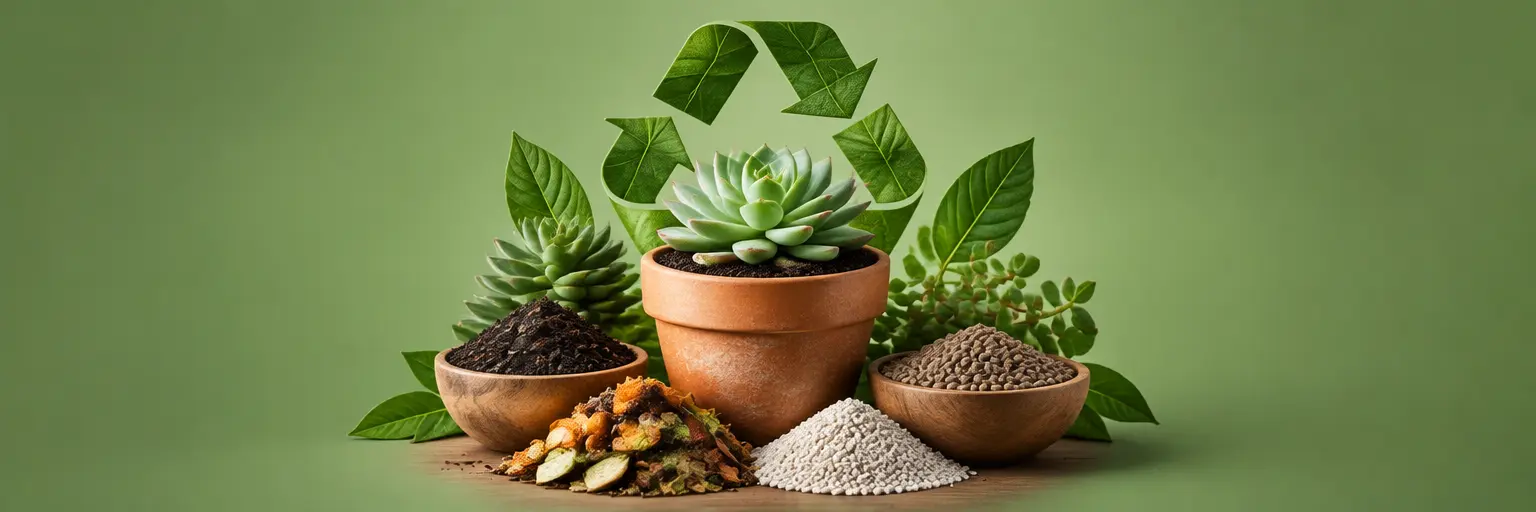
Welcome to SucculentEssentials.org’s dedicated guide on eco-friendly fertilizers and amendments, a core pillar of our Sustainable Practices section. Here, we explore how to nourish your succulents without harming the planet. You’ll discover natural, organic solutions that boost soil health, enhance drought resistance, and promote vibrant growth—all while reducing chemical runoff and supporting beneficial microorganisms. This page is your go-to resource for sustainable feeding strategies tailored to the unique needs of desert-adapted plants.
🌱 Compost and Worm Castings: Nature’s Slow-Release Boost
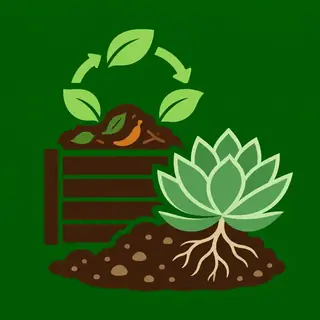
Compost and worm castings are the gold standard for organic succulent nutrition. Unlike synthetic fertilizers, these amendments release nutrients gradually, mimicking the natural decay found in rocky, arid habitats. They improve soil structure, increase water retention, and introduce beneficial microbes that protect roots from pathogens. For succulents, a light top dressing of worm castings in spring provides a gentle nitrogen boost without the risk of burning delicate roots.
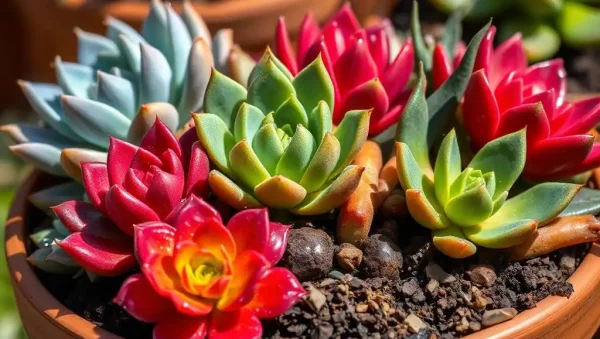
Expect to see stronger stems, deeper coloration, and improved resilience to temperature swings. Use a 1:4 ratio of compost to gritty soil mix for best results. Remember, succulents are light feeders—over-amending can lead to etiolation or root rot. Always incorporate these organic matter types sparingly, and avoid fresh manure, which is too hot and can damage your plants. This approach aligns perfectly with zero-waste gardening principles.
🍌 DIY Banana Peel and Eggshell Teas: Kitchen Scrap Fertilizers
Turn your kitchen waste into a potassium and calcium powerhouse for succulents. Banana peel tea (soaked in water for 24-48 hours) provides potassium, which strengthens cell walls and enhances flowering. Eggshell tea (crushed shells steeped in water) adds calcium, preventing common issues like soft, mushy leaves and weak root systems. These DIY teas are cost-effective, completely organic, and perfect for the eco-conscious succulent parent.
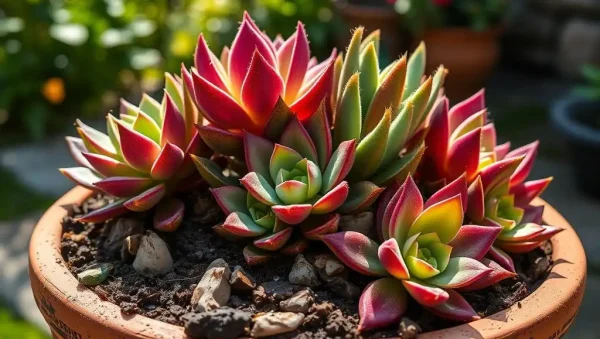
Use these teas as a monthly drench during the active growing season (spring and autumn). They are particularly beneficial for Echeverias and Lithops, which thrive on trace minerals. Unlike commercial liquid fertilizers, these teas have minimal salt buildup, reducing the risk of leaf burn. To boost efficacy, crush eggshells to a fine powder and steep for at least 48 hours. This practice closes the loop on food waste while nurturing your green collection.
🪨 Rock Dust and Azomite: Mineral Amendments for Hardiness
Succulents naturally grow in mineral-rich, volcanic soils. Azomite and granite dust replenish essential trace elements like iron, magnesium, and zinc, which are often depleted in potting mixes. These amendments are 100% natural, mined from ancient seabeds, and provide a slow, steady release over several months. They also improve drainage by adding grit and particle diversity to your soil—critical for preventing root rot.
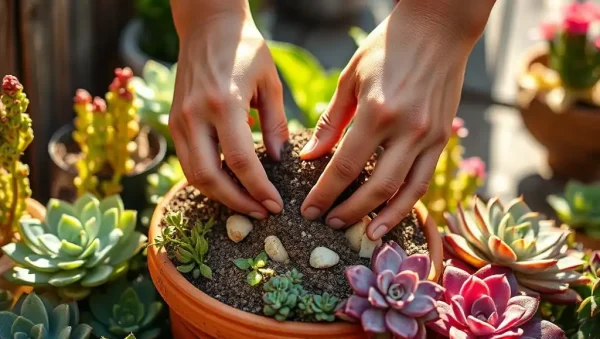
Expect enhanced stress tolerance against heat, cold, and pests. Mix one tablespoon of rock dust per gallon of soil before planting, or top-dress twice a year. Unlike liquid fertilizers, these mineral amendments never leach into groundwater, making them an eco-friendly choice for both indoor and outdoor gardens. Pair with perlite or pumice for an optimal gritty mix that mimics a succulent’s native habitat. Ideal for cacti, Agaves, and Haworthias.
🌿 Liquid Seaweed and Kelp Extract: Natural Hormone Boosters
Derived from sustainably harvested seaweed, kelp extract is a powerhouse of natural cytokinins, auxins, and betaines. These plant hormones encourage vigorous root development, improved nutrient uptake, and greater drought resilience. As an eco-friendly fertilizer, it contains no synthetic chemicals and is safe for beneficial soil fauna. It is especially effective for reviving stressed or recently repotted succulents.
Use a diluted solution (1 teaspoon per gallon) every two weeks during active growth. You will notice stronger, whiter roots and more vibrant leaf colors. Unlike nitrogen-heavy fertilizers, seaweed does not cause excessive soft growth, which is prone to pests. It also acts as a natural anti-stress agent, helping your plants tolerate harsh direct sun or accidental underwatering. This is a must-have for rare succulent collectors seeking sustainable care options.
🤎 Biochar and Charcoal: pH Balance and Toxin Filtration
Biochar is a carbon-rich charcoal produced from organic waste, designed to improve soil fertility while sequestering carbon. For succulents, it enhances aeration, promotes beneficial fungal networks, and helps neutralize acidic or alkaline imbalances. Activated charcoal (horticultural grade) draws out toxins and excess salts, preventing leaf tip burn and root damage. Both are incredibly long-lasting, requiring application only once every 2-3 years.
Mix 5-10% biochar into your gritty soil mix for improved drainage and nutrient retention. Expect reduced frequency of fertilizer needed, as biochar holds onto nutrients and releases them on demand. This is particularly valuable for indoor terrariums, where stagnant water and salt buildup are common issues. By choosing biochar, you are actively contributing to climate-positive gardening practices, making your succulent hobby truly regenerable. Ideal for all succulent species, from Sedums to Adeniums.
Frequently Asked Questions
Can I use regular compost on succulents?
Yes, but sparingly. Regular compost is high in nitrogen and moisture, which can cause rapid, weak growth or rot. Mix one part compost to four parts gritty soil, and only top-dress in spring. Avoid fresh, hot compost. Always ensure your mix is well-draining to mimic a succulent’s natural environment.
How often should I apply eco-friendly fertilizers?
During the growing season (spring and autumn), apply liquid options like seaweed tea monthly. Solid amendments like compost or rock dust should be applied once at the start of each season. In winter dormancy, stop all feeding to prevent salt accumulation and root damage. Monitor your plants for signs of overfeeding, such as yellowing leaves.
Will eco-friendly fertilizers prevent pest infestations?
They can help indirectly. Healthy, mineral-nourished succulents have stronger cell walls, making them less susceptible to mealybugs and aphids. Biochar and charcoal reduce moisture retention, deterring fungus gnats. However, they are not a pesticide. Pair with natural predators like ladybugs for complete sustainable pest management.
Are eggshells safe for succulents?
Yes, when properly cleaned and crushed. Wash off the membrane to avoid mold, bake at 200°F for 10 minutes, then crush to a fine powder. Use as a tea for calcium or mix into soil. Avoid large chunks, which can retain water and create anaerobic pockets. This adds valuable calcium without altering pH drastically.
Can I mix multiple eco-friendly amendments together?
Absolutely, but carefully. Combine rock dust, biochar, and worm castings in your base soil for a balanced mix. Avoid combining high-nitrogen options like compost with liquid seaweed in the same week. Always observe your succulents for stress. Start with half-strength and gradually increase to find your perfect sustainable blend.