
EcoFertilizing for Beginners: Simple Steps to Start Today

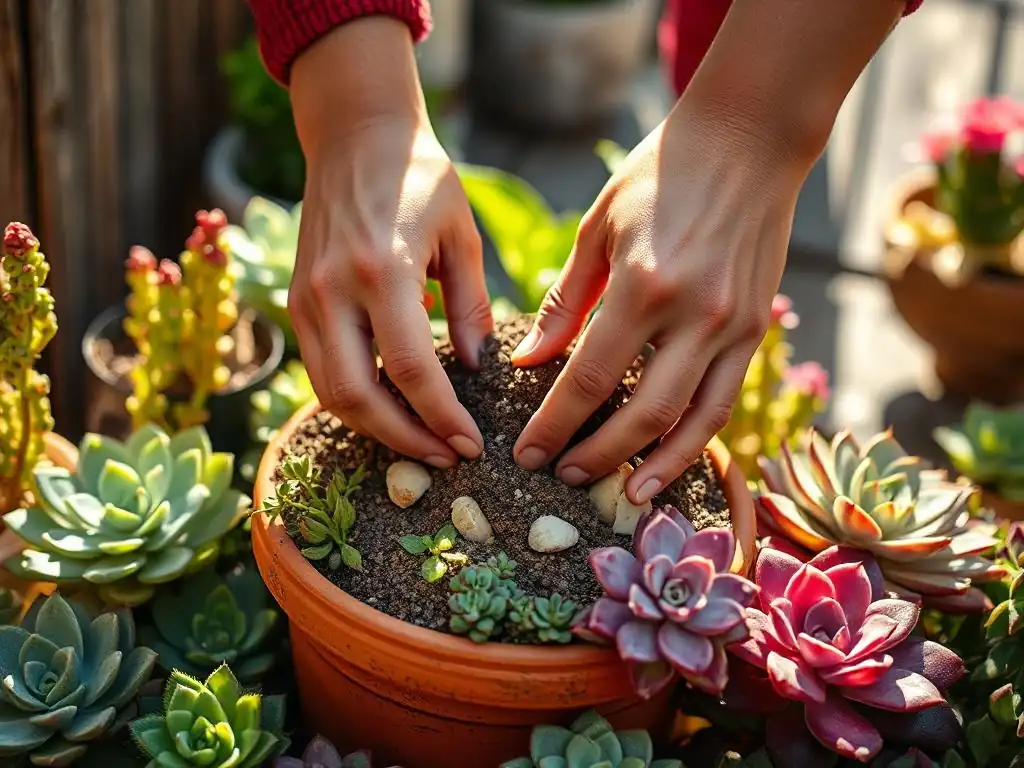
Welcome to SucculentEssentials.org, where the thriving world of succulents awaits! Are you ready to unlock the secrets to cultivating these resilient beauties? We'll guide you through everything from basic care to advanced techniques, and today, we're diving into the surprisingly simple world of DIY succulent fertilizer recipes. Discover how easy it is to create eco-friendly, nutrient-rich blends that will have your succulents flourishing—read on to learn more!
- Understanding the Benefits of DIY Succulent Fertilizer Recipes
- Essential Ingredients for Your DIY Succulent Fertilizer
- Simple DIY Succulent Fertilizer Recipes for Beginners
- Applying Your Homemade Succulent Fertilizer
- Troubleshooting Common Issues with Homemade Succulent Fertilizers
- Long-Term Sustainability with Eco-Friendly Succulent Care
- Frequently Asked Questions
- Final Reflection: Cultivating a Greener Future, One Succulent at a Time
- Unlock Your Succulents' Secret Growth Potential
Understanding the Benefits of DIY Succulent Fertilizer Recipes
Succulents, with their striking beauty and resilience, have captured the hearts of plant enthusiasts worldwide. But even these drought-tolerant beauties benefit from proper fertilization, especially when grown indoors or in containers where nutrient depletion can occur more quickly. While commercial fertilizers are readily available, creating your own DIY succulent fertilizer offers a multitude of advantages, from cost savings to environmental benefits.
This guide explores the simple steps to crafting effective and eco-friendly fertilizers for your succulent collection, focusing on recipes that are easy for beginners to implement. We'll delve into the reasons why choosing organic and DIY options is beneficial for both your plants and the planet, highlighting the advantages of avoiding harsh chemicals and embracing sustainable gardening practices.
Learning how to make your own DIY succulent fertilizer recipes not only empowers you to nurture your plants effectively, but also aligns with a growing movement towards environmentally conscious gardening. Let's explore the world of eco-fertilizing and discover how you can start today!
Why Choose Eco-Friendly Fertilizers for Succulents?
Choosing eco-friendly fertilizers for your succulents offers numerous benefits beyond simply nourishing your plants. Traditional chemical fertilizers, while often effective in providing quick growth, can disrupt the delicate soil ecosystem, harming beneficial microorganisms and potentially leaching into groundwater. Furthermore, the production and transportation of these chemical fertilizers contribute to carbon emissions and environmental pollution. Opting for organic, DIY options minimizes these negative impacts.
Using natural ingredients reduces your carbon footprint and helps maintain a healthy soil structure that supports vigorous, long-term growth. This approach is particularly important for succulents, which are often grown in well-draining, nutrient-poor mixes. An eco-friendly fertilizer provides the essential nutrients without upsetting the balance of the soil. Moreover, many organic ingredients, such as banana peels or eggshells, are readily available, making this a cost-effective and sustainable choice.
Avoiding Harmful Chemicals in Succulent Care
The use of chemical fertilizers can pose risks to both your succulents and your own health. Many commercial fertilizers contain synthetic chemicals that can burn succulent roots if applied improperly or in excessive amounts. These chemicals can also accumulate in the soil, potentially impacting the overall health and vitality of your plants over time. Furthermore, handling these chemicals can pose risks to your skin and respiratory system.
DIY succulent fertilizer recipes, on the other hand, utilize natural ingredients that are generally safe to handle and less likely to cause harm to your plants or yourself. This safer approach is especially important if you have children or pets that may come into contact with your succulents and the surrounding soil. By choosing natural ingredients, you create a safer and healthier environment for everyone.
The Advantages of Organic Succulent Fertilizers
Organic fertilizers offer several key advantages over their chemical counterparts. They improve soil structure and fertility gradually, promoting long-term plant health rather than just short-term growth spurts. This slow-release of nutrients allows succulents to absorb nutrients more efficiently, reducing the risk of nutrient burn. Furthermore, organic fertilizers often contain beneficial microbes that enhance soil health, improving nutrient availability and disease resistance.
The use of organic materials, like compost and worm castings, also helps retain moisture in the soil, beneficial for succulents which prefer well-draining but not excessively dry conditions. Finally, the use of organic DIY succulent fertilizer recipes aligns with sustainable gardening practices, reducing your environmental impact and promoting a healthier ecosystem for your plants and the planet. 🌱
Essential Ingredients for Your DIY Succulent Fertilizer

Creating a homemade succulent fertilizer is surprisingly simple and significantly more eco-friendly than relying on commercially produced options. The key lies in understanding the basic nutritional needs of succulents and sourcing readily available, organic materials. This section details the core ingredients you'll need to craft your own DIY succulent fertilizer recipes, focusing on readily accessible and sustainable options. Remember, a balanced approach is crucial for healthy succulent growth, avoiding over-fertilization which can harm your plants.
Sourcing Organic Materials for Your Recipes
The beauty of DIY succulent fertilizer lies in its reliance on readily available, organic materials. Avoid using chemically treated materials, as these can harm your succulents and negate the eco-friendly benefits. Here's a breakdown of where to source your ingredients:
- Banana Peels: A fantastic source of potassium, crucial for strong root development and overall plant health. Simply peel your bananas and let the peels dry before adding them to your compost or fertilizer brew. You can even speed up the process by placing them in a sunny spot.
- Eggshells: Rich in calcium, eggshells contribute to strong cell walls and help regulate water absorption in succulents. Crush them finely before incorporating them into your fertilizer mix. Rinse thoroughly to remove any residual egg residue.
- Coffee Grounds: A readily available source of nitrogen, which promotes leafy growth. Avoid using grounds with added chemicals or flavorings. Let them dry completely before adding them to your compost pile or fertilizer recipe.
- Compost: The backbone of your DIY fertilizer. High-quality compost provides a balanced blend of essential nutrients and improves soil structure. Using your own homemade compost is ideal but purchasing high-quality organic compost is a perfectly acceptable alternative.
- Seaweed: (Optional) A fantastic source of micronutrients and growth hormones. If you live near a coast, sustainably harvesting small amounts of seaweed can greatly enhance your fertilizer. Ensure you avoid harvesting seaweed in areas with pollution concerns.
Choosing the Right Compost for Succulent Nutrition
The type of compost you use significantly impacts the effectiveness of your DIY succulent fertilizer recipes. Avoid using compost that is too rich in nitrogen, as this can lead to leggy growth and susceptibility to diseases in succulents. Instead, opt for a well-balanced compost that's slightly lower in nitrogen and higher in phosphorus and potassium. Here are some key considerations:
- Mature Compost: Ensure your compost is fully decomposed. Uncomposted organic matter can harbor pests and diseases that can harm your succulents. The compost should be dark brown or black and have an earthy smell.
- Balanced Nutrient Profile: Look for compost with a balanced NPK ratio (Nitrogen, Phosphorus, Potassium). A ratio closer to 1-2-1 or 1-1-1 is generally suitable for succulents. Avoid compost with excessively high nitrogen levels.
- Soil Texture: The texture of your compost also matters. Well-rotted compost should be crumbly and easy to work with. Avoid using compost that is too dense or compacted.
Tip: Testing your compost's pH is beneficial. Succulents thrive in slightly acidic to neutral soil (pH 6.0-7.0).
You can purchase a soil pH testing kit to ensure your compost is within the ideal range. Adjusting the pH may be necessary depending on your local water and soil conditions.
Understanding the Role of Essential Nutrients (Nitrogen, Phosphorus, Potassium)
Understanding the role of the essential macronutrients – Nitrogen (N), Phosphorus (P), and Potassium (K) – is crucial for creating an effective DIY succulent fertilizer. While a balanced approach is key, understanding their individual functions will enable you to adjust your recipes based on your succulents' needs. Remember that succulents are relatively low feeders, so over-fertilizing can be detrimental.
- Nitrogen (N): Primarily responsible for leafy green growth. Too much nitrogen can lead to weak, leggy growth in succulents, making them susceptible to pests and diseases. Therefore, you want to keep the nitrogen content moderate in your DIY succulent fertilizer recipes.
- Phosphorus (P): Essential for root development, flowering, and overall plant vigor. Phosphorus helps succulents develop strong root systems, enabling them to absorb water and nutrients effectively. Adequate phosphorus is crucial, particularly during the active growing season.
- Potassium (K): Crucial for disease resistance, drought tolerance, and overall plant health. Potassium strengthens cell walls, enhancing the succulents' ability to withstand stressful conditions such as drought and temperature fluctuations. Potassium deficiency can manifest as weak stems, stunted growth, and increased susceptibility to diseases.
A well-balanced DIY succulent fertilizer recipe will contain a moderate amount of nitrogen, sufficient phosphorus for healthy root development, and enough potassium to enhance disease resistance and overall plant health. Remember to always start with a diluted solution and monitor your plants closely for any signs of over-fertilization. 🌱
Simple DIY Succulent Fertilizer Recipes for Beginners
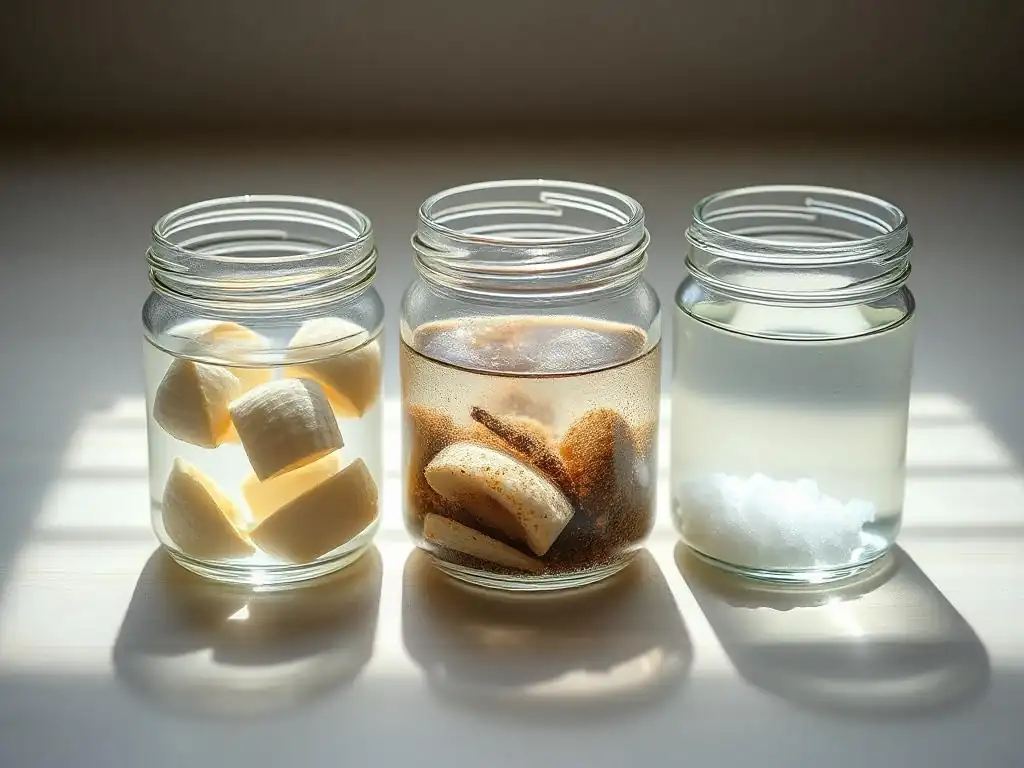
This section provides three easy-to-follow recipes for creating your own eco-friendly succulent fertilizers using readily available household materials. These DIY succulent fertilizer recipes are perfect for beginners looking to nurture their plants naturally and sustainably. Remember to always dilute your homemade fertilizers before applying them to your succulents to avoid burning their delicate roots.
Recipe 1: Banana Peel Fertilizer for Succulents
Banana peels are a fantastic source of potassium and phosphorus, essential nutrients for healthy succulent growth. This recipe is incredibly simple and requires minimal effort.
Ingredients:
- 3-4 banana peels, chopped into small pieces
- 1 liter of water
Instructions:
- Place the chopped banana peels in a jar or container.
- Pour the water over the peels, ensuring they are fully submerged.
- Cover the container and let it sit for 2-3 weeks, stirring occasionally. The mixture will ferment, creating a slightly unpleasant odor, but this is normal.
- After 2-3 weeks, strain the liquid through a fine-mesh sieve or cheesecloth, discarding the solids.
- Dilute the resulting fertilizer with water at a ratio of 1 part fertilizer to 10 parts water before applying it to your succulents. Never apply undiluted fertilizer.
Application: Water your succulents as usual, but replace some of the water with the diluted banana peel fertilizer. Do this approximately once a month during the growing season (spring and summer). Avoid fertilizing during the dormant period (fall and winter).
Recipe 2: Coffee Grounds and Eggshells Fertilizer Blend
This recipe combines the nitrogen-rich coffee grounds with the calcium-rich eggshells to create a balanced fertilizer ideal for succulents. It adds a slow-release component to your feeding schedule.
Ingredients:
- 1 cup dried coffee grounds
- 1/2 cup crushed eggshells (ensure they are completely dry before crushing to prevent molding)
- 1 liter of water
Instructions:
- Mix the dried coffee grounds and crushed eggshells thoroughly in a bowl.
- Place the mixture in a jar or container.
- Add the water, ensuring the mixture is fully saturated.
- Cover the container and let it sit for 2-4 weeks, stirring occasionally. This mixture will also ferment, producing a characteristic smell.
- After 2-4 weeks, strain the liquid using a fine-mesh sieve or cheesecloth. You can also incorporate the solid mixture into your succulent potting mix as a soil amendment.
- Dilute the liquid fertilizer with water at a ratio of 1 part fertilizer to 10 parts water before applying to your succulents.
Application: Apply the diluted fertilizer every 4-6 weeks during the growing season. You can also incorporate the solid mixture into the soil when repotting.
Recipe 3: Comfrey Tea Fertilizer for Healthy Growth
Comfrey is a fantastic plant known for its high potassium content and other beneficial nutrients. This fertilizer is a liquid feed, providing a readily available source of nutrients. While you need access to comfrey to make this recipe, it’s a very powerful option for succulent growth.
Ingredients:
- 1 cup fresh or dried comfrey leaves
- 1 liter of water
Instructions:
- Place the comfrey leaves in a container or bucket.
- Pour the water over the leaves, ensuring they are fully submerged.
- Cover the container and let it steep for 2-3 weeks, stirring occasionally.
- After 2-3 weeks, strain the liquid through a fine-mesh sieve or cheesecloth, discarding the solids.
- Dilute the resulting fertilizer with water at a ratio of 1 part fertilizer to 20 parts water before applying to your succulents. Comfrey tea is potent, so dilution is crucial.
Application: Apply the diluted comfrey tea fertilizer once a month during the growing season. Always test a small area first to ensure your succulents tolerate the fertilizer.
Remember, these are just guidelines. Observe your succulents closely after applying any fertilizer. If you notice any signs of distress, such as leaf discoloration or wilting, immediately reduce the frequency or concentration of your fertilizer applications. Happy gardening! 🌱
Applying Your Homemade Succulent Fertilizer
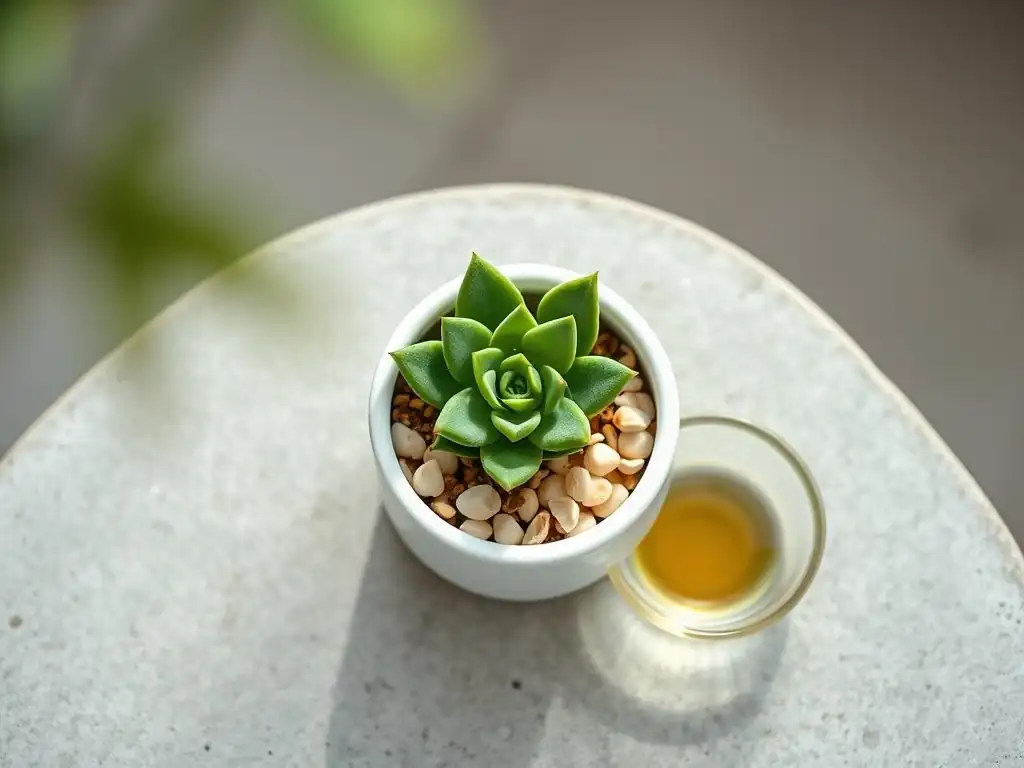
This section details the application process of your DIY succulent fertilizer recipes, ensuring optimal plant health and vibrant growth. Remember, consistency is key when it comes to fertilizing succulents; regular, diluted applications are far better than infrequent, concentrated ones.
Proper Watering Techniques with Eco-Fertilizers
Applying your homemade succulent fertilizer effectively involves careful consideration of watering techniques. Avoid fertilizing dry soil; instead, water your succulents thoroughly before applying the fertilizer. This ensures the nutrients are evenly distributed throughout the root system and prevents fertilizer burn. Water again after about an hour to help wash away any excess fertilizer salts that might accumulate on the soil surface. This prevents salt buildup, a common problem with many fertilizers, even organic ones.
The frequency of watering will depend on your climate, pot size, and the type of succulent. Observe your plants closely; slightly dry soil between waterings is generally ideal for most succulents. Overwatering can be just as damaging as underwatering, so monitor the moisture levels carefully. Remember, the goal is to provide a consistent, balanced moisture level, not soggy soil.
The ideal watering schedule for succulents fertilized with eco-friendly methods is often less frequent than with conventional fertilizers. This is because the slow-release nature of organic ingredients means the plants absorb nutrients gradually. For example, a cactus or echeveria might only need watering every 10-14 days during the growing season, while a sedum might require slightly more frequent watering, perhaps every 7-10 days. Always check the soil moisture before watering – stick your finger about an inch into the soil; if it's dry, it's time to water.
Avoiding Over-Fertilizing Your Succulents
Over-fertilizing succulents, even with organic DIY succulent fertilizer recipes, can be detrimental. Too much fertilizer can lead to salt buildup in the soil, which can burn the roots and damage the plant. Symptoms of over-fertilization include leaf discoloration (yellowing or browning), stunted growth, and root rot.
Always follow the recommended dilution ratios carefully, and err on the side of caution – it's better to under-fertilize than over-fertilize. For example, if a recipe calls for a 1:10 dilution (one part fertilizer to ten parts water), consider starting with a 1:12 or even a 1:15 dilution, particularly when using your DIY fertilizer for the first time on a particular plant. Observe your plants closely after applying the fertilizer; if you notice any signs of distress, immediately flush the soil with plain water to remove excess salts.
Remember, less is often more when it comes to fertilizing succulents. Regular, diluted applications are far more effective than infrequent, concentrated doses. The goal is to provide a slow and steady supply of nutrients, not a sudden surge.
Remember to always use a well-draining potting mix specifically formulated for succulents. This will help prevent overwatering and the accumulation of excess salts.
Recognizing Signs of Nutrient Deficiency or Excess
Understanding the signs of both nutrient deficiency and excess is crucial for successful succulent cultivation. Nutrient deficiencies often manifest as changes in leaf color or growth patterns. For example, pale or yellow leaves might indicate a lack of nitrogen, while reddish or purplish leaves could suggest phosphorus deficiency. Stunted growth or leaf drop can also signify a nutritional imbalance.
Conversely, over-fertilization often leads to leaf burn or browning, as mentioned previously. The leaves might appear scorched or brittle, and the plant's overall growth might be stunted or distorted. Careful observation of your succulents' appearance, combined with an understanding of the nutrients provided by your DIY succulent fertilizer recipes, will help you identify any imbalances and adjust your fertilization schedule accordingly. Maintaining a healthy balance is paramount for thriving succulents.
Keeping a detailed record of your fertilization schedule and the observed plant response can greatly aid in fine-tuning your approach. A simple notebook or spreadsheet can be immensely helpful in tracking your progress and preventing future problems. Consider noting the date, type of fertilizer used, dilution ratio, and any observed changes in the plants' appearance.
Troubleshooting Common Issues with Homemade Succulent Fertilizers
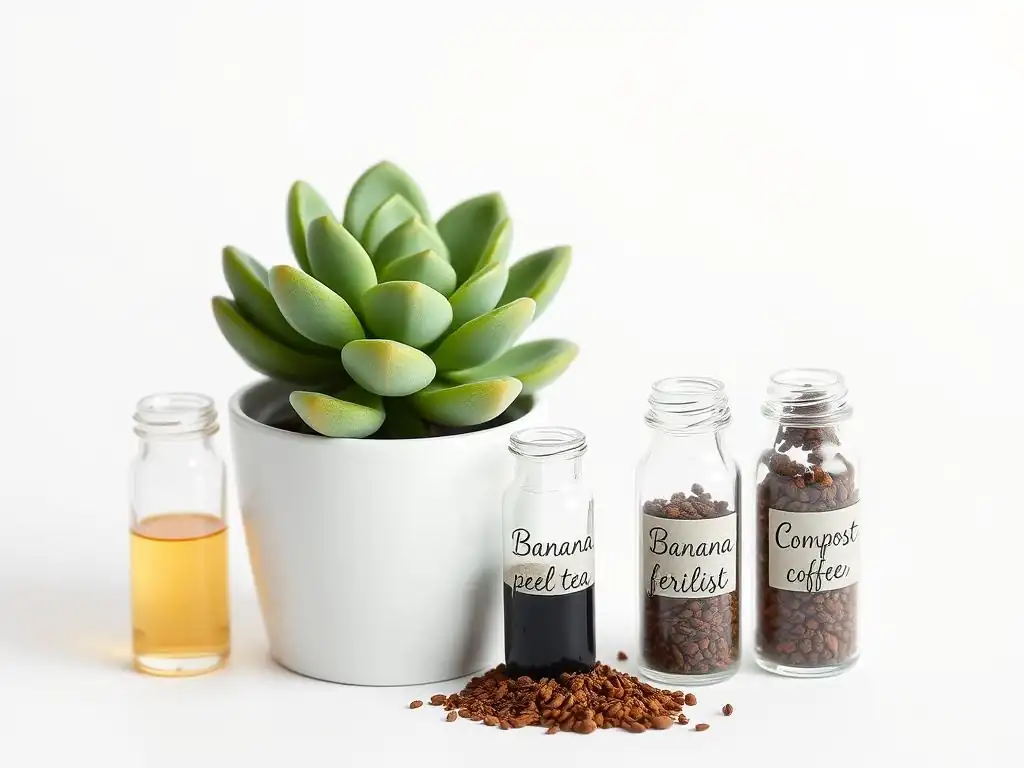
Creating your own succulent fertilizer can be incredibly rewarding, but it's not always a perfect process. Understanding potential problems and how to address them is crucial for success. This section focuses on common issues encountered when using DIY succulent fertilizer recipes and offers practical solutions. Effective troubleshooting ensures healthy, thriving succulents, maximizing the benefits of your eco-friendly approach.
Dealing with Pests and Diseases Naturally
Homemade fertilizers, while beneficial, don't inherently protect against pests and diseases. A balanced approach combining proper fertilization with natural pest and disease control is key. Instead of relying on harsh chemicals, consider these organic strategies:
- Neem Oil: A versatile insecticide and fungicide derived from the neem tree, effective against many common succulent pests like mealybugs and aphids. Dilute according to package instructions and apply as a foliar spray. Always test on a small area first to check for any adverse reactions.
- Insecticidal Soap: This readily available product is effective against soft-bodied insects. Again, dilute as directed and apply carefully, avoiding over-spraying. Regular application may be necessary for effective control.
- Diatomaceous Earth: This natural powder, made from fossilized algae, acts as a physical barrier against insects, disrupting their exoskeletons. Sprinkle lightly around the base of your succulents, avoiding over-application which can harm the plants.
- Improving Drainage and Air Circulation: Poor drainage and stagnant air can create an environment conducive to fungal diseases and pest infestations. Ensure your pots have adequate drainage holes and that plants aren't overcrowded.
Remember, prevention is key. Regularly inspect your succulents for any signs of pests or diseases. Early detection allows for quicker and more effective intervention, minimizing damage. Using a magnifying glass can help identify tiny pests.
Adjusting Your Fertilizer Recipe Based on Succulent Needs
Not all succulents are created equal. Their nutrient requirements vary depending on species, growth stage, and environmental conditions. A one-size-fits-all approach to DIY succulent fertilizer recipes might lead to nutrient deficiencies or imbalances.
Here's a guide to adapting your fertilizer recipe:
| Succulent Stage | Nutrient Needs | Recipe Adjustment |
|---|---|---|
| Active Growth (Spring/Summer) | Higher nitrogen (N) for foliage growth, balanced P & K | Increase the nitrogen component (e.g., using more compost tea) |
| Dormancy (Fall/Winter) | Reduced overall fertilization | Reduce the frequency of fertilization or dilute the mixture |
| Young Succulents | Gentle feeding to avoid burning delicate roots | Use a weaker solution or fertilize less frequently |
| Mature Succulents | Balanced nutrients to maintain health | Maintain a consistent balanced fertilizer regime |
Observing your succulents is crucial. Yellowing leaves might indicate a nitrogen deficiency, while stunted growth could signal a lack of phosphorus or potassium. Adjust your recipe accordingly, always erring on the side of caution and avoiding over-fertilizing.
Maintaining Soil Health with Organic Amendments
The success of your DIY succulent fertilizer recipes is intertwined with the overall health of your succulent's soil. Organic amendments play a crucial role in improving soil structure, drainage, and nutrient retention.
- Compost: Adds essential nutrients and improves soil structure. Ensure it's well-rotted to avoid burning the roots.
- Worm Castings: A rich source of nutrients and beneficial microbes, enhancing soil fertility and promoting healthy root development.
- Perlite and Pumice: Improve drainage and aeration, preventing waterlogging and root rot, common issues for succulents.
- Coco Coir: A sustainable alternative to peat moss, adding moisture retention and improving soil structure.
Incorporating these amendments into your potting mix provides a long-term benefit, enhancing the effectiveness of your homemade fertilizer and creating a thriving environment for your succulents. Regularly assess your soil and replenish amendments as needed to maintain optimal conditions for healthy succulent growth. Remember that using high-quality organic ingredients in your DIY succulent fertilizer recipes is key to their effectiveness and the overall health of your plants.
Long-Term Sustainability with Eco-Friendly Succulent Care
This section delves into the long-term benefits of embracing eco-friendly practices in your succulent care routine. Moving beyond the immediate benefits of a single DIY succulent fertilizer recipe, we'll explore how sustainable choices contribute to a healthier environment and a thriving succulent collection over time. The key is to create a closed-loop system, minimizing waste and maximizing resource utilization. This approach not only reduces your environmental impact but also often translates to cost savings in the long run. Let's explore some key strategies.
Composting and Recycling for Continuous Fertilizer Production
Creating your own compost is a cornerstone of sustainable succulent care. Instead of relying solely on purchased fertilizers (which often come with significant packaging waste), composting allows you to recycle kitchen scraps and yard waste into nutrient-rich soil amendments. This DIY approach directly addresses the demand for "DIY succulent fertilizer recipes" by providing a readily available and cost-effective solution.
Here's a simple guide to composting for succulent fertilizer:
- What to Compost: Fruit and vegetable scraps (avoid citrus fruits due to their acidity), coffee grounds, eggshells (crushed), tea bags, shredded paper, and dried leaves are excellent additions. Succulent leaves that have naturally fallen can also be added, but avoid diseased or pest-ridden plant material.
- Composting Methods: You can use a simple bin, a worm composting system (vermicomposting), or even a DIY compost tea brewer. The method you choose will depend on your space and resources.
- Nutrient Boost: To further enhance your compost's suitability for succulents, consider adding a small amount of bone meal or crushed eggshells for added calcium and phosphorus. These ingredients enhance root development and overall plant health.
- Timeframe: Composting times vary, but generally, you can expect usable compost within 6-12 months, depending on the method and environmental factors. Regularly turning your compost pile will accelerate the decomposition process.
- Application: Once the compost is dark brown and crumbly, it's ready to be mixed into your succulent potting mix.
Choosing Sustainable Pots and Planters
The pots and planters you choose significantly impact the long-term sustainability of your succulent care. Opting for reusable and biodegradable materials minimizes waste and reduces your carbon footprint.
Consider these sustainable options:
- Terracotta Pots: These classic pots are readily available, porous (allowing for better drainage), and biodegradable. However, they can be fragile and may require more frequent watering.
- Recycled Plastic Pots: Many companies now produce pots from recycled plastic, offering a durable and eco-friendly alternative to virgin plastic.
- Coconut Coir Pots: These biodegradable pots are made from coconut husks, a readily renewable resource. They are a great option for starting seeds or propagating succulents.
- Upcycled Containers: Get creative! Repurpose old cans, jars, or other containers (after thorough cleaning) as unique planters for your succulents. This is a fantastic way to reduce waste and add character to your succulent displays.
Remember to always ensure your chosen pots have adequate drainage to prevent root rot, a common problem for succulents.
Conserving Water and Reducing Waste in Succulent Care
Succulents are drought-tolerant plants, but responsible watering is still crucial. Overwatering is a common mistake that leads to root rot and wasted water. Here’s how to minimize water waste and optimize your succulent's hydration:
- Watering Techniques: Water deeply but infrequently, allowing the soil to dry out completely between waterings. Use a watering can or a hose with a gentle spray to avoid damaging the delicate leaves.
- Water Collection: Collect rainwater in a barrel or container. Rainwater is naturally soft and free of chemicals, making it an ideal choice for watering your succulents.
- Mulching: Apply a layer of organic mulch (such as small pebbles or gravel) around the base of your succulents to help retain moisture and suppress weeds. This reduces the frequency of watering needed.
- Potting Mix: Use a well-draining potting mix specifically formulated for succulents. This will prevent waterlogging and ensure that your plants receive the right amount of moisture. Avoid using garden soil, which retains too much water.
- Monitoring: Regularly check the moisture level of your succulent's soil before watering. Stick your finger about an inch into the soil; if it feels dry, it's time to water.
By implementing these strategies, you'll not only conserve water but also reduce the need for frequent fertilization, further contributing to a more sustainable succulent care routine. The combination of these practices directly contributes to creating your own successful and environmentally conscious "DIY succulent fertilizer recipes" strategy.
Frequently Asked Questions
What ingredients are commonly used in DIY succulent fertilizers?
Many DIY succulent fertilizers use readily available household items. Common ingredients include banana peels, eggshells, compost, and water. These provide essential nutrients naturally.
How often should I fertilize my succulents?
Succulents are relatively low-feeders. Fertilize only during the growing season (spring and summer), typically every 2-4 weeks. Avoid fertilizing during dormancy (fall and winter).
Are store-bought fertilizers suitable for succulents?
Yes, but choose a balanced, water-soluble fertilizer specifically formulated for cacti and succulents. Always dilute to half or even quarter strength to avoid burning the roots.
What are the benefits of using DIY succulent fertilizer recipes?
DIY fertilizers are often cheaper and more eco-friendly than commercial options. They also allow you to control the ingredients and avoid potentially harmful chemicals.
What should I do if I over-fertilize my succulents?
Over-fertilizing can burn roots and damage your plants. Flush the soil with plenty of water to leach out excess salts. Reduce or stop fertilization until your succulents recover.
Final Reflection: Cultivating a Greener Future, One Succulent at a Time
The simple act of crafting your own succulent fertilizer is more than just a cost-saving measure; it's a powerful statement about our responsibility towards environmental sustainability. By embracing DIY eco-fertilizing, we actively participate in reducing the environmental impact of commercially produced fertilizers, minimizing waste, and fostering a deeper connection with the natural world. This shift towards conscious consumption is crucial in the face of escalating environmental challenges.
The journey towards eco-conscious gardening, even on a small scale like nurturing succulents, has profoundly impacted my own perspective on resource management. It's a reminder that even seemingly insignificant actions can contribute to a larger movement. The smallest seed can grow into the tallest tree.
This simple truth underscores the potential for positive change, starting with the choices we make in our own homes and gardens. The shift from reliance on commercially produced fertilizers to DIY alternatives represents a tangible step towards a more sustainable future, influencing not only our personal practices but also inspiring others to adopt similar eco-friendly approaches.
Now, it's your turn. Consider the impact of your daily choices on the environment. Will you commit to making even one small change, like creating your own succulent fertilizer? Start small, experiment with different recipes, and share your experiences with others. By embracing the principles of eco-fertilizing, you're not just nurturing your plants; you're nurturing a healthier planet for generations to come. Let's cultivate a greener future, one succulent at a time.
Unlock Your Succulents' Secret Growth Potential
Thank you for learning about eco-fertilizing! We hope you've discovered how easy it is to nurture your succulents naturally. Now, let's put your new knowledge into practice. Here's how:
- Craft your first eco-fertilizer: Use the recipe from the article, experimenting with readily available ingredients. Document your process—it might even inspire your next blog post!
- Share your success: Tell us (and other succulent enthusiasts!) about your experience on our social media pages. We'd love to see your thriving plants!
- Explore advanced techniques: Learn more about composting teas and other natural methods to boost your succulents' health. Many online resources offer valuable information.
Ready to see your succulents thrive?