
Why Your Succulents Will Thrive With These Natural, EcoFriendly Soil Amendments

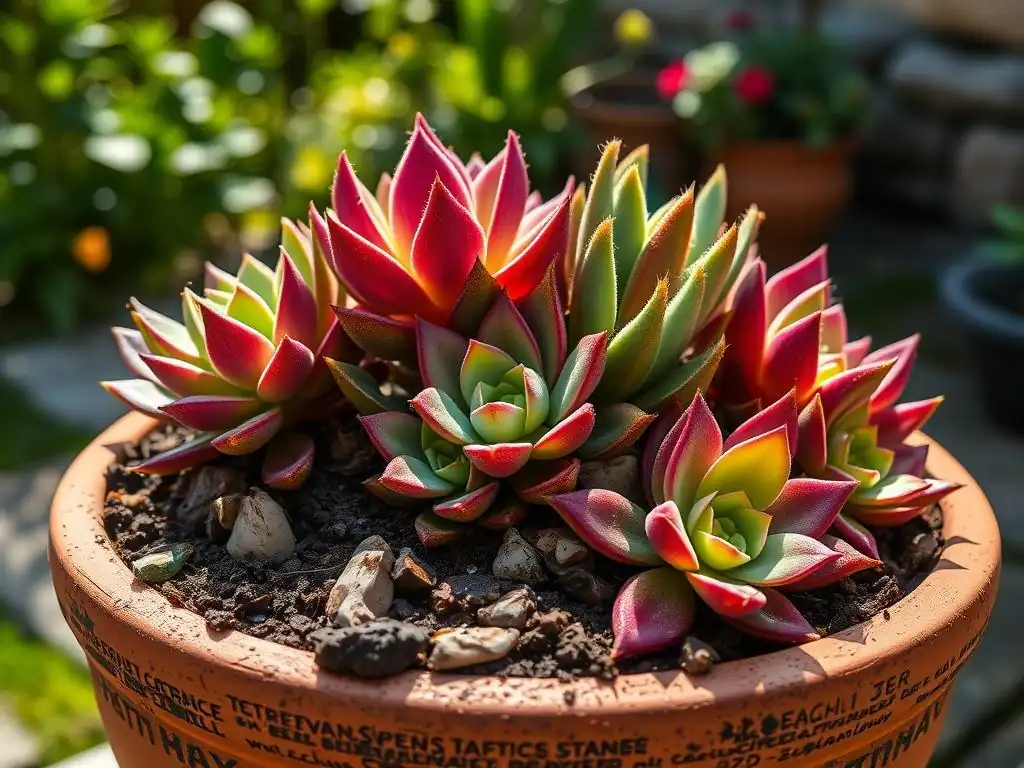
Welcome to SucculentEssentials.org, your gateway to the fascinating world of succulents! Are you ready to unlock the secrets to cultivating thriving, vibrant plants? We delve into every aspect of succulent care, from propagation techniques to stunning design ideas. But first, discover why choosing the best eco-friendly succulent soil is the foundation for healthy growth. Learn how to create a natural haven for your beloved succulents and embark on a journey towards sustainable gardening – read on to find out more!
- Understanding the Importance of Optimal Succulent Soil Composition
-
Choosing the Right Eco-Friendly Soil Amendments for Your Succulents
- Compost: Enhancing Succulent Growth and Soil Structure
- Worm Castings: Providing Slow-Release Nutrients for Succulents
- Perlite and Pumice: Improving Drainage and Aeration in Succulent Pots
- Coco Coir: A Sustainable Amendment for Moisture Retention and Soil Structure
- Alternative Natural Soil Amendments for Enhanced Drainage
- Creating the Perfect Eco-Friendly Succulent Soil Blend
- Troubleshooting Common Soil-Related Issues in Succulents
- Maintaining Your Eco-Friendly Succulent Soil
- Frequently Asked Questions
- Final Reflection: Cultivating a Greener Future, One Succulent at a Time
- Unleash Your Succulents' Full Potential!
Understanding the Importance of Optimal Succulent Soil Composition
Choosing the right soil is paramount for the health and vitality of your succulents. Unlike many other plants, succulents thrive in well-draining, porous soil that prevents waterlogging, a common cause of root rot and subsequent plant death. This article delves into why using natural, eco-friendly soil amendments is the best approach for creating the perfect succulent potting mix, ultimately leading to healthier, happier plants and a more sustainable gardening practice.
We'll explore the shortcomings of commercial potting mixes, highlight the benefits of natural alternatives, and detail the crucial nutrients your succulents need to flourish. By understanding these key factors, you'll be well-equipped to craft the best eco-friendly succulent soil for your collection, contributing to both thriving plants and a healthier environment.
Why Commercial Potting Mixes Are Often Unsuitable for Succulents
Many commercially available potting mixes, while convenient, often contain ingredients unsuitable for succulents. These mixes frequently include peat moss, which retains too much moisture, creating an environment ripe for root rot. Furthermore, they may contain other components that lack the necessary drainage and aeration crucial for succulent health. The resulting overly moist soil can suffocate the roots, leading to wilting, yellowing leaves, and ultimately, plant death. This problem is exacerbated in climates with high humidity or during periods of prolonged rainfall.
Consider this: a typical commercial potting mix might retain 60% water saturation, whereas ideal soil for succulents should ideally retain closer to 30-40%, allowing for sufficient oxygen circulation around the roots. This difference can be the deciding factor between a thriving succulent and a decaying one. Choosing natural alternatives allows for greater control over the soil composition, ensuring optimal drainage and aeration.
The Advantages of Using Natural Soil Amendments for Succulents
Switching to natural soil amendments offers a multitude of advantages for your succulents and the environment. These amendments provide superior drainage, aeration, and nutrient retention, creating the perfect growing medium. Here's a breakdown of the key benefits:
- Improved Drainage: Natural amendments like perlite, pumice, and coarse sand enhance drainage, preventing waterlogged soil and root rot.
- Enhanced Aeration: Well-aerated soil allows for efficient oxygen exchange, promoting healthy root growth and overall plant vigor.
- Nutrient Richness: Many natural amendments, such as composted manure or worm castings, provide essential nutrients without the use of harmful chemicals.
- Sustainability: By avoiding peat-based mixes, you contribute to the preservation of natural peat bogs, crucial ecosystems for biodiversity.
- Cost-Effectiveness: In the long run, using readily available natural materials can be more economical than continuously purchasing commercial mixes.
Using a blend of these materials allows you to tailor the soil composition to suit your specific succulent species and growing conditions.
Macronutrients and Micronutrients Essential for Succulent Health
Succulents, like all plants, require a balanced supply of macronutrients and micronutrients for optimal growth. Macronutrients, needed in larger quantities, include nitrogen (N), phosphorus (P), and potassium (K). These are essential for overall plant growth, flowering, and fruit production. Micronutrients, required in smaller amounts, include iron (Fe), manganese (Mn), zinc (Zn), copper (Cu), boron (B), molybdenum (Mo), and chlorine (Cl). They play vital roles in various metabolic processes within the plant.
While natural amendments often provide a good base level of nutrients, supplementing with a balanced, eco-friendly fertilizer can further enhance the health and growth of your succulents. Always follow the fertilizer instructions carefully to avoid over-fertilizing, which can also damage your plants. Remember, a well-draining soil mix is just one piece of the puzzle; proper watering, sunlight, and fertilization are equally important for creating the perfect environment for your succulents to thrive. 🎉
Choosing the Right Eco-Friendly Soil Amendments for Your Succulents
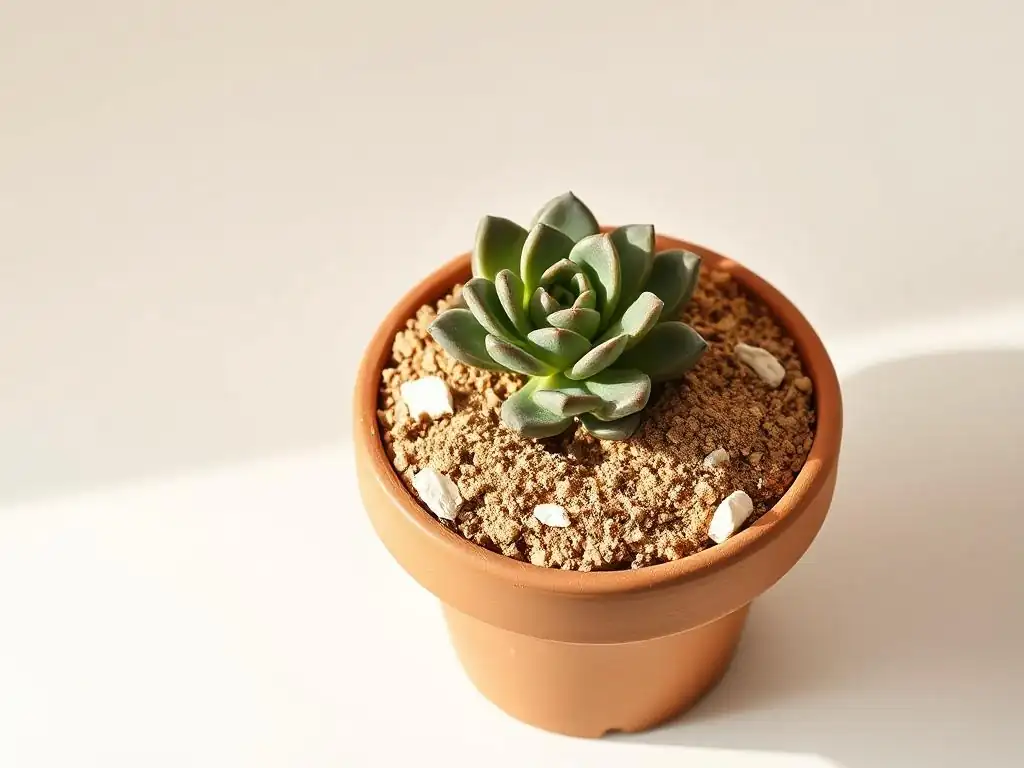
This section explores the best eco-friendly succulent soil amendments to create the perfect growing medium for your drought-tolerant plants. We'll delve into specific options, highlighting their benefits and how they contribute to healthy, thriving succulents. Remember, selecting the right amendments is crucial for optimal drainage, aeration, and nutrient delivery – key factors for succulent success. Finding the best ecofriendly succulent soil blend often involves experimentation, but understanding the properties of individual components is the first step.
Compost: Enhancing Succulent Growth and Soil Structure
Compost, a natural byproduct of organic decomposition, offers numerous benefits for succulents. It improves soil structure, adding organic matter that enhances water retention while maintaining excellent drainage. This is vital for succulents, which are susceptible to root rot in overly wet conditions. High-quality compost also introduces beneficial microbes to the soil, fostering a healthy root environment and promoting nutrient uptake.
Using compost for succulents isn't just about improving drainage; it also provides a slow-release source of essential nutrients. Unlike chemical fertilizers, compost releases these nutrients gradually, mimicking the natural nutrient cycle. This prevents nutrient burn, a common problem with synthetic fertilizers that can damage delicate succulent roots.
The type of compost matters. Avoid compost that's too rich in nitrogen, as this can lead to leggy growth in succulents. A well-rotted compost, ideally several months old, is ideal. You can incorporate compost at a rate of approximately 20-30% of the total soil volume. For example, in a 1-gallon pot, you might add about 0.2 to 0.3 gallons of compost. Always ensure the compost is well-mixed with other components to prevent waterlogging in localized areas.
Worm Castings: Providing Slow-Release Nutrients for Succulents
Worm castings, also known as vermicompost, are another excellent eco-friendly amendment for succulents. These castings are the waste product of earthworms, and they are incredibly rich in nutrients. They offer a more concentrated source of nutrients compared to regular compost, providing a slow-release fertilizer that promotes healthy growth without burning the roots.
Worm castings are particularly beneficial because they are naturally balanced in terms of nutrient ratios. They contain essential macronutrients like nitrogen, phosphorus, and potassium, along with a wide array of micronutrients. These micronutrients are often overlooked but play a vital role in overall plant health and vigor. The improved soil structure resulting from the addition of worm castings also facilitates better root penetration and oxygen exchange.
Incorporating worm castings into your succulent soil is straightforward. A typical ratio is 10-15% of the total soil volume. For a 5-gallon bucket of succulent soil mix, you'd add roughly 0.5 to 0.75 gallons of worm castings. Remember, less is more; it's better to start with a smaller amount and gradually increase it if needed, monitoring the plants' response carefully. Over-fertilizing can still be harmful, even with organic amendments.
Perlite and Pumice: Improving Drainage and Aeration in Succulent Pots
Perlite and pumice are inorganic amendments that play a crucial role in improving drainage and aeration in succulent soil. These volcanic materials are lightweight, porous, and inert, meaning they don't break down or release nutrients into the soil. This is beneficial for succulents as it prevents overwatering and ensures adequate air circulation around the roots.
Perlite is a volcanic glass that has been heated to create a lightweight, porous material. Pumice, also volcanic in origin, is a slightly denser and more irregularly shaped material. Both effectively increase the porosity of the soil, allowing excess water to drain quickly and preventing the roots from becoming waterlogged.
The ideal ratio of perlite or pumice in a succulent soil mix is typically between 20-40%, depending on the other components used. For instance, a mix containing a significant portion of compost might require a higher percentage of perlite or pumice to maintain optimal drainage. Always use a well-draining pot with drainage holes to complement the improved aeration and drainage provided by these amendments. Proper drainage is paramount in preventing root rot, a common problem in succulents. Using a combination of perlite and pumice can further enhance drainage and aeration, offering a superior growing medium for your succulents.
Coco Coir: A Sustainable Amendment for Moisture Retention and Soil Structure
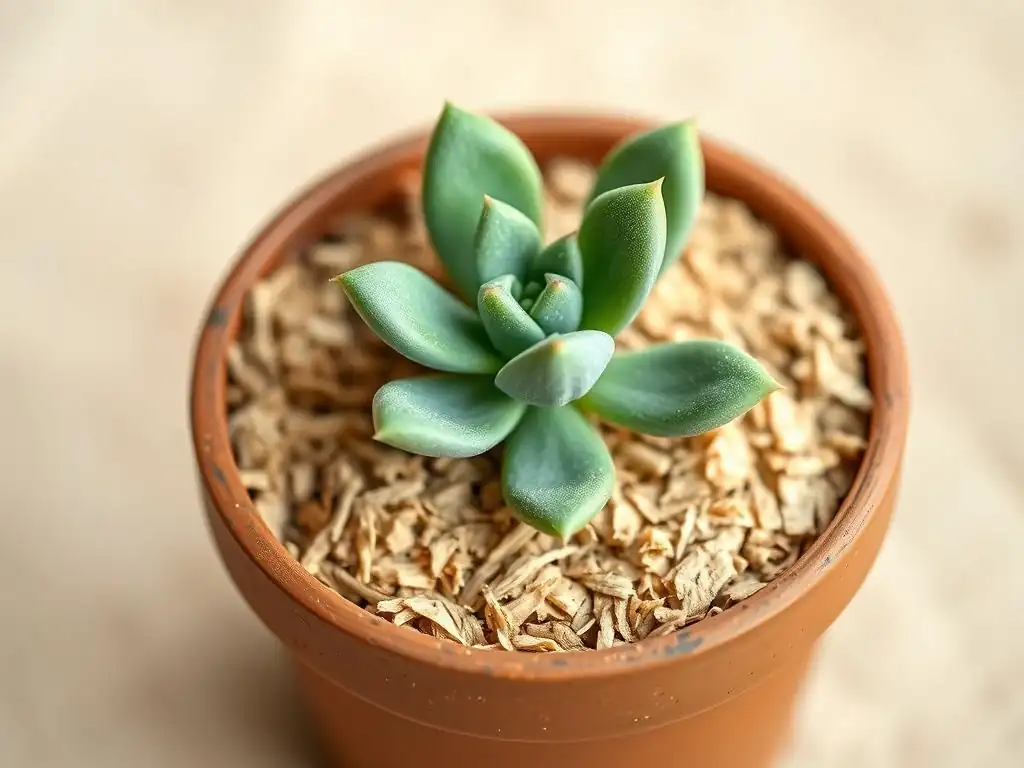
Coco coir, a byproduct of the coconut industry, offers a fantastic eco-friendly alternative to peat moss for succulent soil. Unlike peat, which is a non-renewable resource, coco coir is a renewable resource, making it a much more sustainable choice for environmentally conscious succulent enthusiasts. Its fibrous nature improves soil structure, enhancing drainage while also retaining moisture—a crucial balance for succulents that need well-draining soil but also require sufficient hydration.
Coco coir's ability to retain moisture is particularly beneficial during periods of heat and drought, helping to prevent succulents from drying out too quickly. Moreover, it's relatively lightweight, making it easy to handle and incorporate into your succulent potting mix. When using coco coir, it’s important to note that it can be quite dense when dry, so ensure you thoroughly soak it before incorporating it into your soil mix.
This prevents uneven watering and ensures even hydration throughout the pot. The addition of coco coir also contributes to a healthier root system, promoting vigorous growth and overall plant health. For best results, mix coco coir with other components such as perlite and pumice to achieve optimal drainage and aeration.
Alternative Natural Soil Amendments for Enhanced Drainage
While coco coir is excellent for moisture retention and soil structure, achieving the perfect balance for succulents requires attention to drainage. Several other natural amendments contribute significantly to creating well-draining soil for your succulents. Perlite, a volcanic glass, is an incredibly popular choice. Its lightweight and porous nature allows for excellent aeration and drainage, preventing waterlogging which can lead to root rot, a common problem for succulents. Pumice, another volcanic rock, offers similar benefits, providing excellent drainage and aeration while also adding essential minerals to the soil.
Both perlite and pumice are inert, meaning they don't significantly alter the soil's pH. Another great option is vermiculite, a mineral that expands when heated, creating a lightweight and porous material that improves water retention and aeration. However, use vermiculite sparingly in succulent mixes as it can retain more moisture than perlite or pumice. Finally, consider using horticultural charcoal.
This amendment not only improves drainage but also helps to prevent fungal diseases and improve soil aeration. The best eco-friendly succulent soil is often a carefully balanced blend of these components, tailoring the ratio to the specific needs of your succulents and the local climate. Experimentation is key to finding the perfect mix for your plants. Remember, good drainage is paramount to prevent root rot and ensure the long-term health and happiness of your succulent collection.
Creating the Perfect Eco-Friendly Succulent Soil Blend
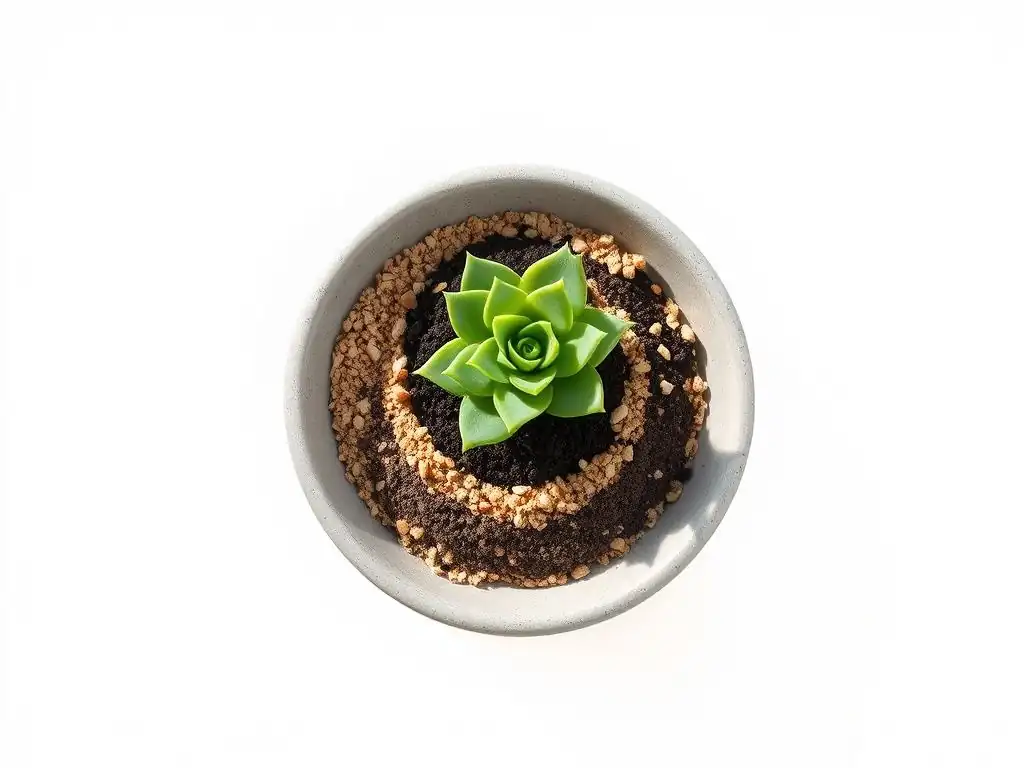
A Step-by-Step Guide to Mixing a Custom Succulent Soil Blend
Creating the best ecofriendly succulent soil doesn't require expensive, chemically-laden products. A well-draining, nutrient-rich blend can be easily made at home using readily available, sustainable materials. Here's a step-by-step guide:
- Gather your ingredients: You'll need a base of inorganic material for drainage, an organic component for nutrients, and potentially some additional amendments depending on your specific needs. Common choices include:
- Inorganic: Perlite, pumice, coarse sand (avoid fine sand, which compacts easily). These ensure excellent drainage, crucial for preventing root rot, a common succulent killer.
- Organic: Coco coir (a sustainable alternative to peat moss), composted leaf mold, worm castings (for added nutrients). These provide essential nutrients and improve soil structure.
- Optional Amendments: Crushed granite or limestone (for pH adjustment if needed), charcoal (to improve drainage and aeration).
- Determine your ratios: A good starting point is a 1:1:1 ratio of inorganic material (perlite or pumice), organic matter (coco coir or composted leaf mold), and a third component (like coarse sand). However, this can be adjusted based on your climate and the specific succulent species. For example, succulents in drier climates may benefit from a higher proportion of inorganic material.
- Mix thoroughly: Combine all your chosen ingredients in a large container. Use your hands or a garden trowel to mix them evenly until you achieve a consistent texture. The soil should feel light and airy, not heavy and compacted.
- Test the drainage: Fill a small pot with your homemade blend and water it generously. The water should drain quickly and completely. If it doesn't, add more inorganic material.
- Repot your succulents: Carefully remove your succulents from their old pots, gently loosen any compacted roots, and repot them in your freshly made eco-friendly succulent soil.
Remember, consistent monitoring is key. Observe your succulents' growth and adjust your soil mixture accordingly. Over time, you'll develop a keen understanding of what works best for your plants and your specific environment. This process contributes to creating the best ecofriendly succulent soil for your collection! 🌱
Recommended Soil Ratios for Different Succulent Species
Different succulents have slightly different needs, influencing the ideal soil composition for optimal growth. While a general 1:1:1 ratio is a good starting point (as described above), adjusting the proportions can significantly impact their health. Here's a table outlining suitable ratios for some popular succulent varieties:
| Succulent Type | Inorganic Material (%) | Organic Material (%) | Other Amendments (%) | Notes |
|---|---|---|---|---|
| Echeveria | 60 | 30 | 10 (coarse sand) | Prefers well-draining soil, less organic matter prevents rot. |
| Sedum | 50 | 40 | 10 (pumice) | Tolerates a slightly higher organic content. |
| Haworthia | 70 | 20 | 10 (perlite) | Requires exceptionally well-draining soil. |
| Sempervivum (Hens & Chicks) | 60 | 30 | 10 (charcoal) | Benefits from improved aeration and drainage provided by charcoal. |
| Aloe | 55 | 35 | 10 (composted leaf mold) | Can tolerate slightly more organic matter due to higher water needs. |
Note: These are guidelines; experimentation may be necessary to find the perfect blend for your specific plants and growing conditions. Always prioritize excellent drainage to prevent root rot.
Evaluating Soil Drainage: A Critical Step in Succulent Care
Proper drainage is paramount for succulent health. Poorly draining soil leads to waterlogged roots, causing root rot and ultimately killing the plant. Here's how to assess the drainage of your succulent soil:
- The "Pour Test": The simplest method. Fill a small pot with your soil mixture and pour water over it. The water should drain completely within a few minutes. If it sits on top or drains very slowly, your soil is too compact and needs more inorganic material like perlite or pumice.
- The "Feel Test": Well-draining succulent soil feels light and airy, not heavy and clay-like. If your soil feels dense and clumps together easily, it likely needs improvement.
- Long-Term Observation: After potting your succulents, monitor the soil's moisture levels. If the soil stays wet for extended periods, it indicates poor drainage. You might notice signs of root rot – mushy, dark roots – if drainage is inadequate. Adjust the soil mixture accordingly.
Addressing drainage issues promptly is crucial for preventing succulent-related problems. Remember, the best ecofriendly succulent soil is one that allows for swift and complete drainage, keeping the roots healthy and happy. 💧
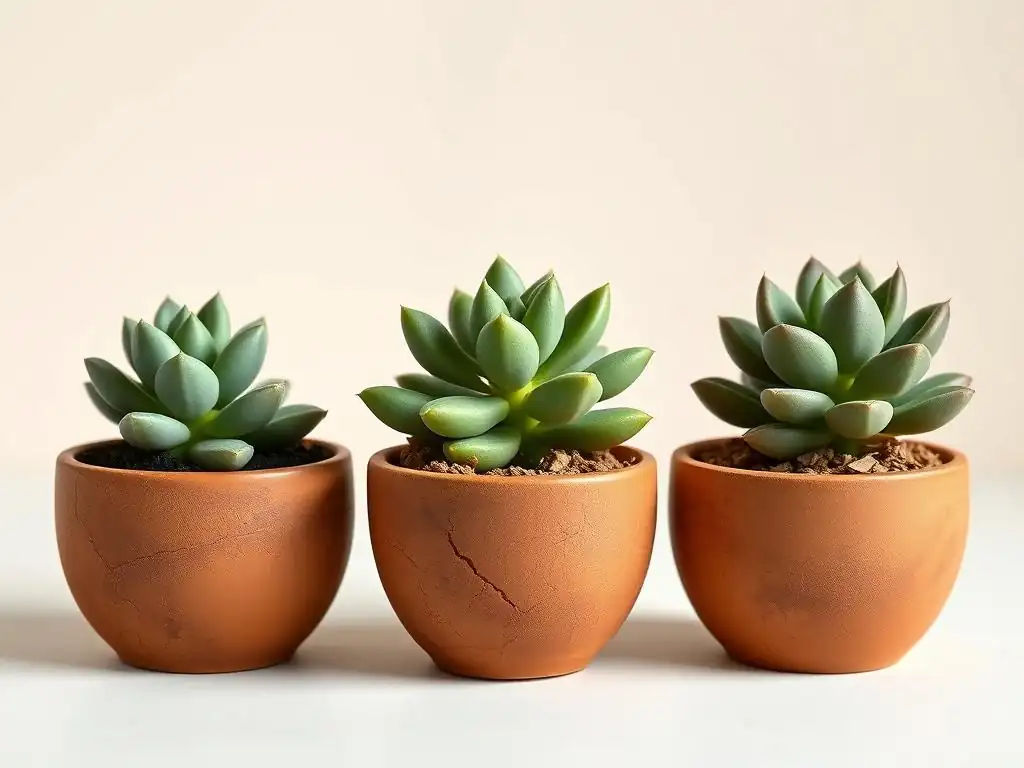
Succulents, known for their adaptability, still require specific soil conditions to thrive. Poor soil can manifest in various ways, hindering growth and even leading to plant death. Understanding these issues and implementing solutions using the best eco-friendly succulent soil is crucial for successful succulent cultivation. This section focuses on identifying and resolving common soil-related problems, emphasizing natural and sustainable solutions. We'll explore the crucial role of proper drainage, address nutrient deficiencies, and discuss organic methods for preventing and treating soil-borne diseases.
Diagnosing Problems Stemming from Inadequate Drainage
Inadequate drainage is a leading cause of succulent demise. Overwatering, combined with poorly draining soil, leads to root rot, a fatal condition. Symptoms include mushy, brown stems and leaves, a foul odor emanating from the soil, and wilting despite seemingly adequate watering.
To diagnose drainage issues, carefully examine the soil. Is it compacted? Does water drain readily when you water? If water sits on top of the soil for an extended period, drainage is insufficient. You can test drainage by watering thoroughly and observing how quickly the water drains from the pot's drainage holes. A poorly draining soil will retain water for hours or even days.
Signs of Poor Drainage:
- Leaves turning yellow or brown
- Soft, mushy stems
- Unpleasant odor from the soil
- Wilting despite watering
- Slow or stunted growth
Remember, even with the best eco-friendly succulent soil, proper pot selection is essential. Ensure your pots have adequate drainage holes to prevent waterlogging.
Addressing Nutrient Deficiencies in Succulents Using Natural Methods
Succulents, while low-maintenance, still require essential nutrients. Nutrient deficiencies manifest in various ways, including stunted growth, pale or discolored leaves, and weak stems. Using natural, organic amendments is key to preventing these deficiencies and promoting healthy growth. Avoid using chemical fertilizers, opting instead for nutrient-rich compost, worm castings, or bone meal.
For example, a deficiency in nitrogen can lead to pale green or yellowing leaves, while a phosphorus deficiency can result in stunted growth and poor flowering. Potassium deficiencies might cause leaf edges to brown and die back. By carefully observing your succulents and understanding the signs of nutrient deficiencies, you can tailor your organic amendment strategy.
| Nutrient Deficiency | Symptoms | Natural Solutions |
|---|---|---|
| Nitrogen | Pale green or yellow leaves | Compost, alfalfa meal |
| Phosphorus | Stunted growth, poor flowering | Bone meal, rock phosphate |
| Potassium | Brown leaf edges, weak stems | Banana peels (composted), kelp meal |
Using these natural methods ensures that your succulents receive the nutrients they need without harming the environment or your plants. Remember to always apply amendments sparingly, following package instructions for optimal results.
Preventing and Treating Soil-Borne Diseases Organically
Soil-borne diseases can severely impact succulent health. These diseases, often caused by fungi or bacteria, thrive in overly moist or poorly draining soil. Prevention is key; using well-draining, sterile soil is crucial. Sterilizing your potting mix before use—by baking it in the oven at low heat for 30 minutes—can help eliminate many pathogens.
Should a disease take hold, organic treatments are available. For example, introducing beneficial microorganisms, such as mycorrhizal fungi, can improve soil health and suppress pathogens. These fungi form a symbiotic relationship with plant roots, enhancing nutrient uptake and disease resistance. Similarly, using a diluted solution of neem oil can help control fungal diseases. Always carefully follow instructions when using any organic treatment. Early detection and prompt action are crucial in managing soil-borne diseases organically, safeguarding the health of your succulents and maintaining a thriving, sustainable environment. Remember, consistent monitoring and preventative measures are far more effective than reactive treatments.
Maintaining Your Eco-Friendly Succulent Soil
This section delves into the practical aspects of keeping your eco-friendly succulent soil thriving, ensuring the long-term health and happiness of your plants. We'll explore optimal watering techniques, the importance of repotting, and the broader environmental benefits of your sustainable choice. Choosing the best ecofriendly succulent soil is only the first step; maintaining it is crucial for success.
Optimal Watering Techniques for Maintaining Healthy Succulent Soil
Overwatering is a common culprit in succulent demise. Remember, succulents are adapted to arid conditions and store water in their leaves. Therefore, infrequent, deep watering is far superior to frequent, shallow watering. The goal is to allow the soil to dry out completely between waterings. This prevents root rot, a significant problem with succulents grown in overly moist environments.
To determine when to water, stick your finger about an inch into the soil. If it feels dry, it's time to water thoroughly until water drains from the drainage holes. However, don't let your succulents sit in standing water. This can lead to fungal growth and other issues.
The frequency of watering will depend on several factors:
- Pot size and material: Smaller pots dry out faster than larger ones; terracotta pots dry out faster than plastic ones.
- Season: Water less frequently during the winter months when succulents are dormant.
- Environment: Hot, sunny conditions will dry out the soil faster than cooler, shadier conditions.
Observe your succulents carefully. Signs of underwatering include shriveled leaves, while overwatering manifests as mushy, decaying leaves. Adjust your watering schedule based on these visual cues. Finding the right balance is key to achieving optimal soil health and succulent growth. Remember, prevention is better than cure when it comes to succulent care, and proper watering is a cornerstone of that prevention.
Repotting Your Succulents: A Guide to Maintaining Soil Health
Repotting is essential for maintaining the health of your succulent soil and preventing nutrient depletion. As your succulents grow, they consume nutrients from the soil. Over time, this can lead to a decline in soil quality, impacting the overall health of your plants. Repotting allows you to refresh the soil with fresh, nutrient-rich compost.
The ideal time to repot is during the growing season (spring or early summer). Choose a pot slightly larger than the previous one, ensuring it has adequate drainage holes. When repotting, carefully remove the succulent from its current pot, gently loosen any compacted roots, and place it in the new pot with fresh, eco-friendly succulent soil. Avoid burying the succulent too deep, as this can lead to rotting.
Here's a checklist for successful repotting:
- [ ] Choose a pot with drainage holes.
- [ ] Use fresh, eco-friendly succulent soil mix.
- [ ] Gently remove the succulent from the old pot.
- [ ] Loosen compacted roots.
- [ ] Plant in the new pot, avoiding over-burying.
- [ ] Water lightly after repotting.
Regular repotting, ideally every 1-2 years depending on the growth rate of your succulent, significantly contributes to the long-term sustainability of your eco-friendly gardening practice. This simple act ensures your succulents continue to thrive in a nutrient-rich environment.
Long-Term Sustainability: The Environmental Benefits of Eco-Friendly Succulent Soil
Choosing eco-friendly succulent soil offers significant environmental benefits beyond simply nurturing your plants. By avoiding peat-based mixes, which contribute to habitat destruction, you're actively participating in sustainable gardening practices. Compost-based mixes, for instance, utilize organic waste materials, reducing landfill waste and promoting nutrient cycling.
Using locally sourced ingredients further minimizes the carbon footprint associated with transportation. Furthermore, eco-friendly soil amendments often promote healthier soil ecosystems, reducing the need for chemical fertilizers and pesticides. This reduces water pollution and protects beneficial soil organisms. The cumulative effect of these choices contributes to a healthier planet and a more sustainable approach to your hobby. By choosing the best ecofriendly succulent soil, you are making a conscious choice to minimize your environmental impact. It's a small change with a significant, positive ripple effect.
Frequently Asked Questions
What is the best eco-friendly succulent soil?
The best eco-friendly succulent soil is a well-draining mix. A good starting point is a blend of cactus and succulent potting mix, pumice, and perlite, ensuring excellent aeration and drainage to prevent root rot.
Why is drainage so important for succulents?
Succulents are prone to root rot if their roots sit in waterlogged soil. Good drainage allows excess water to escape, preventing this common problem and ensuring the health of your plants.
What are some natural, eco-friendly soil amendments?
Excellent choices include pumice, perlite, coarse sand, and coco coir. These materials improve drainage and aeration without using harmful chemicals or peat moss.
Can I use regular garden soil for succulents?
No, regular garden soil is generally too dense and retains too much water, leading to root rot. It lacks the crucial porosity needed for succulent health.
How often should I water my succulents after repotting with eco-friendly soil?
Wait until the soil is completely dry before watering again. Overwatering is a common mistake, even with well-draining soil. Observe the soil and adjust your watering schedule accordingly.
Final Reflection: Cultivating a Greener Future, One Succulent at a Time
The quest for the best eco-friendly succulent soil isn't just about healthier plants; it's about a healthier planet. Creating thriving succulent gardens while minimizing our environmental impact is more crucial than ever, as we face increasing challenges related to resource depletion and pollution. Our choices, even in seemingly small areas like gardening, have a cumulative effect on the world around us.
The journey to understanding sustainable succulent care has been deeply rewarding, highlighting the interconnectedness of our actions and the environment. It's a reminder that even seemingly insignificant actions can have a ripple effect. The smallest seed can grow into the tallest tree.
This simple truth underscores the power of mindful choices, and the impact we can have by choosing eco-friendly practices, even in our own homes. The shift towards natural soil amendments isn't just a trend; it's a reflection of a growing awareness of our responsibility towards the earth.
Now, consider your own succulent collection. What steps can you take to make it even more sustainable? Will you explore the natural soil amendments discussed in this article? Will you share this knowledge with fellow plant enthusiasts? The future of our planet depends on our collective commitment to sustainable practices. Let's nurture not only our succulents but also the environment that sustains us all.
Unleash Your Succulents' Full Potential!
Thank you for exploring the world of natural, eco-friendly succulent care! We hope you've gained valuable insights into creating the perfect soil blend for thriving plants. Now, let's put that knowledge into practice.
- Craft your ideal succulent soil mix: Gather the ingredients from the article and create a custom blend tailored to your succulents' specific needs. This is the most important step towards healthier, happier plants!
- Share your success (or questions!): We'd love to see your flourishing succulents! Share photos and any questions you may have on our social media channels or in the comments below.
- Experiment with different soil additives: Don't be afraid to try various organic additives and observe how your plants respond. Discover what works best for your succulent collection!
Ready to watch your succulents thrive like never before? What soil additive will you try first?