
The Secret to Thriving Succulents: How Natural Amendments Can Transform Your Garden

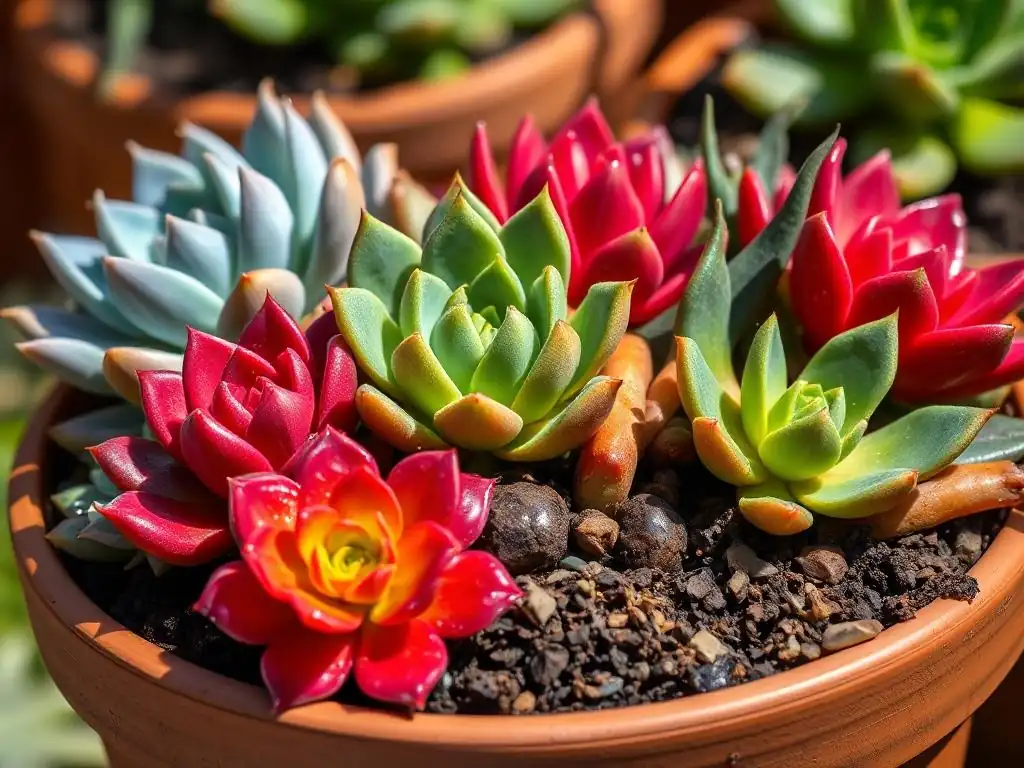
Welcome to SucculentEssentials.org, where the extraordinary world of succulents unfolds! Are you ready to unlock the secrets to cultivating truly thriving succulents? We'll guide you through everything from basic care to advanced techniques, but first, discover the transformative power of the best succulent soil amendments – the key to unlocking your plants' full potential. Dive in and uncover the sustainable practices that will elevate your succulent collection to new heights!
- Understanding the Importance of Soil Amendments for Succulents
- Best Succulent Soil Amendments: A Deep Dive into Natural Options
- Practical Application: Creating the Perfect Succulent Soil Blend
- Maintaining Healthy Soil for Long-Term Succulent Success
- Eco-Friendly Gardening: The Benefits of Natural Amendments
- Frequently Asked Questions
- Final Reflection: Cultivating Resilience, One Succulent at a Time
- Unleash Your Succulents' Full Potential!
Understanding the Importance of Soil Amendments for Succulents
Succulents, with their striking beauty and resilience, are beloved by plant enthusiasts worldwide. However, even these drought-tolerant plants require the right conditions to truly thrive. While many focus on sunlight and watering, the secret to truly exceptional succulent growth lies in understanding and optimizing your soil. This article delves into the world of soil amendments, specifically exploring how natural additions can transform your succulent garden, leading to healthier, more vibrant plants.
We'll uncover why standard potting mixes often fall short and reveal the best succulent soil amendments to unlock your plants' full potential. This guide is essential for anyone seeking to achieve the lush, healthy growth that truly showcases the captivating beauty of succulents. Choosing the best succulent soil amendments is key to long-term success and vibrant displays.
Why Standard Potting Mix Isn't Enough for Optimal Succulent Growth
Standard potting mixes, often designed for a wide range of plants, frequently contain too much organic matter for succulents. This excess organic material retains too much moisture, creating a boggy environment that encourages root rot – a common and often fatal problem for succulents. Succulents evolved to survive in arid and well-draining conditions; therefore, a soil that holds excessive water is detrimental to their health. The ideal soil for succulents needs excellent drainage and aeration to prevent waterlogging.
Furthermore, standard mixes often lack the essential nutrients that succulents need for robust growth and vibrant coloration. They may need supplemental feeding, but the wrong soil makes proper nutrient uptake difficult. This leads to slower growth, weak stems, and dull leaf coloration. In short, using a standard potting mix is like giving your succulents the wrong tools for the job—they might survive, but they certainly won't flourish.
The Role of Drainage and Aeration in Healthy Succulent Roots
Healthy succulent roots need oxygen to function properly. Poor drainage leads to compacted soil, suffocating the roots and preventing them from absorbing water and nutrients efficiently. Aeration, or the presence of air pockets in the soil, is crucial for healthy root development and prevents the build-up of harmful anaerobic bacteria that thrive in waterlogged conditions. Think of it like this: succulent roots are like our lungs – they need to breathe! Amendments like perlite, pumice, and coarse sand improve drainage and aeration significantly.
They create a loose, well-structured soil that allows for optimal water flow and air circulation around the roots. This results in healthier, stronger root systems, leading to more vigorous top growth and increased resilience to disease. The difference between well-drained and poorly-drained soil is often the difference between a thriving succulent and a struggling one. Prioritizing drainage and aeration is paramount for succulent success.
Identifying Nutrient Deficiencies in Your Succulents
Nutrient deficiencies can manifest in various ways in succulents. Signs of deficiency can include pale or yellowing leaves (chlorosis), stunted growth, weak stems, and discoloration. While some deficiencies might be caused by inadequate watering or insufficient sunlight, others are directly related to the soil's nutrient content.
For example, a lack of phosphorus might result in stunted growth and delayed flowering, while a magnesium deficiency can cause yellowing between the leaf veins. Understanding these deficiencies and addressing them with appropriate soil amendments is crucial for maintaining healthy succulents. Regular testing of your soil's pH and nutrient levels can provide valuable insights into the nutritional needs of your plants.
By carefully selecting amendments that provide the necessary nutrients, you can ensure your succulents receive the complete nutritional profile they require for optimal growth and vibrant color. Knowing your soil and the signs of deficiency is a critical step in becoming a successful succulent cultivator.
Best Succulent Soil Amendments: A Deep Dive into Natural Options
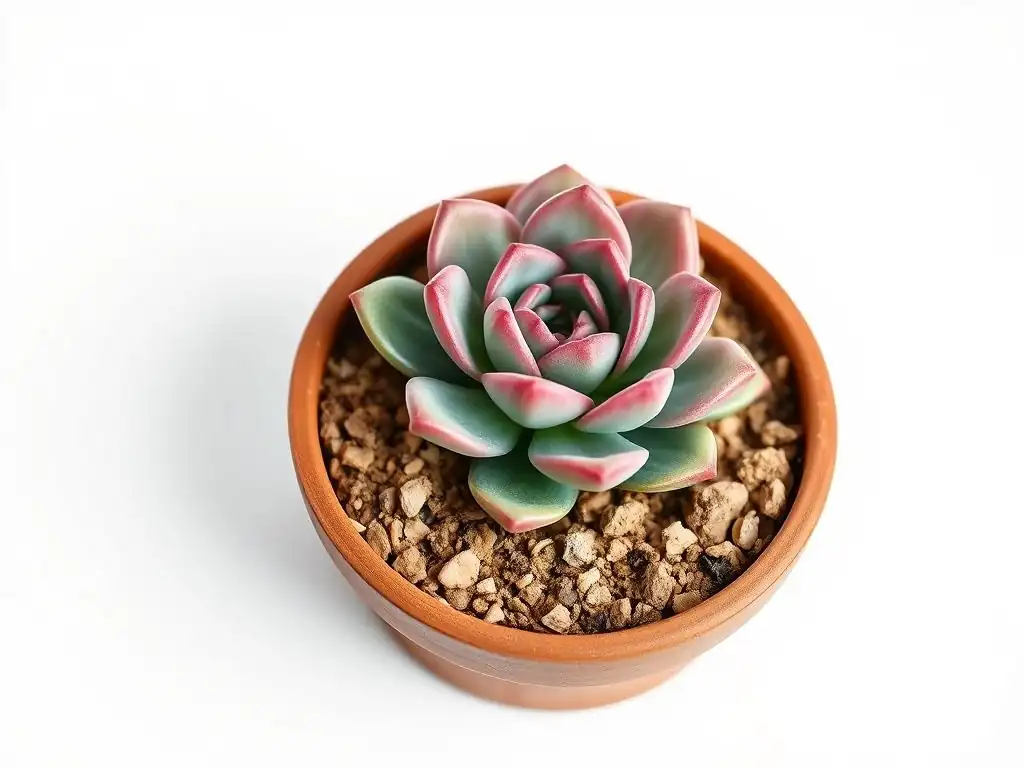
This section explores the best succulent soil amendments, focusing on natural options to create the ideal growing environment for your prized plants. Choosing the right amendments is crucial for healthy succulent growth, preventing common problems like root rot and nutrient deficiencies. We'll delve into specific materials, comparing their properties and benefits to help you make informed decisions for your succulent garden. Remember, achieving the perfect soil blend is a key element in your quest for thriving succulents. Let's examine some fantastic natural options to elevate your succulent care.
Enhancing Drainage with Perlite and Pumice: A Comparative Analysis
Proper drainage is paramount for succulent health. Overwatering is a frequent culprit in succulent demise, and amending your soil with materials that enhance drainage is crucial. Two popular choices are perlite and pumice, both volcanic in origin but with distinct characteristics.
Perlite, a lightweight, white, glassy material, is created by heating volcanic glass. It offers excellent aeration and drainage, preventing waterlogging. Its small particle size makes it easily incorporated into potting mixes, improving overall texture. However, perlite can sometimes break down over time, reducing its effectiveness.
Pumice, on the other hand, is a more porous and durable material. Its larger, irregular particles provide superior drainage and aeration compared to perlite. It's also less prone to breaking down, offering long-term benefits. While slightly more expensive, its longevity makes it a worthwhile investment for long-term succulent cultivation.
Here's a table summarizing the key differences:
| Feature | Perlite | Pumice |
|---|---|---|
| Particle Size | Small | Larger, irregular |
| Drainage | Excellent | Superior |
| Aeration | Excellent | Superior |
| Durability | Less durable | More durable |
| Cost | Generally less expensive | Generally more expensive |
| Longevity | Shorter lifespan | Longer lifespan |
Choosing between perlite and pumice depends on your specific needs and budget. For smaller succulents or mixes requiring finer texture, perlite might suffice. For larger succulents or situations demanding superior long-term drainage, pumice is the superior choice. Both are excellent additions to your succulent soil recipe, contributing significantly to improved drainage and aeration.
Improving Soil Structure with Coarse Sand and Grit
While perlite and pumice focus on drainage, incorporating coarse sand and grit improves the overall soil structure. These amendments enhance aeration, allowing for better root development and oxygen circulation. This is vital for succulents, as their roots need adequate oxygen to thrive.
Coarse sand, unlike fine sand, doesn't compact easily, maintaining the soil's porosity. It helps prevent the soil from becoming waterlogged and improves the overall drainage. However, it offers limited nutritional value.
Grit, often composed of crushed stone or gravel, provides similar benefits to coarse sand. Its larger particles further enhance drainage and aeration. Grit also adds weight to the potting mix, which can be beneficial for taller or top-heavy succulents.
The ratio of sand and grit to other components in your succulent soil mix depends on the specific type of succulent and the climate. Experimentation and observation are key to finding the ideal balance. Remember to avoid using fine sand, as it can compact and hinder drainage, defeating the purpose of this amendment.
Boosting Nutrient Levels with Compost and Worm Castings: A Guide to Organic Enrichment
While well-draining soil is crucial, succulents also require essential nutrients. Compost and worm castings provide a natural and effective way to enrich your succulent soil. These organic amendments offer a slow-release source of nutrients, promoting healthy growth without the risk of burning delicate roots associated with some chemical fertilizers.
Compost, derived from decomposed organic matter, provides a balanced blend of nutrients. It improves soil structure, increases water retention (while still maintaining drainage when used correctly), and introduces beneficial microbes that enhance overall soil health. Using well-rotted compost is crucial; fresh compost can contain harmful pathogens.
Worm castings, also known as vermicompost, are the excrement of earthworms. They are incredibly nutrient-rich, containing high concentrations of beneficial microorganisms and essential nutrients. Worm castings are a more concentrated source of nutrients than compost, making them a valuable addition to your succulent soil mix. They also improve soil aeration and water retention.
Combining compost and worm castings provides a powerful combination of nutrients and soil-enhancing properties. A small amount, incorporated into your potting mix, will gradually release nutrients, promoting healthy and vigorous succulent growth. Remember to always use a well-draining base mix, even when using compost and worm castings, to prevent root rot. The goal is to provide nourishment without compromising the essential drainage requirements of these drought-tolerant plants.
Utilizing Volcanic Rock and other Natural Soil Amendments for Succulents
Volcanic rock, often overlooked, is a fantastic amendment for succulent soil. Its porous nature provides excellent drainage, crucial for preventing root rot, a common succulent nemesis. The varied sizes of volcanic rock also contribute to improved aeration within the soil, allowing for better oxygen circulation around the roots. This is especially beneficial for succulents, which thrive in well-aerated conditions.
Furthermore, volcanic rock's ability to retain some moisture, albeit less than peat moss, offers a balanced approach to watering. It prevents the soil from drying out too quickly while still maintaining the essential drainage that succulents require. Using volcanic rock ensures your succulents get the perfect balance of moisture and aeration, leading to healthier growth.
Different types of volcanic rock offer slightly varied benefits. Pumice, for example, is exceptionally light and porous, ideal for amending heavy clay soils. Scoria, on the other hand, is denser and retains slightly more moisture, making it a good choice for sandy soils that drain too quickly. The key is to experiment and find the right balance for your specific soil type and succulent varieties. For instance, smaller pieces of pumice can be mixed into the potting mix, while larger pieces can be used as a top dressing to improve drainage and prevent waterlogging.
Beyond volcanic rock, other natural amendments significantly enhance succulent soil. Perlite, a volcanic glass, is another popular choice known for its excellent drainage properties and aeration. It's lightweight, sterile, and helps prevent soil compaction. Similarly, vermiculite, a mineral formed from mica, offers good water retention and aeration. It's especially useful in arid climates where the soil can dry out quickly. Mixing perlite and vermiculite together in your succulent soil can provide a superior balance of drainage and water retention.
The use of these natural amendments is a crucial step towards achieving the "best succulent soil" for optimal plant health. By creating a well-draining, well-aerated potting mix, you reduce the risk of root rot and create the ideal environment for your succulents to thrive. Remember to always consider the specific needs of your succulent varieties and adjust the proportions of amendments accordingly.
Observe your plants closely and make any necessary adjustments to ensure their continued health and vigor. This careful attention to detail, combined with the use of natural amendments, will significantly improve your succulent gardening success. You'll notice healthier, more vibrant plants that are better equipped to withstand the challenges of their environment.
Practical Application: Creating the Perfect Succulent Soil Blend
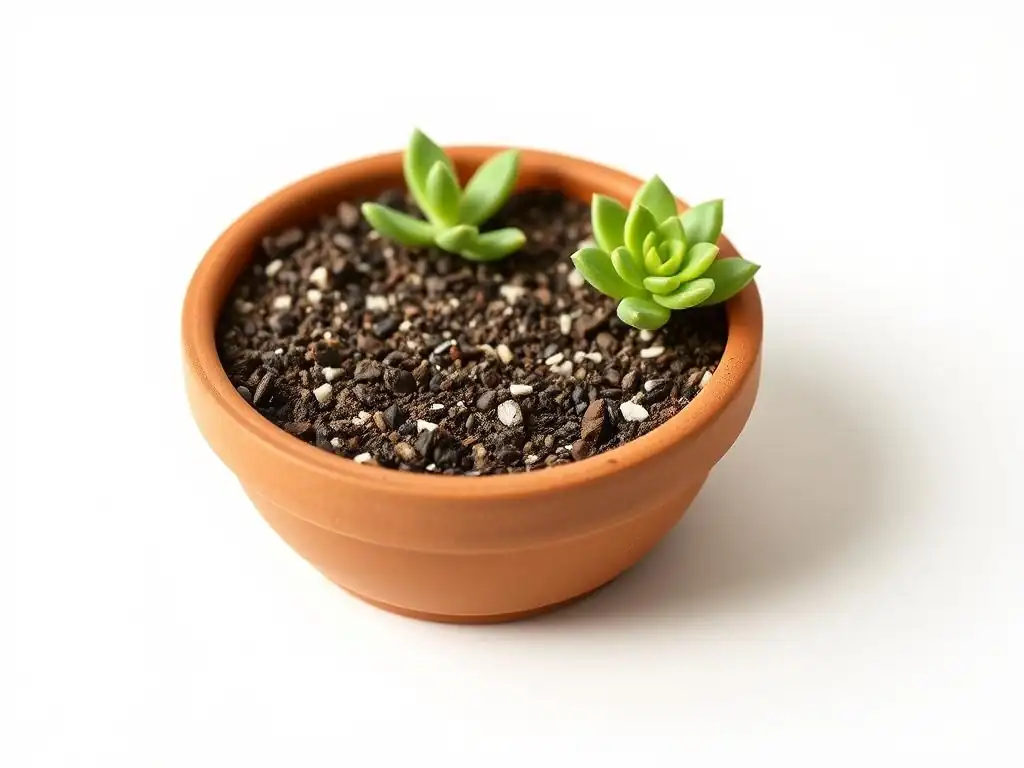
This section details how to practically apply the information on the best succulent soil amendments to create a thriving growing medium for your plants. Remember, the key to success lies in mimicking the succulents' native, well-draining environments. Overwatering is a common killer of succulents, so proper soil is paramount. We'll explore creating a custom blend tailored to your specific needs.
Step-by-Step Guide to Mixing Your Own Custom Succulent Soil
Creating your own succulent soil blend allows for precise control over drainage and nutrient content. Here's a simple, effective method:
- Gather Your Materials: You'll need a large container for mixing, potting soil (a low-nutrient blend is ideal), coarse sand (or perlite), pumice, and optional amendments like coco coir or vermiculite. The exact quantities will depend on your chosen ratio (discussed in the next section).
- Measure and Combine: Carefully measure out the desired amounts of each ingredient according to your chosen ratio. For example, a common ratio is 1 part potting soil : 1 part coarse sand : 1 part pumice.
- Thorough Mixing: Mix the ingredients thoroughly using your hands or a garden trowel until the blend is uniform in texture and color. Avoid overly compacting the soil mixture. A well-aerated mix is crucial for root health.
- Testing Drainage: A crucial step! Grab a small handful of your freshly mixed soil and gently squeeze it. It should hold its shape slightly, but water should drain freely. If it's too compact, add more pumice or perlite. If it's too loose, add a bit more potting mix.
- Potting Your Succulents: Gently fill your chosen pots with the custom blend, leaving some space at the top for watering. Plant your succulents, ensuring they are not buried too deeply.
Choosing the Right Ratio of Amendments Based on Your Succulent Type
The ideal ratio of soil amendments isn't one-size-fits-all. Different succulent species have varying needs. For instance, Echeveria species, known for their rosette formations, generally prefer a slightly more gritty mix than Sedum, which tend to be more tolerant of slightly richer soil.
| Succulent Type | Recommended Amendment Ratio | Notes |
|---|---|---|
| Echeveria, Sempervivum | 1 part potting mix : 2 parts coarse sand/perlite : 1 part pumice | Excellent drainage is crucial for these drought-tolerant varieties. |
| Sedum, Graptoveria | 1 part potting mix : 1 part coarse sand/perlite : 1 part pumice | Slightly more forgiving, but still needs good drainage. |
| Haworthia, Gasteria | 1 part potting mix : 1.5 parts coarse sand/perlite : 0.5 part pumice | These prefer a slightly finer texture, but still need excellent drainage. |
Remember to always prioritize good drainage. Adding too much organic matter can retain too much moisture, leading to root rot. Observe your succulents closely; their appearance will often signal whether the soil is appropriate.
Troubleshooting Common Soil Amendment Issues
Even with careful planning, problems can arise. Here's how to address some common issues:
- Poor Drainage: If you notice water sitting on top of the soil for extended periods, your mix is likely too fine. Amend with more pumice or perlite to increase drainage. Consider repotting your succulents into a well-draining mix.
- Overly Dry Soil: While succulents love well-draining soil, excessively dry soil can also stress them. If the soil feels bone dry even after watering, you may need to adjust the ratio by adding a small amount of coco coir or vermiculite to retain a bit more moisture. This is especially important for succulents in hot, dry climates.
- Nutrient Deficiency: While succulents don't need highly fertile soil, prolonged use of a low-nutrient mix can lead to nutrient deficiencies. Signs include stunted growth or pale leaves. In such cases, consider supplementing with a balanced, slow-release succulent fertilizer during the growing season. Avoid over-fertilizing, as this can also harm your succulents. Always follow the fertilizer's instructions carefully.
By understanding the nuances of soil amendments and proactively addressing potential issues, you can cultivate a thriving succulent collection, ensuring your plants flourish for years to come. Remember, observation and adaptation are key to mastering the art of succulent cultivation!
Maintaining Healthy Soil for Long-Term Succulent Success
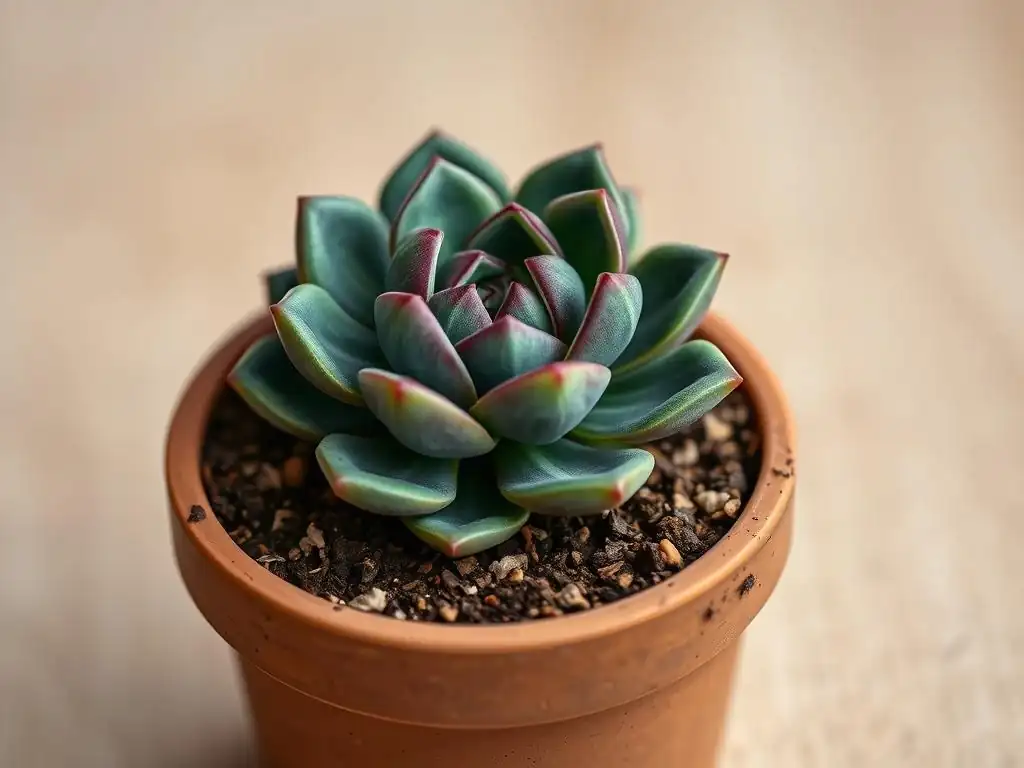
Maintaining healthy soil is paramount for the long-term success of your succulents. These plants, while known for their drought tolerance, still require well-draining soil rich in essential nutrients to truly thrive. Neglecting soil health can lead to a cascade of problems, from stunted growth and root rot to susceptibility to pests and diseases.
Therefore, understanding and implementing the best succulent soil amendments is crucial for achieving optimal results. Choosing the right amendments isn't just about aesthetics; it's about providing the ideal environment for robust root systems and vibrant growth. This section will delve into specific techniques and strategies to ensure your succulents receive the soil nutrition they need.
Recognizing Signs of Poor Soil Drainage and Nutrient Deficiency
One of the most common issues succulent enthusiasts face is poor soil drainage. This manifests in several ways: soggy soil that remains wet for extended periods, yellowing or browning leaves (especially lower leaves), soft or mushy stems, and ultimately, root rot. Root rot is a devastating condition that can quickly kill a succulent. The telltale signs include a foul odor emanating from the soil and the appearance of dark, mushy roots.
Nutrient deficiencies are another significant concern. While succulents are relatively low-maintenance, a lack of essential nutrients can lead to stunted growth, pale coloration, and a generally unhealthy appearance. Signs of nutrient deficiency can vary depending on the specific nutrient lacking. For example, a nitrogen deficiency might present as pale, yellowing leaves, while a phosphorus deficiency could result in slow growth and poor flowering. Understanding these visual cues is crucial for early intervention.
Regularly assessing your succulents for these symptoms is a proactive approach to ensure their health. You can improve soil drainage by adding amendments like perlite, pumice, or coarse sand to your potting mix. These materials increase porosity, allowing excess water to drain quickly. Similarly, incorporating organic matter, such as well-rotted compost, improves nutrient availability and soil structure. Consider using a balanced slow-release fertilizer specifically formulated for succulents to address nutrient deficiencies.
Repotting and Soil Refreshing Techniques for Thriving Succulents
Repotting is a critical aspect of maintaining healthy soil for succulents. As succulents grow, they deplete the nutrients in their soil, and the soil itself can compact, reducing drainage. Repotting allows you to refresh the soil with fresh, nutrient-rich amendments, ensuring optimal growth conditions.
The frequency of repotting depends on the growth rate of the succulent and the size of the pot. Generally, repotting every 1-2 years is recommended for most succulents, but faster-growing varieties might require more frequent repotting. When repotting, carefully remove the succulent from its current pot, gently loosen any compacted soil around the roots, and inspect the roots for any signs of rot or damage. Trim any damaged roots with sterilized pruning shears.
Choose a pot with adequate drainage holes and slightly larger than the previous pot. Use a well-draining potting mix specifically formulated for succulents, incorporating amendments like perlite, pumice, or coarse sand. Gently plant the succulent in the new pot, ensuring the crown is above the soil line.
Water lightly after repotting, allowing the soil to dry out completely before watering again. Regular soil refreshing, even without full repotting, can be beneficial. This involves top-dressing the soil with a layer of fresh potting mix, which replenishes nutrients and improves drainage.
Long-Term Soil Care Strategies for Continuous Growth
Maintaining healthy succulent soil is not a one-time task, but rather a continuous process. Consistent monitoring and proactive measures are essential to ensure your succulents thrive for years to come. To achieve long-term success, incorporate these strategies:
- Regular Monitoring: Regularly inspect your succulents for signs of poor soil drainage or nutrient deficiencies. Pay close attention to the soil moisture level and the overall health of the plants.
- Seasonal Adjustments: Adjust your watering and fertilizing schedule based on the season and the growth cycle of your succulents.
- Balanced Fertilization: Use a balanced, slow-release fertilizer specifically formulated for succulents. Avoid over-fertilizing, which can damage the roots and lead to salt buildup in the soil.
- Preventative Measures: Take preventative measures to avoid pest infestations and diseases. Good soil health contributes to a plant's overall resilience.
- Documentation: Keep a record of your soil amendments, watering schedule, and fertilization practices. This will help you track your progress and make informed decisions in the future. This detailed approach to soil management will ensure your succulents flourish and contribute to the overall beauty and health of your garden. Remember, the best succulent soil amendments are those that promote excellent drainage and provide a steady supply of essential nutrients, leading to strong, healthy succulents. 🌱
Eco-Friendly Gardening: The Benefits of Natural Amendments
This section explores the advantages of using natural amendments, specifically focusing on their positive impact on succulent cultivation and the broader environment. Choosing the best succulent soil amendments is crucial for healthy growth and a sustainable gardening practice. Natural amendments offer a compelling alternative to synthetic fertilizers, promoting a healthier ecosystem for your plants and the planet.
They contribute to a more balanced soil structure, improve water retention, and enhance nutrient availability in a way that's gentler on the environment than chemical-based options. The benefits extend beyond the immediate health of your succulents; they contribute to a larger picture of ecological responsibility.
Reducing Environmental Impact with Sustainable Soil Practices
Synthetic fertilizers, while effective in the short-term, often contribute to environmental pollution. Runoff from these fertilizers can contaminate waterways, harming aquatic life and disrupting delicate ecosystems. In contrast, natural amendments, such as compost, worm castings, and perlite, offer a sustainable alternative. These materials break down naturally, enriching the soil without introducing harmful chemicals. Using compost, for example, reduces landfill waste, a significant contributor to greenhouse gas emissions.
Worm castings, rich in beneficial microorganisms, improve soil structure and nutrient availability without the environmental drawbacks of synthetic fertilizers. The choice of natural amendments directly impacts the ecological footprint of your succulent gardening practices, reducing your contribution to pollution and promoting a healthier planet. This commitment to sustainable soil practices makes a noticeable difference in the long run. Consider the difference: a bag of synthetic fertilizer versus a bucket of locally-sourced compost – the environmental impact is vastly different. 🌱
Promoting Biodiversity in Your Succulent Garden with Natural Amendments
Beyond their environmental benefits, natural soil amendments significantly enhance the biodiversity of your succulent garden. A healthy soil ecosystem teeming with beneficial microbes and organisms is crucial for thriving plants. Natural amendments encourage the growth of these beneficial organisms, creating a more resilient and productive growing environment. For instance, adding aged manure or composted leaf mold introduces a diverse range of microorganisms that help break down organic matter, making nutrients more readily available to your succulents. This enhanced microbial activity also improves soil aeration and water retention, creating optimal conditions for root growth.
A diverse soil ecosystem is more resistant to pests and diseases, reducing the need for harmful pesticides. The result? Healthier, more vibrant succulents and a thriving garden ecosystem. Think of it as creating a mini-ecosystem within your pots, fostering a rich and balanced environment.
The Long-Term Cost Savings of Using Natural Amendments for Succulents
While the initial cost of some natural amendments may seem higher than synthetic fertilizers, the long-term benefits far outweigh the initial investment. Natural amendments improve soil structure and fertility over time, reducing the need for frequent fertilization. This translates to significant cost savings in the long run. Furthermore, healthier plants are less susceptible to diseases and pests, reducing the need for expensive treatments.
By choosing sustainable practices, you invest in the health of your succulents and the long-term viability of your garden. The initial investment in high-quality compost or worm castings will pay off handsomely in the years to come, resulting in healthier, more robust succulents and a more environmentally friendly gardening approach. This is a clear demonstration of how investing in the best succulent soil amendments can lead to significant cost savings and a healthier garden. 💰
Frequently Asked Questions
What are the best soil amendments for succulents?
The best soil amendments for succulents are those that improve drainage and aeration, preventing root rot. This includes materials like perlite, pumice, coarse sand, and grit. Avoid using materials that retain too much moisture.
How much amendment should I add to my succulent soil?
The ideal ratio is typically a 1:1 or 2:1 mix of succulent potting mix to amendment. Start with a smaller amount and adjust based on your soil's existing drainage. Always err on the side of better drainage.
Can I use homemade soil amendments for my succulents?
Yes, you can! Use clean, inert materials like crushed granite, small gravel, or even crushed terracotta pots. Ensure they are thoroughly cleaned to prevent introducing diseases or pests.
What are the signs of poor soil drainage in succulents?
Poor drainage leads to soggy soil, yellowing leaves, and root rot. You may also notice a foul odor from the soil. Address drainage issues promptly to save your succulents.
Are all soil amendments created equal for succulents?
No, different amendments offer varying benefits. Perlite improves aeration, while pumice enhances drainage and provides nutrients. Choose amendments based on your specific soil needs and the type of succulents you're growing.
Final Reflection: Cultivating Resilience, One Succulent at a Time
The secret to thriving succulents isn't just about the right soil; it's about mirroring nature's resilience. Understanding how to amend your soil to mimic the harsh, yet beautiful, environments where these plants naturally flourish unlocks their full potential, transforming your garden into a vibrant testament to adaptation. This isn't just about aesthetics; it's about fostering a deeper connection with the natural world and appreciating the power of mindful gardening.
The journey of learning about succulent soil amendments has been a profound one for me, highlighting the interconnectedness of seemingly disparate elements. It's shown me that even the smallest changes – a handful of perlite, a sprinkle of pumice – can have a significant impact on the health and vitality of these remarkable plants. The glory of gardening: hands in the dirt, head in the sun, heart with nature. To nurture a garden is to feed not just the body, but the soul.
This quote perfectly encapsulates the transformative power of nurturing these resilient plants, and the joy it brings.
Now, I invite you to consider your own garden, your own life. What "amendments" can you make to nurture your own resilience? Just as the right soil composition unlocks the potential of a succulent, identifying and addressing the elements that hinder your growth can lead to unexpected flourishing. Embrace the challenge, experiment with different approaches, and discover the unique blend that allows you to thrive, just like your succulents.
Unleash Your Succulents' Full Potential!
Thanks for exploring the world of thriving succulents! We hope you've discovered the benefits of using natural soil amendments and feel inspired to nurture your plants to their fullest potential. Now, it's time to put your new knowledge into practice.
- Craft your perfect succulent soil blend: Use the guide as a starting point, experimenting with different natural materials to create a custom blend tailored to your specific succulent varieties. Share your results and any insights you gain in the comments below!
- Repot your succulents: Give your plants a fresh, nutrient-rich environment. Now is the perfect time to tackle any overdue repotting.
- Share your successes (and challenges!): Connect with our community on social media and share photos of your flourishing succulents. Don't hesitate to ask for help if you encounter any problems—we're all learning together!
Ready to transform your succulent collection into a miniature botanical paradise? What's the first ingredient you'll add to your custom soil mix?