Organic Pest Control Methods for Succulents: Protect Your Plants Naturally
Welcome to our organic pest control guide, tailored specifically for succulent lovers on SucculentEssentials.org. Here, you’ll discover eco-friendly pest management strategies that keep your prized echeverias, jade plants, and lithops safe from invaders like mealybugs, spider mites, and fungus gnats—without harsh synthetic chemicals. We focus on natural remedies, biological controls, and preventative practices that align with sustainable gardening. Whether you're a beginner or a seasoned collector, these methods protect your plants, the soil microbiome, and beneficial insects. Let’s dive into safe, effective solutions that nurture your succulents while respecting the environment.
🐞 Identifying Common Pests on Succulents
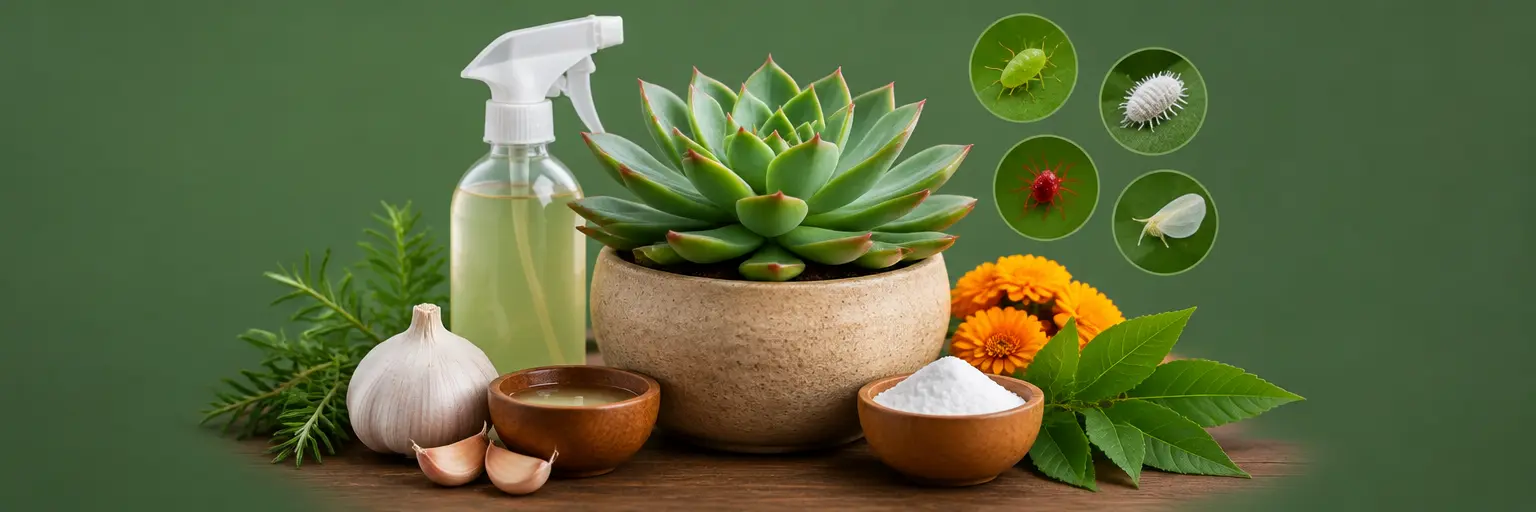
Before applying any organic pest control, you must accurately identify the culprit. Mealybugs appear as white cottony clusters on leaf axils, while spider mites leave fine webbing and stippled leaves. Scale insects look like brown bumps on stems, and fungus gnats hover around moist soil. Aphids cluster on new growth, and root mealybugs hide underground, causing wilting despite proper watering. Use a magnifying lens and inspect weekly, especially after bringing new plants home. Early detection is your best weapon—targeted natural remedies work far better than broad-spectrum sprays, and you’ll avoid unnecessary stress on your succulents.
Once identified, quarantine the affected plant to prevent spread. Remove visible pests with a soft brush or cotton swab dipped in rubbing alcohol (70% isopropyl). This manual removal is a cornerstone of eco-friendly pest management because it reduces pest populations immediately. For soil-dwelling pests, you may need to repot with fresh, sterile succulent mix. Keeping a pest journal helps you recognize patterns—for instance, spider mites thrive in dry, dusty conditions, while gnats indicate overwatering. Understanding these triggers allows you to adjust care routines proactively, reducing future outbreaks.
🌿 DIY Sprays and Natural Remedies
You don’t need commercial pesticides to fight pests. A simple neem oil spray (cold-pressed, 0.5% azadirachtin) mixed with water and a few drops of mild dish soap disrupts insect life cycles. Apply in the evening to avoid leaf burn in direct sun. Another favorite is a soap-water solution (1 teaspoon pure Castile soap per liter) that suffocates soft-bodied insects like aphids and mealybugs on contact. For spider mites, a forceful rinse with water removes webs, followed by a treatment of diluted rosemary oil. Always test any spray on one leaf and wait 24 hours—succulents are sensitive, and too strong a concentration can damage their waxy coating.
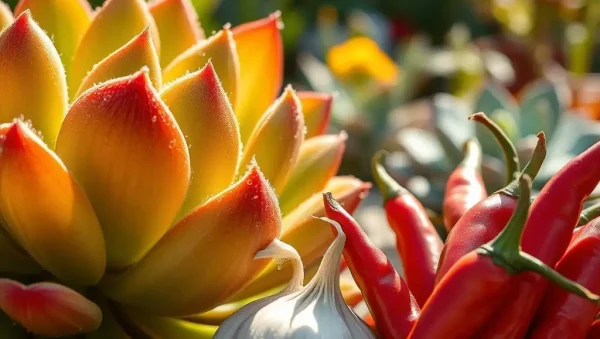
For persistent infestations, try garlic or chili pepper sprays. Blend 2 cloves of garlic and 1 dried chili with water, strain, and add a drop of oil; this deters pests without harming your plants. However, be cautious—these can irritate your skin and eyes, so wear gloves. Another underrated remedy is diatomaceous earth (food grade), which cuts through insects’ exoskeletons but is harmless to pets and people. Dust it lightly on soil and leaves, but reapply after watering. Rotate your remedies to prevent pest resistance, and remember: consistency beats intensity. Weekly applications during active infestations are more effective than a single heavy drench.
🌱 Biological Controls: Beneficial Insects
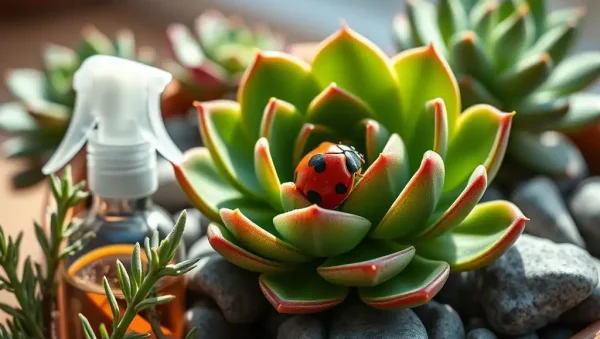
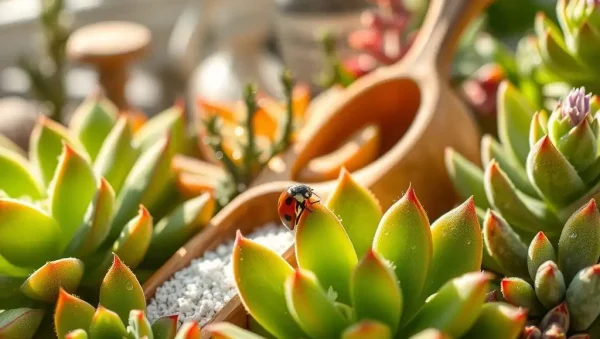
Introducing beneficial insects is a powerful, chemical-free pest control method that works in tandem with your succulent care. Ladybugs (or their larvae) devour aphids and mealybugs, while lacewing larvae target mites and thrips. For root pests, beneficial nematodes (Steinernema feltiae) are microscopic worms that seek out fungus gnat larvae in soil. You can order these online or at garden centers; release them in the evening when plants are calm and humidity is higher. This approach is perfect for greenhouse growers or indoor collections where natural predators are absent.
To make your garden inviting to these helpers, avoid broad-spectrum sprays even if organic, and plant companion flowers like dill or alyssum nearby. Beneficial mites, such as Amblyseius californicus, are available for spider mite prevention. Importantly, don’t expect instant results—biological controls build over 2–3 weeks. Monitor pest populations with sticky traps to gauge effectiveness. This method aligns with sustainable gardening because it creates a self-regulating ecosystem, reducing your intervention over time. For small potted collections, you can also hand-transfer predators between plants to ensure coverage.
🛡️ Preventative Cultural Practices
The best organic pest control is prevention. Succulents prefer well-draining soil and infrequent watering—allowing the top 2 inches to dry out completely discourages fungus gnats and root rot, which attract pests. Use pots with drainage holes and avoid saucer water buildup. Provide good air circulation via fans or open windows to reduce humidity, which mites and molds love. Also, sterilize your pruning tools with isopropyl alcohol before each use, and wipe down leaves with a damp cloth monthly to remove dust that hides pests. Inspect every new plant for 2 weeks in quarantine before integrating it.
Another key practice is seasonal inspection and cleaning. In late spring and early fall, repot succulents into fresh soil to refresh nutrients and remove pest eggs that may be dormant. Dispose of old soil away from your plants. Keep your work area organized—fallen leaves and debris can harbor pests. For outdoor succulents, consider a fine mesh netting during peak pest seasons, but remove it to allow pollinator access. Integrated Pest Management (IPM) combines these cultural practices with physical removal and biological controls, minimizing chemical use. A healthy succulent with proper light and water has natural resistance, so focus on holistic care.
⚠️ When to Resort to Organic Commercial Products
If DIY remedies fail, you can use OMRI-listed organic products (Organic Materials Review Institute) that are safe for succulents. Examples include pyrethrin sprays (derived from chrysanthemum flowers) that target hard-to-kill pests like scale, or insecticidal soaps from potassium salts of fatty acids. These break down quickly in the environment and won’t harm beneficial insects after drying. For systemic control on severe infestations, consider azadirachtin (neem extract concentrate) as a soil drench, which is absorbed by roots and disrupts pest development. Follow label instructions precisely—overdosing can cause leaf drop or discoloration.
Apply these products early in the morning or late evening to avoid sun stress, and never spray when temperatures exceed 85°F (29°C). Use a hand sprayer for precision, avoiding flowers to protect pollinators. Rotate between two or three different modes of action to prevent resistance. Keep records of what worked and what didn’t because local pest populations vary. Remember, even organic chemicals are tools—use them sparingly and as a last resort after physical and biological methods fail. Your goal is a balanced approach where chemicals are backups, not the primary strategy.
Frequently Asked Questions
How often should I apply neem oil spray on succulents?
Apply neem oil spray once every 7–10 days during an active infestation, but no more than 3 times in a row without seeing improvement. As a preventive, use it monthly during growing season. Always dilute (1–2 ml per liter) and add a drop of dish soap as an emulsifier. Avoid spraying in direct sunlight to prevent leaf burn, and wipe leaves with water if residue builds up.
Will organic pest control harm my succulent's waxy coating?
Most organic remedies, like neem oil or soap sprays, are safe if correctly diluted. However, using too high a concentration or spraying too frequently can strip the powdery farina (epicuticular wax) on succulents like echeveria, causing permanent blotches. Test on one leaf first, wait 48 hours, and use gentle Castile soap at half-strength if concerned. Rinse leaves with plain water after 30 minutes if you see etching.
Can beneficial insects survive indoors?
Yes, but they need a stable environment. Ladybugs and lacewings may fly away, so release them in a screened enclosure or greenhouse. Lacewing larvae and predatory mites (like Phytoseiulus persimilis) are less mobile and stay on plants. Provide a humid microclimate by misting occasionally and avoid using any sticky traps that might catch them. Indoor temperatures of 65–75°F are ideal; keep them away from air vents.
What is the best way to treat root mealybugs organically?
Root mealybugs are tricky because they hide in soil. Repotting with fresh sterile mix is the most effective organic method—remove all old soil, soak roots in a 1:3 dilution of hydrogen peroxide (3%) for 5 minutes, then rinse. For prevention, water with a neem oil soil drench monthly (1 tsp per quart). Add beneficial nematodes to the new soil to target any remaining eggs. Quarantine affected plants for 3 weeks.
Are coffee grounds or cinnamon effective against succulent pests?
Cinnamon powder works as a mild antifungal and deters fungus gnats when dusted on soil, but it’s not a strong insecticide. Coffee grounds can improve soil aeration but may encourage mold if over-applied. Neither reliably kills mealybugs or spider mites. For those, stick to insecticidal soap or neem. Use cinnamon only as a preventative companion, not a standalone treatment.