Seasonal Succulents: Attracting Pollinators YearRound
😊 Discover how strategically choosing and placing succulents can transform your garden into a year-round pollinator haven. SucculentEssentials.org reveals the secrets to…
Read article
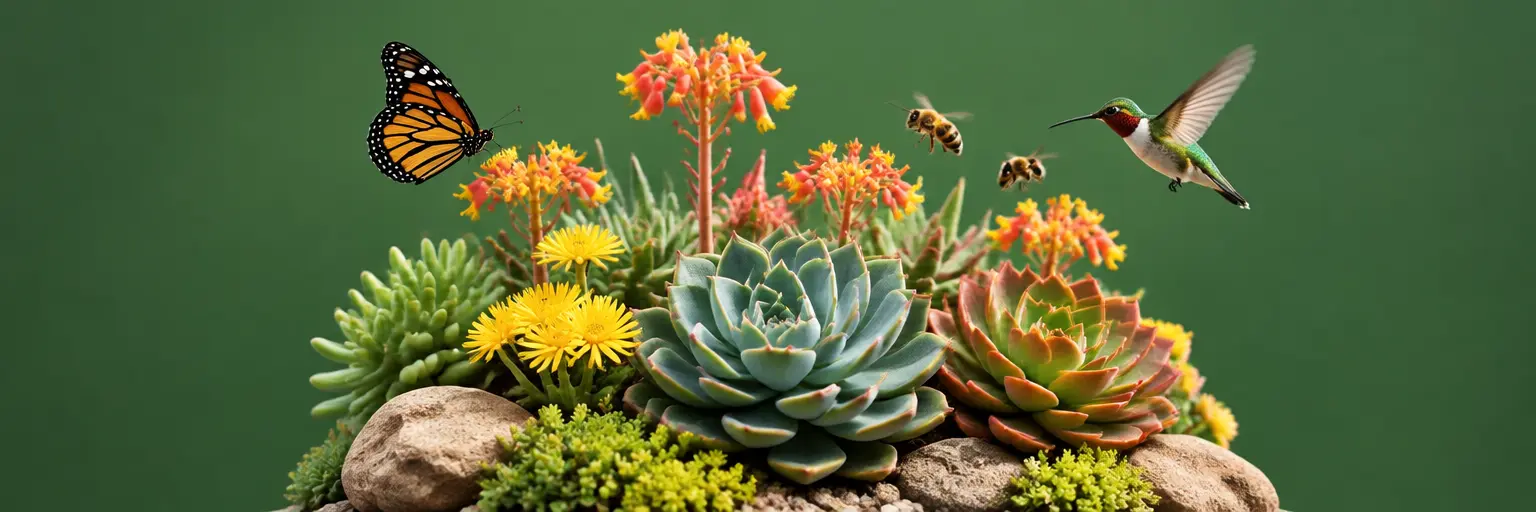
Transform your garden into a vibrant sanctuary for bees, butterflies, and hummingbirds with pollinator-friendly succulent gardens—a sustainable, eco-conscious choice that blends water-wise beauty with biodiversity. 🌿🦋 By pairing drought-tolerant succulents like sedums, echeverias, and aloes with nectar-rich blooms, you create a low-maintenance habitat that supports essential pollinators while conserving water. These gardens thrive in arid conditions, making them perfect for sustainable landscaping and eco-friendly gardening practices. Choose flowering varieties that open at different times to provide year-round food sources, and add shallow water dishes or stones for thirsty visitors. 🐝 Embrace the harmony of resilient succulents and vibrant pollinator life—a simple, impactful step toward a healthier ecosystem right in your backyard.
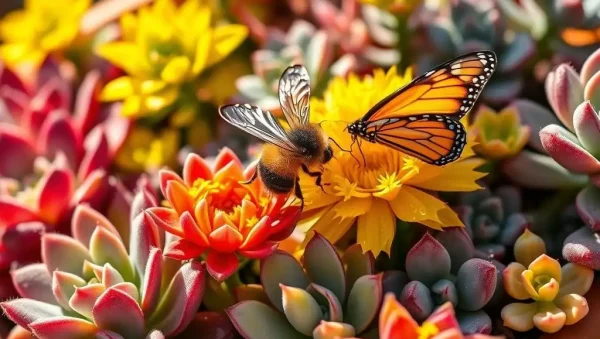
😊 Discover how strategically choosing and placing succulents can transform your garden into a year-round pollinator haven. SucculentEssentials.org reveals the secrets to…
Read article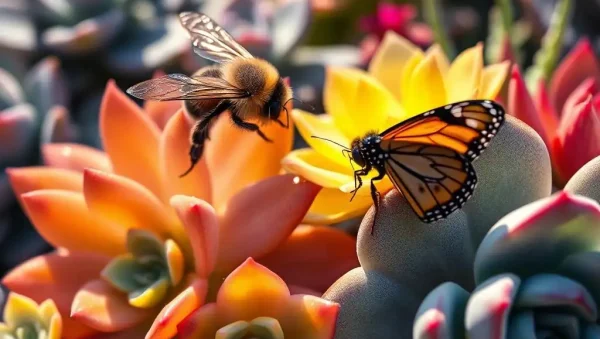
😊 Discover how succulents, surprisingly, attract pollinators! SucculentEssentials.org reveals how these drought-tolerant beauties boost your garden's biodiversity, offering simple ways to create…
Read article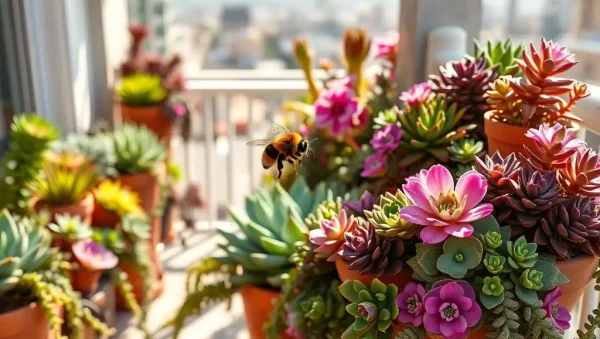
😊 Transform your balcony into a pollinator paradise! SucculentEssentials.org shows you how to choose the best balcony succulent pollinator plants for vibrant…
Read articleWelcome to SucculentEssentials.org, where we merge the beauty of drought-tolerant succulents with the vital mission of supporting bees, butterflies, hummingbirds, and other beneficial pollinators. In this subcategory, you’ll discover how to design and maintain a vibrant, low-water garden that not only survives arid conditions but also provides essential nectar, pollen, and habitat. From selecting the right flowering succulents like sedums and echeverias to incorporating native companion plants and avoiding harmful pesticides, this guide transforms your outdoor space into an eco-friendly sanctuary. Embrace sustainability while enjoying a colorful, resilient garden that buzzes with life.
Not all succulents are created equal when it comes to attracting pollinators. You’ll want to prioritize species that produce abundant, accessible flowers with long blooming periods. Sedum (stonecrop) is a top choice, especially varieties like ‘Autumn Joy’ and ‘Matrona,’ which offer clusters of star-shaped blooms that bees and butterflies adore. Also consider Echeveria and Graptopetalum, whose rosette flowers provide nectar for hummingbirds. For ground cover, opt for Delosperma (ice plant) with daisy-like blossoms in vibrant hues. Pair these with night-blooming succulents like Epiphyllum to attract moths.
Timing is critical: choose a mix of early, mid, and late-season bloomers to ensure a continuous food source. For example, Sempervivum blooms in summer, while Aloe species often flower in winter in mild climates, providing off-season sustenance. Avoid hybrids with sterile flowers, and always verify that a species is non-invasive in your region. By diversifying your succulent palette, you create a pollinator buffet that supports a wider range of beneficial insects, ensuring your garden remains lively from spring through fall.
Beyond flowers, pollinators need safe places to rest, nest, and hydrate. Incorporate rocks, logs, and bare soil patches between your succulents to create basking spots for butterflies and nesting areas for ground-nesting bees. Add a shallow dish with pebbles or a small birdbath with fresh water, refilling it regularly. For bee hotels, mount a wooden block with drilled holes or bundle hollow stems near your succulent bed. Imitate natural desert ecosystems by leaving some leaf litter and dried flower heads intact, as they provide overwintering shelter for ladybugs and solitary bees.
Think vertically to maximize space: plant tall succulents like Agave or Aloe at the back, mid-height ones like Kalanchoe, and low creepers like Sedum acre at the front. This layered structure mimics a wild habitat, offering different microclimates and hiding spots. Avoid using landscape fabric or heavy mulch, which blocks ground-nesting insects. Instead, use a thin layer of gravel or coarse sand. By designing with habitat in mind, your garden becomes a complete ecosystem, not just a collection of pretty plants.
While succulents are excellent, adding native non-succulent plants creates a richer foraging environment. Choose drought-tolerant natives like California poppy, blanket flower, salvia, and yarrow, which attract a wider variety of pollinators, including specialist bees. These companions not only provide nectar but also support larval host plants for butterflies. For example, milkweed (though not succulent) is essential for monarchs, and you can integrate it alongside your Agave or Euphorbia without compromising aesthetics. Interplanting these species fills gaps between succulents, reducing bare soil and preventing weeds.
Use a 70% succulent to 30% native flower ratio to maintain a cohesive look while boosting biodiversity. Consider planting in clusters of at least three of the same species to attract pollinators effectively—they prefer large patches of color. Additionally, stagger bloom times: spring bulbs like Iris, summer blooming Sedum, and autumn aster (native) ensure year-round activity. Avoid invasive non-natives that might outcompete your succulents. This synergy between succulents and native flora creates a resilient, low-maintenance garden that thrives with minimal irrigation—perfect for eco-conscious gardeners.
Pollinators are extremely sensitive to pesticides, including organic ones. Instead, adopt integrated pest management (IPM). Handpick common succulent pests like mealybugs or aphids, and blast them off with a water spray. Introduce beneficial insects such as ladybugs and lacewings, which prey on harmful pests. Neem oil, applied sparingly and only at dusk when pollinators are inactive, can handle severe infestations. Focus on prevention: ensure well-draining soil, avoid overwatering (which attracts fungus gnats), and provide adequate airflow to reduce disease. Healthy plants naturally resist pests.
For soil health, use a gritty, mineral-based succulent mix amended with compost to encourage robust root systems and beneficial microbial life. Avoid chemical fertilizers, which can encourage excessive floppy growth and reduce flower production. Instead, top-dress with worm castings in spring. Mulch with fine gravel to regulate soil temperature and deter slugs. Regularly remove dead leaves and spent blooms to reduce hiding spots for pests. By embracing a chemical-free approach, you protect all life in your garden, creating a safe haven for bees, butterflies, and beneficial wasps that will keep your succulents thriving.
Your pollinator-friendly succulent garden requires distinct care across seasons. In spring, after the last frost, prune winter-damaged stems and apply compost. This is also the peak blooming season for many Echeveria and Sedum—ensure they get at least six hours of sunlight. During summer, water deeply but infrequently (every 2-3 weeks) and provide afternoon shade for delicate species. Deadhead spent flowers to encourage repeat blooming, but leave some seed heads for birds. In fall, reduce watering and avoid fertilizing, as plants enter dormancy. Clear fallen leaves that could trap moisture and rot crowns.
Winter care depends on your zone: in cold climates, move container succulents to a sheltered area or indoors, while in mild zones, they remain outdoors. Protect any late-blooming Aloe from frost with cloth. Throughout the year, monitor for pests and refresh water sources for pollinators. Keep a small journal of which plants attract which visitors, then adjust your planting. This seasonal rhythm not only ensures pollinator activity but also extends the beauty of your garden. Remember, a well-maintained succulent garden can live for decades, providing ongoing ecological benefits with minimal effort.
Sedum ‘Autumn Joy,’ Echeveria elegans, and Delosperma cooperi are excellent starters. They are hardy, produce abundant flowers, and require minimal care. All offer accessible nectar for bees and butterflies, and they thrive in standard succulent conditions with bright light and infrequent watering.
Yes, but you’ll need to move pots outdoors during blooming periods or provide strong artificial light. Choose compact species like Haworthia and Gasteria, and place them near a sunny windowsill. For actual pollination, you can hand-pollinate using a soft brush, but outdoor exposure is best for insect visitors.
Succulents require well-draining, gritty soil to stay healthy, which indirectly supports pollinators by keeping plants vigorous and flowering. Mix 2 parts perlite, 1 part coarse sand, and 1 part potting soil. Avoid soil with added fertilizers that can alter bloom production.
First, use mechanical methods like water blasts or manual removal. For severe issues, apply neem oil diluted in water during early morning or late evening when pollinators are inactive. Always spot-test on a single leaf and avoid spraying flowers. Favor prevention through proper watering and airflow.
Yes, many succulents like Sempervivum and hardy Sedum are frost-tolerant down to -30°F. Plant them in containers or raised beds to improve drainage, and cover with frost cloth during extreme cold. During winter, reduce watering to prevent rot, and you’ll still support early-season pollinators in spring.