
Small Space, Big Impact: PollinatorFriendly Succulents for Balconies & Patios

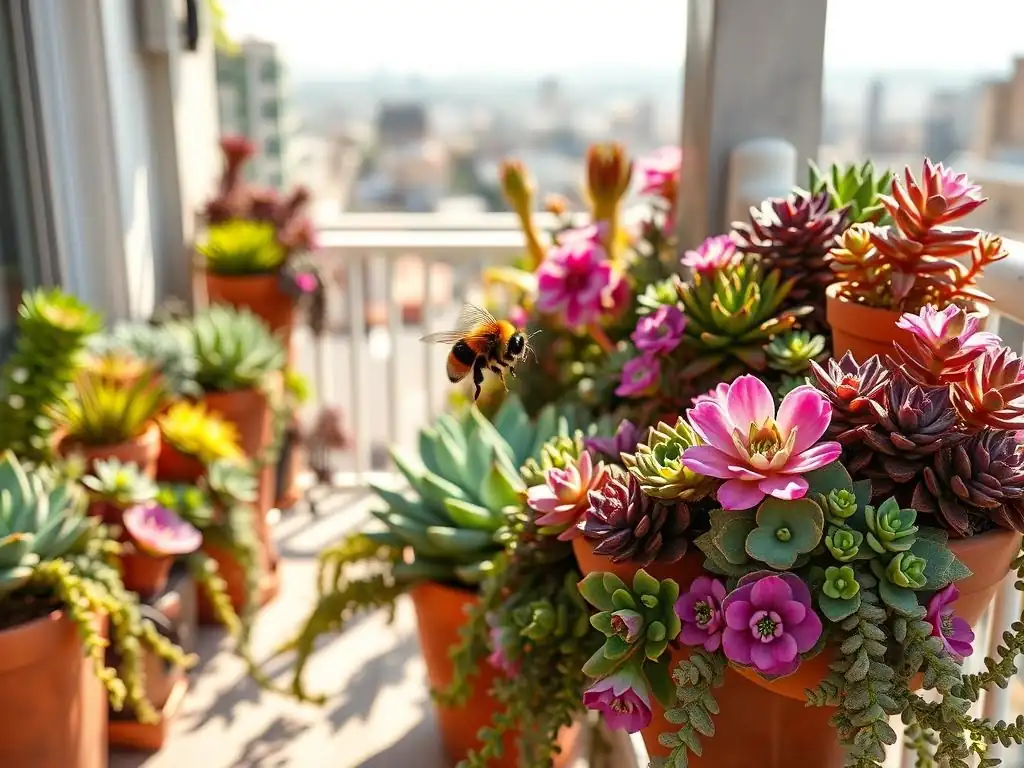
Welcome to SucculentEssentials.org, your gateway to the fascinating world of succulents! Are you ready to transform your balcony into a vibrant haven buzzing with life? Discover the secrets to cultivating Balcony succulent pollinator plants—a surprising blend of beauty and biodiversity that's perfect for even the smallest of spaces. We'll unveil how these drought-resistant wonders can thrive in any environment, attracting beneficial pollinators and adding a touch of sustainable elegance to your outdoor oasis. Let's explore the possibilities together!
- Choosing the Right Pollinator-Attracting Succulents for Your Balcony
- Creating a Thriving Pollinator Habitat on Your Patio or Balcony
- Maintaining Your Pollinator-Friendly Balcony Succulent Garden
- Extending Your Pollinator Garden Beyond Succulents
- Designing Your Balcony Succulent Garden for Maximum Pollinator Impact
- Frequently Asked Questions
- Final Reflection: Cultivating Connection, One Succulent at a Time
- Unleash Your Balcony's Buzz: Attract Pollinators Now!
Choosing the Right Pollinator-Attracting Succulents for Your Balcony
Creating a vibrant and pollinator-friendly succulent garden on your balcony, even a small one, is entirely achievable! This guide will walk you through selecting the perfect succulents to attract beneficial insects like bees and butterflies while adding a touch of beauty to your outdoor space. We'll explore the best varieties for small spaces, considering factors like bloom color, sunlight needs, and overall size to ensure your balcony garden thrives and contributes to a healthy ecosystem.
By carefully choosing your succulents, you can transform a small area into a buzzing haven for pollinators, all while enjoying the low-maintenance charm of these fascinating plants. This approach aligns perfectly with sustainable gardening practices, contributing to the health of your local environment and providing you with a beautiful, thriving balcony garden. Let's dive into the specifics of creating your own pollinator paradise!
Selecting Succulents with Vibrant Blooms: Attracting Bees and Butterflies to Your Balcony Garden
The key to attracting pollinators to your balcony succulent garden lies in choosing varieties known for their vibrant and nectar-rich blooms. Bees and butterflies are particularly drawn to bright colors and strong fragrances. While not all succulents boast showy flowers, many offer a delightful display that will lure these beneficial insects. Consider the following factors when making your selection:
- Color: Bright colors like red, orange, yellow, purple, and pink are generally the most attractive to pollinators. Look for succulents with flowers in these hues.
- Flower Shape: Tubular or open flowers often provide easier access to nectar for various pollinators.
- Fragrance: Some succulents produce a subtle fragrance which can further attract pollinators, especially at dawn and dusk. Check descriptions for details on scent.
- Blooming Season: Choose a mix of succulents with staggered blooming seasons to ensure a continuous supply of nectar and pollen throughout the warmer months. This will maximize the attraction and support for pollinators.
Remember, the more diverse your selection of bloom colors and shapes, the wider variety of pollinators you'll attract to your balcony garden. A diverse and vibrant display is key to supporting a healthy pollinator community.
Top 5 Balcony-Friendly Succulents for Pollinators
Creating a thriving pollinator-friendly succulent garden doesn't require a large space. Even small balconies can support a diverse range of plants. Here are five excellent choices known for attracting pollinators and thriving in containers:
| Succulent Name | Bloom Color(s) | Sunlight Needs | Size (approx.) |
|---|---|---|---|
| Sedum 'Autumn Joy' | Deep Pink/Burgundy | Full Sun to Part Shade | Medium |
| Echeveria 'Perle von Nürnberg' | Peach/Orange | Full Sun to Part Shade | Small to Medium |
| Dudleya brittonii | Yellow/Cream | Full Sun | Medium to Large |
| Sempervivum tectorum | Pink/Red/Purple | Full Sun to Part Shade | Small |
| Delosperma cooperi | Bright Pink/Orange | Full Sun | Medium |
These are just a few examples; many other succulents are suitable for attracting pollinators. Always research the specific needs of the succulents you choose to ensure they thrive in your balcony environment.
Considering Space and Sunlight Requirements for Balcony Succulent Gardens
Before you start planting, carefully assess your balcony's space and sunlight conditions. Succulents have varying needs, and choosing the right plants for your specific environment is crucial for their success.
- Space: Measure your available space carefully. Consider the mature size of each succulent to avoid overcrowding. Overcrowding can lead to poor air circulation and increased risk of disease.
- Sunlight: Most succulents need at least 6 hours of direct sunlight daily. Observe your balcony throughout the day to determine how much sunlight it receives. Choose succulents that match the sunlight conditions available. South-facing balconies generally receive the most sun.
- Container Size: Select appropriately sized containers for your chosen succulents. Ensure the containers have adequate drainage holes to prevent root rot. Larger containers will generally support larger plants. Consider using a mix of container sizes to add visual interest to your balcony garden.
By carefully considering these factors, you'll create a thriving and beautiful pollinator-friendly succulent garden that enhances both your balcony and the local environment. Remember, planning is key to success!
Creating a Thriving Pollinator Habitat on Your Patio or Balcony
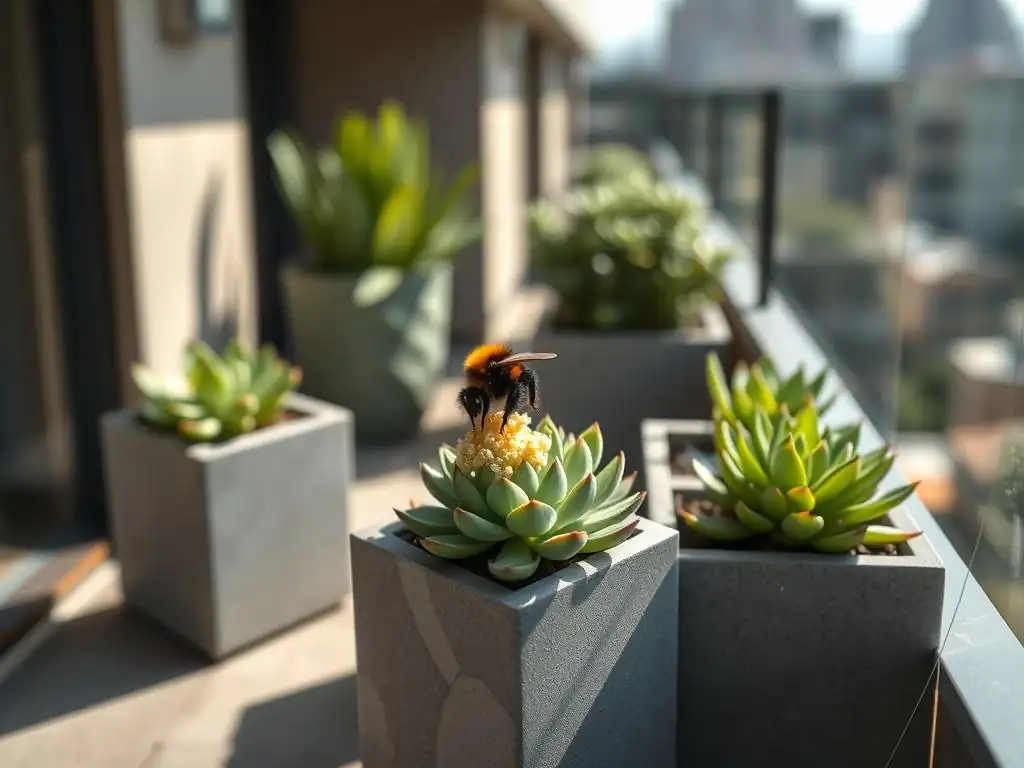
Transforming your small outdoor space into a vibrant pollinator haven is easier than you think, especially with the right succulent selection. Balcony succulent pollinator plants offer a unique opportunity to contribute to local ecosystems while enjoying the beauty of these resilient plants. The key lies in understanding the needs of both the succulents and the pollinators they attract. This section details how to create a thriving ecosystem, ensuring both your succulents and the beneficial insects flourish. We'll explore the best container options, appropriate soil and watering techniques, and supplementary feeding strategies to maximize your pollinator-friendly balcony garden.
Container Gardening for Pollinator-Friendly Succulents: Pots, Planters, and Hanging Baskets
Choosing the right containers is crucial for successful balcony succulent gardening. The size and material of your pots directly impact drainage, temperature regulation, and the overall health of your plants. For pollinators, consider a variety of container types to offer diverse microhabitats.
Here’s a breakdown of ideal container options:
| Container Type | Advantages | Disadvantages | Pollinator Benefits |
|---|---|---|---|
| Terracotta Pots | Excellent drainage, allows for good air circulation, aesthetically pleasing | Can dry out quickly, prone to cracking in freezing temps | Provides varied textures and basking spots for insects |
| Plastic Pots | Lightweight, inexpensive, durable, come in various sizes and colors | Can retain too much moisture if not well-draining | Easy to move and rearrange for optimal sun exposure |
| Hanging Baskets | Space-saving, creates vertical interest, allows for cascading plants | Requires more frequent watering, can be difficult to access | Offers unique foraging opportunities for pollinators |
| Self-Watering Planters | Reduces watering frequency, maintains consistent moisture | Can be more expensive, requires proper maintenance | Consistent moisture supports plant health, attracting pollinators |
Remember that proper drainage is paramount for succulents. Ensure your containers have drainage holes to prevent root rot. Consider adding a layer of gravel or broken pottery at the bottom of your pots to improve drainage further. The size of the container should also be appropriate for the size of the mature succulent. Overcrowding can lead to competition for resources and hinder growth.
Soil and Watering Requirements for Balcony Succulents: Ensuring a Healthy Ecosystem
The success of your pollinator-friendly balcony garden hinges on providing the correct soil and watering regimen. Succulents thrive in well-draining soil that mimics their natural environment. Overwatering is a common mistake that can lead to root rot and plant death. Conversely, underwatering can stress the plants, making them less attractive to pollinators.
- Soil Composition: Aim for a well-draining soil mix. A typical blend might include cactus and succulent potting mix, perlite, and coarse sand. Avoid using garden soil, as it retains too much moisture. The addition of perlite and sand improves aeration and drainage, preventing waterlogging.
- Watering Schedule: Water thoroughly when the soil is completely dry, allowing excess water to drain completely. The frequency of watering depends on factors like weather conditions, pot size, and the type of succulent. During hotter months, you may need to water more frequently. Always check the soil moisture before watering to avoid overwatering. A simple finger test is sufficient; if the top inch of soil is dry, it's time to water.
- Ecosystem Considerations: Remember that the soil's health directly impacts the pollinators you wish to attract. Avoid using chemical fertilizers or pesticides, opting for organic options instead. Healthy soil supports healthy plants, which in turn attract a greater diversity of beneficial insects.
Providing Supplemental Feeding for Pollinators
Attracting pollinators goes beyond just planting the right succulents. Providing supplemental feeding sources can significantly increase the number and diversity of pollinators visiting your balcony garden. This doesn’t require extensive effort; simple additions can make a big difference.
- Flowering Plants: Consider adding other pollinator-friendly flowering plants to your balcony garden. These can complement your succulents and provide a continuous source of nectar and pollen throughout the growing season. Choose plants with different bloom times to ensure a consistent food supply.
- Water Source: Provide a shallow dish of water with pebbles or marbles to prevent pollinators from drowning. This is especially important during hot and dry periods.
- Avoid Pesticides: Strictly avoid using pesticides, as these can harm or kill pollinators. Opt for natural pest control methods if necessary.
By following these guidelines, you can create a thriving pollinator habitat on your balcony or patio, enjoying both the beauty of your succulent collection and the vital role these insects play in our ecosystem. Remember, even a small space can make a significant contribution to pollinator conservation. 🐝🌼
Maintaining Your Pollinator-Friendly Balcony Succulent Garden
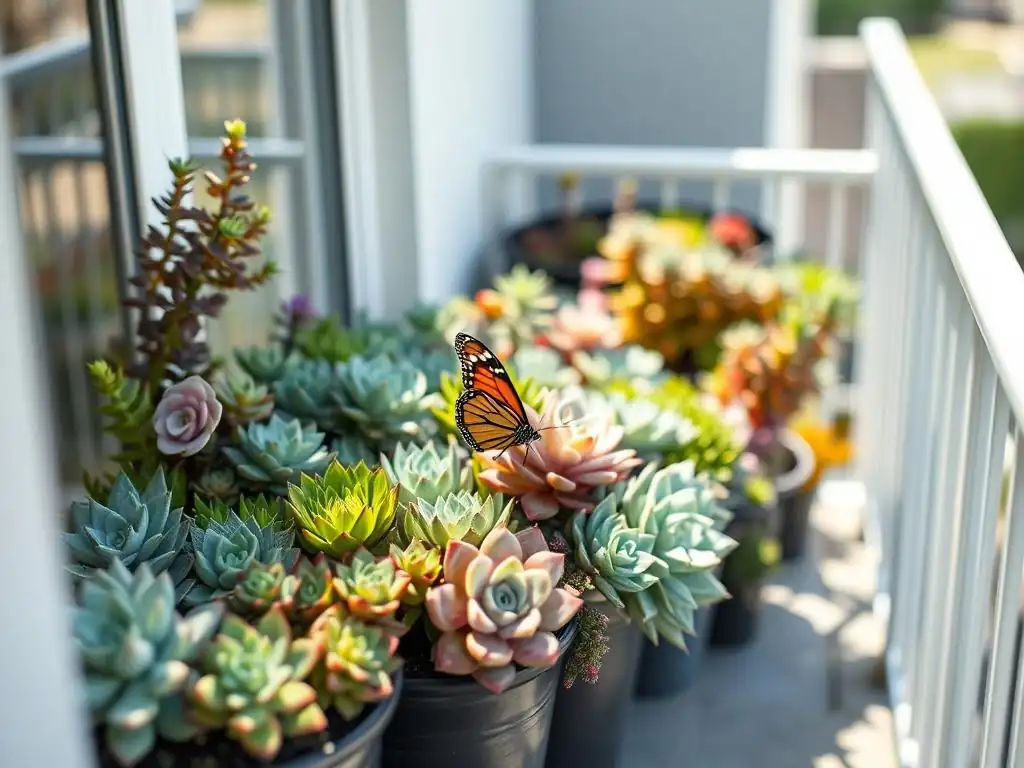
This section focuses on the ongoing care needed to keep your balcony succulent garden thriving and attractive to pollinators. Remember, a healthy garden is a happy garden, and happy plants attract more beneficial insects. We'll cover essential maintenance tasks to ensure your Balcony succulent pollinator plants flourish.
Regular Maintenance and Deadheading: Encouraging Continuous Blooming and Preventing Disease
Regular maintenance is crucial for the health and longevity of your balcony succulents, particularly if you're aiming to attract pollinators. Deadheading, the process of removing spent flowers, is key. By removing faded blooms, you prevent the plant from diverting energy into seed production and instead encourage the formation of new buds, leading to more continuous blooming. This extended flowering period provides a consistent food source for pollinators throughout the growing season. Moreover, removing dead or decaying flower stalks minimizes the risk of fungal diseases and pests.
Deadheading is straightforward: simply snip off the spent flower with clean, sharp scissors or pruning shears just below the faded bloom. For larger succulent varieties, you might need to use secateurs. Always sterilize your tools between plants to avoid spreading disease. A simple wipe down with rubbing alcohol is sufficient.
Beyond deadheading, regularly inspect your plants for any signs of disease or pest infestation. Early detection is key to preventing widespread problems. Look for discoloration, wilting, unusual spots, or the presence of insects. Addressing issues promptly will protect your entire collection. Addressing these issues promptly will help protect the health of your Balcony succulent pollinator plants.
Pest and Disease Control for Balcony Succulents: Organic Solutions for a Healthy Garden
While succulents are generally quite resilient, they can still fall prey to pests and diseases. On balconies, the close proximity of plants increases the risk of infestation spreading. Prioritizing organic pest control methods is essential, especially when aiming to attract beneficial pollinators. Harsh chemicals can harm these vital insects.
Common pests include mealybugs, aphids, and spider mites. For minor infestations, a gentle spray of water can dislodge many of these pests. For more persistent problems, consider using insecticidal soap, neem oil, or diatomaceous earth. These are all relatively safe for pollinators and other beneficial insects while effectively controlling pests.
Remember to always follow the product instructions carefully and test any new treatment on a small area of the plant first to check for adverse reactions. Prevention is better than cure. Ensure good air circulation between plants to discourage pest buildup, and avoid overwatering, as damp conditions encourage fungal growth. Regularly checking your Balcony succulent pollinator plants for any signs of pests or diseases is crucial for maintaining a healthy garden.
Overwintering Your Balcony Succulents: Protecting Plants During Cold Weather
Many succulents are surprisingly hardy, but prolonged exposure to freezing temperatures can damage or even kill them. Overwintering your balcony succulents requires planning and preparation, especially if you live in an area with harsh winters.
The first step is to assess the hardiness of each succulent species. Some can tolerate light frost, while others require more protection. If temperatures are expected to drop below freezing, consider moving your pots to a sheltered location such as a garage, shed, or even indoors near a sunny window. Alternatively, you can protect your plants in situ using frost blankets, cloches, or by grouping the pots together and wrapping them in bubble wrap.
Before moving your plants indoors, ensure that they are completely dry to prevent rot. Reduce watering frequency during the winter months as succulents require less moisture when dormant. Regularly check your plants for any signs of damage and adjust your protection accordingly. Proper overwintering care ensures that your Balcony succulent pollinator plants survive the cold and return to full glory in the spring, ready to attract pollinators once more.
Extending Your Pollinator Garden Beyond Succulents
Adding Complementary Plants to Attract a Wider Range of Pollinators
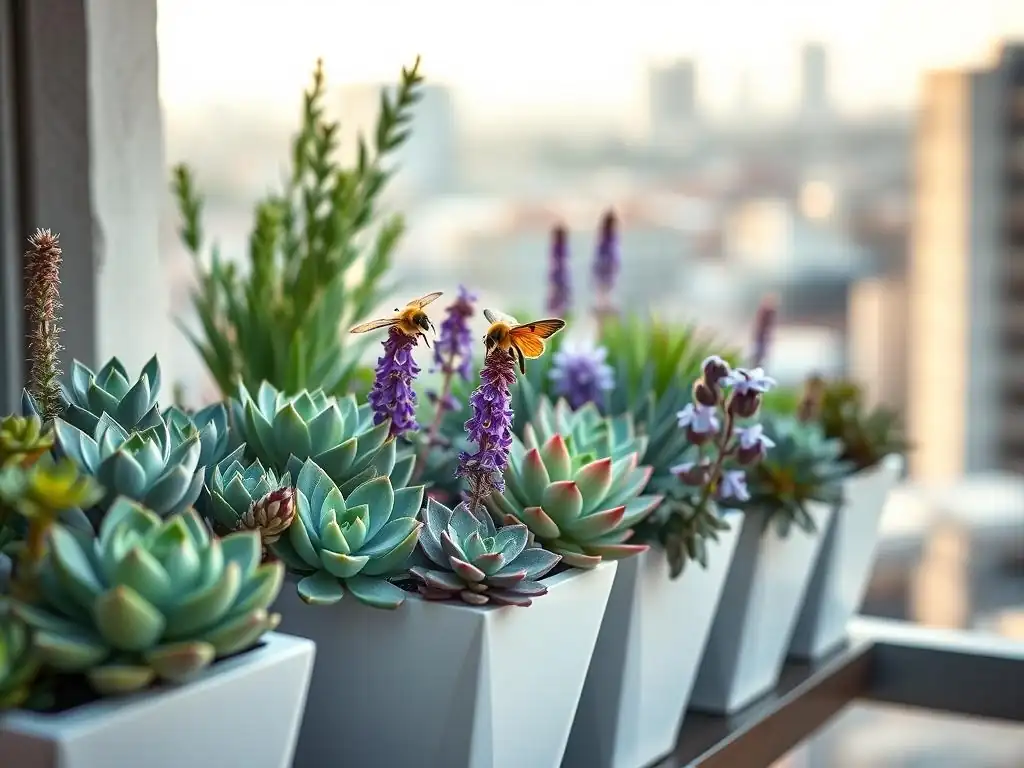
Expanding your balcony or patio pollinator garden beyond succulents significantly increases its effectiveness. While succulents offer nectar and pollen to certain pollinators, incorporating diverse plant species broadens the appeal and supports a wider range of beneficial insects and birds. Think of it as creating a buffet, not just a single dish!
Consider adding flowering herbs like lavender, rosemary, and thyme. These fragrant plants not only attract pollinators but also add delightful scents to your outdoor space. Their nectar-rich blossoms are particularly attractive to bees and butterflies. For example, a single lavender plant can host dozens of bees on a sunny afternoon.
Another excellent addition are brightly colored annuals such as zinnias and cosmos. These offer a continuous bloom throughout the growing season, providing a consistent food source for pollinators. Zinnias, in particular, are known for their ability to attract a wide variety of pollinators, including hummingbirds. Their vibrant colors and abundant nectar make them irresistible.
Don't overlook the power of native plants! Researching native flowering plants suitable for your region is crucial. These plants are adapted to your local climate and soil conditions, requiring less maintenance and providing optimal nourishment for native pollinators. They often have co-evolved relationships with specific pollinators, ensuring a mutually beneficial relationship.
Creating a Water Source for Pollinators
Providing a reliable water source is just as important as providing food. Pollinators, especially bees, need access to water for hydration, especially during hot and dry periods. Dehydration can significantly impact their ability to forage and pollinate.
A simple shallow dish filled with water and pebbles is an effective solution. The pebbles provide landing spots for pollinators to drink without drowning. You can even add a few drops of honey or sugar water for extra attraction, though this shouldn't be a primary source of nutrition. Remember to change the water regularly to prevent bacterial growth and keep it fresh.
Consider a birdbath if you're attracting hummingbirds or other birds. A shallow, stable birdbath will provide a safe place for them to drink and bathe. Make sure the edges are shallow enough for smaller birds to access comfortably. Regular cleaning is crucial to prevent the spread of disease.
Implementing these simple strategies can significantly improve the overall health and diversity of your pollinator community, creating a thriving ecosystem even in a small space. Remember that a healthy pollinator population is essential for the health of your entire garden, including your cherished succulents! By providing both food and water, you're creating a truly welcoming and sustainable habitat.
Designing Your Balcony Succulent Garden for Maximum Pollinator Impact
This section focuses on optimizing your balcony succulent garden to attract and support pollinators. Remember, a thriving pollinator-friendly environment isn't just about the plants; it's about creating a welcoming habitat. Careful planning ensures your balcony becomes a buzzing hub of activity.
Arranging Succulents to Maximize Visual Appeal and Pollinator Attraction
The arrangement of your succulents significantly impacts both aesthetic appeal and pollinator attraction. Think beyond simply placing pots in a row. Consider these strategies:
- Cluster Planting: Grouping succulents of varying heights and textures creates visual interest and provides diverse microclimates, attracting a broader range of pollinators. For instance, a cluster might include a taller Agave variety, a mid-height Echeveria, and a low-growing Sedum.
- Color Coordination: Incorporate succulents with a variety of bloom colors. Bright, vibrant colors, like the sunny yellows of Sedum acre or the deep pinks of Echeveria 'Perle von Nürnberg', are particularly attractive to bees and butterflies. Consider a color wheel to create a harmonious and eye-catching display.
- Strategic Placement: Place your most vibrant and fragrant succulents in areas with the most sunlight and visibility. This maximizes their attractiveness to pollinators. Remember that pollinators are most active during the warmest parts of the day, so positioning is key.
- Variety is Key: Don't just plant one type of succulent. The more diverse your selection of balcony succulent pollinator plants, the more diverse the range of pollinators you'll attract. Include different shapes, sizes, and bloom times to ensure continuous attraction throughout the growing season.
Here's a sample arrangement showcasing this principle:
| Plant | Height (inches) | Bloom Color | Pollinator Attraction |
|---|---|---|---|
| Sedum spurium | 4-6 | Pink, Purple | Bees, Butterflies |
| Echeveria | 6-8 | Orange, Yellow | Bees, Hummingbirds |
| Sempervivum | 2-4 | Pink, Red | Bees, Butterflies |
Remember to choose succulents known for their nectar-rich flowers, attracting a wider array of pollinators.
Using Vertical Space Effectively: Vertical Gardening Techniques for Small Balconies
Small balconies don't mean limited gardening potential. Vertical gardening techniques maximize space and create stunning visual displays, perfect for attracting pollinators to your balcony succulent pollinator plants.
- Wall-Mounted Planters: These space-saving solutions allow you to utilize otherwise unused wall space. Choose lightweight planters to avoid stressing your balcony's structure.
- Trellises and Hanging Baskets: Hanging baskets and trellises add visual height and depth to your balcony garden. Trailing succulents, such as Sedum morganianum (Burro's Tail), cascade beautifully from hanging baskets, attracting pollinators from below and above.
- Vertical Planters: These innovative designs offer multiple levels for planting, increasing the overall plant density and providing diverse habitats for pollinators. Consider a modular system that allows for customization and easy expansion.
By utilizing these vertical gardening strategies, you can create a lush and vibrant pollinator-friendly haven even in the smallest of spaces. The key is to think creatively and utilize every available inch. Careful planning and selection of balcony succulent pollinator plants will ensure a successful vertical garden.
Incorporating Natural Elements: Stones, Wood, and Other Natural Elements to Enhance the Garden's Aesthetics and Functionality
Beyond succulents, incorporating natural elements significantly enhances your balcony garden's aesthetics and functionality, creating a more welcoming environment for pollinators.
- Natural Stone: Adding stones provides drainage, helps retain moisture, and adds a visually appealing textural element. Consider using river rocks or larger stones to create pathways or borders. This also helps to prevent soil erosion.
- Wood Elements: Wooden planters, trellises, or even small pieces of driftwood add warmth and a natural aesthetic. Ensure the wood is treated appropriately for outdoor use to prevent rot.
- Other Natural Materials: Consider incorporating other natural materials such as coco coir, pebbles, or even small branches to enhance the natural look and feel of the garden. These materials provide shelter and habitat for beneficial insects.
By strategically integrating these elements, you create a more complex and inviting ecosystem, enriching the biodiversity of your balcony garden and maximizing its appeal to pollinators. Remember to consider the overall design and ensure that these additions complement the succulents and the overall aesthetic of your balcony. A carefully planned integration of natural elements will transform your balcony into a thriving pollinator haven.
Frequently Asked Questions
What are some pollinator-friendly succulents for balconies?
Many succulents attract pollinators! Consider Sedum, Echeveria, and Dudleya species. These offer nectar-rich flowers that bees and butterflies love.
How much sun do pollinator-friendly succulents need?
Most pollinator-attracting succulents thrive in at least six hours of sunlight daily. A south- or west-facing balcony is ideal. Adjust accordingly based on your specific climate.
Are all succulents pollinator-friendly?
No, not all succulents attract pollinators. Some have inconspicuous flowers or produce little to no nectar. Choose varieties known for their vibrant blooms and attractive scents.
How can I attract more pollinators to my balcony succulents?
Provide a diverse range of succulent species with varying bloom times. Avoid using pesticides and provide a water source nearby, like a shallow dish of water with pebbles.
What is the best time of year to plant pollinator-friendly succulents on my balcony?
The best time is usually spring or fall, when temperatures are mild and the plants have time to establish themselves before extreme heat or cold. Avoid planting during the hottest part of summer.
Final Reflection: Cultivating Connection, One Succulent at a Time
The decline of pollinators is a global crisis, but even a small balcony can become a vital habitat, proving that impactful change begins with individual action. We've explored the surprising world of pollinator-friendly succulents, demonstrating how these often-overlooked plants offer a vibrant and low-maintenance solution for urban gardeners eager to contribute to biodiversity. Their resilience and beauty make them perfect for even the smallest of spaces, transforming concrete jungles into buzzing havens.
The journey of learning about these miniature ecosystems has been profoundly rewarding. Witnessing the delicate dance between pollinators and succulents, even on a tiny balcony, underscores the interconnectedness of life. We do not inherit the earth from our ancestors, we borrow it from our children.
This quote, often attributed to Native American proverb, resonates deeply as we consider our responsibility to protect the environment, even in seemingly insignificant ways. The simple act of planting a few pollinator-friendly succulents becomes a powerful statement about our commitment to a healthier planet.
Now, consider your own space. Do you have a balcony, a patio, even a window box? Imagine the vibrant colors and the gentle hum of bees and butterflies drawn to these resilient plants. It's time to transform your small space into a haven for pollinators, a testament to the power of individual action and a small step towards a larger, more sustainable future. Let the beauty and resilience of succulents inspire you to cultivate connection, not just with nature, but with the vital role we all play in protecting it.
Unleash Your Balcony's Buzz: Attract Pollinators Now!
Thanks for exploring the world of pollinator-friendly succulents! We hope you're brimming with ideas for your balcony or patio oasis. Now let's put that knowledge into action.
- Create your perfect pollinator haven: Start by selecting a few succulent varieties from our list to add to your existing containers or create new miniature gardens. Choose varieties that thrive in your space and sunlight conditions, keeping the pollinators' needs in mind.
- Share the joy: Tell your friends and neighbors about the benefits of pollinator-friendly succulents. Inspire them to create their own vibrant, eco-friendly spaces. Share photos of your progress on social media using #SucculentPollinators!
- Learn more: Discover more about succulent varieties and their impact on your local ecosystem by exploring our detailed plant guides on SucculentEssentials.org.
Ready to transform your small space into a vibrant pollinator haven? Which succulent will you plant first?