
Seasonal Succulents: Attracting Pollinators YearRound

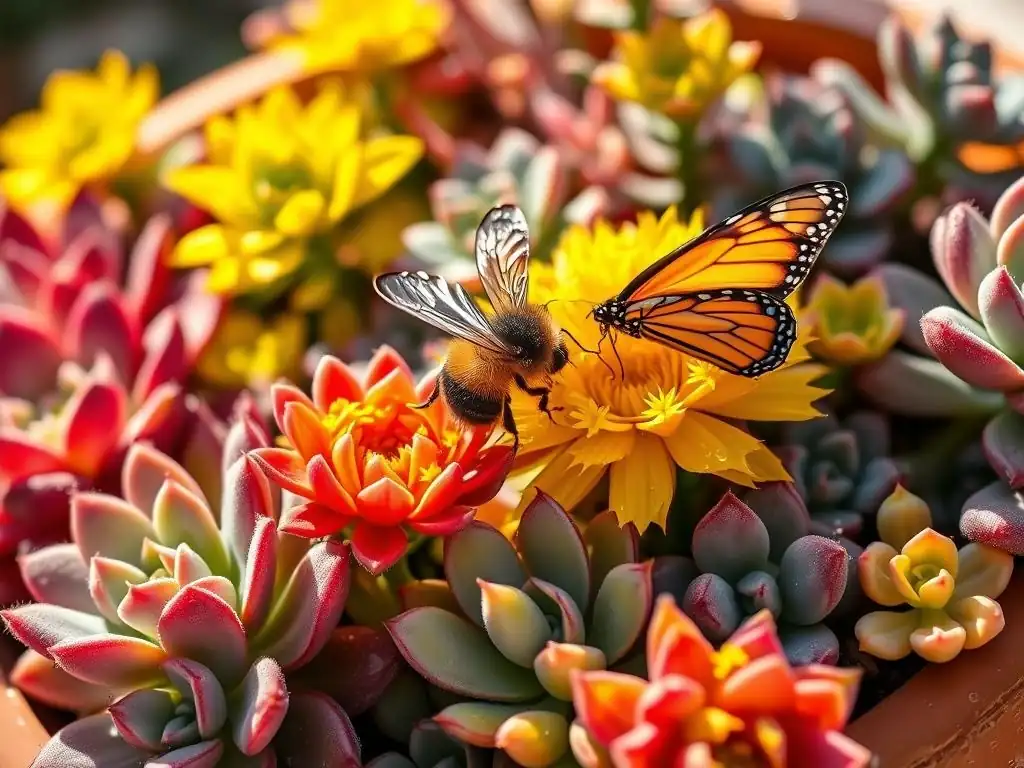
Welcome to SucculentEssentials.org, where the fascinating world of succulents unfolds! Are you ready to unlock the secrets to thriving succulent gardens and discover a surprisingly vibrant role they play in supporting local ecosystems? Dive into our expert guide on how to attract pollinators with succulents, and learn how these drought-tolerant beauties can transform your outdoor space into a buzzing haven of life. Explore the captivating connection between these unique plants and the essential pollinators that keep our world blooming. Let's cultivate a more vibrant and sustainable future, one succulent at a time.
- Understanding the Role of Succulents in Pollinator Gardens
- Selecting Succulents for Year-Round Bloom
- Creating a Pollinator-Friendly Succulent Garden Design
- Maintaining Your Pollinator-Friendly Succulent Garden
- Beyond the Basics: Advanced Techniques to Attract More Pollinators with Succulents
- Frequently Asked Questions
- Final Reflection: Cultivating a Thriving Ecosystem, One Succulent at a Time
- Unleash Your Inner Gardener: Attract Buzzing Beauty All Year
Understanding the Role of Succulents in Pollinator Gardens
Succulents, often admired for their striking beauty and low-maintenance nature, play a surprisingly significant role in supporting vibrant pollinator populations. Contrary to the common misconception that these drought-tolerant plants are solely decorative, many succulent species offer a vital source of nectar and pollen, crucial for the survival and thriving of bees, butterflies, hummingbirds, and other beneficial insects.
This article delves into the world of pollinator-friendly succulents, exploring why they are a valuable addition to any garden aiming to attract these essential creatures year-round, and how to cultivate a thriving ecosystem that benefits both your garden and local biodiversity. We'll cover selecting the right succulent varieties, understanding their ecological contributions, and building a sustainable pollinator haven that bursts with life and color throughout the seasons.
By understanding the unique contribution succulents make to pollinator habitats, you can create a beautiful and ecologically responsible garden that supports a thriving ecosystem. Learn how to effectively attract pollinators with succulents and contribute to a healthier environment.
Why Choose Succulents to Attract Pollinators?
Succulents offer several advantages for attracting pollinators compared to other plant types. Their diverse flowering periods ensure a continuous food source throughout the year, unlike many plants that bloom only for a short season. Many succulent flowers are rich in nectar and pollen, providing substantial sustenance for pollinators. Furthermore, their drought tolerance makes them ideal for low-water landscapes, reducing the need for excessive irrigation and promoting water conservation – a key consideration in creating a sustainable pollinator garden.
The varied shapes, sizes, and colors of succulent flowers also attract a wider range of pollinators, increasing biodiversity within your garden. Finally, their relatively low maintenance requirements make them a practical choice for gardeners of all skill levels, allowing you to focus on creating a thriving pollinator habitat without overwhelming time commitments. The ease of propagation also allows for expansion of your pollinator-friendly garden over time.
Succulents and Biodiversity: Supporting Local Ecosystems
Integrating succulents into your garden design contributes significantly to local biodiversity. By providing a reliable food source for pollinators, you're supporting the complex web of life that sustains healthy ecosystems. Pollinators are essential for the reproduction of many plants, including those crucial for food production and environmental health.
A diverse range of succulent species attracts a wider variety of pollinators, fostering a more resilient and balanced ecosystem. This, in turn, supports other beneficial insects and animals that rely on these pollinators for sustenance. Creating a haven for pollinators within your garden can have a ripple effect, positively impacting the broader environment.
This is especially crucial in urban areas, where green spaces are often limited, and pollinator habitats are fragmented. The beauty of a pollinator-friendly succulent garden is further enhanced by the knowledge that you are actively contributing to the health and wellbeing of the natural world. The impact extends beyond your own yard, contributing to the broader ecological health of your community.
Choosing Pollinator-Friendly Succulent Varieties
Not all succulents are created equal when it comes to attracting pollinators. Some species produce more nectar and pollen than others, while the flower structure and color also influence their attractiveness to different pollinators. Researching specific succulent varieties known for their pollinator appeal is essential for creating a truly effective garden. Consider factors such as bloom time, flower color, and the type of pollinators each variety attracts.
For example, brightly colored flowers often attract butterflies, while tubular flowers may be more appealing to hummingbirds. Selecting a variety of succulents with different bloom times ensures a continuous supply of nectar and pollen throughout the year. Consulting with local nurseries or online resources can provide valuable insights into species that thrive in your specific region and are known to attract local pollinator populations. Careful planning and selection will ensure a vibrant and effective pollinator-friendly succulent garden.
Selecting Succulents for Year-Round Bloom
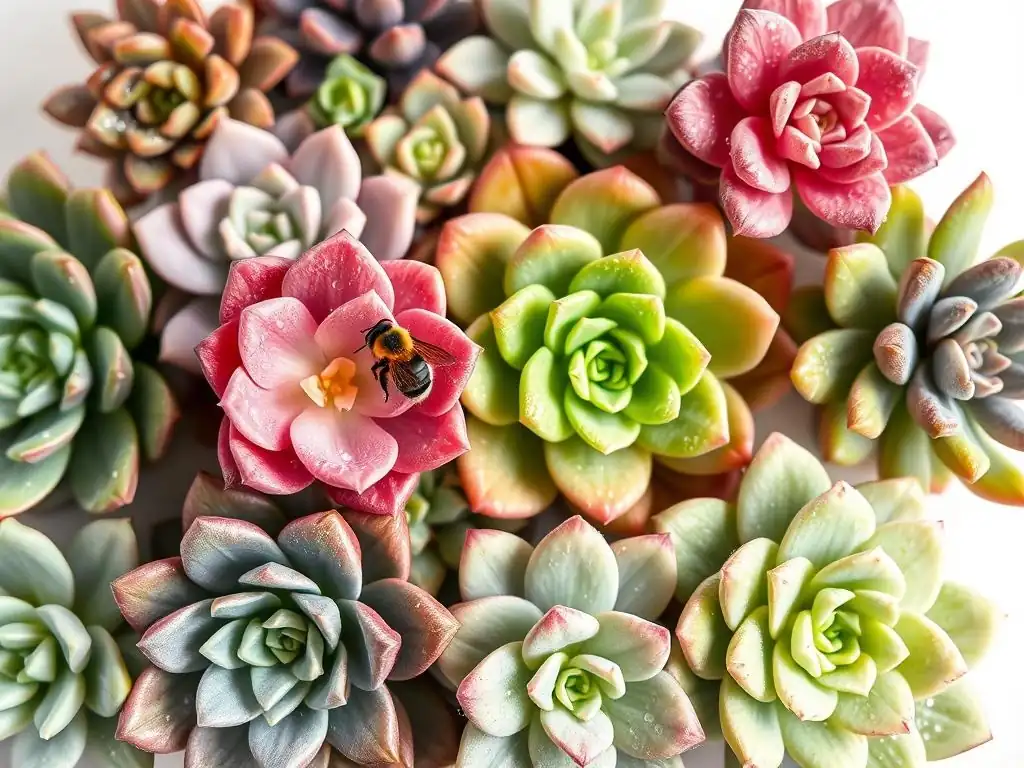
Choosing succulents to attract pollinators year-round requires careful consideration of bloom times and pollinator preferences. Not all succulents bloom with the same vigor or attract the same pollinators. The key is to diversify your succulent garden with species that flower sequentially throughout the year, ensuring a continuous food source for beneficial insects.
This approach maximizes the positive impact on your local pollinator population and creates a vibrant, ever-changing display in your garden. Remember that the intensity of bloom and the specific pollinators attracted can vary based on your geographic location, sunlight exposure, and the overall health of your plants. Precise data on pollinator attraction for every succulent variety is still under research, but general observations and anecdotal evidence provide a solid foundation for planning.
Spring Blooming Succulents for Early Pollinators
Spring marks the awakening of many pollinators after winter dormancy. Early-blooming succulents are crucial for providing them with much-needed nectar and pollen. Consider these options:
- Sedum 'Dragon's Blood': This sedum variety offers vibrant red blooms in early spring, attracting bees and butterflies eager for a post-winter feast. Its compact size makes it ideal for borders or rock gardens. Anecdotal evidence suggests strong bee activity around these blooms.
- Echeveria 'Perle von Nürnberg': Known for its beautiful rosette and powdery coating, this echeveria produces delicate, bell-shaped flowers in spring, typically attracting smaller pollinators like hoverflies. Its relatively low maintenance nature makes it a good choice for beginners.
- Dudleya brittonii: This succulent, native to California, boasts striking yellow-green flowers in early spring. It's a great option for attracting native pollinators to a more regionally-focused garden. [Specific pollinator attraction data pending for this species].
The timing of these blooms is crucial. Early spring pollinators, often emerging before other flowering plants are abundant, rely heavily on these early nectar sources. Providing these early blooms can significantly contribute to the health and survival of these important insects.
Summer Succulents: Attracting Bees and Butterflies
Summer brings a surge in pollinator activity, with bees and butterflies particularly abundant. Summer-blooming succulents should be chosen for their vibrant colors and abundant nectar production.
- Sedum 'Autumn Joy': Although the name suggests autumn bloom, 'Autumn Joy' often starts flowering in late summer, providing a continuous source of nectar well into fall. Its large flower heads are incredibly attractive to bees and butterflies.
- Graptoveria 'Debbie': This hybrid succulent offers clusters of pink and red flowers throughout the summer months. Its relatively low water requirements make it a good choice for hot, dry climates. Studies suggest strong attraction to various bee species.
- Kalanchoe blossfeldiana: Commonly known as the Flaming Katy, this succulent boasts a variety of vibrant flower colors, attracting a wide range of pollinators. Its long blooming period extends the summer pollinator support.
Summer is a time of high pollinator diversity, so a mix of bloom colors and shapes is beneficial to attract a broader range of species. The abundance of nectar in these succulents ensures a consistent food source for the active pollinator population during the peak season.
Autumnal Blooms: Extending the Pollinator Season
As temperatures cool, many flowering plants cease blooming, leaving pollinators with limited food sources. Autumn-blooming succulents play a crucial role in extending the pollinator season.
- Sedum 'Autumn Joy' (continued): As mentioned previously, this sedum's prolonged blooming period extends well into autumn.
- Lampranthus species: Various Lampranthus species offer a profusion of colorful daisy-like flowers in late summer and autumn, providing late-season nectar for bees and other pollinators.
- Delosperma cooperi: This ice plant produces vibrant magenta flowers late into the autumn, providing a valuable late-season food source. Its drought tolerance makes it a great choice for low-maintenance gardens.
By carefully selecting succulents that bloom sequentially throughout the year, you create a haven for pollinators, supporting their crucial role in ecosystem health. This approach not only benefits the environment but also enhances the aesthetic appeal of your succulent garden, providing a colorful display year-round. Remember to supplement your succulent garden with other pollinator-friendly plants for optimal results. The success of attracting pollinators with succulents depends on a holistic approach, including providing water and shelter in addition to a diverse food source.
Winter Wonders: Succulents that Flower in Cold Months
Winter might seem like a barren time for flowering plants, but several hardy succulents defy the chill and offer vibrant blooms throughout the colder months. These winter-blooming succulents are not only visually appealing but also crucial for providing sustenance to pollinators during a period when food sources are scarce. Choosing the right varieties is key to maintaining a pollinator-friendly garden even when snow blankets the ground.
One excellent example is *Sedum', often called stonecrop. Many Sedum varieties boast late-season blooms, extending well into autumn and even into mild winters. Their late-blooming flowers are a lifeline for bees and other insects preparing for winter dormancy. The flowers themselves are often quite striking, ranging in color from deep reds and purples to soft pinks and whites, adding a splash of color to a typically muted landscape. Furthermore, the architectural forms of many Sedum species add visual interest even when not in bloom, making them a valuable addition to any winter garden aiming to attract pollinators with succulents.
Another compelling choice for winter interest is Sempervivum, commonly known as hen and chicks. While not all Sempervivum varieties boast showy flowers, many produce attractive rosettes of leaves that provide shelter for beneficial insects. The flowers, when they appear, typically bloom in late summer and fall, but their resilience ensures that they can often survive light frosts and provide a late-season nectar source. Their low-growing habit makes them ideal for rock gardens or ground cover, maximizing their impact on pollinators while blending seamlessly into the winter landscape.
Beyond Sedum and Sempervivum, consider exploring other winter-hardy succulents that might thrive in your specific climate. Researching succulents native to your region is crucial, as they will be best adapted to the local conditions and more likely to survive harsh winter weather. Local nurseries or botanical gardens can be excellent resources for identifying appropriate winter-blooming succulents for your area. Remember, even small contributions to providing winter sustenance for pollinators make a significant difference in their survival and contribute to a thriving ecosystem. Attracting pollinators with succulents, even during the coldest months, is a rewarding and impactful endeavor.
Creating a Pollinator-Friendly Succulent Garden Design
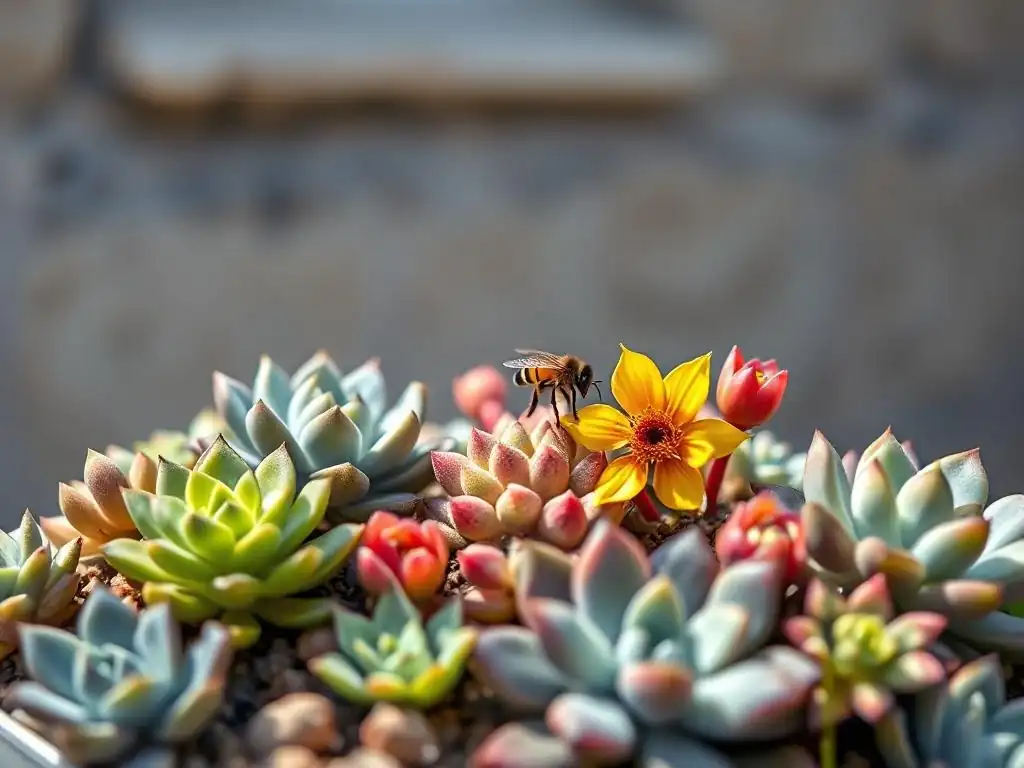
Designing a succulent garden that thrives while attracting pollinators requires careful consideration of plant selection, garden layout, and supplemental resources. The goal is to create a vibrant, diverse ecosystem that supports both the succulents and the beneficial insects that visit them. Remember, attracting pollinators with succulents isn't just about aesthetics; it's about fostering a healthy, balanced environment.
Garden Layout for Optimal Pollinator Access
The physical arrangement of your succulent garden significantly influences pollinator activity. Think about sunlight, airflow, and accessibility for bees, butterflies, and other beneficial insects.
To maximize pollinator access, avoid dense planting. Leave sufficient space between plants to allow easy navigation for pollinators. Consider creating pathways or open areas within the garden to facilitate movement. A diverse arrangement, with varying heights and textures, is more appealing than a monotonous display. Taller succulents can act as windbreaks, protecting smaller, more delicate species.
For example, a garden bed measuring 4ft x 8ft could accommodate a mix of tall echeverias (placed towards the back), medium-sized sedums in the middle, and low-growing sempervivums at the front. This layered approach provides visual interest and caters to different pollinator preferences. Remember to avoid using pesticides or herbicides, which can harm beneficial insects. A healthy, thriving garden is naturally more appealing to pollinators. Consider adding a small, shallow dish of water with pebbles to prevent drowning. This can be a significant source of hydration, especially in dry climates.
Companion Planting for Enhanced Attraction
Companion planting leverages the synergistic relationship between different plant species to enhance the overall health and attractiveness of your garden. Combining succulents with flowering plants that bloom at different times of the year extends the period of pollinator attraction.
Consider incorporating pollinator-friendly flowering plants alongside your succulents. For instance, lavender, salvia, and coneflowers are excellent choices, providing a continuous source of nectar and pollen throughout the growing season. These plants complement the succulents visually and provide additional resources for pollinators.
| Succulent Type | Companion Plant | Bloom Time | Pollinator Attraction |
|---|---|---|---|
| Echeveria 'Perle von Nürnberg' | Lavender | Summer | Bees, butterflies |
| Sedum 'Autumn Joy' | Salvia 'May Night' | Late Summer/Autumn | Bees, butterflies, hummingbirds |
| Sempervivum tectorum | Coneflower (Echinacea) | Summer/Autumn | Bees, butterflies |
This strategic planting maximizes the attractiveness of your garden to a wider range of pollinators, ensuring a constant supply of food and habitat throughout the year. This approach also improves the overall health and resilience of your succulents by creating a more balanced ecosystem.
Providing Water Sources for Pollinators
Pollinators, like all living creatures, require a reliable source of water, especially during hot and dry periods. Providing a water source within your succulent garden can significantly increase the number of pollinators visiting your plants.
A simple solution is to create a shallow dish filled with water and pebbles or marbles. The pebbles provide a landing platform for pollinators to drink without drowning. Place the dish in a sunny spot to encourage evaporation and prevent the water from becoming stagnant. Regularly replenish the water, especially during periods of drought.
You can also use a birdbath or a small, shallow fountain if you have the space. Remember to clean and refill these water sources regularly to prevent the breeding of mosquitos. Providing a consistent water source is a crucial aspect of creating a truly pollinator-friendly garden, helping to ensure the continued health and vitality of your succulent collection and the wider ecosystem. This simple addition can dramatically increase the number of pollinators attracted to your garden, boosting the pollination of your succulents and contributing to a healthier environment.
Minimizing Pesticide Use in Your Succulent Garden
Protecting pollinators means minimizing or eliminating the use of pesticides in your succulent garden. Pesticides, even those marketed as "organic," can harm beneficial insects like bees and butterflies, disrupting the delicate balance of your ecosystem and hindering your efforts to attract pollinators. Many succulents are naturally quite resistant to pests, making the use of pesticides often unnecessary. Regularly inspecting your plants for signs of infestation—like discoloration, wilting, or unusual webbing—is crucial for early detection. Early intervention, if needed, can often involve simple, non-toxic methods.
One effective strategy is to use a strong jet of water to dislodge aphids or mealybugs. This simple method can often be sufficient to control minor infestations without harming beneficial insects. Another environmentally friendly approach involves introducing natural predators. Ladybugs, for instance, are voracious aphid eaters, and lacewings can help control other common succulent pests. You can attract these beneficial insects by planting flowers that are attractive to them, such as yarrow or dill, near your succulent garden.
If a more significant infestation occurs, consider using insecticidal soap or neem oil. These are relatively low-toxicity options that target specific pests without widespread environmental damage. Always follow the instructions carefully and apply them sparingly, focusing on the affected areas rather than blanket spraying the entire garden. Remember to apply these treatments in the early morning or evening when pollinators are less active to minimize the risk of harming them.
Consider using sticky traps to monitor pest populations and trap some adult pests, reducing their numbers without resorting to broad-spectrum pesticides. By prioritizing preventative care and employing these less toxic methods, you can create a thriving succulent garden that supports both your plants and the pollinators they attract. Remember, a healthy, vibrant succulent garden naturally resists pests more effectively than a stressed or neglected one. Proper watering, sunlight, and soil conditions are your first line of defense against pests.
Maintaining Your Pollinator-Friendly Succulent Garden
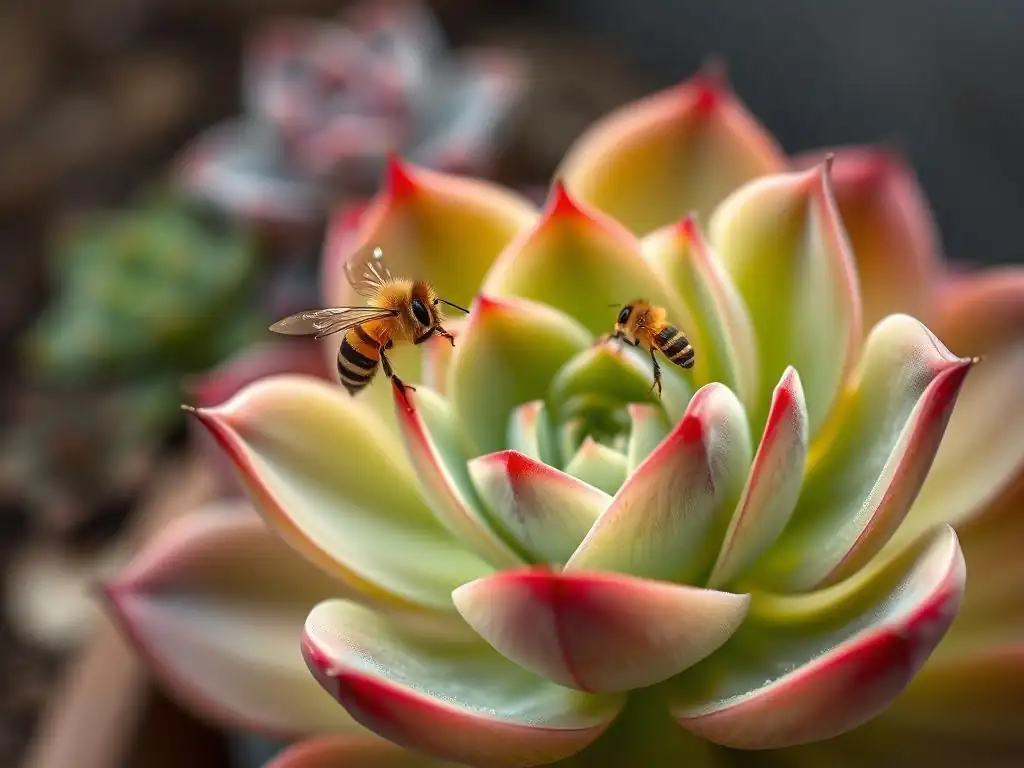
This section focuses on the ongoing care required to keep your succulent garden thriving and attractive to pollinators throughout the year. Consistent maintenance is key to ensuring your succulents produce abundant blooms, which are crucial for attracting bees, butterflies, and other beneficial insects. Neglecting these aspects can lead to weak plants with fewer flowers, ultimately reducing their attractiveness to pollinators.
Watering Strategies for Blooming Succulents
Proper watering is paramount for succulent bloom production. Overwatering is a common mistake, leading to root rot and preventing flowering. Underwatering, however, also hinders blooming. The goal is to provide just enough moisture to encourage healthy growth without causing waterlogged soil.
The ideal watering strategy depends on several factors, including the specific succulent species, the climate, and the pot's drainage. Generally, succulents prefer infrequent, deep watering. Allow the soil to dry out completely between waterings. You can check this by inserting your finger about an inch into the soil; if it feels dry, it's time to water.
During the active growing season (typically spring and summer), you might water once a week or even more frequently in hot, dry conditions. Reduce watering frequency significantly during the dormant season (fall and winter). Always ensure your pots have excellent drainage to prevent water from accumulating at the roots. Using well-draining potting mixes specifically formulated for succulents is crucial.
Signs of overwatering include mushy leaves and stems, while underwatering manifests as shriveled or wrinkled leaves. Observing your plants closely and adjusting your watering schedule accordingly is vital for attracting pollinators with healthy, blooming succulents. Remember, consistent moisture is key, but avoid soggy soil at all costs!
Fertilizing for Abundant Blooms and Pollinator Attraction
Nutrient-rich soil is essential for promoting abundant blooms in your succulents, directly impacting pollinator attraction. However, over-fertilizing can be detrimental, potentially harming your plants. A balanced approach is crucial.
Use a slow-release, low-nitrogen fertilizer specifically formulated for succulents. High nitrogen fertilizers promote leafy growth at the expense of flowering. Apply fertilizer sparingly, typically once or twice during the active growing season (spring and summer). Follow the instructions on the fertilizer packaging carefully. Avoid fertilizing during the dormant season (fall and winter), as your succulents are not actively growing and won't utilize the nutrients effectively.
Observe your plants for signs of nutrient deficiency. Pale or yellow leaves might indicate a lack of nutrients. However, remember that nutrient deficiencies are often manifested differently in succulents than in other plants, so consulting a specialized resource on succulent care is recommended. Healthy, well-nourished succulents produce more flowers, making them more attractive to pollinators. By providing the right balance of nutrients, you'll not only enhance the beauty of your garden but also create a haven for beneficial insects.
Protecting Your Succulents from Pests and Diseases
Pests and diseases can significantly weaken your succulents, reducing their ability to bloom and attract pollinators. Regular inspection and proactive measures are vital for maintaining a healthy garden.
Common pests include mealybugs, aphids, and spider mites. Regularly inspect your succulents for signs of infestation, such as sticky residue, webbing, or small insects. For minor infestations, you can often remove pests manually with a cotton swab dipped in rubbing alcohol. For more severe infestations, consider using insecticidal soap or neem oil, following the product instructions carefully.
Fungal diseases, such as root rot, are often caused by overwatering. Ensure your succulents are planted in well-draining soil and avoid overwatering. If you notice signs of root rot (mushy stems and leaves), remove the affected parts and repot the succulent in fresh, dry soil.
Prevention is key. Maintain good air circulation around your plants to prevent fungal growth and provide optimal conditions for your succulents to thrive. A healthy succulent is less susceptible to pests and diseases, ensuring a vibrant and pollinator-friendly garden all year round. By proactively addressing potential issues, you'll create a flourishing environment that attracts and supports diverse pollinator communities.
Deadheading and Pruning for Continuous Blooms
Deadheading, the process of removing spent flowers, is crucial for encouraging continuous blooming in your pollinator-friendly succulent garden. Spent flowers are essentially the plant's way of saying, "I've done my job; it's time to focus on seed production." This seed production diverts energy away from producing new blooms. By removing these spent blossoms, you signal to the plant to allocate its resources to developing more flowers instead of seeds. This simple act significantly extends the blooming period, providing a longer feast for your pollinators. Think of it as a buffet that keeps refilling!
The technique itself is straightforward. Use clean, sharp pruning shears or scissors to snip off the faded flower stalks at their base, just above the next set of leaves. Avoid pulling the flowers off, as this can damage the plant stem. For smaller succulents, you may be able to use your fingers to carefully pinch off the spent blooms. Remember to always sanitize your tools with rubbing alcohol between plants to prevent the spread of diseases.
Pruning, while different from deadheading, also plays a vital role in maintaining a healthy and vibrant succulent garden that attracts pollinators. It's not just about removing dead or damaged parts; strategic pruning can shape the plant, encourage bushier growth, and prevent overcrowding. Overcrowding can lead to poor air circulation, increasing the risk of fungal diseases and reducing the number of flowers produced.
By carefully removing some stems or leaves, you allow for better sunlight penetration and airflow, creating an ideal environment for abundant blooms. This increased light and air circulation will also help to deter pests and diseases, furthering your efforts to attract healthy pollinators. Regular pruning also ensures that your succulents maintain their shape and aesthetic appeal, creating a beautiful and inviting habitat for your beneficial insects.
Remember to research the specific pruning needs of each succulent variety, as some respond better to different pruning techniques than others. A little research goes a long way in ensuring the health and longevity of your pollinator-friendly succulent haven.
Beyond the Basics: Advanced Techniques to Attract More Pollinators with Succulents
This section delves into sophisticated strategies to amplify pollinator attraction in your succulent garden, moving beyond the foundational principles of plant selection. We'll explore how color manipulation, microhabitat creation, and diligent monitoring can significantly boost your garden's appeal to beneficial insects and other pollinators. Remember, attracting pollinators with succulents is not just about planting; it's about creating a thriving ecosystem.
Using Specific Colors to Attract Specific Pollinators
Pollinators, like bees and butterflies, exhibit strong preferences for certain colors. Understanding these preferences allows for strategic planting to maximize attraction. For example:
- Yellow and Orange: These vibrant hues are particularly attractive to bees, who possess excellent color vision in this spectrum. Consider incorporating succulents with yellow or orange flowers, like Sedum acre (Goldmoss Sedum) or Echeveria 'Perle von Nürnberg' (which boasts orange-red blooms).
- Purple and Blue: These colors often appeal to butterflies and hummingbirds. Succulents like Dudleya brittonii (Chalk Dudleya), with its bluish-green foliage and white-pink flowers, or varieties of Graptoveria which display purplish tones, can be included to attract these pollinators.
- Red: While less effective for bees, red flowers are particularly attractive to hummingbirds, who have a different visual spectrum compared to bees. However, red succulents are less common, so careful selection is key. Consider researching specific cultivars known for red blooms.
Remember that the intensity of the color also matters. Brighter, more saturated colors tend to be more attractive. Furthermore, the arrangement of your succulents matters. Clustering plants of similar colors together can create a more visually striking effect for pollinators.
Creating Microhabitats within Your Succulent Garden
Simply planting pollinator-friendly succulents isn't enough. Creating diverse microhabitats within your garden provides essential resources for pollinators, encouraging them to stay longer and reproduce.
- Nesting Sites: Provide areas with loose soil, small rocks, or hollow stems for ground-nesting bees. Leaving some areas of bare ground can be beneficial.
- Water Sources: Pollinators need water, especially during hot, dry periods. A shallow dish with pebbles and water, or even a birdbath, can provide a vital resource. Ensure the water source is safe and accessible for pollinators.
- Shelter: Provide shelter from wind and rain, using rocks, small shrubs, or even strategically placed taller succulents to create sheltered areas within the garden.
- Overwintering Sites: Many pollinators overwinter in the ground or under debris. Leaving some leaf litter or mulch undisturbed in the fall can offer essential protection during the colder months. The key is to create a balanced and diverse environment that caters to multiple pollinator needs.
Monitoring Pollinator Activity in Your Garden
To optimize your pollinator-attracting efforts, regular monitoring is crucial. This allows you to assess which plants are most effective, identify any deficiencies in your microhabitats, and make adjustments as needed.
- Observation: Spend some time observing your garden, paying attention to which plants pollinators are visiting most frequently. Note the time of day and weather conditions, as these can influence pollinator activity.
- Data Logging: Keep a simple log of your observations, noting the types of pollinators you see, the plants they visit, and the frequency of visits. This data helps you track the success of your efforts and guide future planting decisions.
- Camera Traps: For a more detailed analysis, consider using motion-activated cameras to capture images of pollinators in action. This allows for more precise identification and a more complete understanding of your garden's ecosystem.
By actively monitoring your garden and making data-driven adjustments, you can continuously improve its appeal to pollinators, ensuring a vibrant and thriving ecosystem for years to come. Remember, consistent observation is key to achieving a truly pollinator-friendly succulent garden.
Frequently Asked Questions
What types of succulents attract pollinators?
Many succulents, especially those with showy flowers, attract pollinators. Examples include Echeveria, Sedum, and Dudleya species. Their nectar and pollen are highly attractive to bees, butterflies, and hummingbirds.
When are succulents most attractive to pollinators?
Succulents bloom at different times of the year, depending on the species and climate. To attract pollinators year-round, plant a variety of succulents with staggered blooming periods. This ensures a constant food source for pollinators.
How can I make my succulent garden more pollinator-friendly?
Provide a diverse range of succulent species to offer a variety of nectar and pollen sources. Avoid using pesticides, and provide a water source nearby, such as a birdbath or shallow dish of water. This will create a hospitable environment for pollinators.
Do all succulents attract pollinators equally?
No, the attractiveness to pollinators varies greatly among succulent species. Some have more prominent flowers and produce more nectar than others. Researching specific succulent species and their flowering characteristics is crucial for maximizing pollinator attraction.
Besides planting succulents, what else can I do to attract pollinators?
Planting native flowering plants alongside your succulents increases biodiversity and provides additional food sources for pollinators. Creating nesting habitats, such as leaving some areas undisturbed, also helps support pollinator populations.
Final Reflection: Cultivating a Thriving Ecosystem, One Succulent at a Time
The strategic placement of succulents, far from being a mere aesthetic choice, represents a powerful tool in bolstering biodiversity and supporting vital pollinator populations. This is especially crucial in our increasingly urbanized world, where natural habitats are shrinking and pollinator populations are facing unprecedented challenges. The simple act of planting a diverse range of succulents can contribute significantly to a healthier environment for both wildlife and ourselves.
The enduring appeal of succulents lies not only in their striking beauty and low-maintenance nature, but also in their surprising ability to attract a wide array of pollinators throughout the year. Their unique floral structures and nectar-rich blooms provide essential sustenance, defying seasonal limitations. This resonates deeply with my own experience; witnessing the vibrant activity around my succulent garden, from busy bees to delicate butterflies, has been a profoundly rewarding experience. The smallest act of kindness is worth more than the grandest intention.
This quote, while not directly about succulents, perfectly captures the profound impact even small actions, like planting a few succulents, can have on the larger ecosystem.
Consider the potential within your own space. Imagine transforming a balcony, a window box, or even a small patch of earth into a haven for pollinators. You don't need a sprawling garden to make a difference; a single thoughtfully chosen succulent can be the beginning of a vibrant, thriving ecosystem. Start small, research the varieties best suited to your climate and the pollinators in your region, and watch as your efforts contribute to a healthier, more beautiful world, one succulent bloom at a time.
Unleash Your Inner Gardener: Attract Buzzing Beauty All Year
Thank you for exploring the wonderful world of seasonal succulents and their vital role in supporting pollinators! You've learned how easily you can create a vibrant, buzzing haven, even in challenging climates. Now it's time to put your knowledge into action.
- Design your dream pollinator patch: Begin planning your succulent garden today! Consider the specific pollinators in your region and choose varieties that bloom throughout the year. Carefully plan your garden's layout, noting sunlight exposure and soil conditions.
- Share your progress with the SucculentEssentials community! Post pictures of your thriving garden on our social media pages – let's inspire each other!
- Explore further: Research native bee species in your area and discover even more plants that attract these beneficial insects. Consider adding plants that offer nectar and pollen throughout the growing season for a continuous food source.
Ready to transform your outdoor space into a buzzing paradise? Which unique succulents will you feature in your pollinator-friendly garden?