
Is Your Garden PollinatorFriendly? The Succulent Solution

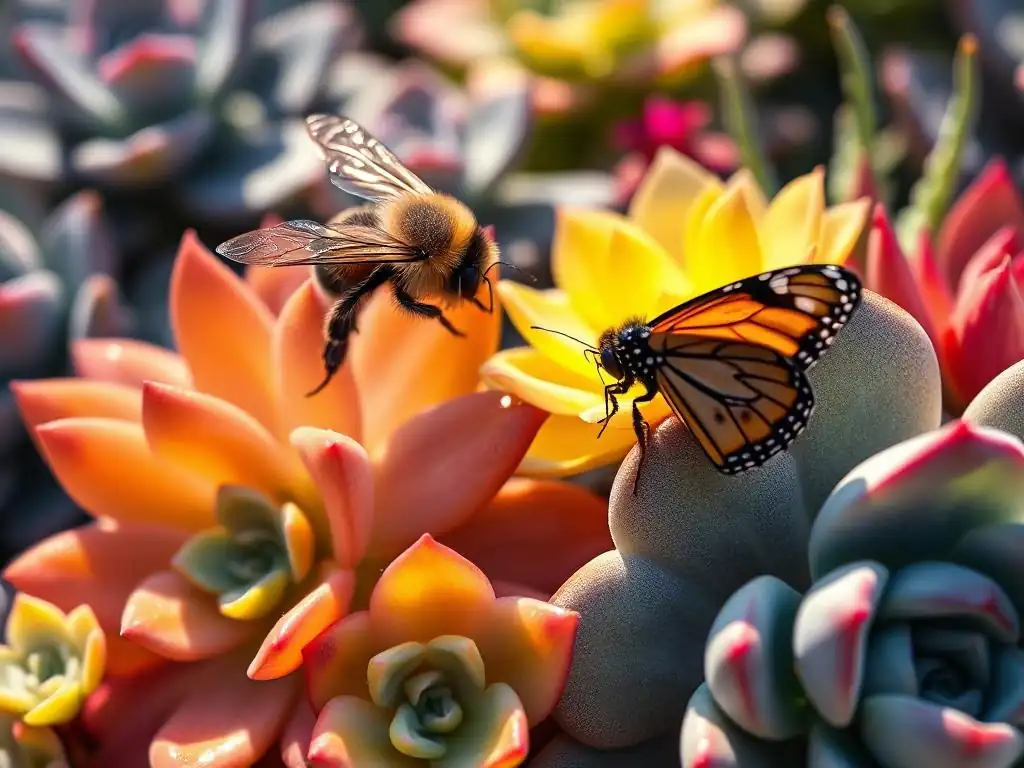
Welcome to SucculentEssentials.org, your gateway to the fascinating world of succulents! Did you know that these drought-resistant beauties are more than just aesthetically pleasing? Discover how succulents attract pollinators, playing a vital role in a thriving ecosystem. Dive into our article, "Is Your Garden Pollinator-Friendly? The Succulent Solution," and unlock the secrets to creating a sustainable and vibrant garden teeming with life. Prepare to be amazed by the unexpected benefits of these captivating plants!
- Understanding the Importance of Pollinators in Your Garden Ecosystem
- Do Succulents Attract Pollinators? Unveiling the Truth
- Creating a Pollinator-Friendly Succulent Garden: A Step-by-Step Guide
- Maintaining a Thriving Pollinator-Friendly Succulent Garden
- Beyond Succulents: Enhancing Your Garden's Pollinator Appeal
- Frequently Asked Questions
- Final Reflection: The Unexpected Buzz of Succulents
- Unleash Your Garden's Buzz: Attract More Pollinators Now!
Understanding the Importance of Pollinators in Your Garden Ecosystem
Creating a thriving and sustainable garden goes beyond simply having beautiful plants; it's about fostering a healthy ecosystem. A key component of this ecosystem, often overlooked, is the vital role played by pollinators.
This article explores how succulents, often perceived as low-maintenance, can actually be powerful allies in attracting these beneficial insects and other creatures, contributing significantly to the health and biodiversity of your garden, and ultimately, to your own succulent collection's success. We'll delve into the specifics of how succulents attract pollinators, highlighting the symbiotic relationship that benefits both the plants and the pollinators, and providing practical tips for creating a pollinator-friendly succulent paradise.
Understanding this connection is crucial for anyone aiming for a truly sustainable and flourishing garden, one where the beauty of the succulents is complemented by the buzzing activity of a healthy pollinator population. Let's explore how you can transform your garden into a haven for both!
The Role of Pollinators in Plant Reproduction
Pollinators, including bees, butterflies, moths, hummingbirds, and even some bats, are essential for the reproduction of a vast majority of flowering plants, including many succulent varieties. These creatures transfer pollen from the male part of a flower (stamen) to the female part (pistil), enabling fertilization and seed production. Without pollinators, many plants, including many of your favorite succulents, would struggle to reproduce and maintain healthy populations.
This process isn't just about the survival of individual plants; it's crucial for maintaining biodiversity and the overall health of the entire ecosystem. The intricate dance between plant and pollinator is a testament to the interconnectedness of nature, and understanding this relationship allows us to cultivate gardens that are both beautiful and ecologically sound. Consider the sheer number of seeds produced by a single healthy succulent plant – each one a potential new plant, dependent on successful pollination.
Biodiversity and the Health of Your Garden
A diverse range of pollinators contributes to a healthier and more resilient garden ecosystem. Different pollinators have varying preferences for flower shape, size, and color, meaning a variety of succulent species, each with its unique floral characteristics, will attract a wider array of pollinators. This biodiversity is key to ensuring robust pollination for your succulents and other plants. A garden teeming with different pollinators is also more resistant to disruptions, such as disease or changes in climate.
Imagine a garden where only one type of bee is present; if that bee population declines, pollination of specific plants could be severely affected. However, a diverse pollinator community ensures that even if one type declines, others can step in to maintain the ecological balance. This resilience is a significant benefit of creating a pollinator-friendly garden. The result is a more robust and sustainable gardening experience.
Why Attracting Pollinators is Crucial for a Thriving Succulent Collection
While succulents are known for their drought tolerance and low-maintenance nature, attracting pollinators is still crucial for their long-term health and propagation. Successful pollination leads to seed production, offering a cost-effective and rewarding way to expand your succulent collection. Furthermore, healthy pollination contributes to stronger, more vigorous plants, making them more resistant to pests and diseases.
By creating a habitat that attracts pollinators, you are not only ensuring the continued success of your succulents but also contributing to the larger ecological picture. Think of it as an investment – attracting pollinators is a natural and sustainable approach to maintaining a vibrant and thriving succulent collection, requiring minimal intervention while maximizing the health and beauty of your plants. It's a win-win situation for both your garden and the environment.
Do Succulents Attract Pollinators? Unveiling the Truth
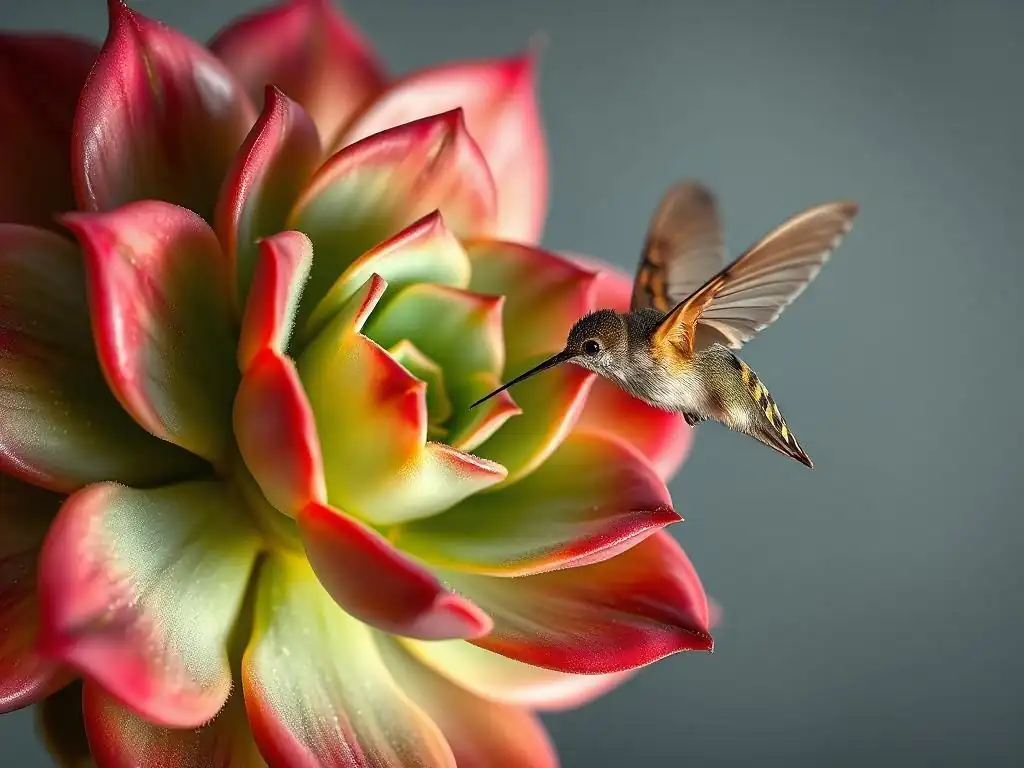
While succulents are often admired for their drought tolerance and striking aesthetics, their role in supporting pollinator populations is a frequently overlooked aspect. The simple answer is: yes, many succulents attract pollinators, but not all equally. The level of attraction depends heavily on several factors, including the specific succulent species, the flowering season, and the local pollinator community.
Understanding these nuances is key to maximizing your garden's pollinator-attracting potential. This section will delve into the specifics of how succulents contribute to a thriving pollinator ecosystem. We will explore the types of succulents that are particularly beneficial and offer practical tips for selection and placement in your garden.
The misconception that succulents offer little to pollinators is largely unfounded; with careful planning, your succulent garden can become a vibrant hub for bees, butterflies, and hummingbirds. The key is selecting the right varieties and understanding their flowering cycles. This will ensure your garden not only looks beautiful but actively contributes to biodiversity.
Nectar-Rich Succulents: A Pollinator's Delight
Many succulent species produce copious amounts of nectar, a crucial energy source for pollinators. This nectar is often high in sugar concentration, making it particularly attractive to a wide range of insects and birds. For example, Sedum species, commonly known as stonecrops, are renowned for their dense flower clusters that teem with nectar. These flowers often attract honeybees, bumblebees, and various other bee species.
Similarly, Echeveria varieties, with their rosette-like forms and vibrant blooms, also provide a valuable nectar source. The amount of nectar produced can vary depending on factors such as sunlight exposure, water availability, and the overall health of the plant. However, even relatively small succulent plants can contribute significantly to the overall nectar availability in a garden setting. Understanding the nectar production capabilities of different succulent species is crucial for designing a pollinator-friendly garden that sustains pollinators throughout the year.
The following table provides a comparison of nectar production in a few popular succulent varieties:
| Succulent Species | Nectar Production (Qualitative) | Pollinators Attracted | Flowering Period |
|---|---|---|---|
| Sedum spectabile (Autumn Joy Sedum) | High | Honeybees, bumblebees, butterflies | Late summer - fall |
| Echeveria elegans (Mexican Snowball) | Moderate | Bees, butterflies | Spring - summer |
| Dudleya brittonii (Chalk Dudleya) | Low to Moderate | Bees, hummingbirds (depending on flower structure) | Spring |
| Aloe vera | Low | Bees, occasionally butterflies | Spring - summer (intermittent) |
The Allure of Succulent Flowers for Bees, Butterflies, and Hummingbirds
The visual appeal of succulent flowers plays a significant role in attracting pollinators. Brightly colored blooms, often in shades of red, yellow, orange, and pink, are highly visible to pollinators, acting as beacons guiding them to the nectar and pollen rewards. The shape and structure of the flowers also influence pollinator attraction. For instance, tubular flowers attract hummingbirds and long-tongued bees, while more open flowers are accessible to a broader range of pollinators, including short-tongued bees and butterflies.
The fragrance of some succulent flowers also contributes to their allure, attracting pollinators from a distance. The timing of flowering is also crucial; succulents that bloom during periods when other floral resources are scarce can provide a vital food source for pollinators. This highlights the importance of selecting succulent varieties with diverse flowering periods to ensure continuous sustenance for pollinators throughout the year.
Choosing the Right Succulent Varieties to Attract Pollinators
Selecting succulents with a proven track record of attracting pollinators is essential for creating a truly pollinator-friendly garden. Researching the specific needs and preferences of local pollinators is also recommended. When choosing succulent varieties, consider the following factors:
- Flower color and shape: Opt for succulents with brightly colored, showy flowers that are easily accessible to various pollinators.
- Flowering period: Select succulents with diverse flowering seasons to ensure a continuous supply of nectar and pollen throughout the year.
- Nectar production: Prioritize succulents known for their high nectar production.
- Local pollinator community: Research the types of pollinators common in your region and choose succulents that are known to attract them.
- Plant size and spacing: Allow sufficient space between plants to facilitate pollinator movement and access to flowers.
By carefully selecting and strategically arranging succulent varieties, you can create a vibrant and sustainable garden that not only thrives but also supports the vital role of pollinators in the ecosystem. Remember, a diverse range of succulents, blooming at different times of the year, will maximize your garden's appeal and contribute significantly to local pollinator populations. This approach ensures a more resilient and balanced garden ecosystem, contributing to local biodiversity and the overall health of the environment.
Creating a Pollinator-Friendly Succulent Garden: A Step-by-Step Guide
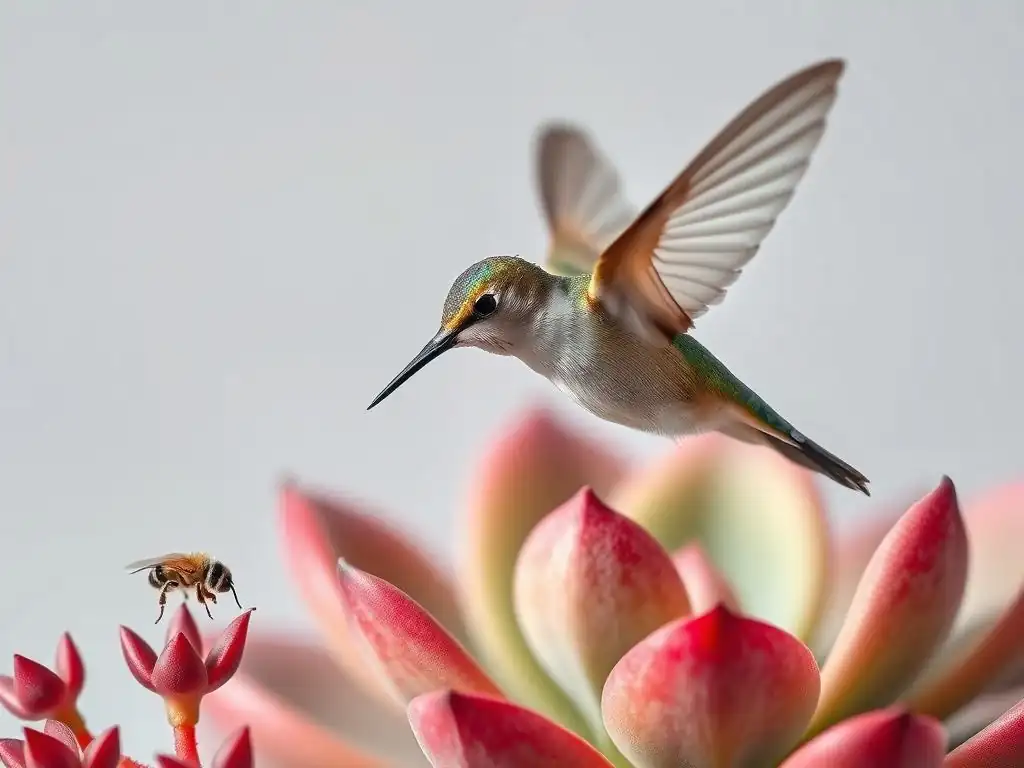
This section details the practical steps involved in establishing a thriving succulent garden that actively supports pollinator populations. Remember, attracting pollinators isn't just about the plants themselves; it's about creating a complete ecosystem that caters to their needs. By following these steps, you can transform your garden into a vibrant hub for bees, butterflies, and other beneficial insects. The key is understanding that succulents attract pollinators in unique ways, offering a valuable resource in diverse climates.
Selecting Pollinator-Attracting Succulents for Your Garden
Choosing the right succulents is paramount. Not all succulents are equally attractive to pollinators. Some species boast vibrant blooms that are irresistible to bees and butterflies, while others offer less in the way of nectar and pollen. Consider these factors when making your selections:
- Flower Color and Shape: Brightly colored flowers, particularly those in shades of yellow, orange, pink, and purple, are generally more appealing to pollinators. Flowers with open, easily accessible structures are also preferred. Examples of excellent choices include Sedum species (stonecrop), Echeveria (hen and chicks), and Dudleya (liveforever).
- Bloom Time: To ensure continuous pollinator activity throughout the growing season, select succulents with staggered bloom times. This provides a consistent food source for pollinators. Research the blooming periods of different species to create a diverse and long-lasting display.
- Nectar and Pollen Production: Succulents vary significantly in the amount of nectar and pollen they produce. Species known for abundant nectar and pollen are particularly attractive to pollinators. Consult reputable sources for information on individual species' pollinator appeal.
| Succulent Type | Bloom Color | Bloom Time (Approximate) | Pollinator Attractiveness |
|---|---|---|---|
| Sedum spectabile | Pink | Late Summer/Early Fall | ⭐⭐⭐⭐⭐ |
| Echeveria laui | Orange/Pink | Spring/Summer | ⭐⭐⭐⭐ |
| Dudleya brittonii | Yellow/White | Spring/Summer | ⭐⭐⭐ |
| Sempervivum tectorum | Pink/Purple/Red | Summer | ⭐⭐⭐⭐ |
Remember to choose succulents adapted to your local climate and soil conditions for optimal growth and flowering.
Optimal Planting Arrangements for Maximum Pollinator Impact
The way you arrange your succulents significantly impacts their attractiveness to pollinators. Consider these strategies:
- Cluster Planting: Group similar succulents together to create visually appealing clusters that are easier for pollinators to locate. This also improves the overall impact of the blooms.
- Diversity is Key: Avoid planting only one type of succulent. A diverse selection of species ensures a continuous supply of nectar and pollen throughout the season, attracting a wider range of pollinators.
- Sun Exposure: Pollinators are more active in sunny areas. Plant your succulents in locations that receive ample sunlight, particularly during the peak hours of pollinator activity.
- Spacing: While clustering is beneficial, avoid overcrowding. Ensure adequate spacing between plants to allow for good airflow and to prevent fungal diseases. Proper spacing also provides pollinators with easier access to the blooms.
Creating a visually appealing, yet functional, arrangement involves thinking like a pollinator: easy access, plenty of food, and protection from the elements.
Providing Essential Resources: Water, Shelter, and Nesting Sites
Attracting pollinators requires more than just providing a feast of nectar and pollen. You must also consider their other needs:
- Water Source: Provide a shallow dish of water with pebbles to prevent drowning, especially during dry periods. This is particularly important for bees and butterflies.
- Shelter: Offer protection from harsh weather conditions. This might involve strategically placed rocks or other structures that provide shade or shelter from wind.
- Nesting Sites: Some pollinators, such as solitary bees, require nesting sites. Leave some areas of your garden undisturbed or consider adding nesting boxes specifically designed for bees. Avoid using pesticides, which can harm beneficial insects.
By providing these essential resources alongside your beautifully blooming succulents, you create a truly welcoming habitat that supports thriving pollinator populations. Remember, even small actions can make a big difference in promoting biodiversity and supporting the crucial role pollinators play in our ecosystems. Creating a pollinator-friendly garden is a rewarding endeavor that benefits both you and the environment, highlighting the significant role succulents attract pollinators.
Avoiding Harmful Pesticides and Herbicides
Protecting pollinators means avoiding the use of harmful pesticides and herbicides in your succulent garden. These chemicals can directly kill bees, butterflies, and other beneficial insects, or indirectly harm them by destroying their food sources. Many commercially available pesticides are broad-spectrum, meaning they target a wide range of insects, not just the pests you're trying to control. This indiscriminate killing can decimate pollinator populations, disrupting the delicate balance of your ecosystem. Even seemingly harmless herbicides can impact pollinators by eliminating the weeds and wildflowers that provide crucial nectar and pollen. Remember, a healthy, diverse ecosystem is a thriving ecosystem.
Instead of reaching for chemical solutions, consider implementing integrated pest management (IPM) techniques. IPM focuses on preventing pest problems in the first place through proactive measures like choosing disease-resistant succulent varieties, providing adequate spacing for good air circulation, and maintaining healthy soil. If pests do appear, start with less harmful methods such as handpicking, using insecticidal soap, or introducing beneficial insects like ladybugs that prey on common succulent pests.
These natural methods minimize harm to pollinators while effectively controlling pest populations. Regularly inspecting your plants for early signs of infestation is crucial for early intervention and prevents larger, more damaging problems that might necessitate harsher chemical controls. This proactive approach is key to maintaining a pollinator-friendly environment while ensuring the health of your succulents.
Remember, a healthy plant is less susceptible to pests, reducing the need for any intervention at all. Prioritizing the health of your plants through proper care is the first, and often most effective, step in pest control.
Maintaining a Thriving Pollinator-Friendly Succulent Garden
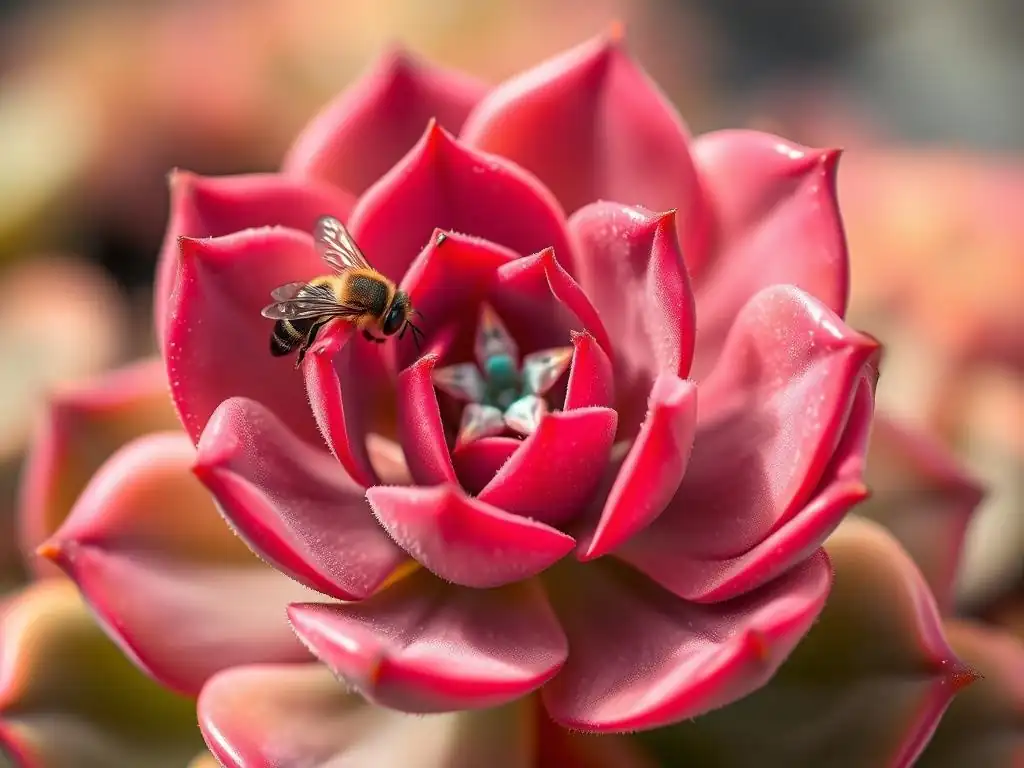
This section delves into the practical aspects of cultivating a succulent garden that actively supports pollinators. Remember, attracting pollinators isn't just about planting succulents; it's about creating a sustainable ecosystem that thrives. The health and vibrancy of your succulents directly impact the number and diversity of pollinators you attract. Let's explore key strategies for ensuring your garden flourishes.
Watering Strategies for Pollinator-Supporting Succulents
Proper watering is crucial for both succulent health and pollinator attraction. Overwatering can lead to root rot, weakening your plants and making them less attractive to pollinators. Underwatering, on the other hand, stresses the plants, reducing their flowering and nectar production. The key is to find the "Goldilocks" zone – not too much, not too little.
Here's a breakdown of effective watering techniques:
- Deep, infrequent watering: Instead of frequent shallow watering, aim for deep, infrequent watering. This encourages deep root growth, making your succulents more resilient to drought and promoting healthier blooms. Allow the soil to dry out completely between waterings. You can check this by inserting your finger about an inch into the soil; if it's dry, it's time to water.
- Watering at the base: Avoid overhead watering, as this can lead to fungal diseases and damage delicate flowers. Water directly at the base of the plant to minimize moisture on the foliage.
- Consider the climate: Watering needs vary depending on your climate. Hot, dry climates require more frequent watering (but still infrequent compared to other plants! ), while cooler, more humid climates require less. Observe your plants and adjust your watering schedule accordingly. Signs of underwatering include shriveled leaves and dull coloration; overwatering manifests as mushy leaves and a foul odor.
- Using drip irrigation: For larger gardens, consider using a drip irrigation system. This provides a controlled and efficient way to deliver water directly to the roots, minimizing water waste and ensuring even moisture distribution. This is especially beneficial during hot, dry periods when succulents need more frequent watering.
Fertilizing Your Succulents Without Harming Beneficial Insects
While succulents don't require heavy fertilization, providing a balanced nutrient supply can enhance their growth and flowering, ultimately benefiting pollinators. However, using harsh chemical fertilizers can harm beneficial insects, undermining your efforts to create a pollinator-friendly environment.
Here are some best practices:
- Choose organic fertilizers: Opt for organic, slow-release fertilizers that are less likely to burn your plants or harm beneficial insects. Compost tea or diluted seaweed extract are excellent natural options.
- Fertilize sparingly: Succulents are adapted to nutrient-poor environments. Over-fertilizing can lead to leggy growth and reduced flowering. Apply fertilizer only during the growing season (spring and summer) and follow the package instructions carefully. Less is often more.
- Avoid fertilizers high in nitrogen: High nitrogen fertilizers promote leafy growth at the expense of flowering. Choose a balanced fertilizer or one with a higher phosphorus and potassium content to encourage bloom production.
- Monitor your plants: Observe your succulents for signs of nutrient deficiency or excess. Yellowing leaves might indicate a lack of nutrients, while excessive growth without flowering could mean over-fertilization.
Monitoring Your Garden for Pollinator Activity and Plant Health
Regular monitoring is essential for maintaining a thriving pollinator-friendly succulent garden. This involves checking for both pollinator activity and plant health. This provides valuable feedback, allowing you to adjust your gardening practices to optimize both the health of your succulents and the attraction of pollinators.
Here's what to look for:
- Pollinator presence: Regularly observe your garden for various pollinators, such as bees, butterflies, hummingbirds, and other insects. Note the types of pollinators you see, their frequency of visits, and the specific succulents they seem to prefer. This helps identify which plants are most attractive and highlights any potential gaps in your pollinator-attracting strategy.
- Plant health: Keep an eye out for signs of pests, diseases, or nutrient deficiencies in your succulents. Address any issues promptly to prevent them from spreading and harming your plants. Early detection and treatment are crucial for maintaining a healthy garden.
- Record keeping: Maintaining a simple log of your observations (pollinator visits, plant health, watering schedules, fertilization dates) can provide valuable insight into the effectiveness of your gardening practices and help you refine your approach over time. This data-driven approach is key to creating a truly sustainable and thriving pollinator-friendly succulent garden. Consider using a simple spreadsheet or notebook to track your observations. This allows you to identify trends and make informed decisions to further enhance your garden's appeal to pollinators.
By following these guidelines, you can cultivate a thriving succulent garden that not only attracts pollinators but also contributes to a healthier, more biodiverse environment. Remember, creating a pollinator haven is a journey, not a destination; continuous observation and adjustment are key to long-term success.
Dealing with Pests and Diseases Naturally
Maintaining a healthy and thriving pollinator-friendly succulent garden requires a holistic approach, including natural pest and disease management. Harsh chemicals can harm beneficial insects, including pollinators, so organic methods are crucial. Many common succulent pests, like mealybugs and aphids, can be addressed effectively without resorting to toxic sprays.
One of the most effective natural methods is to regularly inspect your plants. Early detection is key to preventing widespread infestations. A careful examination of leaves, stems, and soil can reveal the presence of pests before they cause significant damage. Look for signs like white cottony masses (mealybugs), tiny sucking insects (aphids), or unusual discoloration on leaves.
For minor infestations, a simple solution of water and mild soap can often suffice. Mix a small amount of dish soap with water and gently spray the affected areas, ensuring you cover both the upper and lower surfaces of the leaves. This solution disrupts the pests' life cycle and can effectively eliminate small populations. Remember to rinse the plants thoroughly afterwards to prevent soap residue from damaging the leaves.
More persistent infestations might require introducing beneficial insects. Ladybugs, lacewings, and praying mantises are natural predators of many common succulent pests. You can purchase these beneficial insects from specialized nurseries or online retailers and release them into your garden. They will naturally seek out and consume the pests, helping to restore the balance in your ecosystem.
Disease management in succulents often focuses on prevention. Providing adequate sunlight, well-draining soil, and proper watering techniques minimizes the risk of fungal diseases, which are common in succulents. Ensure good air circulation around your plants to prevent the build-up of moisture, a breeding ground for many fungal pathogens. If you do notice signs of disease, such as leaf rot or discoloration, promptly remove the affected parts to prevent the spread.
In severe cases, you may need to consider repotting the plant in fresh, sterile soil. Always use clean tools when handling plants to avoid cross-contamination. By focusing on these preventative measures and natural control methods, you can maintain a healthy and vibrant succulent garden that supports a thriving pollinator population without harming the environment. Remember that patience and consistent observation are key to long-term success in natural pest and disease management.
Beyond Succulents: Enhancing Your Garden's Pollinator Appeal
While succulents certainly play a vital role in attracting pollinators to your garden, remember that biodiversity is key to a thriving pollinator ecosystem. Focusing solely on succulents might limit the variety of pollinators you attract. A truly pollinator-friendly garden needs a wider range of plants to support different species throughout the year. Think of succulents as a fantastic addition, not the sole solution.
Their unique blooms and nectar offer a valuable resource, especially in drier climates, but supplementing them with other plant types will significantly increase the overall attractiveness and ecological value of your space. This holistic approach ensures a vibrant and sustainable garden that benefits both pollinators and the environment. Remember, a diverse garden is a resilient garden!
Incorporating Native Plants to Boost Pollinator Populations
Native plants are crucial for boosting pollinator populations. They've co-evolved with local insect and bird species, offering precisely the nectar and pollen sources these creatures need to thrive. This symbiotic relationship is far more effective than relying on non-native plants, which might not provide the same nutritional value or be as easily accessible to pollinators. For example, incorporating native wildflowers like coneflowers ( Echinacea), bee balm ( Monarda), and goldenrod ( Solidago) can dramatically increase the number of bees, butterflies, and hummingbirds visiting your garden. These plants often bloom at different times of the year, ensuring a continuous food supply for pollinators. Researching the native plants specific to your region is essential for maximizing their impact. Consider the size and sunlight requirements of these plants to ensure they thrive in your garden's conditions. A well-planned integration of native plants alongside your succulents will create a truly vibrant and pollinator-rich environment.
Creating a Diverse Habitat to Support a Wide Range of Pollinators
A truly successful pollinator garden isn't just about providing food; it's about providing habitat. Different pollinators have different needs. Bees, for example, require nesting sites, which can be provided by leaving patches of bare ground, creating small rock piles, or installing bee hotels.
Butterflies need sunny areas for basking and host plants for their caterpillars. Providing a variety of plant heights and structures – from low-growing groundcovers to taller shrubs and trees – also creates diverse microclimates that cater to a wider range of species. Think about adding elements like a small water source (a birdbath or shallow dish) to provide drinking water, especially during hot and dry periods.
The diversity of your garden directly correlates with the diversity of the pollinator population it attracts. A rich tapestry of plant life ensures a sustainable and resilient ecosystem, supporting pollinators year-round. Consider creating different zones within your garden, each tailored to specific pollinator needs, for optimal results.
The Long-Term Benefits of a Pollinator-Friendly Garden
The benefits of a pollinator-friendly garden extend far beyond simply attracting pretty butterflies. Pollinators are essential for the reproduction of many plants, including a significant portion of our food crops. By supporting pollinators, you're not only contributing to biodiversity but also ensuring the long-term health and productivity of your garden and the surrounding ecosystem. A healthy pollinator population leads to increased fruit and seed production in your garden, resulting in a more abundant harvest.
Moreover, a thriving pollinator community contributes to the overall ecological balance of the area, supporting a wider range of beneficial insects and animals. Investing time and effort in creating a pollinator-friendly garden is an investment in the long-term health and sustainability of your environment. It's a rewarding experience that yields both aesthetic and ecological benefits for years to come. The positive impact on the environment and your own garden makes it a truly worthwhile endeavor.
Frequently Asked Questions
Do succulents attract pollinators?
Yes, many succulents attract pollinators like bees, butterflies, and hummingbirds. Their nectar-rich flowers provide a valuable food source, contributing to a healthy ecosystem. Different succulent species attract different pollinators.
What types of succulents are best for attracting pollinators?
Succulents with showy flowers, such as Echeveria, Sedum, and Dudleya species, are particularly attractive to pollinators. Consider the bloom time and the specific pollinators in your region when selecting varieties.
How can I maximize pollinator attraction with my succulents?
Plant a diversity of succulent species to provide a continuous bloom throughout the seasons. Avoid using pesticides, and provide a source of water nearby, especially during dry periods.
When do succulents typically bloom and attract pollinators?
The blooming period varies greatly depending on the specific succulent species and your local climate. However, many succulents bloom in spring or summer, coinciding with peak pollinator activity.
Are all succulents equally effective at attracting pollinators?
No, the effectiveness of succulents in attracting pollinators depends on several factors, including the flower type, color, and scent. Some succulents have more attractive flowers than others, leading to greater pollinator visitation.
Final Reflection: The Unexpected Buzz of Succulents
The humble succulent, often overlooked in the pollinator conversation, is proving to be a vital player in supporting our buzzing friends. Their surprising contribution to pollinator health highlights a crucial need for diverse and resilient gardening practices, extending far beyond the traditional bee-friendly blooms. We must actively consider the often-unseen players in our ecosystems to truly create thriving environments.
The shift in understanding the role of succulents, from decorative plants to active participants in pollinator ecosystems, reflects a broader change in our approach to gardening. We're moving beyond simply focusing on aesthetics to embracing a more holistic and ecologically conscious approach. The beauty of a garden lies not only in its flowers, but in the life it sustains.
This simple truth underscores the importance of considering the entire ecosystem when we cultivate our green spaces, recognizing the interconnectedness of all living things. My own garden, once a monoculture of visually appealing but ecologically barren plants, has undergone a transformation thanks to the inclusion of various succulents, and the difference is palpable.
Consider the impact your own garden has on the local pollinator population. What small changes can you make to create a more welcoming and diverse habitat? Perhaps it's adding a few drought-tolerant succulents, planting native wildflowers, or simply reducing pesticide use. You have the power to make a difference, one plant at a time. Let's cultivate a future where our gardens are not only beautiful but also vibrant ecosystems teeming with life, ensuring the continued health and prosperity of our pollinators.
Unleash Your Garden's Buzz: Attract More Pollinators Now!
Thanks for exploring the world of pollinator-friendly gardening with succulents! We hope you've discovered exciting ways to make your garden a haven for beneficial insects. Ready to take the next step?
- Transform a corner of your garden today: Choose a succulent variety you like and plant it – even a small pot makes a difference! This is the best way to start experiencing the rewards.
- Share your succulent success: Post a picture of your pollinator-friendly plant on social media using #SucculentPollinators and tag @SucculentEssentials. Let's inspire others to create beautiful, pollinator-rich gardens!
- Explore further: Check out our blog for more articles on creating a thriving garden teeming with pollinators using a variety of plants.
Ready to see which pollinators visit your new succulent first?