Reforestation and Habitat Restoration Efforts: A Greener Future for Succulent Enthusiasts
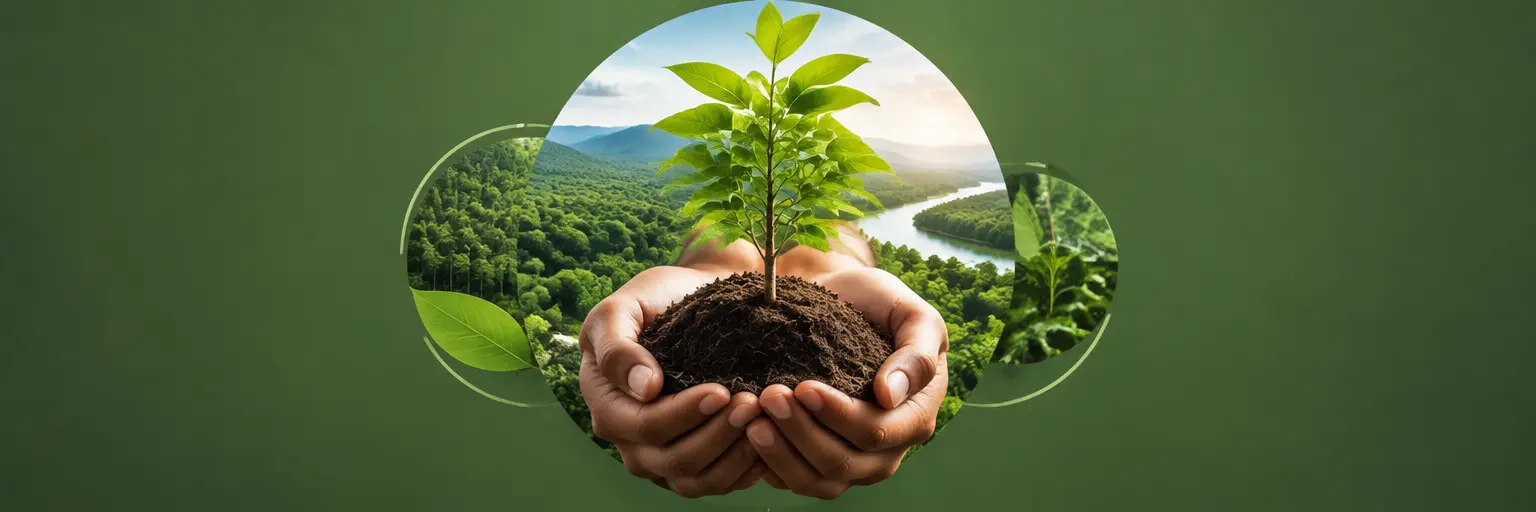
At SucculentEssentials.org, we believe that sustainable practices go beyond your windowsill. Our Reforestation and Habitat Restoration Efforts subcategory explores how succulent lovers can contribute to healing the planet—from rewilding arid landscapes to supporting native plant corridors. Here, you’ll discover actionable ways to align your passion for drought-resistant flora with broader ecological restoration, ensuring ecosystems thrive for generations. Expect practical guides, inspiring case studies, and expert insights that connect your hobby to global conservation.
🌱 Understanding Native Succulent Habitats and Why Restoration Matters
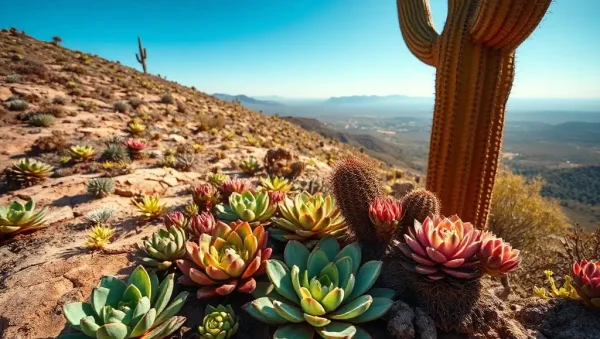
Native succulent habitats—such as the Chihuahuan Desert or South African Karoo—are biodiversity hotspots under threat from urbanization, overgrazing, and climate change. Restoration efforts focus on reestablishing these ecosystems by reintroducing keystone species like agaves, cacti, and stonecrops, which stabilize soil and support pollinators. By understanding the delicate balance of these regions, you can make informed choices about sourcing plants ethically and supporting restoration nonprofits.
For succulent keepers, restoration knowledge translates into better care practices: mimicking natural rainfall patterns, using gritty soil mixes, and avoiding invasive species. When you buy from reputable nurseries that participate in habitat conservation, you directly fund replanting initiatives. This section provides a deeper connection between your indoor garden and wild landscapes, emphasizing that every leaf you propagate can contribute to a larger restoration story.
🌍 Community-Led Rewilding Projects You Can Join or Support
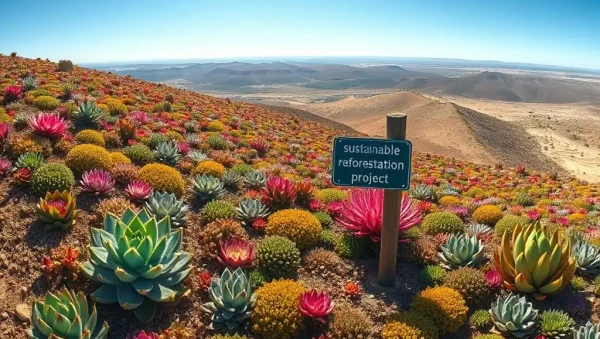
Community-led rewilding brings neighbors, schools, and local governments together to restore degraded lands. From planting native prickly pears along erosion-prone slopes to creating pollinator corridors with sedums, these projects are hands-on and rewarding. You’ll learn how to locate or initiate such efforts in your region, plus how to volunteer effectively—whether you’re digging in the soil or fundraising from home.
Many projects offer “adopt a plot” programs, where you sponsor a square meter of restoration and receive photo updates. This subcategory highlights successful models like the Succulent Karoo Restoration Initiative, showing measurable gains in species richness. Even a small donation can fund thousands of cuttings, making your contribution tangible. Expect step-by-step guides on organizing a native plant swap, measuring success, and partnering with local universities for long-term monitoring.
🌿 DIY Habitat Restoration: Creating Micro-Sanctuaries in Your Own Backyard
Your balcony or garden can become a micro-sanctuary for local biodiversity. By planting regionally native succulents, you provide food and shelter for insects, birds, and small mammals. This DIY approach includes designing a “restoration corner” with fallen logs, rocks, and shallow water dishes, mimicking natural crevices where succulents thrive. You’ll also learn how to manage invasive weeds that choke out native species.
This section offers practical tutorials on building a rain garden using succulents, creating a “living mulch” groundcover, and propagating cuttings for community giveaways. We emphasize low-water, low-maintenance techniques that align with succulent care, ensuring your restoration efforts remain sustainable. With time, your yard can become a certified wildlife habitat, and you can share your successes with local conservation groups. It’s the perfect blend of aesthetics and ecology.
🤝 Partnering with Conservation Organizations: Best Practices for Donations and Volunteering
Not all donations are equal—some organizations use funds efficiently, while others may prioritize flashy projects over ecological impact. This section teaches you how to vet nonprofits by reviewing their transparency, on-the-ground results, and percent of funds directed to restoration activities. You’ll also find a curated list of reputable groups focused on arid-land restoration, including the Desert Botanical Garden’s recovery programs.
Volunteering can be remote too, through citizen science projects like mapping succulent populations via smartphone apps. We cover how to structure corporate or club giving, such as matching gifts or annual pledges. Additionally, you’ll learn about “seed banking” initiatives that preserve genetic diversity—a crucial long-term strategy. By partnering wisely, your support becomes a catalyst for meaningful habitat recovery, not just a tax write-off.
📈 Measuring Impact: How to Track Restoration Success and Adapt
Restoration isn’t a one-time event; it requires monitoring to ensure species establish and ecosystems function. This section explains simple metrics like survival rates of planted succulents, soil organic matter increase, and pollinator visit frequency. You’ll learn how to use tools like iNaturalist or soil moisture sensors to collect data, then interpret results to adapt your methods—for example, switching to more drought-tolerant species if rainfall declines.
For larger projects, we introduce concepts like the Restoration Success Index, which combines vegetation cover, species diversity, and ecosystem services. Case studies show how adaptive management corrected early failures, turning bare plots into thriving communities. Whether you’re a backyard restorer or project coordinator, these tips ensure your efforts yield lasting outcomes. Embrace a scientific mindset, and your love for succulents will evolve into a measurable conservation legacy.
Frequently Asked Questions
What are the easiest native succulents to plant for habitat restoration?
Popular choices include Sedum spp. for temperate zones, Echeveria for Mediterranean climates, and Opuntia for arid deserts. Always source from local nurseries to avoid genetic pollution. Native species are adapted to local rainfall, soil, and wildlife, so they thrive with minimal intervention. Check your region’s native plant list to start.
How can I find restoration projects near me?
Search online for “native plant society” or “wildlife habitat group” plus your city. Also, check conservation districts or university extension programs. Many parks organize volunteer planting days. If none exist, start one—meetup platforms or local Facebook groups can rally enthusiasts.
Do restoration efforts harm existing succulent collections?
No, but they require responsible sourcing. Avoid purchasing plants poached from the wild. Instead, support nurseries that propagate ethically. Participating in restoration can deepen your knowledge, making you a better collector by understanding natural growth conditions and reducing reliance on destructive harvesting.
Can apartment dwellers contribute to habitat restoration?
Absolutely. You can grow native succulents on balconies, donate to seed banks, or volunteer remotely via citizen science apps. Even fostering rare cuttings for ex-situ conservation helps. Small actions, when multiplied across many people, create significant ecological benefits.
What are common mistakes in succulent restoration projects?
Planting non-native species, overwatering in the first year, ignoring local microclimates, and neglecting follow-up monitoring are top pitfalls. Also, avoid “planting” in areas where native seed banks are healthy—interference can disrupt natural succession. Success requires patience, research, and adaptive care.