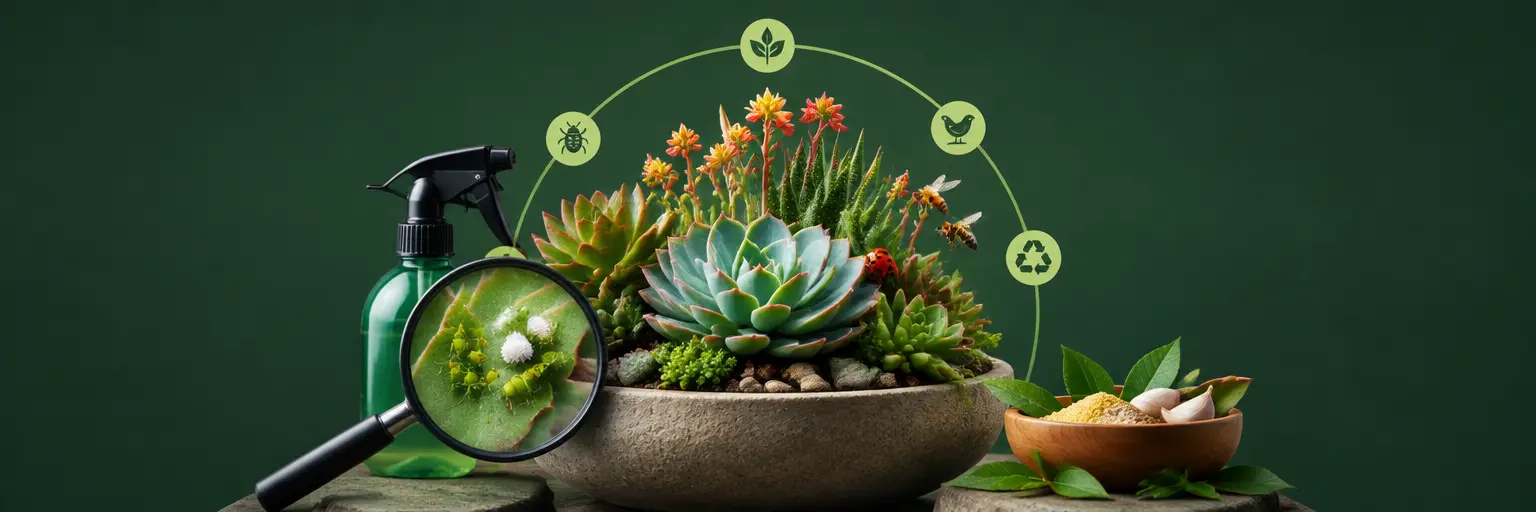
Integrated Pest Management (IPM) in Succulent Gardens: A Sustainable Approach
Discover how to protect your prized succulents without harsh chemicals. Integrated Pest Management (IPM) combines prevention, monitoring, and targeted interventions to keep pests at bay while preserving beneficial insects and the environment. This eco-friendly strategy is essential for any succulent enthusiast seeking long-term plant health. From mealybugs to scale, learn practical, sustainable solutions tailored specifically for drought-tolerant plants.
🌱 Understanding IPM Principles for Succulents
IPM focuses on the least toxic, most effective methods first. For succulents, this means starting with cultural controls like proper watering, well-draining soil, and adequate sunlight, which naturally reduce pest stress. You’ll learn to identify "pest thresholds"—when intervention is truly needed—versus harmless insect presence, saving effort and preserving ecological balance.
Expect a step-by-step framework: prevent, observe, identify, decide, act. Unlike conventional spraying, IPM emphasizes regular inspection of leaf axils, roots, and undersides. You’ll master using sticky traps, magnifying lenses, and simple pheromone lures. This proactive mindset transforms you from reactive gardener to strategic plant guardian, reducing outbreaks before they start.
🐞 Beneficial Insects: Your Garden’s Natural Allies
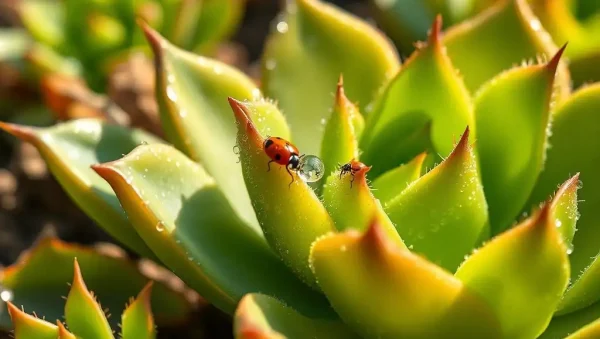
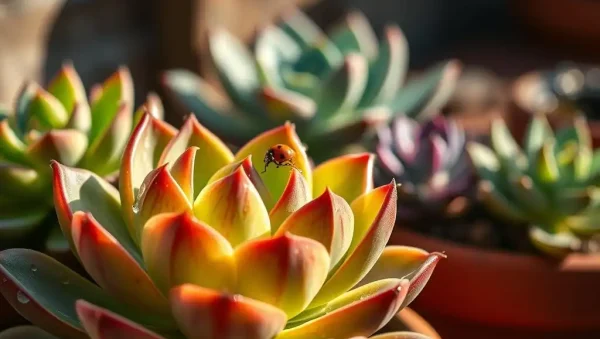
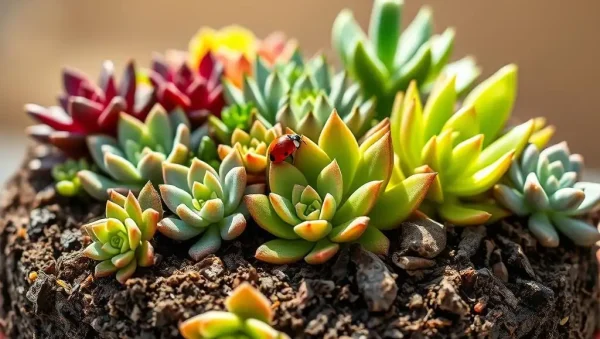
Ladybugs, lacewings, and predatory mites are your best friends. In an IPM system, you introduce or encourage these natural predators to control aphids, spider mites, and thrips. This section details which beneficial species thrive around succulents and how to attract them with companion plants like dill, fennel, or alyssum without overcrowding your xeriscape.
You’ll learn how to purchase and release beneficial insects correctly, timing releases for evening hours and providing moisture sources. We explain the lifecycle of common predators versus pests, enabling you to judge if biological control is working. This approach cuts pesticide use dramatically, keeping your succulent display safe for pets, children, and pollinators alike.
🧼 DIY Eco-Friendly Pest Sprays and Remedies
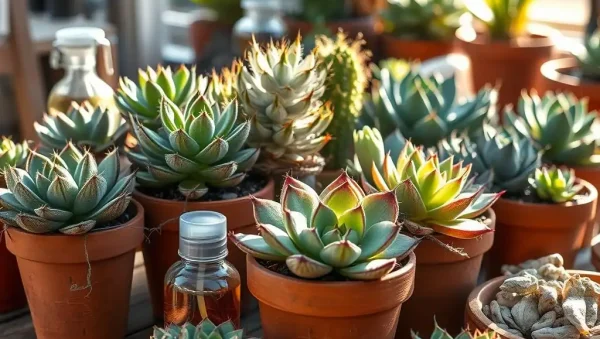
When direct action is needed, choose homemade solutions. Neem oil, insecticidal soap, and isopropyl alcohol (70%) are staples, but proper dilution and application timing are critical for succulents, which are sensitive to burns. Learn to mix, test on a single leaf, and apply during cooler hours to avoid phytotoxicity, especially on farina-coated types like Echeveria.
Beyond standard recipes, explore cinnamon powder for fungal gnats, diatomaceous earth for crawling pests, and hydrogen peroxide drenches for root mealybugs. Each remedy includes prevention tips, such as quarantining new plants and cleaning tools. These low-cost, low-risk methods align perfectly with eco-friendly gardening, reducing your carbon footprint while safeguarding your succulent collection.
🌿 Cultural Practices to Prevent Pest Outbreaks
Healthy succulents resist pests better than stressed ones. Overwatering is the #1 cause of pest vulnerability, leading to root rot and fungus gnat infestations. This section covers ideal watering schedules (soak-dry method), soil amendments like perlite and pumice for aeration, and proper pot selection with drainage holes. Also, learn to sterilize soil and pots before reuse.
We discuss spacing for air circulation, removing dead leaves promptly, and adjusting light exposure to avoid etiolation stress. Seasonal care—reducing water in winter dormancy, and increasing airflow in humid summers—prevents outbreaks. By mastering these cultural basics, you’ll drastically reduce the need for any pest control, making IPM almost effortless over time.
🔍 Monitoring and Identifying Common Succulent Pests
Accurate identification is half the battle. Mealybugs appear as white cottony clusters; scale look like brown bumps; spider mites produce fine webbing; aphids cluster on new growth. This section provides clear visual cues, along with common damage patterns like yellowing, stippling, or sooty mold. You’ll also learn about less-known pests like root mealybugs and fungus gnats.
We teach you weekly 5-minute inspection routines, including checking leaf joints, underside of rosettes, and the soil surface. Use a magnifying glass or smartphone macro lens for precision. Keep a simple pest journal to track emergence times and weather correlations. This data helps you predict future outbreaks and apply preventive measures proactively, but only when necessary.
🔄 Creating a Year-Round IPM Action Plan
IPM is not seasonal—it’s a lifestyle. In spring, focus on new growth and aphid prevention; summer vigilance for spider mites during heat; autumn cleanup of fallen debris; winter monitoring for indoor pests like mealybugs. This section outlines a monthly checklist, integrating all previous methods into a cohesive calendar tailored to your climate zone.
You’ll also learn how to document successes and failures, adjusting your plan based on real results. Incorporate rotation of treatments to prevent pest resistance, and always prioritize biological and cultural methods before chemical ones. This structured yet flexible plan ensures your succulents thrive year-round with minimal environmental impact.
Frequently Asked Questions
Can I use chemical pesticides with IPM?
Yes, but only as a last resort and with the least toxic option. IPM emphasizes that pesticides should be targeted, not broadcast, and applied only when pest populations exceed threshold levels. Always choose products labeled for indoor or outdoor succulent use, and avoid systemic insecticides that harm pollinators. Spot-treat affected areas rather than spraying entire plants.
How often should I check my succulents for pests?
Weekly is ideal, especially during active growing seasons. Spend 2-5 minutes per plant, inspecting leaf undersides, axils, and soil surface. Also, check any new plants before introducing them to your collection—quarantine for 2-3 weeks. During winter dormancy, bi-weekly checks suffice, but keep an eye on indoor heaters which can dry air and attract spider mites.
What is the best homemade spray for mealybugs?
A 70% isopropyl alcohol solution applied directly with a cotton swab is highly effective for spot control. For larger infestations, mix 1 tablespoon of alcohol with 1 cup of water and a few drops of mild dish soap. Test on one leaf first, wait 24 hours, then apply to the whole plant in the evening. Repeat weekly for three weeks.
Will beneficial insects harm my succulents?
No, beneficial insects like ladybugs and lacewings only feed on pests, not plants. However, they may leave small droppings or die after finishing pests, which requires cleanup. Ensure your succulents don’t have sticky residues or heavy infestations that might attract ants, which can protect pests. Release beneficials only when pest presence is confirmed.
Can IPM work for indoor succulent collections?
Absolutely. IPM adapts well to indoor environments. Focus on prevention via proper watering and airflow, use yellow sticky traps for fungus gnats, and manually remove pests with alcohol swabs. Quarantine new plants and clean tools. For indoor, avoid broad-spectrum sprays; instead, use targeted treatments and monitor humidity levels to deter spider mites.