
The Organic Gardener's Arsenal: Natural Pest Control Methods for Succulents

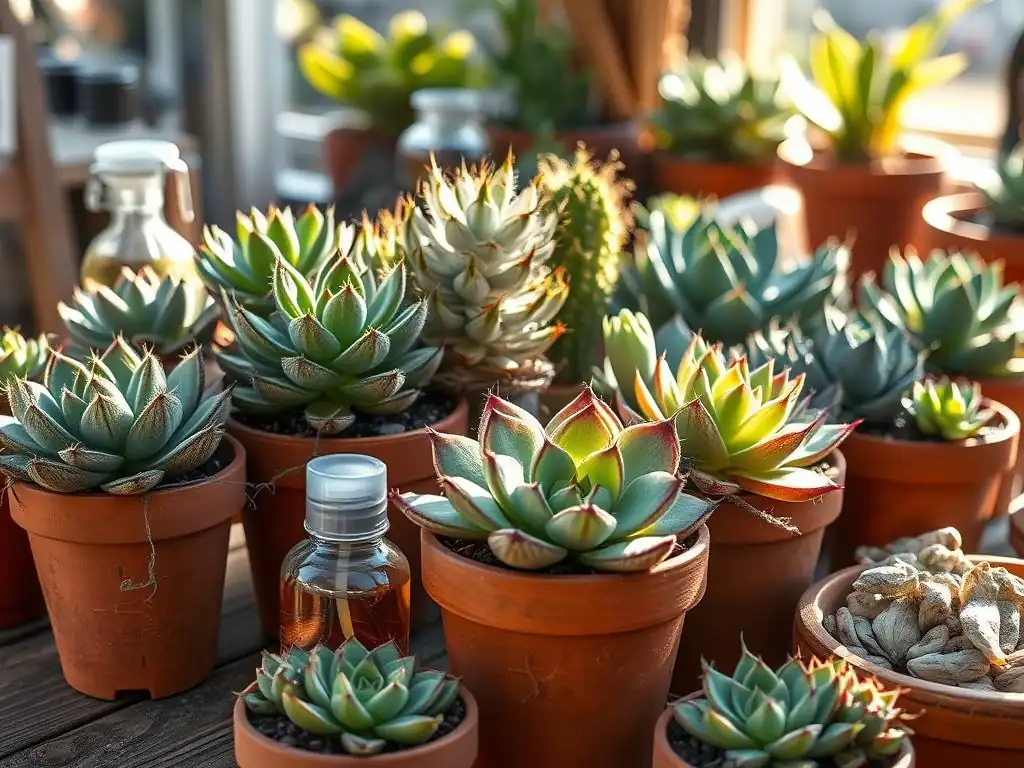
Welcome to SucculentEssentials.org, where the thriving world of succulents awaits! Are you ready to unlock the secrets to cultivating these resilient plants? We delve into every aspect of succulent care, from basic propagation to advanced techniques. But first, discover the power of organic pest control for succulents – a crucial element for keeping your collection healthy and vibrant. Learn how to safeguard your precious plants naturally, and embark on a journey to becoming a true succulent expert. Let's get growing!
- Understanding Common Succulent Pests and Diseases
- Organic Pest Control Strategies for Succulents
-
Preventing Pest Infestations in Your Succulent Collection
- Maintaining Proper Watering Techniques for Preventing Root Rot
- Ensuring Good Air Circulation to Prevent Fungal Diseases
- Choosing Healthy Succulents from Reputable Nurseries
- The Importance of Proper Soil Drainage for Preventing Root Problems
- Regularly Inspecting Your Succulents for Early Detection of Pests
- Advanced Organic Pest Control for Severe Infestations
- Creating a Healthy Environment for Pest-Resistant Succulents
- Frequently Asked Questions
- Final Reflection: Cultivating a Thriving Ecosystem, Naturally
- Unleash Your Inner Green Thumb: Protect Your Succulents Naturally!
Understanding Common Succulent Pests and Diseases
Succulents, with their striking beauty and resilience, are a favorite among plant enthusiasts. However, even these drought-tolerant plants are susceptible to pests and diseases. Maintaining a thriving succulent collection requires a proactive approach, and embracing organic pest control methods is key to ensuring the long-term health and vitality of your plants while minimizing environmental impact. This article delves into common succulent pests and the effective, natural strategies you can employ to combat them, promoting a healthy and sustainable succulent garden.
We'll explore effective organic pest control methods specifically tailored for succulents, providing you with a comprehensive guide to safeguard your prized collection. Choosing organic solutions not only protects your plants but also contributes to a healthier environment for you, your family, and beneficial insects. Let's cultivate a flourishing garden the natural way! 🌱
Identifying Mealybugs on Echeveria
Mealybugs, tiny, soft-bodied insects covered in a white, fluffy wax, are a common nuisance for Echeveria succulents. These pests suck sap from the plant, leading to stunted growth, yellowing leaves, and even plant death if left unchecked. Identifying an infestation early is crucial. Look closely at the leaf axils (where the leaves meet the stem) and crevices in the plant. You'll often see clusters of these cottony white masses. A magnifying glass can be helpful for early detection.
Infestations often start subtly, so regular inspections are vital. Early signs may include subtle yellowing or discoloration of leaves near the infestation. Severe infestations can cause wilting and significant leaf damage. Remember, prevention is key! Regularly inspecting your Echeveria for any signs of mealybugs is crucial for early detection and effective treatment. The sooner you address the problem, the better the chances of saving your plant.
Recognizing Aphids on Sedum
Sedum, with their diverse forms and vibrant colors, are popular succulent choices. However, they are also susceptible to aphid infestations. Aphids are small, pear-shaped insects that typically cluster on the new growth, stems, and undersides of leaves. They range in color from green to black and can quickly multiply, causing significant damage. Aphids drain the plant's sap, leading to distorted growth, yellowing leaves, and a sticky honeydew secretion that can attract ants and encourage the growth of sooty mold. Recognizing aphids early is important.
Look for these small insects on the tender new growth. A good sign of aphid infestation is the presence of ants, which are attracted to the honeydew. The sticky honeydew itself is also a telltale sign. Inspect your Sedum plants regularly, paying close attention to young leaves and stems. Early detection allows for prompt intervention, preventing widespread infestation.
Spotting Scale Insects on Haworthia
Haworthia succulents, known for their intricate patterns and textures, can be targeted by scale insects. These insects are small and often appear as hard, brown bumps on the stems and leaves. They attach themselves firmly to the plant, making them difficult to remove. Scale insects also suck plant sap, causing similar damage to mealybugs and aphids: stunted growth, yellowing leaves, and overall plant weakening. Unlike mealybugs and aphids, scale insects are less mobile and often blend in with the plant's surface. Careful examination is needed. Look for small, immobile bumps on the stems and leaves. A magnifying glass can be very helpful in identifying these pests. If you suspect a scale infestation, gently scrape a suspect bump with your fingernail. If it's a scale insect, it will likely separate from the plant surface easily. Regular inspections are crucial for early detection and effective management of scale insects on your Haworthia.
Preventing and Treating Root Rot in Haworthia
Haworthia, with their charming rosette shapes and varied textures, are susceptible to root rot, a devastating fungal disease often caused by Phytophthora or Pythium species. These fungi thrive in overly moist conditions, attacking the roots and eventually leading to the demise of the entire plant. Prevention is key. Ensure your Haworthia are planted in well-draining soil mixes specifically formulated for succulents. Avoid overwatering; allow the soil to dry completely between waterings.
Feel the soil's dryness with your finger before irrigating; don't rely solely on a schedule. Proper drainage is paramount; use pots with drainage holes and consider adding a layer of gravel or perlite at the bottom for extra drainage. Signs of root rot include mushy, dark, or smelly roots. If you detect these symptoms, carefully remove the plant from its pot. Gently rinse the roots to remove excess soil and trim away any affected portions using sterilized scissors or a knife.
Allow the roots to air dry for several hours before replanting in fresh, dry succulent soil. Consider using a fungicide specifically designed for root rot, following the product instructions carefully. Improving air circulation around the plant can also help prevent future outbreaks. Remember, consistent monitoring and preventative measures are the best defense against root rot in your precious Haworthia. Regularly inspect your plants for any signs of distress, acting quickly if problems arise.
Dealing with Fungal Diseases in Sempervivum
Sempervivum, also known as Hens and Chicks, are generally hardy succulents, but they are not immune to fungal diseases. Several fungal pathogens can attack these plants, often manifesting as leaf spots, powdery mildew, or stem rot. Powdery mildew, a common fungal problem, appears as a white, powdery coating on the leaves. This coating disrupts photosynthesis and can weaken the plant. Good air circulation is crucial in preventing powdery mildew. Ensure your Sempervivum are not overcrowded and provide ample space between plants to allow for proper air movement.
Avoid overhead watering, which can create humid conditions favorable for fungal growth. Instead, water at the base of the plant to keep the foliage dry. If powdery mildew does occur, you can try gently wiping the affected leaves with a damp cloth or using a horticultural soap spray, following the product instructions carefully. For more severe infections, a fungicide may be necessary. Leaf spots, another common fungal issue, present as brown or black spots on the leaves. These spots can enlarge and merge, causing significant damage.
Similar preventative measures as for powdery mildew are recommended: good air circulation, avoiding overhead watering, and ensuring proper drainage. If leaf spots appear, remove the affected leaves to prevent the spread of the fungus. In case of extensive infection, a fungicide application might be necessary. Remember, early detection and prompt action are key to successfully managing fungal diseases in your Sempervivum collection. Regular inspection and preventative practices will keep your Hens and Chicks thriving and healthy.
Organic Pest Control Strategies for Succulents
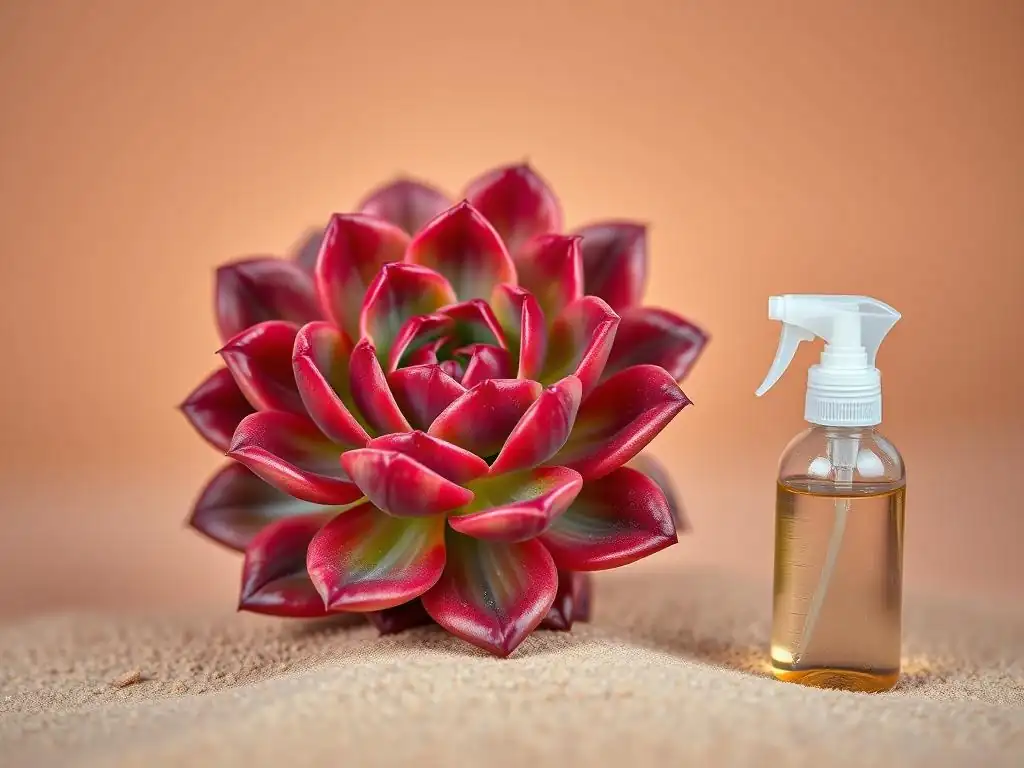
This section delves into specific, effective, and environmentally friendly methods for managing common succulent pests. We'll explore natural solutions that minimize harm to beneficial insects and the environment while protecting your precious succulents. Remember, early detection is key to successful organic pest control. Regularly inspect your plants for signs of infestation. A proactive approach will prevent minor problems from escalating into major issues. Choosing the right organic method depends on the specific pest affecting your succulents.
Neem Oil: A Natural Insecticide for Mealybugs
Mealybugs, those cottony white insects, are a common succulent pest. Fortunately, neem oil provides a highly effective organic solution. Neem oil, derived from the neem tree, disrupts the life cycle of mealybugs, preventing reproduction and ultimately controlling their populations. It acts as a contact insecticide, meaning direct contact is necessary for effectiveness. Thorough coverage is crucial.
To use neem oil effectively against mealybugs:
- Mix: Dilute neem oil according to the product instructions. Generally, a ratio of 1-2 tablespoons of neem oil per 1 quart of water is recommended. Always shake well before use.
- Apply: Spray the solution directly onto the affected areas of the succulent, ensuring complete coverage of the mealybugs. Pay close attention to crevices and undersides of leaves where mealybugs tend to hide.
- Frequency: Repeat the application every 7-10 days for several weeks, or until the infestation is completely eradicated. Consistent application is key to breaking the mealybug life cycle.
- Safety: Always wear protective gloves and eye protection when handling neem oil. Avoid spraying on windy days to prevent drift.
Diatomaceous Earth: A Safe and Effective Pest Control Method for Aphids
Aphids, tiny sap-sucking insects, can quickly infest succulents, weakening plants and causing stunted growth. Diatomaceous earth (DE) offers a safe and effective organic control method. DE is a naturally occurring sedimentary rock composed of fossilized diatoms. Its microscopic, sharp edges pierce the exoskeletons of aphids, causing dehydration and death.
Here's how to use DE for aphid control:
- Application: Lightly dust the affected succulent with food-grade diatomaceous earth, focusing on areas where aphids are concentrated. A gentle dusting is sufficient; avoid over-application.
- Coverage: Ensure even coverage of the plant's leaves and stems. Pay particular attention to the undersides of leaves.
- Moisture: DE is most effective when dry. Avoid watering immediately after application. Reapply after watering or significant rainfall.
- Safety: While generally safe, it's advisable to wear a dust mask when applying DE to prevent inhalation.
Insecticidal Soap: A Gentle Approach to Pest Management for Scale
Scale insects are another common succulent pest. They appear as small, hard bumps on the plant's stems and leaves. Insecticidal soap provides a gentle yet effective organic control method. Insecticidal soaps disrupt the cell membranes of scale insects, leading to their death. They are less harmful to beneficial insects compared to stronger chemical pesticides.
For effective scale control with insecticidal soap:
- Selection: Choose a soap specifically formulated for pest control. Read and follow the label instructions carefully.
- Application: Spray the solution directly onto the affected areas of the succulent, ensuring thorough coverage of the scale insects.
- Thoroughness: Pay close attention to the areas where scale insects tend to cluster. Several applications may be necessary for complete control.
- Timing: Apply insecticidal soap in the early morning or late evening to minimize evaporation and maximize effectiveness. Avoid application during periods of high heat or direct sunlight.
Remember, consistent monitoring and prompt action are crucial for successful organic pest control in your succulent collection. By employing these natural methods, you can keep your succulents healthy and thriving while maintaining a sustainable and eco-friendly approach to gardening. 🌱
Using Garlic Spray for Pest Deterrence on Echeveria
Echeverias, with their rosette-shaped leaves and captivating colors, are a popular choice among succulent enthusiasts. However, these beautiful plants can be vulnerable to pests like mealybugs and aphids. A simple and effective organic solution is a garlic spray. The strong odor of garlic acts as a natural repellent, deterring these unwanted insects.
To create a garlic spray, you'll need a few simple ingredients: several cloves of garlic, water, and a spray bottle. Start by crushing the garlic cloves thoroughly. You can use a garlic press or simply mince them finely. Then, add the crushed garlic to a jar and cover it with water. Allow this mixture to steep for at least 24 hours, preferably longer, to maximize the extraction of the potent compounds responsible for pest deterrence. After steeping, strain the mixture through a fine-mesh sieve or cheesecloth to remove the garlic solids. Finally, transfer the liquid to a spray bottle.
Apply the garlic spray directly to the affected Echeveria plants, ensuring to coat both the leaves and the stems. It's crucial to apply the spray in the early morning or late evening to avoid the harsh midday sun, which can scorch the leaves. Repeat the application every few days, or as needed, to maintain effective pest control. Remember, while garlic spray is generally safe, always test it on a small, inconspicuous area of the plant first to check for any adverse reactions.
This preventative measure can save your prized Echeveria from potential damage. Consistent application is key to preventing a full-blown infestation. Many gardeners find that combining the garlic spray with regular visual inspections significantly improves the success rate of this organic pest control method.
Repelling Pests with Peppermint Oil on Sedum
Sedum, with its diverse varieties and ease of care, is another succulent favorite. However, these hardy plants aren't immune to pest infestations. Aphids and spider mites are common culprits, but peppermint oil offers a safe and effective organic solution. The strong, pungent aroma of peppermint oil acts as a natural repellent, disrupting the pests' life cycle and discouraging them from settling on your Sedum plants.
To use peppermint oil, mix a few drops (approximately 5-10 drops) of pure peppermint oil with one quart of water. This dilution is essential to prevent damage to the Sedum plants; undiluted peppermint oil can be harmful. Thoroughly shake the mixture to combine the oil and water. Then, transfer the solution to a spray bottle. Apply the peppermint oil spray directly to the affected Sedum plants, focusing on areas where pests are concentrated.
Similar to the garlic spray, apply the peppermint oil spray in the early morning or late evening to avoid sun damage. Regular application, every 2-3 days, is recommended to keep pests at bay. Always test the solution on a small, inconspicuous area of the plant before widespread application to ensure it doesn't cause any negative effects.
Observing your Sedum plants regularly for any signs of infestation allows for early intervention, maximizing the effectiveness of the peppermint oil spray. This preventative approach, combined with the natural repellent, provides a sustainable and effective organic pest control strategy for your Sedum collection. Remember to store the remaining solution in a cool, dark place to maintain its potency.
Preventing Pest Infestations in Your Succulent Collection
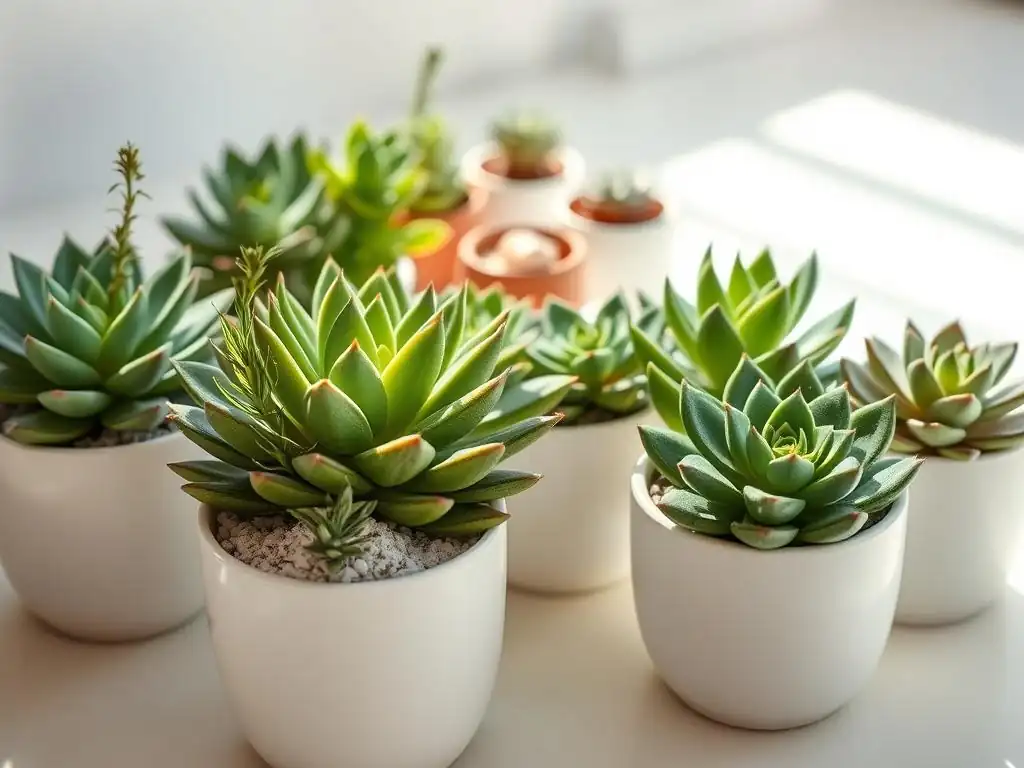
Preventing pest infestations is key to maintaining healthy succulents using organic pest control methods. A proactive approach is far more effective and less stressful than dealing with a full-blown infestation. This involves creating an environment where pests are less likely to thrive and your succulents are strong enough to resist attacks. Think of it as building a natural defense system for your plant collection.
Maintaining Proper Watering Techniques for Preventing Root Rot
Root rot, caused by overwatering, weakens succulents, making them vulnerable to pests. Healthy roots are crucial for a plant's overall health and resilience against pests and diseases. Overwatering creates a soggy environment perfect for fungal growth, which in turn attracts insects and other pests. Always allow the soil to dry completely between waterings.
The frequency depends on factors like pot size, soil type, and climate. For example, in a hot, dry climate, you might water more frequently than in a cool, humid one. Observe your succulents carefully; slightly shriveled leaves are a sign the plant needs water, but completely limp leaves indicate overwatering. Use well-draining potting mix specifically formulated for succulents to prevent waterlogging.
Consider using terracotta pots, as they allow for better air circulation and evaporation compared to plastic or glazed ceramic pots. Remember, underwatering is preferable to overwatering when it comes to succulent health and organic pest control. A healthy root system is the first line of defense against pests.
Ensuring Good Air Circulation to Prevent Fungal Diseases
Good air circulation is vital in preventing fungal diseases, which often weaken succulents and make them susceptible to pests. Fungal growth thrives in humid, stagnant air. Ensure your succulents have adequate space between them to allow for proper air movement. Avoid overcrowding your plants. Regularly inspect your plants for signs of fungal infections, such as powdery mildew or gray mold.
These can appear as white or gray coatings on the leaves or stems. If you detect any fungal growth, promptly remove affected leaves or stems to prevent the spread. Improving air circulation can be as simple as adjusting the arrangement of your succulents or using fans in particularly humid environments. Consider using a dehumidifier in excessively humid indoor spaces to create a less hospitable environment for fungal pathogens. Remember, a healthy plant, free from fungal diseases, is less likely to attract pests and is more resilient to pest attacks.
Choosing Healthy Succulents from Reputable Nurseries
Starting with healthy succulents is paramount in organic pest control. Purchasing succulents from reputable nurseries significantly reduces the risk of introducing pests or diseases into your collection. Inspect each plant carefully before purchasing. Look for signs of pests, such as insects, webbing, or discoloration. Avoid plants that show signs of stress, such as wilting, yellowing leaves, or unusual spots.
Reputable nurseries usually maintain high standards of plant health and pest control. They often employ preventative measures to minimize pest infestations, unlike some less scrupulous vendors. Choosing healthy succulents is a preventative measure that significantly reduces the likelihood of future pest problems, saving you time, effort, and the potential need for intervention using pesticides. Investing in healthy plants from the start is a cost-effective and environmentally friendly approach to organic pest control for succulents.
The Importance of Proper Soil Drainage for Preventing Root Problems
Proper soil drainage is paramount in preventing pest infestations in succulents. Many succulent pests, such as root mealybugs and fungus gnats, thrive in overly moist conditions. Soggy soil creates an ideal breeding ground for these pests, weakening the plant and making it more susceptible to infestations. Well-drained soil allows excess water to escape, preventing the build-up of moisture that attracts these unwanted guests. This is crucial because succulents, adapted to arid environments, are particularly vulnerable to root rot in consistently damp soil.
Root rot weakens the plant's immune system, making it an easy target for pests. Therefore, using a well-draining potting mix specifically formulated for succulents is essential. This often involves a blend of inorganic materials like perlite, pumice, or coarse sand mixed with a small amount of organic compost. Avoid using heavy clay soils, which retain too much water.
Furthermore, ensure your pots have adequate drainage holes to facilitate efficient water runoff. Regularly checking the soil moisture before watering, using a finger test to check for dryness an inch or two below the surface, helps prevent overwatering and the subsequent root problems that attract pests. Remember, prevention is far easier and more effective than dealing with a full-blown infestation. By ensuring excellent drainage, you build a strong defense against many common succulent pests from the outset.
Regularly Inspecting Your Succulents for Early Detection of Pests
Regular and thorough inspections are crucial for early detection of pests in your succulent collection. Early identification dramatically increases your chances of successfully eliminating an infestation before it spreads. A pest infestation can quickly spiral out of control if left unchecked, potentially affecting your entire collection. Therefore, make it a habit to inspect your succulents closely at least once a week, paying close attention to both the leaves and the soil. Look for signs such as tiny insects, webbing, discoloration of leaves, unusual spots or lesions, or wilting that may not be attributable to lack of water.
A magnifying glass can be invaluable in spotting tiny pests like mealybugs or aphids, which are often difficult to see with the naked eye. When inspecting, check the undersides of leaves, crevices between leaves, and the base of the plant, as these are common hiding spots for pests. Pay particular attention to new growth, as pests are often drawn to tender young leaves. Keep detailed records of your inspections, noting any signs of pests or diseases, and the date of observation. This can help you track the progression of an infestation and assess the effectiveness of your pest control measures.
Early detection allows for swift and targeted intervention, often with minimal disruption to your plants and using less intensive control methods. This proactive approach is a cornerstone of effective organic pest control for succulents. Early detection is key to preventing a small problem from becoming a major one. 🌱
Advanced Organic Pest Control for Severe Infestations
When standard preventative measures fail and a succulent pest infestation becomes severe, more intensive organic pest control methods are necessary. It's crucial to act swiftly to prevent irreversible damage to your plants. Remember, early detection is key to minimizing the impact of any pest infestation, so regular inspections are vital. This section details advanced organic techniques for tackling widespread infestations of common succulent pests. Effective organic pest control for succulents requires careful observation, precise application, and patience. We'll explore proven methods using readily available, natural ingredients.
Dealing with a Severe Mealybug Infestation using Isopropyl Alcohol
Mealybugs, with their fluffy white bodies, are notorious for sucking the sap from succulents, leading to stunted growth and plant weakening. A severe infestation requires a targeted approach. Isopropyl alcohol (70% concentration) is a highly effective organic solution. However, always test a small, inconspicuous area of the plant first to ensure the alcohol doesn't damage the leaves.
To apply, use a cotton swab or a small paintbrush dipped in the isopropyl alcohol. Gently dab the solution directly onto the visible mealybugs. Focus on thoroughly coating the insects and their egg sacs. Repeat this process daily or every other day for several days, or until the infestation is completely eradicated. Remember to avoid spraying the alcohol directly onto the soil, as this can harm beneficial soil microorganisms. Proper ventilation is also important to avoid potential leaf damage from prolonged exposure to the alcohol. Monitor the plant closely for any signs of re-infestation.
Important Note: Always wear gloves when handling isopropyl alcohol. Keep the alcohol away from pets and children.
Combating a Widespread Aphid Problem with Neem Oil
Aphids, tiny soft-bodied insects, often cluster on succulent stems and leaves, causing significant damage. A large-scale aphid infestation requires a more robust approach than simply wiping them off. Neem oil is a natural insecticide derived from the neem tree, and it's highly effective against aphids.
Neem oil works by disrupting the aphid's life cycle, preventing reproduction and eventually leading to their demise. When using neem oil, carefully follow the product's instructions regarding dilution. Generally, a diluted solution is sprayed directly onto the affected areas of the plant, ensuring thorough coverage.
Repeat applications may be necessary, usually at intervals of 7-10 days, depending on the severity of the infestation and the product's instructions. Always test a small area first to check for any adverse reactions. Consider adding a small amount of liquid dish soap (a few drops per gallon) to the neem oil solution to improve its adhesion to the plant's surface.
| Application Method | Frequency | Precautions |
|---|---|---|
| Spraying | 7-10 days | Avoid spraying during direct sunlight. |
| Direct Application | Every other day | Use a cotton swab for localized infestations. |
Treating a Severe Scale Insect Infestation with Insecticidal Soap
Scale insects are small, armored pests that can be difficult to eradicate. A severe infestation necessitates a strong, yet organic, solution. Insecticidal soap, a readily available and effective organic pesticide, is a good choice.
Insecticidal soap disrupts the protective waxy coating of scale insects, leading to dehydration and death. Similar to neem oil, follow the manufacturer's instructions for dilution. Thoroughly spray the affected areas of the succulent, paying close attention to crevices and undersides of leaves where scale insects often hide. Repeat applications may be required every few days, depending on the severity of the infestation.
Again, test a small, inconspicuous area before widespread application. Regular monitoring after treatment is essential to ensure the problem is completely resolved. Insecticidal soap is generally safe for beneficial insects, but it’s still best to avoid spraying it directly onto flowers. Always use the soap on a cloudy day or in the evening to avoid burning the plant’s leaves.
Remember, consistency and patience are key to successfully managing severe pest infestations organically. Early detection and prompt action are crucial for minimizing damage and protecting your valuable succulent collection. 🌱
Organic Solutions for Root Rot using Hydrogen Peroxide
Root rot, a devastating fungal disease, often attacks succulents' root systems, leading to wilting, yellowing leaves, and ultimately, plant death. Conventional chemical treatments can harm beneficial soil microbes and the environment. Fortunately, hydrogen peroxide offers a safe and effective organic alternative. Hydrogen peroxide (H₂O₂) breaks down into water and oxygen, releasing oxygen that combats the anaerobic conditions favored by root rot fungi. This process doesn't leave harmful residues in the soil.
The application is straightforward. Dilute 3% hydrogen peroxide with water at a ratio of 1:10 (one part hydrogen peroxide to ten parts water). Gently pour this solution onto the soil, ensuring it reaches the root zone. Avoid overwatering, as this can exacerbate the problem. Repeat the application every 7-10 days for several weeks, monitoring the plant's progress closely.
For severe infestations, you might consider removing the affected plant from its pot, gently rinsing the roots to remove excess soil, and treating the roots directly with a slightly stronger solution (1:5 ratio) before repotting in fresh, well-draining soil. Always remember to use gloves when handling hydrogen peroxide. Remember, prevention is key! Ensure your succulents have well-draining soil and avoid overwatering to minimize the risk of root rot. Proper air circulation around the plants also plays a crucial role in disease prevention.
Advanced Fungal Disease Management with Copper Fungicide
Copper fungicide, while not strictly organic in the purest sense, is considered a relatively low-impact option compared to synthetic pesticides. It's a crucial tool in the organic gardener's arsenal for managing severe fungal infections in succulents. Copper fungicides work by inhibiting the growth of fungal spores, preventing the spread of diseases like powdery mildew and leaf spot. These diseases can quickly decimate a succulent collection if left untreated.
However, it's crucial to use copper fungicide judiciously. Overuse can lead to copper buildup in the soil, potentially harming beneficial soil organisms and the plant itself. Always follow the manufacturer's instructions carefully regarding dilution rates and application frequency. Apply the solution as a foliar spray, ensuring thorough coverage of all plant surfaces.
Avoid applying during periods of high heat or intense sunlight, as this can damage the plant's leaves. Regular monitoring of your succulents is critical. Early detection of fungal diseases allows for timely intervention, reducing the need for aggressive treatments.
Consider rotating copper fungicide with other organic methods, such as neem oil or potassium bicarbonate, to prevent the development of fungal resistance. Remember to clean your equipment thoroughly after each application to prevent cross-contamination. A healthy plant is less susceptible to disease, so maintaining optimal growing conditions, including proper watering, drainage, and sunlight, is crucial for preventing fungal problems in your succulent collection.
Creating a Healthy Environment for Pest-Resistant Succulents
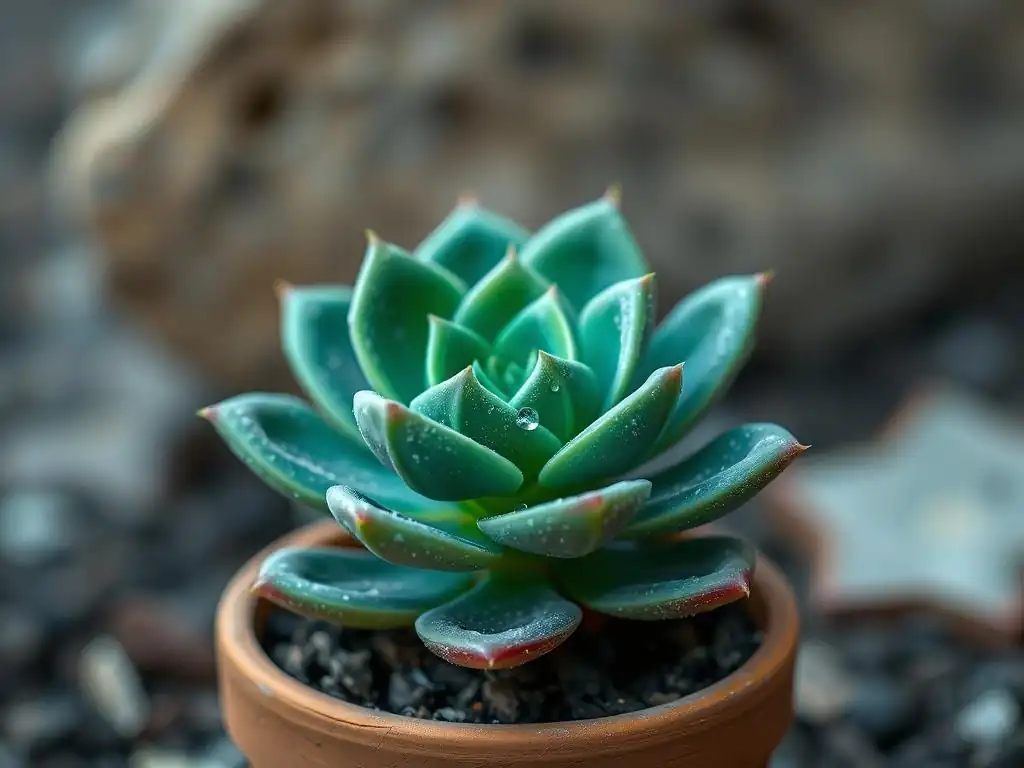
Creating a thriving succulent garden that's naturally resistant to pests begins with establishing a robust and healthy environment. This means focusing on preventative measures rather than solely relying on reactive treatments. A strong, healthy plant is far less susceptible to pest infestations than a weakened one. Think of it as building a strong immune system for your succulents! This section delves into the crucial aspects of preventative organic pest control for succulents.
Selecting Pest-Resistant Succulent Varieties like Sedum
One of the most effective organic pest control strategies is choosing succulent varieties known for their inherent pest resistance. Certain species are naturally less appealing to common succulent pests. Sedum varieties, for example, are often quite resilient. Their thick, fleshy leaves and sometimes slightly waxy coating can deter many insects and other pests. Other resilient options include Echeveria and certain Haworthia species. Researching the specific pest resistance of different succulent cultivars before planting is a proactive and highly effective organic approach.
Consider this table highlighting the relative pest resistance of some popular succulent genera:
| Genus | Relative Pest Resistance | Common Pests (if any) | Notes |
|---|---|---|---|
| Sedum | High | Mealybugs (rarely) | Thrives in well-drained soil; drought-tolerant |
| Echeveria | Moderate | Aphids, mealybugs | Requires good air circulation |
| Haworthia | Moderate to High | Snails, slugs (occasionally) | Prefers well-drained, gritty soil |
| Sempervivum | High | Relatively pest-free | Extremely drought-tolerant |
| Kalanchoe | Moderate | Aphids, whiteflies, mealybugs | Susceptible to fungal issues if overwatered |
Remember to always inspect new succulents before introducing them to your existing collection to prevent the accidental introduction of pests.
Beneficial Insects like Ladybugs for Your Succulent Garden
Introducing beneficial insects into your succulent garden is a cornerstone of organic pest control. These natural predators help keep pest populations in check, minimizing the need for chemical interventions. Ladybugs, for instance, are voracious eaters of aphids, a common succulent pest. Lacewings and praying mantises are also effective predators of various insects.
Attracting these beneficial insects requires creating a habitat they find appealing. This includes providing a diverse range of plants, including flowering species that provide nectar and pollen, as well as hiding places such as rocks and leaf litter. Avoid using broad-spectrum insecticides, as these will harm beneficial insects alongside the pests.
Creating a welcoming environment for these beneficial insects is crucial for successful integrated pest management (IPM). Providing a source of water, such as a shallow dish with pebbles, can also significantly increase their presence in your garden. Think of it as creating a natural “bug hotel” within your succulent collection!
Composting and Soil Health for Pest Prevention
Healthy soil is the foundation of a healthy plant, and a healthy plant is naturally more resistant to pests. Composting plays a vital role in building this healthy soil. Compost improves soil structure, aeration, and drainage, all of which contribute to stronger, more resilient succulents. Well-draining soil is particularly crucial for succulents, as it prevents root rot, a major vulnerability that can weaken plants and make them more susceptible to pests.
Furthermore, compost introduces beneficial microorganisms to the soil, which further enhances plant health and can suppress some plant diseases. Avoid using chemical fertilizers, as they can disrupt the soil's natural balance and potentially harm beneficial organisms. Opt for organic fertilizers instead, providing essential nutrients in a sustainable way. The improved soil structure and nutrient-rich environment fostered by composting creates a strong defense against pests, forming the bedrock of effective organic pest control for your succulents.
The Role of Sunlight in Preventing Fungal Diseases
Sunlight plays a crucial role in preventing fungal diseases in succulents. Many fungal pathogens thrive in damp, shady conditions. Adequate sunlight helps to dry the leaves and soil surface quickly, significantly reducing the risk of fungal infection. This is especially important after watering, as standing water on leaves creates the perfect breeding ground for fungi. Succulents, being drought-tolerant plants, often prefer a sunny or partially sunny location.
However, the intensity of sunlight required varies depending on the specific succulent species. Some varieties can tolerate full sun, while others might prefer the dappled shade of a partially sunny spot. Providing the correct amount of sunlight not only helps prevent fungal diseases but also promotes healthy growth and vibrant colors in your succulents. Insufficient sunlight can weaken the plants, making them more susceptible to pests and diseases.
Therefore, careful observation of your succulents and adjusting their position based on their light needs is vital for maintaining their health. Remember to monitor the soil moisture closely, ensuring proper drainage to further minimize the risk of fungal problems. Overwatering, combined with inadequate sunlight, is a recipe for fungal disaster. By providing sufficient sunlight and well-draining soil, you're creating a naturally less hospitable environment for fungal pathogens, leading to healthier, more resilient succulents.
Choosing the Right Location for Your Succulents with Good Air Circulation
Air circulation is another critical factor in preventing pest infestations and fungal diseases in your succulent collection. Stagnant air traps moisture, creating a humid environment ideal for the growth of fungal spores and the proliferation of pests. Conversely, good air circulation helps to keep the leaves dry and discourages the development of pests. When selecting a location for your succulents, consider areas with a gentle breeze.
Avoid placing them in enclosed spaces or areas with poor ventilation, such as inside a glass terrarium without adequate ventilation. A well-ventilated outdoor space, such as a patio or balcony, is often ideal. If growing succulents indoors, ensure good airflow by strategically positioning fans or opening windows to create a gentle breeze. However, avoid placing them in direct drafts, which can stress the plants.
The importance of air circulation cannot be overstated, as it contributes significantly to the overall health and resilience of your succulents against various threats. This natural pest control method is simple yet highly effective, creating a less hospitable environment for pests and diseases, leading to thriving and healthy succulent growth. Proper air circulation should be considered alongside other organic pest control methods for an integrated approach to maintaining healthy succulents. Remember that good air circulation works synergistically with sunlight to create an environment less conducive to pests and diseases in your succulent garden.
Frequently Asked Questions
What are some common succulent pests?
Succulents can be susceptible to pests like mealybugs, aphids, scale, and spider mites. These pests can weaken or even kill your plants if left untreated.
How can I identify a pest infestation early?
Look closely at your succulents for unusual spots, sticky residue, fine webbing, or small insects themselves. Early detection is crucial for effective treatment.
What are some organic methods for pest control?
Isopropyl alcohol (70% solution) is effective against many pests. You can also use neem oil or insecticidal soap, always following label instructions carefully.
How do I prevent pest infestations?
Good air circulation is key. Ensure your succulents aren't overcrowded and that they receive adequate sunlight. Regularly inspect your plants for any signs of infestation.
Are there any home remedies for pest control on succulents?
A solution of water and dish soap can sometimes help control minor infestations, particularly aphids. Always test a small area first to ensure it doesn't damage your plant.
Final Reflection: Cultivating a Thriving Ecosystem, Naturally
The fight for healthy succulents isn't just about aesthetics; it's about fostering a balanced ecosystem in our gardens and homes. Ignoring pest infestations can lead to the demise of our beloved plants, highlighting the urgent need for sustainable and effective solutions. The shift towards organic pest control isn't merely a trend; it's a necessity for the long-term health of our plants and the environment.
The journey into organic pest control for succulents has been a fascinating exploration of natural remedies and preventative measures. It's revealed the intricate interconnectedness of the plant world, reminding us that a healthy plant is a resilient plant. The glory of gardening: hands in the dirt, head in the sun, heart with nature. To nurture a garden is to feed not just the body, but the soul.
This quote perfectly encapsulates the deeper satisfaction derived from nurturing plants organically, fostering a connection that transcends mere horticulture.
Now, consider your own succulent collection. What steps can you take today to create a more resilient and pest-resistant environment? Will you experiment with neem oil, introduce beneficial insects, or perhaps focus on improving your soil health? The power to cultivate thriving succulents, naturally, rests in your hands. Embrace the journey, learn from each experience, and watch your plants flourish in a harmonious, pesticide-free haven.
Unleash Your Inner Green Thumb: Protect Your Succulents Naturally!
Congratulations on discovering the world of natural pest control for succulents! You've learned valuable techniques to keep your plants healthy without resorting to harmful chemicals. Ready to put your knowledge into practice?
- Prioritize preventative care: Regularly inspect your succulents for early signs of pests and address any problems immediately. This proactive approach is crucial for long-term success.
- Share your experiences: Join our online community forum to share your successes and challenges. Whether you've conquered a pest infestation or have a persistent problem, let's learn from each other!
- Experiment with natural remedies: Try a couple of the methods mentioned in this article and see what works best for your succulents and environment. You might discover a surprisingly effective solution!
So, which natural pest control method are you most excited to try? Let's cultivate a thriving succulent garden together!