
The EcoConscious Choice: Choosing Sustainable Pest Control for Succulents

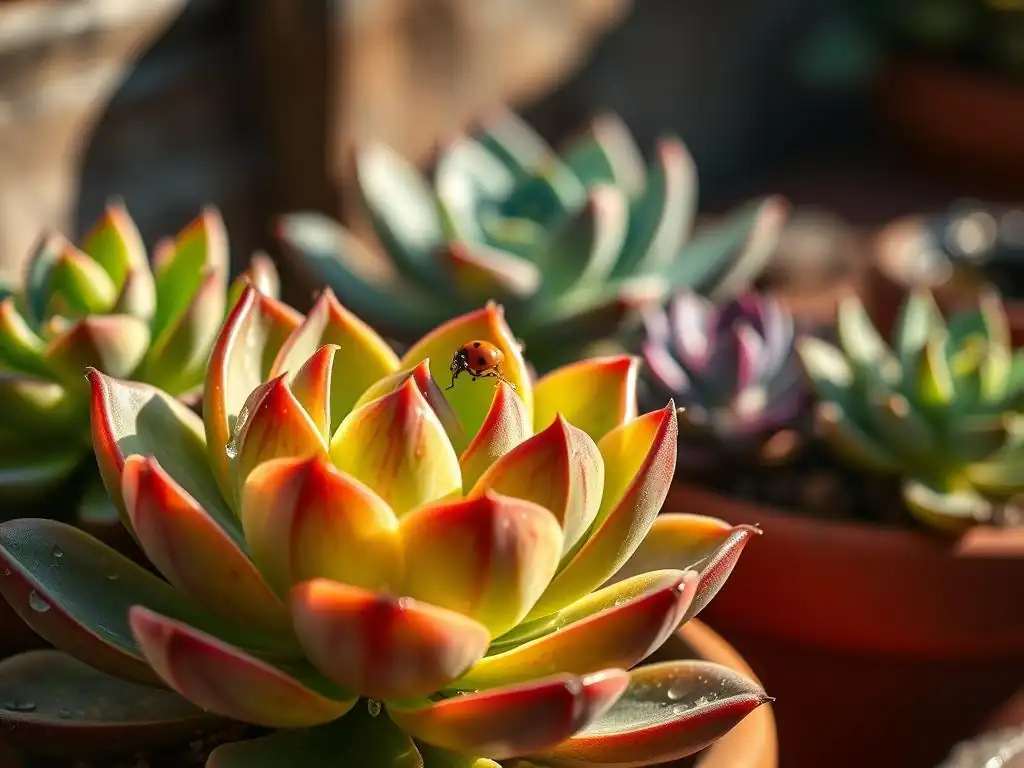
Welcome to SucculentEssentials.org, your gateway to the fascinating world of succulents! Are you ready to unlock the secrets to thriving, healthy plants without harming the environment? Discover the surprising truth behind ecofriendly succulent pest control, and learn how to nurture your beloved succulents using sustainable methods. Dive in and explore our expert guides – your journey to a greener, more vibrant succulent collection starts now!
- Understanding Common Succulent Pests and Diseases
- Ecofriendly Pest Control Methods for Succulents
- Implementing Integrated Pest Management (IPM) for Succulents
- Eco-Friendly Practices for a Thriving Succulent Collection
- Long-Term Sustainable Pest Control Strategies for Succulents
-
Frequently Asked Questions
- What are some eco-friendly ways to control pests on my succulents?
- Are chemical pesticides safe to use on succulents?
- How can I prevent pests from infesting my succulents in the first place?
- What is neem oil, and how does it work as a pest control method?
- Where can I find eco-friendly pest control products for succulents?
- Final Reflection: Cultivating a Greener Future, One Succulent at a Time
- Unleash Your Inner Green Thumb: Cultivate a Thriving, Eco-Friendly Succulent Garden
Understanding Common Succulent Pests and Diseases
Succulents, with their striking beauty and resilience, are increasingly popular additions to homes and gardens. However, even these drought-tolerant plants are susceptible to pests and diseases. Choosing eco-friendly pest control methods is crucial not only for the health of your succulents but also for protecting the environment and your own well-being.
This article will guide you through identifying common succulent pests, and most importantly, implementing effective and sustainable solutions for a thriving, pest-free succulent collection. We'll explore the principles of Integrated Pest Management (IPM) specifically tailored for succulents, emphasizing prevention and non-toxic control methods to maintain a healthy and vibrant garden while minimizing environmental impact. The goal is to empower you with the knowledge to proactively address infestations before they become significant problems, allowing you to enjoy the beauty of your succulents without resorting to harsh chemicals.
This approach aligns perfectly with the growing movement towards eco-friendly gardening practices and responsible plant care. Let's delve into the specific pests you might encounter and how to address them sustainably.
Identifying Mealybugs on Your Succulents
Mealybugs are among the most common pests affecting succulents. These tiny insects, often white and fluffy in appearance, cluster together, sucking sap from the plant's stems and leaves. Heavy infestations can lead to stunted growth, yellowing leaves, and even plant death. Early detection is key. Look carefully for these telltale signs:
- White, cottony masses: These are the most visible sign of a mealybug infestation. They often appear in leaf axils (where leaves meet the stem) and along stems.
- Sticky honeydew: Mealybugs excrete a sticky substance called honeydew, which can attract ants and promote the growth of sooty mold, a black fungus that further affects the plant's health.
- Yellowing or distorted leaves: As mealybugs feed, they weaken the plant, leading to discoloration and deformities in the leaves.
Effective eco-friendly control methods include:
- Manual removal: For small infestations, you can carefully remove mealybugs using a cotton swab dipped in rubbing alcohol or insecticidal soap.
- Insecticidal soap: This readily available organic solution can effectively control mealybugs when applied thoroughly to all affected areas. Always follow the product instructions carefully.
- Introducing beneficial insects: Ladybugs and lacewings are natural predators of mealybugs and can help to control populations in a sustainable way.
Recognizing Aphids Infesting Your Plants
Aphids are another common succulent pest. These small, pear-shaped insects, often green, black, or brown, cluster on the undersides of leaves and tender new growth. Similar to mealybugs, they suck sap from the plant, causing damage and weakening it. Look for these indicators:
- Small, soft-bodied insects: Aphids are easily visible to the naked eye, often clustered in large numbers.
- Curled or distorted leaves: Aphid feeding can cause leaves to curl, wrinkle, or become distorted.
- Honeydew: Like mealybugs, aphids also produce honeydew, which can lead to sooty mold.
Eco-friendly management strategies for aphids include:
- Strong water spray: A forceful spray of water can dislodge aphids from your succulents. Repeat this regularly to control the population.
- Neem oil: Neem oil is a natural insecticide derived from the neem tree. It is effective against aphids and other soft-bodied insects. Apply according to the product instructions.
- Encourage natural predators: As with mealybugs, introducing beneficial insects like ladybugs can provide long-term control.
Spotting Scale Insects: A Guide for Succulent Owners
Scale insects are less mobile than mealybugs or aphids and appear as small, hard bumps on the stems and leaves of succulents. They come in various colors and can be difficult to detect initially. They also suck plant sap, leading to similar damage as other sap-sucking pests. Key signs of scale infestation include:
- Small, hard bumps on stems and leaves: These bumps are the scale insects themselves, often adhering tightly to the plant's surface.
- Yellowing or browning leaves: Similar to other sap-sucking pests, scale insects cause leaf discoloration and weakening.
- Honeydew and sooty mold: Scale insects also produce honeydew, attracting ants and promoting sooty mold growth.
Sustainable control options for scale insects:
- Manual removal: Small infestations can be managed by carefully scraping off the scale insects with a fingernail or a small, blunt tool.
- Isopropyl alcohol: Applying isopropyl alcohol (70% concentration) directly to the scale insects with a cotton swab can effectively kill them.
- Horticultural oil: Horticultural oil is a natural oil that suffocates scale insects. Apply according to the product instructions, ensuring thorough coverage. It's important to note that this should be used in cooler temperatures to avoid plant damage.
Dealing with Root Rot: Prevention and Treatment
Root rot, a common and devastating succulent ailment, stems from overwatering and poorly draining soil. The telltale signs include mushy, discolored stems and leaves, often accompanied by a foul odor. Prevention is key, starting with choosing the right potting mix. A well-draining blend, often incorporating perlite, pumice, or coarse sand, is crucial. Avoid using heavy clay soils that retain excessive moisture.
Ensure your pots have adequate drainage holes to prevent waterlogging. Watering should be infrequent, allowing the soil to dry out completely between waterings. Feel the soil's dryness before watering; your finger should feel dry an inch or two below the surface. Overwatering is the most common cause of root rot, so err on the side of underwatering, especially during the succulent's dormant period.
Treating existing root rot requires swift action. The first step is to carefully remove the succulent from its pot. Gently wash away the soil to inspect the roots. Any soft, mushy, or dark brown roots should be pruned away with sterilized scissors or a knife. A solution of diluted hydrogen peroxide can help sterilize the cutting tools and the affected areas.
After pruning, allow the roots to air dry for a few hours before repotting the succulent in fresh, dry, well-draining soil. Reduce watering frequency significantly during the recovery period, monitoring the plant closely for any signs of recurring rot. In severe cases, propagation from healthy cuttings might be necessary to save the plant. Remember, prevention through proper watering and soil selection is far more effective than treatment. Regular inspection of your succulents is also crucial for early detection and intervention.
Preventing and Treating Fungal Diseases in Succulents
Fungal diseases, often favored by humid conditions and poor air circulation, can wreak havoc on succulents. These diseases manifest in various ways, from powdery mildew (a white, powdery coating on leaves) to leaf spots (brown or black spots on foliage) and stem rot (darkening and softening of the stem). Prevention is paramount and begins with providing optimal growing conditions. Ensure good air circulation around your succulents, avoiding overcrowding.
Water succulents from the base, avoiding wetting the leaves, as moisture on the leaves can encourage fungal growth. Maintain a clean growing environment, removing any fallen leaves or debris that might harbor fungal spores. Avoid overhead watering, especially during cooler or humid periods.
Treating existing fungal infections often involves a combination of strategies. First, isolate the affected succulent to prevent the spread of the disease to healthy plants. Remove and discard any severely affected leaves or stems. For mild infections, a diluted solution of neem oil or baking soda can be effective.
Mix a small amount of either with water and spray it evenly onto the affected areas, avoiding overspray. Ensure good air circulation to promote drying. For more severe infections, a fungicide specifically designed for succulents might be necessary. Always follow the manufacturer's instructions carefully.
In some cases, propagation from healthy cuttings may be the only way to save the plant and prevent the spread of the fungus. Regular inspection and prompt treatment are crucial for managing fungal diseases effectively, ensuring the health and longevity of your succulent collection. Remember, a proactive approach to prevention is always the best defense against fungal issues.
Ecofriendly Pest Control Methods for Succulents
This section delves into practical, ecofriendly methods for managing common succulent pests, minimizing harm to the environment and your plants. We'll explore natural predators, homemade sprays, and the effective use of neem oil – all crucial components of ecofriendly succulent pest control. Remember, early detection is key to successful pest management, so regular inspection of your succulents is vital.
Natural Predators: Beneficial Insects for Your Garden
Introducing beneficial insects into your succulent garden is a cornerstone of integrated pest management (IPM) and a highly effective method of ecofriendly succulent pest control. These tiny allies can significantly reduce pest populations without resorting to harmful chemicals. Specific insects vary in effectiveness depending on the pest, but some commonly used beneficials include:
- Ladybugs: These voracious eaters are particularly effective against aphids and mealybugs, common succulent pests. Introducing ladybugs can drastically reduce these infestations, leading to healthier plants. Consider purchasing ladybug larvae or adult beetles from a reputable supplier.
- Lacewings: Lacewing larvae, also known as aphid lions, are incredibly efficient aphid predators. They're easily attracted to gardens with diverse flowering plants that provide nectar and pollen.
- Praying Mantises: These masters of camouflage are effective against a wide range of pests, including caterpillars, flies, and even some larger insects that may prey on your succulents. Attracting them to your garden can be achieved by providing shelter and avoiding the use of broad-spectrum insecticides.
The success of this method relies on creating a welcoming environment for beneficial insects. This involves planting a variety of flowering plants, avoiding the use of pesticides, and providing sources of water. A healthy, diverse garden will naturally attract and support these helpful creatures, contributing to long-term ecofriendly succulent pest control. Remember to research the specific pests affecting your succulents to choose the most appropriate beneficial insect.
Homemade Pest Control Sprays for Succulents: Recipes and Applications
Creating your own homemade pest control sprays is a simple and environmentally conscious approach to managing succulent pests. These sprays avoid harsh chemicals and offer a gentler, more sustainable alternative to commercially available products. Here are a few effective recipes:
- Isopropyl Alcohol Spray (for mealybugs and aphids): Mix 70% isopropyl alcohol with water in a 1:1 ratio. Spray directly onto affected areas, ensuring thorough coverage. Caution: Test on a small area first to ensure it doesn't damage your succulents.
- Castile Soap Spray (for a wide range of pests): Dissolve 1-2 teaspoons of liquid castile soap in 1 quart of water. Add a teaspoon of horticultural oil for added effectiveness. Spray liberally, focusing on the undersides of leaves where pests often hide.
- Neem Oil Spray (a more comprehensive solution, discussed in detail below): This versatile spray tackles many pests and diseases. Follow the instructions on the neem oil product label for dilution ratios.
Important Considerations: Always test any homemade spray on a small, inconspicuous area of a plant before applying it broadly. Apply sprays in the early morning or evening to avoid sun damage to your succulents. Reapplication may be necessary depending on the severity of the infestation. Properly label your homemade sprays to avoid accidental misuse. Accurate identification of the pest is crucial for choosing the most effective homemade spray.
Neem Oil: An Effective and Sustainable Solution
Neem oil, derived from the neem tree, is a powerful and widely used ecofriendly solution for succulent pest control. It acts as a natural insecticide, fungicide, and miticide, making it a versatile tool in your IPM arsenal. Neem oil disrupts the life cycle of many common succulent pests, including mealybugs, spider mites, and aphids, by interfering with their feeding and reproduction.
Application: Always dilute neem oil according to the manufacturer's instructions. Too high a concentration can damage your succulents. Thoroughly spray the affected areas, ensuring complete coverage, including the undersides of leaves. Reapplication may be necessary, typically every 7-10 days, depending on the severity of the infestation and weather conditions.
Advantages of Neem Oil:
- Broad-spectrum control: Effective against a wide range of pests and diseases.
- Sustainable and biodegradable: Environmentally friendly and poses minimal risk to beneficial insects when used correctly.
- Systemic action: Penetrates plant tissue, offering longer-lasting protection.
- Relatively low toxicity: Safer than many synthetic pesticides.
Despite its effectiveness, neem oil can sometimes cause leaf discoloration or damage if used improperly. Always follow label instructions carefully and perform a test spray before widespread application. Choosing ecofriendly succulent pest control methods like neem oil demonstrates a commitment to both plant health and environmental sustainability.
Diatomaceous Earth: A Natural Pest Control Option
Diatomaceous earth (DE) is a naturally occurring sedimentary rock composed of fossilized diatoms. Its microscopic, sharp edges make it an effective desiccant, meaning it draws moisture from insects' exoskeletons, leading to dehydration and death. This makes it a fantastic ecofriendly option for controlling various succulent pests, including mealybugs, aphids, and spider mites. The application is straightforward: simply dust the affected areas of your succulents, focusing on the undersides of leaves where pests often hide.
Remember to use food-grade DE, as other types may contain harmful chemicals. Reapplication may be necessary, especially after watering, as DE can be washed away. While generally safe for humans and pets, it's advisable to wear a dust mask during application to avoid inhalation. Using DE effectively requires consistent application and monitoring of the pest population.
For larger infestations, combining DE with other eco-friendly methods might be necessary for optimal results. Remember to thoroughly dust all parts of the plant, including crevices and leaf axils, to ensure complete coverage and effectiveness. Regular monitoring is crucial to catch infestations early and prevent a large-scale outbreak. A proactive approach using DE can significantly reduce the need for harsher chemical treatments, ensuring the health of your succulents and the environment.
Isopropyl Alcohol: A Safe and Effective Treatment for Specific Pests
Isopropyl alcohol (IPA), commonly found in household cleaning supplies, is another effective and eco-friendly option for targeting specific succulent pests. Unlike broad-spectrum pesticides, IPA offers a targeted approach, minimizing harm to beneficial insects and the environment. Its effectiveness lies in its ability to quickly dehydrate and kill insects upon contact. It's particularly useful against mealybugs and aphids, which often cluster on succulent stems and leaves.
To use IPA, dilute it with water (a 70% solution is generally recommended) and carefully apply it directly to the affected areas using a cotton swab or spray bottle. Be mindful not to over-saturate the plant, as this could damage the leaves. Test the solution on a small, inconspicuous area of the plant first to ensure it doesn't cause any adverse reactions. The application should be repeated as needed, usually every few days, until the infestation is under control.
While IPA is considered safe for succulents when used correctly, always exercise caution and avoid spraying directly onto flowers or new growth. Remember, responsible application is key to maintaining the health of your plants and preventing environmental damage. Always opt for the lowest concentration of IPA necessary to effectively control the pests, and never use it in direct sunlight as this can increase the risk of leaf burn. Combining IPA treatments with other eco-friendly methods like improved plant hygiene and monitoring can provide a holistic approach to eco-friendly pest management.
Implementing Integrated Pest Management (IPM) for Succulents
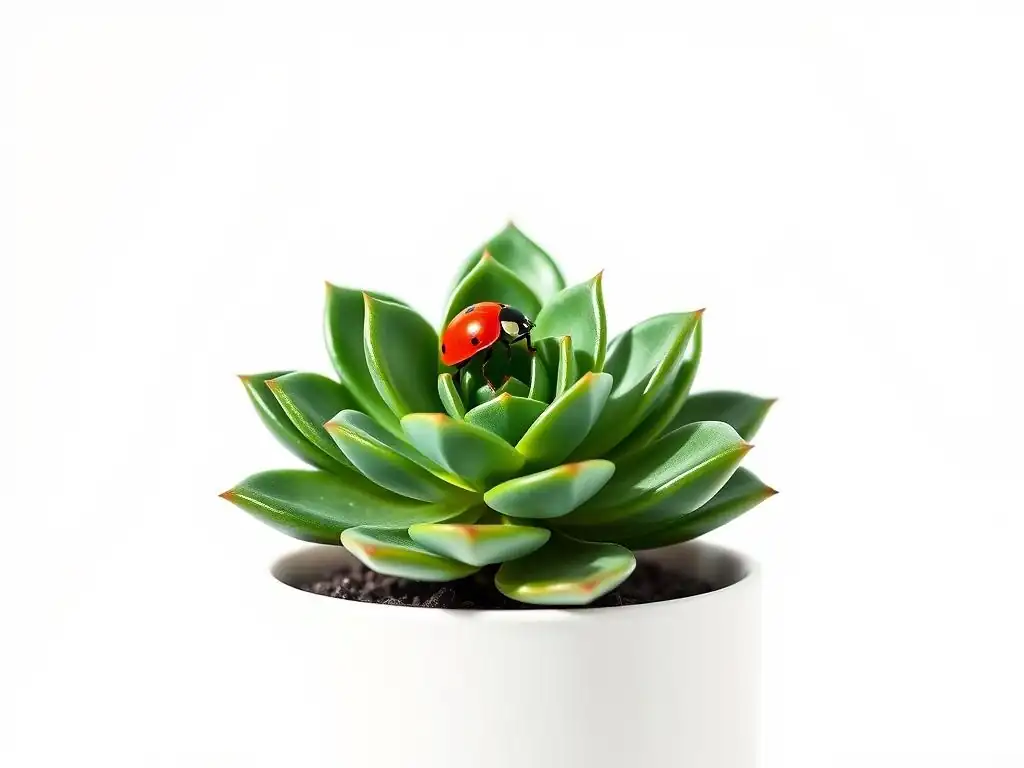
This section details the practical application of Integrated Pest Management (IPM) specifically tailored for succulents. IPM prioritizes prevention and minimally invasive methods, only resorting to stronger interventions when absolutely necessary. This ecofriendly succulent pest control approach minimizes environmental impact while protecting your precious plants.
Regular Inspection and Early Detection of Pests
Regular and thorough inspections are the cornerstone of effective IPM for succulents. Early detection significantly increases the chances of successful, minimally invasive treatment. Aim for weekly inspections, especially during peak growing seasons (spring and summer). Pay close attention to the undersides of leaves, crevices between leaves, and the soil surface. Common succulent pests include mealybugs, aphids, spider mites, and scale insects. Knowing what to look for is crucial.
Mealybugs, for instance, appear as small, white, cottony masses, often clustered in leaf axils. Aphids are small, soft-bodied insects that may be green, black, or brown, and they typically cluster on new growth. Spider mites are microscopic, but their presence is revealed by fine webbing and stippling (tiny yellow or brown spots) on leaves. Scale insects appear as tiny bumps on stems and leaves, often adhering firmly to the plant's surface.
A simple magnifying glass can be invaluable in identifying smaller pests. Keep a detailed record of your observations, noting the type of pest, the affected plants, and the severity of the infestation. This record will aid in tracking pest activity and guiding your treatment decisions. Early detection allows you to employ less toxic control methods, making your ecofriendly succulent pest control strategy highly effective.
Monitoring Pest Populations: Knowing When to Intervene
Monitoring pest populations is crucial to determining the appropriate response. A few isolated pests might not warrant immediate treatment. However, a rapidly expanding infestation requires prompt action. This is where the diligent record-keeping from the previous step proves invaluable.
Consider these factors when assessing the need for intervention:
- Pest Density: Count the number of pests on several representative plants. A high concentration indicates a more serious problem.
- Plant Health: Observe the overall health of the affected plants. Significant damage, such as wilting, leaf drop, or discoloration, necessitates intervention.
- Spread: Note whether the infestation is localized or spreading to other plants. Rapid spread indicates a need for more decisive action.
A simple visual assessment often suffices. However, for more precise monitoring, especially with microscopic pests like spider mites, you might consider using a hand lens or a digital microscope. Remember, the goal is to minimize the use of pesticides while still effectively controlling the pest population. Your ecofriendly succulent pest control approach should always prioritize prevention and early intervention.
Choosing the Right Treatment Based on the Severity of the Infestation
The chosen treatment should directly correlate with the severity of the infestation. For minor infestations, a gentle approach often suffices. For example, a few mealybugs can often be removed manually with a cotton swab dipped in isopropyl alcohol. Similarly, a strong spray of water can dislodge aphids.
For more severe infestations, you may consider using insecticidal soaps or neem oil. These are relatively low-toxicity options that effectively control many common succulent pests. Always follow the product instructions carefully and consider using them on a small test area first to ensure there are no negative reactions on your specific succulent varieties. Always ensure proper ventilation when using any kind of spray.
| Infestation Severity | Recommended Treatment | Notes |
|---|---|---|
| Minor | Manual removal, strong water spray | Effective for small infestations of mealybugs or aphids. |
| Moderate | Insecticidal soap, neem oil | Follow product instructions carefully. |
| Severe | [Specific information pending] | May require professional consultation or stronger, targeted treatments. |
Remember, patience and observation are key to successful ecofriendly succulent pest control. By implementing an IPM strategy, you can protect your succulents while minimizing your environmental impact. Consistent monitoring and a measured approach will ensure the long-term health and vitality of your succulent collection.
Preventing Future Infestations: Proactive Measures
Preventing pest infestations is far more effective than dealing with them after they've taken hold. A proactive approach to ecofriendly succulent pest control is crucial for maintaining the health of your plants and minimizing the need for interventions. This involves a multi-pronged strategy focusing on careful plant selection, proper hygiene, and consistent monitoring.
Firstly, choosing healthy succulents from reputable sources is paramount. Inspect each plant thoroughly before purchasing, looking for any signs of pests or diseases. Avoid plants that show signs of stress, such as wilting, discoloration, or unusual spots. Quarantine new succulents for several weeks before introducing them to your existing collection to prevent the accidental introduction of pests. This isolation period allows you to observe the plants closely and take action if any issues arise.
Secondly, maintaining impeccable hygiene is vital in preventing pest infestations. Regularly clean your gardening tools and pots with a mild soap solution to eliminate any lingering pests or their eggs. Remove any fallen leaves or debris from around your succulents, as these can harbor pests and diseases. Consider using sterilized potting mix to reduce the risk of introducing pests through contaminated soil. This seemingly small step significantly reduces the chance of future problems.
Finally, consistent monitoring is key. Regularly inspect your succulents for any signs of pests, such as webbing, discoloration, or unusual holes in leaves. Early detection allows for prompt intervention, preventing minor problems from escalating into major infestations. A quick check once a week can make a significant difference in the long run. Remember that early detection is the cornerstone of effective and ecofriendly succulent pest control.
Maintaining a Healthy Growing Environment for Succulents
A healthy growing environment is the first line of defense against pests. Succulents, like all plants, thrive when their needs are met, making them less susceptible to pest infestations. Providing the right conditions significantly improves their resilience and reduces the likelihood of pest problems. This involves careful consideration of several key factors.
Proper watering is crucial. Overwatering creates a damp environment that is ideal for many pests to thrive. Ensure your succulents have well-draining soil and avoid overwatering, allowing the soil to dry out completely between waterings. Observe the plants closely; their leaves will often show signs of underwatering or overwatering. Adjust your watering schedule accordingly to maintain a healthy balance.
Adequate sunlight is equally important. Succulents need plenty of sunlight to stay healthy and strong. Insufficient sunlight weakens the plants, making them more vulnerable to pests and diseases. Ensure your succulents receive at least six hours of sunlight per day. If you are growing them indoors, consider using grow lights to supplement natural sunlight. Providing the proper amount of sunlight is a crucial aspect of ecofriendly succulent pest control.
Finally, proper fertilization plays a significant role. Using balanced, slow-release fertilizers provides the nutrients your succulents need to grow strong and resist pests. Avoid over-fertilizing, as this can weaken the plants and make them more susceptible to problems. Choose organic fertilizers whenever possible to minimize the environmental impact. A well-nourished succulent is far better equipped to handle the challenges posed by pests. By focusing on these aspects, you create a robust preventative strategy for ecofriendly succulent pest control.
Eco-Friendly Practices for a Thriving Succulent Collection
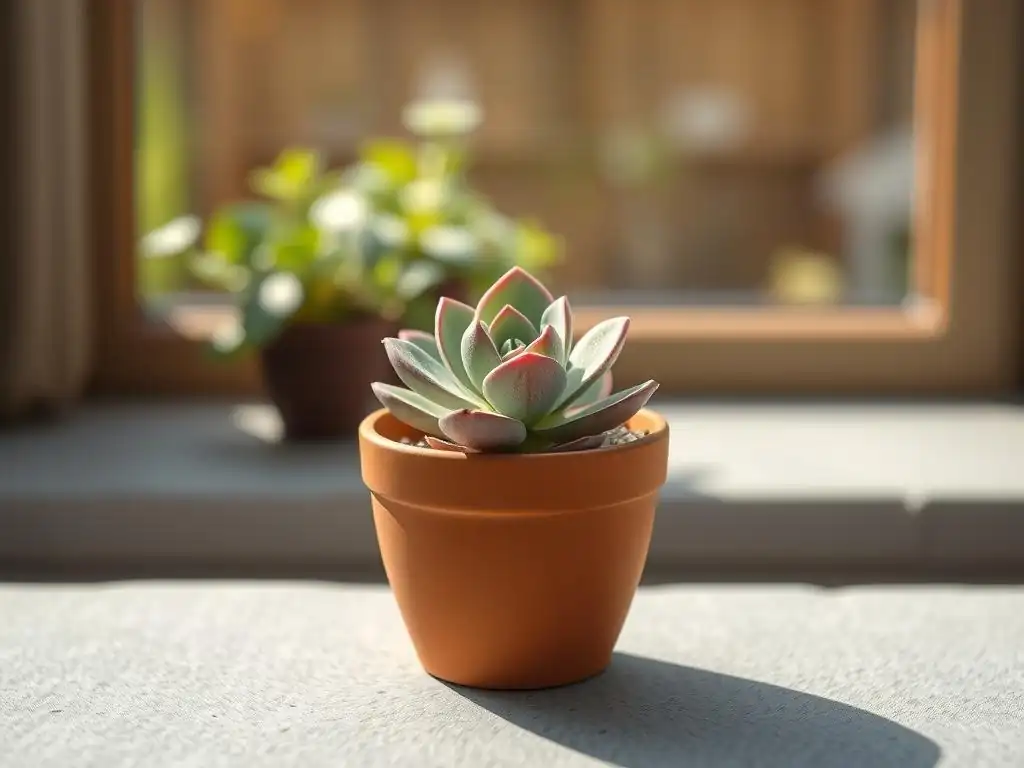
This section focuses on proactive, eco-friendly strategies to minimize the need for pest control in your succulent collection. A healthy, robust plant is far less susceptible to infestations. By implementing these preventative measures, you're not only protecting your succulents but also contributing to a more sustainable gardening practice – a key aspect of ecofriendly succulent pest control.
Choosing Pest-Resistant Succulent Varieties
Selecting inherently pest-resistant succulent varieties is your first line of defense in ecofriendly succulent pest control. Some succulents naturally possess characteristics that deter common pests. Researching the resilience of different species before purchasing is crucial. For example, Sedum species are often noted for their hardiness and resistance to many common succulent pests. Similarly, Echeveria varieties, while not entirely immune, tend to be less prone to infestations compared to more delicate succulents.
Consider these factors when choosing your succulents:
- Thick, waxy leaves: These leaves often make it difficult for pests to penetrate and feed.
- Hairy or fuzzy foliage: The hairs can act as a physical barrier, deterring insects.
- Known pest resistance: Look for varieties specifically mentioned as being less susceptible to common pests like mealybugs, aphids, or spider mites.
Remember, even pest-resistant varieties can succumb to infestations if stressed. Therefore, maintaining optimal growing conditions remains paramount. Building a diverse collection of resilient succulents is a key strategy in long-term, ecofriendly succulent pest control.
Proper Watering Techniques to Prevent Pest Problems
Overwatering is a significant contributor to succulent stress, making them more vulnerable to pest infestations. Proper watering techniques are fundamental to ecofriendly succulent pest control. Avoid frequent, shallow watering, which can lead to soggy soil and root rot – a breeding ground for pests.
Instead, adopt a "deep watering, infrequent watering" approach. Allow the soil to dry out completely between waterings. The frequency will depend on factors like pot size, soil type, and climate. Feel the soil with your finger; if it's dry a few inches below the surface, it's time to water thoroughly until water drains from the drainage holes. Remember, underwatering is preferable to overwatering for succulents. Consistent, mindful watering is a crucial component of ecofriendly succulent pest control.
Here's a table summarizing ideal watering practices:
| Season | Watering Frequency | Soil Moisture Check |
|---|---|---|
| Spring/Summer | Every 7-14 days | Dry several inches down |
| Fall/Winter | Every 2-4 weeks, or less | Completely dry |
Providing Adequate Sunlight and Air Circulation
Insufficient sunlight and poor air circulation contribute to a damp, humid environment – an ideal breeding ground for many succulent pests. Therefore, providing adequate sunlight and air circulation is critical for ecofriendly succulent pest control.
- Sunlight: Most succulents thrive in bright, indirect sunlight. Ensure your succulents receive at least 6 hours of sunlight per day. However, avoid direct, intense midday sun, which can scorch their leaves.
- Air Circulation: Good air circulation helps to prevent the build-up of moisture and humidity, deterring pests. Avoid overcrowding your succulents; allow for sufficient space between plants to promote airflow. Consider using a fan on low speed in particularly humid environments. Proper placement and spacing are essential elements of ecofriendly succulent pest control. A well-ventilated environment minimizes the risk of fungal diseases and pest infestations, promoting the overall health and resilience of your succulent collection. 🪴
Soil Health and its Impact on Pest Resistance
Healthy soil is the cornerstone of robust, pest-resistant succulents. Well-draining soil, rich in organic matter, fosters strong root systems, crucial for nutrient uptake and overall plant vigor. Succulents with healthy root systems are better equipped to withstand pest infestations. Poor soil quality, conversely, weakens plants, making them more susceptible to pests and diseases. Think of it like this: a malnourished succulent is like a person with a weakened immune system – much more vulnerable to illness.
The type of soil you use significantly impacts your succulent's health. Using a pre-mixed succulent and cacti potting mix is a good start, as these blends typically provide excellent drainage. However, you can further enhance your soil's quality by incorporating organic amendments like perlite, vermiculite, or pumice. These materials improve aeration and drainage, preventing waterlogging which can lead to root rot – a major attractor for various pests.
Regular soil testing can help identify nutrient deficiencies. Addressing these deficiencies promptly, through appropriate fertilization, strengthens your succulents and improves their natural pest resistance. Remember, a thriving plant is less likely to become a target for pests. Ignoring soil health is like inviting pests into your succulent paradise.
The Importance of Cleanliness in Preventing Pests
Maintaining a clean succulent environment is paramount in preventing pest infestations. Regularly inspecting your plants for signs of pests, such as tiny insects, webbing, or discoloration, is crucial for early detection and intervention. Early detection minimizes the spread of infestations and simplifies treatment. This proactive approach is a key element of eco-friendly pest control.
Cleaning your succulents and their surroundings involves several steps. First, gently wipe down the leaves of your succulents with a damp cloth or soft brush to remove dust and debris. This removes potential hiding places for pests and their eggs. Secondly, regularly clean your pots and trays. Residue from old potting mix and spilled water can harbor pests. Thoroughly washing your pots before repotting prevents the introduction of pests from previously infested plants.
Finally, keep your surrounding area clean, removing fallen leaves and debris. These decaying materials can attract pests and provide breeding grounds. A clean and organized succulent collection is a healthier and less pest-prone collection. Think of it as a preventative measure – keeping your succulents clean is like regular hygiene for yourself – it minimizes the risk of illness. Preventing infestations through cleanliness is far more sustainable and eco-friendly than relying on chemical pesticides.
Long-Term Sustainable Pest Control Strategies for Succulents
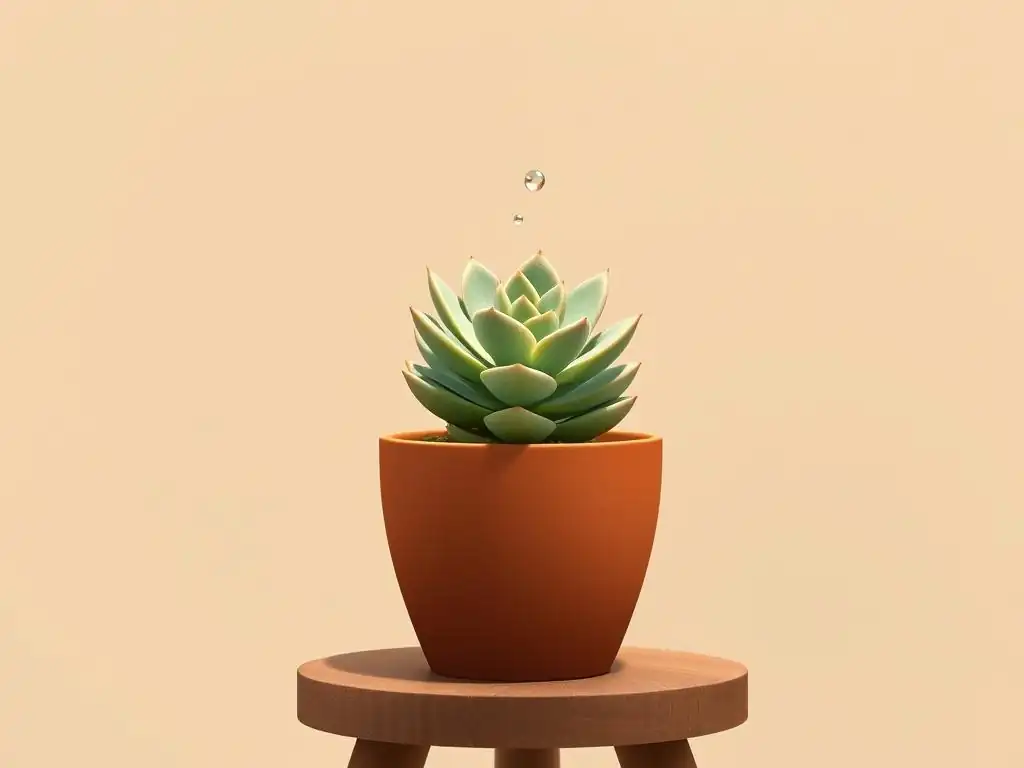
This section delves into proactive, ecofriendly succulent pest control methods that minimize the need for harsh chemicals. Adopting these long-term strategies shifts the focus from reactive treatment to preventative care, fostering a thriving and resilient succulent garden. By understanding the underlying principles of ecological balance, you can create a garden environment where pests are naturally suppressed, reducing the reliance on external interventions. This approach is crucial for maintaining the health of your plants and the overall well-being of your garden ecosystem. Remember, a healthy plant is far less susceptible to pest infestations.
Composting and Recycling for Sustainable Gardening
Composting plays a vital role in ecofriendly succulent pest control. Nutrient-rich compost improves soil health, strengthening your succulents' natural defenses against pests and diseases. By enriching the soil with organic matter, you create a thriving environment that promotes strong root systems and vigorous growth. Stronger plants are inherently more resistant to pest attacks. Furthermore, recycling materials like plastic containers and terracotta pots reduces waste and minimizes your environmental impact. Repurposed containers can be used for propagation or as part of your succulent arrangements, contributing to a more sustainable gardening practice.
Consider these practical steps:
- Start a compost bin: Collect kitchen scraps (avoiding meat and dairy), yard waste, and other organic materials. Regularly turn the compost to ensure proper decomposition.
- Use finished compost: Incorporate compost into your succulent potting mix to improve drainage and aeration while providing essential nutrients.
- Recycle containers: Repurpose plastic containers for propagation or create unique planters from recycled materials. This reduces waste and adds a touch of creativity to your gardening.
Remember, consistent composting and recycling significantly contribute to a healthier, more resilient succulent garden, a cornerstone of effective ecofriendly succulent pest control.
Utilizing Organic Mulch to Deter Pests
Organic mulch acts as a natural barrier, deterring pests from reaching your succulents. Materials like shredded bark, pine needles, or even gravel create a physical barrier that makes it harder for crawling insects to access your plants. This simple yet effective technique is a key component of integrated pest management (IPM) strategies, reducing the need for chemical interventions. Moreover, mulch helps to regulate soil moisture, keeping the soil consistently moist without overwatering—a common problem that weakens succulents and makes them more susceptible to pests.
Here are some mulch options and their benefits:
| Mulch Type | Benefits | Considerations |
|---|---|---|
| Shredded Bark | Excellent water retention, good drainage | May need occasional replenishment |
| Pine Needles | Acidic, suitable for specific succulent types | Can decompose relatively quickly |
| Gravel | Excellent drainage, prevents weed growth | Can overheat in direct sunlight |
| Crushed Granite | Decorative, good drainage | Can be expensive |
Choosing the right mulch depends on your specific succulent species and climate. Regularly inspect your mulch layer and replenish as needed to maintain its effectiveness.
Creating a Balanced Ecosystem in Your Succulent Garden
A balanced ecosystem is the ultimate form of ecofriendly succulent pest control. By encouraging beneficial insects and other organisms, you create a natural system that keeps pest populations in check. Introducing ladybugs, lacewings, or praying mantises can significantly reduce aphid and mealybug infestations. These beneficial insects are natural predators of common succulent pests, offering a biological control method that is both effective and environmentally friendly.
Consider these strategies to foster a balanced ecosystem:
- Attract beneficial insects: Plant flowers that attract pollinators and beneficial insects, providing a food source for natural predators.
- Avoid broad-spectrum pesticides: These chemicals harm beneficial insects along with pests, disrupting the delicate balance of your garden ecosystem.
- Monitor your plants regularly: Early detection of pest infestations allows for prompt intervention with less invasive methods.
By focusing on creating a healthy and balanced environment, you can significantly reduce the need for chemical pest control, promoting a sustainable and thriving succulent garden. This holistic approach to gardening is crucial for long-term success and aligns perfectly with the principles of ecofriendly succulent pest control.
The Role of Biodiversity in Pest Control
A cornerstone of ecofriendly succulent pest control is fostering biodiversity in your garden. A diverse ecosystem naturally regulates pest populations. Predatory insects, such as ladybugs and lacewings, are voracious consumers of common succulent pests like aphids and mealybugs. Encouraging these beneficial insects into your garden is far more effective than relying solely on chemical pesticides.
This can be achieved by planting a variety of flowering plants that attract these beneficial predators. Consider including plants like dill, fennel, and yarrow, which are known to attract beneficial insects. These plants provide a food source and habitat, making your garden a haven for natural pest control. Avoid using broad-spectrum insecticides, as these will harm beneficial insects along with the pests, undermining the natural balance you're trying to create.
Remember, a healthy, biodiverse garden is inherently more resilient to pest infestations. The more diverse your plant life, the more resilient your ecosystem will be to both pests and environmental stresses. A healthy soil ecosystem also plays a crucial role; healthy soil supports a thriving community of beneficial microorganisms which contribute to plant health and pest resistance.
Continuous Monitoring and Adaptation of Your IPM Strategy
Effective ecofriendly succulent pest control is not a one-size-fits-all solution. It requires consistent monitoring and adaptation. Regularly inspect your succulents for signs of pests, paying close attention to the undersides of leaves and crevices. Early detection is key to preventing major infestations. Keep detailed records of your observations, noting the types of pests encountered, their severity, and the effectiveness of any control measures implemented.
This data will inform your future strategies. For example, if you discover a sudden increase in mealybugs, you might need to adjust your preventative measures, such as improving air circulation or introducing more beneficial insects. The climate also plays a significant role; certain weather patterns can influence pest populations. Hot, dry periods might lead to an increase in spider mites, while humid conditions could favor fungal diseases.
By tracking these environmental factors and their impact on your succulent's health, you can proactively adjust your IPM strategy to mitigate potential problems. Flexibility and continuous learning are essential aspects of successful long-term sustainable pest management. Remember, nature is dynamic, and your approach should be too. Adapting your strategy based on observations and environmental conditions is crucial for long-term success in ecofriendly succulent pest control.
Frequently Asked Questions
What are some eco-friendly ways to control pests on my succulents?
Several organic methods exist, such as using insecticidal soap, neem oil, or introducing beneficial insects like ladybugs. Diatomaceous earth is also a safe and effective option. Always follow product instructions carefully.
Are chemical pesticides safe to use on succulents?
Using chemical pesticides can harm not only pests but also your succulents and beneficial insects, and even pollute the environment. It's generally best to avoid them and opt for eco-friendly alternatives.
How can I prevent pests from infesting my succulents in the first place?
Good hygiene is key! Regularly inspect your plants, remove any affected leaves promptly, and ensure proper watering and drainage to prevent fungal growth that attracts pests.
What is neem oil, and how does it work as a pest control method?
Neem oil is a natural insecticide derived from the neem tree. It disrupts the life cycle of many common succulent pests by affecting their feeding and reproduction. It's a relatively safe and effective option.
Where can I find eco-friendly pest control products for succulents?
Many online retailers and garden centers now stock organic pest control options. You can also find recipes for DIY solutions using household ingredients online, but always test a small area first.
Final Reflection: Cultivating a Greener Future, One Succulent at a Time
The fight for ecological balance isn't just about grand gestures; it's about the mindful choices we make in our everyday lives. Protecting our precious succulents, and the environment they inhabit, requires a conscious shift towards sustainable practices, a shift that directly impacts the health of our planet and the beauty of our homes. The seemingly small act of choosing eco-friendly pest control for our succulents ripples outwards, influencing the larger conversation surrounding responsible gardening and environmental stewardship.
The journey towards sustainable succulent care has been a deeply personal one for me, highlighting the interconnectedness of our actions and their consequences. It's not simply about avoiding harsh chemicals; it's about fostering a deeper respect for the delicate ecosystems we are a part of. The Earth provides enough to satisfy every man's needs but not every man's greed,
a quote often attributed to Mahatma Gandhi, perfectly encapsulates the urgency of this shift. By embracing eco-friendly methods, we actively participate in a movement that prioritizes the well-being of both our plants and the planet.
Now, consider your own succulent collection. What steps can you take today to make your care practices more sustainable? Will you explore natural pest control methods, reduce water consumption, or perhaps even propagate your succulents to share their beauty with others? The path towards a greener future begins with a single, conscious choice – a choice that, when multiplied by countless others, can transform our relationship with the natural world and cultivate a more vibrant and sustainable future for generations to come.
Unleash Your Inner Green Thumb: Cultivate a Thriving, Eco-Friendly Succulent Garden
Thanks for exploring the world of sustainable succulent care! You've learned how to protect your plants without harming the environment. Ready to put your knowledge into practice?
- Try a natural pest control method from this week's article. Start small—even using neem oil can make a big difference!
- Share your sustainable gardening journey with fellow succulent enthusiasts on social media! Use #EcoSucculents and tag @SucculentEssentials. Let's build a community of eco-conscious plant lovers.
- Explore other natural solutions to common succulent problems on our website, SucculentEssentials.org. Discover more tips and tricks for a thriving, healthy garden.
What natural pest control method are you most excited to try, and why?