
Soil Secrets: Choosing the Right Mix to Deter Pests in Your Succulent Garden

Welcome to SucculentEssentials.org, where the fascinating world of succulents unfolds before you! Are you ready to unlock the secrets to thriving succulent gardens? We delve into every aspect of succulent care, from propagation techniques to stunning arrangement ideas. But first, let's tackle a crucial element often overlooked: soil. Discover how selecting the best succulent pest control soil can dramatically impact the health and beauty of your precious plants. Dive in and uncover the soil secrets to a pest-free paradise!
- Understanding the Link Between Soil and Succulent Pest Control
- Best Succulent Pest Control Soil: Key Ingredients for a Healthy Garden
- Creating Your Custom Pest-Resistant Succulent Soil Mix
- Advanced Techniques for Enhanced Pest Control in Succulent Soil
- Maintaining Your Pest-Resistant Succulent Soil
- Frequently Asked Questions
- Final Reflection: Cultivating a Thriving, Pest-Free Succulent Oasis
- Unlock Your Succulents' Thriving Potential!
Understanding the Link Between Soil and Succulent Pest Control
Succulents, with their striking beauty and drought tolerance, are increasingly popular additions to gardens and homes. However, even these hardy plants are susceptible to pests, and the right soil mix plays a crucial role in preventing infestations and promoting healthy growth. This article delves into the "best succulent pest control soil" by exploring the relationship between soil composition, drainage, and pest attraction.
We will uncover how selecting the appropriate soil can significantly reduce the need for chemical pesticides, aligning with sustainable and eco-friendly gardening practices. By understanding the soil's role in pest management, you can create a thriving succulent garden that's both beautiful and healthy, minimizing the risk of common succulent pests and diseases. This approach forms a key component of Integrated Pest Management (IPM) for succulents, a strategy that prioritizes preventative measures over reactive treatments.
Identifying Common Succulent Pests and Their Soil Preferences
Many succulent pests thrive in specific soil conditions. Understanding these preferences is the first step towards effective pest control. For instance, mealybugs, often found as cottony masses on stems and leaves, prefer moist, poorly draining soil. This environment provides ideal breeding grounds and allows them to easily access succulent tissues. Conversely, root mealybugs, which attack the roots, flourish in dense, compacted soil with inadequate aeration. Similarly, fungus gnats, attracted to damp soil rich in organic matter, can become a significant problem. Understanding these preferences allows us to manipulate soil conditions to discourage pest infestations.
| Pest Type | Preferred Soil Conditions | Symptoms |
|---|---|---|
| Mealybugs | Moist, poorly draining, high organic matter | Cottony masses on stems and leaves, stunted growth |
| Root Mealybugs | Dense, compacted, poorly aerated | Yellowing leaves, wilting, root damage |
| Fungus Gnats | Damp, high organic matter | Flying insects around plants, root damage |
| Aphids | Moist, stagnant soil, high nitrogen | Yellowing leaves, stunted growth, sticky honeydew |
| Snails and Slugs | Moist, shaded areas with mulch | Holes in leaves, slimy trails |
How Soil Composition Impacts Pest Attraction
The composition of your succulent soil directly influences its attractiveness to pests. Soils high in organic matter, while beneficial for nutrient retention, can also attract fungus gnats and other pests that thrive in consistently moist environments. Conversely, soils lacking sufficient organic matter may be less hospitable to pests but can also lead to nutrient deficiencies, making succulents more vulnerable to stress and subsequent pest attacks.
The ideal balance involves using a well-draining, slightly gritty mix that retains just enough moisture to support healthy growth without creating overly damp conditions. This can be achieved by combining inorganic materials like perlite, pumice, or coarse sand with a small amount of well-rotted compost or other organic matter. The correct ratio will depend on the specific succulent species and climate.
The use of well-draining soil is crucial. Poor drainage creates the perfect breeding ground for many common succulent pests. A well-draining soil mix allows excess water to escape, preventing the saturation that attracts pests and promotes root rot.
The Role of Soil Drainage in Pest Prevention
Perhaps the most critical aspect of using soil to deter pests is ensuring excellent drainage. Succulents are adapted to arid conditions and are highly susceptible to root rot in waterlogged soil. Poor drainage not only leads to root rot but also creates a favorable environment for many soilborne pests, including root mealybugs and fungus gnats.
To improve drainage, incorporate materials like perlite, pumice, coarse sand, or even small gravel into your succulent potting mix. These materials increase porosity, allowing water to drain freely and preventing the soil from becoming waterlogged. Furthermore, raised planting beds or containers with drainage holes are essential for preventing water accumulation around the roots.
Regular monitoring of soil moisture is also crucial; allowing the soil to dry out between waterings is vital for preventing pest problems and maintaining the health of your succulents. Remember, prevention is key – selecting the right soil mix from the outset is the best defense against many common succulent pests.
Best Succulent Pest Control Soil: Key Ingredients for a Healthy Garden
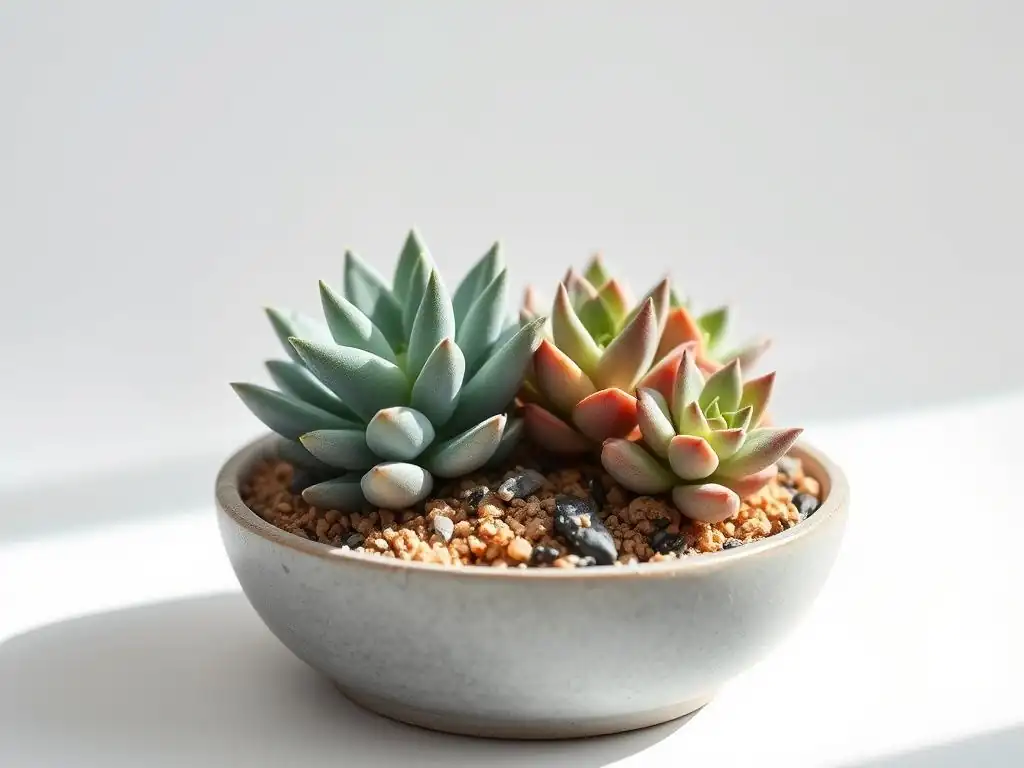
Creating the best succulent pest control soil isn't about using harsh chemicals; it's about crafting a growing medium that naturally discourages pests while promoting healthy succulent growth. This involves a careful selection of ingredients that provide excellent drainage, aeration, and a slightly alkaline environment that many common succulent pests find inhospitable. Remember, a well-draining soil is crucial for preventing root rot, a major vulnerability that weakens succulents and makes them more susceptible to pests.
Choosing the Right Soil Texture for Pest Resistance
The texture of your soil is paramount in deterring pests. A soil that's too dense and compacted retains moisture, creating an ideal breeding ground for fungi and insects. Conversely, a soil that's too loose and sandy can dry out too quickly, stressing your plants and leaving them vulnerable. The goal is to achieve a balance.
The ideal texture for best succulent pest control soil involves a blend of coarse materials that ensure excellent drainage and aeration. Think of it as mimicking the natural, well-draining conditions succulents thrive in. This can be achieved by using a mix of:
- Coarse sand: Provides excellent drainage and aeration. Avoid fine sand, as it can compact easily.
- Perlite: A volcanic glass that improves aeration and water retention without becoming waterlogged.
- Pumice: Similar to perlite, offering excellent drainage and aeration. It also helps to regulate soil temperature.
Consider the ratio. A good starting point might be a 1:1:1 ratio of coarse sand, perlite, and a well-draining potting mix specifically formulated for cacti and succulents. However, this ratio can be adjusted based on your specific climate and the type of succulents you're growing. Experimentation is key! Remember to avoid using garden soil, as it tends to be too dense and retains too much moisture.
Incorporating Organic Matter for Natural Pest Deterrence
While primarily focused on drainage, incorporating a small amount of organic matter can enhance your soil's ability to deter pests naturally. This isn't about adding large amounts of compost, which can retain too much moisture. Instead, consider using small quantities of materials that improve soil structure and add beneficial microorganisms:
- Coco coir: A sustainable alternative to peat moss, it improves water retention and aeration without making the soil too dense.
- Worm castings: These provide essential nutrients and beneficial microbes that can help suppress certain pests and diseases. Use sparingly, though, to maintain good drainage.
Using organic matter strategically helps create a more balanced soil ecosystem. A healthy soil teeming with beneficial microorganisms is less likely to be overrun by harmful pests. Think of it as fostering a natural defense mechanism within the soil itself – a key component of integrated pest management (IPM) for your succulents. It is important to note that overusing organic matter can negate the benefits of good drainage and aeration, so moderation is key.
The Importance of Soil pH in Preventing Pest Infestations
The pH level of your soil plays a significant role in plant health and pest susceptibility. Succulents generally prefer a slightly alkaline soil with a pH range of 6.0 to 7.5. A soil that's too acidic can weaken succulents, making them more vulnerable to pests and diseases. Conversely, a soil that's too alkaline can also create problems.
Regularly testing your soil's pH is crucial. You can purchase inexpensive soil testing kits from most garden centers. If your soil is too acidic, you can gradually raise the pH by adding small amounts of lime or dolomite lime. These materials help neutralize acidity and create a more favorable environment for your succulents.
Remember that drastic changes in pH can shock your plants, so make gradual adjustments and monitor your succulents closely. Maintaining the optimal pH range is a vital aspect of creating the best succulent pest control soil, as it contributes to overall plant health and resilience against pests. A healthy plant is naturally more resistant to infestations.
Essential Minerals and Nutrients to Boost Plant Health and Pest Resistance
Providing your succulents with the right balance of essential minerals and nutrients is crucial for building robust plants that are naturally more resistant to pests. A healthy succulent is far less susceptible to infestation than a stressed or nutrient-deficient one. Think of it like this: a strong immune system in humans fights off illness; similarly, a well-nourished succulent has a better defense against pests.
The key minerals to focus on include nitrogen (N), phosphorus (P), and potassium (K), often represented as NPK on fertilizer labels. Nitrogen promotes healthy leaf growth, phosphorus aids root development and flowering, and potassium strengthens cell walls, increasing overall plant vigor and resilience. However, it's important to remember that succulents are adapted to low-nutrient environments. Over-fertilizing can be just as detrimental as under-fertilizing, potentially leading to succulent rot and making them more vulnerable to pests.
Beyond NPK, micronutrients like calcium, magnesium, sulfur, iron, manganese, zinc, boron, copper, and molybdenum play vital, albeit smaller, roles in plant health. These elements are involved in various enzymatic processes and contribute to overall plant metabolism. Deficiencies in these micronutrients can weaken your succulents, leaving them vulnerable to pest attacks. For example, a magnesium deficiency can manifest as yellowing leaves, making the plant more susceptible to mealybugs or aphids.
Therefore, choosing a well-balanced succulent soil mix that includes these essential minerals is paramount for pest control. Look for soil blends specifically formulated for succulents, as these are often designed with the appropriate nutrient levels in mind. Avoid using general-purpose potting mixes, as these may contain excessive nutrients that can harm your succulents. Regular soil testing can help you determine if your soil needs supplementation with specific nutrients, ensuring your succulents receive the optimal balance for optimal growth and pest resistance. Remember, prevention through proper nutrition is a cornerstone of effective best succulent pest control soil strategies.
Creating Your Custom Pest-Resistant Succulent Soil Mix
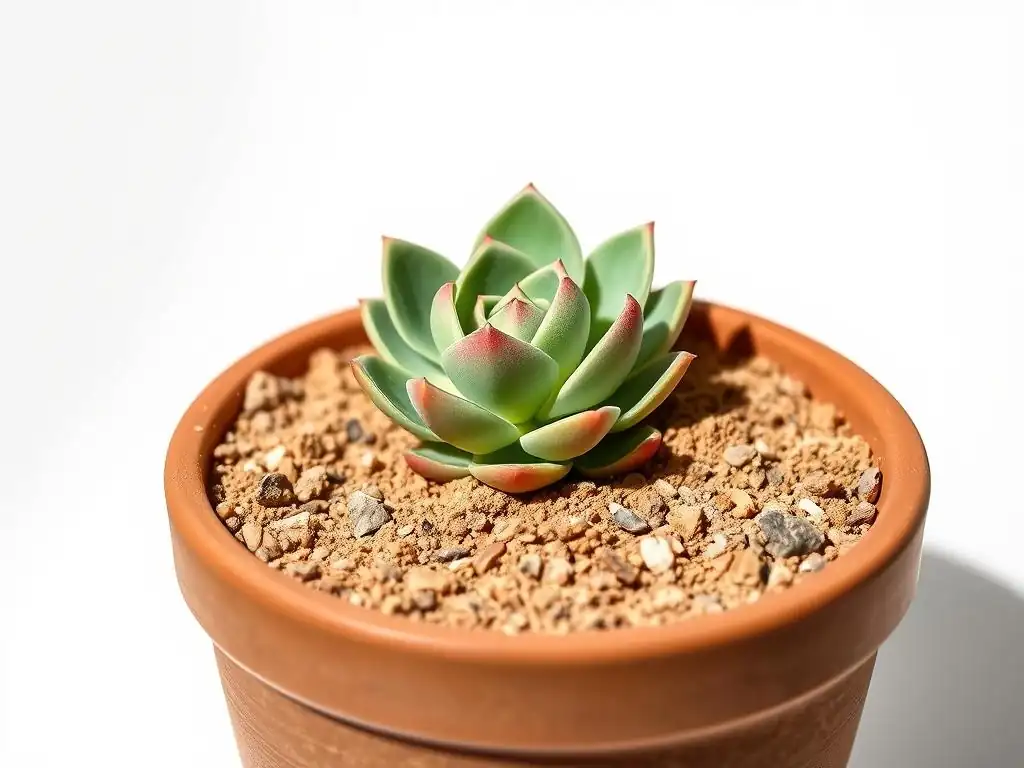
This section details how to craft a succulent soil mix that actively discourages common succulent pests. The key is creating a well-draining, slightly acidic environment that's less hospitable to pests while providing the necessary nutrients for healthy succulent growth. Remember, the "best succulent pest control soil" isn't about toxic chemicals; it's about creating an environment where pests simply don't thrive. We'll explore the specific components and the process of creating this ideal growing medium. Proper soil selection is a cornerstone of effective, sustainable pest management in your succulent garden.
Step-by-Step Guide: Mixing Your Own Pest-Repelling Soil Blend
Creating your own pest-resistant succulent soil mix is easier than you might think. This guide provides a simple, effective recipe, and you can adjust the ratios slightly based on your specific needs and the type of succulents you're growing.
- Gather your materials: You'll need the following ingredients (quantities are approximate and can be adjusted based on the size of your planting project):
- 1 part Cactus and Succulent potting mix (this provides a base with good drainage)
- 1 part Coarse sand (improves drainage and aeration) Choose a playground sand or horticultural sand, not fine beach sand.
- 1/2 part Perlite (adds further drainage and aeration, preventing compaction)
- 1/4 part Pumice (optional, but enhances drainage and provides excellent aeration)
- Small amount of slow-release fertilizer (choose one specifically formulated for cacti and succulents). Avoid high-nitrogen fertilizers.
- Combine ingredients: In a large container, thoroughly mix all the dry ingredients until they are evenly distributed. Avoid clumping. This step is crucial for ensuring consistent drainage and aeration throughout the entire pot.
- Add fertilizer (optional): Gently incorporate the slow-release fertilizer, ensuring it’s evenly distributed. Over-fertilizing can harm succulents, so follow the package instructions carefully.
- Test the mix: Before planting, test a small amount of your soil mix for drainage and pH (see next section for details). Adjust the ratios of ingredients as needed to achieve optimal results. Proper drainage is paramount in preventing root rot, a common problem that weakens plants and makes them more susceptible to pests.
- Planting: Once you are happy with your soil consistency, you can use this mix to pot your succulents. Remember to use pots with drainage holes to avoid waterlogging.
Sourcing High-Quality Ingredients for Optimal Results
The quality of your ingredients directly impacts the success of your pest-resistant soil mix. Using inferior materials can negate the benefits of this approach. Here's what to look for:
- Cactus and Succulent Potting Mix: Look for a reputable brand that explicitly states it's formulated for cacti and succulents. Avoid generic potting mixes designed for other plants, as they often retain too much moisture.
- Coarse Sand: Avoid fine sand, as it can compact and impede drainage. Playground sand or horticultural sand are excellent choices. Make sure it's washed to remove any salts or other impurities.
- Perlite: This volcanic glass is readily available at most garden centers. Choose a high-quality perlite that is free of dust and debris.
- Pumice: While optional, pumice further enhances drainage and aeration. It's a lightweight volcanic rock with a porous structure.
Remember, using high-quality ingredients is an investment in the long-term health and pest resistance of your succulent collection. The slight extra cost is more than offset by the reduced risk of pest infestations and the improved growth of your plants. Think of it as preventative "best succulent pest control soil" maintenance.
Testing Your Soil Mix for Drainage and pH Levels
Testing your soil mix before planting allows for adjustments to optimize its performance. This ensures your soil provides the best possible environment for healthy succulent growth and pest resistance.
- Drainage Test: Place a handful of your soil mix into a strainer or sieve. Pour water over the soil and observe how quickly it drains. If the water drains slowly, you may need to add more coarse sand or perlite. If it drains too quickly, you might need to add more potting mix. Ideal drainage should be relatively fast but not so rapid that the soil is completely dry within minutes.
- pH Test: You can purchase a soil pH testing kit from most garden centers. Follow the kit's instructions carefully to determine the pH level of your soil mix. Succulents generally prefer a slightly acidic to neutral pH range (around 6.0-7.0). If the pH is too high (alkaline), you might need to add a small amount of sulfur to lower it. If it's too low (acidic), you may need to add some lime to raise it. Accurate pH measurement is often overlooked but crucial for optimal plant health, which in turn contributes to pest resistance. Achieving the correct pH is a vital part of having the "best succulent pest control soil".
By following these steps, you'll create a soil mix that significantly reduces the risk of pest problems in your succulent garden, promoting healthy, thriving plants. Remember, proactive soil management is a key component of integrated pest management (IPM) strategies.
Advanced Techniques for Enhanced Pest Control in Succulent Soil
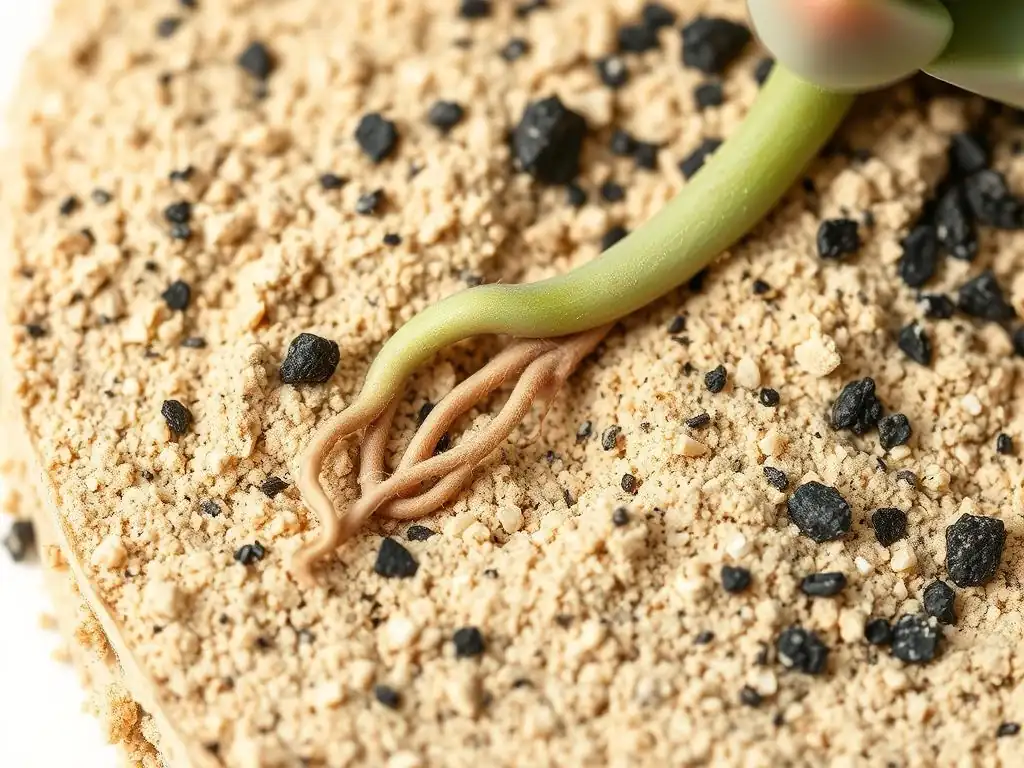
This section delves into advanced, yet practical, methods for enhancing pest control within your succulent soil, moving beyond basic soil composition. We'll explore techniques that minimize the need for harsh chemicals while maximizing the health and resilience of your plants. Remember, the "best succulent pest control soil" isn't just about the mix itself, but also the proactive measures you take to maintain a healthy environment.
Beneficial Nematodes and Other Biological Control Agents
Beneficial nematodes are microscopic worms that prey on common succulent pests like fungus gnats and root mealybugs. These tiny warriors are a powerful, environmentally friendly tool in your IPM arsenal. They work by infecting and killing the pest larvae, reducing their populations without harming your succulents or beneficial insects. Several commercially available products contain Steinernema and Heterorhabditis species, known for their effectiveness against a wide range of soil-dwelling pests.
Application is generally straightforward: you simply mix the nematodes with water and apply them to the soil according to the product instructions. It's crucial to maintain soil moisture after application as nematodes require a moist environment to thrive. Remember that nematodes are living organisms, so purchase them from reputable suppliers and store them correctly to ensure viability.
Their effectiveness is highly dependent on proper application and environmental conditions. Consistent monitoring is key to assessing their impact on pest populations. For example, you can check for reduced pest activity by carefully examining the soil and plant bases for signs of infestation.
Using beneficial nematodes is a long-term strategy. They don't offer immediate, drastic results, but rather a gradual, sustained reduction in pest populations over time. This approach contributes to a healthier, more balanced soil ecosystem, reducing the need for chemical interventions in the long run. Think of them as tiny, tireless soldiers protecting your precious succulents.
Utilizing Diatomaceous Earth for Natural Pest Management
Diatomaceous earth (DE) is a naturally occurring sedimentary rock composed of fossilized diatoms. Its microscopic, sharp edges make it an effective physical control agent against various pests, including slugs, snails, and some insects. When applied to the soil surface, DE's abrasive particles cut into the exoskeletons of insects, causing dehydration and death. It's a non-toxic option for controlling pests that crawl on the soil surface, and it's readily available at garden centers and online retailers.
However, it's important to use food-grade diatomaceous earth for succulent applications to ensure it's safe for your plants and pets. Avoid inhaling DE dust, as it can irritate the lungs. Apply it as a light dusting around the base of your succulents, avoiding heavy application, which can affect soil drainage. Regular reapplication may be necessary, especially after watering, as DE can lose its effectiveness when wet.
Remember that DE primarily works as a contact insecticide, so it's most effective against pests that crawl on the soil surface. It's less effective against soil-borne pests or those that live within the plant tissue. It's a valuable addition to your "best succulent pest control soil" strategy, but it shouldn't be considered a standalone solution.
Implementing Integrated Pest Management (IPM) Strategies in Your Succulent Garden
Implementing Integrated Pest Management (IPM) is crucial for long-term success in maintaining a healthy succulent garden free from pests. IPM is a holistic approach that combines various techniques to minimize pest damage while reducing reliance on harmful pesticides. It emphasizes prevention, monitoring, and the use of least-toxic methods. A key element is understanding your specific pests and their life cycles, which allows for more targeted and effective interventions.
Key Components of an Effective IPM Strategy
- Regular Monitoring: Regularly inspect your succulents for signs of pests, paying close attention to the undersides of leaves and the soil around the base.
- Cultural Practices: Proper watering, appropriate sunlight, and well-draining soil contribute significantly to plant health and pest resistance.
- Biological Control: Introduce beneficial insects, nematodes, or other natural predators to help control pest populations.
- Mechanical Control: Manually remove pests whenever possible, such as picking off aphids or removing infested leaves.
- Chemical Control (Last Resort): Use chemical pesticides only as a last resort and choose the least toxic options available.
By combining these techniques, you create a robust defense system that minimizes pest damage and promotes the overall health and resilience of your succulent collection. This comprehensive approach is far more effective and sustainable than relying solely on chemical pesticides, ultimately leading to a thriving and pest-resistant succulent garden. Remember, a healthy plant is much less susceptible to pest infestations. This holistic approach is the key to achieving the "best succulent pest control soil" and a flourishing succulent garden.
Maintaining Your Pest-Resistant Succulent Soil
This section focuses on the ongoing care of your succulent soil to maintain its pest-resistant properties. Choosing the right soil mix is only the first step; consistent upkeep is crucial for long-term pest control and thriving succulents. Remember, the "best succulent pest control soil" isn't just about the initial composition, but also about proactive management.
Regular Monitoring and Early Pest Detection
Regular inspection is paramount in preventing minor infestations from escalating into major problems. Early detection significantly improves your chances of successful pest control, often minimizing the need for harsh chemicals. Aim to inspect your succulents at least once a week, paying close attention to the soil surface and the base of the plants.
Look for signs of common succulent pests such as:
- Mealybugs: These appear as small, cottony masses often clustered at the joints of stems or under leaves.
- Aphids: Tiny, pear-shaped insects that cluster on new growth, sucking sap and leaving behind sticky honeydew.
- Scale insects: These appear as small, hard bumps on stems and leaves.
- Fungus gnats: Small flying insects that breed in damp soil. Their larvae feed on roots.
Tips for Effective Monitoring
Use a magnifying glass for closer inspection of small pests. Gently move the soil around the base of the plant to reveal any hidden insects. Check the undersides of leaves, as many pests prefer to hide in these areas. Regularly check for wilting or discoloration, as these can be early signs of pest damage.
Early detection allows for targeted treatment, such as manually removing pests with a cotton swab dipped in rubbing alcohol, or using a strong spray of water to dislodge them. This proactive approach minimizes the risk of widespread infestation, ensuring the continued effectiveness of your pest-resistant soil. Ignoring early warning signs can lead to more extensive damage and the need for stronger interventions.
Preventing Soil Compaction and Ensuring Proper Drainage
Compacted soil reduces air circulation and water drainage, creating an ideal environment for fungal diseases and pest proliferation. Succulents, being drought-tolerant plants, require well-draining soil to prevent root rot, a major vulnerability that weakens plants and makes them more susceptible to pests.
Maintaining proper drainage is key to the long-term success of your pest-resistant soil strategy. Here's how:
- Avoid overwatering: This is a common culprit in soil compaction. Water thoroughly but infrequently, allowing the soil to dry out completely between waterings.
- Use a well-draining pot: Ensure your pots have drainage holes to prevent waterlogging.
- Top-dress regularly: Adding a layer of coarse grit or perlite to the top of the soil helps prevent compaction and improves aeration.
- Lightly aerate the soil: Periodically, gently loosen the top layer of soil with a small tool to improve air circulation. Avoid disturbing the roots too much.
A well-draining, aerated soil structure is a significant barrier against pests by reducing the conditions that favor their growth and reproduction. This proactive approach contributes significantly to the longevity of your pest-resistant soil mix.
Repotting and Soil Replacement for Optimal Pest Control
Even with careful maintenance, soil eventually degrades and loses its effectiveness. Regular repotting helps maintain optimal soil conditions and provides an opportunity to eliminate any lingering pests or diseases. The frequency of repotting depends on the type of succulent and the potting mix used, but generally every 1-2 years is recommended for many succulents.
- Signs it's time to repot:
- Roots growing out of drainage holes.
- Slow or stunted growth.
- Soil becoming compacted or waterlogged.
- Suspicion of pest infestation despite preventative measures.
When repotting, carefully inspect the roots for any signs of pests or disease. Discard the old soil completely and use fresh, pest-resistant potting mix. This is a crucial step in the ongoing management of your succulent garden and helps ensure the continued effectiveness of your integrated pest management strategy. Remember, using fresh, well-draining soil is a fundamental component of the "best succulent pest control soil" strategy over the long term.
Frequently Asked Questions
What type of soil is best for preventing succulent pests?
A well-draining soil mix is crucial. Avoid heavy clay soils. A blend of cactus and succulent potting mix, perlite, and coarse sand will improve drainage and deter pests by preventing soggy conditions.
How does soil affect succulent pest infestations?
Poorly draining soil creates a damp environment ideal for pest breeding. Good drainage prevents this, reducing pest attraction and preventing fungal diseases. Air circulation is equally important.
Can I use regular garden soil for my succulents?
No, regular garden soil is usually too dense and retains too much water, leading to root rot and attracting pests. Succulents need well-draining soil to thrive and stay healthy.
What are the signs of pest problems in my succulent soil?
Look for unusual wilting, small insects, web-like structures, or discoloration of leaves and stems. Check the soil for signs of fungus gnats or other pests.
Are there specific soil additives that help deter pests naturally?
While no single additive guarantees pest prevention, incorporating diatomaceous earth into your soil mix can help deter some insects. Good air circulation and proper watering practices are the best preventative measures.
Final Reflection: Cultivating a Thriving, Pest-Free Succulent Oasis
The right soil mix isn't just about aesthetics; it's the cornerstone of a healthy, pest-resistant succulent garden. Choosing the perfect blend is the first line of defense against common succulent pests, significantly impacting the longevity and vibrancy of your plants. Ignoring this crucial element can lead to a frustrating cycle of infestations and lost plants, highlighting the importance of proactive soil selection.
The journey of understanding soil composition and its impact on succulent health has been a fascinating one, revealing the intricate relationship between the environment and plant well-being. This knowledge extends beyond the simple act of planting; it's about fostering a deeper connection with nature and understanding the delicate balance required for successful gardening. The glory of gardening: hands in the dirt, head in the sun, heart with nature. To nurture a garden is to feed not just the body, but the soul.
This quote perfectly encapsulates the rewarding experience of creating a thriving succulent garden, free from the constant threat of pests.
Now, it's your turn to cultivate your own success. Take the knowledge gained from exploring the "secrets" of soil composition and apply it to your own succulent garden. Experiment with different mixes, observe your plants' responses, and refine your approach over time. Remember, the journey of creating a thriving, pest-free succulent oasis is a continuous learning process, filled with rewarding discoveries and the satisfaction of nurturing life. Embrace the challenge, and watch your succulent garden flourish!
Unlock Your Succulents' Thriving Potential!
Thank you for exploring the fascinating world of soil and its impact on your succulent garden's health! You've now gained the knowledge to cultivate a thriving, pest-resistant environment. Ready to put this new knowledge into action?
- Craft your perfect succulent soil blend today! Experiment with different ratios of ingredients and observe how your succulents respond. Note which mixtures work best for your specific plants and local climate.
- Share your experiences—both successes and challenges—with our community in the comments below. Let's learn from each other and create a thriving succulent haven together.
- Consider expanding your succulent collection by trying a new variety that might thrive in your improved soil conditions! This is a great way to test your knowledge and see the full effects of your soil improvements.
What unique soil blend will you create to nurture your succulent collection, and which exciting new varieties will you cultivate next?