
The Science of IPM: Understanding the Principles of Integrated Pest Management

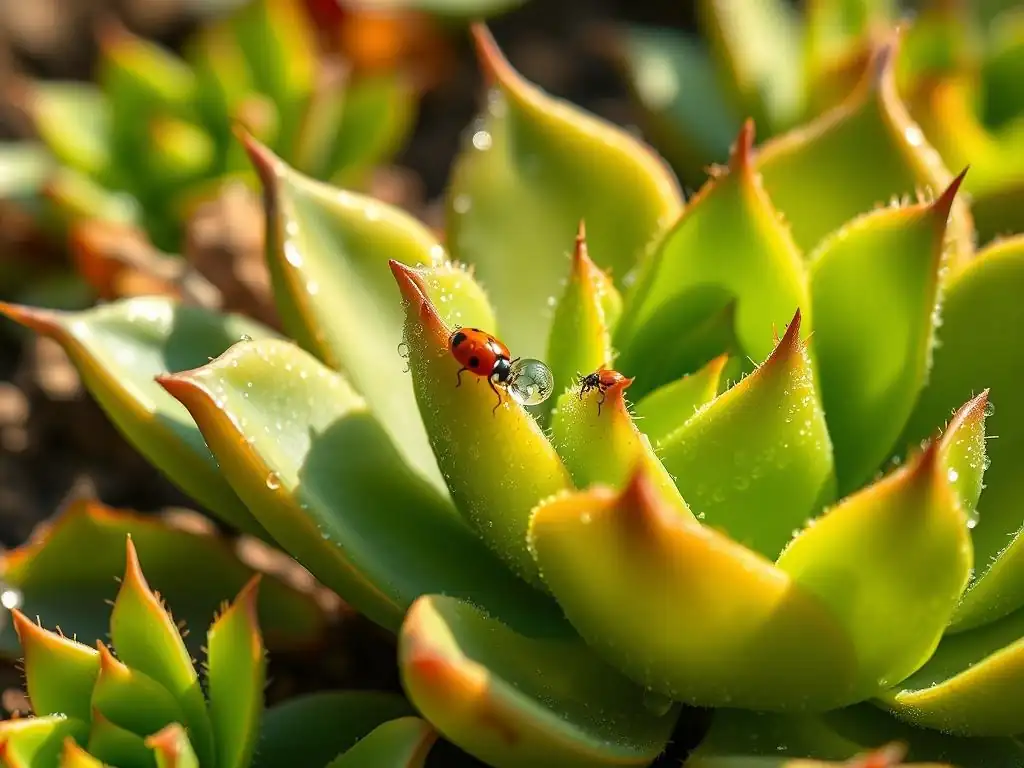
Welcome to SucculentEssentials.org, where the fascinating world of succulents unfolds! Are you ready to unlock the secrets to thriving succulent gardens? We delve into everything from basic care to advanced techniques, and today, we're tackling a crucial element often overlooked: succulent pest control methods. Discover the science behind Integrated Pest Management (IPM) and learn how to protect your precious plants using sustainable, eco-friendly approaches in our latest article, "The Science of IPM: Understanding the Principles of Integrated Pest Management." Prepare to be amazed by the simplicity and effectiveness of nature's solutions – let's get started!
- Understanding Succulent Pest Control Methods: A Holistic Approach
- Implementing Effective Succulent Pest Control Methods using IPM Principles
- Case Studies: Successful IPM Strategies in Succulent Gardens
- Long-Term Succulent Pest Management Strategies and Sustainability
- Frequently Asked Questions
- Final Reflection: Cultivating a Healthier Future Through IPM
- Unleash Your Inner Pest Management Expert: Put the Science to Work!
Understanding Succulent Pest Control Methods: A Holistic Approach
Succulents, with their striking beauty and drought-tolerance, are increasingly popular additions to homes and gardens. However, even these hardy plants are susceptible to pests and diseases. This article delves into the science of Integrated Pest Management (IPM) – a sustainable and effective approach to succulent pest control. We'll explore how to identify common threats, assess the severity of infestations, and implement preventative measures to minimize the need for harsh chemical interventions.
Understanding IPM principles is crucial for maintaining healthy, thriving succulents while minimizing environmental impact and protecting beneficial insects. This guide provides practical, eco-friendly succulent pest control methods, ensuring the long-term health and beauty of your collection. By adopting an IPM strategy, you can cultivate a vibrant succulent garden while respecting the delicate balance of your ecosystem.
Identifying Common Succulent Pests and Diseases
Identifying the specific pest or disease affecting your succulents is the first crucial step in effective pest control. Accurate identification allows for targeted treatment, maximizing effectiveness and minimizing unnecessary interventions. Some common culprits include:
- Mealybugs: These tiny, cottony insects cluster in leaf axils and crevices, sucking plant sap. They often appear as white, fluffy masses.
- Aphids: Small, soft-bodied insects that also feed on plant sap, causing leaf distortion and yellowing. They are often found in clusters on new growth.
- Scale insects: These immobile insects attach themselves to stems and leaves, forming hard, protective shells. They can be difficult to detect in early stages.
- Spider mites: Microscopic pests that weave fine webs on leaves, causing stippling and discoloration. They thrive in dry conditions.
- Root rot: A fungal disease often caused by overwatering, leading to mushy stems and roots. Prevention through proper watering techniques is key.
- Fungal leaf spots: These appear as brown or black spots on leaves, often spreading rapidly in humid conditions. Good air circulation can help prevent this.
This table summarizes the key characteristics of these common pests and diseases:
| Pest/Disease | Appearance | Symptoms |
|---|---|---|
| Mealybugs | White, cottony masses | Sap sucking, stunted growth |
| Aphids | Small, soft-bodied insects | Leaf distortion, yellowing, honeydew production |
| Scale insects | Hard, protective shells | Sap sucking, leaf discoloration |
| Spider mites | Fine webs, stippling on leaves | Yellowing, browning, leaf drop |
| Root rot | Mushy stems and roots | Wilting, leaf discoloration, plant collapse |
| Fungal leaf spots | Brown or black spots on leaves | Leaf discoloration, defoliation |
Remember to regularly inspect your succulents for any signs of these pests or diseases. Early detection is key to successful treatment.
Assessing Pest Damage and Infestation Levels in Your Succulent Collection
Once you've identified the pest or disease, it's crucial to assess the extent of the damage and infestation. This helps determine the appropriate course of action. A minor infestation might respond well to simple hand-picking or a mild insecticidal soap, while a severe infestation may require a more comprehensive approach. Consider these factors:
-
Number of affected plants: Is the problem isolated to one plant or is it widespread throughout your collection?
-
Severity of infestation: Is the infestation localized or widespread on affected plants? Are there large numbers of pests visible?
-
Visible damage: What level of damage is visible on the plants? Are there significant signs of leaf discoloration, wilting, or stunted growth?
A visual assessment, combined with careful observation, is crucial. Note the location of the pests or diseases on the plants, as this can guide treatment strategies. For example, a root rot infestation requires different management than a foliar infestation of mealybugs. Keep detailed records of your observations to track the effectiveness of your chosen methods. Regular monitoring is essential for early detection of any recurring problems.
The IPM Philosophy: Prevention as the First Line of Defense
Integrated Pest Management (IPM) prioritizes prevention. By implementing proactive measures, you can significantly reduce the likelihood of pest infestations and disease outbreaks. Key preventative strategies for succulents include:
- Proper watering: Avoid overwatering, which creates conditions favorable for fungal diseases and root rot.
- Good air circulation: Ensure adequate spacing between plants to promote airflow and reduce humidity.
- Quarantine new plants: Isolate new succulents for a period of time before introducing them to your existing collection to prevent the introduction of pests or diseases.
- Regular inspection: Regularly inspect your plants for any signs of pests or diseases. Early detection is crucial for effective management.
- Hygiene: Clean your tools and pots regularly to prevent the spread of pests and diseases.
By adopting these preventative measures and understanding the principles of IPM, you can create a thriving and healthy succulent collection with minimal need for chemical interventions. Remember, a healthy plant is much less susceptible to pest and disease problems. 🌱
Implementing Effective Succulent Pest Control Methods using IPM Principles
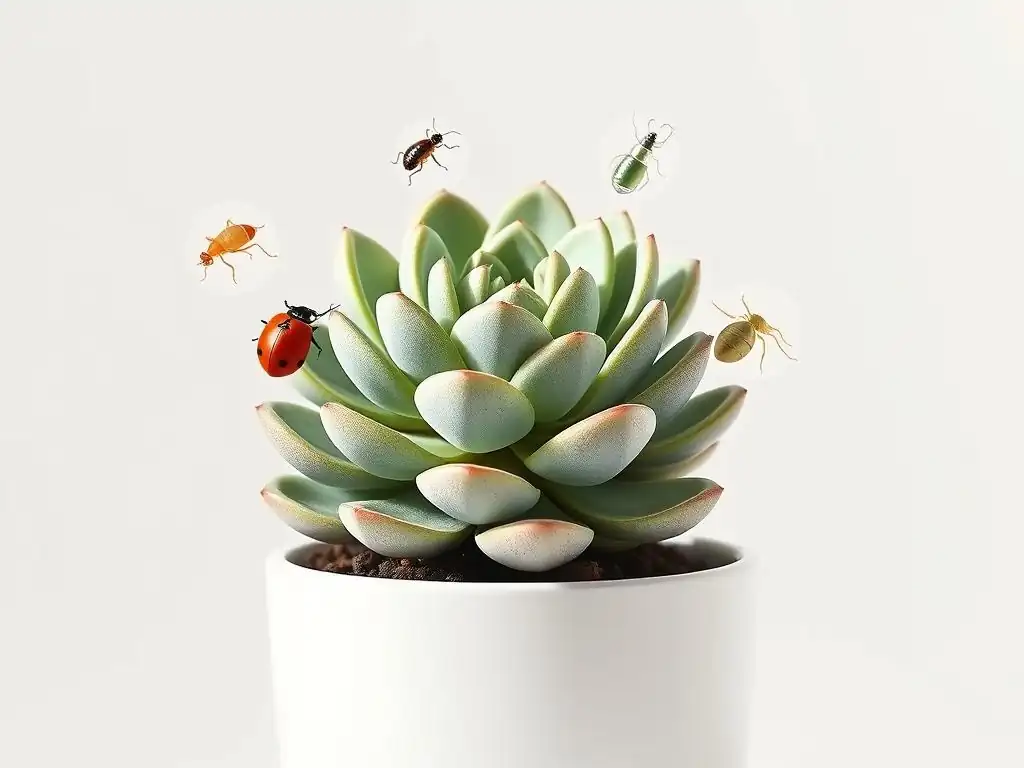
This section delves into the practical application of Integrated Pest Management (IPM) principles for succulent pest control. IPM prioritizes preventative measures and minimally disruptive interventions, focusing on long-term plant health and minimizing the use of harsh chemicals. Effective succulent pest control hinges on a multi-pronged approach that combines careful observation, preventative cultural practices, and targeted interventions only when absolutely necessary. Remember, early detection is key to successful pest management, allowing for less intensive interventions and protecting the overall health of your succulent collection.
Monitoring and Regular Inspection of Your Succulents
Regular inspection is the cornerstone of any effective IPM strategy for succulents. Weekly, and even daily, checks are recommended, especially during peak growing seasons and periods of increased pest activity (typically spring and summer). Focus your attention on the undersides of leaves, crevices between leaves, and the soil surrounding the base of the plant. Look for signs of infestation such as:
- Visible pests: Aphids, mealybugs, spider mites, scales, and snails are common succulent pests. Identify the specific pest to tailor your response.
- Damage indicators: Look for discoloration, webbing, holes in leaves, sticky honeydew (a sugary secretion left by some pests), or wilting that might indicate unseen pest activity.
- Unusual growth patterns: Stunted growth, yellowing leaves, or distorted growth can all signal underlying pest problems.
A magnifying glass can be invaluable for detecting tiny pests like spider mites. Keep detailed records of your observations, noting the type and severity of infestations, along with the date and location within your collection. This detailed monitoring will allow you to track pest populations and the effectiveness of your control measures. Early detection allows for less aggressive interventions, preserving the overall health and beauty of your succulents.
Cultural Controls: Optimizing Growing Conditions for Pest Resistance
Strong, healthy succulents are naturally more resistant to pest infestations. By optimizing growing conditions, you can significantly reduce the likelihood of pest problems and minimize the need for chemical controls. This preventative approach is central to the philosophy of IPM for succulent pest control.
Soil Selection and Drainage for Healthy Succulents
Well-draining soil is crucial for succulent health. Soggy soil creates an ideal breeding ground for fungal diseases and attracts pests that thrive in damp environments. Use a specialized cactus and succulent potting mix, which typically contains perlite, pumice, or other inorganic materials to improve drainage. Avoid using garden soil, which retains too much moisture. Proper drainage prevents root rot, a major weakness that makes succulents vulnerable to pests.
Proper Watering Techniques to Prevent Pest Problems
Overwatering is a major contributor to succulent pest problems. Avoid frequent watering; allow the soil to dry completely between waterings. Water deeply but infrequently, ensuring the water reaches the roots without leaving the soil soggy. The frequency of watering will depend on factors such as the climate, pot size, and type of succulent. Adapt your watering schedule to the specific needs of your plants to prevent both underwatering and overwatering. Proper watering is a critical component of succulent pest control.
Light and Air Circulation Management for Strong Succulents
Succulents need ample sunlight to thrive. Insufficient light weakens plants, making them more susceptible to pests. Provide at least six hours of direct sunlight daily, adjusting for the intensity of your local sunlight. Good air circulation is also essential; it helps prevent the buildup of humidity, which can encourage fungal diseases and attract pests.
Ensure adequate spacing between plants to allow for proper air flow. These simple adjustments can significantly improve the overall health and resilience of your succulents, reducing their vulnerability to pests. Remember, a healthy succulent is your best defense against pests. This holistic approach is at the heart of effective IPM strategies for succulent cultivation.
Biological Controls: Harnessing Nature's Power
Biological control is a cornerstone of Integrated Pest Management (IPM) for succulents, leveraging natural predators and competitors to regulate pest populations. This eco-friendly approach minimizes the need for harmful chemicals, promoting a healthier garden ecosystem. Instead of directly eliminating pests, biological control focuses on suppressing their numbers to a level that doesn't significantly harm your succulents. This method often proves more sustainable in the long run, as it doesn't lead to pest resistance, a common problem with chemical pesticides.
The success of biological control hinges on creating a supportive environment that encourages beneficial organisms to thrive. This can involve providing food sources, shelter, and avoiding the use of broad-spectrum insecticides that would harm both pests and beneficial insects. A healthy, balanced garden is much more resilient to pest infestations than one that has been stripped of its natural defenses.
Beneficial Insects and Nematodes for Pest Control
Many beneficial insects and nematodes play a crucial role in natural pest control within succulent gardens. Ladybugs, for example, are voracious aphid predators, effectively controlling aphid infestations without the need for chemical intervention. Lacewings are another beneficial insect, their larvae feeding on various soft-bodied pests like mealybugs and spider mites. Similarly, certain species of nematodes are microscopic worms that parasitize soil-dwelling pests, such as fungus gnats and root-feeding insects.
These microscopic allies can significantly reduce pest populations without harming your succulents or the environment. The key to successful implementation lies in identifying the specific pests affecting your succulents and selecting the appropriate beneficial insects or nematodes. Researching the life cycle and preferred prey of the beneficial organisms is vital to ensure they effectively target the pests in your garden. Introducing these beneficial creatures requires careful consideration of their environmental needs and potential interactions with existing garden inhabitants.
Introducing Predatory Insects to Your Succulent Garden
Introducing beneficial insects to your succulent garden can be a straightforward yet impactful method of pest control. However, it's crucial to understand the specific needs of the insects you're introducing. For instance, lacewings require access to pollen and nectar for sustenance, so planting flowering plants near your succulents can attract and support these beneficial predators.
Similarly, ladybugs might need shelter, such as leaf litter or small crevices, to overwinter successfully. Before introducing predatory insects, carefully identify the pest you're targeting. This ensures you select the appropriate predator with a known appetite for that specific pest.
Improperly introducing beneficial insects can be ineffective or even detrimental to your garden. For example, introducing a predator that doesn't feed on the target pest will simply add another organism to the garden ecosystem without solving the problem. In some instances, purchasing beneficial insects from reputable suppliers might be necessary, especially if the natural population in your area is insufficient to control the pest infestation.
Chemical Controls: Using Pesticides Responsibly (Only as a Last Resort)
Chemical pesticides should always be a last resort in succulent pest control, employed only when other IPM methods have proven insufficient. The overuse of chemical pesticides can lead to environmental damage, harm beneficial insects, and potentially create pesticide-resistant pests, making future control even more challenging. Succulents, with their often slow growth and unique physiology, are particularly sensitive to many chemical treatments. Improper application can cause damage or even death to the plant.
Therefore, a thorough understanding of the specific pesticide, its target pest, and its potential impact on your succulents and the surrounding environment is critical. Choosing the right pesticide is crucial, and opting for the least toxic option that is effective against the specific pest is paramount. Always follow the instructions on the pesticide label meticulously, paying close attention to application rates and safety precautions.
Selecting Appropriate and Safe Pesticides for Succulents
When chemical control becomes unavoidable, selecting appropriate and safe pesticides is crucial. Opt for products specifically labeled for use on succulents or similar plants. Look for pesticides with minimal environmental impact, such as those containing insecticidal soaps, neem oil, or horticultural oils. These products are generally less toxic to beneficial insects and other non-target organisms compared to broad-spectrum insecticides. Always prioritize the least toxic option that effectively targets the specific pest.
Before applying any pesticide, test it on a small, inconspicuous area of a succulent to check for any adverse reactions. This precautionary measure helps avoid potential damage to your plants. Remember to carefully read the label and understand the potential risks and precautions associated with each pesticide. This includes understanding personal protective equipment (PPE) requirements and proper disposal methods.
Applying Pesticides Correctly to Minimize Environmental Impact
Correct application of pesticides is paramount in minimizing environmental impact and ensuring effectiveness. Always follow the instructions on the pesticide label precisely. This includes the application rate, timing, and method of application. Avoid over-application, as this doesn't necessarily improve efficacy and can increase the risk of environmental harm and plant damage.
Apply pesticides during calm weather conditions to prevent drift and minimize exposure to non-target organisms. Consider using targeted application methods, such as spot treatment, to reduce the amount of pesticide used and its impact on the surrounding environment. Proper disposal of pesticide containers and leftover chemicals is also crucial to protect the environment and human health. Following these guidelines ensures that the use of chemical pesticides, while a last resort, remains as responsible and sustainable as possible.
Case Studies: Successful IPM Strategies in Succulent Gardens
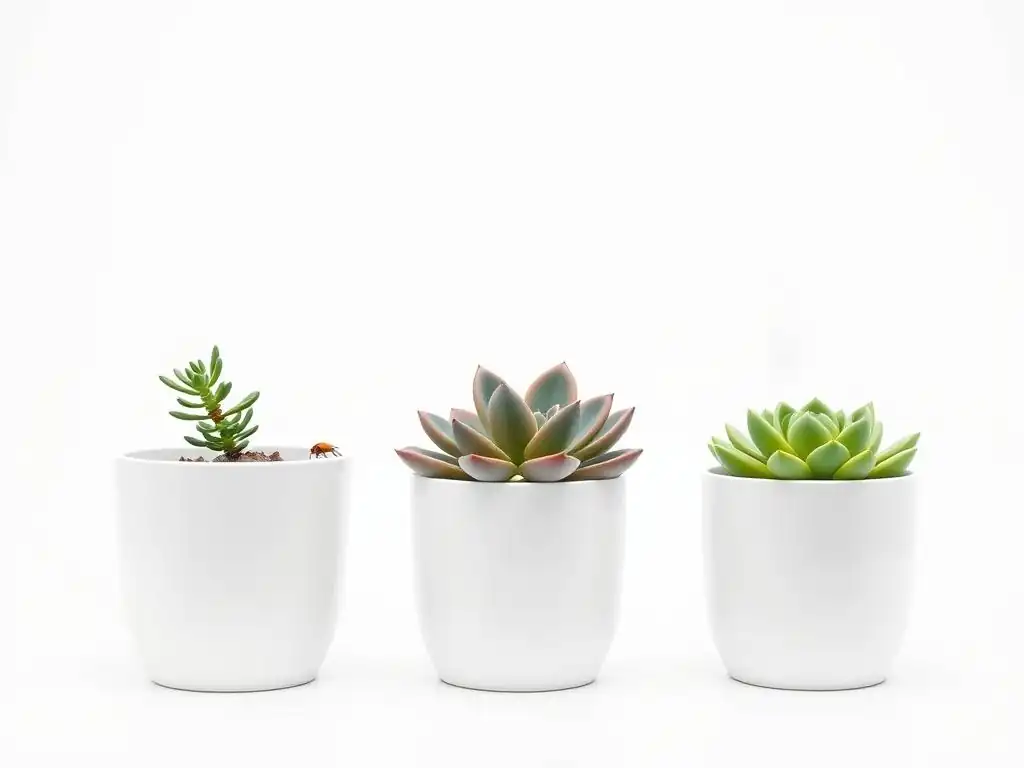
This section details practical examples of Integrated Pest Management (IPM) applied to common succulent pest problems. These case studies illustrate how a holistic approach, prioritizing prevention and employing least-toxic methods, can effectively control pests and maintain healthy succulent collections. Remember, early detection is crucial for successful IPM. Regular inspection is key to preventing minor infestations from becoming major problems.
Case Study 1: Dealing with Mealybugs on Echeveria
Mealybugs are a common succulent pest, particularly affecting Echeveria species. Their cottony appearance and tendency to cluster in leaf axils make them relatively easy to spot. However, their prolific reproductive rate necessitates prompt action. Ignoring a small infestation can quickly lead to significant damage.
The first step in IPM for mealybugs involves physical removal. For small infestations, carefully wipe the affected areas with a cotton swab dipped in isopropyl alcohol (70%). This directly kills the mealybugs and removes their protective covering. For larger infestations, a gentle spray of water can dislodge some of the pests.
Biological control is another effective approach. Introducing beneficial insects like ladybugs or lacewings can help control mealybug populations naturally. These predators feed on mealybugs, significantly reducing their numbers without the use of harsh chemicals.
As a last resort, and only for severe infestations, consider using insecticidal soap. Always follow the product instructions carefully, and test it on a small, inconspicuous area first to ensure it doesn't damage your succulents. Remember to thoroughly rinse the plant afterward.
Case Study 2: Managing Aphids on Sedum
Sedum, with its fleshy leaves and attractive flowers, can be a magnet for aphids. These tiny, soft-bodied insects suck sap from the plants, causing stunted growth, leaf curling, and honeydew secretion (a sticky substance that attracts sooty mold). Effective aphid management requires a multi-pronged strategy.
Monitoring is crucial. Regularly inspect your Sedum plants for signs of aphids, paying particular attention to the undersides of leaves and new growth. Early detection allows for swift intervention, preventing a widespread infestation.
Physical removal is often sufficient for small infestations. A strong spray of water can dislodge aphids, while manually removing them with a cotton swab can be effective for smaller plants.
For larger infestations, consider using a neem oil spray. Neem oil is a natural insecticide derived from the neem tree, known for its effectiveness against various pests, including aphids. Always dilute the neem oil according to the manufacturer's instructions and apply it evenly to all affected areas. Repeat applications may be necessary.
Finally, attracting beneficial insects like ladybugs and lacewings to your garden can provide long-term aphid control. Providing habitat and food sources for these beneficial insects will encourage them to establish themselves in your garden and naturally regulate aphid populations.
Case Study 3: Preventing Root Rot in Succulents
Root rot, caused by overwatering and poor drainage, isn't strictly a pest issue, but it's a significant threat to succulent health and often leads to secondary pest infestations. Preventing root rot is, therefore, a crucial aspect of succulent pest control.
The cornerstone of root rot prevention is proper watering practices. Allow the soil to dry completely between waterings. Use well-draining potting mix specifically formulated for succulents, avoiding heavy clay-based soils. Ensure your pots have adequate drainage holes.
Choosing the right pot is also essential. Terracotta pots are excellent for succulents because they are porous and allow for better air circulation, reducing the risk of moisture buildup.
Finally, avoid overhead watering, which can lead to excessive moisture on the leaves and crown of the plant, increasing the susceptibility to rot. Instead, water thoroughly at the base of the plant, allowing the water to drain completely. Regular inspection of the soil moisture is vital to prevent overwatering. By adhering to these preventative measures, you significantly reduce the risk of root rot and create a healthier environment for your succulents, minimizing the likelihood of pest problems.
Long-Term Succulent Pest Management Strategies and Sustainability
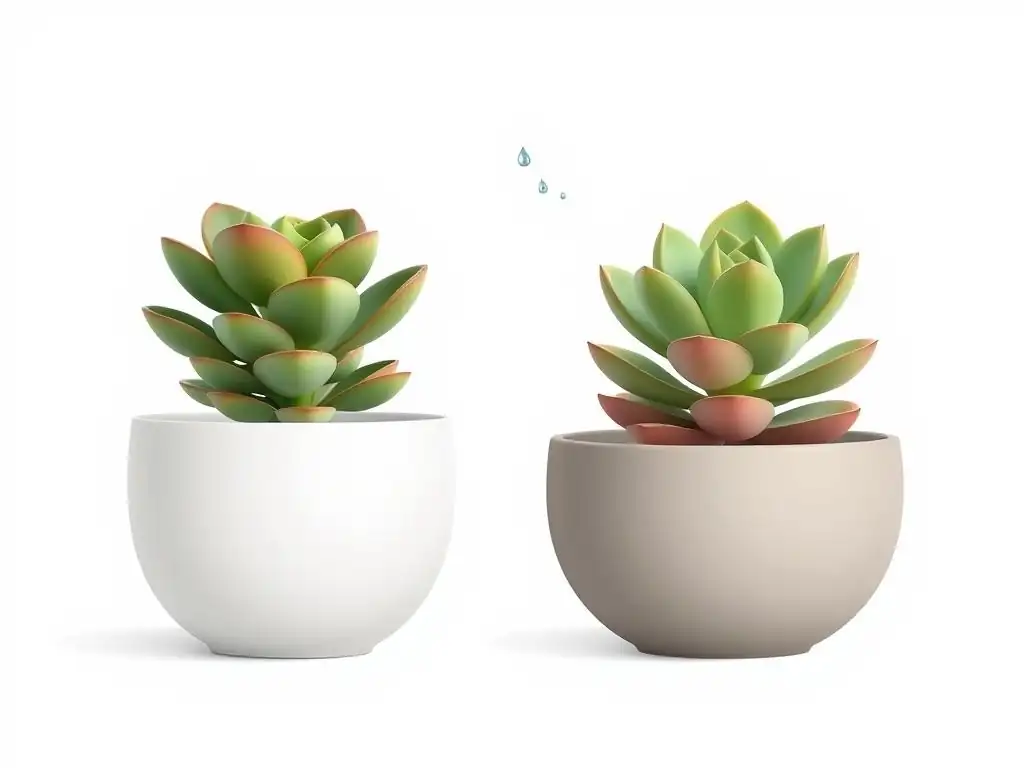
This section delves into the crucial aspect of long-term succulent pest management, emphasizing sustainable practices that minimize environmental impact while effectively controlling pests. Effective succulent pest control isn't about a quick fix; it's about building a resilient system that protects your plants year after year. This requires a shift from reactive treatments to proactive preventative measures. The core principle is to understand your specific environment and the pests it attracts, then implement strategies that address both immediate problems and long-term prevention. Ignoring this holistic approach often leads to a vicious cycle of pest infestations and escalating chemical intervention.
Developing a Personalized IPM Plan for Your Succulent Collection
Creating a personalized IPM plan is paramount. A "one-size-fits-all" approach rarely works effectively. Your plan should consider several key factors:
- Your specific succulent species: Different succulents have varying levels of susceptibility to different pests. For example, Echeveria species might be more prone to mealybugs, while Sedum might attract aphids. Knowing your plants' vulnerabilities is crucial.
- Your local climate: Hot, humid climates can favor certain pests over others. Similarly, dry climates might encourage different pest populations.
- Your growing conditions: Overwatering, poor drainage, and overcrowding can weaken your succulents, making them more vulnerable to pests. Addressing these environmental factors is often the first step in pest control.
To develop your plan:
- Identify potential pests: Research common succulent pests in your region. This might include mealybugs, spider mites, aphids, and scale insects.
- Regular inspection: Frequent visual inspections are crucial for early detection. Check your succulents regularly, paying close attention to undersides of leaves and crevices.
- Monitor pest populations: Keep a record of the number and type of pests you find. This data will help you track the effectiveness of your control methods.
- Choose appropriate control methods: Start with the least toxic options, such as manual removal, insecticidal soap, or neem oil. Only resort to stronger chemicals as a last resort.
The table below provides a general guideline for common succulent pests and their corresponding control methods. Remember, specific treatment may vary depending on the severity of the infestation.
| Pest | Symptoms | Control Methods |
|---|---|---|
| Mealybugs | White, cottony masses on stems and leaves | Manual removal, insecticidal soap, neem oil |
| Spider Mites | Fine webbing, yellowing leaves | Insecticidal soap, neem oil, predatory mites |
| Aphids | Clusters of small, soft-bodied insects | Insecticidal soap, neem oil, strong water spray |
| Scale Insects | Hard, shell-like insects on stems and leaves | Manual removal, horticultural oil |
Documenting Your Observations and Treatment Results
Detailed record-keeping is essential for refining your IPM approach. A comprehensive log helps you understand the effectiveness of different control methods and identify patterns in pest infestations. This information is invaluable for predicting future problems and preventing major outbreaks. Your documentation should include:
- Date: When you observed the pest infestation.
- Succulent species: The specific plant affected.
- Pest identification: The type of pest observed (include photos if possible).
- Severity of infestation: A qualitative assessment (e.g., "light," "moderate," "severe").
- Control methods used: Specify the product and application method.
- Results: Record the effectiveness of the treatment after a specific timeframe. Did the population decrease? Did the treatment cause any damage to the plant?
This data allows you to create a timeline of events, helping you correlate environmental factors, plant health, and pest activity. This information will be crucial for future preventative measures. Consider using a spreadsheet or a dedicated gardening journal for this purpose.
Continuously Adapting Your IPM Approach Based on Results
Integrated Pest Management is a dynamic process. What works one year might not work the next. Regularly reviewing your data and adapting your strategy is vital for long-term success. This involves:
- Analyzing your results: Evaluate the effectiveness of your past treatments. Did your chosen method successfully control the pest population? Did it cause any unintended consequences?
- Adjusting your strategy: Based on your analysis, modify your approach. This might involve switching to a different control method, altering your application frequency, or improving your preventative measures.
- Staying informed: Keep up-to-date on the latest research and best practices for succulent pest control. New pests and control methods are constantly being discovered.
- Prevention is key: Remember that proactive measures, such as maintaining healthy plants and providing optimal growing conditions, are your best defense against pests. A strong, healthy plant is much less susceptible to infestation.
By embracing these principles, you can develop a sustainable and effective IPM plan that protects your succulent collection for years to come, minimizing the need for harmful chemicals and fostering a healthy garden ecosystem. 🌱
Frequently Asked Questions
What is Integrated Pest Management (IPM) for succulents?
IPM is a sustainable approach to pest control that focuses on preventing pest problems and using the least toxic methods possible. It involves monitoring, identifying pests, and using a combination of techniques to manage them effectively.
What are some preventative IPM measures for succulents?
Preventative measures include proper watering techniques to avoid overly moist conditions, good air circulation, and regular inspection of your plants for early signs of infestation. Choosing healthy plants at purchase is also crucial.
What are some common succulent pests?
Common succulent pests include mealybugs, aphids, scale insects, and spider mites. Identifying the specific pest is crucial for effective treatment.
How can I treat succulent pests using IPM principles?
IPM encourages using least-toxic methods first, such as handpicking pests, using insecticidal soap, or introducing beneficial insects. Only resort to stronger pesticides as a last resort.
Where can I find more information on IPM for succulents?
You can find more detailed information on IPM and succulent pest control through online resources, local nurseries, and university extension services. SucculentEssentials.org also offers helpful guides and articles.
Final Reflection: Cultivating a Healthier Future Through IPM
The principles of Integrated Pest Management (IPM) are not merely academic exercises; they are essential tools for building a sustainable and resilient future for our planet and our succulent collections. The escalating threat of pesticide resistance and the growing awareness of environmental damage caused by conventional pest control methods make the adoption of IPM more critical than ever before. We must move beyond reactive, chemical-heavy solutions and embrace a proactive, holistic approach to pest management.
The shift towards IPM represents a profound change in our relationship with the natural world. It's a move away from viewing pests as enemies to be eradicated and towards understanding them as part of a complex ecosystem. The most common way people give up their power is by thinking they don't have any.
- Alice Walker. This quote resonates deeply because adopting IPM requires us to acknowledge our limitations and embrace a more collaborative approach, working with nature rather than against it. The journey of learning IPM for succulent care has shown me the power of observation, patience, and a willingness to adapt our strategies based on the unique needs of our plants and environment.
You, the reader, now hold the knowledge to cultivate healthier, more vibrant succulent collections while minimizing environmental impact. Consider the principles of IPM – prevention, monitoring, cultural controls, biological controls, and targeted chemical intervention – not just as methods, but as a philosophy. Embrace the challenge of understanding your plants' needs and the delicate balance of their ecosystems. By implementing IPM, you are not only protecting your succulents, but you are actively contributing to a more sustainable and harmonious future.
Unleash Your Inner Pest Management Expert: Put the Science to Work!
Congratulations on learning about Integrated Pest Management (IPM)! You're now equipped with the knowledge to protect your succulents naturally and effectively. Ready to put your new skills into action?
- Develop a customized pest management plan: Consider the specific pests threatening your succulents, their preferred environments, and select the most appropriate preventative and control methods. Remember to keep detailed records of your plan.
- Share your experiences: Connect with fellow succulent enthusiasts on our forum and discuss your successes and challenges with IPM. Learning from others is invaluable.
- Explore environmentally friendly pest control: Research beneficial insects and natural repellents suitable for your region and the specific types of succulents you grow. There's always more to discover!
What's the first step you'll take to incorporate IPM into your succulent care?