Water Conservation Strategies for Thriving Succulents
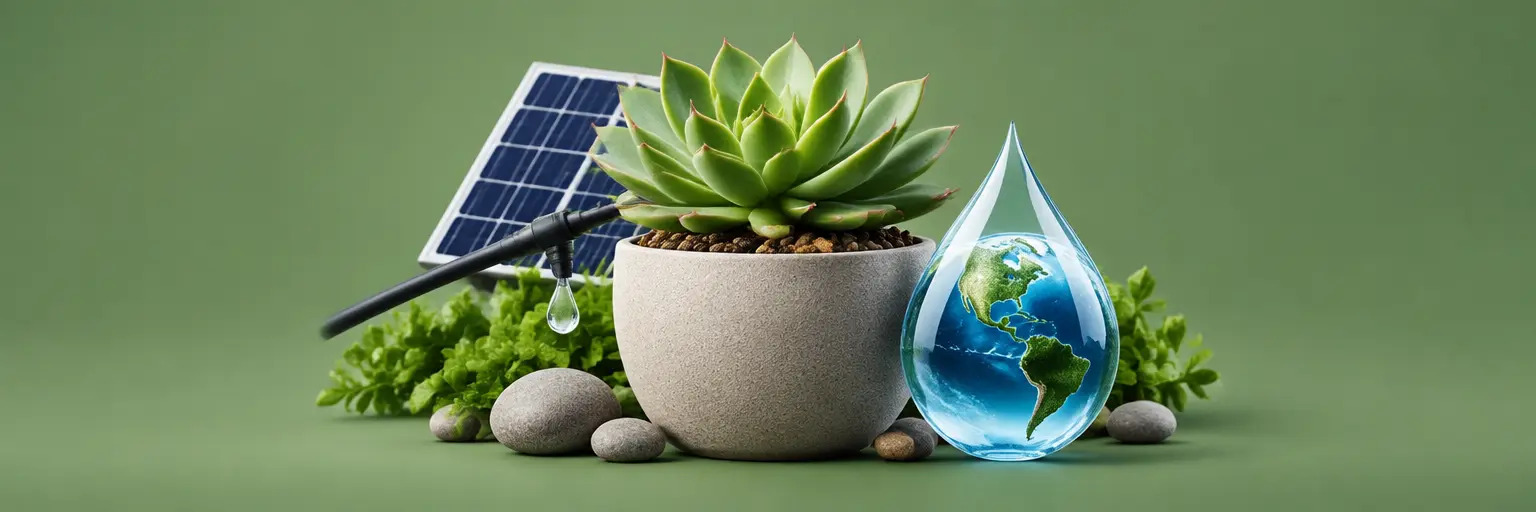
At SucculentEssentials.org, we recognize that succulents are nature’s ultimate water-savers, but even these hardy plants need smart hydration management. Our Water Conservation Strategies subcategory is your go-to resource for merging eco-friendly gardening with the unique needs of drought-resistant flora. Here, you will discover actionable techniques to reduce water waste, optimize soil moisture, and create a sustainable succulent garden that flourishes with minimal irrigation. Whether you are a seasoned collector or a curious beginner, these strategies will help you save water, lower your environmental footprint, and keep your succulents vibrant and healthy.
💧 Soil and Potting Mix Optimization
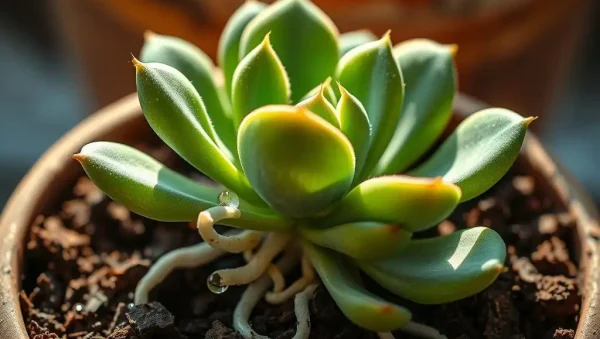
The foundation of any water conservation effort begins beneath the surface. For succulents, the right soil mix determines how efficiently water is stored and delivered to roots. By using a gritty, well-draining blend—such as one part perlite, one part coarse sand, and two parts potting soil—you prevent waterlogging and root rot, while ensuring every drop reaches the plant. This approach reduces the frequency of watering, conserving precious resources in both indoor and outdoor settings.
Additionally, incorporating organic matter like coconut coir or compost improves moisture retention without suffocating roots. We recommend testing your mix’s drainage rate by watering thoroughly and observing how quickly excess water escapes. A mix that dries within 24–48 hours is ideal. Pairing this with a terracotta pot, which wicks away excess moisture, further enhances conservation. By optimizing your soil, you cut water usage by up to 50% while boosting succulent resilience.
🌞 Smart Watering Schedules and Techniques
Timing is everything when conserving water with succulents. Instead of a rigid calendar, adopt a “soak and dry” method: water deeply but only when the soil is completely dry to the touch. This mimics natural desert rainfall patterns, encouraging roots to grow deeper and become more drought-tolerant. Early morning watering reduces evaporation, ensuring that moisture penetrates the root zone rather than dissipating in the afternoon heat.
For maximum efficiency, consider bottom watering—placing pots in a tray of water for 20–30 minutes so the soil absorbs moisture from below. This technique prevents surface runoff and directs water exactly where roots need it. During cooler months, reduce watering frequency dramatically, as succulents enter a semi-dormant phase. Using a moisture meter can eliminate guesswork, helping you avoid both over- and under-watering. These smart methods can reduce overall water consumption by 30–60% compared to conventional watering.
🌿 Mulching and Ground Cover Techniques
Mulch isn’t just for vegetable gardens; it’s a powerful ally for succulent conservation. A 1–2 inch layer of inorganic mulch, such as pebbles, gravel, or crushed stone, acts as a barrier that slows evaporation from the soil surface. This keeps root zones cooler and moister for longer, allowing you to extend intervals between watering. Organic mulches like bark chips also work, but ensure they don’t retain excess moisture that could harm succulents.
For outdoor succulent beds, companion planting with low-growing ground covers—like sedums or creeping thyme—creates a living mulch that shades the soil and traps humidity. This reduces water loss while adding visual texture to your garden. We also recommend grouping succulents with similar water needs together, creating “hydrozones” that prevent overwatering of some plants to satisfy others. Combining mulching with strategic plant placement can slash outdoor water usage by up to 70%, transforming your garden into a model of sustainability.
🏺 Rainwater Harvesting and Gray Water Reuse
Harnessing natural precipitation is a cornerstone of eco-friendly succulent care. Installing a simple rain barrel beneath your downspout collects hundreds of gallons annually, providing free, chemical-free water that succulents love. Rainwater has a balanced pH and lacks the chlorine, fluorine, and salts found in tap water, reducing soil buildup and promoting healthier root systems. Even a small 50-gallon barrel can irrigate a substantial succulent collection during dry spells.
Gray water—recycled from household sources like shower drains, bathroom sinks, and laundry machines—offers another sustainable option. Use biodegradable, plant-safe soaps to ensure water quality. Direct this water to outdoor succulent beds via a gravity-fed hose system, avoiding contact with edible plants. Always rotate gray water sources to prevent salt accumulation. By integrating both harvesting and reuse, you lower your reliance on municipal supplies, cut your water bill, and demonstrate a commitment to environmental stewardship that resonates with eco-conscious readers.
📏 Repurposing and DIY Irrigation Systems
Take water conservation to the next level with low-cost, DIY irrigation solutions. Olla pots—unglazed clay vessels buried in soil—release water slowly through their walls, directly hydrating root zones while virtually eliminating evaporation. You can craft your own from terracotta pots sealed at the base, or purchase affordable versions. Similarly, drip irrigation kits, which deliver water at a slow, steady trickle via emitters, reduce waste by up to 90% compared to sprinklers.
For indoor succulent displays, self-watering wicking systems use a rope or fabric strip to draw water from a reservoir into the soil. This passive method keeps moisture consistent without over-saturation. We also encourage repurposing household items—milk jugs with pinprick holes to create slow-release bottles, or wine bottles inverted into the soil for automatic watering. These innovations not only conserve water but also add a creative, personal touch to your succulent arrangements. Each DIY project empowers you to tailor conservation to your space and budget.
Frequently Asked Questions
How often should I water succulents to conserve water?
Water succulents only when the soil is completely dry, typically every 10–14 days in warm months and less frequently in winter. The “soak and dry” method—deep watering followed by a full drying period—maximizes hydration while minimizing frequency. Check soil moisture with your finger or a meter before watering. This approach can reduce water use by 30–50% compared to fixed schedules.
Can I use tap water for succulents, or is rainwater better?
Rainwater is superior because it contains no chlorine, fluoride, or salts found in tap water, which can accumulate and harm succulents over time. However, if you must use tap water, let it sit for 24 hours to allow chlorine to evaporate, and consider filtering. Rainwater harvesting is a sustainable, cost-effective alternative that boosts plant health while conserving municipal supplies.
What is the best soil mix for water conservation?
For optimal conservation, use a gritty mix of 2 parts potting soil, 1 part coarse sand, and 1 part perlite or pumice. This blend drains quickly, preventing root rot, yet retains enough moisture to sustain succulents between waterings. Adding a small amount of coconut coir or compost improves water-holding capacity without waterlogging, effectively reducing your overall watering needs.
How does mulching help succulent water conservation?
Mulch acts as a protective layer that slows soil evaporation, keeps roots cooler, and reduces weed competition for water. Inorganic mulches like pebbles or gravel are ideal for succulents, as they allow airflow while preventing moisture loss. By mulching outdoor beds, you can extend watering intervals and cut outdoor water usage by up to 70%, making it a simple yet impactful strategy.
Are self-watering systems safe for succulents?
Yes, when designed correctly. Self-watering systems using wicks or olla pots deliver moisture slowly, preventing overwatering. Ensure the soil dries slightly between refills to mimic natural desert conditions. Avoid constant water contact with roots, as succulents prefer periodic dryness. These systems conserve water by reducing runoff and evaporation, making them excellent for busy gardeners.