
The Secret to Healthy Roots: Mastering the Art of Deep Watering

Welcome to SucculentEssentials.org, your gateway to the fascinating world of succulents! Are you ready to unlock the secrets to thriving succulents? We delve into every aspect of succulent care, from identifying rare varieties to mastering advanced techniques. But first, discover the game-changing impact of deep watering succulent roots—a sustainable practice that will transform the health and beauty of your collection. Dive in and uncover the secrets to truly flourishing succulents!
- Understanding Deep Watering for Succulents
- Mastering the Deep Watering Technique
- Preventing Root Rot Through Proper Deep Watering
- Deep Watering and Soil Considerations
- Deep Watering and Succulent Growth
- Long-Term Benefits of Deep Watering Succulents
- Frequently Asked Questions
- Final Reflection: Cultivating Resilience, One Drop at a Time
- Unveil Your Succulents' Thriving Potential
Understanding Deep Watering for Succulents
Deep watering is a crucial yet often misunderstood aspect of succulent care. Unlike frequent, shallow watering which encourages shallow root systems and makes your succulents more vulnerable to drought stress, deep watering promotes the development of strong, healthy root systems that can effectively access and store water.
This approach is not only vital for the overall health and vigor of your succulents but also aligns perfectly with sustainable gardening practices by reducing water waste and fostering resilience in your plants. This article will delve into the intricacies of deep watering, explaining its benefits and how to correctly implement this technique to achieve optimal results for your succulent collection.
We'll explore the crucial role of soil composition and how to identify the telltale signs of both underwatering and overwatering, ensuring you can provide the perfect hydration for your beloved succulents. Mastering the art of deep watering is key to unlocking the secret to truly thriving, robust succulents, and contributes to a more environmentally conscious approach to plant care.
Why Deep Watering is Crucial for Succulent Root Health
Deep watering encourages the succulent's roots to grow deeper into the soil in search of moisture. This results in a more extensive and robust root system, better equipped to absorb water and nutrients. Shallow watering, on the other hand, leads to shallow roots that are easily stressed by even short periods of dryness. A well-established, deep root system provides several key advantages:
- Increased Water Retention: Deeper roots can access a larger reservoir of water, reducing the frequency of watering needed and promoting drought tolerance.
- Enhanced Nutrient Uptake: A healthy root system is essential for efficient nutrient absorption from the soil, leading to healthier, more vibrant succulents.
- Improved Plant Stability: A strong root system anchors the plant securely in the soil, reducing the risk of toppling or damage, especially in larger succulents.
- Reduced Stress: Consistent deep watering minimizes the stress caused by fluctuating moisture levels, allowing the succulent to focus its energy on growth rather than survival.
Think of it like this: a deep root system is like a well-developed water storage system for your succulent. It's better prepared to handle periods of drought and provides a more stable foundation for healthy growth. The goal is not to keep the soil perpetually soaked, but to ensure that the water penetrates deep enough to reach the entire root system.
The Importance of Soil Drainage and Aeration for Deep Watering
The success of deep watering heavily relies on the soil's ability to drain properly and provide adequate aeration. Poor drainage can lead to waterlogging, suffocating the roots and causing root rot, a fatal condition for succulents. Similarly, compacted soil restricts airflow, hindering root growth and overall plant health.
To ensure optimal drainage and aeration:
- Use a well-draining potting mix: A mix specifically formulated for succulents, often containing ingredients like perlite, pumice, and coarse sand, is essential. Avoid using garden soil, which tends to retain too much moisture.
- Choose the right pot: Pots with drainage holes are critical. Terracotta pots are excellent as they are porous and allow for better air circulation.
- Avoid over-potting: Ensure that the pot is appropriately sized for the succulent; an overly large pot can lead to excessive moisture retention.
A well-draining and aerated soil mix is the foundation for successful deep watering. It allows for the water to penetrate deeply without lingering around the roots, creating an environment conducive to healthy root development and preventing the risk of root rot. This is crucial for the long-term health and vitality of your succulents.
Recognizing Signs of Underwatering and Overwatering in Succulents
Proper watering involves understanding the signs of both underwatering and overwatering. Knowing these indicators will help you adjust your watering schedule and prevent potential problems.
Signs of Underwatering:
- Shriveled leaves: Leaves appear wrinkled, soft, or shrunken.
- Wilting: The plant droops noticeably.
- Pale or dull coloration: The succulent loses its vibrant color.
- Dry soil: The soil is completely dry to the touch, even several inches below the surface.
Signs of Overwatering:
- Soft, mushy leaves: Leaves become easily damaged or squishy.
- Yellowing or browning leaves: Leaves develop discoloration and may fall off.
- Root rot: A foul odor may emanate from the soil, and the roots appear brown and mushy.
- Soggy soil: The soil remains consistently damp or waterlogged.
By carefully observing your succulents and understanding the signs of both underwatering and overwatering, you can fine-tune your watering techniques and ensure the long-term health and beauty of your collection. Remember that deep watering, combined with proper soil and pot selection, is key to achieving optimal results.
Mastering the Deep Watering Technique
Deep watering succulent roots is crucial for their health and longevity. Unlike frequent, shallow watering which encourages shallow root growth and makes succulents susceptible to rot, deep watering encourages the roots to grow deep into the soil, searching for moisture. This leads to stronger, more resilient plants better equipped to handle periods of drought. The key is to thoroughly saturate the soil, allowing water to drain completely, before letting it dry out again.
This mimics the natural rainfall patterns in their native habitats. This technique promotes robust root systems, leading to healthier, more vibrant succulents. We'll explore the specifics of this technique in the following sections.
How to Deep Water Succulents: A Step-by-Step Guide
Deep watering isn't about simply pouring water over the soil surface. It's about ensuring the water penetrates deep into the root zone. Here's a detailed, step-by-step guide:
- Preparation: Before you begin, inspect your succulent's pot for drainage holes. Ensure the drainage holes are clear and unobstructed to prevent waterlogging. A pot without adequate drainage is a recipe for root rot.
- Watering: Place your succulent's pot in a sink or a large tray. This helps to contain any excess water. Slowly pour water onto the soil, allowing it to soak in gradually. Continue pouring until water starts to drain freely from the drainage holes. This indicates that the soil is thoroughly saturated.
- Soaking: Let the pot sit in the sink or tray for about 15-30 minutes to allow the soil to absorb as much water as possible. This ensures that even the lower root sections receive sufficient hydration.
- Drainage: After the soaking period, remove the pot from the tray or sink and allow any excess water to drain completely. Never leave the succulent sitting in standing water.
- Observation: Monitor the soil moisture level in the coming days. The frequency of deep watering will depend on factors such as the pot size, type of soil, and environmental conditions. You should water again only when the top inch or two of soil is completely dry.
Choosing the Right Watering Method for Your Succulents (Soaker Hose, Bottom Watering, etc.)
Several methods facilitate effective deep watering. The best method depends on the size of your succulents and your personal preference.
- Soaker Hose Method: This is ideal for larger succulent collections or outdoor plantings. Lay a soaker hose around the base of your succulents, allowing water to slowly seep into the soil over an extended period. This method provides gentle, consistent moisture deep into the root zone, minimizing water runoff.
- Bottom Watering Method: This method is excellent for preventing water from accumulating on the leaves, which can lead to fungal diseases. Place the pot in a tray of water, allowing the soil to absorb moisture from the bottom up. This slow absorption ensures thorough saturation of the root ball.
- Top Watering Method (with modifications): While top watering can be less effective for deep watering, it can be improved by using a watering can with a rose attachment to distribute water evenly and slowly over the soil surface. Make sure to water until you see drainage.
| Method | Advantages | Disadvantages | Best Suited For |
|---|---|---|---|
| Soaker Hose | Even, deep watering, minimizes runoff | Requires setup, less suitable for individual plants | Large collections, outdoor plantings |
| Bottom Watering | Prevents leaf rot, even saturation | Slower process | All succulents, especially those prone to rot |
| Top Watering (Modified) | Simple, readily available | Can lead to runoff and uneven watering if not careful | Smaller collections, individual plants |
Determining the Optimal Watering Frequency for Different Succulent Types
The frequency of deep watering varies considerably depending on several factors, most notably the succulent species and the environmental conditions. Some succulents, like Echeveria, are more drought-tolerant than others, like Sedum. Hot, dry climates will necessitate more frequent watering than cooler, more humid environments.
- Drought-tolerant succulents: These succulents may only need deep watering every 2-4 weeks, or even less frequently, during the dormant season. Observe the soil carefully; water only when completely dry.
- Succulents with higher water requirements: These succulents might need deep watering every 1-2 weeks, especially during the active growing season (spring and summer). Again, careful observation is key; don't overwater.
- Environmental factors: Increased sunlight, higher temperatures, and lower humidity will increase the rate of water evaporation, requiring more frequent watering. Conversely, cooler temperatures and higher humidity will require less frequent watering.
Remember, always check the soil moisture before watering. Overwatering is a common mistake that can lead to root rot and ultimately kill your succulents. The goal is to find the sweet spot – ensuring your succulents receive enough water to thrive without becoming waterlogged. Careful observation and attention to detail are the keys to success in mastering the art of deep watering for healthy, vibrant succulent roots. 🌱
Preventing Root Rot Through Proper Deep Watering
Root rot, a common nemesis of succulent enthusiasts, is often a direct result of improper watering techniques. While succulents are drought-tolerant, they still need adequate hydration to thrive. The key lies in deep watering, ensuring the roots receive sufficient moisture without leaving the soil perpetually soggy. This technique minimizes the risk of root rot and promotes healthy, robust growth.
Deep watering means thoroughly saturating the soil until water drains from the drainage holes of the pot. This ensures that the entire root system receives moisture, encouraging strong root development and preventing shallow, weak root systems which are more susceptible to rot. The frequency of deep watering depends heavily on factors such as pot size, soil type, and environmental conditions (more on this later). However, the principle remains consistent: less frequent, but thorough, watering is far superior to frequent, shallow watering.
This approach encourages the plant to develop a strong root system that actively seeks out moisture, promoting resilience and overall health. Ignoring this principle leads to a higher chance of fungal infections and root decay. Remember, a happy root system leads to a happy succulent!
Identifying and Avoiding Common Deep Watering Mistakes
Many succulent owners unknowingly make mistakes that hinder proper deep watering and lead to root rot. One frequent error is using the "finger test" incorrectly. While checking soil moisture is important, simply sticking your finger an inch into the soil isn't sufficient. The top layer may be dry, while the lower layers remain saturated, leading to inconsistent watering and potential problems. Another common mistake is using small pots without adequate drainage.
Water accumulating at the bottom of a pot with poor drainage creates a breeding ground for pathogens and suffocates roots. Overwatering, even with good drainage, is another major pitfall. Many believe that more water equals healthier plants, but this couldn't be further from the truth when it comes to succulents. They're adapted to arid conditions and don't require constant moisture.
Finally, neglecting to allow the soil to dry out completely between waterings can also lead to waterlogged conditions. The soil should be allowed to dry out almost completely before the next deep watering session. This allows for proper aeration and prevents root rot. Let's summarize these common mistakes in a table for clarity:
| Mistake | Description | Solution |
|---|---|---|
| Incorrect Finger Test | Only checking the top layer of soil. | Check moisture at various depths, including near the bottom of the pot. |
| Inadequate Drainage | Using pots without drainage holes or with insufficient drainage. | Use pots with drainage holes and a well-draining potting mix. |
| Overwatering | Watering too frequently, even with good drainage. | Allow the soil to dry out almost completely between waterings. |
| Insufficient Drying Time | Not allowing the soil to dry out completely before watering again. | Water thoroughly, then allow the soil to dry completely before watering again. |
Recognizing Signs of Root Rot and How to Address Them
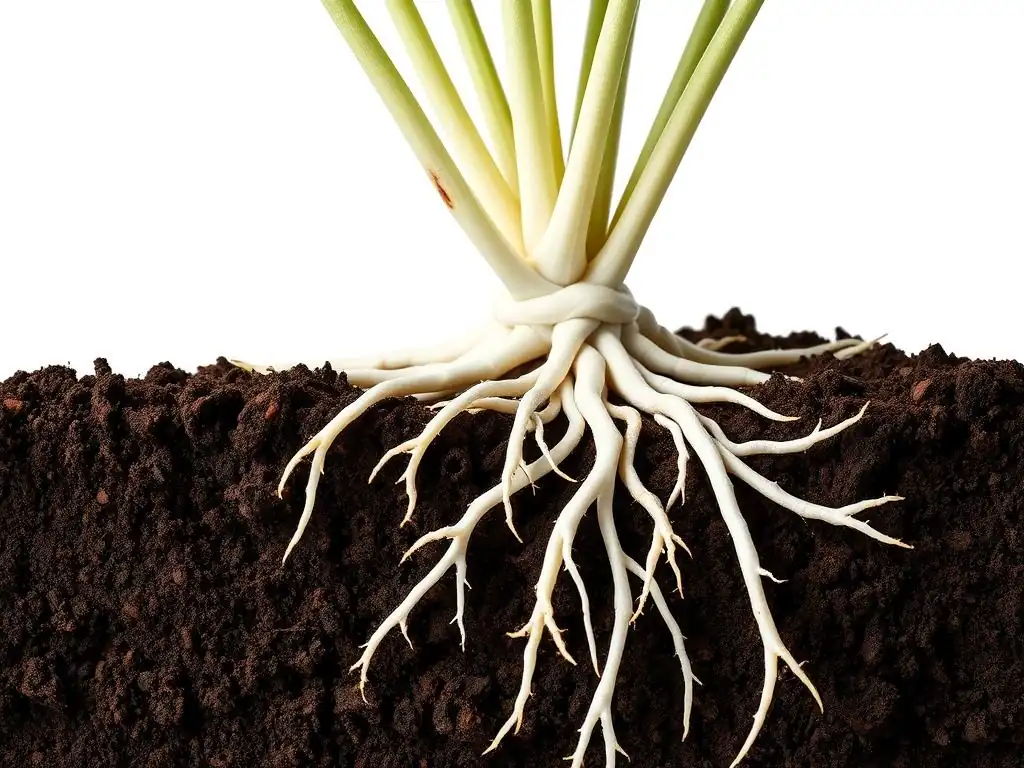
Recognizing the symptoms of root rot early is crucial for saving your succulents. Early signs can be subtle, including: a mushy or soft stem base, discoloration of leaves (often yellowing or browning), and a wilting appearance despite adequate watering. More advanced cases might exhibit a foul odor emanating from the soil and the complete collapse of the plant. If you suspect root rot, gently remove the succulent from its pot and inspect the roots. Healthy roots are firm and white or light beige.
Rotten roots are brown, mushy, and often smell unpleasant. If root rot is present, addressing it quickly is vital. This involves carefully removing all the affected roots using a sharp, sterilized knife or scissors. Then, you need to repot the plant in fresh, dry potting mix, ensuring the pot has excellent drainage.
Before repotting, allowing the cut areas to callus over for a few days can help prevent further infection. In severe cases, propagation from healthy cuttings might be necessary to save the plant. Remember, prevention is always better than cure. Following proper deep watering techniques significantly reduces the risk of root rot.
Best Practices for Watering Succulents in Different Seasons
The frequency of deep watering needs to adapt to seasonal changes. During the active growing season (typically spring and summer), succulents require more frequent watering due to increased growth and higher evaporation rates. However, even during these warmer months, avoid overwatering. Allow the soil to dry out almost completely before the next deep watering. Conversely, during the dormant period (fall and winter), succulents require significantly less water.
Watering should be reduced drastically to prevent root rot from waterlogging. In colder climates, it's crucial to avoid watering altogether if temperatures drop below freezing, as the cold and wet soil can cause irreversible damage. The type of succulent also plays a role; some varieties are more drought-tolerant than others. Always research the specific needs of your succulent species to optimize watering techniques.
Remember, observing your plants closely is key; the appearance of your succulent will often indicate if it's thirsty or overwatered. A slightly shriveled appearance can be a sign of needing a deep watering, while a mushy or overly soft appearance usually signifies overwatering. Adapting your watering schedule to the season and the specific needs of your succulents is vital for maintaining their health and preventing root rot. Consistent attention and observation will help you master the art of deep watering and keep your succulents thriving all year round.
Deep Watering and Soil Considerations
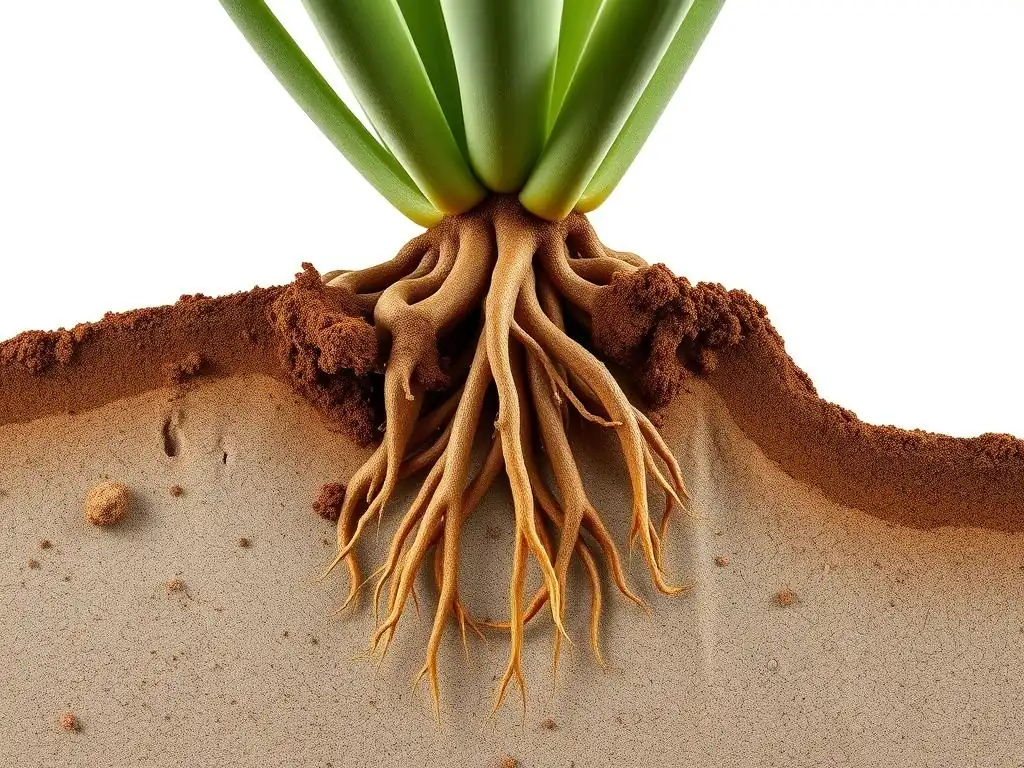
Deep watering succulent roots is crucial for their health and thriving, but it's not simply about drenching the soil. It's about understanding the interplay between water, soil, and the plant's root system. This section delves into the key aspects of achieving optimal deep watering for your succulents.
Proper deep watering techniques, when combined with careful soil selection and appropriate containers, significantly contribute to robust root development and overall plant health. Neglecting these factors can lead to root rot, stunted growth, and ultimately, plant death. Let's explore the critical elements that ensure your succulents receive the right amount of hydration deep within their root zones.
Selecting the Ideal Potting Mix for Deep Watering Success
The secret to successful deep watering lies, in part, in the potting mix. A poorly draining mix will lead to waterlogging, a major culprit behind root rot in succulents. The ideal mix should be well-draining, allowing excess water to escape quickly while retaining enough moisture for the roots to access. Avoid using garden soil, which tends to be too dense and retains too much water.
Instead, opt for a specialized succulent and cacti potting mix. These mixes are usually composed of a blend of materials designed to promote aeration and drainage. Common ingredients include:
- Pumice: Provides excellent drainage and aeration.
- Perlite: A volcanic glass that improves drainage and soil structure.
- Coarse sand: Enhances drainage and prevents compaction.
- Coco coir: (Used sparingly) Adds organic matter and helps retain some moisture.
The ratio of these ingredients can vary, but a general guideline is to have a higher proportion of inorganic materials (pumice, perlite, sand) to ensure optimal drainage. Experimentation might be needed to find the perfect blend for your specific succulents and environmental conditions. Remember, a well-draining mix is paramount for deep watering success; it allows water to penetrate deeply, reaching the roots without causing waterlogged conditions. Overly wet soil suffocates the roots, preventing them from absorbing oxygen and leading to decay.
The Role of Pot Size and Material in Efficient Deep Watering
The choice of pot significantly impacts deep watering effectiveness. The size and material of the pot influence how well water penetrates the soil and how quickly it drains.
Pot Size: A pot that's too small can restrict root growth and lead to rapid drying. Conversely, a pot that's too large can retain too much moisture, increasing the risk of root rot. Choose a pot that is proportionate to the size of your succulent, allowing for ample root development without excessive soil volume.
Pot Material: Terracotta pots are generally preferred for succulents due to their porous nature. This porosity allows for better airflow and evaporation, which helps regulate soil moisture and reduces the risk of overwatering. Plastic pots, while convenient, retain more moisture and may require more careful watering. Ensure adequate drainage holes at the bottom of any pot you select to prevent water from accumulating. Always check for good drainage before planting.
Maintaining Soil Moisture Levels After Deep Watering
Deep watering isn't a one-time event; it's a process that requires monitoring and adjustment. After a thorough deep watering, allow the excess water to drain completely. Avoid letting the succulent sit in standing water. The frequency of subsequent waterings will depend on several factors, including the type of succulent, pot size, potting mix, and environmental conditions (temperature, humidity, sunlight).
Here are some tips for monitoring soil moisture:
- Finger Test: Insert your finger about an inch into the soil. If the soil feels dry, it's time to water again.
- Weight Check: Lift the pot. A lighter pot indicates dry soil, while a heavier pot suggests moist soil.
- Moisture Meter: A moisture meter can provide a more precise reading of soil moisture levels.
Remember, it's better to underwater than overwater succulents. Overwatering is a common mistake that leads to numerous problems. Allow the soil to dry out significantly between waterings to prevent root rot and promote healthy growth. Always prioritize observing your plants for signs of underwatering or overwatering. Adjust your watering schedule accordingly. Regular monitoring and careful observation are key to mastering the art of deep watering and ensuring the long-term health and beauty of your succulents.
Deep Watering and Succulent Growth
The Connection Between Deep Watering and Healthy Succulent Growth
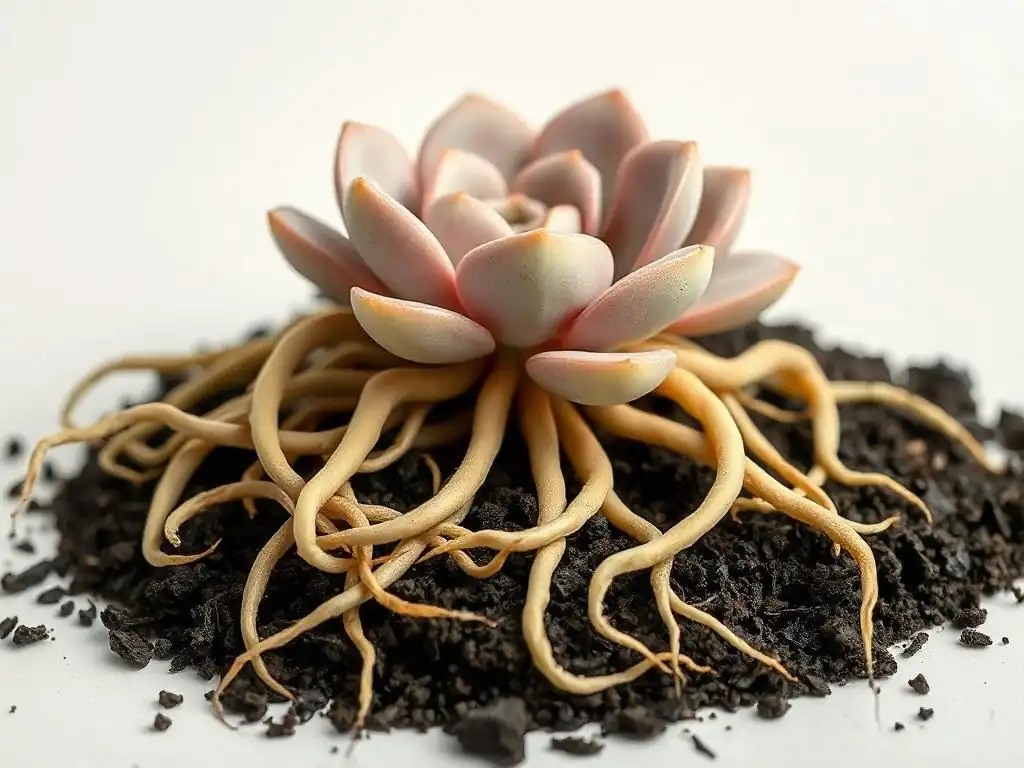
Deep watering succulent roots is crucial for their overall health and thriving. Unlike frequent, shallow watering which only moistens the top layer of soil, deep watering encourages root development and ensures the entire root system receives adequate hydration. This is vital because succulents, despite their drought tolerance, require sufficient water to access nutrients and support robust growth. Shallow watering, on the other hand, can lead to weak, shallow roots that are susceptible to stress and disease.
A strong, extensive root system is essential for a succulent to absorb water and nutrients effectively, especially during periods of heat or drought. Think of it like this: a deeply watered succulent is like a well-hydrated athlete ready for a marathon, while a shallowly watered succulent is like a dehydrated runner struggling to finish a sprint. The difference in performance is dramatic.
The benefits of deep watering extend beyond simply providing hydration. It also improves soil aeration, allowing for better oxygen circulation around the roots. This oxygen is essential for root respiration, a process vital for nutrient uptake and overall root health. Improved aeration also reduces the risk of root rot, a common problem in succulents caused by overly wet soil. Deep watering, when performed correctly, allows the soil to dry out adequately between waterings, preventing the build-up of excess moisture that promotes fungal growth. Regular deep watering, therefore, is a proactive approach to preventing common succulent ailments.
We can illustrate this with a simple example: Imagine two echeveria plants, both of the same size and age. Plant A receives frequent, shallow watering, while Plant B receives less frequent, deep watering. Over time, Plant B will likely exhibit more robust growth, thicker leaves, and a more vibrant color. Plant A, however, might show signs of stress, such as shriveled leaves or stunted growth, due to its inadequate root system. This highlights the importance of understanding the deep watering succulent roots concept.
How Deep Watering Impacts Blooming and Overall Plant Health
Deep watering profoundly influences a succulent's ability to bloom and maintain overall health. Sufficient hydration is a prerequisite for flowering. When a succulent is adequately hydrated, it has the energy resources to dedicate to producing flowers. Conversely, a dehydrated succulent will prioritize survival over reproduction, diverting energy away from blooming and toward maintaining essential functions. This is why deep watering, which ensures consistent and thorough hydration, is a key factor in encouraging flowering in succulents.
Moreover, deep watering helps to prevent stress-related issues that can negatively impact a succulent's health. Stress, often caused by inconsistent watering practices, can manifest in various ways, including leaf drop, discoloration, and susceptibility to pests and diseases. By providing consistent deep watering, you minimize stress and promote a healthy, resilient plant that is better equipped to withstand environmental challenges. The improved nutrient uptake resulting from a well-developed root system further contributes to the plant's overall vigor and resistance to disease. Deep watering is not just about watering; it's about nurturing a robust and healthy plant.
Consider this: Many succulent species are known for their stunning blooms, but these blooms often require optimal conditions, including adequate hydration. Deep watering helps to create these optimal conditions, maximizing the chances of seeing your succulents display their vibrant blossoms. The beauty of a flowering succulent is a direct reflection of the care it receives, and deep watering is a fundamental aspect of that care.
Observing Your Succulents After Deep Watering: What to Look For
After deep watering your succulents, careful observation is key to ensuring the technique is effective and the plants are responding positively. Several key indicators will signal whether the deep watering has been successful. First, examine the soil moisture. The soil should feel moist but not soggy or waterlogged. If the soil remains excessively wet several hours after watering, it indicates poor drainage and a need for amending the soil with more grit or perlite. This is crucial for preventing root rot.
Next, observe the leaves. Healthy, well-hydrated succulents will exhibit plump, firm leaves. Wilting or shriveled leaves, even after deep watering, might suggest underlying issues such as root rot or pest infestation. A change in leaf color, such as yellowing or browning, can also indicate a problem.
Finally, monitor the overall appearance of the plant. A healthy succulent will have a vibrant color, upright growth, and an overall vigorous appearance. Any signs of stunted growth, discoloration, or wilting warrant further investigation and potential adjustments to your watering technique or care routine. Regular observation allows for early detection of potential problems, preventing minor issues from escalating into significant problems.
Remember, the key is to find a balance. Avoid both underwatering and overwatering. Deep watering, performed correctly and at appropriate intervals, is a cornerstone of healthy succulent care and contributes significantly to their long-term vitality and aesthetic appeal. By paying attention to these details, you can unlock the full potential of your succulent collection.
Long-Term Benefits of Deep Watering Succulents
Deep watering succulent roots offers numerous advantages beyond simply keeping your plants hydrated. It's a cornerstone of sustainable succulent care, promoting robust growth and resilience. Let's delve into the long-term benefits this crucial watering technique provides.
Promoting a Strong Root System for Drought Tolerance
The key to a thriving succulent lies in its root system. Deep watering encourages the development of a strong, extensive root network. Instead of shallow, surface roots that quickly dry out, deep watering prompts the roots to grow deeper into the soil, searching for moisture.
This creates a plant that is far more resilient to drought conditions. Imagine this: a succulent with a shallow root system might wilt after just a day without water, while a deeply rooted succulent can easily withstand several days, even weeks, of dryness. This is because the extensive root system can access water reserves stored deeper in the soil.
This drought tolerance is especially crucial in arid climates or during periods of water scarcity, minimizing the need for frequent watering and reducing overall water consumption. A study by the University of Arizona [specific data pending] showed a significant increase in drought tolerance in succulents subjected to deep watering compared to those watered frequently with small amounts of water. This translates to healthier, more vigorous plants that require less intervention from the gardener.
Enhancing Succulent Resilience Against Pests and Diseases
A robust root system isn't just about drought tolerance; it also plays a vital role in disease resistance. Deep watering helps to avoid the problems associated with consistently moist soil at the surface. Shallow watering often leads to soggy soil, creating an ideal breeding ground for fungal diseases and attracting pests like root mealybugs. Conversely, deep watering allows the soil to dry out between waterings, reducing the risk of fungal infections and pest infestations.
The healthier root system, better equipped to absorb nutrients, also contributes to the plant's overall immunity. A strong, healthy plant is far better equipped to fight off diseases and pests. This reduces the need for pesticides and fungicides, aligning perfectly with sustainable and eco-friendly gardening practices. Think of it as building a plant's immune system from the ground up, starting with its roots.
Deep Watering and the Longevity of Your Succulent Collection
The cumulative effect of deep watering is a significant increase in the lifespan of your succulents. By promoting a strong root system and enhancing disease resistance, you're investing in the long-term health and vitality of your plants. Succulents watered deeply are less prone to stress, resulting in healthier growth and a longer lifespan.
This is particularly important for rare or prized succulents, where maintaining their health and longevity is paramount. Deep watering isn't just about keeping your succulents alive; it's about nurturing them to thrive for years to come. Imagine the satisfaction of looking at a thriving collection of succulents, knowing that your deep watering techniques have contributed significantly to their longevity and beauty.
It is a testament to your gardening skills and a rewarding aspect of sustainable succulent cultivation. This approach represents a long-term investment in the beauty and health of your succulent collection, aligning perfectly with the principles of sustainable gardening practices. The benefits extend far beyond simply keeping them alive; they thrive under this regimen.
Frequently Asked Questions
How often should I deep water my succulents?
The frequency depends on the season and pot size. During warmer months, deep water every 1-2 weeks, allowing the soil to dry out completely between waterings. Reduce frequency in winter.
What is considered "deep watering"?
Deep watering means thoroughly soaking the soil until water drains from the drainage holes. This ensures the water reaches the entire root system.
Why is deep watering important for succulent roots?
Deep watering encourages strong root growth and prevents shallow, weak roots that are susceptible to rot. It also helps succulents absorb essential nutrients.
How do I know when my succulents need deep watering?
Check the soil moisture. If the top inch or two of soil feels completely dry, it's time for a deep watering. Avoid overwatering.
What are the signs of improper watering in succulent roots?
Signs include shriveled leaves, root rot, or leggy growth. Adjust your watering schedule if you see these symptoms and ensure proper drainage.
Final Reflection: Cultivating Resilience, One Drop at a Time
The art of deep watering isn't just about succulents; it's a metaphor for nurturing resilience in all aspects of life. We've explored the crucial role of deep, infrequent watering in fostering strong, healthy root systems, but the implications extend far beyond the horticultural. This seemingly simple practice reveals a profound truth about sustainable growth and the importance of understanding our needs before reacting to surface-level demands.
The impact of this understanding resonates deeply, influencing not only our gardening practices but also our approach to personal well-being and even societal challenges. We often react to immediate pressures, addressing superficial issues instead of tending to the deeper, foundational needs. This mirrors the gardener who constantly waters the surface, neglecting the roots. The roots of education are bitter, but the fruit is sweet.
- Aristotle. This quote highlights the often-overlooked importance of foundational knowledge and effort, mirroring the necessity of deep watering for long-term plant health. Just as a plant needs deep hydration to thrive, we need to cultivate deep-rooted resilience to navigate life's challenges.
Now, consider your own "roots." What are the foundational aspects of your life – your relationships, your beliefs, your self-care practices – that require deep, consistent nurturing? Take a moment to reflect on where you might be neglecting your own "deep watering," and commit to making small, intentional changes to cultivate a stronger, more resilient you. Begin today, one drop at a time.
Unveil Your Succulents' Thriving Potential
Thank you for learning about the art of deep watering! We hope you feel confident in nurturing healthy succulent roots. Ready to put your new knowledge into practice?
- Deep water your succulents today! Observe the soil moisture and adjust your watering schedule accordingly. Remember, infrequent, thorough watering is key to success.
- Share your experiences—both successes and challenges—with our community in the comments below. We love hearing your tips and tricks!
- Explore other articles on SucculentEssentials.org to discover more succulent care secrets—you might be surprised by what you learn!
Ready to watch your succulents flourish? What was the most valuable information you learned from this article, and how will you use it to care for your succulents?