
The Ultimate Guide to Organic Pest Control for Succulents

Welcome to SucculentEssentials.org, your gateway to the fascinating world of succulents! Are you ready to unlock the secrets to thriving, pest-free succulents? We delve into the art and science of succulent care, from propagation techniques to stunning design ideas. But first, discover the power of organic succulent pest control – a crucial element in nurturing these resilient plants. Dive in and learn how to keep your succulents healthy and happy, naturally!
- Identifying Common Succulent Pests and Diseases
- Organic Pest Control Methods for Succulents
- Preventing Succulent Pests and Diseases
- Natural Remedies for Common Succulent Problems
- Advanced Organic Pest Control Techniques for Succulents
- When to Seek Professional Help for Succulent Pest Control
- Maintaining a Healthy and Pest-Free Succulent Collection: Long-Term Strategies
- Frequently Asked Questions
- Final Reflection: Cultivating a Thriving, Pesticide-Free Succulent Garden
- Unleash Your Succulent's Inner Strength: Natural Pest Defense
Identifying Common Succulent Pests and Diseases
Succulents, with their striking beauty and resilience, are beloved by plant enthusiasts worldwide. However, even these drought-tolerant plants are susceptible to pests and diseases. This comprehensive guide focuses on organic methods for pest control, ensuring the health of your succulents while maintaining a sustainable and eco-friendly approach to gardening. We'll explore common succulent pests, their identification, and effective organic solutions to keep your precious collection thriving.
This guide is essential for both beginner succulent owners looking to prevent infestations and experienced collectors seeking natural ways to manage existing problems. We will cover everything from identifying the culprits to implementing effective, organic treatments, ensuring your succulents remain healthy and vibrant for years to come. This approach prioritizes the well-being of your plants and the environment, offering a responsible alternative to harsh chemical pesticides. Let's delve into the world of organic succulent pest control and protect your beautiful collection naturally!
Recognizing Mealybugs on Your Succulents
Mealybugs are a common nemesis for succulent enthusiasts. These tiny, soft-bodied insects are typically white or grayish-white and resemble small pieces of cotton or fluff. They often cluster in leaf axils, crevices, and along the stems of succulents. Heavy infestations can lead to stunted growth, yellowing leaves, and even plant death. Early detection is key! Regularly inspect your succulents, paying close attention to these vulnerable areas. A magnifying glass can be helpful for identifying smaller infestations.
The telltale sign of mealybugs is the presence of white, cottony masses. These masses are actually the insects themselves and their egg sacs. If you suspect a mealybug infestation, carefully examine your plants for these characteristic signs. A single mealybug might go unnoticed, but clusters are readily visible. Remember to check underneath leaves and in hard-to-reach areas. You can often gently remove small infestations manually with a cotton swab dipped in rubbing alcohol. For larger infestations, consider using an insecticidal soap spray specifically formulated for succulents. Always test a small area first to ensure no adverse reactions.
Spotting Aphids Infesting Your Succulent Collection
Aphids, tiny pear-shaped insects, are another common pest that can wreak havoc on succulents. These soft-bodied insects come in various colors, including green, black, brown, and white, and are easily spotted with the naked eye. They typically cluster on the undersides of leaves and young shoots, sucking the sap from the plant. A heavy aphid infestation can cause leaf curling, yellowing, and stunted growth. Similar to mealybugs, early detection is crucial for effective control.
Look for signs of aphid activity, such as sticky honeydew (a sugary substance excreted by aphids) on leaves and stems. This honeydew can attract ants and promote the growth of sooty mold, a black fungus that further affects the plant's health. Ants often "farm" aphids, protecting them in exchange for the honeydew. Controlling the ants can therefore indirectly help control the aphid population.
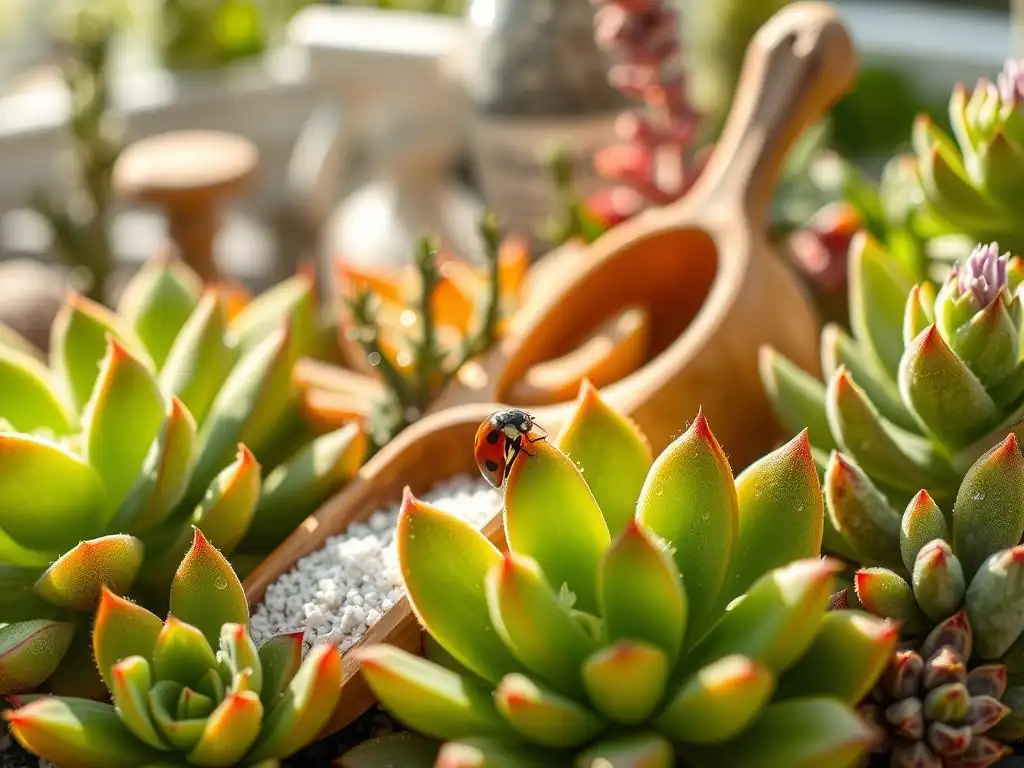
Natural predators such as ladybugs can also help control aphid populations. If you have a small infestation, you can try gently rinsing the aphids off with a strong stream of water. For larger infestations, consider using insecticidal soap or neem oil, again testing a small area first.
Identifying Scale Insects on Succulents
Scale insects are another common pest affecting succulents. Unlike mealybugs and aphids, scale insects are less mobile and appear as small, hard bumps on the stems and leaves. They can be various colors, often blending in with the plant's color, making them difficult to spot. These insects also suck plant sap, leading to similar symptoms as aphid and mealybug infestations – stunted growth, yellowing, and wilting. They often appear as tiny brown or black spots on the stems and leaves.
Scale insects are notoriously difficult to eliminate completely, requiring persistent effort. Regular inspection is vital for early detection. Similar to other pests, a magnifying glass can aid in identifying these small, immobile insects. Manually removing them with a toothpick or cotton swab can be effective for small infestations, though it's a tedious process.
For larger infestations, insecticidal soap or neem oil remain effective options, but multiple applications may be necessary. Always ensure adequate ventilation and avoid overwatering, as these conditions can exacerbate pest problems. Remember, prevention through good cultural practices, such as proper watering and sunlight, is the best defense against succulent pests.
Diagnosing Root Rot in Succulents
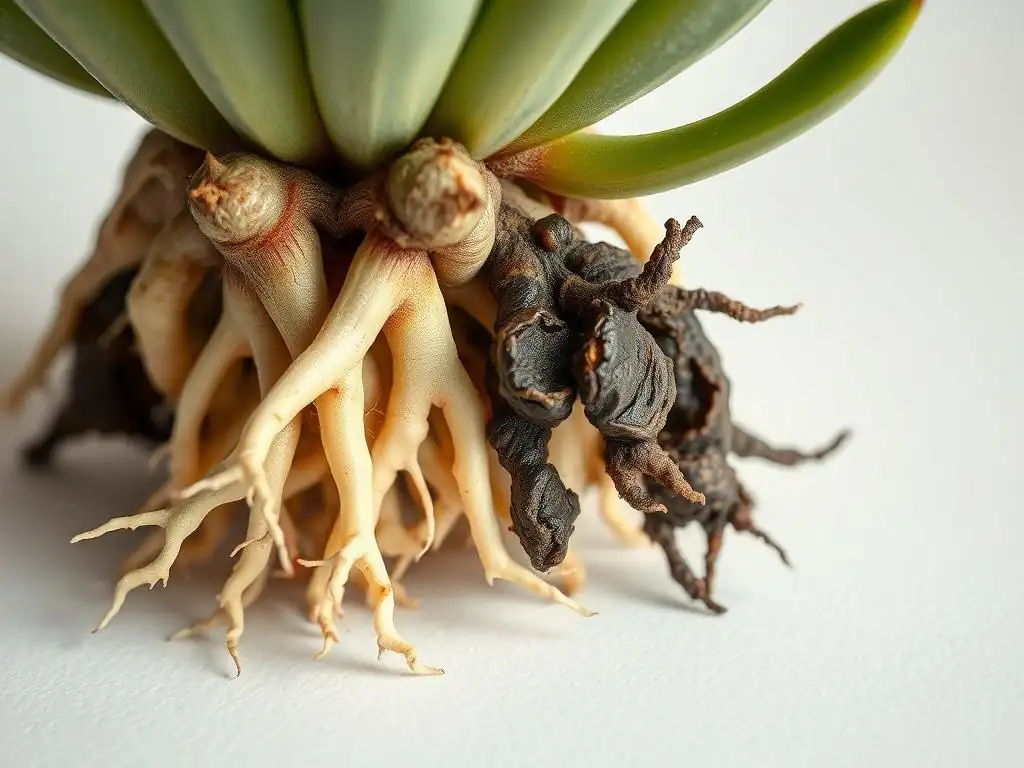
Root rot, a common fungal disease, is a silent killer of succulents. Unlike many pests, you won't see root rot directly; its effects are insidious. Early detection is crucial for successful treatment. The first sign is often a change in the succulent's overall appearance. Leaves may become mushy, yellow, or brown, and may even fall off easily. The plant may also appear wilted, even when the soil is moist. This wilting is different from simple dehydration; a dehydrated succulent will be limp but the leaves will retain their firmness. A rot-affected succulent will have soft, waterlogged leaves.
To confirm root rot, carefully remove the succulent from its pot. Gently brush away the soil to expose the roots. Healthy roots are firm and a light, creamy color. Roots affected by rot will be dark brown or black, mushy, and may have a foul odor. The base of the stem may also show signs of discoloration and decay.
It's important to note that overwatering is the primary cause of root rot, so examining your watering habits is just as important as examining the roots themselves. Avoid using poorly draining soil mixes and ensure your pots have adequate drainage holes. Remember, prevention is key in organic succulent pest control, and proper watering techniques are paramount. Always allow the soil to dry out completely between waterings.
Detecting Spider Mites on Succulents
Spider mites are tiny arachnids that can wreak havoc on succulents. These pests are notoriously difficult to spot with the naked eye, but their presence leaves telltale signs. One of the first indicators is fine webbing, particularly noticeable between leaves or around the base of the plant. This webbing is often mistaken for dust or debris, so a close inspection is necessary. Look closely for tiny, moving dots on the leaves. These are the spider mites themselves. They are often reddish-brown or yellow-green, and using a magnifying glass can greatly assist in their identification.
Another symptom is stippling or speckling on the leaves. This appears as tiny, light-colored spots or discoloration, often accompanied by a silvery sheen. The leaves may also look bronzed or yellowed. Heavy infestations can cause leaf drop and overall plant decline. The damage caused by spider mites weakens the succulent, making it more susceptible to other diseases.
Regular inspection is vital for early detection and effective organic pest control. When dealing with a spider mite infestation, prompt action is essential to prevent widespread damage to your precious succulent collection. Remember, maintaining a healthy growing environment is the best defense against these tiny pests. Good air circulation and appropriate humidity levels can help deter infestations.
Organic Pest Control Methods for Succulents
This section delves into effective, organic methods for managing common succulent pests. We'll explore natural solutions that minimize harm to your plants, beneficial insects, and the environment, while effectively tackling infestations. Remember, early detection is key to successful organic pest control. Regularly inspecting your succulents for signs of infestation is crucial for preventing major outbreaks.
Using Neem Oil for Succulent Pest Control
Neem oil, derived from the neem tree, is a powerful yet gentle organic pesticide. Its effectiveness stems from azadirachtin, a compound that disrupts the life cycle of many insects, including mealybugs, aphids, and spider mites – common succulent pests. Neem oil acts as both a contact insecticide (killing insects on contact) and a systemic insecticide (absorbed by the plant, making it toxic to insects that feed on it).
Applying neem oil is straightforward. Mix a solution according to the product instructions – typically a ratio of 1-2 tablespoons of neem oil per gallon of water. Thoroughly spray the affected areas of your succulents, ensuring coverage of both the upper and lower leaf surfaces. Repeat applications every 7-10 days, or as needed, until the infestation is under control. Remember to test the solution on a small area of a plant first to check for any adverse reactions. Avoid spraying during the hottest part of the day to prevent leaf burn.
The benefits of neem oil extend beyond its insecticidal properties. It also possesses antifungal and antibacterial qualities, providing additional protection for your succulents. However, neem oil can be somewhat harsh on some succulent varieties, so always test a small area first. Furthermore, it's crucial to use neem oil that is specifically formulated for horticultural use, as other formulations may be harmful to plants.
Applying Insecticidal Soap to Eliminate Pests
Insecticidal soap is another effective organic option for controlling many common succulent pests. This soap, typically made from potassium salts of fatty acids, disrupts the cell membranes of soft-bodied insects, leading to their dehydration and death. It's particularly effective against aphids, mealybugs, and whiteflies.
Unlike neem oil, insecticidal soap works primarily as a contact insecticide, meaning it needs direct contact with the pests to be effective. Therefore, thorough spraying is essential. Mix the insecticidal soap according to package instructions and apply generously to all affected areas. You may need to repeat applications every few days, depending on the severity of the infestation. Always test a small area before widespread application. Insecticidal soap is generally considered safe for plants and beneficial insects, but excessive use can damage some succulent varieties. It's best to avoid applying it in direct sunlight or during extremely hot weather.
The Power of Diatomaceous Earth for Succulent Protection
Diatomaceous earth (DE) is a natural, sedimentary rock composed of fossilized diatoms. Its microscopic particles act as a physical abrasive, cutting into the exoskeletons of insects, leading to dehydration and death. DE is a highly effective and safe organic method for controlling various crawling insects like slugs, snails, and even some stages of mealybugs and spider mites.
To use DE, simply sprinkle a thin layer around the base of your succulents and on the soil's surface. Avoid over-application, as it can potentially affect beneficial soil organisms. You can also mix DE with water to create a spray, but this method is less effective than direct application. DE is non-toxic to humans, pets, and beneficial insects, making it a safe and environmentally friendly option for organic succulent pest control. However, it's important to use food-grade diatomaceous earth, as industrial-grade DE can be harmful if inhaled.
Remember that consistent monitoring and prompt action are crucial for successful organic pest control. Early detection and intervention can prevent minor infestations from escalating into major problems. By utilizing these organic methods, you can keep your succulents healthy and thriving while protecting the environment.
Beneficial Nematodes for Soil Health and Pest Management
Beneficial nematodes are microscopic roundworms that live in the soil and prey on various soilborne pests that can plague succulents. These tiny warriors are a powerful tool in organic succulent pest control, offering a sustainable and environmentally friendly solution to common problems. They work by infecting and killing harmful insects, such as fungus gnats, thrips larvae, and other soil-dwelling pests that can damage succulent roots and stems. The beauty of this method lies in its targeted approach; beneficial nematodes generally don't harm beneficial insects or the plants themselves.
The application process is straightforward. You typically purchase nematodes as a suspension in water or a granular form. The method of application will vary depending on the product, but generally involves watering the soil thoroughly before applying the nematodes. It's crucial to follow the manufacturer's instructions precisely, as factors like soil temperature and moisture levels significantly impact their effectiveness.
Optimal soil temperatures usually fall within a specific range, and overwatering or underwatering can reduce their efficacy. Regular application may be needed, depending on the severity of the infestation and the specific nematode species used. Monitoring your plants for pest activity after application is essential to assess the effectiveness of the treatment. Remember to always choose a nematode species specifically effective against the pest you are targeting.
Employing Horticultural Oils for Organic Pest Control
Horticultural oils offer another effective method for organic succulent pest control. These oils, typically derived from natural sources like petroleum or plants, work by smothering soft-bodied insects like mealybugs, aphids, and spider mites. They disrupt the insect's respiratory system, leading to their demise. The beauty of horticultural oils lies in their relatively low toxicity to beneficial insects and pollinators, making them a safer alternative to chemical pesticides. However, it's important to note that horticultural oils are not a one-size-fits-all solution; they are most effective against soft-bodied insects and may not be as effective against harder-shelled pests.
When applying horticultural oils, it's crucial to follow the manufacturer's instructions carefully. The concentration of the oil and the method of application (spraying, drenching) will vary depending on the specific product and the type of pest you're tackling. Always test the oil on a small, inconspicuous area of your succulent first to ensure it doesn't damage the plant.
Application is best done in the early morning or late evening to minimize the risk of sun damage to your plants. Remember that horticultural oils are most effective when applied as a preventative measure or at the first sign of an infestation. Repeated applications may be necessary depending on the severity of the infestation and the life cycle of the pest.
Always ensure thorough coverage of the plant, including the undersides of leaves where pests often hide. Proper application technique is key to maximizing effectiveness and minimizing any potential harm to your succulents. Using a fine mist sprayer ensures even coverage without causing damage to the delicate leaves.
Preventing Succulent Pests and Diseases
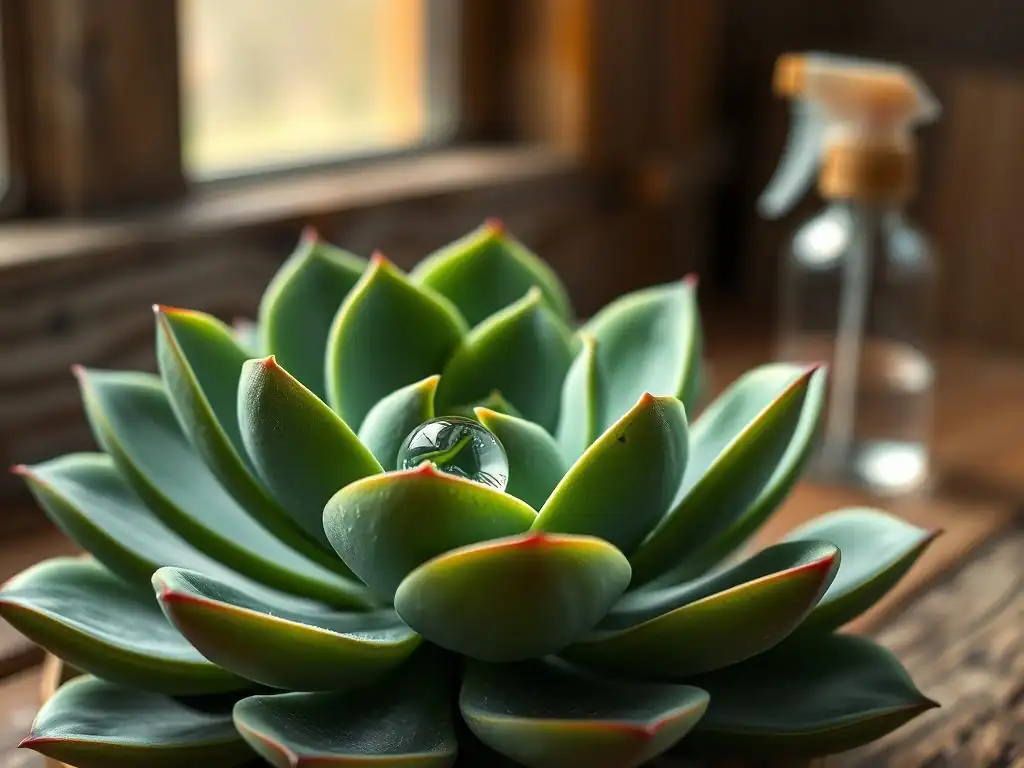
This section focuses on proactive measures to prevent succulent pests and diseases, a crucial aspect of organic succulent pest control. By implementing preventative strategies, you significantly reduce the likelihood of infestations and the need for reactive treatments. A healthy succulent is far less susceptible to pests and diseases than a stressed one. Remember, prevention is key to successful organic gardening.
Maintaining Proper Watering Practices for Pest Prevention
Overwatering is a major contributor to succulent stress, making them vulnerable to pests and diseases. Proper watering is fundamental to organic succulent pest control. Avoid soggy soil, which encourages fungal growth and attracts pests like mealybugs and root rot. Instead, allow the soil to dry out completely between waterings. The frequency depends on factors like pot size, soil type, sunlight exposure, and ambient temperature.
A good rule of thumb is to water thoroughly when the top inch or two of soil feels dry. During winter, reduce watering frequency significantly, as succulents enter a period of dormancy. Observe your succulents closely; their leaves will often signal the need for water by becoming slightly shriveled. Using a moisture meter can also help you determine when to water, ensuring you avoid both underwatering and overwatering. Consistent, mindful watering is a cornerstone of successful organic succulent pest control.
Ensuring Adequate Sunlight and Air Circulation
Sunlight and air circulation play a vital role in preventing pests and diseases in succulents. Insufficient sunlight weakens succulents, making them more susceptible to pests and diseases. Aim for at least 6 hours of direct sunlight daily, adjusting based on the specific succulent variety. South-facing windows are generally ideal, but you may need to supplement with grow lights during shorter winter days. Good air circulation prevents the buildup of humidity, which can foster fungal growth and attract pests.
Avoid overcrowding succulents, ensuring sufficient space between plants for airflow. Consider using fans in enclosed spaces to increase air circulation, especially in humid environments. Proper light and ventilation are vital components of a comprehensive organic succulent pest control strategy. Observe your succulents for signs of etiolation (leggy growth), which indicates insufficient light.
The Importance of Well-Draining Soil for Succulent Health
Well-draining soil is paramount for succulent health and a crucial element of organic succulent pest control. Succulents are adapted to arid conditions and require soil that allows for excellent drainage to prevent root rot. Poor drainage leads to waterlogged soil, creating the perfect breeding ground for fungal pathogens and attracting pests.
A well-draining soil mix typically includes a combination of inorganic materials like perlite, pumice, or coarse sand, mixed with organic components like well-rotted compost or coco coir. The ideal mix will retain some moisture while ensuring excellent drainage. Avoid using heavy clay soils, which retain too much moisture.
Repotting your succulents into a well-draining mix is a proactive step toward preventing many pest and disease problems. Regularly checking the soil for compaction and amending it as needed is an important part of maintaining a healthy growing environment for your succulents. Proper soil composition is a fundamental aspect of organic succulent pest control.
Choosing Healthy, Pest-Free Succulents for Propagation
Selecting healthy succulents is the cornerstone of organic pest control. Starting with disease-free plants significantly reduces the risk of infestations later on. When acquiring succulents, whether from a nursery, a friend, or online, meticulous inspection is crucial. Look for succulents that are vibrant in color, with plump, firm leaves free from blemishes, discoloration, or unusual spots.
Avoid plants with wilting, yellowing, or decaying leaves, as these are often signs of underlying problems, potentially involving pests or diseases. Pay close attention to the undersides of leaves and between leaf clusters, as these are common hiding places for pests like mealybugs or spider mites. A thorough examination can save you significant time and effort in the long run, preventing the introduction of pests into your existing collection.
Remember, prevention is always better than cure, especially when dealing with delicate succulent ecosystems. Investing time in selecting healthy specimens is an essential step in establishing a thriving and pest-free succulent garden. Furthermore, purchasing from reputable sources that prioritize plant health can significantly improve your chances of starting with healthy, pest-free succulents.
Regularly Inspecting Your Succulents for Early Detection
Regular inspection is paramount in organic succulent pest control. Early detection dramatically increases your chances of successfully eradicating pests before they cause significant damage. Aim to inspect your succulents at least once a week, paying close attention to the areas mentioned above: leaf undersides and between leaf clusters. A magnifying glass can be invaluable in spotting tiny pests like spider mites, which are often difficult to see with the naked eye.
Look for signs of infestation, including webbing (spider mites), white cottony masses (mealybugs), or tiny insects crawling on the plants. Don't forget to check the soil surface for any unusual activity. Early detection allows for prompt action, preventing widespread infestation and reducing the need for more drastic measures.
By making regular inspections a part of your succulent care routine, you're proactively safeguarding your plants' health and well-being. This proactive approach, coupled with other organic pest control methods, ensures the long-term health and beauty of your succulent collection. Remember, a few minutes of regular inspection can save hours of pest-control work later on.
Natural Remedies for Common Succulent Problems
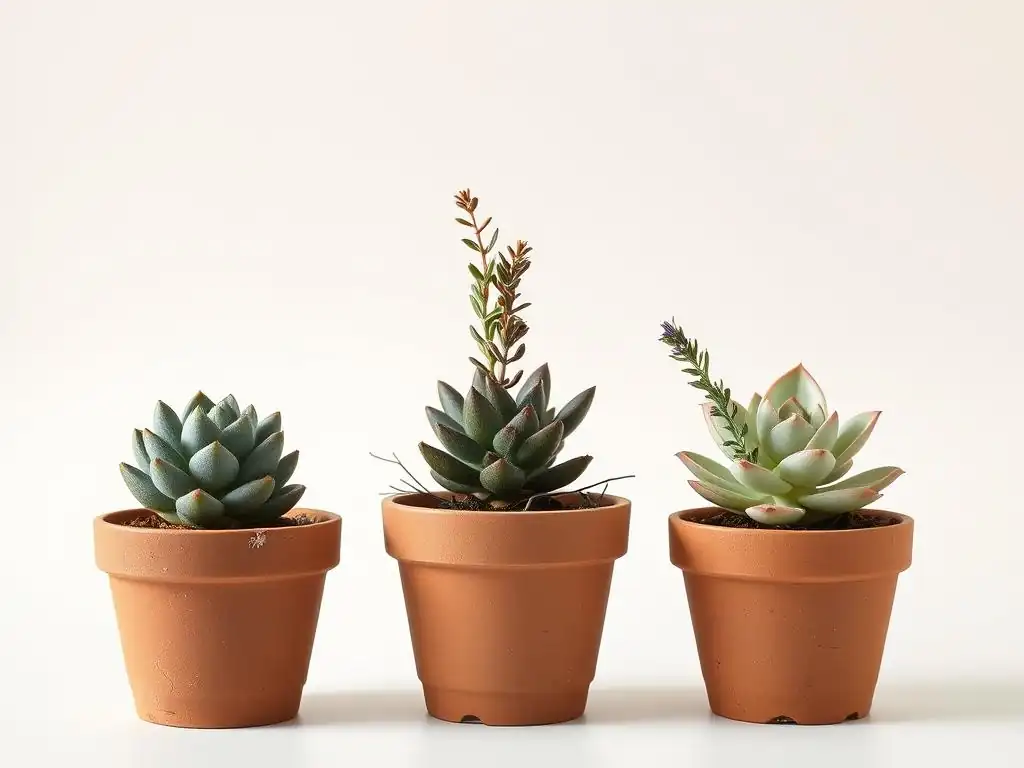
This section explores effective, organic solutions to combat common succulent pests and diseases, focusing on readily available, natural ingredients. We'll delve into specific homemade remedies, offering detailed instructions and emphasizing the importance of preventative measures alongside targeted treatments for optimal organic succulent pest control. Remember, early detection is key to minimizing damage and maintaining the health of your succulent collection. Consistent monitoring for signs of infestation—like discoloration, unusual spots, or the presence of insects—is crucial for successful organic pest management.
Homemade Pest Control Sprays for Succulents
Creating your own organic pest control sprays is both cost-effective and environmentally friendly. These sprays leverage the natural insecticidal properties of various plants and ingredients. Below, we outline a few effective recipes, emphasizing the importance of proper dilution to avoid harming your succulents. Always test a small area first before applying the spray liberally.
Here's a basic recipe for a versatile insecticidal spray:
| Ingredient | Quantity | Notes |
|---|---|---|
| Water | 1 quart (946 ml) | Use distilled or filtered water for best results. |
| Castile Soap | 1 tablespoon (15 ml) | A mild, plant-safe soap. Avoid harsh detergents. |
| Isopropyl Alcohol | 1 tablespoon (15 ml) | Helps to break down insect exoskeletons and control fungal growth. |
| Neem Oil (optional) | 1 teaspoon (5 ml) | A powerful natural insecticide; use sparingly. |
Instructions:
- Combine all ingredients in a spray bottle.
- Shake well before each use.
- Spray directly onto affected areas, ensuring thorough coverage.
- Reapply as needed, typically every 3-7 days, depending on the severity of the infestation.
Remember to always label your spray bottles clearly and store them out of reach of children and pets. The success of this method relies on consistent application and early detection of pest problems. This approach provides a gentle yet effective form of organic succulent pest control.
Using Garlic and Onion Sprays to Deter Pests
Garlic and onions contain potent compounds that repel many common succulent pests. These pungent ingredients disrupt the feeding habits of insects, acting as a natural deterrent. Creating a spray is simple and requires minimal ingredients.
Garlic Spray Recipe:
- Mince 4-5 cloves of garlic.
- Steep the minced garlic in 1 cup of boiling water for 30 minutes.
- Strain the mixture, discarding the garlic pulp.
- Dilute the garlic solution with an equal amount of water.
- Pour into a spray bottle and apply directly to succulents.
Onion Spray Recipe:
- Blend 1/2 a medium-sized onion with 1 cup of water.
- Strain the mixture, reserving the liquid.
- Dilute the onion solution with an equal amount of water.
- Transfer to a spray bottle and use as needed.
Both garlic and onion sprays are effective preventative measures and can be used to address minor infestations. However, for severe infestations, combining these sprays with other organic methods may be necessary for comprehensive organic succulent pest control. The strong odor may temporarily deter some pets, so consider this if you have animals that may come into contact with your plants.
Employing Peppermint Oil as a Natural Repellent
Peppermint oil's strong aroma is a powerful repellent for many insects, making it a valuable tool in organic succulent pest control. Its effectiveness lies in its ability to mask the scent of the succulents, making them less appealing to pests. However, peppermint oil should be used cautiously, as it can be toxic to some plants if used in high concentrations.
Peppermint Oil Spray Recipe:
- Add 10-15 drops of pure peppermint oil to 1 quart (946 ml) of water.
- Add 1 tablespoon of mild dish soap (castile soap is ideal).
- Shake well and spray directly onto affected areas.
Important Note: Always test a small, inconspicuous area of your succulent before applying the spray liberally to the entire plant. Monitor the plant closely for any adverse reactions, such as leaf discoloration or wilting. Overuse of peppermint oil can damage your succulents, so moderation is key. This approach complements other organic methods in a comprehensive organic succulent pest control strategy. Remember to thoroughly research the specific needs of your succulent varieties before applying any essential oils.
Creating a Beneficial Insect Habitat to Control Pests Naturally
Creating a thriving ecosystem in your succulent garden is key to organic pest control. Beneficial insects, like ladybugs, lacewings, and praying mantises, are natural predators of many common succulent pests such as aphids, mealybugs, and spider mites. Attracting these helpful creatures involves providing them with food and shelter. This can be achieved by planting a variety of flowering plants near your succulents.
These flowers provide nectar and pollen, essential food sources for beneficial insects. Consider adding plants like yarrow, dill, fennel, and chamomile, known for their ability to attract beneficial insects. Remember to avoid using pesticides, as these will harm both the pests and the beneficial insects you're trying to attract.
Furthermore, providing shelter is just as crucial as providing food. Leaving some areas of your garden slightly unkempt, with leaf litter and small stones, can create ideal hiding places for beneficial insects. Avoid overly manicured gardens, as these lack the natural diversity that supports a healthy insect population. A small, shallow water source, like a birdbath or a saucer of water with pebbles, can also be beneficial, providing a source of hydration for these beneficial insects.
Regularly observing your garden for signs of beneficial insects is crucial. If you notice a decline in their numbers, consider adding more flowering plants or adjusting your gardening practices to encourage their return. Remember, patience is key; building a robust beneficial insect population takes time and consistent effort. The long-term rewards, however, are a healthier, more resilient succulent collection with significantly reduced pest problems.
Treating Root Rot with Organic Methods
Root rot, a common succulent ailment, is often caused by overwatering and poorly draining soil. While chemical fungicides exist, organic methods offer a safer and more sustainable approach to combating this disease. The first step in treating root rot organically is to remove the affected plant from its pot. Gently inspect the roots, carefully removing any that are mushy, dark brown, or black. Sharp, clean pruning shears are essential to prevent the spread of the disease. After removing the diseased roots, allow the plant to air dry for a few hours to prevent further rot.
Next, repot the succulent in fresh, well-draining soil. A mix of cactus and succulent potting soil, amended with perlite or pumice, provides excellent drainage and aeration. Avoid using garden soil, as it tends to retain too much moisture. Ensure the pot has adequate drainage holes to prevent waterlogging.
When watering, allow the soil to dry out completely between waterings. Overwatering is a primary cause of root rot, so it's crucial to adopt a cautious watering approach. For particularly severe cases, you might consider using a diluted solution of neem oil or compost tea. Neem oil possesses antifungal properties, while compost tea provides beneficial microbes that can help improve soil health and suppress the growth of harmful fungi.
However, always follow the instructions on the product label carefully. Regularly monitoring your succulents for signs of root rot, such as wilting, mushy leaves, and foul-smelling soil, is essential for early detection and successful treatment. Prevention through proper watering and soil selection is always the best approach. 🌱
Advanced Organic Pest Control Techniques for Succulents
This section delves into sophisticated organic methods for managing succulent pests, moving beyond basic preventative measures. We'll explore strategies that offer long-term solutions and minimize the need for frequent interventions. Remember, a proactive approach to organic succulent pest control is key to maintaining healthy, thriving plants.
Implementing Integrated Pest Management (IPM) Strategies
Integrated Pest Management (IPM) is a holistic approach that emphasizes prevention and monitoring before resorting to control measures. It's a crucial aspect of organic succulent pest control, prioritizing the least disruptive methods. IPM for succulents involves a systematic process:
- Regular Inspection: Meticulously examine your succulents weekly for any signs of pests – tiny holes in leaves, webbing, discoloration, or the pests themselves. Early detection is vital for effective management.
- Accurate Identification: Knowing the specific pest is crucial for choosing the right control method. A magnifying glass can be invaluable for identifying smaller insects. Consider keeping a pest identification guide handy.
- Monitoring Pest Populations: Track the number of pests over time. This helps determine whether your control methods are effective and whether you need to adjust your strategy. A simple notebook or spreadsheet can be used for this purpose.
- Thresholds for Intervention: Don't automatically jump to control measures. Many pests cause minimal damage, and intervention isn't always necessary. Learn to recognize when pest populations reach a level that warrants action.
- Least Toxic Methods First: Start with the least toxic control methods, such as physical removal of pests or adjusting watering practices. Only escalate to more intensive methods if necessary.
Implementing IPM reduces the reliance on harsh chemicals, preserving the health of your succulents and the environment. This approach is particularly effective in preventing major infestations, a cornerstone of successful organic succulent pest control.
Using Biological Control Agents for Long-Term Pest Management
Biological control agents offer a natural and sustainable way to manage pests. These are beneficial organisms that prey on or parasitize harmful pests, reducing their populations without harming your succulents or the environment. Examples include:
- Predatory Insects: Ladybugs are well-known for consuming aphids, a common succulent pest. Lacewings are also effective predators of various soft-bodied insects. Introducing these beneficial insects can significantly reduce pest populations.
- Nematodes: Microscopic worms that target specific soil-dwelling pests. These are particularly useful for controlling root-feeding insects.
- Bacillus thuringiensis (Bt): A naturally occurring bacterium that produces toxins lethal to certain insect larvae, making it an effective biopesticide for specific pests.
The success of biological control depends on careful selection of the appropriate agent for the specific pest. Research the most effective biological control agents for the pests affecting your succulents. Remember that introducing non-native species requires careful consideration to avoid unintended ecological consequences.
Creating a Healthy Soil Ecosystem to Prevent Pest Infestations
A healthy soil ecosystem is the foundation of strong, pest-resistant succulents. A well-balanced soil environment discourages pest infestations by promoting strong plant growth and resilience. Key aspects include:
- Well-Draining Soil: Succulents are prone to root rot in overly wet conditions, which weakens plants and makes them more susceptible to pests. Ensure your potting mix drains well.
- Proper Watering: Avoid overwatering, a common cause of succulent stress and pest infestations. Allow the soil to dry out between waterings.
- Nutrient-Rich Soil: Provide your succulents with the essential nutrients they need to thrive. Use a well-balanced organic fertilizer specifically formulated for succulents.
- Beneficial Soil Microorganisms: A diverse population of beneficial bacteria and fungi in the soil helps suppress harmful pathogens and pests. Compost tea or other organic soil amendments can enhance microbial diversity.
By focusing on creating a robust and healthy growing environment, you significantly reduce the likelihood of pest infestations, minimizing the need for intervention and furthering the principles of organic succulent pest control. This proactive approach is a cornerstone of long-term success in maintaining healthy and vibrant succulents.
Monitoring Pest Populations and Adjusting Control Methods
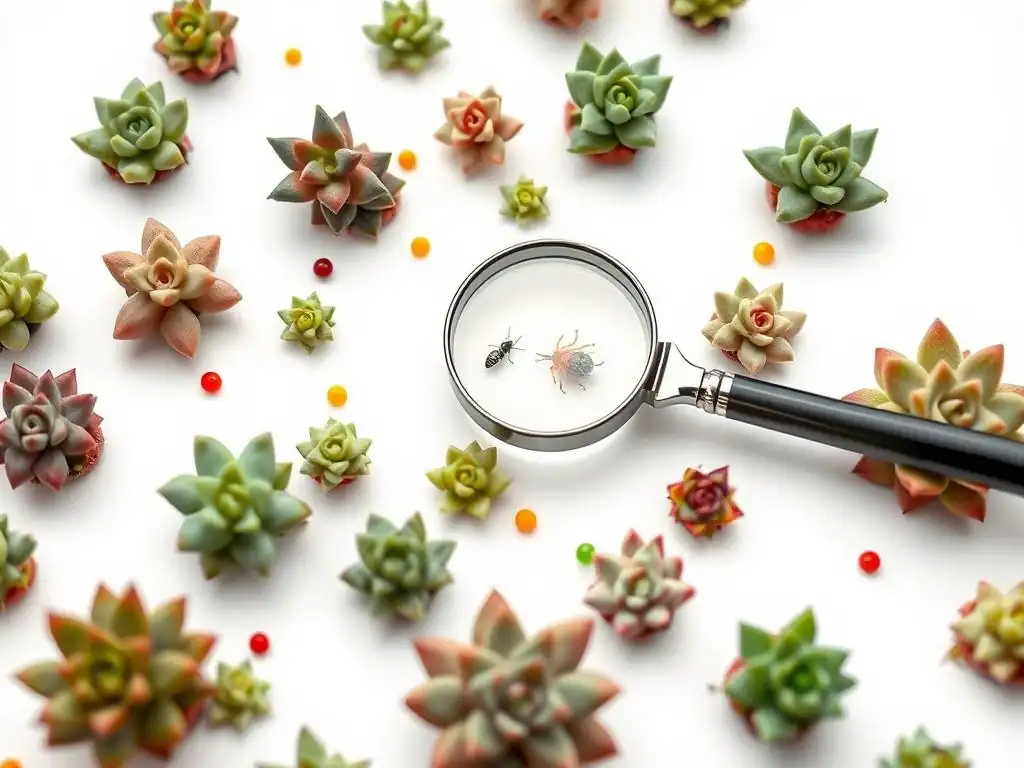
Regular monitoring is crucial for effective organic succulent pest control. Don't just assume a problem is solved after a single treatment. Consistent observation allows you to gauge the success of your chosen method and adapt your strategy as needed. Begin by visually inspecting your succulents at least once a week, paying close attention to both the leaves and the soil. Look for signs of infestation, such as tiny holes in leaves, webbing, discoloration, or the pests themselves. A magnifying glass can be incredibly helpful in spotting smaller insects.
Keep detailed records of your observations. Note the type and number of pests you find, the location on the plant where they are most concentrated, and the date of your inspection. This data will be invaluable in tracking population trends. For example, you might notice a significant increase in mealybugs after a particularly humid period, indicating a need to adjust your preventative measures (such as improving air circulation).
If your chosen organic control method (e.g., neem oil) isn't effectively reducing the pest population, consider switching to a different approach or combining methods. For instance, you might supplement neem oil with insecticidal soap for a more comprehensive attack. Remember, patience and persistence are key. Organic pest control often requires a more sustained effort than conventional methods.
Don't be discouraged if you don't see immediate results; consistent monitoring and adjustments will lead to long-term success in keeping your succulents pest-free. Always prioritize preventing infestations rather than solely reacting to them. Regular cleaning of your succulents and their surrounding areas will significantly reduce the risk of pest problems.
Understanding the Life Cycle of Common Succulent Pests
Knowing the life cycle of common succulent pests is vital for effective organic pest control. Different pests have different vulnerabilities at various stages of their life cycle. Targeting these vulnerabilities is key to maximizing the efficacy of your chosen control method. For example, mealybugs, a common succulent pest, have a life cycle that includes eggs, crawlers (young nymphs), and adults. The crawler stage is particularly vulnerable to insecticidal soaps because their protective waxy coating is not yet fully developed. Therefore, applying insecticidal soap during this stage will be far more effective than applying it when the mealybugs are adults.
Similarly, understanding the life cycle of aphids can help you time your treatments effectively. Aphids reproduce rapidly, often through asexual reproduction, leading to quick population explosions. Knowing their reproductive cycle allows for preventative measures such as introducing beneficial insects (ladybugs) that prey on aphids, or using neem oil to disrupt their reproductive process.
Scale insects, another common succulent pest, often remain stationary in one location for extended periods, making them easier to target with localized treatments such as rubbing alcohol. However, they also produce crawlers that can spread to other plants, emphasizing the importance of regular monitoring and prompt action. By studying the life cycle of the specific pest affecting your succulents, you can tailor your organic control strategy for optimal results.
Consult reliable resources such as entomological guides or university extension websites for detailed information on the life cycles of common succulent pests in your region. This knowledge empowers you to make informed decisions and implement effective, sustainable pest management practices.
When to Seek Professional Help for Succulent Pest Control
Even with diligent organic pest control practices, situations arise where professional intervention becomes necessary. Knowing when to call in the experts can save your succulents from irreversible damage and prevent infestations from spreading. This section outlines scenarios where professional help is crucial for effective and sustainable organic succulent pest control. Remember, early detection is key to successful treatment, regardless of the chosen method.
Identifying Situations Requiring Professional Intervention
Several indicators suggest that your organic succulent pest control efforts may be insufficient, and professional assistance is needed. These include:
- Severe Infestation: A widespread infestation, particularly involving difficult-to-eradicate pests like mealybugs or scale insects that have already spread extensively, may overwhelm home remedies. A professional can assess the severity and recommend targeted, potent, yet still organic, solutions. For example, a significant infestation covering multiple plants might require professional-grade insecticidal soaps or other specialized treatments unavailable to the average homeowner.
- Unidentified Pests: If you're unable to identify the pests affecting your succulents, a professional can accurately diagnose the problem. Misidentification can lead to ineffective treatment. Accurate identification is crucial for selecting the appropriate organic control method. A professional entomologist or horticulturalist can provide this critical service.
- Recurring Infestations: Repeated infestations despite consistent organic pest control measures signal underlying issues. A professional can pinpoint the root cause, such as inadequate soil drainage, environmental factors, or even hidden pest reservoirs. They can then help implement preventative measures to avoid future problems.
- Rare or Valuable Succulents: If you're dealing with rare or particularly valuable succulents, the risk of losing them to pests is higher. Professional intervention minimizes this risk by providing expert care and treatment. The cost of professional help might be justified to safeguard these precious plants.
- Large-Scale Collections: Maintaining a large collection of succulents requires significant time and effort for pest control. Professionals can offer efficient and effective treatments, saving you time and ensuring the health of your entire collection. This is especially true for commercial growers or those with extensive private collections.
- Failure of Home Remedies: After trying various organic home remedies without success, professional help ensures that the problem is addressed comprehensively and effectively. This avoids prolonged suffering for your plants and prevents further spread of the infestation.
Finding Certified Organic Pest Control Professionals for Succulents
Locating a certified professional specializing in organic succulent pest control requires careful research. Not all pest control services offer organic options, and not all organic methods are equally effective. Therefore, thorough due diligence is essential.
Here's a checklist to guide your search:
- Certification: Look for professionals with certifications in organic pest management or related fields. These certifications demonstrate expertise and adherence to organic principles.
- Experience with Succulents: Ensure the professional has experience working with succulents specifically. Succulents have unique needs and sensitivities, requiring specialized knowledge.
- Organic Methods: Confirm that they exclusively use organic and environmentally friendly pest control methods. Inquire about the specific products and techniques they employ.
- References and Reviews: Check online reviews and request references from previous clients to gauge their effectiveness and customer satisfaction. This can help you assess their reliability and competence.
- Consultation: Schedule a consultation to discuss your specific situation and obtain a detailed treatment plan. A good professional will assess your plants thoroughly before recommending any treatment.
Remember, investing in professional help for severe infestations or persistent problems is an investment in the long-term health and beauty of your succulent collection. Choosing a certified organic professional ensures environmentally responsible and effective pest management. 🌱
Maintaining a Healthy and Pest-Free Succulent Collection: Long-Term Strategies
Maintaining vibrant, pest-free succulents requires a proactive approach that goes beyond simply reacting to infestations. A robust preventative strategy, coupled with diligent monitoring, is key to long-term success in organic succulent pest control. This involves understanding your plants' needs, creating a suitable environment, and employing regular inspection routines. Neglecting these preventative measures can lead to significant problems down the line, potentially requiring more intensive (and less desirable) interventions. Think of it as preventative healthcare for your succulents; a small investment of time and effort now can save you considerable heartache later.
Developing a Preventative Pest Control Plan
A well-defined preventative plan is the cornerstone of successful organic succulent pest control. This plan should encompass several key areas:
- Proper Watering: Overwatering is a major contributor to succulent vulnerability to pests and diseases. Ensure your succulents receive adequate drainage and avoid leaving them sitting in standing water. Water thoroughly, but infrequently, allowing the soil to dry out completely between waterings. Adjust watering frequency based on the season and the specific succulent species.
- Optimal Sunlight: Most succulents thrive in bright, indirect sunlight. Insufficient light can weaken plants, making them more susceptible to pests. Observe your succulents; if they appear leggy or etiolated (stretched and weak), they may not be receiving enough light.
- Well-Draining Soil: Using a well-draining potting mix specifically formulated for succulents is crucial. This prevents waterlogging, which encourages fungal growth and attracts pests. Consider adding perlite or pumice to your potting mix to improve drainage.
- Quarantine New Plants: Always quarantine new succulents for at least two weeks before introducing them to your existing collection. This helps prevent the introduction of pests or diseases from outside sources. Observe the new plants carefully during this period for any signs of infestation.
- Cleanliness: Keep your succulent growing area clean and free of debris. Remove dead leaves and stems promptly to prevent pest harborage. Regularly clean pots and trays to eliminate potential breeding grounds.
Regularly Inspecting and Maintaining Your Succulent Collection
Regular inspection is paramount in organic succulent pest control. Early detection is key to minimizing damage and preventing widespread infestations. Aim for a weekly inspection, paying close attention to:
- Leaves: Look for discoloration, unusual spots, holes, webbing, or any signs of insect activity.
- Stems: Check for unusual growths, discoloration, or signs of damage.
- Soil: Examine the soil surface for signs of pests or unusual activity.
- Roots: If you repot your succulents, carefully inspect the roots for any signs of rot or pest infestation.
A simple magnifying glass can be invaluable in detecting tiny pests. Take swift action if you notice any issues, addressing them before they escalate. Remember, early detection significantly improves the chances of successful organic pest control. This proactive approach not only safeguards your succulents but also minimizes the need for harsh chemical interventions.
Choosing the Right Organic Pest Control Methods for Your Needs
Several organic methods effectively combat common succulent pests. The best approach often depends on the specific pest and the severity of the infestation. Some effective organic methods include:
| Pest | Organic Control Methods |
|---|---|
| Mealybugs | Isopropyl alcohol (70%), insecticidal soap, neem oil |
| Aphids | Insecticidal soap, neem oil, strong water spray |
| Spider Mites | Neem oil, insecticidal soap, increasing humidity |
| Scale Insects | Isopropyl alcohol (70%), horticultural oil, manual removal |
| Snails and Slugs | Diatomaceous earth, beer traps, manual removal |
Remember to always follow the instructions on any organic pest control product carefully. Consider the specific needs of your succulents and choose the method best suited to your situation. Sometimes, a simple manual removal of pests is sufficient, especially in cases of minor infestations. For larger infestations, a combination of methods might be necessary. Always prioritize preventative measures to minimize the need for any pest control intervention. 🌱 A healthy, well-maintained succulent collection is your best defense against pests!
Adapting Your Approach Based on Seasonal Changes and Pest Pressure.
Seasonal changes significantly impact succulent vulnerability to pests. During warmer months, increased humidity and temperatures can create ideal breeding grounds for many common succulent pests like mealybugs, aphids, and spider mites. You might find yourself needing to increase the frequency of your inspections and perhaps even implement preventative measures, such as stronger insecticidal soap applications or the introduction of beneficial insects, more frequently. Conversely, during colder, drier months, pest activity generally slows down.
However, this doesn't mean you can become complacent. Dormant pests can still survive and re-emerge in the spring. Regular monitoring, even at a less frequent pace, remains crucial. Consider carefully the life cycle of the pests you're targeting; some pests lay eggs in the fall that hatch in the spring, requiring preventative action during the dormant season.
The intensity of your organic pest control strategy should also adapt based on the level of pest pressure. If you notice a minor infestation – for example, a few mealybugs on a single plant – a spot treatment with isopropyl alcohol might suffice. Thoroughly cleaning affected plants and surrounding areas is also crucial to prevent spread.
However, a widespread infestation, indicated by significant pest populations across multiple succulents, necessitates a more comprehensive approach. This could involve a combination of techniques such as systemic insecticidal soap applications, introducing beneficial nematodes, and potentially even temporarily isolating heavily infested plants to prevent further spread. Remember to always carefully monitor the effectiveness of your chosen method and adjust your approach as needed.
Documenting your observations, including the type of pest, the severity of the infestation, the treatment used, and the results, can greatly assist in tailoring your future pest control strategies. This data-driven approach ensures that your organic pest control efforts remain effective and efficient over time. Don't hesitate to experiment with different organic methods to find what works best for your specific environment and collection.
Frequently Asked Questions
What are common succulent pests?
Common succulent pests include mealybugs, aphids, scale insects, and spider mites. These pests can damage your succulents and even kill them if left untreated. Early detection is key!
How can I identify a pest infestation on my succulents?
Look for unusual spots, sticky residue, fine webbing, or small insects crawling on your plants. Check both the top and underside of leaves and stems carefully.
What are some organic methods for controlling succulent pests?
Effective organic methods include using neem oil, insecticidal soap, or isopropyl alcohol. You can also try removing pests manually with a cotton swab or strong water spray.
Is it safe to use organic pest control around pets and children?
Generally, organic methods are safer than chemical pesticides. However, always follow product instructions carefully and keep treated plants out of reach of children and pets until dry.
How often should I inspect my succulents for pests?
Regular inspection is crucial! Aim to check your succulents for pests at least once a week, especially during warmer months when pests are more active. Early detection is key to effective control.
Final Reflection: Cultivating a Thriving, Pesticide-Free Succulent Garden
The fight for healthy succulents isn't just about aesthetics; it's about creating a sustainable and environmentally conscious approach to gardening. The methods outlined in this guide—from preventative measures like proper watering and soil selection to the use of natural pest control solutions—are more crucial than ever in a world grappling with the harmful effects of synthetic pesticides. Our gardens, no matter how small, can be microcosms of a larger ecological responsibility.
The journey towards organic succulent care has been a deeply rewarding one for me, revealing the intricate balance of nature and the resilience of these fascinating plants. The glory of gardening: hands in the dirt, head in the sun, heart with nature. To nurture a garden is to feed not just the body, but the soul.
This quote perfectly encapsulates the profound connection we can forge with our plants when we choose to nurture them organically. Witnessing the vibrant health of my succulents, free from the harsh chemicals of conventional pesticides, has been a constant source of satisfaction and a testament to the power of natural methods.
Now, it's your turn. Consider the impact of your gardening choices on the environment and on your own well-being. Will you embrace the challenge of organic pest control, fostering a healthier garden and a healthier planet? Start small, experiment with the techniques discussed, and observe the remarkable results. Remember, every step you take towards a pesticide-free garden is a step towards a more sustainable and beautiful future, both for your succulents and for the world around us.
Unleash Your Succulent's Inner Strength: Natural Pest Defense
Thanks for joining us on this journey into the world of organic succulent pest control! You've learned how to protect your precious plants naturally. Ready to put your knowledge to the test?
- Develop your pest-prevention plan: Begin by inspecting your succulents for pests and applying the appropriate organic solutions. This is the first step to healthy, thriving plants!
- Share your results: We'd love to hear about your experience! Share your tips and photos on our social media channels – let's build a thriving community of succulent enthusiasts.
- Explore advanced organic methods: Consider researching beneficial insects or soil amendments to further strengthen your succulents' natural defenses.
What organic method are you most excited to try?