
The Secret to WaterWise Gardening: Grouping Succulents for Success

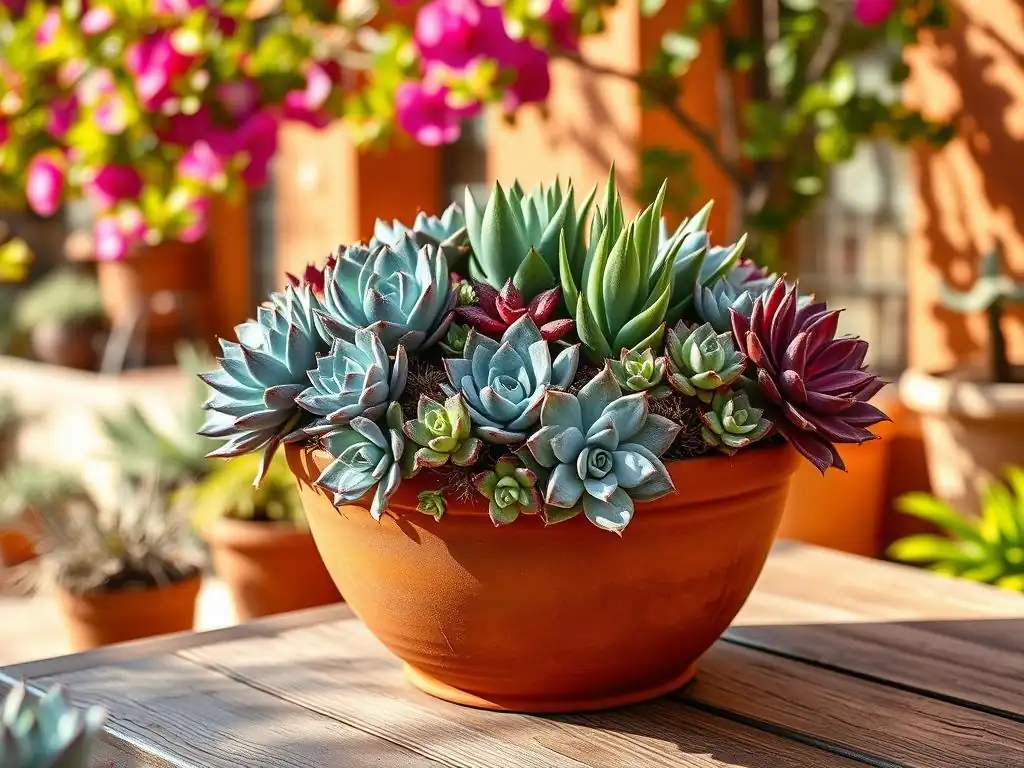
Welcome to SucculentEssentials.org, where the fascinating world of succulents unfolds before you! Are you ready to unlock the secrets to thriving succulent gardens? We'll guide you through everything from identifying rare varieties to mastering the art of succulent arrangements. But first, discover the critical element often overlooked: our comprehensive Succulent Grouping Watering Guide reveals the key to effortless watering and flourishing plants, even in challenging climates. Dive in and unlock the secrets to water-wise gardening success!
- Understanding Succulent Grouping for Optimal Watering
- Choosing the Right Succulents for Group Planting
- A Step-by-Step Guide to Succulent Grouping for Water Conservation
- Maintaining Your WaterWise Succulent Grouping
- Advanced Techniques for WaterWise Succulent Grouping
- Troubleshooting Common Issues in Succulent Grouping
- The Benefits of WaterWise Succulent Grouping: A Sustainable Approach
- Frequently Asked Questions
- Final Reflection: The Enduring Beauty of WaterWise Succulent Gardens
- Unleash Your Inner Green Thumb: Design Your Dream Succulent Garden
Understanding Succulent Grouping for Optimal Watering
Succulent grouping isn't just aesthetically pleasing; it's a cornerstone of water-wise gardening, significantly impacting the health and longevity of your drought-tolerant collection. This comprehensive guide delves into the science behind successful succulent grouping, explaining how strategic placement and mindful arrangement can drastically reduce water consumption and improve overall plant health. By understanding the principles of microclimate creation and water evaporation reduction, you can transform your succulent garden into a thriving, low-maintenance oasis, perfectly aligned with sustainable gardening practices.
This guide is your key to mastering the art of succulent grouping and optimizing your watering routine for a healthier, more vibrant succulent collection – a true testament to eco-conscious gardening. We'll explore the "Succulent grouping watering guide" principles that will revolutionize your approach to succulent care.
The Science Behind Succulent Water Retention
Succulents, by nature, are masters of water conservation. Their thick leaves and stems store water, allowing them to thrive in arid conditions. However, even these resilient plants benefit from thoughtful grouping. When succulents are clustered together, they create a miniature ecosystem that enhances their natural water retention capabilities. The leaves themselves, particularly those with a thick, waxy coating, help to minimize water loss through transpiration – the process by which plants release water vapor into the atmosphere.
Grouping reduces the overall surface area exposed to direct sunlight and wind, further minimizing transpiration. Think of it like this: a single succulent is like a lone soldier on a battlefield, exposed to the elements. A group of succulents is a well-defended fortress, protecting each other from harsh conditions. This improved microclimate significantly reduces the frequency of watering required, making it a key element in any "Succulent grouping watering guide."
Microclimates Created by Succulent Grouping
Strategic grouping creates microclimates that benefit your succulents. Dense plantings provide shade, lowering the temperature around the plants and reducing water loss due to evaporation. The soil within a group of succulents also retains moisture longer than isolated plants due to reduced sun exposure and wind. This is especially important in hot, dry climates.
Consider the difference between a single succulent baking in the sun versus a group nestled together, creating a cooler, more humid environment. The shaded areas between plants are cooler and retain moisture, leading to less frequent watering. The effect is amplified when grouping succulents with varying sizes and shapes; taller succulents can provide shade for smaller, more delicate varieties. Careful planning in the creation of these microclimates is a crucial component of any effective "Succulent grouping watering guide."
Reducing Water Evaporation Through Strategic Placement
The placement of your succulent groupings plays a crucial role in minimizing water evaporation. Avoid areas with strong winds which will rapidly dry out the soil. Similarly, positioning your groupings to avoid direct, intense sunlight during the hottest parts of the day will significantly reduce evaporation. Morning sun is generally preferred, allowing plants to photosynthesize effectively without the intense heat of the midday sun. Consider the orientation of your garden. If you live in a particularly hot and sunny area, strategically positioning your succulent groupings to receive more shade during the peak sun hours can dramatically decrease water loss. This is a simple yet highly effective technique outlined in any comprehensive "Succulent grouping watering guide," demonstrating the crucial link between placement and water conservation. Remember, observation is key! Note how your succulents respond to different levels of sun and wind, adjusting their placement as needed to optimize water retention. 🌱
Choosing the Right Succulents for Group Planting
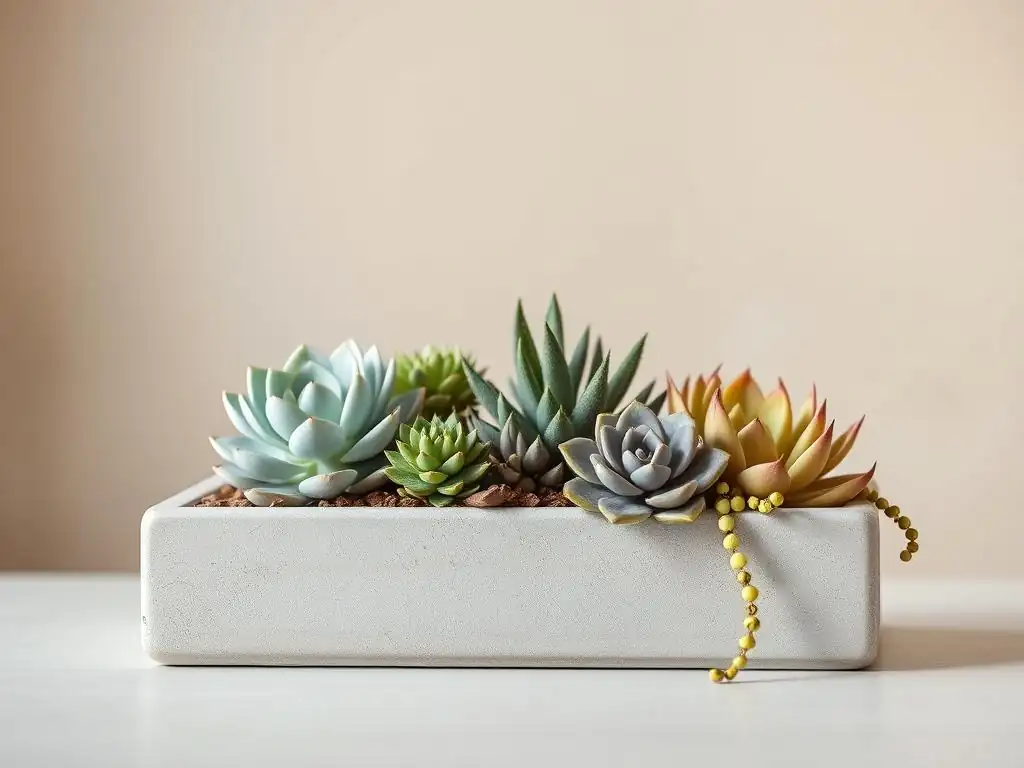
This section delves into the crucial first step of successful succulent grouping: selecting the right plants. Understanding the individual needs of each succulent before combining them is paramount for a thriving, water-wise garden. A poorly planned grouping can lead to overwatering of some plants and underwatering of others, ultimately compromising the health and longevity of your succulent collection. This "Succulent grouping watering guide" will help you avoid those pitfalls.
Selecting Succulents with Similar Water Needs
The most critical factor when grouping succulents is their water requirements. Mixing high-water-demand succulents with drought-tolerant varieties is a recipe for disaster. Overwatering the drought-tolerant plants will lead to root rot, while underwatering the thirsty ones will cause them to shrivel and die.
To ensure success, group succulents with similar watering needs. Research each species before planting. For example, Echeveria species generally prefer infrequent, deep watering, while Sedum species are often more tolerant of slightly more frequent watering. Grouping similar genera together simplifies watering and reduces the risk of plant loss. A good strategy is to create smaller groupings of plants with identical needs, and then combine those smaller groupings into larger, more visually appealing arrangements. This allows for more precise watering management.
Considering Size and Growth Habits for Effective Grouping
Beyond water needs, consider the mature size and growth habits of your chosen succulents. Cramming large, fast-growing succulents into a small space with slower-growing, smaller varieties will lead to overcrowding and competition for resources. This competition can stress the plants, making them more susceptible to pests and diseases, and negatively impacting their water uptake.
Plan your grouping with the mature size of each succulent in mind. Use a tape measure to visualize the final arrangement. Consider the growth habit as well. Some succulents grow upright, while others trail or spread. This information is vital for designing a balanced and visually appealing arrangement. For instance, trailing succulents like Sedum morganianum ('Burro's Tail') can be strategically placed to cascade over the edges of a pot or rock garden, creating a stunning effect. Proper spacing prevents overcrowding and allows for optimal airflow, which is crucial for preventing fungal diseases.
Creating a Balanced and Visually Appealing Arrangement
The final step is to arrange your selected succulents in a visually appealing way. While functionality is key (matching water needs and growth habits), the aesthetic appeal of your succulent grouping shouldn't be overlooked. A well-designed arrangement adds a touch of beauty and charm to your garden or home.
Consider using a variety of textures, colors, and shapes to create visual interest. Combine rosettes with upright, columnar succulents. Incorporate succulents with different leaf colors and textures for a dynamic and captivating display. Think about the overall shape and form of your arrangement.
Aim for a balanced composition, avoiding an overly crowded or sparse look. Using different pot sizes and shapes can also enhance the visual appeal and offer opportunities for creative design. Remember, even the most practical succulent grouping should also be aesthetically pleasing! Careful planning and consideration of these factors will result in a thriving and beautiful succulent garden that requires minimal watering.
A Step-by-Step Guide to Succulent Grouping for Water Conservation
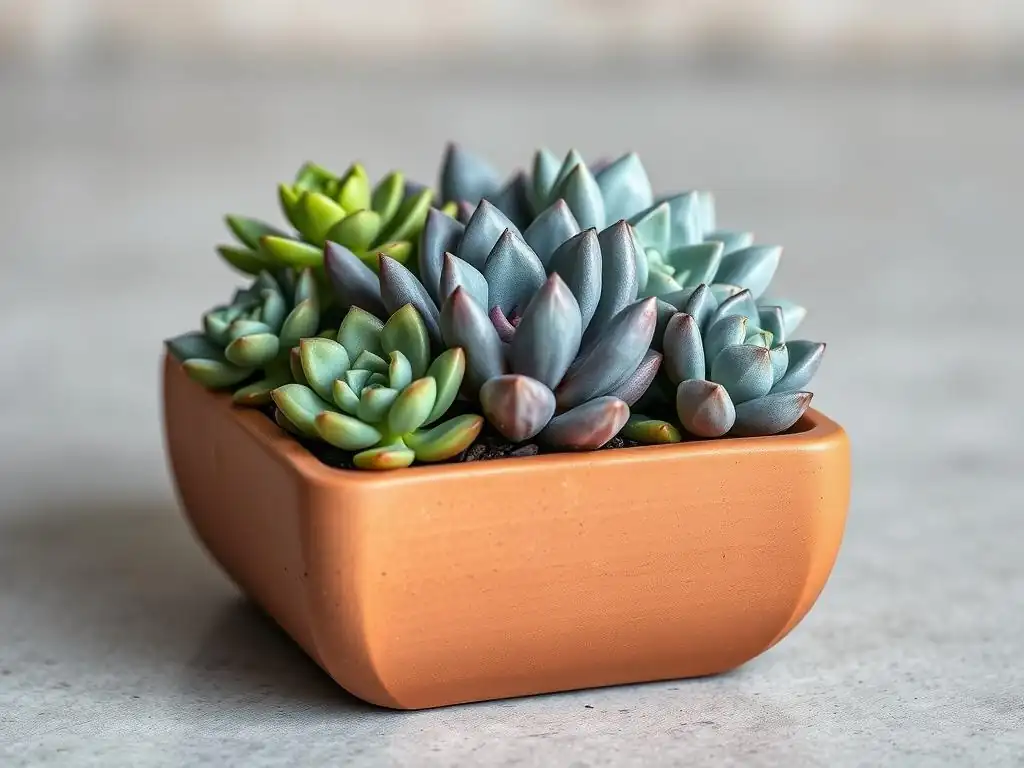
This section provides a practical, step-by-step guide to grouping succulents for optimal water conservation. Proper succulent grouping mimics their natural environment, leading to healthier plants and reduced water usage. This guide focuses on the principles of successful succulent grouping, directly addressing the needs of a "Succulent grouping watering guide."
Assessing Your Space and Sunlight Exposure
Before you even think about purchasing succulents, carefully evaluate your outdoor space. Sunlight is paramount for succulent health; underwatering is often a symptom of insufficient light, not necessarily a lack of water itself. Consider these factors:
- Sunlight Intensity: How many hours of direct sunlight does your chosen area receive daily? Most succulents thrive in at least 6 hours of direct sunlight. South-facing locations generally receive the most sun. Note that even slight shading can significantly impact the water needs of your succulent arrangement.
- Space Dimensions: Measure the area where you plan to create your succulent garden. This will help determine the size and shape of your grouping and the number of succulents you can accommodate. Larger groupings often require less frequent watering due to the created microclimate.
- Drainage: Excellent drainage is crucial. Succulents are prone to root rot in overly wet conditions. Ensure your chosen area has well-draining soil or amend the existing soil to improve drainage. Consider raised beds or containers with drainage holes if necessary.
- Wind Exposure: Strong winds can dry out succulents quickly, increasing the frequency of watering. A sheltered location is preferable, especially for smaller groupings.
Choosing the right spot is the cornerstone of successful succulent grouping and efficient water management. Careful consideration of these factors will dramatically reduce the risk of overwatering and increase the longevity of your plants.
Preparing the Soil and Planting Medium
The right soil is vital for a thriving succulent grouping and minimizing watering frequency. Succulents need well-draining soil that prevents waterlogging. Avoid using regular garden soil, which retains too much moisture.
Here's how to prepare the ideal planting medium:
- Commercial Mix: Use a commercially available cactus and succulent potting mix. These mixes typically contain perlite, pumice, or other inorganic materials to enhance drainage and aeration.
- DIY Mix: Create your own mix by combining equal parts of coarse sand, perlite, and potting soil. The sand provides drainage, the perlite improves aeration, and the potting soil offers some nutrients. Avoid using fine sand, which can compact and hinder drainage.
- Amendments: Consider adding a small amount of organic matter, such as composted manure, to your mix to provide nutrients. However, use sparingly, as too much organic matter can increase water retention.
Remember, the goal is to create a soil that drains quickly and prevents the roots from sitting in soggy conditions. This is fundamental to the success of any "Succulent grouping watering guide." Proper soil preparation is key to reducing the need for frequent watering and preventing root rot.
Planting Your Succulents: A Practical Approach
Planting your succulents requires a mindful approach to spacing and grouping. The arrangement should encourage airflow and prevent overcrowding, which can lead to increased humidity and susceptibility to diseases.
- Spacing: Space your succulents appropriately to allow for air circulation and prevent competition for resources. Smaller succulents can be planted closer together than larger ones. Observe the mature size of each succulent before planting to avoid overcrowding.
- Grouping Strategy: Group succulents with similar water requirements together. This simplifies watering and ensures that all plants receive the appropriate amount of moisture. Avoid mixing drought-tolerant succulents with those that require more frequent watering.
- Planting Technique: Dig a hole slightly larger than the succulent's root ball. Gently remove the succulent from its container, taking care not to damage the roots. Place the succulent in the hole and backfill with the prepared soil mix, ensuring the crown of the plant is at or slightly above soil level.
- Watering After Planting: Water your newly planted succulents gently after planting to settle the soil. Avoid overwatering; allow the soil to dry out completely between waterings.
Careful planting and grouping, along with mindful watering, are essential components of a successful and water-wise succulent garden. Following these steps will contribute significantly to the efficiency described in any effective "Succulent grouping watering guide."
Initial Watering and Post-Planting Care
After carefully selecting and arranging your succulents, proper initial watering is crucial for their establishment and long-term health. Avoid overwatering, a common mistake that can lead to root rot, a significant problem for succulents. Instead, water thoroughly but infrequently. A good rule of thumb is to wait until the soil is completely dry before watering again. You can check this by inserting your finger about an inch into the soil; if it feels dry, it's time to water.
The initial watering should be generous enough to thoroughly soak the soil, ensuring that the water reaches the roots of all the succulents in the grouping. However, avoid letting water pool at the base of the plants, which can encourage fungal growth. Well-draining soil is essential; if you haven't already, amend your potting mix with perlite or pumice to improve drainage. This is especially vital for succulent groupings, as they often contain a variety of species with varying water needs.
The post-planting care period is critical for the successful integration of your newly grouped succulents. During the first few weeks, monitor your plants closely for any signs of stress, such as wilting or discoloration. This attentive observation allows for early intervention if any adjustments to watering or sunlight exposure are needed. Remember, different succulents have different sun tolerance levels, so careful consideration of placement within the grouping is essential to ensure each plant thrives. Avoid direct, intense sunlight, especially during the hottest part of the day, as this can cause sunburn.
Gentle misting can be beneficial during this initial settling-in period. However, avoid overhead watering, which can saturate the leaves and lead to rot. Instead, direct a gentle spray towards the base of the plants. This helps to increase humidity, particularly helpful for newly planted succulents, without creating overly damp conditions.
Over time, you'll learn to adjust your watering schedule based on the specific needs of your succulent grouping and the prevailing weather conditions. Regular observation and careful attention to detail are key to the success of your water-wise succulent garden. Remember, patience and consistent observation are key to mastering the art of succulent grouping and ensuring the long-term health and vibrancy of your plants. This process allows you to fine-tune your watering technique, ensuring your succulent grouping flourishes.
Maintaining Your WaterWise Succulent Grouping
This section delves into the practical aspects of maintaining a thriving and efficiently watered succulent grouping. Understanding the nuances of watering succulents, especially when grouped together, is key to their long-term health and beauty. This "Succulent grouping watering guide" will equip you with the knowledge to optimize your watering routine and avoid common pitfalls.
Monitoring Soil Moisture Levels
Regularly checking the soil moisture is paramount to successful succulent grouping. Don't rely solely on a schedule; instead, use your fingers or a moisture meter to assess the dryness of the soil. Dig about an inch or two into the soil; if it feels completely dry, it's time to water. If it still feels slightly damp, wait a few more days.
Overwatering is a far greater threat to succulents than underwatering, leading to root rot and eventual plant death. Remember, the goal is to allow the soil to dry out completely between waterings. This is especially crucial in a grouping where multiple plants share the same pot or bed, as the soil can retain moisture longer.
Using a moisture meter can provide more precise readings. These devices come in various designs, from simple analog probes to digital meters with precise percentage readings. However, even a simple finger test provides valuable insight. Feel the soil—dry soil will crumble easily, while damp soil will clump together. Practice makes perfect, and soon you'll develop a keen sense of when your succulents need a drink. This tactile approach is invaluable, particularly when dealing with different types of succulents, each with its unique water requirements.
Adjusting Watering Frequency Based on Season and Climate
Watering frequency isn't a fixed quantity; it's a variable that must adapt to the changing seasons and climate. During the warmer months (spring and summer), succulents require more frequent watering due to increased evaporation and higher temperatures. However, during the cooler months (autumn and winter), their growth slows significantly, and they need far less water. In fact, overwatering during winter is a common cause of succulent loss, as the plants are less able to absorb water.
Consider your specific climate as well. A hot, arid climate will necessitate more frequent watering than a cooler, more humid environment. The size and type of pot also influence the frequency. Smaller pots dry out more quickly than larger ones.
Clay pots, being porous, dry out faster than plastic or ceramic pots. Therefore, a grouping of succulents in small clay pots in a hot, sunny location might need watering every few days in summer, while the same grouping in large plastic pots in a shaded area might only need watering once a week. Careful observation and adaptation are crucial for optimal watering.
Identifying Signs of Overwatering or Underwater
Recognizing the signs of overwatering and underwatering is essential for proactive care. Overwatered succulents often exhibit mushy, soft leaves, yellowing or browning foliage, and a foul odor emanating from the soil. Roots may also become waterlogged, leading to root rot, a fatal condition. In contrast, underwatered succulents show signs of shriveling, wrinkling, or drooping leaves. The leaves may also change color, becoming pale or dull.
It's important to distinguish between natural leaf drop (which can occur as part of a plant's growth cycle) and leaf loss due to watering issues. If you see a combination of several symptoms – such as mushy leaves and a foul smell – overwatering is the likely culprit. If the leaves are simply shriveling and the soil is bone dry, underwatering is the problem. Addressing the problem swiftly is crucial; if you suspect root rot, carefully examine the roots and remove any affected areas.
Repotting into fresh, well-draining soil is often necessary to save an overwatered succulent. For underwatered succulents, a thorough watering (allowing excess water to drain completely) will usually resolve the issue. Careful observation and prompt action are key to maintaining a healthy and vibrant succulent grouping.
Advanced Techniques for WaterWise Succulent Grouping
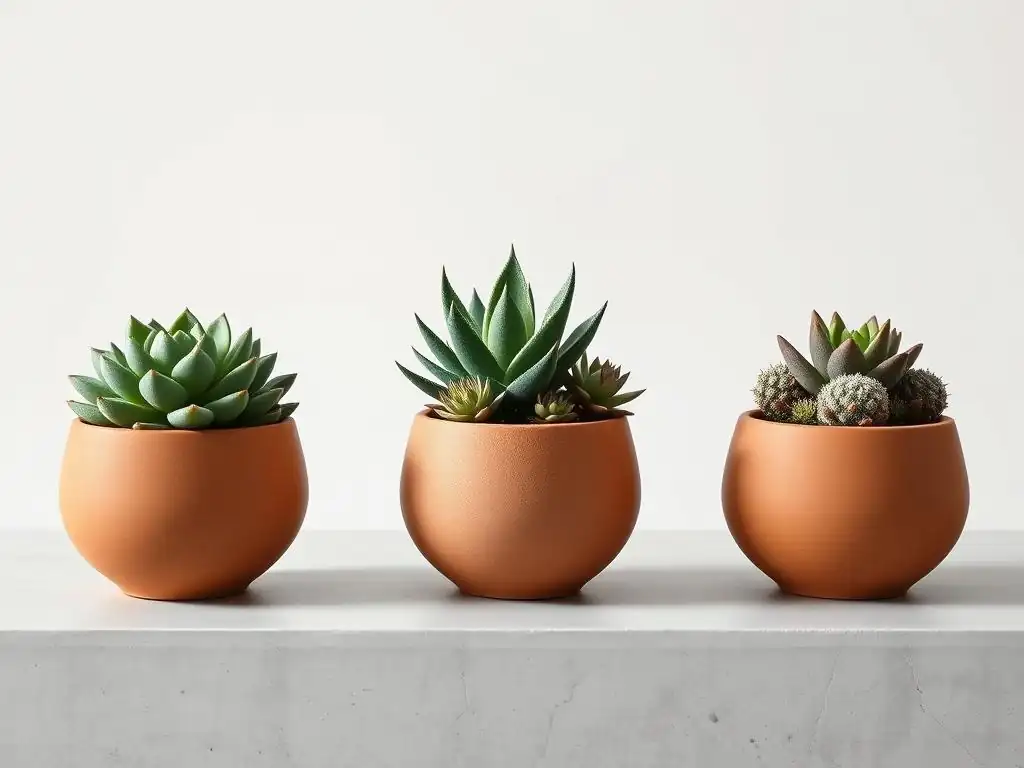
This section delves into sophisticated watering strategies for your succulent groupings, moving beyond basic watering schedules to optimize water retention and minimize waste. Mastering these techniques will ensure the thriving health of your succulents while adhering to water-wise gardening principles. Remember, the goal is not just to water your succulents, but to create a microclimate that conserves moisture effectively.
Utilizing Mulch and Gravel for Moisture Retention
Proper mulching and gravel application significantly improves water retention within your succulent groupings. Think of it as creating a mini-reservoir around your plants. By reducing evaporation from the soil's surface, you extend the time between waterings, conserving water and reducing the frequency of your watering chores.
The best mulch for succulents is generally inorganic, as organic mulch can retain too much moisture and lead to root rot. Consider using small gravel, pebbles, or even crushed granite. These materials allow for good drainage while simultaneously suppressing weeds and reducing evaporation. A layer of 1-2 inches is typically sufficient, ensuring that the mulch doesn't directly contact the succulent stems to prevent rot.
For example, a grouping of Echeveria and Sedum species would benefit greatly from a layer of small, white gravel. The light color reflects sunlight, reducing soil temperature and further minimizing water loss through evaporation. This approach is particularly beneficial in hotter, drier climates. Regularly check the mulch layer for any signs of compaction or accumulation of debris, ensuring optimal drainage and air circulation. Proper mulch management is key to long-term moisture retention.
Implementing Drip Irrigation Systems for Efficient Watering
Drip irrigation offers unparalleled precision and efficiency for succulent groupings, delivering water directly to the roots and minimizing water waste. Unlike overhead watering, which can lead to fungal diseases and leaf rot, drip irrigation keeps foliage dry, creating a healthier environment for your succulents.
You can implement a simple DIY drip system using readily available materials or invest in a more sophisticated, automated system. No matter the complexity, the core principle remains consistent: targeted water delivery. The system should be designed to deliver small amounts of water frequently, mimicking natural rainfall patterns. This approach encourages deeper root growth, making your succulents more drought-tolerant in the long run.
Consider using emitters with low flow rates to prevent overwatering. Regularly monitor the soil moisture levels to adjust the watering schedule accordingly. The specific requirements will vary depending on the size of your grouping, the type of succulents, and your local climate. A well-designed drip irrigation system can drastically reduce water consumption while ensuring your succulents receive the precise amount of water they need, truly embodying the principles of a "Succulent grouping watering guide."
Creating a Self-Watering Succulent Planter
A self-watering planter is a fantastic solution for busy succulent enthusiasts or those seeking maximum water conservation. These planters incorporate a reservoir at the bottom, allowing the succulents to draw water as needed. This method minimizes overwatering, a common cause of succulent mortality.
The construction of a self-watering planter can range from simple to complex. A basic design involves a pot with drainage holes placed inside a larger container. The space between the two pots is filled with water-retaining material like gravel or pebbles. The succulents are planted in the inner pot, and they draw water from the reservoir as needed. More sophisticated systems may include wicks or automated watering mechanisms.
The key to success is using the right materials and ensuring proper drainage. Avoid using materials that retain excessive moisture, and ensure that the inner pot has sufficient drainage holes to prevent waterlogging. Regularly monitor the water level in the reservoir and adjust as needed. This approach is particularly effective for succulent groupings that require consistent moisture, ensuring healthy growth and minimizing the need for frequent manual watering. The design and implementation of a self-watering system will improve your "Succulent grouping watering guide" knowledge.
Troubleshooting Common Issues in Succulent Grouping
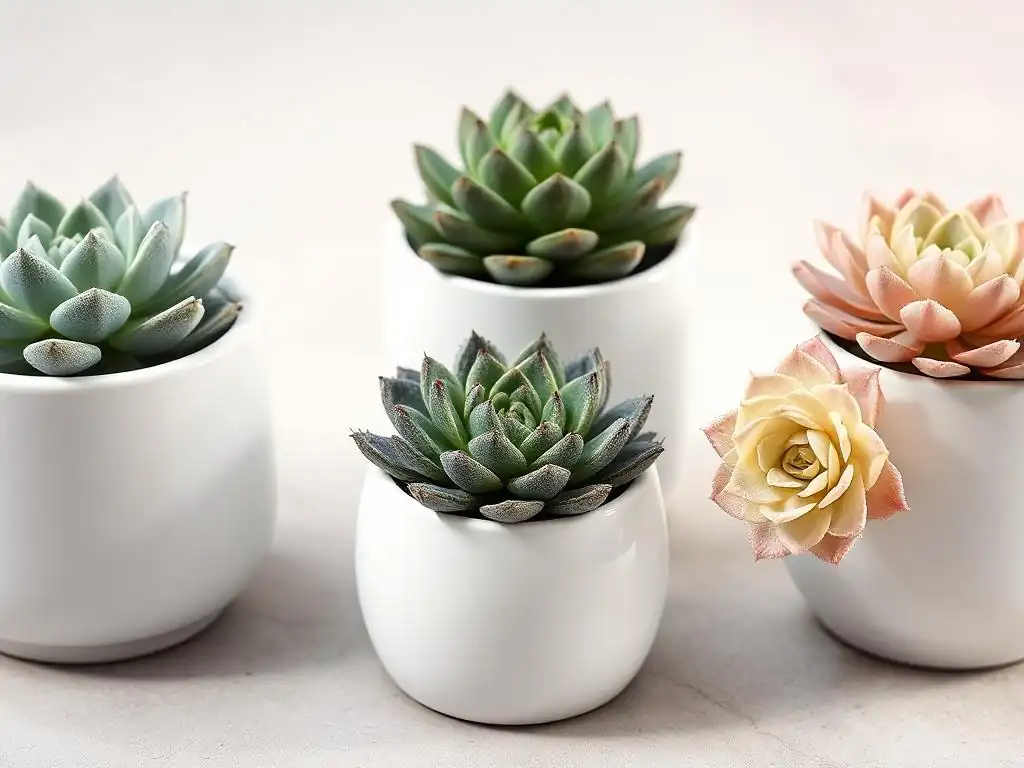
This section addresses common problems encountered when grouping succulents, focusing on issues directly related to watering and the close proximity of plants. Proper succulent grouping, while aesthetically pleasing, requires careful attention to detail to avoid common pitfalls. Understanding these challenges is key to mastering the art of water-wise succulent gardening and achieving a thriving, healthy collection. This guide will equip you with the knowledge to diagnose and solve issues, ultimately contributing to your success with a "Succulent grouping watering guide".
Root rot, a devastating fungal disease, is a significant threat to succulents, especially when planted closely together. Overwatering, poor drainage, and high humidity are the primary culprits. In grouped succulents, these problems are exacerbated by the reduced airflow and increased moisture retention within the planting area. Symptoms include mushy, dark-colored stems and roots, along with leaf discoloration and dropping.
To prevent root rot, ensure your succulent grouping has excellent drainage. Use a well-draining potting mix specifically formulated for succulents, and avoid using containers without drainage holes. Water thoroughly but infrequently, allowing the soil to dry completely between waterings. Observe your plants carefully; signs of overwatering should prompt immediate action. If root rot is detected, affected plants may need to be carefully removed, their roots trimmed, and repotted in fresh, dry soil. In severe cases, unfortunately, the plant may be beyond saving. Prevention is far more effective than cure, emphasizing the importance of a proper "Succulent grouping watering guide".
Here's a table summarizing the key factors contributing to root rot in succulent groupings:
| Factor | Description | Impact on Succulent Grouping | Prevention |
|---|---|---|---|
| Overwatering | Excessive moisture in the soil. | Promotes fungal growth, leading to root rot. | Water thoroughly but infrequently, allowing soil to dry out. |
| Poor Drainage | Soil that doesn't allow excess water to escape. | Waterlogging, creating an environment for root rot. | Use well-draining potting mix and containers with drainage holes. |
| High Humidity | Increased moisture in the air around the plants. | Encourages fungal growth and slows down drying. | Ensure good air circulation around the plants. |
| Close Proximity | Reduced air circulation between plants in a dense grouping. | Creates humid microclimate, increasing risk of root rot. | Space plants appropriately, allowing for air circulation. |
Remember, a proactive approach, following a diligent "Succulent grouping watering guide", is crucial for preventing root rot.
Reviving Underwatered Succulents
While overwatering is a common problem, underwatering can also severely stress your succulents, particularly those in close proximity sharing limited resources. Underwatered succulents will exhibit shriveled leaves, dull coloration, and a generally limp appearance. The leaves might become wrinkled or papery. In severe cases, the plant may completely desiccate.
Reviving an underwatered succulent requires careful rehydration. Gently water the plant, ensuring the water reaches the roots. Avoid overwatering at this stage; the goal is to gradually rehydrate the plant, not to shock it with excessive moisture. Place the affected plants in a slightly shaded area to prevent further water loss through transpiration.
Monitor the plants closely; you may need to repeat the watering process in a few days, depending on the severity of the underwatering and the soil conditions. Patience is key; reviving severely dehydrated succulents can take time. The success of this process relies heavily on a well-defined "Succulent grouping watering guide".
Preventing Pests and Diseases in Closely Planted Groups
The close proximity of plants in a succulent grouping increases the risk of pest and disease spread. Pests such as mealybugs, aphids, and spider mites can quickly infest an entire group if left unchecked. Similarly, fungal and bacterial diseases can easily spread from one plant to another in a dense arrangement.
Regular inspection is crucial for early detection. Check your succulents regularly for any signs of infestation or disease, such as unusual spots, discoloration, webbing, or insects. If pests or diseases are identified, isolate the affected plants to prevent further spread. Use appropriate pest control methods, such as insecticidal soap or neem oil, following product instructions carefully.
Good sanitation practices, including removing dead or diseased leaves and maintaining a clean growing environment, will also help prevent problems. A well-maintained and carefully monitored succulent grouping, guided by a robust "Succulent grouping watering guide", will minimize the risk of pest and disease outbreaks. 🌱
The Benefits of WaterWise Succulent Grouping: A Sustainable Approach
Grouping succulents strategically offers significant advantages in water conservation, transforming your gardening practices into a more sustainable and environmentally friendly endeavor. This approach, often overlooked, can dramatically reduce water consumption while promoting healthier plant growth. The key lies in understanding the specific water needs of different succulent varieties and arranging them accordingly. By placing succulents with similar watering requirements together, you can optimize irrigation, minimizing waste and maximizing efficiency. This "Succulent grouping watering guide" will help you achieve this.
Conserving Water Resources in Your Garden
Implementing a water-wise succulent grouping strategy directly translates to significant water savings. Instead of individually watering each plant, you can employ more efficient methods like drip irrigation or soaker hoses, targeting specific groups. This precision minimizes water runoff and evaporation, which are common culprits of water waste in traditional gardening methods. For instance, a group of Echeveria and Sedum species, both relatively drought-tolerant, can be watered less frequently than a group containing more thirsty varieties like Kalanchoe or Crassula. Studies have shown that properly grouped succulents can reduce water usage by up to 40% compared to individually watered plants. 1 This reduction becomes even more impactful when considering the cumulative effect across a larger succulent collection.
The beauty of water-wise gardening lies not only in its environmental benefits but also in its simplicity and effectiveness.
Imagine a garden bed divided into sections: one for succulents needing frequent, light watering; another for those preferring infrequent, deep watering. This simple division allows for tailored watering schedules, preventing overwatering in one area while under-watering another. You can further enhance water conservation by using mulch around the groupings. Mulch helps retain soil moisture, reducing the frequency of watering. The type of mulch used can also influence water retention – organic mulches like shredded bark tend to retain moisture longer than inorganic options like gravel.
Reducing Your Environmental Footprint
Beyond the immediate benefits of water conservation, grouping succulents contributes to a smaller environmental footprint in several ways. Reduced water usage directly translates to lower energy consumption associated with water pumping and treatment. This, in turn, decreases greenhouse gas emissions, a crucial factor in mitigating climate change. Furthermore, by reducing the need for frequent and potentially excessive watering, you lessen the risk of runoff carrying fertilizers and pesticides into local water bodies, protecting aquatic ecosystems. This is crucial for maintaining biodiversity and overall environmental health.
The sustainable practices associated with water-wise succulent grouping extend beyond just water. By choosing drought-tolerant succulents, you are actively reducing the reliance on external resources, such as fertilizers and pesticides, which are often manufactured using energy-intensive processes and can have negative environmental consequences. This contributes to a more holistic approach to sustainable gardening, minimizing your impact on the planet.
Creating a Thriving and Beautiful Succulent Garden
Contrary to popular belief, grouping succulents doesn't compromise the aesthetic appeal of your garden. In fact, it can enhance it! Careful planning and thoughtful arrangement can create visually stunning displays. Consider the size, shape, color, and texture of different succulent species when grouping them.
Mixing and matching varieties creates depth and visual interest, resulting in a more dynamic and engaging garden. You can create beautiful contrasts by placing succulents with vibrant colors next to those with muted tones, or by juxtaposing plants with different textures. Remember to leave enough space between individual plants to allow for proper air circulation and to prevent overcrowding, which can lead to disease.
Grouping succulents not only conserves water and minimizes environmental impact but also promotes healthier plant growth. When succulents are grouped according to their water needs, they are less likely to suffer from overwatering or underwatering, leading to improved vigor and overall plant health. This, in turn, results in a more vibrant and aesthetically pleasing succulent garden.
The success of this method lies in careful observation and understanding of your specific succulent varieties and their individual water requirements. With a little planning and attention, you can create a thriving and beautiful succulent garden that is both environmentally responsible and visually appealing.
1 [Specific study data pending]
Frequently Asked Questions
How often should I water a grouping of succulents?
This depends on several factors including pot size, pot material, climate, and the type of succulents. Generally, allow the soil to dry completely between waterings, checking moisture levels before each watering.
What's the best way to water a succulent grouping?
Water thoroughly until water drains from the drainage holes, ensuring all the soil is moist but not soggy. Avoid getting water on the leaves to prevent rot.
Why is proper watering crucial for grouped succulents?
Overwatering is a common problem leading to root rot and other issues. Proper watering techniques prevent this and ensure the health and longevity of your succulent grouping.
How can I tell if my succulent grouping needs water?
Check the soil moisture by inserting your finger about an inch into the soil. If it feels dry, it's time to water. Also, observe the leaves for signs of shriveling.
What are the consequences of overwatering or underwatering a succulent grouping?
Overwatering can cause root rot and fungal diseases. Underwatering leads to shriveled leaves and stunted growth. Finding the right balance is key to a thriving grouping.
Final Reflection: The Enduring Beauty of WaterWise Succulent Gardens
The art of successful succulent gardening isn't just about aesthetics; it's about understanding the delicate balance of water, sun, and soil. Creating thriving, water-wise succulent groupings offers a sustainable and beautiful solution to landscaping in even the most arid climates, a crucial skill in our increasingly water-scarce world.
The impact of mindful gardening extends far beyond the individual plot; it's a reflection of our relationship with the environment. We are learning to appreciate the resilience of nature, mirroring the strength and adaptability of the succulents themselves. The glory of gardening: hands in the dirt, head in the sun, heart with nature. To nurture a garden is to feed not just the body, but the soul.
This quote perfectly encapsulates the profound connection we can forge with the natural world through practices like thoughtful succulent grouping.
Now, consider your own space. Imagine the vibrant tapestry of colors and textures you could create with a carefully planned succulent garden. Think about the satisfaction of nurturing these resilient plants, knowing you're contributing to a more sustainable future, one carefully watered grouping at a time. Embrace the challenge, experiment with different combinations, and discover the joy of cultivating your own little desert oasis. Let the beauty and resilience of succulents inspire you to create a garden that thrives, both aesthetically and environmentally.
Unleash Your Inner Green Thumb: Design Your Dream Succulent Garden
Thanks for joining us on this journey into the wonderful world of water-wise gardening! You've now learned the secrets to creating thriving succulent arrangements. Ready to transform your outdoor space?
Let's put that knowledge into action:
- Craft your personalized succulent arrangement: Using the techniques we've discussed, design a unique arrangement—experiment with different varieties and sizes for a truly stunning display. Consider sketching your ideal layout beforehand!
- Share your beautiful succulent garden on social media using #SucculentEssentials. We can't wait to see your creations.
- Learn more about succulent care: Explore our other articles on SucculentEssentials.org for expert tips and inspiration.
Ready to start designing your breathtaking succulent oasis? What unique challenge are you most excited to overcome in creating your perfect succulent garden?