
The Secret Weapon for Blooming Succulents: The Right Fertilizer at the Right Time

Uncover the secrets to achieving breathtaking, vibrant succulents! At SucculentEssentials.org, we delve into the fascinating world of these drought-tolerant beauties. Are you ready to unlock the potential of your collection? Discover the impact of a perfectly timed fertilization strategy and learn the Best Succulent Fertilizer Schedule to transform your plants from drab to fab. Let's cultivate success together!
- Understanding Succulent Fertilizer Needs: A Seasonal Approach
- Crafting the Perfect Succulent Fertilizer Schedule: A Step-by-Step Guide
- Best Succulent Fertilizer Schedule: A Comprehensive Calendar
- Troubleshooting Common Fertilizer Issues: Over-fertilization and Under-fertilization
- Natural Alternatives to Chemical Fertilizers: Organic Options for Succulents
- Choosing the Right Fertilizer: Organic vs. Synthetic Options for Your Succulents
- Maximizing Your Succulent's Potential: Beyond Fertilizer
- Frequently Asked Questions
- Final Reflection: Cultivating Success: The Art and Science of Succulent Care
- Unleash Your Succulents' Full Potential!
Understanding Succulent Fertilizer Needs: A Seasonal Approach
Succulents, with their striking shapes and vibrant colors, are beloved by plant enthusiasts worldwide. But achieving those coveted blooms and maintaining the lush, healthy growth we all admire requires more than just sunlight and water. This article delves into the crucial role of fertilization in succulent care, providing a comprehensive guide to crafting the best succulent fertilizer schedule for optimal results.
We'll explore the science behind nutrient needs, examine different fertilizer types, and ultimately empower you to nurture your succulents to their fullest potential, resulting in a vibrant display of healthy growth and stunning blooms. Understanding the seasonal variations in succulent growth is key to effective fertilization, avoiding over-fertilizing during dormancy and maximizing nutrient uptake during periods of active growth. This guide will help you unlock the secrets to successful succulent cultivation, ensuring your plants thrive year-round.
Why Fertilizing Succulents Matters: Growth and Bloom Boost
Many believe succulents are low-maintenance plants that require minimal care. While they are indeed drought-tolerant, providing the right nutrients significantly impacts their growth and flowering. A balanced fertilizer boosts the production of chlorophyll, leading to richer, more vibrant colors. More importantly, proper fertilization is essential for abundant flowering.
Succulents, unlike many other plants, often require a specific nutrient balance and timing to initiate their flowering cycles. Without adequate nutrients, succulents might exhibit stunted growth, pale coloration, and a complete absence of blooms. Think of it like this: providing the right fertilizer is like giving your succulents the key to unlocking their full genetic potential for growth and vibrant displays of flowers. The difference between a poorly nourished succulent and a well-fed one is dramatic – a well-fed succulent will showcase its best features, while a neglected one may struggle to survive, let alone thrive.
Essential Nutrients for Thriving Succulents: NPK Ratios Explained
Succulents, like all plants, require essential macronutrients: Nitrogen (N), Phosphorus (P), and Potassium (K). These are represented in the NPK ratio found on fertilizer packaging. Understanding these ratios is crucial for selecting the right fertilizer.
- Nitrogen (N): Promotes leafy green growth. Too much nitrogen can lead to leggy growth and make succulents more susceptible to diseases.
- Phosphorus (P): Essential for root development, flowering, and overall plant health. It's particularly important during the blooming phase.
- Potassium (K): Strengthens cell walls, improves drought tolerance, and enhances disease resistance.
The ideal NPK ratio for succulents is generally considered to be lower in nitrogen than in phosphorus and potassium. A common recommendation is a balanced ratio like 1-1-1 or a slightly higher proportion of phosphorus, such as 1-2-1 or even 1-3-1, to encourage blooming. However, the specific needs can vary depending on the succulent species and the growing season. Avoid fertilizers with high nitrogen content, as this can lead to weak, etiolated growth that is more prone to pests and diseases. Remember, less is often more when it comes to fertilizing succulents.
Identifying the Best Succulent Fertilizer: Types and Formulas
Several types of fertilizers are suitable for succulents, each with its own advantages and disadvantages.
| Fertilizer Type | Advantages | Disadvantages | NPK Ratio Example |
|---|---|---|---|
| Water-soluble | Easy to apply, readily available | Needs frequent application, can lead to salt buildup | 1-1-1 |
| Slow-release granules | Provides sustained nutrient release | Can be more expensive, less control over feeding | 1-2-1 |
| Organic fertilizers | Environmentally friendly, improves soil structure | May not provide immediate results, release rate can vary | 5-3-3 |
Choosing the "best" fertilizer depends on your preferences and the specific needs of your succulents. Remember to always follow the instructions on the fertilizer packaging, and it's always better to under-fertilize than to over-fertilize. Observe your succulents closely; if they show signs of nutrient deficiency (pale leaves, stunted growth), you may need to adjust your feeding schedule or choose a fertilizer with a different NPK ratio. Regular observation and careful adjustment will help you create the perfect fertilizer schedule for your succulent collection.
Crafting the Perfect Succulent Fertilizer Schedule: A Step-by-Step Guide
This section details a comprehensive succulent fertilizer schedule, crucial for achieving vibrant growth and abundant blooms. Understanding your succulent's specific needs and tailoring your fertilization approach is key to unlocking their full potential. Remember, over-fertilizing is just as detrimental as under-fertilizing, potentially leading to root burn and plant death. This schedule provides a balanced approach, optimizing nutrient uptake throughout the year. The best succulent fertilizer schedule is flexible and adapts to your specific climate and succulent varieties.
Spring Feeding: Encouraging New Growth and Blooms
Spring marks the beginning of the succulent's active growing season. This is the ideal time to initiate a regular feeding schedule, encouraging robust new growth and the development of flower buds. Aim to fertilize your succulents every 2-4 weeks during this period. Use a balanced, water-soluble fertilizer specifically formulated for cacti and succulents. A common ratio is 10-10-10, indicating an equal balance of nitrogen (N), phosphorus (P), and potassium (K). However, some succulent enthusiasts prefer a slightly higher phosphorus content (e.g., 10-20-10) to promote more prolific blooming.
Remember to dilute the fertilizer to half the recommended strength on the product label. This prevents salt buildup in the soil, a common problem that can harm succulent roots. Apply the diluted fertilizer directly to the soil, ensuring it reaches the roots without splashing onto the leaves, which can cause burning. Always water your succulents thoroughly before and after fertilizing to prevent fertilizer burn.
Summer Maintenance: Light Feeding for Optimal Health
During the hot summer months, succulents often experience a period of slower growth. While they still require nutrients, the intensity of their metabolic processes decreases. Therefore, reduce the frequency of fertilization to once a month or even less frequently, depending on your climate and the specific succulent species. Continue using a balanced, diluted cactus and succulent fertilizer.
The reduced frequency and diluted concentration will prevent over-fertilization, which can be particularly harmful during the hottest months. Observe your plants closely for signs of stress, such as leaf discoloration or wilting, and adjust your feeding schedule accordingly. If your succulents appear healthy and vigorous, you can even skip a month of fertilization without causing harm.
Consider the environmental conditions. Extremely hot and dry conditions may necessitate even less frequent feeding, or a complete pause until temperatures moderate. Always prioritize the health and well-being of your plants over a strict fertilizer schedule.
Autumn Slow Down: Reducing Fertilizer Application
As autumn approaches and temperatures begin to cool, your succulents enter a period of dormancy. Their metabolic activity slows down significantly, and their nutrient requirements decrease dramatically. During this phase, reduce fertilizer application to once every 6-8 weeks, or even cease fertilization altogether, depending on your climate and the specific succulent variety. Over-fertilizing during autumn can promote soft, succulent growth which is more susceptible to winter damage.
Some succulent species may continue to grow slowly throughout the autumn, while others become fully dormant. Observe your plants carefully and adjust your fertilization schedule according to their individual needs. A well-drained potting mix and proper watering are far more crucial during the autumn and winter months than regular fertilization. Focus on providing optimal growing conditions, and your succulents will reward you with health and vigor in the coming spring. Remember, a well-rested succulent is a happy succulent! 🪴
Winter Rest: No Fertilizer Needed During Dormancy
Succulents, unlike many other plants, experience a period of dormancy during the winter months. This is a crucial time for their survival and overall health. During dormancy, their growth slows significantly, almost to a standstill. Providing fertilizer during this period is not only unnecessary but can be detrimental. The plant is not actively growing and therefore cannot effectively utilize the nutrients, leading to a buildup of salts in the soil. This salt accumulation can damage the roots and even lead to root rot, a common and serious problem for succulents.
Think of it like this: Imagine trying to force-feed someone who is already full. The food won't be digested properly and could even cause discomfort. Similarly, fertilizing a dormant succulent forces it to process nutrients it doesn't need, potentially harming the plant. Instead of providing fertilizer, focus on ensuring proper drainage and avoiding overwatering during the winter months. This allows the succulent to conserve energy and prepare for its renewed growth cycle in the spring.
The dormancy period varies depending on the specific succulent species and your local climate. However, generally, it falls between late autumn and early spring. Observe your succulents closely. If you notice a significant slowdown in growth, reduced leaf production, and a general state of inactivity, it's a clear indication that they've entered dormancy.
Resist the urge to fertilize during this time; patience will be rewarded with healthy, thriving succulents in the spring. Proper winter rest is a critical component of a successful "best succulent fertilizer schedule." By respecting this natural cycle, you’re setting the stage for abundant blooms and healthy growth in the warmer months.
Best Succulent Fertilizer Schedule: A Comprehensive Calendar

Finding the perfect best succulent fertilizer schedule can feel like navigating a desert—dry and confusing! But fear not, fellow succulent enthusiasts. This calendar provides a clear, actionable plan to ensure your succulents thrive and reward you with vibrant blooms. Remember, over-fertilizing is as detrimental as under-fertilizing, so precision is key. This schedule emphasizes a less-is-more approach, focusing on providing essential nutrients during periods of active growth.
Monthly Fertilizer Schedule for Different Succulent Types
Succulents, despite their shared drought-tolerance, possess diverse needs. A one-size-fits-all approach won't cut it. The following table outlines a suggested monthly fertilization schedule, categorized by succulent type. Remember to always use a balanced, water-soluble fertilizer diluted to half or even quarter strength. Always check the specific fertilizer instructions for dilution ratios.
| Succulent Type | Spring (March-May) | Summer (June-August) | Autumn (September-November) | Winter (December-February) | Notes |
|---|---|---|---|---|---|
| Echeveria | 1x per month | 1x per month | 1x per month | None | Reduce frequency in intense heat. |
| Sedum | 1x per month | 1x per month | 1x per month | None | Tolerates slightly more frequent feeding. |
| Sempervivum (Hens and Chicks) | 1x per month | 1x per month | 1x per month | None | Very adaptable, but less is more. |
| Haworthia | 1x per month | 1x per month | 1x per month | None | Sensitive to over-fertilization. |
| Aloe | 1x per month | 1x per month | 1x per month | None | Needs well-draining soil and moderate feeding. |
Remember to always check your plants for signs of over-fertilization, such as leaf burn or salt buildup on the soil surface. If you notice these issues, immediately flush the soil with plenty of water. Always prioritize the health of your plants over a strict schedule. 🪴
Adjusting Your Fertilizer Schedule Based on Climate and Growth Stage
Your best succulent fertilizer schedule isn't set in stone. It needs to be flexible and responsive to environmental factors and your succulents' individual growth cycles.
Several critical factors influence your fertilization strategy:
- Climate: In hotter climates with intense sun, reduce the frequency of fertilization, especially during summer. The intense heat can stress your plants, making them more susceptible to fertilizer burn. Conversely, in milder climates, you might find your succulents benefit from slightly more frequent feeding during their growing season.
- Growth Stage: Succulents are most active during spring and summer. This is when they need the most nutrients for growth and blooming. Reduce or eliminate fertilization during the dormant winter months. Observing your plants closely will help you determine their active growth periods. Look for new growth, leaf development, and flowering as indicators.
- Pot Size and Soil Type: Succulents in smaller pots require less frequent fertilization than those in larger containers. Well-draining soil is crucial; nutrient-rich soil can lead to over-fertilization if not carefully managed. Poorly draining soil can cause root rot, negating the benefits of fertilizer.
Observing your plants is the key to mastering the art of succulent fertilization. Learn to recognize signs of nutrient deficiency or excess, and adjust your schedule accordingly.
By carefully monitoring your succulents and adapting your fertilization strategy to their specific needs and environmental conditions, you can help them thrive and reward you with a spectacular display of blooms. Remember, consistency and observation are key to achieving the perfect balance for your succulent collection! 🎉
Troubleshooting Common Fertilizer Issues: Over-fertilization and Under-fertilization
Even with the best succulent fertilizer schedule, mistakes can happen. Understanding the signs of both over-fertilization and under-fertilization is crucial for maintaining healthy, thriving succulents. Knowing how to react swiftly and effectively can save your plants from irreversible damage. This section will equip you with the knowledge to identify and correct these common problems, ensuring your succulents receive the optimal nutrient balance for robust growth and vibrant blooms.
Signs of Over-fertilization: Salt Buildup and Root Burn
Over-fertilizing your succulents, while seemingly counterintuitive to promoting growth, can lead to severe problems. Too much fertilizer introduces excessive salts into the soil, a condition easily identified by a white, crusty residue on the soil surface. This salt buildup prevents the plant from absorbing water efficiently, leading to root burn.
The symptoms of over-fertilization often manifest as:
- Crispy, browning leaf tips: The edges of the leaves become brown and brittle, indicating dehydration despite regular watering.
- Leaf drop: The plant may shed leaves in an attempt to conserve water.
- Wilting: Even with adequate watering, the succulent may appear wilted and droopy due to the impaired water uptake.
- Stunted growth, despite seemingly ideal conditions: The plant may appear to stop growing altogether, even with sufficient light and proper watering.
- Root damage: If the problem is severe, the roots may be damaged, requiring more drastic measures to save the plant.
It's important to remember that succulents are adapted to low-nutrient environments. They don't require the same high levels of fertilization as many other plant types. A little goes a long way! Think of it like this: a small, consistent dose of the best succulent fertilizer is much more effective than a large, infrequent one.
Signs of Under-fertilization: Stunted Growth and Pale Leaves
Conversely, under-fertilization can also hinder the growth and flowering of your succulents. While succulents are naturally resilient, a deficiency in essential nutrients will eventually lead to visible signs of distress. These plants are not heavy feeders, but they do require a balanced supply of nutrients for optimal health and bloom production.
Symptoms of under-fertilization include:
- Slow or stunted growth: The plant grows significantly slower than expected, even under favorable conditions.
- Pale or yellowish leaves: Leaves may lose their vibrant color and appear washed out or pale green, indicating a lack of chlorophyll production due to nutrient deficiency.
- Weak stems: The stems may become thin and weak, unable to support the weight of the plant.
- Reduced flowering: Succulents may produce fewer flowers or none at all, a clear indication of insufficient nutrients.
This doesn't necessarily mean you need to drastically increase your fertilizer application. Instead, consider if you're using a balanced fertilizer formulated specifically for succulents. Ensuring your succulent receives the correct balance of nutrients is key; simply increasing the amount of an improper fertilizer will not solve the problem.
Correcting Fertilizer Mistakes: Flushing and Soil Replacement
Addressing over-fertilization requires immediate action to prevent further damage. The first step is to flush the soil. This involves thoroughly watering the plant with a large volume of water to leach out excess salts. Repeat this process several times over a few days, ensuring the water drains freely from the pot.
For severe cases of over-fertilization or under-fertilization, a soil replacement may be necessary. Carefully remove the succulent from its pot and gently remove as much of the old soil as possible from the roots. Repot the succulent in fresh, well-draining succulent potting mix. This provides a clean slate, free of accumulated salts or nutrient deficiencies.
After flushing or repotting, monitor your succulent closely. Adjust your fertilizer schedule accordingly, paying close attention to the signs of healthy growth and avoiding past mistakes. Remember that prevention is always better than cure; a well-planned, balanced approach to fertilizing your succulents will lead to more vibrant, healthier plants and bountiful blooms. 🌱
Natural Alternatives to Chemical Fertilizers: Organic Options for Succulents
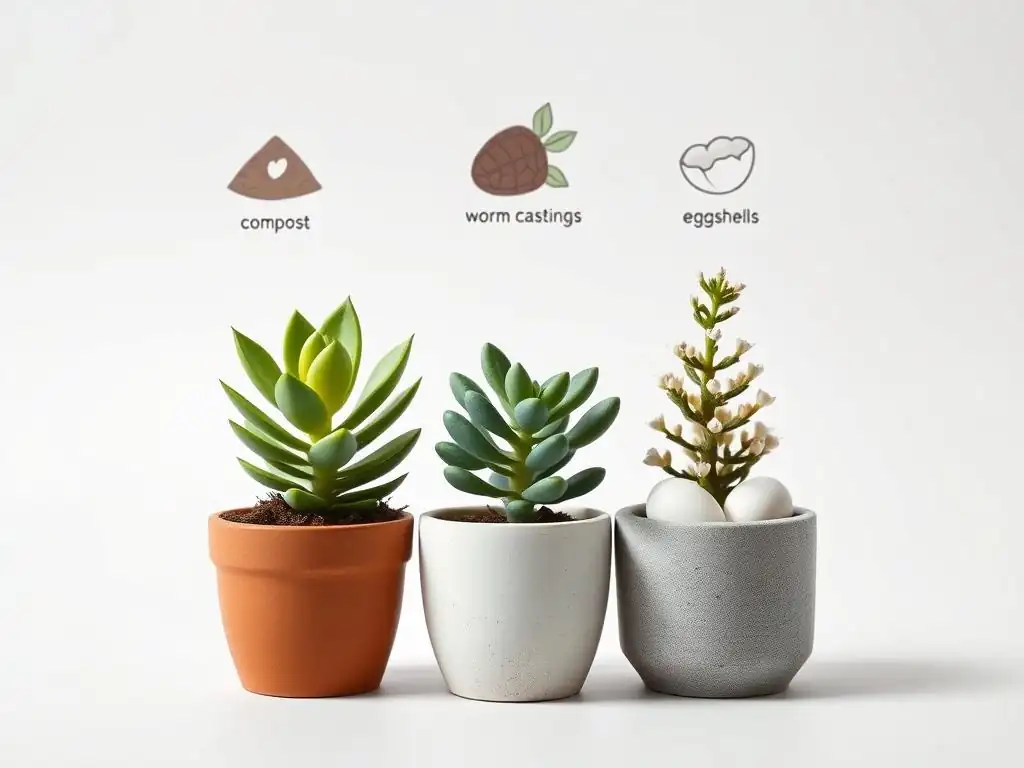
Choosing the best succulent fertilizer schedule involves more than just selecting a product; it's about understanding your plant's needs and selecting the right nutrients. While chemical fertilizers offer a quick boost, many succulent enthusiasts prefer natural, organic alternatives. These options provide a gentler, more sustainable approach to feeding your plants, minimizing the risk of nutrient burn and promoting healthy, vibrant growth. Organic fertilizers release nutrients slowly, mimicking the natural processes of the soil, leading to a more balanced and prolonged feeding effect. This approach reduces the frequency of fertilization, simplifying your succulent fertilizer schedule.
The benefits of organic fertilizers extend beyond just plant health. They improve soil structure, increase water retention, and support beneficial soil microorganisms. This creates a thriving ecosystem around your succulents' roots, promoting stronger, more resilient plants capable of withstanding environmental stresses. Furthermore, using organic methods aligns with eco-conscious gardening practices, reducing your environmental impact.
Using Compost Tea for Succulent Nutrition
Compost tea, a liquid extract from composted organic matter, is a fantastic natural fertilizer for succulents. It's rich in beneficial microbes, humic acids, and a balanced range of nutrients. These microbes enhance nutrient uptake, making the nutrients more readily available to your succulents. Humic acids improve soil structure, increasing aeration and water retention. The slow-release nature of compost tea minimizes the risk of over-fertilizing, a common problem with chemical fertilizers that can lead to root burn and damage.
Creating compost tea is surprisingly simple. You'll need a container (a bucket works well), a good quality compost, and an aerator (an aquarium pump is ideal). Steep the compost in water for 24-72 hours, aerating continuously to oxygenate the solution and encourage microbial growth. Once brewed, dilute the compost tea with water before applying it to your succulents.
A ratio of 1 part compost tea to 10 parts water is a good starting point. Avoid applying it directly to the leaves; instead, water your succulents as usual, ensuring the diluted tea reaches the root zone. Applying compost tea every 2-4 weeks during the growing season is usually sufficient. Remember to always observe your plants' response and adjust your best succulent fertilizer schedule accordingly.
Homemade Succulent Fertilizer Recipes
Creating your own succulent fertilizer is another way to control the ingredients and avoid harsh chemicals. Several simple recipes utilize readily available household ingredients. These recipes offer a cost-effective and environmentally friendly alternative to commercially produced fertilizers. Remember to always dilute these homemade concoctions significantly before applying them to your succulents to prevent root burn.
Here are a few examples:
| Ingredient | Ratio | Notes |
|---|---|---|
| Banana peels | 1 cup | Blend with water and let steep for a week. Dilute before use. |
| Eggshells | 1 cup | Crush finely and mix into the soil. Provides calcium. |
| Epsom salts (magnesium sulfate) | 1 tsp/gallon | Dilute thoroughly. Use sparingly, as too much magnesium can be harmful. |
| Coffee grounds | 1 cup | Mix into the soil. Improves drainage and provides nitrogen. |
Remember, consistency is key when developing your best succulent fertilizer schedule. Regular, diluted feedings are better than infrequent applications of concentrated solutions. Observe your plants closely for signs of nutrient deficiency or excess. Adjust your feeding schedule and the concentration of your chosen fertilizer accordingly to maintain the health and vibrancy of your succulents. By using organic methods and carefully monitoring your plants, you can ensure your succulents thrive for years to come. 🪴
Choosing the Right Fertilizer: Organic vs. Synthetic Options for Your Succulents
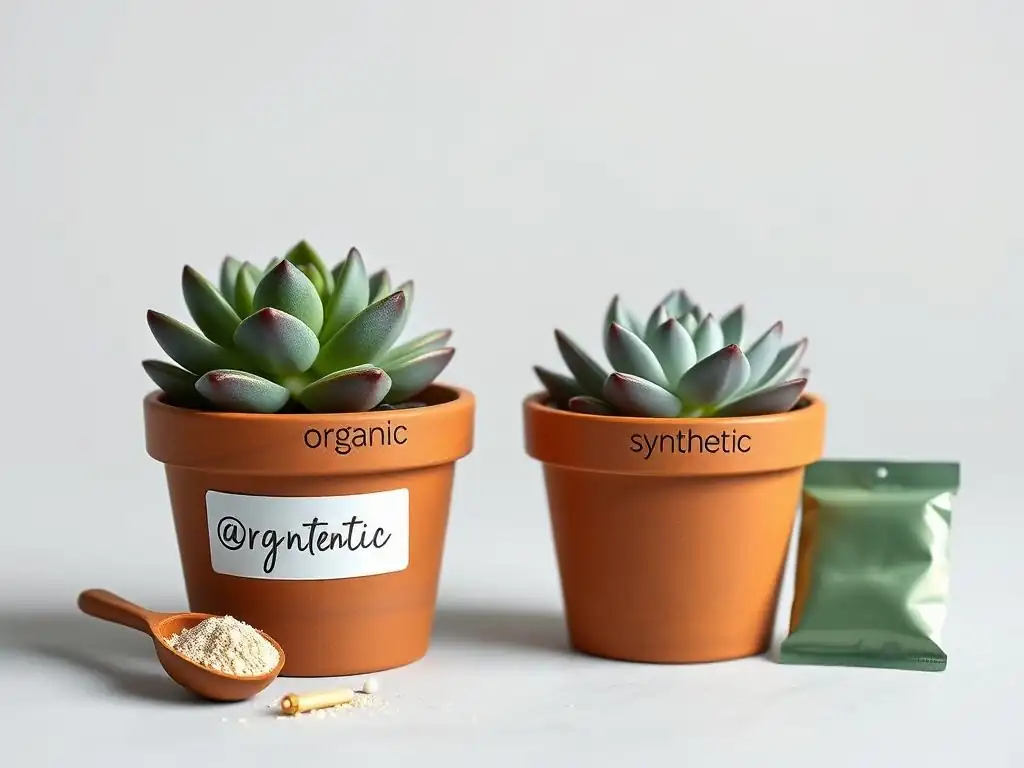
Choosing the right fertilizer is crucial for achieving vibrant, blooming succulents. The "best succulent fertilizer schedule" hinges not only on when you fertilize, but also what you fertilize with. Two main categories dominate the market: organic and synthetic fertilizers. Each offers unique advantages and disadvantages, impacting your succulents' health and flowering potential. Understanding these differences is key to optimizing your fertilizing strategy.
Organic Fertilizer Benefits and Drawbacks
Organic fertilizers, derived from natural sources like compost, manure, and seaweed, offer a gentler, more sustainable approach to plant nutrition. They release nutrients slowly, mimicking the natural nutrient cycle. This slow-release mechanism minimizes the risk of fertilizer burn, a common problem with synthetic fertilizers, especially for sensitive succulents.
- Benefits:
- Slow-release nutrients: Reduces the risk of fertilizer burn.
- Improved soil structure: Organic matter enhances soil drainage and aeration, crucial for succulents' well-being.
- Environmentally friendly: A more sustainable option with a lower environmental impact.
- Enhances microbial activity: Organic matter feeds beneficial soil microbes, further improving soil health.
- Drawbacks:
- Lower nutrient concentration: Requires more frequent applications compared to synthetic fertilizers.
- Nutrient availability can vary: The nutrient content of organic fertilizers can fluctuate depending on the source material.
- Potential for pests and diseases: If not properly composted, organic fertilizers can introduce pests or diseases into your soil.
- Slower acting: You may not see immediate results compared to synthetic fertilizers.
For example, using a well-rotted compost tea as a fertilizer provides a slow release of nutrients and improves soil structure. However, accurately determining the nutrient content is difficult, and regular soil testing might be necessary to adjust application frequency.
Synthetic Fertilizer Benefits and Drawbacks
Synthetic fertilizers, manufactured from inorganic sources, provide a concentrated dose of specific nutrients. They are formulated to contain precise ratios of Nitrogen (N), Phosphorus (P), and Potassium (K), often represented as an NPK ratio (e.g., 10-10-10). This precise formulation allows for targeted nutrient delivery, potentially accelerating growth and flowering.
- Benefits:
- High nutrient concentration: Fewer applications are needed compared to organic fertilizers.
- Precise nutrient ratios: Allows for tailored nutrient delivery based on your succulents' specific needs.
- Faster results: You may see noticeable improvements in growth and flowering more quickly.
- Easy to use: Usually available in convenient forms like liquid solutions or granular pellets.
- Drawbacks:
- Higher risk of fertilizer burn: Over-fertilizing can easily damage succulent roots.
- Can disrupt soil ecology: Synthetic fertilizers don't contribute to soil health in the same way organic fertilizers do.
- Environmental concerns: The manufacturing process and potential runoff can have negative environmental consequences.
- May not be suitable for all succulents: Some sensitive species may react negatively to synthetic fertilizers.
A balanced synthetic fertilizer with an NPK ratio of 10-10-10 is often recommended, but always dilute it to a weaker concentration than suggested on the packaging to prevent burning. Remember, even with synthetic fertilizers, less is often more when it comes to succulents. Careful monitoring and adjustment based on your succulent's response are vital for success. A slight yellowing of leaves might indicate a need for more fertilizer, whereas browning or shrivelling indicates over-fertilization. 🌱
Maximizing Your Succulent's Potential: Beyond Fertilizer
Even the best succulent fertilizer schedule won't guarantee blooms if other crucial aspects of succulent care are neglected. While proper fertilization is vital, it's only one piece of the puzzle. Think of it as a high-performance engine – you need the right fuel (fertilizer), but also optimal operating conditions for peak performance. Let's explore those conditions.
The Role of Sunlight in Succulent Growth
Sunlight is paramount for succulent health and flowering. Most succulents thrive in bright, direct sunlight for at least 6-8 hours daily. Insufficient light leads to etiolation – a condition where the plant becomes leggy and weak, stretching towards the light source. This weakens the plant, impacting its ability to absorb nutrients, including those from fertilizer, and ultimately hindering blooming.
Remember, succulents are adapted to arid and sunny environments; mimicking these conditions is key. Observe your succulents: if they're leaning excessively towards a light source, they need more sun. Conversely, scorching or browning indicates too much intense sunlight, requiring some shade during the hottest part of the day.
Consider the intensity of sunlight in different seasons. During the summer, intense midday sun might require some protection, while the weaker winter sun might necessitate supplemental lighting to ensure sufficient light exposure. Experiment to find the perfect balance for your specific succulent species and your local climate. A well-lit succulent is a happy succulent, more likely to reward you with vibrant colors and abundant blooms.
Proper Watering Techniques for Healthy Succulents
Overwatering is a common culprit in hindering succulent growth and flowering. Succulents store water in their leaves and stems, making them highly susceptible to root rot if their soil remains consistently damp. Proper watering involves allowing the soil to completely dry out between waterings. The frequency depends on factors like pot size, soil type, ambient temperature, and humidity. As a general rule, less frequent, deeper watering is preferable to frequent, shallow watering. This encourages deeper root growth, making the plant more resilient and better able to absorb nutrients.
To determine if your succulents need watering, check the soil moisture level using your finger. If the top inch or two of soil is completely dry, it's time to water thoroughly until water drains from the drainage holes. Avoid letting your succulents sit in standing water, which can quickly lead to root rot and kill the plant. Remember, underwatering is generally more easily corrected than overwatering. Adjust your watering schedule based on your environment and your succulents' needs. Consistent, appropriate watering is a cornerstone of a successful succulent fertilizer schedule's effectiveness.
Choosing the Right Potting Mix for Optimal Drainage
The potting mix is just as important as the fertilizer itself when it comes to the best succulent fertilizer schedule. Poor drainage leads to soggy soil, which suffocates roots and prevents nutrient uptake. A well-draining potting mix is crucial for succulent health. Avoid using garden soil, as it retains too much moisture. Instead, opt for a specialized succulent and cacti potting mix, which typically includes ingredients like perlite, pumice, or coarse sand to improve drainage and aeration. You can also create your own custom mix by combining these ingredients with a well-draining potting soil.
The ideal potting mix should allow for quick drainage, preventing water from accumulating around the roots. Proper drainage minimizes the risk of root rot, allowing the roots to freely absorb water and nutrients from the fertilizer. Observe your succulents' response to watering; if the soil stays wet for extended periods, it's a clear indication that you need to improve drainage by amending the potting mix or repotting in a more suitable container. A well-draining mix complements the fertilizer's work, maximizing its effectiveness and contributing to vibrant growth and prolific blooming.
Frequently Asked Questions
What is the best fertilizer for succulents?
A balanced, water-soluble fertilizer diluted to half strength is generally recommended for succulents. Avoid fertilizers high in nitrogen, as this can lead to leggy growth.
How often should I fertilize my succulents?
During the growing season (spring and summer), fertilize your succulents every 2-4 weeks. Reduce or stop fertilizing completely during the dormant season (fall and winter).
What are the signs of over-fertilizing succulents?
Over-fertilized succulents may exhibit salt buildup on their leaves, scorched or brown leaf tips, or leggy growth. Flush the soil with water to help alleviate salt buildup.
What type of fertilizer should I avoid using on succulents?
Avoid fertilizers with a high nitrogen content (N), as this can encourage weak, leggy growth rather than compact, healthy plants. Choose a balanced formula.
Can I use a general-purpose fertilizer on my succulents?
While you can use a diluted general-purpose fertilizer, a specifically formulated succulent fertilizer is often preferred. These are designed to meet the unique nutritional needs of succulents.
Final Reflection: Cultivating Success: The Art and Science of Succulent Care
The right fertilizer, applied at the optimal time, isn't just about bigger, brighter succulents; it's about understanding the delicate balance of nature and harnessing it for vibrant growth. This seemingly simple act of feeding your plants speaks volumes about the interconnectedness of all living things and the profound impact even small interventions can have on the health and beauty of our environment, both indoors and out. The seemingly humble succulent becomes a microcosm of this larger principle.
The journey of learning the ideal succulent fertilizer schedule has been a deeply rewarding one, revealing the surprising complexity hidden within these seemingly resilient plants. It's a journey that underscores the importance of observation, patience, and a willingness to adapt our approach based on the unique needs of each individual plant. The glory of gardening: hands in the dirt, head in the sun, heart with nature. To nurture a garden is to feed not just the body, but the soul.
This quote perfectly captures the essence of the connection we forge with our plants, and how nurturing them nurtures us in return.
Now, consider your own succulents. What have you learned about their individual needs? Are you ready to adjust your fertilizing schedule based on the season and the specific requirements of your plants? Take the time to observe, to learn, and to adapt your approach. Remember, the journey of cultivating healthy, thriving succulents is a continuous process of learning and refinement, a testament to the enduring power of observation, patience, and a deep appreciation for the natural world. Embrace the challenge, and watch your succulents bloom!
Unleash Your Succulents' Full Potential!
Congratulations on taking the first step towards nurturing your succulents! You've learned how to fertilize them effectively, unlocking their vibrant potential. Ready to put your knowledge into practice?
- Create a Custom Fertilizer Blend: Experiment with different nutrient ratios to discover the perfect formula for your succulents. Keep detailed notes for future reference!
- Share Your Results: Show off your thriving succulents on social media! Post a picture and tag us @SucculentEssentials – we love seeing your successes (and learning from any challenges! ).
- Expand Your Knowledge: Explore our extensive collection of succulent care guides at SucculentEssentials.org for more expert advice.
What fertilization technique are you most eager to try? Let's discuss in the comments!