Spring Repotting Rituals: Give Your Succulents a Fresh Start
😊 Revitalize your succulents this spring! SucculentEssentials.org's expert spring repotting guide provides essential tips and tricks for a healthy, thriving collection. Learn…
Read article
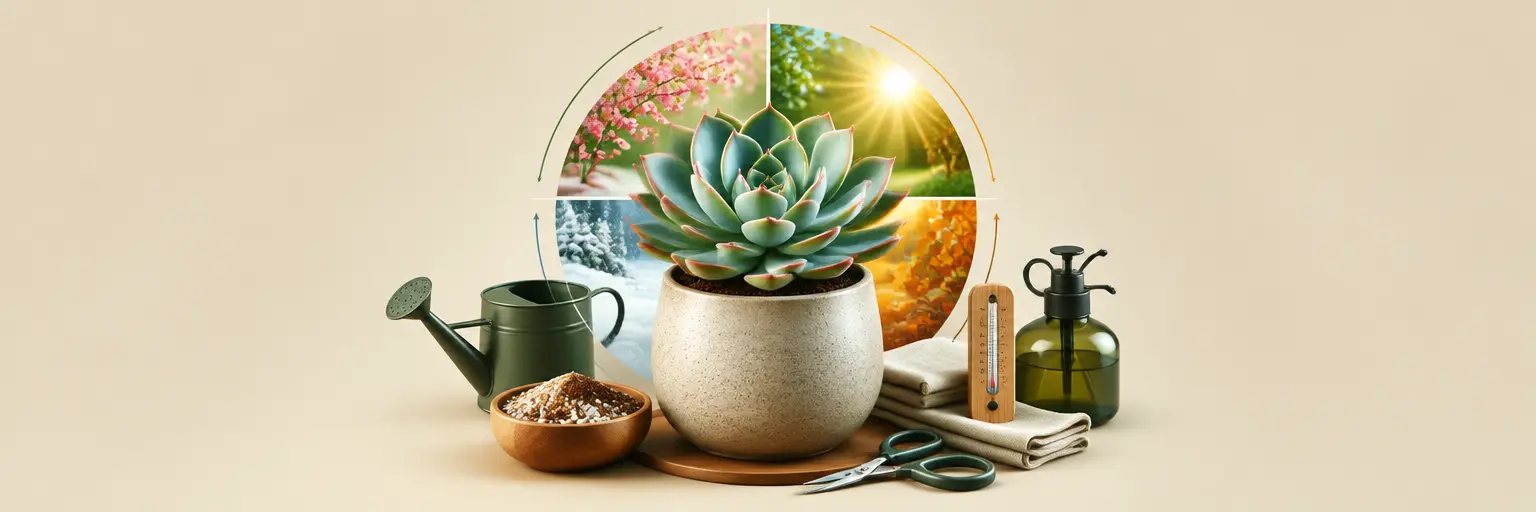
Embrace the rhythm of the seasons with dynamic care routines that keep your succulents thriving all year long. From maximizing sun exposure in summer to protecting roots from winter chill, our seasonal care guides reveal the subtle shifts in watering, lighting, and soil moisture that make all the difference. Whether you’re a beginner or a seasoned collector, learn how to adapt your habits—boosting growth during active periods and encouraging dormancy when needed—so your hardy plants stay vibrant and resilient through every weather change. 🌵☀️❄️
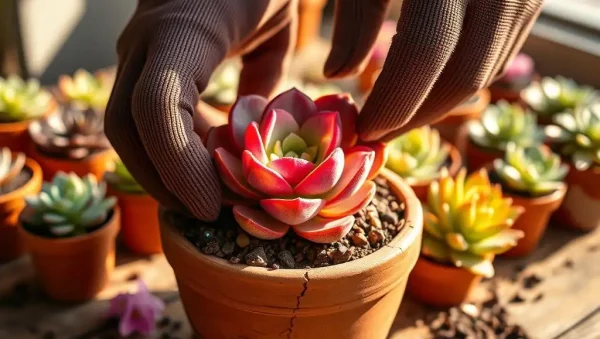
😊 Revitalize your succulents this spring! SucculentEssentials.org's expert spring repotting guide provides essential tips and tricks for a healthy, thriving collection. Learn…
Read article
😊 Succulent winter temperature care is crucial. Learn how to maintain consistent, ideal temperatures for your succulents throughout the colder months to…
Read article
😊 Unlock your succulents' spring potential! SucculentEssentials.org reveals the best fertilizer choices for vibrant growth, ensuring your drought-tolerant beauties thrive. Learn which…
Read article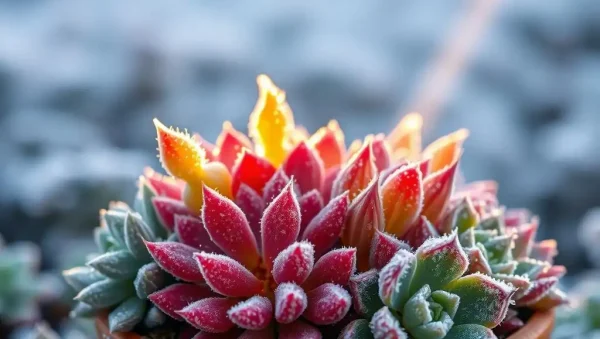
😊 Autumn's chill threatens your succulents? SucculentEssentials.org shows you how to protect succulents from frost damage, ensuring your precious plants thrive through…
Read articleUnderstanding how your succulents shift with the seasons is the cornerstone of long-term health and vibrant growth. At SucculentEssentials.org, we break down the yearly cycle into actionable routines that align with your plants’ natural dormancy and active phases. From winter light adjustments to summer watering schedules, this subcategory ensures you never overwater or under-protect your prized collection. Explore tailored guidance for spring repotting, autumn hardening, and everything in between, so your drought-resistant beauties flourish year-round.
As daylight extends and temperatures rise, your succulents signal the end of their winter rest. This season demands a gradual reintroduction to water and fertilizer. Start by increasing watering frequency from once a month to every 10–14 days, but always check soil dryness first. Move plants to brighter spots gradually to prevent sunburn, and begin a diluted, balanced liquid fertilizer at half strength to support new root and leaf growth.
Spring is also prime time for repotting and dividing overcrowded clumps. Inspect roots for rot or pests, then refresh the potting mix with a gritty, well-draining blend. If you notice stretched, pale growth from winter, prune etiolated stems and use the cuttings for propagation. This proactive reset prepares your succulents for the vigorous growing season ahead, ensuring compact shapes and vivid foliage colors.
Summer brings intense light and heat, which can stress even hardy succulents. Your routine should focus on early morning watering—ideally before 10 AM—so moisture evaporates before evening, preventing fungal issues. During heatwaves, water more frequently (every 5–7 days for outdoor plants), but always reduce volume to avoid soggy roots. For indoor succulents near sunny windows, rotate pots weekly to ensure even growth and avoid scorched patches.
Pests like mealybugs and spider mites thrive in warm weather. Implement a weekly inspection routine, checking leaf axils and undersides. Use a neem oil spray or insecticidal soap as a preventive measure every two weeks. If you notice shriveled leaves despite watering, increase humidity with a pebble tray. Consider shading cloth for delicate varieties like Haworthia during peak afternoon sun, and ensure airflow to reduce heat stress and pest infestations.
As temperatures dip, your succulents begin slowing their metabolic rate. Reduce watering frequency to every 2–3 weeks, allowing the soil to dry completely between sessions. Stop fertilizing entirely by mid-autumn to prevent tender new growth that frost can damage. Shift outdoor pots to sheltered spots or bring them indoors if night temperatures fall below 50°F (10°C), depending on your species’ hardiness.
Autumn is the ideal window for propagation, as cuttings root faster in mild temperatures. Take leaf cuttings from healthy plants, allow them to callous, then place on dry soil. Also, clean up fallen debris around pots to deter pests seeking winter shelter. Gradually move plants back from bright windowsills if indoor light dims, and consider supplemental grow lights for species that require more intensity. This proactive preparation minimizes winter losses.
Winter is the rest period for most succulents, especially cold-hardy types like Sempervivum. Reduce watering to once a month or less, only when leaves show visible wrinkling. Maintain temperatures between 40–55°F (4–13°C) for dormant species—avoid placing them near radiators or drafty windows. For indoor plants, ensure they receive bright, indirect light; a south-facing window may need sheer curtains to diffuse harsh winter rays.
Monitor for etiolation (stretching) caused by inadequate light. If stems elongate, prune in spring and adjust light exposure. For cold-sensitive varieties (Echeveria, Crassula), keep them completely dry and above 50°F. Use frost cloths or move pots to a garage during extreme cold snaps. Also, avoid repotting or pruning during dormancy, as this stresses the plant. Let your succulents rest—your disciplined winter routine sets the stage for explosive spring growth.
Seasonal care isn’t one-size-fits-all—your local climate drastically alters routines. In arid regions, summer sun may scorch, requiring 30% shade cloth, while humid coastal areas need less watering and better airflow to prevent rot. For temperate zones with heavy rainfall, place succulents under eaves or use gravel mulch to protect roots from saturation. Track your specific microclimate using a thermometer and hygrometer to adjust schedules dynamically.
For indoor growers, heating and air conditioning create artificial seasons. In winter, dry interior air demands higher humidity—mist occasionally or use a pebble tray. Conversely, air-conditioned summers can mimic spring, so monitor plant cues like leaf firmness. Keep a care journal noting temperatures, watering dates, and visual changes. This data helps you fine-tune routines annually, turning generic advice into a personalized seasonal calendar that maximizes health and beauty for your collection.
Dormant succulents show slowed or halted growth, leaves may feel softer but not shriveled, and the soil stays dry for weeks without damage. Thirsty plants exhibit wrinkled, deflated leaves that feel rubbery. Gently squeeze a lower leaf—if it bends without snapping, it likely needs water. Dormancy also coincides with shorter daylight and cooler temps, so use season as your primary clue.
No—succulents vary widely. Rosette types like Echeveria prefer drier conditions, while Jungle cacti (e.g., Christmas cactus) need more moisture. Group your plants by water needs and season. Always check the top 1–2 inches of soil with your finger or a moisture meter. During active growth (spring/summer), water when soil is fully dry; during dormancy, wait until leaves wrinkle.
Move container plants indoors or into a garage before the first frost. For in-ground succulents, cover with frost cloth or burlap, ensuring no direct contact with leaves. Water slightly before a freeze (moist soil retains heat). Mulch with gravel or straw around the base. Hardy species like Sedum can withstand brief dips to 20°F, but tender types need immediate shelter.
No—winter is dormancy for most species, and fertilizer can force weak growth that’s prone to rot. Stop feeding by early autumn. If you grow succulents indoors under strong grow lights and they continue active growth, you can apply a quarter-strength fertilizer once monthly. Otherwise, wait until spring to resume a balanced, low-nitrogen formula.
Legginess results from insufficient light. Move plants to the brightest window, ideally south-facing, and supplement with a grow light for 10–12 hours daily. Clean leaves from dust to maximize light absorption. Rotate pots weekly to promote even growth. If stretching occurs, prune the stretched stem in spring and propagate the rosette, then adjust light exposure permanently.