
Fall Frost Forecast: Protecting Succulents from Cold Damage

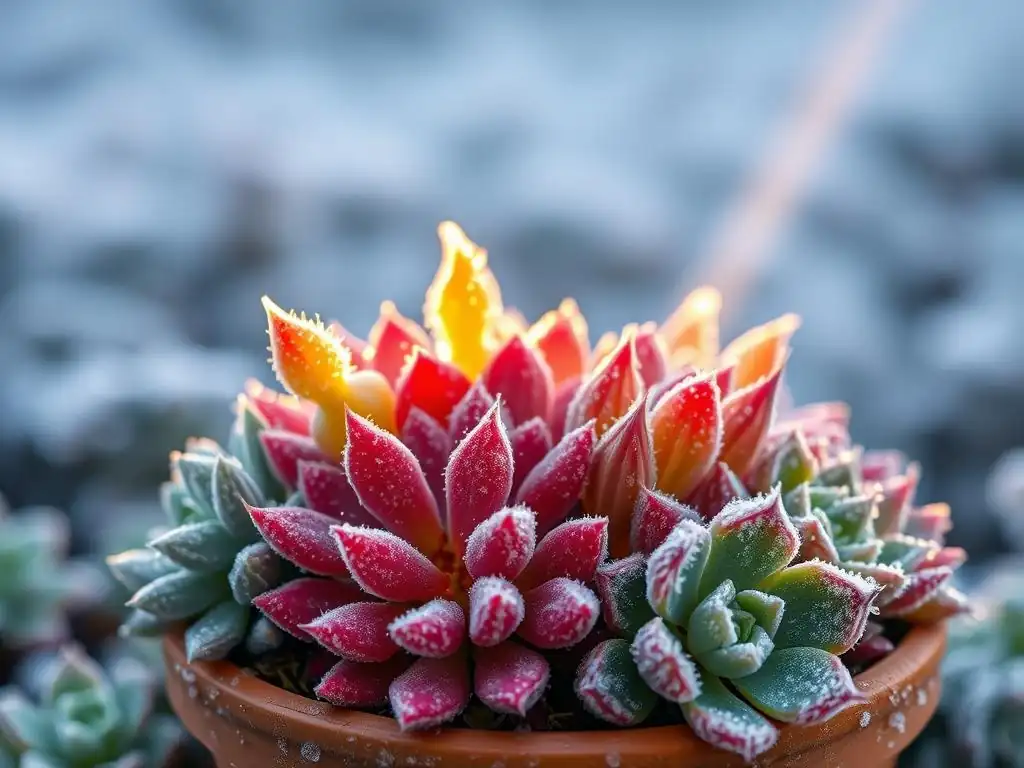
Welcome to SucculentEssentials.org, your gateway to the fascinating world of succulents! Are you ready to unlock the secrets to thriving succulent gardens, even when faced with unexpected challenges? This fall, protect your precious plants from the impending frost with our expert guide on preventing frost damage. Discover invaluable tips and techniques to ensure your succulents not only survive but flourish, no matter the weather. Dive in and learn how to keep your collection vibrant and healthy all year round!
- Understanding Fall Frost and its Impact on Succulents
- Protecting Your Succulents from Frost: Prevention Strategies
- Responding to Frost Damage: Recovery and Repair
- Preparing Your Succulents for Winter's Arrival
- Advanced Techniques for Frost Protection in Challenging Climates
-
Frequently Asked Questions
- How do I know if my succulents are at risk of frost damage?
- What are the best ways to protect my succulents from frost?
- Can I use a heater to protect my succulents from frost?
- My succulents have already suffered frost damage. Can I save them?
- What are some preventative measures I can take to protect my succulents from frost in the future?
- Final Reflection: Embracing Resilience in a Changing Climate
- Unveil Your Succulents' Winter Resilience!
Understanding Fall Frost and its Impact on Succulents
Autumn's vibrant colors and crisp air bring a unique charm, but for succulent enthusiasts, the arrival of fall also signals the potential threat of frost. Protecting your precious succulents from frost damage is crucial to ensuring their survival and continued beauty throughout the winter months. This comprehensive guide will delve into the specifics of fall frost, its detrimental effects on succulents, and importantly, the proactive steps you can take to safeguard your collection.
We'll cover identifying vulnerable species, recognizing early warning signs of cold stress, and understanding the severe consequences of freezing temperatures on your succulent's health and longevity. Learning to protect succulents from frost damage isn't just about preserving your plants; it's about nurturing their resilience and ensuring they thrive even in challenging seasonal conditions. Proper preparation and preventative measures will allow you to enjoy your succulents’ beauty year-round, regardless of the weather.
Identifying Vulnerable Succulent Species
Not all succulents are created equal when it comes to cold hardiness. Some species, hailing from arid and tropical regions, are far more susceptible to frost damage than others. Knowing which succulents in your collection are most vulnerable is the first step in effective frost protection. For example, Echeveria species, known for their beautiful rosettes, are generally less tolerant of freezing temperatures than hardy Sedum varieties. Similarly, many tropical succulents, such as Haworthia and Gasteria, require warmer temperatures and will suffer significant damage if exposed to frost.
Careful observation of your specific succulents and understanding their individual cold tolerance levels is key. A helpful resource would be a detailed catalog of your collection, noting the species and their known cold hardiness. This will allow for targeted protection based on each plant's individual needs. Remember, even seemingly hardy succulents can suffer damage if exposed to prolonged periods of sub-freezing temperatures.
Recognizing Early Signs of Frost Damage on Succulents
Early detection of frost damage is critical for minimizing the impact on your succulents. Recognizing subtle changes in your plants can help you intervene before the damage becomes irreversible. Look out for these early warning signs: discoloration (often turning dark or translucent), wilting, or a soft, mushy texture in the leaves. These symptoms often manifest themselves initially in the outer leaves, which are typically the first to be exposed to the coldest temperatures.
Another key indicator is a change in the succulent's turgor pressure; if the leaves appear shriveled or less plump than usual, this could be a sign of cold stress. Regular inspections, especially during periods of predicted frost, are essential for early detection and prompt action. Don't underestimate the importance of routine monitoring – swift intervention can save your succulents from significant or even fatal damage.
The Dangers of Freezing Temperatures for Succulent Health
Freezing temperatures pose a significant threat to the health and survival of succulents. Ice crystals that form within the plant's cells during freezing can cause irreparable damage to cell walls and tissues, leading to irreversible damage and potentially death. Beyond cellular damage, freezing temperatures can also compromise the succulent's ability to absorb water and nutrients, leading to dehydration and wilting. Furthermore, prolonged exposure to freezing temperatures can weaken the plant’s overall immune system, making it more vulnerable to diseases and pests.
The severity of the damage depends on factors such as the length of exposure, the intensity of the freeze, and the species of succulent. Therefore, understanding the potential dangers and taking proactive steps to protect your succulents is paramount to their long-term health and survival. Remember, prevention is always better than cure when it comes to frost damage.
Protecting Your Succulents from Frost: Prevention Strategies
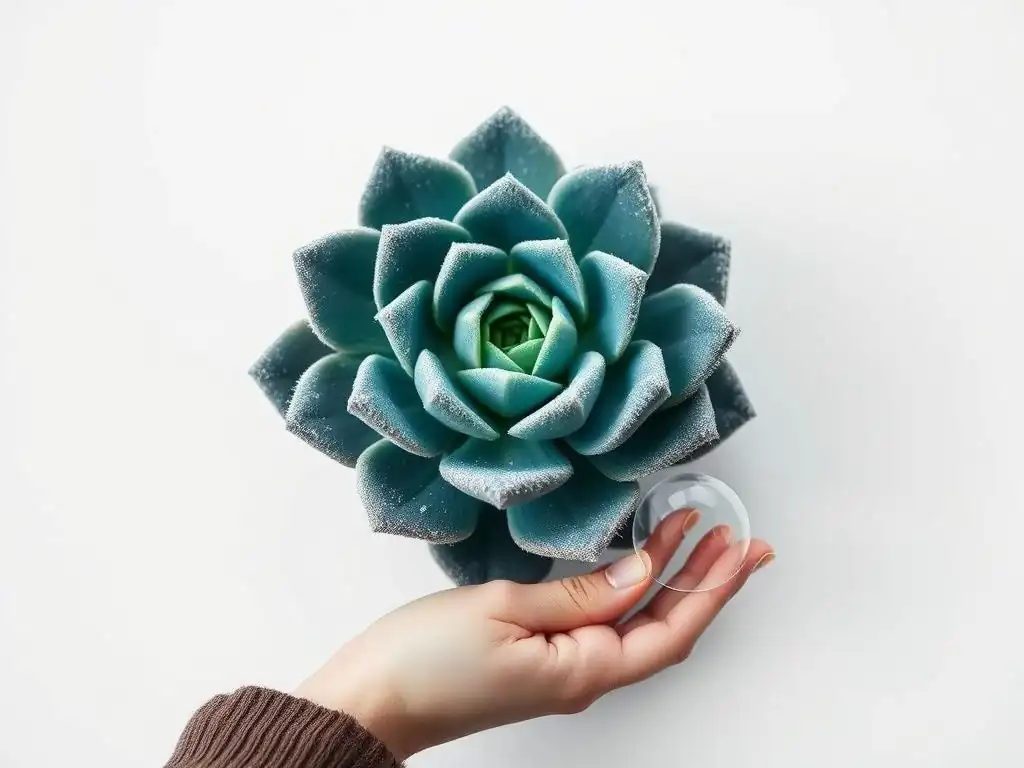
Protecting your succulents from frost damage is crucial for their survival during the colder months. While succulents are known for their drought tolerance, many varieties are surprisingly susceptible to frost, which can cause irreversible damage to their leaves and stems. Proactive measures are key to ensuring your precious plants thrive even when temperatures plummet.
This section focuses on preventative strategies, helping you safeguard your succulent collection against the harsh realities of fall frost and winter freezes. We'll explore various methods to minimize cold stress and maximize your succulents' chances of survival. Remember, the key to successful frost protection is preparation and proactive intervention before the first frost arrives.
Choosing the Right Location: Sun Exposure and Microclimates
The first line of defense against frost damage is choosing the right location for your succulents. While many succulents enjoy ample sunlight, the intensity and duration of sun exposure should be adjusted seasonally. During fall and winter, excessive sun exposure can exacerbate the effects of cold temperatures, drying out the succulent's tissues and making them more vulnerable to frost. Consider these factors:
- South-facing walls: These often provide warmth radiating from the building, creating a microclimate warmer than surrounding areas. This is an ideal location for less cold-hardy varieties.
- Protected areas: Look for areas sheltered from strong winds. Wind chill significantly lowers the effective temperature, increasing the risk of frost damage. A sheltered patio, a covered porch, or even a strategically placed wall can make a significant difference.
- Microclimate assessment: Observe your garden throughout the day. Identify pockets of warmth and areas that remain colder for longer periods. This knowledge helps you strategically place your succulents in the most advantageous spots.
- Elevation: Cold air sinks, so higher elevations can sometimes offer slightly milder temperatures than lower-lying areas. Consider this factor when arranging your succulent collection.
Careful site selection is the cornerstone of robust frost protection. By thoughtfully considering sun exposure, wind protection, and microclimate variations, you can create a more resilient environment for your succulents, significantly reducing their vulnerability to frost. Remember to monitor the weather forecast closely and adjust your plant's positioning as needed.
Utilizing Protective Barriers: Cloches, Fabric Covers, and More
Once you've strategically placed your succulents, consider using protective barriers to further shield them from frost. Several options exist, each with its own advantages:
- Cloches: These bell-shaped covers create a miniature greenhouse effect, trapping warmth and preventing frost from directly contacting the plants. Glass or plastic cloches are effective, but ensure adequate ventilation to prevent condensation buildup.
- Fabric covers: Row covers or fleece offer excellent protection against light frosts. These breathable fabrics allow some air circulation while providing a layer of insulation. Choose a lightweight, frost-proof fabric that won't suffocate your plants.
- Cold frames: For larger collections, a cold frame provides a more substantial protective barrier. These structures, often made of wood or metal with a glass or plastic cover, create a controlled microclimate ideal for overwintering succulents.
- Other options: Simple solutions like placing a bucket or large pot over individual plants can offer some temporary protection during a light frost. Improvised solutions can be used for smaller, more vulnerable succulents.
The choice of protective barrier depends on the severity of the expected frost and the size of your succulent collection. Remember to remove covers during the day to allow for sunlight and air circulation, preventing moisture buildup and potential fungal diseases. Proper ventilation is crucial to avoid creating a humid environment which can be detrimental to your plants.
Mulching Techniques for Winter Succulent Protection
Mulching is an effective technique to insulate the soil around your succulents, protecting their roots from freezing temperatures. A layer of mulch helps regulate soil temperature, preventing extreme fluctuations that can damage the root system.
- Organic mulches: Materials like shredded bark, pine needles, or straw provide excellent insulation while gradually decomposing to enrich the soil. Apply a layer of 2-3 inches around the base of your succulents, leaving a small space around the stems to prevent rot.
- Inorganic mulches: Gravel or small stones can also provide some insulation and help with drainage. However, these mulches don't offer the same soil-enriching benefits as organic options.
- Timing: Apply mulch before the first frost is expected. Remove it in spring once the threat of frost has passed to allow for better air circulation and soil warming. Proper timing is key for effective protection without hindering plant growth in warmer months.
Mulching provides a crucial layer of protection for your succulents' root systems, which are particularly vulnerable to frost damage. Combining mulching with other frost protection methods significantly enhances your succulents' chances of surviving the winter months unscathed. Remember to choose a mulch appropriate for your climate and soil type.
Watering Strategies for Fall and Winter Months
Succulents, famed for their drought tolerance, require significantly less water during the fall and winter months. Overwatering during this period is a common mistake that can lead to root rot, a major contributor to frost damage. Cold temperatures slow down the plant's metabolic processes, meaning it absorbs water much more slowly. Consequently, the soil remains wet for extended periods, creating the perfect environment for fungal growth and root decay. Roots weakened by rot are far more susceptible to the additional stress of freezing temperatures.
To protect your succulents from frost damage through proper watering, follow these guidelines: Allow the soil to dry out completely between waterings. This means checking the soil moisture level by inserting your finger about an inch into the soil. If it feels dry, it's time to water; if it's still moist, wait a few more days. The frequency of watering will depend on several factors, including the type of succulent, the size of the pot, the type of potting mix, and the ambient temperature and humidity.
Generally, you'll water far less frequently in the colder months than during the warmer growing season – perhaps once every two to four weeks, or even less frequently depending on conditions. Remember, it's always better to underwater than to overwater. A slightly thirsty succulent is far healthier than a waterlogged one, especially during the winter.
Consider the location of your succulents. Those kept outdoors in shaded areas might need even less frequent watering than those in sunny spots. Similarly, succulents planted in well-draining pots will dry out faster than those in poorly draining containers. Observe your plants closely for any signs of overwatering, such as mushy leaves or stems, and adjust your watering schedule accordingly.
The goal is to keep the soil consistently moist but not soggy throughout the fall and winter. Proper watering is a crucial preventative measure in protecting your succulents from the damaging effects of frost. By carefully monitoring soil moisture and adjusting your watering schedule to reflect the seasonal changes, you will significantly reduce the risk of frost damage and ensure your succulents thrive even during the coldest months.
Responding to Frost Damage: Recovery and Repair
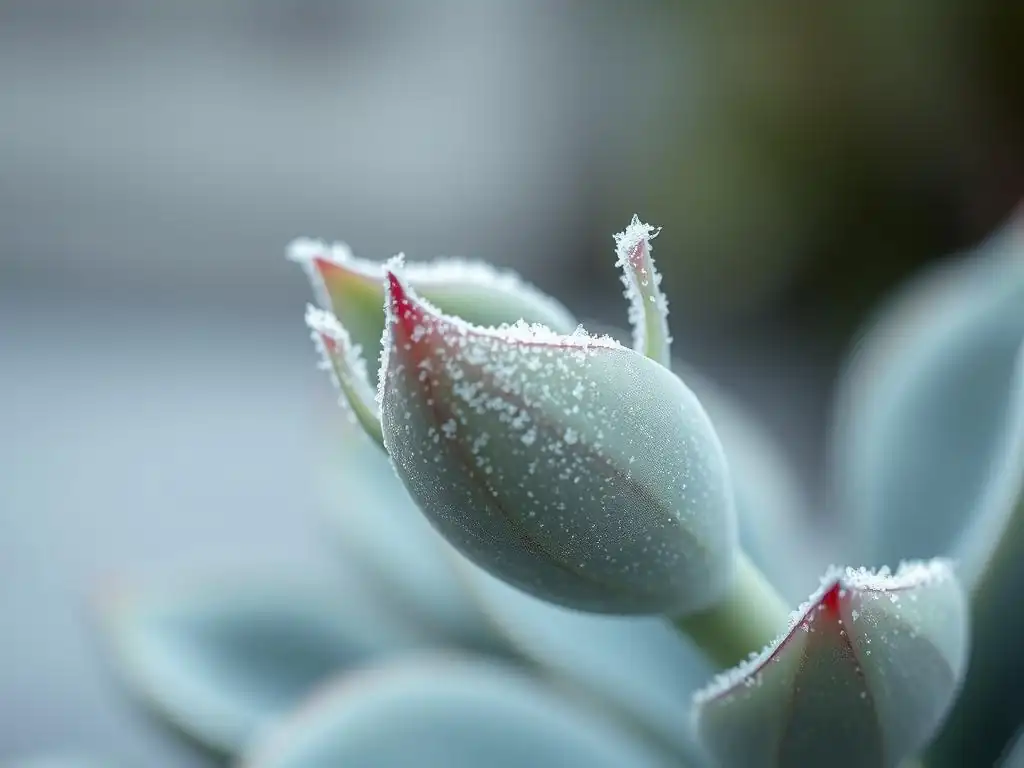
Protecting succulents from frost damage is crucial for their survival, but even with preventative measures, some damage might occur. Knowing how to respond effectively is key to minimizing losses and ensuring the long-term health of your plants. This section focuses on the recovery and repair process after a frost event, helping you nurse your succulents back to health. We'll cover assessing the damage, proper pruning techniques, and soil management strategies to aid recovery. Understanding these steps will significantly improve your chances of saving your beloved succulents.
Assessing the Extent of Cold Damage to Your Succulents
The first step in protecting succulents from frost damage after the event is a thorough assessment. Look closely at each plant, noting the severity of the damage. Symptoms can range from minor discoloration and wilting to complete blackening and mushiness.
- Minor Damage: Slight discoloration (often a reddish or purplish hue) and some leaf wilting often indicate mild frost exposure. These succulents usually recover with minimal intervention.
- Moderate Damage: Significant discoloration, shriveled leaves, and some soft or mushy areas point to more substantial damage. Careful pruning and monitoring will be necessary.
- Severe Damage: Extensive blackening, complete mushiness, and a lack of turgor (firmness) indicate severe frost damage. These plants may be beyond saving, but it's worth trying some recovery techniques before discarding them.
It's helpful to document your observations. Create a simple chart to track the condition of each succulent:
| Succulent Type | Location | Damage Level (Minor, Moderate, Severe) | Notes |
|---|---|---|---|
| Echeveria 'Perle von Nürnberg' | Patio | Moderate | Some leaves mushy, others slightly shriveled |
| Sedum morganianum 'Burro's Tail' | Hanging Basket | Minor | Slight discoloration, no significant wilting |
| Sempervivum tectorum (Houseleek) | Garden Bed | Severe | Entire rosette blackened and mushy |
Remember, even seemingly minor damage can weaken a succulent, making it more susceptible to secondary infections. Careful monitoring is essential throughout the recovery period. 🌱
Trimming and Pruning Frost-Damaged Succulents
Once you've assessed the damage, carefully trim away any severely damaged or blackened leaves and stems. Use clean, sharp pruning shears or scissors to prevent the spread of disease. The goal is to remove the affected areas, encouraging the plant to focus its energy on healthy growth.
- Sterilize your tools: Before beginning, sterilize your pruning shears with rubbing alcohol or a diluted bleach solution to prevent the introduction of pathogens. This is a crucial step in protecting succulents from further damage.
- Cut back to healthy tissue: Make clean cuts just above healthy, firm tissue. Avoid tearing or ripping the leaves, as this can create wounds that are more prone to infection.
- Remove mushy or soft areas: Pay close attention to the base of the plant. Remove any mushy or soft sections that indicate rot, even if they appear small. This is vital for preventing the spread of rot to healthy parts of the succulent.
- Dispose of damaged plant material properly: Don't compost frost-damaged succulents, as they may harbor diseases. Dispose of them in the trash to prevent the spread of potential pathogens.
Pruning frost-damaged succulents is a delicate process that requires patience and precision. Removing damaged portions helps the plant conserve energy and redirect it towards new growth.
Re-Potting and Soil Management After Frost Exposure
Frost damage can sometimes affect the soil's structure and drainage, potentially increasing the risk of root rot. Depending on the severity of the damage and the type of soil used, re-potting may be necessary.
- Assess the soil: Check the soil for excessive moisture or compaction. If it's overly wet or compacted, re-potting is recommended.
- Choose the right potting mix: Use a well-draining succulent and cactus potting mix. Avoid using garden soil, as it retains too much moisture.
- Inspect the roots: Carefully inspect the roots of the frost-damaged succulents. Trim away any mushy or blackened roots with sterilized tools.
- Repot carefully: Repot the succulents into fresh, well-draining soil, ensuring there's adequate drainage at the bottom of the pot. Avoid overwatering immediately after repotting.
Proper soil management is crucial for the recovery of frost-damaged succulents. Well-draining soil prevents excess moisture, reducing the risk of root rot and further damage. Regular monitoring of the soil moisture level is essential during the recovery period. Remember, prevention is always the best approach. By taking proactive steps to protect succulents from frost damage in the first place, you can minimize the need for extensive recovery efforts.
Providing Supplemental Care for Recovering Plants
Following a frost event, even after addressing immediate damage, your succulents will require extra care to fully recover. This supplemental care focuses on bolstering their resilience and encouraging new growth. Think of it as intensive care for your frost-bitten friends. Providing the right conditions will significantly impact their ability to bounce back stronger.
One crucial aspect is consistent, but not excessive, watering. Avoid overwatering, as this can lead to root rot, a particularly dangerous complication for already stressed plants. Instead, water deeply but infrequently, allowing the soil to dry out somewhat between waterings. Check the soil moisture level before watering; a finger test is a simple and effective way to determine if your succulents need a drink. The frequency will depend on your climate, pot size, and the type of succulent, but err on the side of caution.
Furthermore, fertilizing can be beneficial, but only after the plant shows signs of recovery. Avoid fertilizing immediately after frost damage, as the stressed roots may not be able to absorb the nutrients effectively and could cause further harm. Wait until you see new growth emerging. Then, use a balanced, diluted succulent fertilizer. Over-fertilizing can be as detrimental as under-fertilizing, so follow the instructions on the fertilizer packaging carefully.
Finally, monitor your succulents closely for any signs of secondary infections or pests. Frost damage can weaken the plants, making them more susceptible to these threats. Regularly inspect your plants for any unusual spots, discoloration, or insect activity. Address any issues promptly with appropriate treatments to prevent further complications. A healthy, thriving plant is better equipped to withstand future environmental stresses. Remember that patience is key; recovery takes time, and consistent care is crucial for your succulents to fully heal. With proper care and attention, your frost-damaged succulents can thrive once more.
Preparing Your Succulents for Winter's Arrival
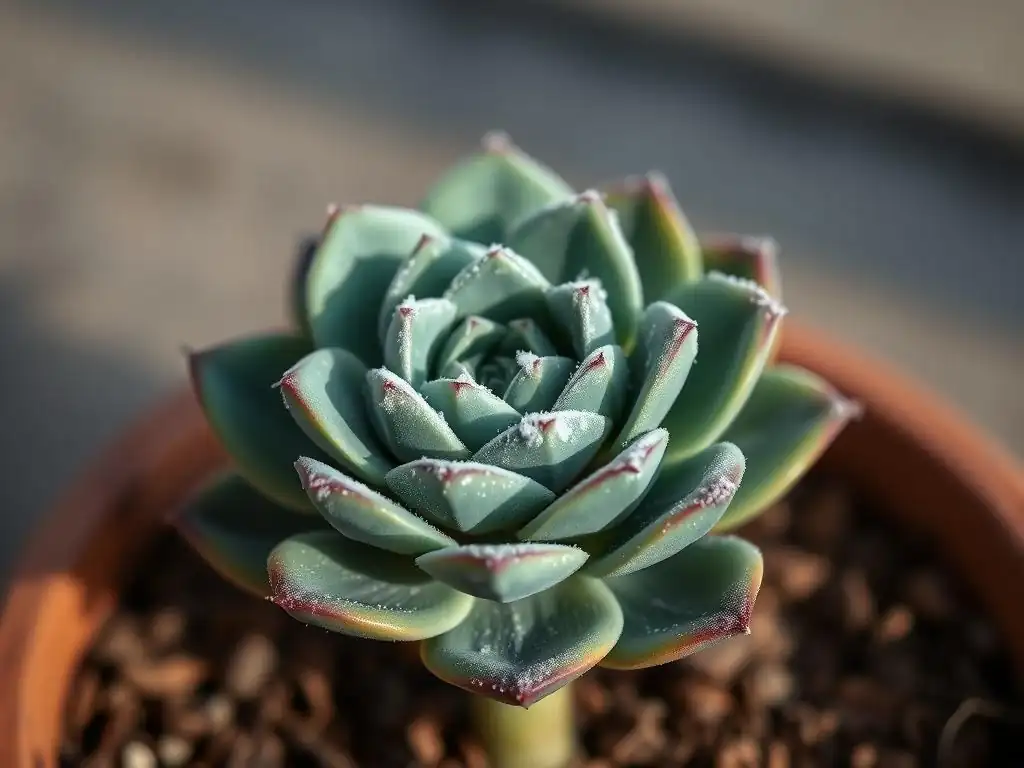
Successfully protecting succulents from frost damage hinges on proactive preparation. As autumn approaches, gradually acclimate your succulents to cooler temperatures to minimize shock and enhance their resilience. This process, often overlooked, is crucial for preventing sudden cold stress that can lead to irreversible damage.
Understanding your specific microclimate – including the average fall temperatures and the frequency of early frosts in your region – is paramount for determining the appropriate timing of these preparations. Ignoring this crucial step can leave your plants vulnerable, even with other protective measures in place. Remember, preventing damage is always easier and more effective than repairing it.
Hardening Off Succulents Before First Frost
"Hardening off" is the gradual acclimation process that prepares succulents for colder temperatures. It involves slowly reducing the amount of sunlight and warmth your succulents receive over several weeks before the first expected frost. This allows them to adjust physiologically, reducing the likelihood of cold-induced damage.
For example, if your first frost is typically around November 15th, you might begin the hardening-off process in early October. Start by moving your outdoor succulents to a slightly shadier location for a few hours each day. Gradually increase the time spent in shade over the next few weeks, eventually moving them to a location that receives only morning sun. This reduces the intensity of the sun's warmth, helping them adjust to lower temperatures.
Monitor your plants closely during this period. If you notice signs of stress (wilting, discoloration), reduce the time spent in shade or move them back to their original location temporarily. Remember, slow and steady wins the race when it comes to hardening off your succulents. The goal is gradual adjustment, not sudden shock.
Indoor Overwintering Strategies for Succulents
Many succulent varieties thrive indoors during winter. Choosing the right location is key to their survival. A south-facing window offers ample sunlight, mimicking their natural environment. However, even with ample light, supplemental grow lights might be necessary, especially during shorter winter days, to prevent etiolation (leggy growth due to insufficient light).
Consider these factors when selecting a location:
- Sunlight: At least 6 hours of bright, indirect sunlight is ideal. Avoid placing them directly against a cold windowpane, as this can cause chilling.
- Temperature: Maintain a temperature between 50°F (10°C) and 65°F (18°C). Fluctuations are less damaging than consistently freezing temperatures.
- Humidity: Succulents prefer low humidity. Avoid placing them near humidifiers or in overly damp environments.
- Air Circulation: Good airflow prevents fungal diseases. Ensure adequate ventilation without creating drafts.
Remember to water less frequently indoors during winter. Overwatering is a common cause of root rot, especially in colder conditions. Feel the soil before watering – it should be completely dry to the touch before you add more water.
Protecting Succulents in Containers and Hanging Baskets
Succulents in containers and hanging baskets are particularly vulnerable to frost damage. Several strategies can help mitigate this risk:
- Grouping: Clustering containers together creates a microclimate, offering a degree of insulation. This is especially helpful on particularly cold nights.
- Insulation: Wrap containers with burlap, bubble wrap, or old blankets to provide additional insulation. This creates a buffer against the cold, especially helpful for those in exposed locations.
- Relocation: Move containers and hanging baskets to a sheltered location, such as a porch, garage, or unheated but frost-free shed. This offers significant protection from the elements.
- Mulching: Apply a layer of mulch (such as gravel or small stones) around the base of the plants to help insulate the roots. This layer helps maintain a more consistent soil temperature.
A simple table summarizing these protective measures can be helpful:
| Protection Method | Effectiveness | Ease of Implementation | Cost |
|---|---|---|---|
| Grouping Containers | Moderate | Easy | Low |
| Insulation (wrapping) | High | Moderate | Low-Moderate |
| Relocation | High | Moderate | Low |
| Mulching | Moderate | Easy | Low |
By combining these methods, you can significantly improve your chances of successfully protecting your succulents from frost damage and ensuring their survival through the winter months. Remember to monitor your plants regularly for signs of stress, and adjust your protective measures as needed. With careful planning and attention, your succulents can thrive, even during the coldest months.
Advanced Techniques for Frost Protection in Challenging Climates
This section delves into more advanced methods for protecting succulents from frost damage, particularly beneficial for those in regions with harsh, prolonged cold spells or for individuals with extensive, valuable collections. These techniques go beyond basic covering and offer a higher degree of control over the microclimate surrounding your plants. Remember, even with these advanced methods, consistent monitoring of temperatures is crucial for the health and survival of your succulents.
Creating Microclimates Using Landscape Features
Strategic landscaping can significantly improve your succulents' resilience to frost. By harnessing natural features and creating microclimates, you can buffer your plants from the worst of the cold. This involves more than just placing plants near a south-facing wall; it's about thoughtful design and observation.
For example, consider the use of windbreaks. Evergreen shrubs or strategically placed fences can reduce wind chill, a major factor in frost damage. Wind significantly increases the rate of heat loss from your succulents, making them more vulnerable. A well-placed windbreak can create a calm zone where temperatures remain slightly higher.
Another effective method is using topographical features. If you have a sloped garden, plant your succulents on the south-facing slope where they'll receive more sunlight and benefit from natural heat accumulation during the day. Avoid low-lying areas, as cold air tends to settle there.
Furthermore, you can leverage ground cover. A layer of mulch, such as pine needles or shredded bark, helps insulate the soil, preventing the roots from freezing. This is especially important for succulents planted in the ground, as frozen soil can damage their root systems. The thickness of the mulch layer should be adjusted based on the expected severity of the frost. A thicker layer is needed for more intense cold snaps.
Utilizing Heat Lamps and Other Supplemental Heating Methods (for extreme cases)
In areas with exceptionally harsh winters or for particularly valuable succulent collections, supplemental heating might be necessary. This isn't a sustainable long-term solution for all plants, but it can be a lifesaver during brief periods of extreme cold.
Heat lamps are a common choice, offering localized warmth. However, careful placement and monitoring are crucial. Direct, intense heat can scorch succulents, so maintain a safe distance and use low-wattage bulbs. Consider using a thermostatically controlled heat mat under particularly sensitive pots to maintain a consistent, gentle warmth.
Remember that using supplemental heat increases energy consumption and requires careful consideration of safety precautions. Never leave heat lamps unattended, and ensure they are placed safely away from flammable materials. Always prioritize the safety of your plants and your home. It's wise to consider the financial implications as well; running heat lamps for extended periods can be costly.
Protecting Rare and Valuable Succulent Collections
Protecting rare or expensive succulents demands a more proactive and sophisticated approach. Simple frost cloths might not suffice for highly prized specimens. Consider these options:
- Cold frames: These mini-greenhouses provide a controlled environment, shielding plants from harsh winds and extreme temperatures. They can be purchased or built relatively easily, offering a more permanent solution than temporary covers.
- Moveable shelters: For particularly valuable plants, consider investing in movable shelters that can be easily positioned over plants during frosty nights and removed during the day. These can be anything from small portable greenhouses to custom-built structures.
- Indoor relocation: In extreme cases, moving rare succulents indoors to a bright, cool location (but away from heating vents) provides the best protection. This option requires careful planning and monitoring to ensure the plants adapt to the change in environment without experiencing shock.
The protection strategy for rare succulents should be tailored to the specific needs of each plant. Some might tolerate a light frost, while others will require more intensive protection. Detailed records of the plants' cold hardiness and previous frost exposure are crucial in developing an effective strategy. Documentation of these details will prove invaluable in future cold weather events. Consider creating a detailed spreadsheet or database to track this information for each specimen.
Frequently Asked Questions
How do I know if my succulents are at risk of frost damage?
Succulents are susceptible to frost damage when temperatures drop below 40°F (4°C). Monitor weather forecasts and be extra vigilant during late fall and early spring. Signs of damage include mushy, discolored leaves.
What are the best ways to protect my succulents from frost?
The simplest method is to bring your succulents indoors to a sheltered location. Alternatively, you can cover them with a frost cloth or even a bucket or sheet to insulate them from the cold.
Can I use a heater to protect my succulents from frost?
While a heater might seem like a solution, it's generally not recommended. The sudden temperature change can shock your succulents and cause more harm than good. Focus on insulation and protection from freezing temperatures.
My succulents have already suffered frost damage. Can I save them?
Remove any severely damaged leaves or stems. Keep the soil slightly moist, but not soggy, and provide them with plenty of sunlight. With proper care, many succulents can recover from minor frost damage.
What are some preventative measures I can take to protect my succulents from frost in the future?
Choose frost-tolerant succulent varieties if you live in an area with harsh winters. Plant your succulents in well-draining soil and provide adequate sunlight to encourage healthy growth that is more resilient to cold weather.
Final Reflection: Embracing Resilience in a Changing Climate
The vulnerability of succulents to frost, a seemingly niche topic, speaks volumes about the broader impact of climate change on our ecosystems and the delicate balance we must maintain. Understanding how to protect these resilient plants is not just about saving a few colorful specimens; it's about recognizing the fragility of our environment and the urgent need for proactive conservation. The increasing frequency and intensity of unpredictable weather patterns demand that we become more attuned to the needs of the natural world around us.
Witnessing the devastating effects of frost on even the hardiest succulents has profoundly impacted my own gardening practices. It's a stark reminder that even seemingly indestructible life forms are susceptible to the forces of nature. The earth laughs in flowers.
– Ralph Waldo Emerson. This quote, while beautiful, also highlights the delicate beauty that we must actively protect. The knowledge gained in researching and writing this article has not only improved my own gardening skills but has also deepened my appreciation for the interconnectedness of all living things and the importance of adapting to a changing climate.
Now, consider your own garden, your own community, your own life. What steps can you take to better prepare for unforeseen challenges? This isn't just about protecting succulents; it's about cultivating resilience in all aspects of our lives. By learning from the lessons of these seemingly fragile plants, we can develop a deeper understanding of adaptation, preparedness, and the importance of nurturing the beauty and diversity of the natural world. Let the resilience of the succulent inspire you to embrace change and build a more sustainable future.
Unveil Your Succulents' Winter Resilience!
Thank you for exploring the world of frost-proof succulents! You've gained valuable knowledge to protect your plants this fall. Ready to put your expertise into practice?
- Prioritize your most vulnerable succulents: Protect your delicate succulents by moving them to a sheltered location or providing additional frost protection.
- Share your succulent-saving tips! Let's build a community of frost-fighting enthusiasts. Share this article with your fellow succulent lovers on social media.
- Document your progress: Take photos of your frost-protected succulents before and after the cold season. Let's see how well they thrive!
What frost-fighting method are you most excited to try this fall?