
The Best Way to Water Succulents in a Shady Spot

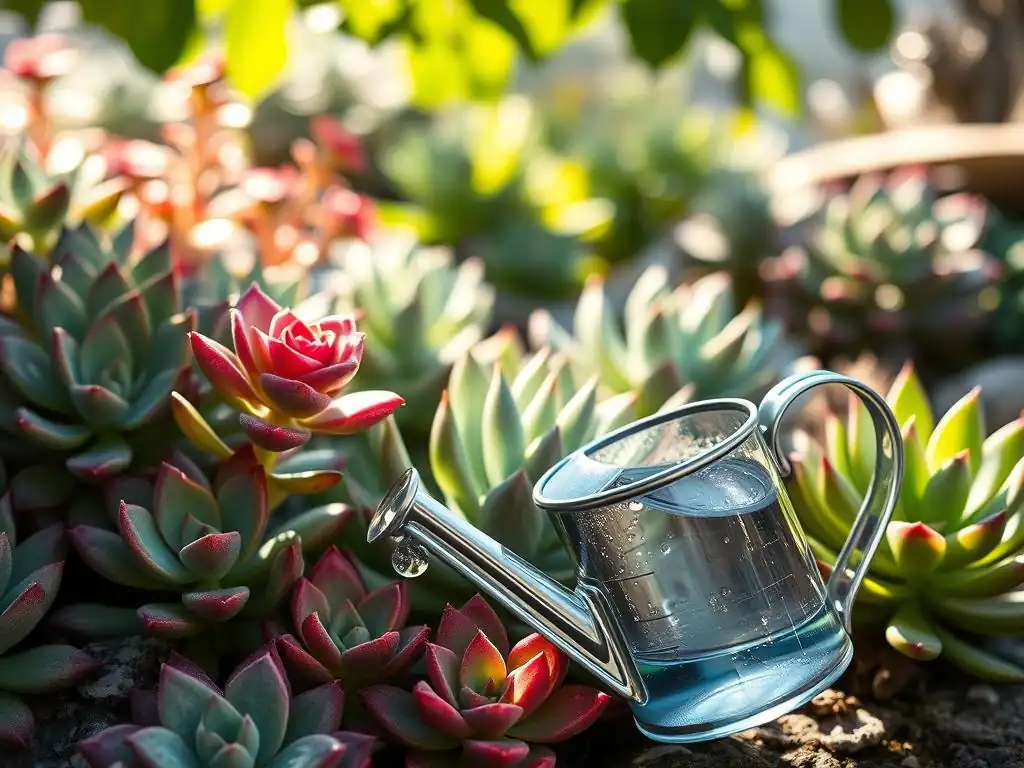
Welcome to SucculentEssentials.org, your gateway to the fascinating world of succulents! Are you ready to unlock the secrets to thriving succulents, even in challenging conditions? We'll guide you through the intricacies of succulent care, from propagation techniques to stunning design ideas. But first, let's tackle a common question: how do you perfectly water succulents in shady spots? Discover the essential watering techniques for shade-loving succulents and ensure your collection flourishes. Dive in and explore the Fundamentals of Succulent Care – your journey to succulent mastery begins now!
- Understanding Watering Needs of Shade-Loving Succulents
- Adjusting Your Watering Schedule for Shady Conditions
- Optimal Watering Techniques for Shade-Grown Succulents
- Choosing the Right Potting Mix for Shade-Tolerant Succulents
- Preventing Root Rot in Shady Succulents
- Troubleshooting Common Watering Issues in Shady Spots
- Maintaining Healthy Succulents in Shady Areas: Long-Term Care
- Frequently Asked Questions
- Final Reflection: Thriving in the Shadows: Nurturing Succulents Beyond the Sun
- Unleash Your Shady Succulents' Full Potential!
Understanding Watering Needs of Shade-Loving Succulents
Succulents, renowned for their drought tolerance, often thrive in sunny environments. However, many succulent varieties can also adapt to shadier conditions, albeit with some adjustments to their care routine. This article delves into the nuances of watering succulents that reside in less sunny locations, focusing on the unique challenges and best practices for maintaining their health and vibrancy.
We'll explore how light levels influence watering frequency, and how to accurately identify signs of both underwatering and overwatering in shade-dwelling succulents, equipping you with the knowledge to provide optimal care for your plants regardless of their environment. Mastering the art of watering succulents in shade conditions is key to cultivating a thriving collection, ensuring your plants flourish even in less-than-ideal sunlight exposure.
This guide is essential for anyone looking to expand their succulent collection to include shade-tolerant varieties or for those who have succulents growing in naturally shaded areas of their gardens or homes. Proper watering techniques are critical for preventing common succulent problems like root rot and wilting, ultimately leading to healthier and more beautiful plants.
Light Levels and Their Impact on Succulent Watering
The intensity of sunlight significantly impacts a succulent's water requirements. Succulents in full sun typically require more frequent watering because the intense sunlight accelerates evaporation from the soil and the plant itself. However, succulents grown in shade or partial shade will need less frequent watering. The slower rate of evaporation means the soil remains moist for longer periods. Overwatering in shady conditions is a common mistake, leading to root rot and other issues.
To determine the appropriate watering schedule, consider these factors:
- Type of Shade: Deep shade (little to no direct sunlight) requires less frequent watering compared to partial shade (filtered sunlight for part of the day).
- Potting Mix: A well-draining potting mix is crucial for succulents regardless of their location. A mix that retains too much moisture can lead to problems in shade, where evaporation is slower.
- Pot Size and Material: Smaller pots dry out faster than larger ones. Terracotta pots are more porous than plastic, leading to faster drying.
- Ambient Temperature and Humidity: Higher temperatures and humidity increase the rate of evaporation, potentially requiring more frequent watering, even in shade.
Remember, it's always better to underwater than overwater. Always check the soil moisture before watering; if the top inch or two of soil is dry to the touch, then it's time to water.
Identifying Signs of Underwatering and Overwatering in Shady Succulents
Recognizing the signs of both underwatering and overwatering is crucial for maintaining healthy succulents in shade. These symptoms can differ slightly from those observed in full-sun succulents.
Signs of Underwatering:
- Wrinkling or Shrinking Leaves: This is a clear indication that the succulent is dehydrated.
- Drooping Leaves: While drooping can also indicate overwatering, in shady conditions, it's more likely a sign of underwatering, especially if the soil is dry.
- Dry, Brittle Soil: This is a straightforward indicator that the plant needs water.
- Slow or Stunted Growth: Underwatering restricts the plant's ability to absorb nutrients and grow.
Signs of Overwatering:
- Soft, Mushy Leaves: This is a major warning sign of root rot.
- Yellowing or Browning Leaves: Especially at the base of the plant, this can indicate excess moisture.
- Soggy Soil: The soil should never remain consistently wet.
- Foul Odor from the Soil: This usually indicates rotting roots.
- Presence of Pests and Diseases: Excess moisture creates a favorable environment for pests and diseases.
By carefully observing your succulents and understanding their watering needs based on their light exposure, you can ensure they thrive even in shadier locations. Remember, prevention is key; attentive monitoring and proper watering techniques will safeguard your shade-loving succulents from common issues and allow them to flourish.
Adjusting Your Watering Schedule for Shady Conditions
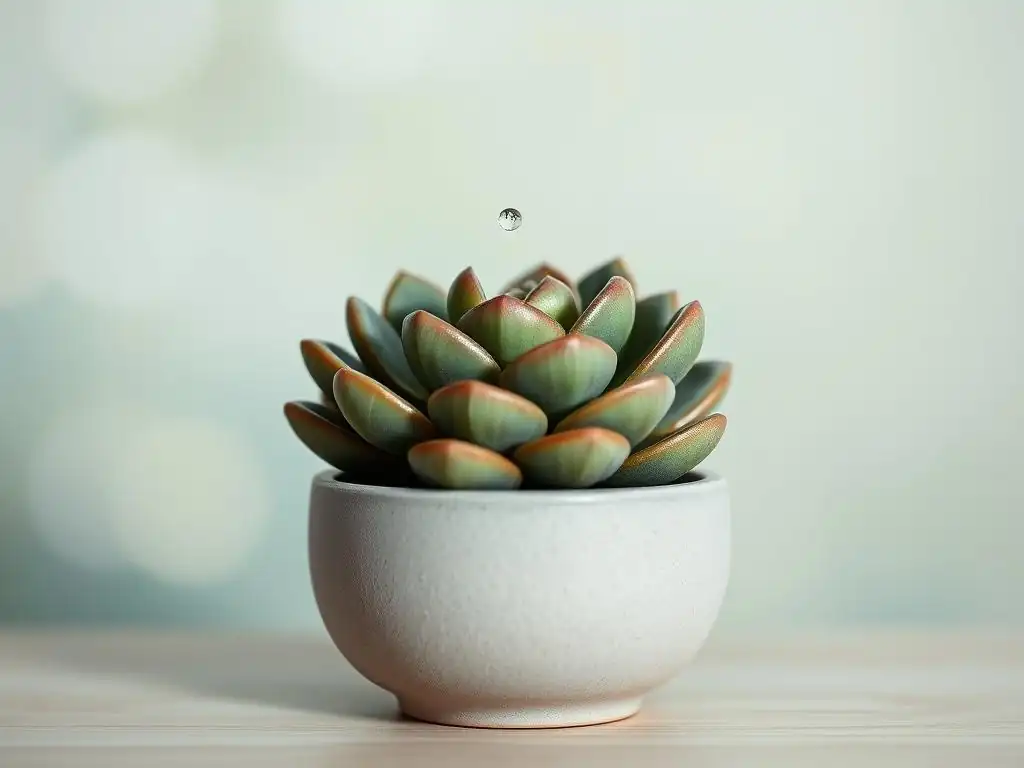
Succulents, renowned for their drought tolerance, require a modified watering approach when grown in shady conditions. The reduced sunlight significantly impacts their metabolic rate, slowing down water absorption and usage. This means that you'll need to adjust your watering schedule to prevent both overwatering and underwatering, which are equally detrimental to your plants' health. The key is to become intimately familiar with your specific succulents and their environment.
Remember that factors like pot size, soil type, and ambient temperature all play a role in how frequently your shady succulents need a drink. Overwatering is a far more common problem for succulents in shade than underwatering, as the slower evaporation rate increases the risk of root rot. Therefore, err on the side of caution and water less frequently than you might under full sun conditions. This careful approach will ensure the longevity and vibrancy of your shade-loving succulents.
Watering Frequency: A Guide for Succulents in Shade
The frequency of watering succulents in shady areas is significantly less than those in full sun. While a general rule of thumb is difficult to establish due to the many variables involved (pot size, soil type, ambient temperature and humidity, succulent species), a good starting point is to water only when the soil is completely dry. This often translates to watering every 2-3 weeks during the growing season (spring and summer) and even less frequently during dormancy (fall and winter). However, this is just a guideline.
To illustrate, consider the difference between a small Echeveria in a terracotta pot and a large Agave in a plastic container. The terracotta pot will dry out much faster than the plastic one, requiring more frequent watering. Similarly, the smaller Echeveria will use water more quickly than the larger Agave. Always check the soil moisture before watering, regardless of your schedule.
| Succulent Type | Pot Material | Approximate Watering Frequency (Growing Season) |
|---|---|---|
| Small Echeveria | Terracotta | Every 1-2 weeks |
| Large Agave | Plastic | Every 2-3 weeks |
| String of Pearls | Ceramic | Every 1-2 weeks |
| Sedum morganianum | Terracotta | Every 1.5-2 weeks |
Remember, it's better to underwater than overwater your succulents. Overwatering in shade can lead to root rot, a serious and often fatal condition.
Assessing Soil Moisture: The Key to Proper Watering
Proper watering of succulents in shade hinges on accurately assessing soil moisture. Avoid watering based solely on a schedule; instead, rely on a hands-on approach. Stick your finger about an inch or two into the soil. If the soil feels completely dry, it’s time to water. If it feels even slightly moist, wait a few more days.
Another method involves using a moisture meter. These inexpensive tools are readily available and provide a numerical reading of the soil's moisture content. However, even with a moisture meter, it's crucial to understand that the reading can vary depending on the type of soil and the location within the pot.
Don't rely solely on visual cues. The top layer of soil may appear dry while the lower layers remain moist, especially in larger pots. Therefore, the finger test remains the most reliable method for determining the need for watering. Consistent monitoring and adjustment based on your observations are key to success.
Recognizing the Signs of Thirsty Succulents in Low-Light Environments
In shady conditions, recognizing the signs of underwatering can be more challenging than in full sun. Wilting is a common indicator, but in shady succulents, this might be less pronounced or delayed compared to their sun-drenched counterparts. Instead, look for subtle changes:
- Slightly shriveled leaves: A subtle loss of turgor pressure in the leaves is an early warning sign. The leaves will appear slightly less plump and firm than usual.
- Change in leaf color: Some succulents might exhibit a slightly paler or duller color when thirsty.
- Slow or stunted growth: A significant reduction in growth rate can indicate insufficient watering.
It's important to note that these signs can be subtle, and it’s best to check the soil moisture regularly to avoid reaching a critical point of dehydration. Remember, prevention is better than cure. Regular monitoring and prompt watering when necessary will ensure your succulents thrive even in less-than-ideal lighting conditions.
Optimal Watering Techniques for Shade-Grown Succulents
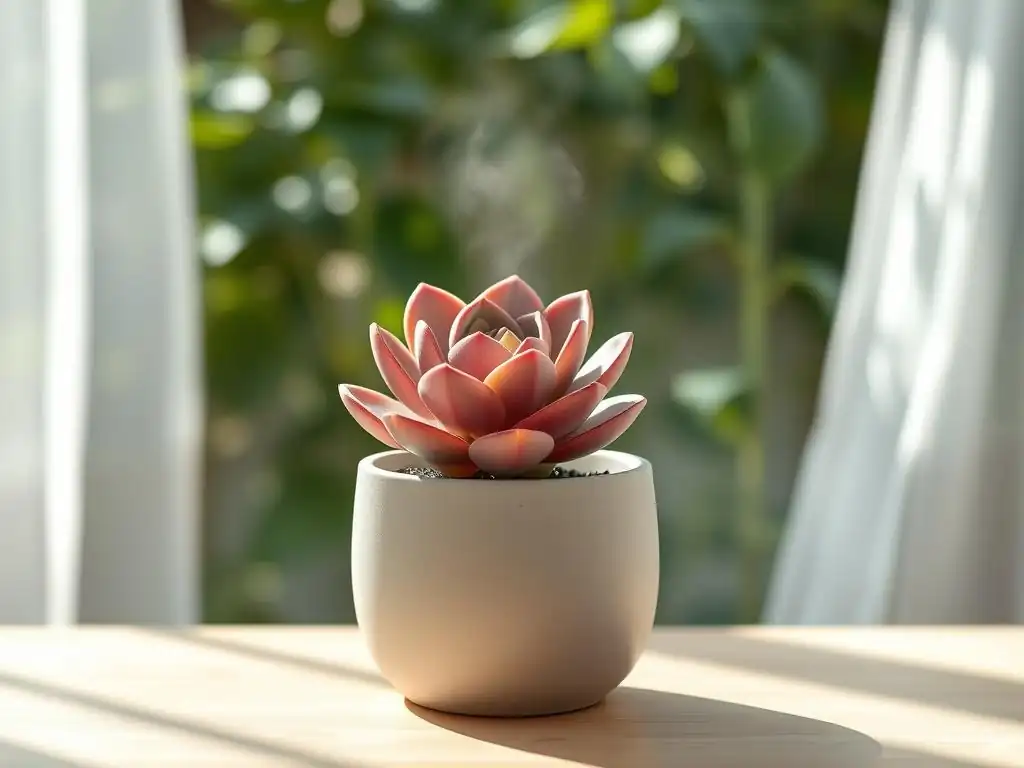
Succulents, renowned for their drought tolerance, require a nuanced approach to watering, especially when grown in shady conditions. Reduced sunlight significantly impacts their water uptake and metabolic processes, necessitating adjustments to your watering routine. Understanding these changes is crucial to prevent overwatering, a common culprit in succulent demise, particularly in less sunny environments. This section details the best methods for keeping your shade-loving succulents thriving, focusing on techniques that minimize the risk of root rot while ensuring adequate hydration.
We'll explore bottom watering, top watering, and the importance of proper drainage and potting mix selection for optimal results. Remember, the key to success is observation – learn to recognize the signs of thirst and adjust your watering schedule accordingly. Overwatering in shade conditions is more likely than underwatering, so err on the side of caution.
Bottom Watering: A Gentle Approach for Shady Succulents
Bottom watering is a highly recommended technique for succulents, especially those residing in shady locations. This method allows the soil to absorb water gradually, reducing the risk of surface runoff and ensuring even moisture distribution. It's particularly beneficial for succulents in well-draining soil, as it prevents water from accumulating around the crown of the plant, a common cause of rot.
To bottom water, place the succulent pot in a tray filled with a few inches of water. Allow the pot to sit in the water for 30-60 minutes, or until the top inch of soil feels moist to the touch. Then, remove the pot from the tray and allow any excess water to drain completely.
Avoid leaving the pot sitting in water for prolonged periods, as this can lead to root rot even with excellent drainage. The frequency of bottom watering will depend on factors such as the size of the pot, the type of succulent, and the ambient temperature. In shadier areas, you may find you need to water less frequently than those in full sun.
Remember to monitor your succulents closely. The best indicator of when to bottom water is the dryness of the soil. Feel the soil; if it's dry to the touch an inch or so below the surface, it's time for a bottom watering session.
Top Watering: When and How to Water from Above
While bottom watering is preferred for shade-grown succulents, top watering can be a viable option under certain circumstances. It is particularly useful for plants in smaller pots or those with extremely well-draining soil. However, top watering requires more caution in shady environments due to the slower evaporation rate. Excess moisture lingers longer, increasing the risk of root rot.
When top watering, apply water gently and slowly, ensuring the water reaches the soil thoroughly. Avoid getting water on the leaves, especially during the cooler, damper months, as this can encourage fungal diseases. Water until you see a small amount of drainage from the drainage holes. This confirms that the soil is saturated, but not waterlogged. Always allow the soil to dry out completely between waterings. The frequency of top watering, just like bottom watering, will depend on environmental factors and the specific needs of your succulents. Remember: less is often more, especially in shade.
Utilizing Drainage and Potting Mix for Shade Succulents
The success of any watering technique hinges on the proper drainage and potting mix. Well-draining soil is paramount for succulents, regardless of their location, but it's even more critical for those in shade. Poor drainage exacerbates the risk of overwatering, leading to root rot and ultimately, plant death.
A suitable potting mix for shade-grown succulents should be porous and fast-draining. A blend of cactus and succulent potting mix, perlite, and coarse sand is ideal. Avoid using garden soil, as it retains too much moisture and lacks the necessary aeration. The ideal mix will allow water to pass through freely, preventing waterlogging.
Additionally, ensure your pots have adequate drainage holes to facilitate proper water flow. Choosing the correct pot and soil is as vital as the actual watering method itself. Remember to repot your succulents as needed to maintain optimal drainage and soil health. Regularly inspecting the drainage holes in your pots for blockages is also a good preventative measure.
Choosing the Right Potting Mix for Shade-Tolerant Succulents
Selecting the appropriate potting mix is crucial for the success of your succulents, especially those residing in shadier environments. Watering succulents in shade conditions requires a substrate that facilitates excellent drainage and aeration, preventing the dreaded root rot that often plagues succulents in poorly draining soil. Remember, even shade-tolerant succulents are still susceptible to overwatering.
Essential Ingredients for a Well-Draining Mix
A well-balanced potting mix for shade succulents should prioritize drainage and aeration. Avoid using garden soil, which retains too much moisture. Instead, opt for a blend that includes several key components:
- Inorganic Materials: These form the backbone of your succulent mix, promoting drainage. Examples include:
- Perlite: This volcanic glass adds excellent aeration and drainage. Aim for a ratio of around 30-50% perlite in your overall mix.
- Pumice: Similar to perlite, pumice offers excellent drainage and aeration. It also provides some nutrients.
- Coarse Sand: Use horticultural sand, not beach sand, as beach sand can contain salt that's harmful to succulents. A smaller percentage (10-20%) is sufficient.
- Organic Matter (in moderation): A small amount of organic matter can enhance water retention slightly, but it's crucial to keep it minimal to avoid overly moist conditions. Consider:
- Coco Coir: This provides some moisture retention and organic matter, but use sparingly (5-10%).
- Well-rotted Compost: Use only a small amount to avoid compaction and increase drainage.
The ideal ratio will depend on your specific climate and the type of succulents you are growing. Experiment to find the perfect balance for your needs. A good starting point might be a 50/30/10/10 ratio of perlite, pumice, coco coir, and coarse sand. Always ensure the mix is well-mixed before potting. Remember, a slightly drier mix is preferable to a soggy one, especially when watering succulents under shade conditions.
Avoiding Soggy Soil: The Importance of Aeration
Aeration is just as vital as drainage when it comes to preventing root rot in succulents, particularly in less sunny environments. Poorly aerated soil hinders oxygen flow to the roots, leading to root rot and potentially the death of your plants. The inorganic components mentioned above (perlite, pumice, and coarse sand) play a significant role in improving aeration. They create spaces within the soil matrix, allowing for better air circulation around the roots.
This is especially critical when watering succulents in shade. In shaded areas, the soil tends to dry out more slowly than in full sun. Therefore, good aeration becomes even more important to prevent the roots from sitting in consistently damp conditions. Consider the pot type as well; terracotta pots are more porous and allow for better evaporation, improving aeration indirectly.
Avoid using plastic pots unless you are meticulous with your watering schedule and pay close attention to signs of overwatering. The combination of proper potting mix and appropriate pot selection is key to successful succulent cultivation, even in challenging shade conditions. Regularly checking the soil moisture before watering is crucial to avoid overwatering and maintain a healthy root system.
Preventing Root Rot in Shady Succulents
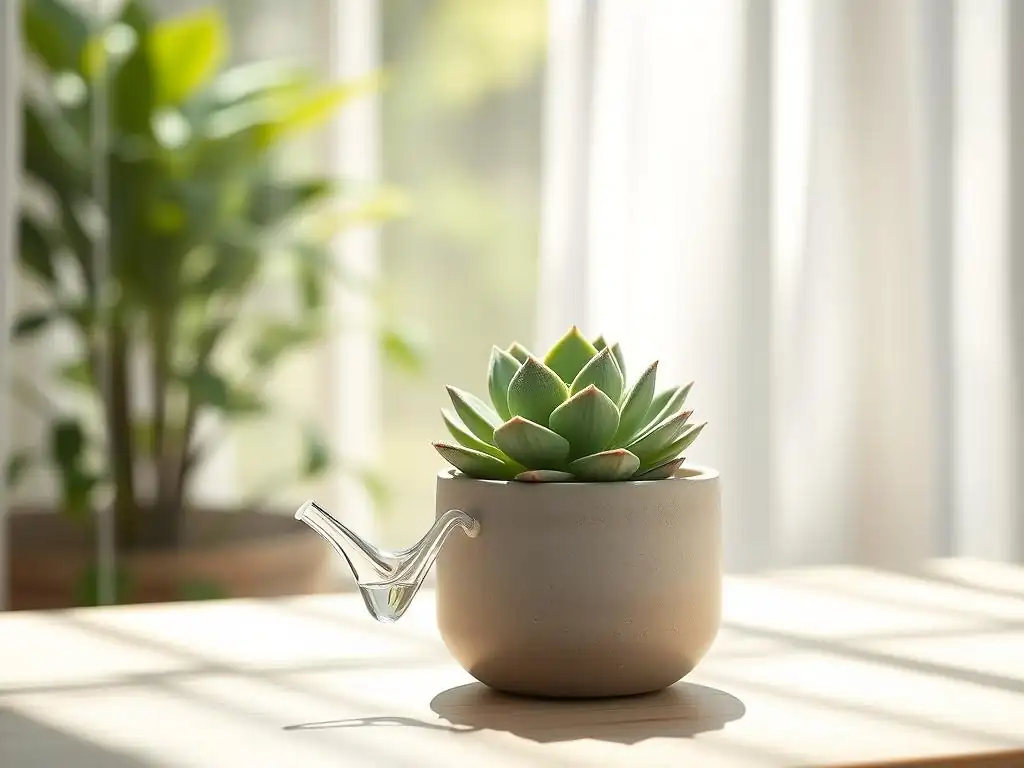
Succulents, renowned for their drought tolerance, can still succumb to root rot, especially when grown in shady conditions. Reduced sunlight leads to slower water absorption and increased susceptibility to fungal diseases. Proper watering techniques are crucial for preventing this common problem and ensuring the health of your succulents in less-than-ideal light situations. Understanding the nuances of watering succulents in shade is key to their long-term survival and thriving.
This section focuses on proactive measures to avoid root rot, a devastating condition that can quickly kill your beloved plants. We'll explore how to adjust your watering schedule and techniques to accommodate the specific needs of shade-dwelling succulents. Remember, prevention is always better than cure when it comes to root rot.
Recognizing and Addressing Root Rot Symptoms
Root rot, caused primarily by Phytophthora and Pythium fungi, manifests in several ways. Early signs are often subtle, making early detection crucial for successful treatment. Look out for these key indicators:
- Soft, mushy leaves: A telltale sign of root rot is the development of soft, mushy, and often discolored leaves. This indicates that the roots are no longer functioning properly, leading to a breakdown of the plant's tissues. The leaves may also appear waterlogged and fall off easily.
- Wilting despite watering: Ironically, even with regular watering, a succulent suffering from root rot might appear wilted and dehydrated. This happens because the damaged roots are unable to absorb water, even if it's readily available. The plant is essentially thirsty despite being watered.
- Unpleasant odor: Severely affected succulents can emit a foul, often putrid odor. This is a clear indication of advanced root rot and significant fungal activity within the plant's root system.
- Discolored roots: If you carefully remove the plant from its pot, you can inspect the roots. Healthy roots should be firm and light-colored (often whitish or light brown). Rotten roots will be dark brown or black, mushy, and may easily separate from the plant.
Addressing root rot requires prompt action. If you suspect root rot, carefully remove the plant from its pot. Gently rinse the roots to remove excess soil and carefully trim away any affected, mushy roots using sterilized scissors or a knife. Repot the succulent in fresh, well-draining soil, ensuring the pot has adequate drainage holes. Reduce watering frequency significantly, allowing the soil to dry out completely between waterings. In severe cases, propagation from healthy cuttings might be necessary to salvage the plant. Remember, early intervention is key to successful treatment and preventing further spread of the disease.
Tips for Preventing Root Rot in Low-Light Conditions
Preventing root rot in shade-dwelling succulents requires a multi-pronged approach. The following tips will help you maintain healthy, thriving plants even in low-light environments:
- Well-draining soil: Use a well-draining potting mix specifically formulated for succulents and cacti. Avoid using garden soil, which tends to retain too much moisture. A mix of coarse sand, perlite, and succulent potting mix is ideal.
- Pot selection: Choose pots with ample drainage holes to prevent waterlogging. Terracotta pots are excellent as they allow for better air circulation and evaporation.
- Watering schedule: Adjust your watering schedule based on the specific needs of the plant and the environmental conditions. In shady conditions, succulents will require less frequent watering than those in full sun. Always allow the soil to dry out completely between waterings. Check the moisture level by inserting your finger a couple of inches into the soil; if it's dry, it's time to water.
- Bottom watering: Consider bottom watering, where you place the pot in a tray of water and allow the soil to absorb moisture from the bottom up. This method helps prevent water from accumulating on the leaves and crown of the plant, reducing the risk of rot.
- Air circulation: Ensure adequate air circulation around your plants to prevent humidity buildup, which can promote fungal growth. Avoid overcrowding your succulents.
- Careful monitoring: Regularly inspect your succulents for any signs of root rot. Early detection and intervention are crucial for preventing serious damage.
By implementing these preventative measures, you can significantly reduce the risk of root rot and ensure the long-term health and beauty of your shade-loving succulents. Remember, attentive care and understanding the unique needs of your plants in different light conditions are key to successful succulent cultivation. Careful observation and proactive measures are vital in preventing and managing this common succulent ailment, allowing you to enjoy your collection for years to come.
Troubleshooting Common Watering Issues in Shady Spots
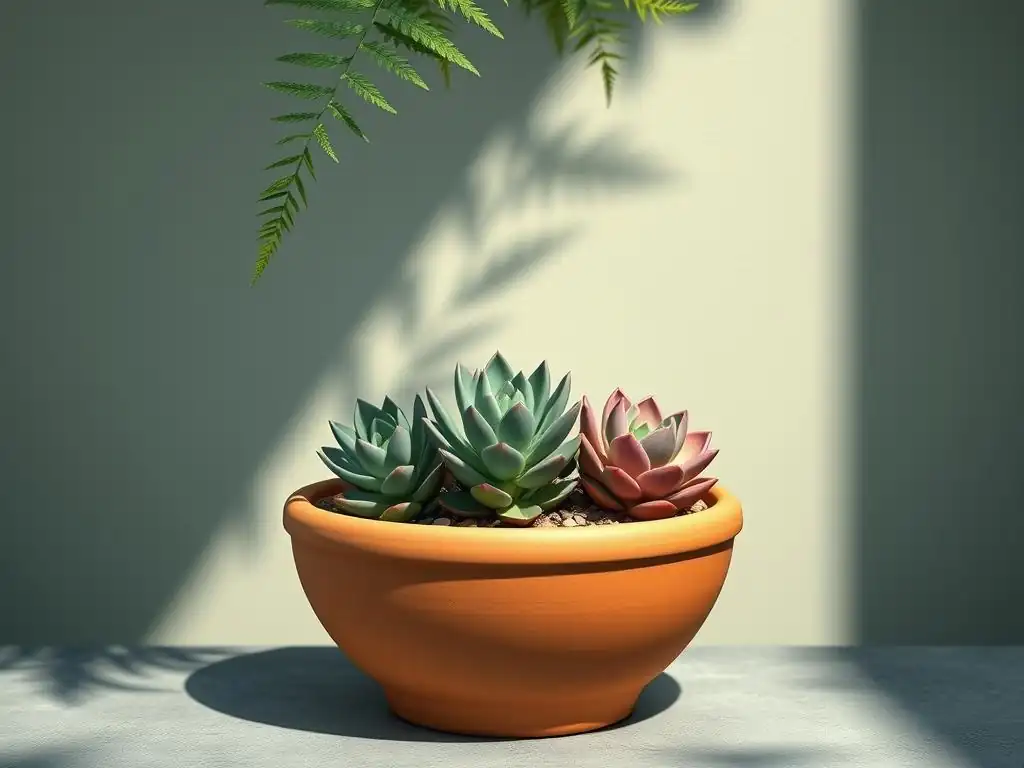
Succulents, renowned for their drought tolerance, present unique challenges when grown in shady conditions. Reduced sunlight impacts their water uptake and overall metabolism, leading to specific watering issues that require careful attention. Understanding these nuances is crucial for maintaining the health and vibrancy of your shade-dwelling succulents. This section will delve into common problems and provide practical solutions to ensure your plants thrive even in less-than-ideal lighting. Proper watering succulents shade conditions is key to success.
Dealing with Overwatering in Shade-Grown Succulents
Overwatering is a prevalent problem for succulents, especially those in shady areas. Reduced sunlight slows down the rate of transpiration – the process where plants release water vapor through their leaves. This means that the soil remains moist for longer periods, increasing the risk of root rot. The symptoms of overwatering in shade-grown succulents are often subtle but significant.
Here's a breakdown of the signs and how to address them:
- Yellowing or browning leaves: This is often one of the first visible signs. Leaves may become mushy or soft to the touch.
- Leaf drop: The plant may start shedding leaves in an attempt to conserve water.
- Stem rot: The base of the stem might become dark, soft, and mushy, indicating serious root damage.
- Fungal growth: In consistently damp conditions, fungal infections can quickly develop, leading to further damage and potentially killing the plant.
To tackle overwatering, consider these steps:
- Improve drainage: Ensure your succulent's pot has adequate drainage holes. Repotting into a well-draining potting mix specifically formulated for succulents is crucial. A mix of cactus potting soil and perlite or pumice is ideal.
- Reduce watering frequency: Water only when the soil is completely dry, checking the moisture level with your finger before watering. In shady conditions, this may mean watering less frequently than succulents in full sun.
- Air circulation: Good air circulation helps the soil dry out faster. Avoid overcrowding plants and ensure adequate spacing between them.
- Remove affected parts: If you notice signs of rot, carefully remove the affected parts using sterilized tools. This can help prevent the spread of infection.
- Fungicide (if necessary): In cases of severe fungal infections, a fungicide specifically designed for succulents may be necessary.
Remember, prevention is key. Choosing the right pot and soil, and adapting your watering schedule to the plant's environment, will significantly reduce the risk of overwatering your shade-loving succulents. Observing your plants carefully and reacting promptly to any signs of distress is also vital for maintaining their health.
Addressing Underwatering Issues in Low-Light Environments
While overwatering is a common concern, underwatering can also negatively affect succulents in shady locations. Although they are drought-tolerant, succulents in shade still require water, albeit less frequently than their sun-drenched counterparts. Underwatering can lead to stress, stunted growth, and even death.
Signs of underwatering in shade-grown succulents include:
- Shrunken or wrinkled leaves: The leaves will appear deflated and lack turgor pressure.
- Dry, brittle leaves: Leaves may become crisp and easily break off.
- Stunted growth: The plant may stop growing or exhibit slow growth.
- Color changes: Leaves might take on a pale or dull appearance.
Addressing underwatering involves gradually increasing watering frequency while monitoring the soil moisture. Here's how:
- Check soil moisture regularly: Use your finger to check the soil's dryness before watering. Water thoroughly when the top inch or two of soil feels completely dry.
- Adjust watering schedule: Gradually increase watering frequency, but avoid overwatering. The goal is to provide enough water to keep the soil lightly moist without making it soggy.
- Deep watering: When you do water, ensure the water penetrates the entire root zone. This is especially important in larger pots or containers.
- Monitor plant response: Observe your succulents closely after watering to assess their response. If the leaves remain shriveled even after watering, you may need to adjust your approach.
- Avoid extreme temperature fluctuations: Shade often means less exposure to temperature extremes, but sudden changes can still stress succulents and impact their water needs.
By carefully monitoring your succulents and responding appropriately to their needs, you can successfully cultivate these beautiful plants even in shady areas. Remember, adapting your watering techniques to the specific light conditions is crucial for the overall health and flourishing of your succulent collection. Consistent observation and a flexible approach to watering are key to success in watering succulents shade conditions.
Maintaining Healthy Succulents in Shady Areas: Long-Term Care
Succulents, famed for their drought tolerance, can thrive even in less-than-ideal sunny conditions. However, watering succulents in shade conditions requires a nuanced approach. Understanding their specific needs in lower-light environments is crucial for long-term health and vibrancy. Simply reducing watering frequency isn't enough; you need to adapt your entire care regimen.
This section will guide you through the essential long-term care strategies for keeping your succulents flourishing in shady spots, focusing on optimal watering practices. Remember, even in shade, succulents still need water, just less frequently and in different ways than their sun-drenched counterparts. Overwatering remains a significant threat, even in shady areas.
Year-Round Watering Schedule for Shade Succulents
A consistent watering schedule is paramount for succulents, regardless of their location. However, the frequency varies significantly with the seasons. In shady areas, evaporation is slower, meaning the soil retains moisture for longer periods. This necessitates a less frequent watering schedule compared to succulents in full sun.
Here's a sample year-round schedule, but remember to always check the soil moisture before watering:
| Season | Watering Frequency (Approximate) | Soil Moisture Check Method | Additional Notes |
|---|---|---|---|
| Spring | Every 10-14 days | Finger test (1 inch deep) | Increase frequency if experiencing unusually warm weather. |
| Summer | Every 7-10 days | Finger test (1 inch deep) | Monitor for increased evaporation due to higher humidity. |
| Autumn | Every 14-21 days | Finger test (1 inch deep) | Reduce frequency gradually as temperatures drop. |
| Winter | Every 21-30 days or less | Finger test (1 inch deep) | Water only when the soil is completely dry. |
Remember that these are guidelines. The actual watering frequency depends on factors like pot size, soil type, plant species, and ambient humidity. Always prioritize checking the soil moisture before watering. A consistently damp soil is a recipe for root rot, even in shade. The "finger test" – inserting your finger about an inch into the soil – is a reliable method to determine dryness.
Adapting Watering Strategies Based on Seasonal Changes
Seasonal changes dramatically impact the water requirements of shade-dwelling succulents. Understanding these variations is key to successful cultivation.
Spring: As temperatures rise and growth resumes, gradually increase watering frequency. Start with less frequent watering and increase as needed, based on soil moisture checks. The increased light and warmth will stimulate growth, leading to higher water consumption. Look out for signs of new growth – a sure indicator that your succulents are actively using water.
Summer: Summer in shady areas can bring higher humidity levels, which can slow down soil drying. Maintain a careful balance; overwatering is more likely in this season due to slower evaporation. A well-draining potting mix is crucial to prevent waterlogging. Consider providing better air circulation around your plants to facilitate faster drying.
Autumn: As temperatures cool down, decrease watering frequency. The growth rate slows, and the plants require less water. Overwatering in autumn can lead to weakened plants entering the winter vulnerable to rot. Reduce the amount of water per watering session as well, ensuring the soil doesn't remain saturated.
Winter: Winter is the dormant period for most succulents. Watering should be minimal, ideally only when the soil is completely dry. Overwatering during winter is the most common cause of succulent death, especially in shady areas where the soil dries more slowly. Avoid overhead watering during winter to prevent fungal diseases which can thrive in damp conditions. Let the soil dry out completely between waterings, and monitor for any signs of rot or disease. Remember, "less is more" during the winter months. 🪴
Frequently Asked Questions
How often should I water succulents in shade?
Less frequently than those in full sun. Well-draining soil is crucial. Wait until the soil is completely dry before watering again.
Do succulents in shade need less water than those in sun?
Yes, significantly less. Shade reduces evaporation, so the soil stays moist longer. Overwatering is a common problem for shaded succulents.
What are the signs of underwatering vs. overwatering succulents in shade?
Underwatering shows as shriveled leaves; overwatering causes root rot and mushy leaves. Pay close attention to the soil's moisture level.
What type of soil is best for succulents in shady conditions?
Use a well-draining potting mix specifically formulated for succulents and cacti. Avoid heavy clay soils that retain too much moisture.
Can all succulent varieties thrive in shady conditions?
No, many succulents prefer full sun or partial sun. Research the specific light requirements of your succulent variety before placing it in a shady spot. Some varieties tolerate shade better than others.
Final Reflection: Thriving in the Shadows: Nurturing Succulents Beyond the Sun
The art of succulent cultivation extends far beyond the sun-drenched landscapes often depicted. Successfully nurturing these resilient plants in shady conditions requires a nuanced understanding of their water needs, a delicate balance that ensures their continued health and vibrancy. This understanding, crucial for both seasoned gardeners and enthusiastic beginners, is vital in a world increasingly focused on sustainable and adaptable gardening practices.
The journey of learning to water succulents in shade has been a fascinating exploration of adaptation and resilience, mirroring our own human capacity to thrive in challenging environments. The best way to predict the future is to create it,
a quote often attributed to Abraham Lincoln, perfectly encapsulates the proactive approach needed when caring for succulents in less-than-ideal conditions. By understanding their specific needs, we empower these plants to flourish, a testament to the power of careful observation and mindful action. This mirrors our own lives; understanding our limitations and adapting our strategies allows us to overcome challenges and achieve our goals.
Now, consider your own "shady spots"—those areas of your life where challenges seem to persist. Perhaps it's a difficult relationship, a demanding career, or a personal goal that feels elusive. Just as we've learned to nurture succulents in shade, apply the principles of careful observation, mindful action, and patient adaptation to your own life. Embrace the challenges, understand their nuances, and find the unique approach that allows you to thrive, even in the shadows. The resilience of the succulent serves as a powerful reminder of our own inner strength and capacity for growth.
Unleash Your Shady Succulents' Full Potential!
Thank you for learning about the best watering techniques for your shade-loving succulents! We hope you feel confident in nurturing these unique plants. Ready to put your new knowledge into practice?
- Tailor your watering: Remember those crucial tips on soil moisture and watering frequency? Put them to the test and observe your plants' response.
- Share your experiences: Share your successes (or challenges!) with fellow plant enthusiasts in the comments below. Let's learn together!
- Experiment with different watering methods: Consider a drip system or self-watering pot to optimize your watering routine.
What exciting growth will you see in your shady succulents this week?