
Scale Insect Secrets: Unmasking and Removing Scale from Your Beloved Succulents

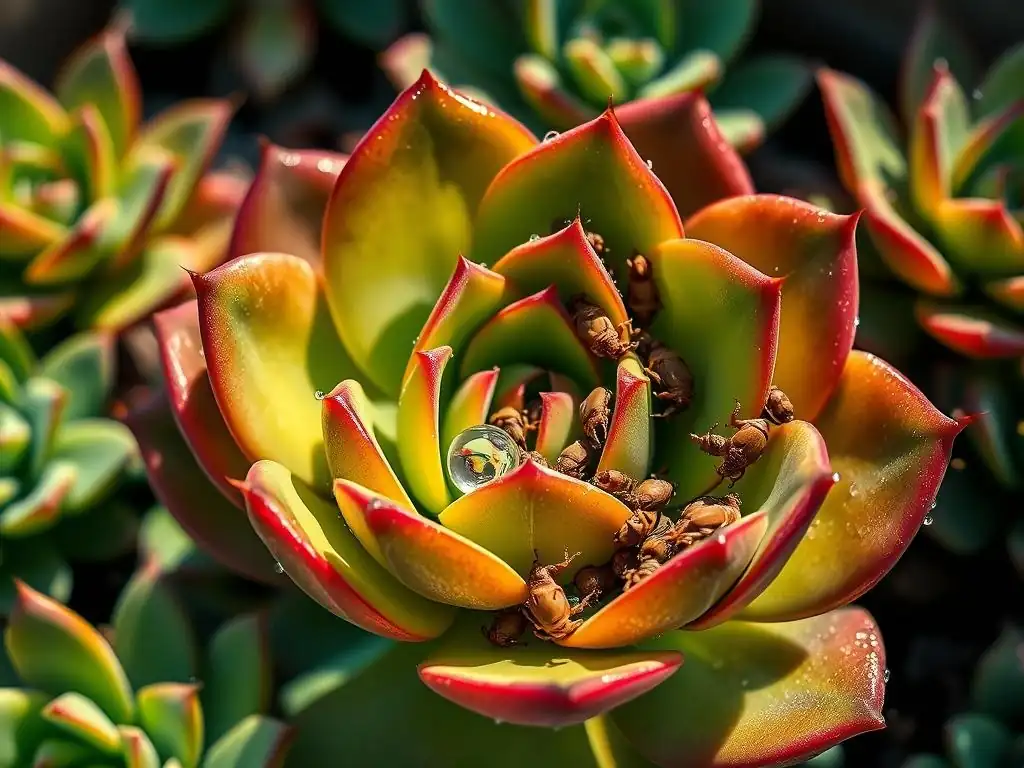
Welcome to SucculentEssentials.org, where the fascinating world of succulents unfolds! Are you ready to unlock the secrets to cultivating thriving, vibrant succulents? We delve into every aspect of succulent care, from basic propagation to advanced techniques. But first, let's tackle a common nemesis: learn how to effectively remove succulent scale insects and safeguard your precious collection. Discover the surprising solutions within our essential guide and embark on a journey to succulent mastery!
- Identifying Scale Insects on Succulents: Early Detection is Key
- Understanding the Life Cycle of Scale Insects: Knowing Your Enemy
- Effective Methods to Remove Succulent Scale Insects: Treatment Strategies
- Preventing Future Scale Infestations: Proactive Measures
- Natural Remedies for Scale Insects on Succulents: Eco-Friendly Solutions
- When to Seek Professional Help: Recognizing the Need for Expert Intervention
- Frequently Asked Questions
- Final Reflection: The Enduring Battle Against Succulent Scale
- Unmask Your Succulents' Full Potential!
Identifying Scale Insects on Succulents: Early Detection is Key
Succulents, with their charming resilience and diverse forms, are a joy to cultivate. However, even the hardiest desert dwellers aren't immune to pests. Among the most insidious threats to your beloved succulents are scale insects – tiny, often camouflaged creatures that can silently sap the life from your plants. This comprehensive guide will equip you with the knowledge and techniques to identify, combat, and ultimately remove succulent scale insects, ensuring the continued health and vibrancy of your collection.
We'll delve into recognizing different scale insect types, differentiating them from other potential problems, and performing thorough inspections to catch infestations early. Early detection is crucial for effective treatment and preventing widespread damage, so let's get started on safeguarding your succulent treasures! 🪴
Recognizing Common Scale Insect Types on Succulents
Scale insects are incredibly diverse, with many species capable of infesting succulents. Identifying the specific type isn't always necessary for treatment, but understanding their general appearance aids in early detection. Common types you might encounter include:
- Soft Scales: These appear as soft, often flat, bumps on the plant's stems and leaves. They may be white, gray, brown, or black, and can sometimes have a waxy or cottony covering. They're often less noticeable than armored scales.
- Armored Scales: These are harder, more protective, and typically more visible than soft scales. They often have a hard, shell-like covering that can be brown, gray, or black. They're firmly attached to the plant and can be difficult to remove.
- Root Mealybugs: While technically mealybugs (a close relative of scale), these insects live in the soil and feed on the succulent's roots. They are small, white, and cottony, and their presence often leads to wilting and stunted growth. Their infestation is harder to detect than above-ground scale.
Identifying these subtle signs early is key to preventing a larger infestation. Remember, even a few scale insects can quickly multiply, leading to significant damage.
Distinguishing Scale Insects from Other Succulent Problems
It's important to distinguish scale insects from other issues that can affect the appearance of your succulents. Sometimes, what looks like a scale infestation might actually be something else entirely. For example:
- Natural markings: Some succulents have natural bumps, spots, or discolorations that can easily be mistaken for scale. Careful observation is key; scale insects often cluster together, while natural markings are usually more evenly distributed.
- Fungal infections: Fungal diseases can cause spots, discoloration, and lesions that may resemble scale. However, unlike scale, fungal infections often present with a more diffuse appearance and may be accompanied by other symptoms like leaf rot or wilting.
- Sunburn: Sunburned succulents can develop discolored patches or lesions that could be confused with scale. Sunburn usually affects exposed areas of the plant, while scale infestations can occur on any part.
A magnifying glass can be incredibly helpful in distinguishing scale insects from these other issues. Look for the tiny insects themselves, their characteristic shape, and their feeding activity.
Checking for Scale Infestation: A Comprehensive Inspection Guide
Regular inspections are vital for early detection and effective control of scale insects. Here's a step-by-step guide to perform a thorough examination:
- Visual Inspection: Carefully examine every part of your succulent, including stems, leaves, and the soil surface. Pay close attention to crevices and areas where insects might hide. Use a magnifying glass for a closer look. 🔎
- Check for Sooty Mold: Scale insects secrete honeydew, a sticky substance that can attract sooty mold – a black, fungal growth. The presence of sooty mold is a strong indicator of a scale infestation.
- Feel the Plant: Gently touch the leaves and stems. If you feel any bumps or irregularities that aren't naturally occurring, investigate further.
- Root Check (if suspected): For root mealybugs, gently remove the succulent from its pot and examine the roots. Look for small, white, cottony masses.
Regular, thorough inspections – ideally once a week – are the best defense against scale insects. Early detection significantly improves the chances of successful treatment and prevents major damage to your beloved succulents. Remember, prevention is always better than cure! 💪
Understanding the Life Cycle of Scale Insects: Knowing Your Enemy
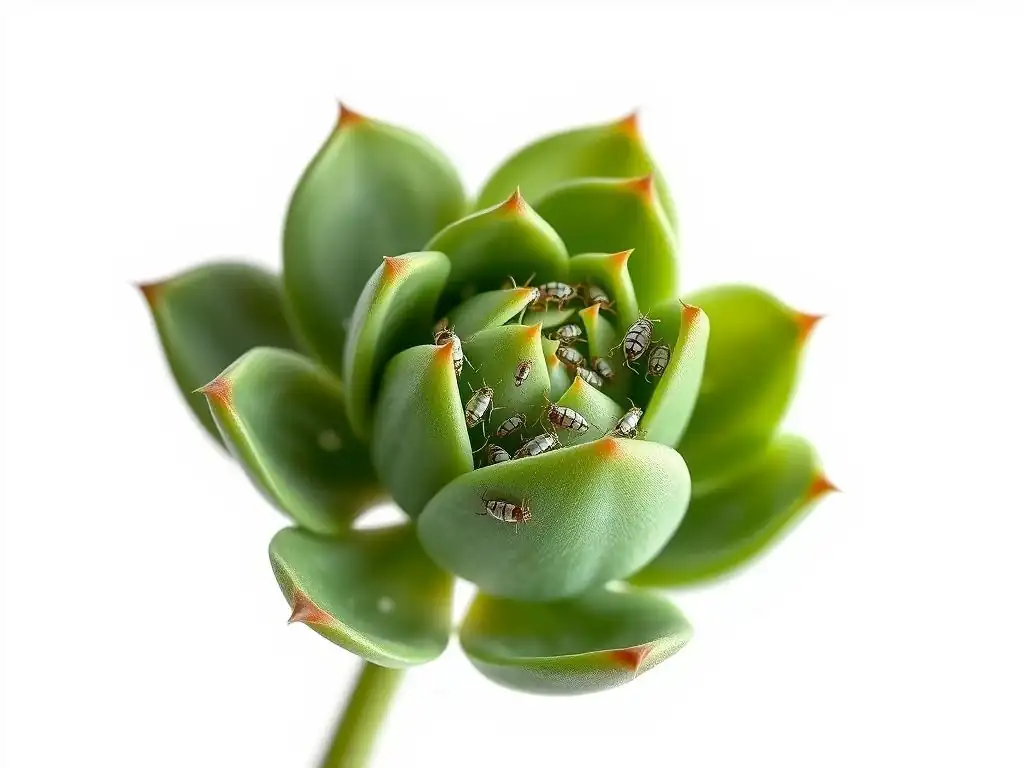
Understanding the life cycle of scale insects is crucial for effective removal and prevention. These tiny pests, often mistaken for bumps or discoloration on the plant, go through several distinct stages, each presenting unique challenges for control. Knowing these stages helps you target your treatment for maximum impact and minimizes the risk of re-infestation. Successfully removing succulent scale insects requires a multi-pronged approach that accounts for these developmental phases.
The Scale Insect Lifecycle Stages
Scale insects undergo a complex life cycle, typically involving three main stages: egg, nymph (crawler), and adult. Let's break down each stage:
- Egg Stage: Female scale insects lay eggs under their protective shell or body. The number of eggs varies greatly depending on the species. These eggs are often tiny and difficult to see with the naked eye, making early detection challenging. This stage can last several weeks, depending on temperature and humidity.
- Nymph (Crawler) Stage: This is the most vulnerable stage in the scale insect's life cycle. Newly hatched nymphs, known as crawlers, are mobile and actively seek out feeding sites on the succulent. This is the critical moment for intervention – effective treatment at this stage significantly reduces the future population. Crawlers are small, often less than 1mm in length, and appear as tiny, moving specks.
- Adult Stage: Once settled, the nymphs lose their mobility and begin to secrete a protective covering, the scale. This scale protects the adult insect from many pesticides and makes them difficult to eliminate. The adult stage is characterized by the immobile, waxy coverings that we typically associate with scale insects. Adult females continue to lay eggs, perpetuating the infestation. Identifying the adult stage helps confirm the presence of a scale insect infestation.
Effective removal of succulent scale insects requires understanding that different stages necessitate different strategies. For example, insecticidal soaps are more effective against crawlers than against adult, armored scales.
How Scale Insects Spread and Infest Succulents
Scale insects can spread through various means, leading to infestations on your beloved succulents. Understanding these vectors is crucial for preventing future outbreaks. Successfully removing succulent scale insects often requires addressing how they initially arrived on your plants.
- Infected Plants: Purchasing already-infested succulents is a common way to introduce scale insects into your collection. Careful inspection of new acquisitions is essential. Look closely for any unusual bumps, discoloration, or sticky residue (honeydew).
- Wind: While less common for larger scale insects, strong winds can carry smaller crawlers from infested plants to healthy ones, especially in close proximity.
- Insects: Other insects, like ants, can inadvertently transfer scale insects while foraging. Ants often "farm" scale insects for their honeydew secretions.
- Human Contact: Accidental transfer through tools, hands, or clothing can also spread scale insects. Always sanitize your tools and wash your hands after handling succulents.
- Contaminated Soil: Although less likely, scale insects can sometimes be present in contaminated potting soil. Using sterile potting mix can help mitigate this risk.
Preventing infestations is as important as removing succulent scale insects. Regular inspection, quarantine of new plants, and careful sanitation practices are key to maintaining healthy succulents. Remember, early detection is crucial for effective control.
Effective Methods to Remove Succulent Scale Insects: Treatment Strategies
This section details effective strategies to remove scale insects from your succulents, ensuring their continued health and vibrancy. Remember, early detection is key to successful treatment. The sooner you address an infestation, the easier it will be to restore your plants to their former glory. We'll explore various methods, from manual removal to the application of insecticidal products. Choosing the right approach depends on the severity of the infestation and your personal preference.
Manual Removal of Scale Insects: A Gentle Approach
For minor infestations, manual removal can be a highly effective and environmentally friendly method to remove succulent scale insects. This approach is particularly suitable for smaller plants or when only a few scale insects are present. The process involves carefully scraping or brushing the insects off the plant's leaves and stems.
Here's a step-by-step guide:
- Inspect your succulents thoroughly: Carefully examine each leaf and stem for signs of scale insects. Look for small, immobile bumps that may be brown, black, white, or grey, adhering tightly to the plant's surface. A magnifying glass can be helpful for spotting tiny infestations.
- Prepare your tools: You'll need a soft-bristled brush (an old toothbrush works well), a cotton swab, or a blunt instrument like a toothpick. Avoid using anything sharp that could damage the succulent's delicate leaves.
- Gently remove the scale insects: Using your chosen tool, carefully scrape or brush away the scale insects. Be patient and meticulous. It's crucial to avoid damaging the plant's tissues. For stubborn insects, a cotton swab dipped in rubbing alcohol can help loosen their grip.
- Monitor your succulents: After manual removal, continue to monitor your plants regularly for any signs of re-infestation. Repeat the process as needed.
Using Insecticidal Soaps for Scale Insect Control
Insecticidal soaps provide a relatively safe and effective method for controlling scale insects on succulents. These soaps work by disrupting the insects' cell membranes, leading to their death. However, it’s crucial to choose a soap specifically formulated for horticultural use, as household soaps can damage your plants.
Consider these points when using insecticidal soaps:
- Thorough application: Ensure complete coverage of all plant surfaces, including the undersides of leaves where scale insects often hide.
- Repeat applications: Multiple applications may be necessary, typically at intervals specified on the product label, to eliminate all life stages of the scale insects.
- Test in an inconspicuous area: Before applying the soap to the entire plant, test it on a small, hidden area to ensure it doesn't cause any adverse reactions.
- Environmental considerations: Insecticidal soaps are generally less harmful to beneficial insects and the environment compared to stronger chemical insecticides. However, always follow the instructions carefully and use appropriate personal protective equipment.
Applying Horticultural Oils to Eliminate Scale Insects
Horticultural oils, like neem oil, offer another effective approach to remove succulent scale insects. These oils work by smothering the insects, preventing them from breathing and feeding. They are particularly effective against immature scale insects.
Here's what to keep in mind when using horticultural oils:
- Choose the right oil: Select a horticultural oil specifically designed for pest control. Neem oil is a popular and widely available option.
- Application timing: Horticultural oils are most effective when applied during cooler periods of the day to minimize the risk of scorching the plant.
- Proper dilution: Always dilute the oil according to the manufacturer's instructions. Using too much oil can damage your succulents.
- Repeat treatments: Similar to insecticidal soaps, multiple applications may be necessary for complete eradication, especially if dealing with a large infestation. Monitor your plants carefully after treatment and repeat as needed. Remember to rotate treatments to prevent the development of resistance.
Remember, consistent monitoring and prompt action are crucial for successfully managing scale insect infestations and maintaining the health of your precious succulent collection. Early intervention and a combination of methods can significantly improve your chances of success in removing succulent scale insects and keeping your plants thriving.
Neem Oil Treatment for Scale Infestation on Succulents
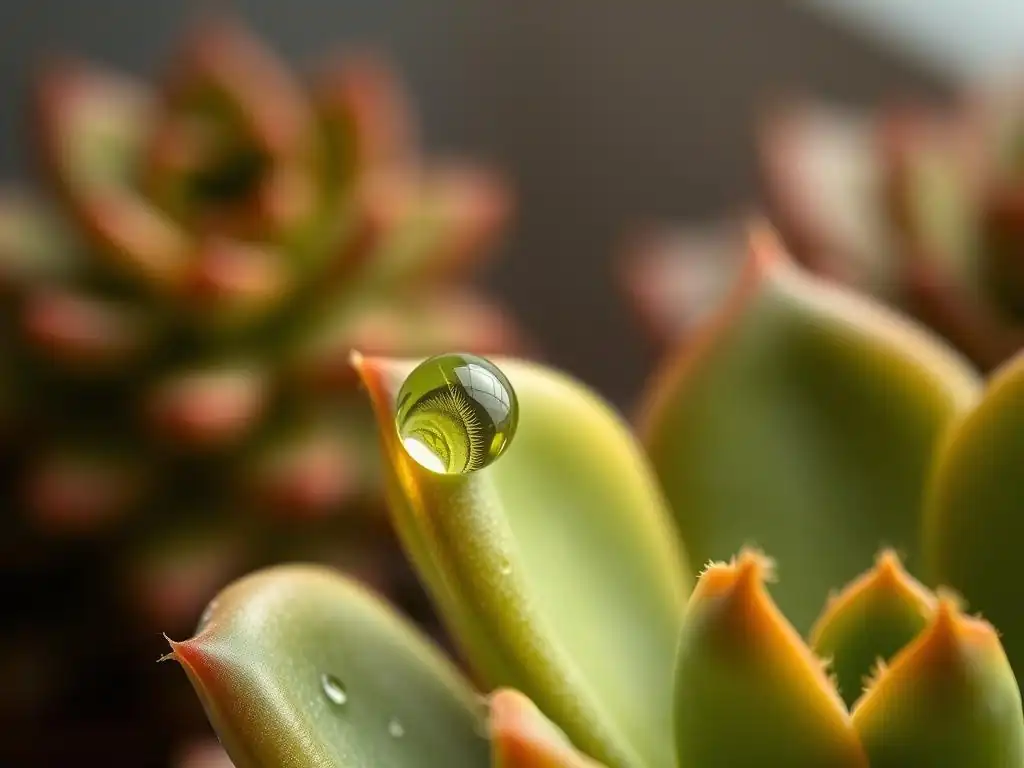
Neem oil, derived from the neem tree, is a popular and effective organic insecticide known for its ability to combat a wide range of garden pests, including scale insects. Its effectiveness stems from its disruption of the insects' life cycle, preventing them from feeding and ultimately killing them. For succulent scale infestations, neem oil offers a relatively safe and environmentally friendly alternative to harsher chemical treatments. However, it's crucial to apply it correctly for optimal results.
First, thoroughly inspect your succulents for scale insects. Look for small, immobile bumps on stems, leaves, and even roots. These bumps can be various colors, depending on the type of scale and the plant's health. Once you've identified the infestation areas, prepare your neem oil solution. Always follow the instructions on the product label meticulously, as concentrations vary. Generally, a dilution of 1-2 tablespoons of neem oil per quart of water is sufficient. Adding a few drops of liquid dish soap can help the solution adhere better to the plant's surface.
Thorough application is key. Use a spray bottle to generously coat all affected areas, ensuring the solution reaches both the upper and lower surfaces of leaves and stems. Pay close attention to crevices and hidden areas where scale insects might be hiding. Reapplication is often necessary, typically every 7-10 days, for several weeks. This is because neem oil works more effectively as a preventative and growth inhibitor rather than an immediate kill.
Consistent application helps interrupt the scale insect life cycle, preventing new generations from developing. Monitor your succulents carefully after each treatment, and adjust your application schedule as needed. Remember to avoid applying neem oil during the hottest part of the day, as this can potentially scorch your succulent's leaves. Early morning or late evening applications are best. Always test the solution on a small, inconspicuous area of the plant first to check for any adverse reactions.
Systemic Insecticides: A Last Resort for Severe Infestations
Systemic insecticides represent a more aggressive approach to scale insect control, acting from within the plant itself. These insecticides are absorbed into the plant's vascular system, making the plant's sap toxic to the scale insects that feed on it. This method offers a powerful solution for severe or widespread infestations where other treatments have proven ineffective. However, it's crucial to understand that systemic insecticides are significantly more potent than neem oil and other organic treatments, and should only be used as a last resort.
The use of systemic insecticides should be approached with caution. These chemicals can potentially harm beneficial insects and other organisms in your garden, and their impact on the environment is considerably greater than that of organic alternatives. Always wear appropriate protective gear, including gloves, eye protection, and a mask, when handling and applying systemic insecticides.
Follow the manufacturer's instructions precisely, paying close attention to the recommended dosage and application methods. Never exceed the recommended dosage, as this can lead to plant damage or even death. Furthermore, be mindful of the potential impact on pollinators like bees, and avoid applying systemic insecticides when they are actively foraging.
Before opting for systemic insecticides, consider all other treatment options. Thorough physical removal of scale insects, combined with consistent neem oil treatments, often proves successful in controlling infestations. Only if these methods fail to sufficiently manage the problem should you consider resorting to systemic insecticides. Remember, preventing infestations is always preferable to treating them. Regular inspection of your succulents, maintaining good plant hygiene, and ensuring proper air circulation can significantly reduce your risk of scale insect problems. The application of systemic insecticides should be a carefully considered decision, weighed against the potential environmental and health consequences.
Preventing Future Scale Infestations: Proactive Measures
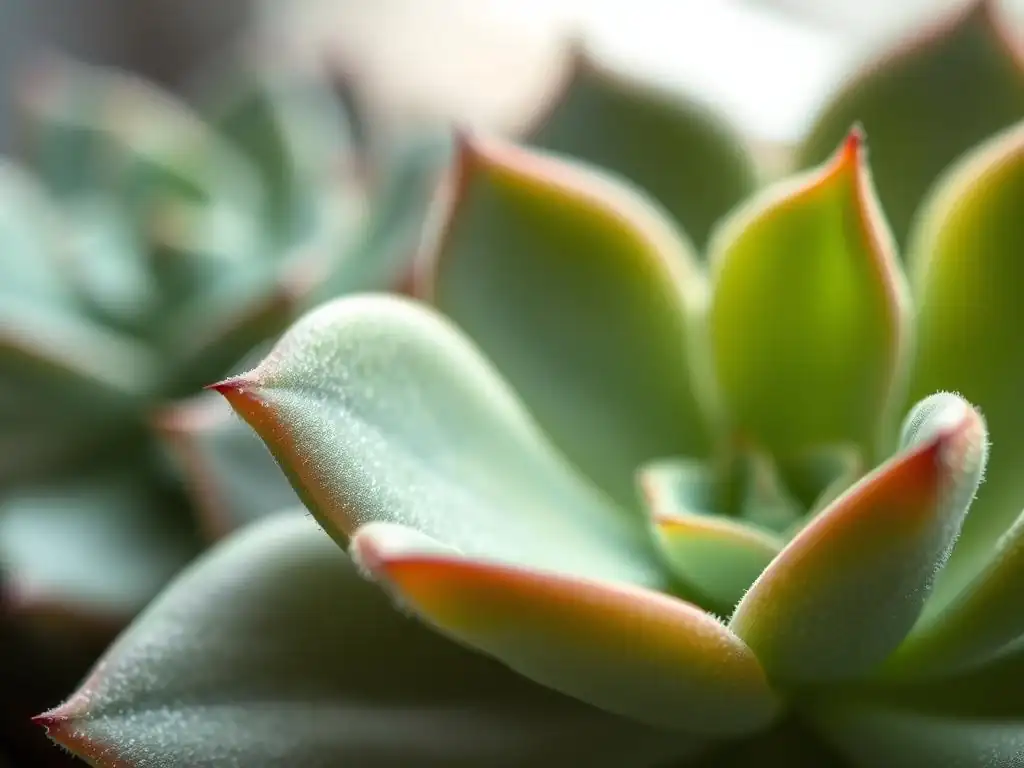
Preventing scale insect infestations is far more effective than dealing with a full-blown outbreak. A proactive approach minimizes the risk and protects your precious succulents. This involves a multi-pronged strategy focusing on environmental control and vigilant monitoring. Remember, a healthy succulent is far less susceptible to pest infestations. Effective "Remove succulent scale insects" strategies begin before you see any signs of trouble.
Maintaining Optimal Growing Conditions for Succulents
Providing your succulents with the right growing conditions significantly reduces their vulnerability to scale insects. Scale insects thrive in stressed plants, so creating a thriving environment is your first line of defense. This includes:
- Appropriate Sunlight: Ensure your succulents receive the correct amount of sunlight for their specific species. Too little light weakens them, making them more susceptible to pests. Conversely, scorching sun can stress them as well. Research the light requirements of each succulent variety.
- Proper Watering: Overwatering is a major culprit in succulent stress. Allow the soil to dry out completely between waterings. Avoid letting your succulents sit in standing water, which creates a breeding ground for various pests and diseases. Underwatering, however, can also weaken your plants. Find the delicate balance that suits your climate and plant types.
- Well-Draining Soil: Use a well-draining potting mix specifically formulated for succulents and cacti. This prevents waterlogging, which is detrimental to root health and overall plant vigor. Amend heavy soils with perlite or pumice to improve drainage.
- Balanced Fertilization: Over-fertilizing can weaken succulents, making them more prone to pests. Use a balanced, diluted succulent fertilizer sparingly, following the package instructions carefully. Avoid fertilizing during the dormant period.
Remember, a happy succulent is a resilient succulent, less likely to attract scale insects or other pests. Consistent attention to these details creates a less hospitable environment for these unwanted guests.
Regular Inspection and Early Detection Strategies
Regular inspection is crucial for early detection. Catching an infestation early greatly increases your chances of successfully eliminating the scale insects before they cause significant damage. Here's how to effectively inspect your succulents:
- Frequency: Inspect your succulents at least once a week, carefully examining every part of the plant, including the undersides of leaves, stems, and crevices. More frequent checks (every few days) are recommended during warmer months when pest activity is higher.
- Visual Inspection: Look for small, immobile bumps on the leaves and stems. These bumps are the scale insects themselves. They can be various colors, from white and gray to brown and black, depending on the species. Observe for signs of sticky honeydew (a sweet, sugary substance excreted by scale insects), which often attracts sooty mold.
- Magnifying Glass: A magnifying glass can be incredibly helpful for detecting small or hidden scale insects. This allows for closer examination, especially on densely packed succulents.
- Early Intervention: If you detect even a few scale insects, take immediate action. Early intervention is key to preventing a larger infestation. Don't wait for the infestation to become widespread.
Early detection is paramount in the successful implementation of a "Remove succulent scale insects" strategy. Diligent monitoring saves your succulents and minimizes the effort needed to control the infestation.
Improving Air Circulation to Prevent Scale Infestations
Good air circulation is essential for preventing scale insect infestations. Stagnant air creates a humid environment that promotes fungal growth and encourages the proliferation of pests. Here are some strategies to improve air circulation around your succulents:
- Spacing: Ensure adequate spacing between your succulents to allow for good airflow. Overcrowding creates humid microclimates, ideal for scale insects.
- Ventilation: If you grow your succulents indoors, ensure proper ventilation. Open windows regularly to allow for fresh air circulation. Avoid placing succulents in enclosed spaces with poor air circulation.
- Fans: In humid environments or enclosed spaces, consider using a small fan to gently circulate air around your plants. Avoid placing the fan directly on the succulents; a gentle breeze is sufficient.
- Pruning: Regularly prune your succulents to remove dead or overcrowded leaves and stems. This improves airflow and reduces the number of hiding places for scale insects.
By improving air circulation, you create a less hospitable environment for scale insects, significantly reducing the risk of infestation. This simple step plays a significant role in overall succulent health and pest prevention. This is a crucial aspect of a comprehensive "Remove succulent scale insects" plan.
Choosing Healthy Succulents for Your Collection
Selecting healthy succulents from the outset is your first line of defense against scale insects and other pests. Before purchasing any succulent, meticulously inspect each plant. Look for signs of distress, including discoloration, wilting, or unusual growths. A healthy succulent will exhibit vibrant coloration consistent with its variety, firm leaves free of blemishes, and a robust overall appearance.
Avoid plants that show signs of infestation, such as the characteristic bumps or sticky honeydew associated with scale. Reputable nurseries and garden centers generally maintain high standards of plant health, but a careful inspection is always warranted. Remember, prevention is far easier than cure when it comes to succulent pests. Taking the time to select healthy plants significantly reduces your risk of introducing scale insects into your collection.
Consider purchasing from sellers who are known for their rigorous pest control practices. This proactive approach will save you time, effort, and the heartache of dealing with an infestation later on. Don't hesitate to ask questions about the plants' care and history; knowledgeable sellers will be happy to provide information about pest control measures they employ.
Quarantining New Succulents to Prevent Pest Introduction
Quarantine is a crucial step in preventing the spread of scale insects and other pests within your succulent collection. Upon acquiring new succulents, regardless of their apparent health, immediately isolate them from your established plants for a period of at least two to four weeks. This quarantine period allows you to observe the plants closely for any signs of infestation that might not have been immediately visible during purchase. Keep the quarantined succulents in a separate area, ideally away from direct sunlight and other plants.
This prevents the pests from spreading to your healthy succulents if an infestation is present. Regular inspection during this period is vital. Check both the top and bottom of the leaves, as well as the stems and soil, for any signs of scale insects, mealybugs, or other pests. Using a magnifying glass can help you detect small infestations early on.
If you detect any pests during the quarantine period, you can address the problem before it affects your main collection. This proactive approach minimizes the risk of a widespread infestation and protects your investment in your beloved succulent plants. Remember, a short quarantine period is a small price to pay for the long-term health and beauty of your succulents.
Natural Remedies for Scale Insects on Succulents: Eco-Friendly Solutions
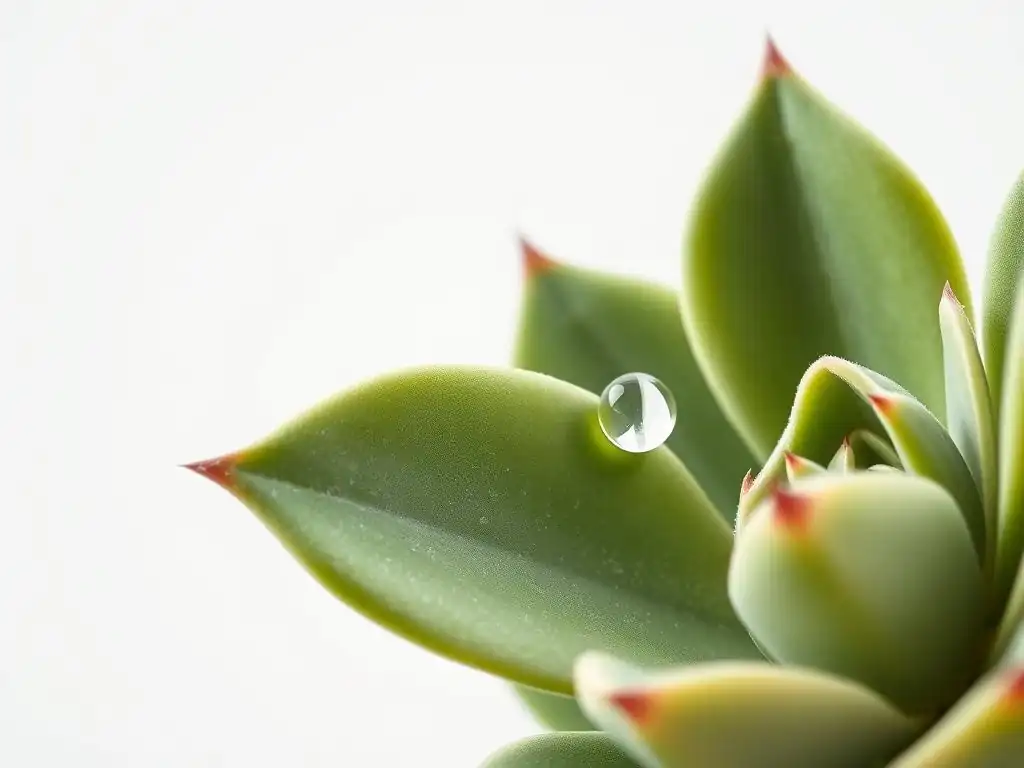
This section explores natural and eco-friendly methods to effectively remove succulent scale insects and restore the health of your beloved plants. Chemical pesticides can harm beneficial insects and potentially contaminate your soil, making natural approaches a safer and more sustainable alternative. Remember, early detection and consistent treatment are key to successful scale insect control. Let's delve into some effective and readily available options.
Using Alcohol to Remove Scale Insects
Isopropyl alcohol (70% concentration) is a highly effective and readily available solution for tackling scale infestations on succulents. Its effectiveness stems from its ability to dehydrate and kill the insects on contact. However, it's crucial to apply it judiciously to avoid harming the succulent itself.
Here's a step-by-step guide on using alcohol to remove scale insects:
- Preparation: Gather your supplies: 70% isopropyl alcohol, cotton swabs or a soft-bristled brush, and a spray bottle (optional). Ensure the succulent is free from dust and debris.
- Spot Treatment: For small infestations, use a cotton swab dipped in alcohol to dab each individual scale insect. Focus on thoroughly covering the insect's body. Avoid soaking the plant.
- Spray Application (for larger infestations): Dilute the isopropyl alcohol with water (a 50/50 solution is a good starting point). Pour the diluted solution into a spray bottle and gently mist the affected areas of the succulent. Avoid over-spraying, which can damage the plant's leaves.
- Observation and Repetition: Monitor the plant closely over the next few days. Repeat the treatment as needed, typically every 2-3 days, until all visible scale insects are eliminated. Remember to always test a small, inconspicuous area first to ensure the alcohol doesn't harm your succulent.
- Prevention: Regularly inspect your succulents for any signs of scale infestation. Early detection can prevent a minor problem from escalating into a major one. Maintaining good air circulation around your plants can also help prevent future infestations.
Diatomaceous Earth as a Natural Insecticide for Scale Control
Diatomaceous earth (DE) is a naturally occurring sedimentary rock composed of fossilized diatoms. Its microscopic particles act as a physical insecticide, cutting into the exoskeletons of soft-bodied insects like scale, causing dehydration and death. DE is a safe and effective option when used correctly.
Here's how to effectively use DE to control scale insects on your succulents:
- Application: Gently dust the affected areas of your succulent with food-grade diatomaceous earth. Ensure the powder covers the scale insects thoroughly. You can use a small brush or simply sprinkle it on.
- Frequency: Reapply DE after watering, as water can wash it away. Consistent application is key to effective control.
- Safety Precautions: Always use food-grade diatomaceous earth, as industrial-grade DE can be harmful if inhaled. Wear a dust mask during application to avoid inhaling the powder.
- Efficacy: While DE is effective, it may take some time to completely eliminate a large infestation. Be patient and persistent in your application.
- Combination Therapy: For best results, consider combining DE with other natural methods, such as alcohol treatment, for a more comprehensive approach. This integrated pest management strategy is often more effective than relying on a single method alone.
Remember, patience and diligence are crucial when dealing with scale insects. Regular inspection and consistent application of these natural remedies will significantly improve your chances of successfully removing succulent scale insects and maintaining healthy, thriving plants. Always prioritize the health and well-being of your succulents while implementing any pest control measures. 🌱
When to Seek Professional Help: Recognizing the Need for Expert Intervention
Sometimes, despite your best efforts, a succulent scale insect infestation can become overwhelming. Knowing when to call in the experts is crucial to saving your precious plants and preventing the spread of infestation to other succulents. Ignoring severe infestations can lead to irreversible damage and even plant death. This section will help you determine when professional intervention is necessary. Early detection and treatment are key to effective scale insect removal, but understanding your limitations is equally important.
Signs Indicating Severe Scale Infestation
Several warning signs indicate that your succulent scale problem has escalated beyond DIY solutions. These signs often appear in combination and represent a significant threat to your plant's health. Don't wait until your succulents are visibly suffering before seeking help.
- Widespread Infestation: If you notice scale insects on multiple succulents, or a large number of insects on a single plant, despite your attempts at removal, it's time to consider professional help. A localized infestation is often manageable, but widespread infestation suggests a more serious problem requiring expert intervention. This is particularly true if you've tried multiple home remedies without success.
- Significant Plant Decline: Beyond the visual presence of scale, observe your succulents for signs of stress. This includes yellowing or browning leaves, stunted growth, leaf drop, or wilting, even with proper watering. These symptoms, coupled with a large scale insect population, indicate that the insects are significantly impacting the plant's ability to photosynthesize and thrive. The plant is struggling to overcome the damage.
- Presence of Sooty Mold: Sooty mold is a common secondary infection associated with scale insects. This black, fungal growth thrives on the honeydew secreted by scale insects. The presence of sooty mold not only indicates a heavy infestation but also adds another layer of complexity to treatment. Removing sooty mold alongside scale insects requires specialized knowledge and techniques often best left to professionals.
- Failure of Home Remedies: You've tried everything: isopropyl alcohol, insecticidal soap, neem oil, even manual removal. Yet the scale insects persist and continue to spread. This persistent infestation signifies a need for stronger, more targeted treatments that a professional can provide. They have access to a wider range of products and techniques.
Remember, early intervention is key. Don't wait until your succulents are severely damaged. The sooner you seek professional help, the better the chances of successful treatment and recovery. Prevention is always the best approach, but knowing when to ask for help shows responsible plant care.
Contacting Local Horticultural Experts for Assistance
Seeking professional assistance for severe succulent scale infestations doesn't mean you've failed. It demonstrates a commitment to the health and well-being of your plants. Several resources can provide the expert help you need:
- Local Nurseries and Garden Centers: Many nurseries employ horticultural experts who can diagnose pest problems and recommend appropriate treatments. They can often offer tailored advice based on your specific situation and the type of succulents affected. They may even have access to more potent insecticides than are available to the public.
- University Extension Services: University extension services often provide free or low-cost consultations with plant pathologists and entomologists. These experts possess in-depth knowledge of pest management and can offer effective solutions.
- Certified Arborists and Pest Control Companies: While primarily focused on trees and larger plants, some arborists and pest control companies also treat smaller plants like succulents. They may possess specialized equipment and techniques for tackling severe infestations. However, always ensure they have experience with succulents before engaging their services.
Choosing the right professional is vital. Ask about their experience with succulents and their treatment methods. Inquire about the specific insecticides or treatments they will use and ensure they are safe for your plants and the environment. A thorough assessment of the infestation and a detailed treatment plan are crucial before engaging their services. Remember, proactive care is always the best approach for your beloved succulents.
Frequently Asked Questions
How do I identify scale insects on my succulents?
Scale insects often appear as small, immobile bumps on stems and leaves. They can be brown, gray, or white, and may be difficult to see initially. Look closely for any unusual bumps or discoloration.
What is the best way to remove scale insects from my succulents?
For small infestations, you can manually remove them with a toothbrush or cotton swab dipped in rubbing alcohol. For larger infestations, consider using a systemic insecticide following label instructions carefully.
Are scale insects harmful to my succulents?
Yes, scale insects are harmful. They suck the sap from your succulents, leading to weakened plants, stunted growth, and even death if left untreated. Early detection and treatment are crucial.
How can I prevent scale insects from infesting my succulents?
Regular inspection is key. Maintain good air circulation around your plants to discourage infestation. Also, ensure your succulents are healthy and well-hydrated, as stressed plants are more susceptible.
What should I do after removing scale insects from my succulents?
Monitor your succulents closely for re-infestation. Continue to practice preventative measures. Consider using a mild insecticidal soap as a preventative measure.
Final Reflection: The Enduring Battle Against Succulent Scale
The fight against succulent scale insects is far from over, and understanding their insidious nature is crucial for the continued health and beauty of our beloved plants. These tiny pests, often overlooked until significant damage is done, represent a persistent challenge for succulent enthusiasts worldwide. Their resilience and ability to rapidly multiply underscore the importance of proactive care and vigilant monitoring.
The impact of scale insects extends beyond the individual plant; it speaks to a broader conversation about the delicate balance within our ecosystems and the responsibility we bear as plant keepers. Their presence highlights the interconnectedness of our actions and the health of the natural world, reminding us that even the smallest creatures can have a significant impact. The greatest danger to our planet is the belief that someone else will save it.
- Robert Swan. This quote resonates deeply, emphasizing the personal responsibility each of us holds in protecting our plants and, by extension, the environment.
Now, consider your own succulent collection. Have you inspected your plants lately? Are you prepared to identify and address any potential infestations before they spiral out of control? Take the knowledge gained from this article and empower yourself to become a vigilant guardian of your succulents. Regular inspections, proactive treatment, and a deep understanding of your plants' needs are the keys to a thriving collection, free from the persistent threat of scale. Let's work together to ensure the continued beauty and health of these resilient desert dwellers.
Unmask Your Succulents' Full Potential!
Thanks for exploring the world of scale insects and learning how to protect your succulents! You now have the knowledge to combat these tiny pests and keep your plants thriving. Ready to put your new skills into action?
- Prioritize a thorough inspection: Give all your succulents a close examination today, checking both the top and undersides of the leaves. Early detection is crucial for effective treatment.
- Share your experience: Join the SucculentEssentials.org community and share your scale-fighting journey! Let's learn from each other's successes and challenges.
- Consider a preventative spray: Research natural, non-toxic options to deter scale insects. This proactive approach will safeguard your succulent collection.
What's the first step you'll take to ensure your succulents remain healthy and happy?