
The Power of Drainage Layers: Protecting Your Succulent Roots

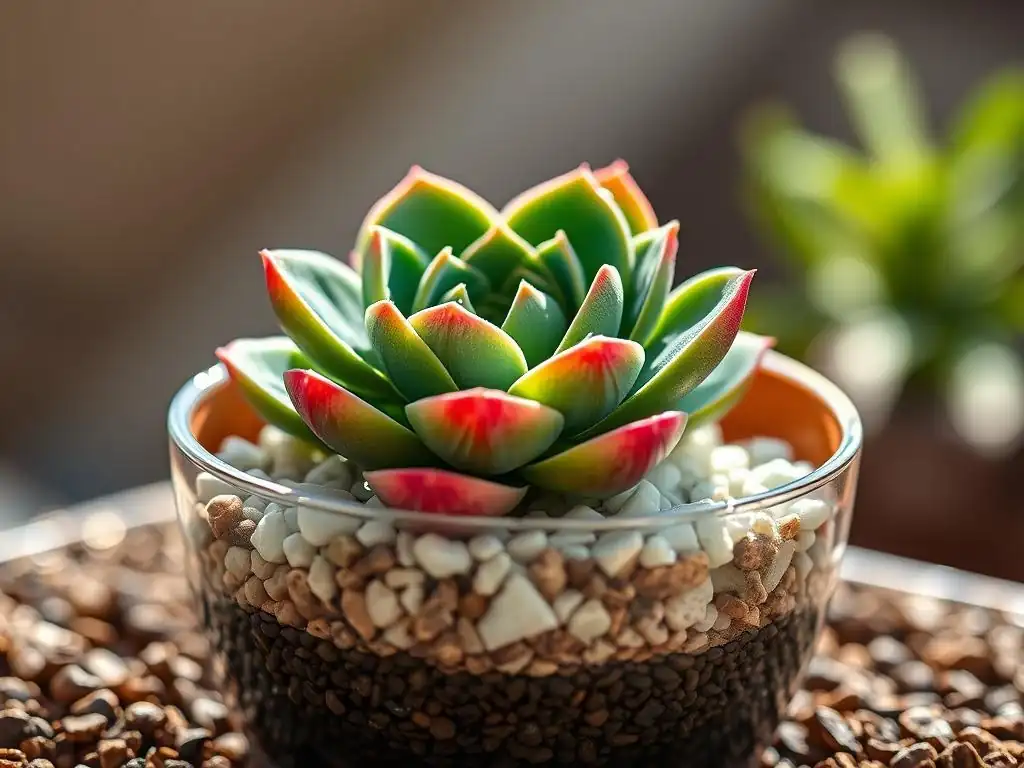
Welcome to SucculentEssentials.org, where the fascinating world of succulents unfolds before you! Are you ready to unlock the secrets to thriving succulent gardens? We'll guide you through everything from basic care to advanced techniques, but first, discover the unseen power that lies beneath the soil: the crucial role of a succulent drainage layer. Learn how this simple yet essential step can transform your succulents from struggling survivors to vibrant, flourishing plants. Dive in and uncover the benefits – your succulents will thank you!
- Understanding the Importance of Drainage for Succulents
- Creating the Perfect Drainage Layer for Your Succulents
- Building Your Drainage Layer: A Step-by-Step Guide
- Maintaining Proper Drainage for Long-Term Succulent Health
- Advanced Drainage Techniques for Specific Succulent Needs
- Frequently Asked Questions
- Final Reflection: The Enduring Strength of a Well-Drained Life
- Unleash Your Succulents' Full Potential!
Understanding the Importance of Drainage for Succulents
Succulents, with their captivating shapes and vibrant colors, have captured the hearts of plant enthusiasts worldwide. However, their beauty belies a crucial requirement for thriving: excellent drainage. This article delves into the power of drainage layers in succulent care, explaining why proper drainage is paramount for healthy root systems and preventing common succulent ailments.
We'll explore the specific benefits of creating a drainage layer, focusing on how it combats root rot, a significant threat to these drought-tolerant plants, and improves soil aeration, ultimately contributing to their overall vitality and longevity. Understanding and implementing proper drainage techniques is key to unlocking the full potential of your succulent collection, transforming them from merely surviving to truly flourishing. This guide will equip you with the knowledge to create the perfect environment for your beloved succulents, ensuring their continued health and beauty.
Why Good Drainage is Crucial for Succulent Health
Succulents, unlike many other plants, are adapted to arid and semi-arid environments. Their physiology is designed to store water in their leaves and stems, making them remarkably drought-tolerant. However, this very adaptation makes them extremely susceptible to overwatering. Poor drainage leads to waterlogging, creating a perpetually soggy environment around the roots.
This saturated soil lacks oxygen, creating anaerobic conditions that suffocate the roots and prevent them from absorbing essential nutrients. The resulting lack of oxygen, coupled with excess moisture, creates the perfect breeding ground for harmful fungi and bacteria, leading to root rot, a devastating condition that can quickly kill your succulents. Good drainage, therefore, isn't just beneficial; it's absolutely crucial for the survival and prosperity of your succulents. Think of it as providing your succulents with the equivalent of a well-ventilated, well-drained home – a foundation for robust growth and vibrant health.
Preventing Root Rot: The Biggest Threat to Succulents
Root rot, caused by fungal pathogens thriving in consistently damp soil, is the most common and devastating disease affecting succulents. The symptoms can be subtle at first, but quickly escalate to wilting, discoloration of leaves, and eventually, the complete collapse of the plant. A well-constructed drainage layer acts as a first line of defense against this deadly threat.
By allowing excess water to drain away quickly, it prevents the soil from becoming waterlogged, significantly reducing the risk of root rot. The effectiveness of drainage in preventing root rot is undeniable; numerous studies have demonstrated a strong correlation between well-drained soil and reduced instances of root rot in succulents.
Investing time in creating a proper drainage layer is therefore not just a good practice; it's a vital preventative measure that can save your precious succulents from a slow and agonizing death. The peace of mind knowing your plants are protected from this common killer is invaluable.
The Role of Drainage in Aerating Succulent Soil
Beyond preventing root rot, a well-designed drainage layer plays a crucial role in aerating the succulent's soil. Proper aeration is essential for healthy root development and nutrient uptake. Well-aerated soil allows oxygen to reach the roots, facilitating respiration and promoting healthy root growth. Conversely, compacted, waterlogged soil restricts oxygen flow, leading to stunted root growth and reduced nutrient absorption.
A drainage layer, by creating space between the soil and the bottom of the pot, improves airflow and prevents compaction. This improved aeration ensures that the roots receive the necessary oxygen to thrive, leading to healthier, more vigorous growth and a more robust overall plant. The benefits of adequate aeration are multifaceted, contributing to a healthier root system and, ultimately, a more beautiful and resilient succulent. Think of it as providing your succulents with the breath of fresh air they need to flourish!
Creating the Perfect Drainage Layer for Your Succulents
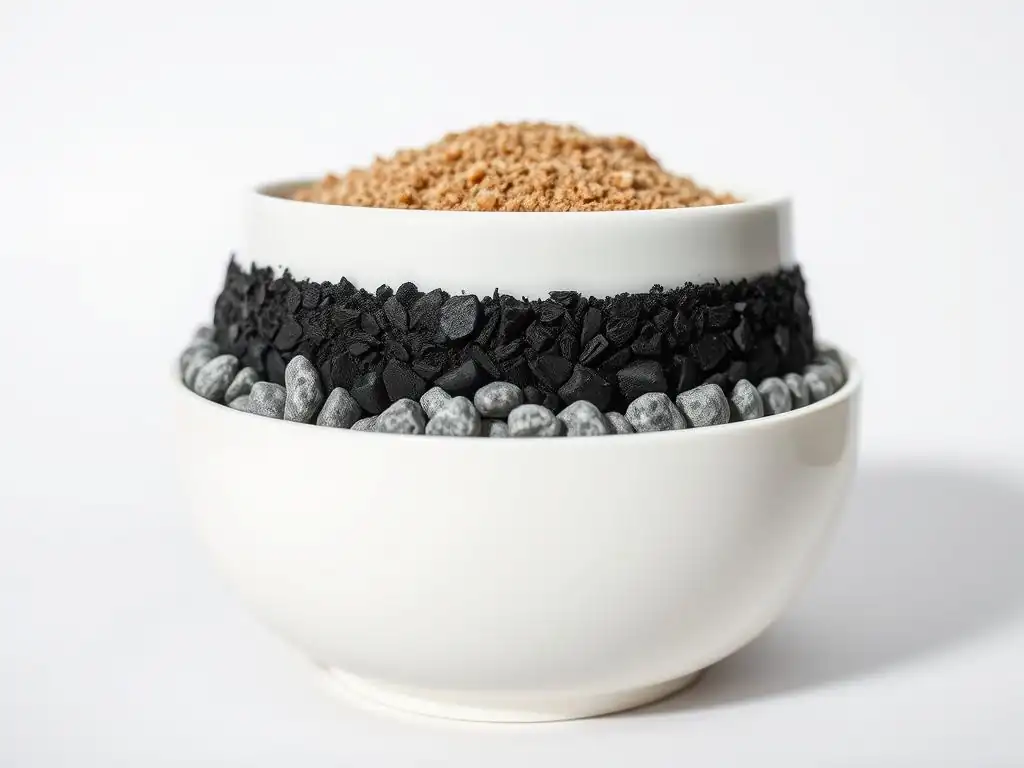
This section delves into the crucial role of a drainage layer in ensuring the long-term health and vibrancy of your succulents. A well-constructed drainage layer is paramount for preventing root rot, a common and often fatal ailment for succulents. Understanding the "succulent drainage layer benefits" is key to successful succulent cultivation. We'll explore the best materials, ideal thickness, and pot preparation techniques to guarantee your succulents thrive.
Choosing the Right Drainage Materials: Gravel, Perlite, and More
Selecting the appropriate drainage materials is the first step towards creating a healthy root environment. Several options exist, each with its own advantages and disadvantages. The best choice often depends on personal preference and the specific needs of your succulents.
Let's examine some popular choices:
- Gravel: Small, pea-sized gravel is a widely used and effective option. It provides excellent drainage and aeration. However, it can sometimes compact over time, potentially reducing its effectiveness. Ensure you use clean, inert gravel to avoid introducing unwanted chemicals or microorganisms into your soil.
- Perlite: This volcanic glass offers exceptional drainage and aeration, along with a lightweight texture. It's a popular choice amongst succulent enthusiasts due to its consistent performance and ease of use. Perlite doesn't compact as readily as gravel, making it a longer-lasting solution.
- Lava Rock: Similar to gravel, lava rock provides good drainage. Its porous nature contributes to aeration, benefiting root health. However, it can be slightly heavier than other options.
- Potsherds: Broken pieces of clay pots offer a natural and environmentally friendly drainage layer. They provide excellent drainage and aeration. However, they can be sharp, so handle with care.
Here's a table summarizing the key characteristics of each material:
| Material | Drainage | Aeration | Weight | Compaction | Cost |
|---|---|---|---|---|---|
| Gravel | Excellent | Good | Medium | Moderate | Low |
| Perlite | Excellent | Excellent | Light | Low | Medium |
| Lava Rock | Excellent | Good | Medium | Moderate | Medium |
| Potsherds | Excellent | Good | Medium | Moderate | Low |
Remember, you can even combine different materials for optimal results! For instance, a base layer of larger gravel for superior drainage, topped with a layer of finer perlite for better aeration, could be a highly effective approach.
Layer Thickness: Finding the Sweet Spot for Optimal Drainage
The thickness of your drainage layer significantly impacts its effectiveness. Too thin, and it won't provide sufficient drainage; too thick, and it might waste valuable pot space. The ideal thickness generally ranges from 1-2 inches (2.5-5 cm) for most succulent pots. However, larger pots may benefit from a slightly thicker layer, while smaller pots might require a thinner one.
Consider these factors when determining the appropriate thickness:
- Pot size: Larger pots require thicker layers to accommodate greater water volume.
- Succulent size and type: Larger, more thirsty succulents might need slightly more drainage.
- Pot material: Terracotta pots, being porous, might require a slightly thinner layer compared to plastic or ceramic pots.
Finding the "sweet spot" often involves experimentation. Observe your succulents after watering. If you notice persistent waterlogging, you may need a thicker drainage layer. Conversely, if the soil dries out too quickly, a thinner layer might be sufficient. Monitoring and adjusting are crucial for perfecting your drainage system.
Preparing Your Pot for Optimal Drainage: Considerations for Pot Selection
Proper pot selection and preparation are equally important for maximizing the benefits of your drainage layer. Choosing the right pot and ensuring proper drainage holes are crucial steps.
- Drainage Holes: Ensure your pot has adequate drainage holes at the base. Multiple, well-spaced holes are preferable to a single, large hole. This allows for even water distribution and prevents waterlogging.
- Pot Material: Terracotta pots are generally preferred for succulents due to their porous nature, which allows for better airflow and evaporation. However, plastic and ceramic pots can also work well, provided they have adequate drainage holes.
- Pot Size: Choose a pot that is appropriately sized for your succulent. Over-potting can lead to overwatering and root rot. A pot that's slightly snug, allowing for some root growth but not excessive space, is ideal.
Before planting, consider adding a layer of landscape fabric or mesh over the drainage layer. This prevents the soil from mixing with the drainage material, ensuring the integrity of your drainage system and preventing clogging. This simple step significantly enhances the longevity and effectiveness of your drainage layer. Remember, proper drainage is a cornerstone of successful succulent cultivation, leading to healthier, happier plants.
Building Your Drainage Layer: A Step-by-Step Guide
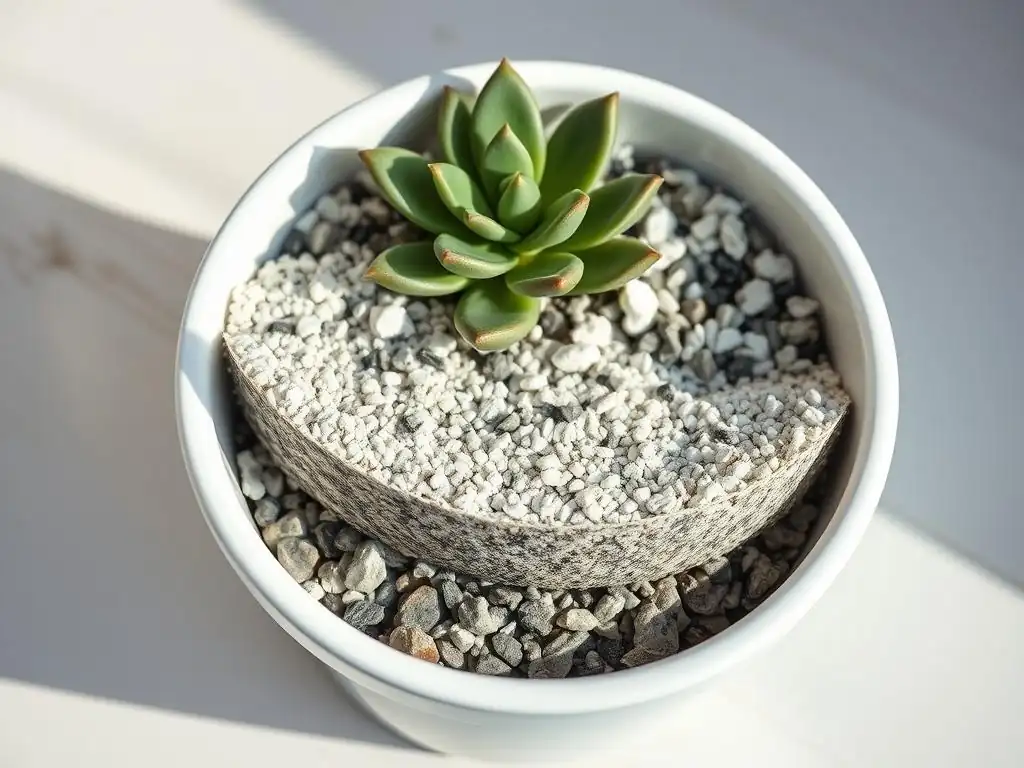
This section delves into the practical aspects of creating an effective drainage layer for your succulents, a crucial step in ensuring their long-term health and vibrancy. Proper succulent drainage layer benefits are numerous, directly impacting root health and preventing rot, a common succulent ailment. Let's explore the process step-by-step.
Step 1: Selecting Your Pot and Drainage Material
Choosing the right pot is the foundation of a successful drainage system. Avoid pots without drainage holes; standing water is the enemy of succulent roots. Terracotta pots are excellent choices because they are porous, allowing for better air circulation and evaporation, which reduces the risk of overwatering. Plastic pots, while convenient, require more careful monitoring to prevent waterlogging.
The type of drainage material you choose also plays a significant role. Common options include gravel, perlite, and even broken pieces of pottery. The ideal material should be inert (meaning it won't alter the soil's pH), durable, and allow for adequate water flow. Consider the size of your pot; larger pots might benefit from a thicker layer of drainage material. For smaller pots, a thinner layer might suffice. Remember, the goal is to create a space at the bottom of the pot to allow excess water to drain freely.
Here's a quick comparison table to help you decide:
| Material | Pros | Cons | Best Suited For |
|---|---|---|---|
| Gravel | Inexpensive, readily available | Can compact over time, may contain salts | Larger pots, established succulents |
| Perlite | Lightweight, excellent drainage | Can be dusty, slightly more expensive | Most succulent types, especially cuttings |
| Broken Pottery | Recycles materials, good drainage | Can be sharp, requires careful handling | Larger pots, adding texture to drainage |
Step 2: Creating the Drainage Layer: Gravel, Perlite, or a Combination
The depth of your drainage layer depends on the size of your pot. As a general guideline, aim for a layer approximately 1-2 inches deep for pots under 6 inches in diameter, and increase this depth proportionally for larger containers. For instance, a 12-inch diameter pot might benefit from a 3-4 inch deep drainage layer. This ensures sufficient space for water to accumulate and then drain away without directly contacting the succulent's roots.
Layering materials can also enhance drainage. For instance, you could create a base layer of larger gravel pieces for better water flow, topped with a finer layer of perlite or smaller gravel to prevent the soil from mixing with the drainage material. This method provides excellent drainage while preventing the soil from falling into the drainage layer and clogging it. Think of it like creating a filter.
Avoid using materials that decompose or retain moisture, such as peat moss or wood chips, in your drainage layer. These will defeat the purpose of creating good drainage and could lead to root rot. The goal is to create a barrier between the soil and the bottom of the pot, not a water-retaining layer.
Step 3: Adding Your Succulent Soil and Planting Your Succulents
Once your drainage layer is in place, carefully add your well-draining succulent soil mix. Avoid compacting the soil too much; leave it loose and airy to allow for good root aeration. Gently place your succulents in the pot, ensuring their roots are comfortably nestled in the soil. Don't plant them too deeply; the base of the stem should be just slightly below the soil surface.
After planting, water your succulents thoroughly to settle the soil and help the roots establish themselves. However, avoid overwatering. Allow the soil to dry out completely between waterings to prevent root rot. Regularly inspect your succulents for any signs of overwatering or underwatering, adjusting your watering schedule as needed. Remember, consistent monitoring is key to maintaining healthy succulent roots and enjoying the many succulent drainage layer benefits. Proper drainage is fundamental to the overall health and aesthetic appeal of your succulent collection! 🪴
Step 4: Watering Your Succulents After Planting
After carefully planting your succulents and ensuring the drainage layer is in place, resist the urge to immediately drench your newly planted beauties. Overwatering, especially right after planting, can lead to root rot—a common and devastating problem for succulents. The drainage layer helps prevent this, but it's still crucial to proceed cautiously.
Instead of a thorough watering, opt for a light misting. This gentle approach allows the soil to settle around the roots without causing them to become waterlogged. The misting will also help hydrate the plants slightly without overwhelming the roots. Observe the soil moisture for the next few days; you'll notice the soil gradually absorbing the moisture.
Wait until the top inch or two of the soil is completely dry before giving your succulents a more substantial watering. The timing depends on the climate and the type of succulent, but generally, this could be anywhere from a few days to a week. Remember, underwatering is far preferable to overwatering when it comes to succulents.
During this initial post-planting period, monitor your succulents closely. Look for signs of wilting or stress. If you notice any, you might need to adjust your watering schedule slightly. However, remember that slight wilting is often a sign of the plant adjusting to its new environment and isn't necessarily a cause for immediate concern.
The key is to observe and react appropriately, rather than overreacting with excessive watering. The proper establishment of your drainage layer significantly reduces the risk of root rot, giving your succulents a better chance to thrive. This careful initial watering strategy, coupled with the drainage layer, sets the stage for healthy succulent growth.
Maintaining Proper Drainage for Long-Term Succulent Health
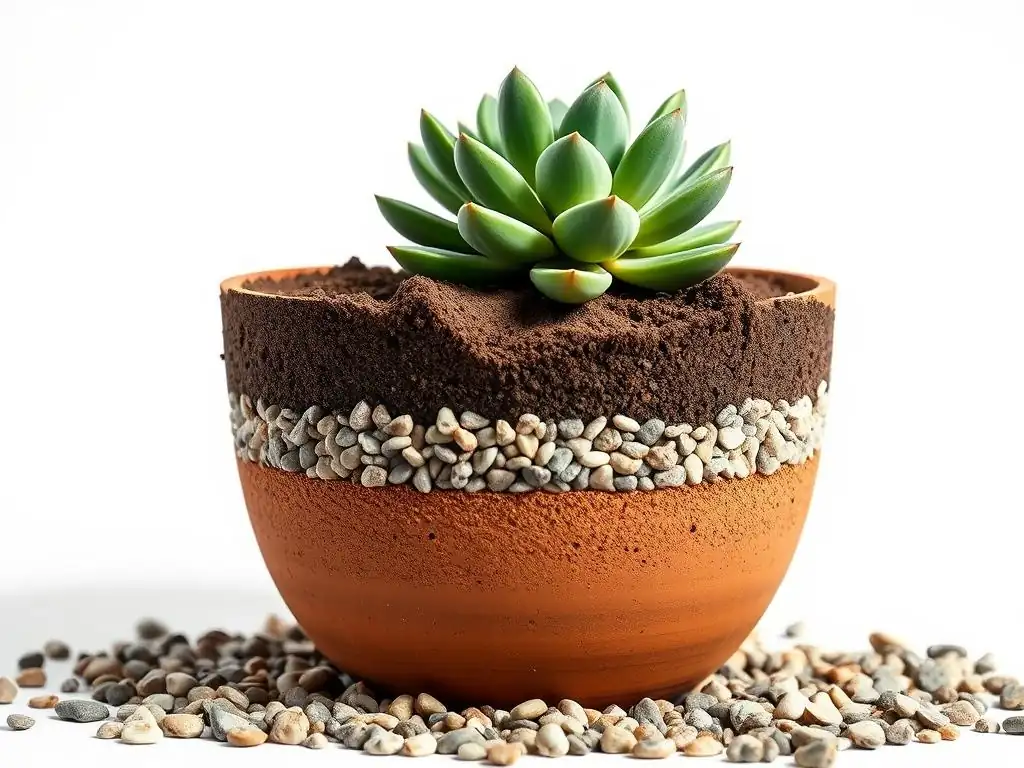
Proper drainage is paramount for the long-term health and vibrancy of your succulents. These drought-tolerant plants are surprisingly susceptible to root rot, a devastating condition caused by consistently soggy soil. A well-constructed succulent drainage layer is your first line of defense against this common problem.
The benefits extend beyond simply preventing rot; a properly drained pot fosters healthy root development, leading to more vigorous growth, stunning blooms, and a longer lifespan for your beloved succulents. Investing time in creating effective drainage is an investment in the beauty and longevity of your succulent collection. Think of it as preventative maintenance – a small effort that yields significant rewards.
Recognizing Signs of Poor Drainage in Your Succulents
One of the earliest warning signs of inadequate succulent drainage is soggy soil. This isn't just about surface moisture; dig down into the soil. If it remains consistently damp, even days after watering, your drainage system needs attention. Beyond this, look for these key indicators:
- Yellowing or browning leaves: While this can be caused by other factors, consistently damp soil often contributes to leaf discoloration, starting at the base of the plant.
- Soft, mushy stems or leaves: This is a clear sign of root rot. The affected areas will feel unusually soft and may even be slimy.
- Leaf drop: Succulents may shed leaves as a stress response, and consistently wet soil is a major stressor.
- Slow or stunted growth: Plants struggling with poor drainage will struggle to thrive, exhibiting slow or nonexistent growth.
- Unpleasant odor: A foul smell emanating from the soil indicates bacterial or fungal growth often associated with root rot.
Early detection is crucial. If you notice any of these symptoms, immediately assess your drainage system and take corrective action. Don't delay; swift intervention can often save your succulent. Remember, prevention is always better than cure, so prioritize proper drainage from the outset.
Adjusting Your Drainage Strategy: Troubleshooting Tips
If you've identified poor drainage, don't despair! Several adjustments can remedy the situation. First, examine your current potting mix. Is it well-draining? Succulents thrive in a gritty, well-aerated mix. Adding perlite, pumice, or coarse sand can significantly improve drainage. The ideal ratio often involves a blend of inorganic materials (like those listed) and a smaller portion of organic matter, such as coco coir.
Secondly, check the pot itself. Are there drainage holes? Are they adequately sized and unclogged? Sometimes, small holes can become blocked with soil or debris. If your pot lacks drainage holes, repotting your succulent is essential. Consider using terracotta pots, known for their excellent porosity and breathability, which further aid in moisture regulation.
Finally, consider your watering habits. Overwatering is a frequent culprit in root rot. Allow the soil to dry out completely between waterings. Check the moisture level by inserting your finger a couple of inches into the soil. Only water when the soil feels dry to the touch. Adjust your watering frequency based on the season, temperature, and the specific needs of your succulents. Remember, it's better to underwater than overwater.
Long-Term Succulent Drainage Solutions for Various Potting Methods
Maintaining excellent drainage is a long-term commitment. Here are some methods to ensure your succulents enjoy optimal conditions regardless of your preferred potting style:
| Potting Method | Drainage Layer Suggestions | Additional Tips |
|---|---|---|
| Standard Potted Succulents | 1-2 inches of gravel or broken pottery shards at the bottom. | Ensure drainage holes are unobstructed. Use a well-draining succulent mix. |
| Hanging Baskets | Line the basket with a layer of landscape fabric before adding soil. | This prevents soil from escaping while still allowing for drainage. |
| Terrariums | Use a layer of activated charcoal beneath the soil to absorb excess moisture and prevent mold. | Choose a terrarium with adequate ventilation. Don't overwater. |
| Vertical Gardens | Select a well-draining potting mix and ensure adequate spacing between plants to allow for airflow. | Regular inspection is crucial to detect any signs of waterlogging early on. |
Remember that even with the best drainage layer, careful watering practices are essential for the long-term success of your succulents. Regularly monitor your plants for signs of stress and adjust your care accordingly. By understanding and implementing these strategies, you'll significantly improve the chances of your succulents thriving for years to come. 🌱
Advanced Drainage Techniques for Specific Succulent Needs
Proper drainage is paramount for succulent health, preventing root rot and ensuring thriving plants. While a basic layer of gravel or pebbles is often sufficient, understanding the specific needs of different succulents and planting situations allows for optimized drainage and improved plant vigor. This section delves into advanced drainage techniques to elevate your succulent care. The benefits of a well-designed succulent drainage layer are numerous, leading to healthier, more robust plants and a reduced risk of common succulent problems.
Drainage Solutions for Different Succulent Types
Succulents exhibit a remarkable diversity in size, root systems, and water requirements. Their drainage needs, therefore, vary considerably. For instance, smaller succulents like Sedum rubrotinctum ('Jelly Bean') with their relatively shallow root systems, may thrive with a thinner drainage layer compared to larger, more established specimens like Agave americana. Larger succulents often benefit from a deeper, more robust drainage layer to accommodate their extensive root systems.
Here's a table summarizing suitable drainage strategies for different succulent types, categorized by root system characteristics:
| Succulent Type (Example) | Root System Characteristics | Recommended Drainage Layer Depth (inches) | Material Suggestions |
|---|---|---|---|
| Small succulents ( Sedum) | Fibrous, shallow | 1-2 | Small pebbles, gravel, broken pottery shards |
| Medium succulents ( Echeveria) | Moderate depth and spread | 2-3 | Larger pebbles, lava rock, expanded clay pellets |
| Large succulents ( Agave) | Extensive, deep | 3-4 or more | Large gravel, coarse sand, a combination of materials |
| Hanging succulents ( String of Pearls) | Extensive, trailing | 2-3, with extra drainage holes | Small pebbles, perlite, horticultural charcoal |
Choosing the right drainage material is also crucial. While gravel is popular, materials like lava rock, expanded clay pellets (hydroton), and perlite offer superior aeration and water retention properties, promoting a healthier root environment. Remember that the goal is not just to drain excess water, but also to ensure good air circulation around the roots to prevent fungal diseases. Improper drainage is a leading cause of succulent failure, so carefully selecting materials and depth is critical.
Drainage Strategies for Terrariums and Other Unique Planting Situations
Terrariums and other enclosed planting environments present unique challenges for drainage. The enclosed nature limits evaporation, increasing the risk of overwatering. Effective drainage is essential to prevent waterlogging and subsequent root rot. For terrariums, a layer of activated charcoal is highly recommended at the very bottom.
This layer not only aids drainage but also helps filter out impurities and prevent unpleasant odors. On top of this, a layer of coarse gravel or larger pebbles should be placed, followed by a layer of well-draining potting mix. The key is to create a multi-layered system that facilitates both drainage and adequate moisture retention within the confines of the terrarium.
For vertical gardens or wall planters, drainage becomes even more critical. Ensure that your containers have ample drainage holes and consider using a combination of materials to optimize drainage and prevent water from pooling. Regularly checking for water retention and adjusting watering schedules are crucial for the success of these types of succulent displays. Remember, a successful vertical garden relies on a well-thought-out drainage system to keep your succulents healthy and thriving.
Improving Drainage in Existing Pots Without Repotting
Repotting is the ideal solution for poor drainage, but sometimes it's not feasible or desirable. In these situations, several techniques can help improve drainage without disturbing the established plant. One method involves creating additional drainage holes. This can be done carefully using a drill with a masonry bit, ensuring you don't damage the roots. However, this requires caution and should only be attempted if you are comfortable with the process.
Another option is to top-dress the existing soil with a layer of well-draining material, such as coarse sand or perlite. This improves the overall drainage capacity of the pot without requiring a complete repotting. Remember, this is a temporary solution and a proper repotting with improved drainage will eventually be necessary for optimal plant health. Regular monitoring of the soil moisture is crucial, especially during periods of high rainfall or excessive watering. Careful observation of the plant's health is key to identifying any potential drainage issues early on. Early detection and correction are crucial to preventing more serious problems.
Frequently Asked Questions
Why is a drainage layer important for succulents?
A drainage layer is crucial because succulents are highly susceptible to root rot caused by overwatering. A well-draining layer prevents the soil from becoming waterlogged, keeping the roots healthy and thriving.
What materials can I use for a succulent drainage layer?
You can use various materials like small pebbles, gravel, crushed pottery, or even broken terracotta. Choose a material that is inert and won't affect your soil's pH.
How thick should my drainage layer be?
A drainage layer should be approximately one to two inches thick, depending on the size of your pot. This ensures adequate drainage while leaving enough space for the soil.
Will a drainage layer alone prevent root rot?
While a drainage layer significantly reduces the risk of root rot, it's not a foolproof solution. Proper watering techniques and using a well-draining succulent potting mix are equally important.
What happens if I don't use a drainage layer?
Without a drainage layer, water can accumulate at the bottom of the pot, leading to waterlogged soil, root rot, and ultimately, the death of your succulent.
Final Reflection: The Enduring Strength of a Well-Drained Life
The health of our succulents mirrors the health of our own lives; proper drainage isn't just about preventing rot, it's about fostering resilience. A seemingly small detail, the drainage layer, holds the key to unlocking vibrant growth and longevity in these fascinating plants, a lesson with far-reaching implications beyond the potting bench.
The impact of understanding proper drainage extends beyond the individual plant; it speaks to a broader appreciation for the delicate balance required for thriving, whether in the natural world or in our own lives. We often overlook the unseen foundations upon which success is built, just as we might overlook the crucial role of a drainage layer. The best things in life are unseen, just like the roots of a thriving succulent.
This simple truth underscores the importance of attending to the often-overlooked details that contribute to overall well-being, both for our plants and ourselves.
Consider the parallels: Just as a poorly drained pot leads to root rot and eventual plant death, neglecting our own emotional and mental "drainage" can lead to stagnation and unhappiness. Take time to identify and address the "blockages" in your life – the negative thoughts, unhealthy habits, or toxic relationships that prevent you from flourishing. Cultivate your own resilience, nurture your own well-being, and watch yourself thrive, just like your succulents.
Unleash Your Succulents' Full Potential!
Thanks for exploring the world of succulent root health! You've learned how crucial proper drainage is for healthy succulents. Ready to put this knowledge into practice?
- Prioritize drainage: Check the drainage of your succulent pots immediately. Repot any plants in containers without adequate drainage holes. This simple step makes a huge difference!
- Share your success: Show off your perfectly drained succulent setup by sharing a photo on social media using #SucculentEssentialsDrainage. Let's inspire others!
- Learn more: Explore soil mixes and containers designed for optimal succulent drainage. The possibilities are endless!
What drainage technique are you most excited to try with your succulents today?