
The Benefits of Using Bonsai Soil for Succulents

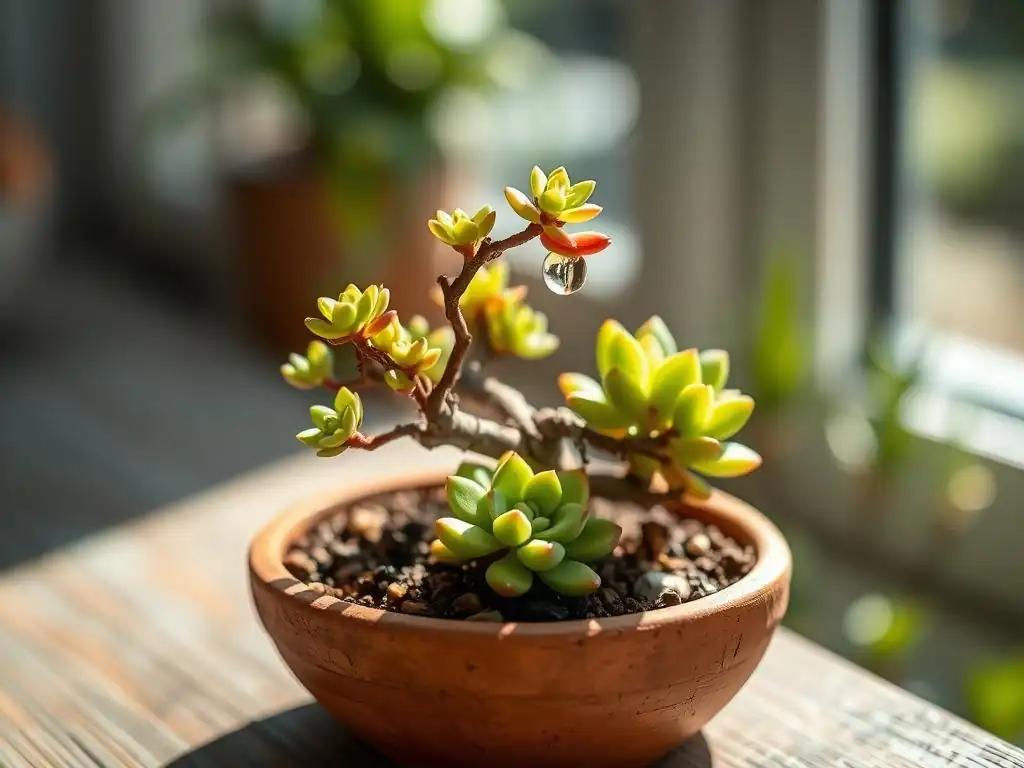
Welcome to SucculentEssentials.org, your gateway to the fascinating world of succulents! Are you ready to unlock the secrets to cultivating thriving, miniature succulent landscapes? We delve into the art of succulent care, from propagation techniques to stunning design ideas. But first, discover the surprising advantages of using the best soil for succulent bonsai – a game-changer for achieving truly spectacular results. Dive in and learn how to elevate your succulent collection to the next level!
- Why Bonsai Soil is Ideal for Succulent Bonsai: Understanding the Needs of Miniature Plants
- Choosing the Right Bonsai Soil Mix for Your Succulents
- Practical Applications: Using Bonsai Soil for Various Succulent Bonsai Styles
- Maintaining Your Succulent Bonsai with Bonsai Soil
- Comparing Bonsai Soil to Other Succulent Soil Options
- Troubleshooting Common Issues with Bonsai Soil for Succulents
- Frequently Asked Questions
- Final Reflection: Cultivating Resilience: The Art of Bonsai and Succulent Care
- Unleash Your Succulent's Potential: Thrive with the Right Soil!
Why Bonsai Soil is Ideal for Succulent Bonsai: Understanding the Needs of Miniature Plants
Succulents, with their captivating shapes and drought-tolerant nature, have captured the hearts of plant enthusiasts worldwide. But when it comes to cultivating these miniature marvels as bonsai, the choice of soil becomes paramount. This article delves into the benefits of using bonsai soil specifically for succulent bonsai, highlighting its superior drainage, optimal air circulation, and crucial nutrient retention capabilities.
We'll explore why this specialized substrate is frequently considered the best soil for succulent bonsai, leading to healthier, more vibrant, and long-lasting miniature masterpieces. Choosing the right soil is a critical step in ensuring the success of your succulent bonsai journey, preventing common pitfalls like root rot and promoting vigorous growth. Understanding the unique requirements of these miniature plants is key to unlocking their full potential, and the right soil is the foundation for that success.
Superior Drainage: Preventing Root Rot in Miniature Succulents
Root rot is a common nemesis for succulent enthusiasts, and it's especially devastating in the context of bonsai, where the plants are often more vulnerable due to their size and the intricate styling. Bonsai soil, with its carefully balanced blend of inorganic materials like pumice, akadama, and lava rock, provides exceptional drainage. Unlike typical potting mixes which can retain too much moisture, leading to soggy roots and fungal infections, bonsai soil allows excess water to drain quickly, preventing the waterlogged conditions that encourage root rot.
This characteristic is vital for succulents, which are adapted to arid environments and are highly susceptible to root damage from overwatering. The well-draining nature of bonsai soil minimizes the risk of this common problem, ensuring the health and longevity of your miniature succulents. Careful watering practices remain important, of course, but the soil itself provides a significant safety net against water retention issues.
Optimal Air Circulation: Ensuring Healthy Root Development in Bonsai Soil
Beyond drainage, bonsai soil's composition promotes excellent air circulation around the roots. This is crucial for healthy root development and overall plant vigor. The porous structure of the soil particles allows oxygen to reach the roots effectively, facilitating respiration and nutrient uptake. Good aeration prevents anaerobic conditions, which can hinder root growth and lead to various health problems.
Succulents, with their shallow root systems, are particularly sensitive to poor aeration. The open structure of bonsai soil ensures that their roots receive the oxygen they need to thrive, contributing to a robust and healthy root system that supports the plant's above-ground growth. This is especially critical for bonsai, where the root system is often constrained in a small container.
Nutrient Retention: Providing Essential Nutrients for Thriving Succulents
While succulents are known for their resilience, they still require essential nutrients for optimal growth and development. While bonsai soil might not be as rich in organic matter as some potting mixes, it provides a balanced nutrient supply that avoids the risk of over-fertilization, which is another common problem for succulents. The inorganic components of bonsai soil release nutrients slowly and steadily, providing a controlled release of essential minerals.
This prevents nutrient burn, a common issue with high-nitrogen fertilizers, which can damage succulent roots and foliage. Supplementing with a balanced, diluted succulent fertilizer at appropriate intervals ensures that your bonsai receive the nutrients they need without risking nutrient imbalances. This balanced approach, combined with the excellent drainage and aeration, creates the ideal environment for a thriving succulent bonsai.
Soil Structure and Texture: The Perfect Balance for Bonsai and Succulents
Bonsai soil and succulent soil share a crucial commonality: excellent drainage. Both types of plants are highly susceptible to root rot caused by overly wet conditions. The ideal soil structure for both is loose, airy, and well-draining, allowing excess water to escape quickly. This prevents waterlogging, a significant threat to the health of both bonsai and succulents. Unlike typical garden soil, which tends to be dense and retain moisture, bonsai soil is formulated with a specific blend of ingredients to achieve this optimal drainage.
This carefully crafted structure is achieved through the inclusion of materials like pumice, akadama, and lava rock. These inorganic components provide excellent aeration and prevent compaction, ensuring that the roots receive sufficient oxygen. The addition of organic matter, such as peat moss or composted bark, in smaller quantities, provides essential nutrients while maintaining the crucial drainage properties. The balance is key—too much organic matter can retain too much water, negating the benefits of the inorganic components.
The texture of the bonsai soil mixture is crucial. It should be coarse enough to allow for rapid water percolation yet fine enough to retain some moisture and nutrients. This balance ensures the roots have access to water when needed without becoming waterlogged. A proper bonsai soil mix for succulents will feel gritty and loose to the touch, unlike the smooth and dense texture of typical potting soil.
This difference in texture directly impacts the overall health and vigor of the plant. A well-structured soil allows for healthy root development, which is essential for the overall health and longevity of both bonsai and succulent plants. The fine balance between drainage, aeration, and nutrient retention is the cornerstone of a successful bonsai soil mix for succulents.
Choosing the Right Bonsai Soil Mix for Your Succulents
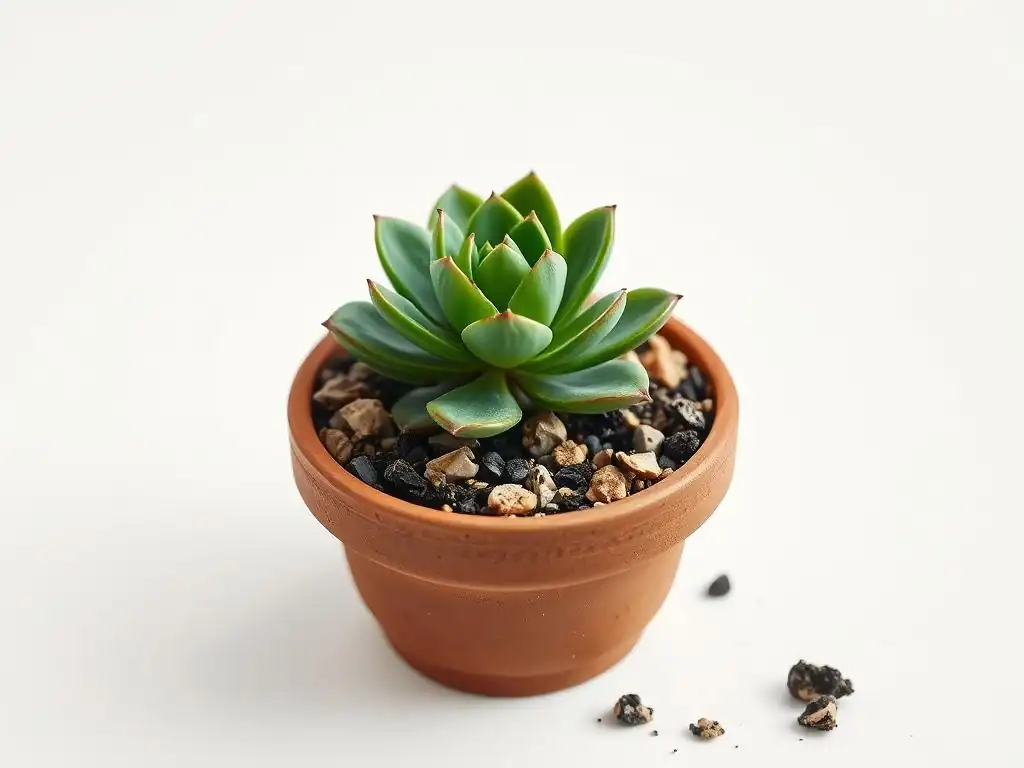
Selecting the appropriate soil blend is paramount for the health and vitality of your succulents, especially when cultivating them as bonsai. While not all bonsai soils are created equal, many share key characteristics beneficial to succulents: excellent drainage, good aeration, and a slightly acidic pH. The "best soil for succulent bonsai" isn't a single product, but rather a well-balanced mix tailored to the specific needs of your plants. Factors to consider include the type of succulent, the pot size, and the climate.
A poorly draining soil can lead to root rot, a common and often fatal problem for succulents. Conversely, a soil that's too well-draining might lead to frequent watering and nutrient deficiencies. Finding the sweet spot requires careful consideration and experimentation. This section will guide you through creating a custom blend that promotes healthy growth and longevity for your succulent bonsai.
Selecting the Best Components for a Custom Blend
Creating a custom bonsai soil blend for succulents requires a thoughtful selection of components. The ideal mix balances drainage, aeration, and nutrient retention. Here's a breakdown of commonly used ingredients and their roles:
- Akadama: This volcanic clay is a staple in bonsai soil, prized for its excellent drainage and aeration. It gradually breaks down, releasing essential minerals. However, it can be expensive.
- Pumice: Another excellent choice for enhancing drainage and aeration. Pumice is lightweight and porous, allowing for optimal airflow around the roots. It's also relatively inexpensive.
- Lava Rock: Similar to pumice, lava rock contributes to drainage and aeration. Its rough texture can help prevent root compaction.
- Turface MVP: This calcined clay is popular for its exceptional drainage and water retention properties. It provides a stable growing medium that doesn't break down easily.
- Organic Matter (in moderation): A small amount of organic matter, such as coco coir or well-rotted compost, can improve water retention and provide some nutrients. However, overuse can lead to compaction and increase the risk of root rot. Aim for no more than 10-15% organic material in your overall mix.
A well-balanced blend might consist of 50% Akadama, 30% Pumice, and 20% Turface MVP. This provides excellent drainage while retaining some moisture. Remember to always sterilize your soil components before use to prevent the introduction of pests or diseases. Adjust the ratios based on your specific needs and the type of succulents you're growing. For example, succulents with thicker leaves might tolerate slightly more organic matter. Always prioritize drainage! The goal is to create a soil that mimics the well-drained, rocky environments where many succulents naturally thrive.
Avoiding Common Mistakes When Mixing Bonsai Soil for Succulents
Even experienced gardeners can make mistakes when creating a bonsai soil blend. Here are some common pitfalls to avoid:
- Using garden soil: Garden soil is far too dense and retains too much moisture for succulents, significantly increasing the risk of root rot. Avoid it entirely.
- Overusing organic matter: While a small amount of organic matter can be beneficial, too much will lead to compaction and poor drainage. Stick to the recommended percentages.
- Ignoring drainage: Insufficient drainage is the most common cause of succulent failure. Always prioritize components that promote excellent drainage and aeration. Testing your soil mix for drainage before planting is crucial. A simple test involves placing a small amount of the mix in a container and pouring water through it. The water should drain quickly, leaving the soil slightly moist but not soggy.
- Not sterilizing the soil: Sterilizing your soil components before mixing helps prevent the introduction of pests, diseases, and weed seeds. This simple precaution can save your succulents from many problems.
- Failing to consider the pot: The type of pot you use also affects drainage. Terracotta pots are porous and allow for better aeration and evaporation, while plastic pots retain more moisture. Choose pots appropriate for your succulent bonsai and soil mix.
Adapting Bonsai Soil for Different Succulent Species
While a general bonsai soil mix works well for many succulents, some species have specific needs. For example, Echeveria species often prefer a slightly more airy mix with less organic matter, while Sedum species might tolerate a bit more moisture retention. Observe your succulents' growth and adjust the soil accordingly. If you notice signs of root rot (mushy or dark roots), your soil is likely retaining too much moisture. If your succulents appear stunted or their leaves are yellowing, they may need more nutrients or a slightly different soil blend.
Consider these adaptations:
| Succulent Type | Soil Adaptation |
|---|---|
| Fast-growing Sedums | Slightly more organic matter, slightly less pumice |
| Echeverias | More Akadama and pumice, less organic matter |
| Thick-leaved succulents | Increased drainage, less water retention |
| Smaller, delicate succulents | Fine-grained Akadama and pumice, minimal organic matter |
Remember, careful observation and adjustments are key to creating the perfect bonsai soil blend for your specific succulents. Experimentation is encouraged; keeping detailed notes on your soil mixes and their effects on your plants will help you refine your approach and achieve optimal results. The journey to cultivating healthy and thriving succulent bonsai is a rewarding one! 🌱
Practical Applications: Using Bonsai Soil for Various Succulent Bonsai Styles
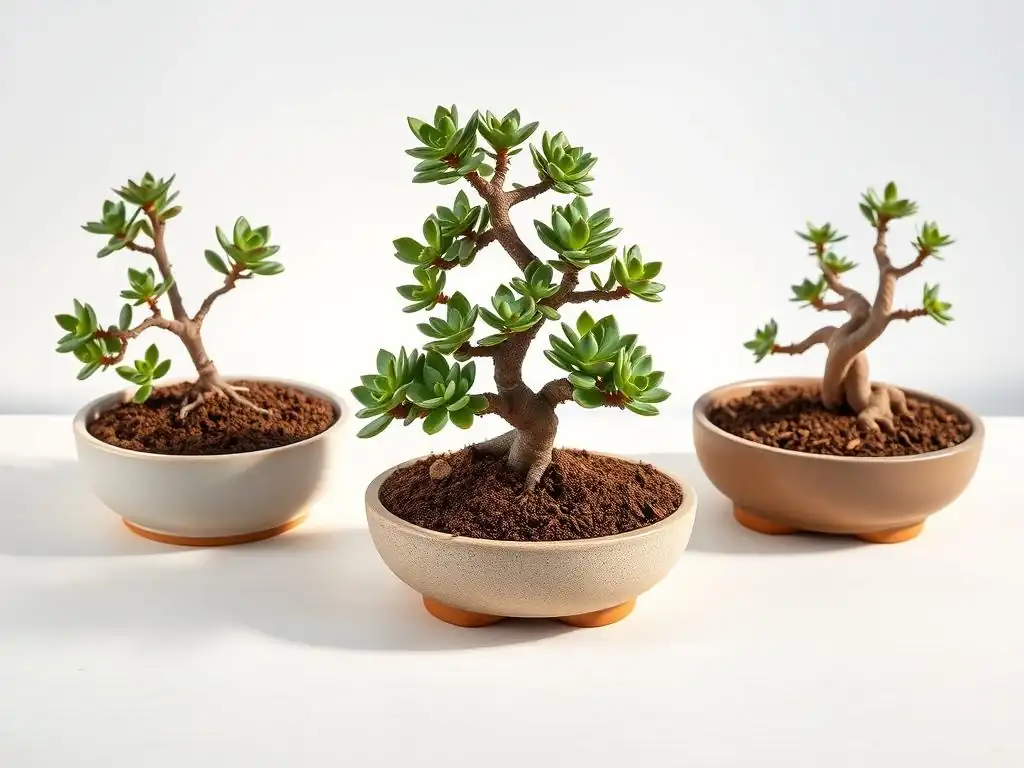
Bonsai soil, renowned for its excellent drainage and aeration, offers significant advantages when cultivating succulent bonsai. Its unique composition, typically a blend of inorganic materials like pumice, akadama, and lava rock, with a smaller proportion of organic matter, mimics the well-draining conditions succulents thrive in, preventing root rot – a common nemesis of these drought-tolerant plants. The "best soil for succulent bonsai" isn't a single, definitive answer, but rather a tailored approach considering the specific needs of the succulent species and the size of the bonsai.
Bonsai Soil for Small-Sized Succulent Bonsai
Smaller succulent bonsai, often featuring delicate species like Sedum or Echeveria varieties, require a particularly well-draining soil mixture. For these miniature masterpieces, consider a bonsai soil blend with a higher proportion of inorganic components. A good starting point might be a 70/30 ratio of inorganic (pumice, akadama) to organic (well-rotted compost or coco coir). The increased inorganic content ensures rapid water drainage, preventing waterlogging, which is especially crucial for these smaller root systems. Overwatering is a significant risk for small succulents, so prioritizing drainage is paramount.
The finer particles of the organic component offer some water retention, but the focus should remain on preventing saturation. Remember, consistent moisture monitoring is key to maintaining optimal conditions. Too much water will lead to root rot, while insufficient water will lead to dehydration and wilting. Finding the sweet spot requires careful observation and adjustments based on your environment and the specific succulent.
Bonsai Soil for Larger, More Mature Succulent Bonsai
Larger, more established succulent bonsai, such as those featuring robust Graptopetalum or Dudleya species, can tolerate a slightly higher proportion of organic matter in their bonsai soil mix. However, drainage remains crucial. A 60/40 ratio of inorganic to organic components could be suitable, providing a balance between drainage and water retention. The increased organic matter contributes to a slightly higher nutrient content, beneficial for the larger root systems of mature plants.
However, it's essential to avoid using heavy organic matter such as peat moss, which can retain too much water and lead to compaction. Always opt for well-decomposed organic materials that contribute to soil structure without compromising drainage. Monitoring the soil moisture level regularly remains crucial, even with mature plants, as their water requirements can still fluctuate based on environmental factors. Remember that the "best" soil mix is highly dependent on the specific succulent and its growing conditions.
Repotting Your Succulent Bonsai with Bonsai Soil: A Step-by-Step Guide
Repotting your succulent bonsai with bonsai soil is a crucial step in maintaining its health and vigor. This process, ideally conducted during the growing season (spring or early summer), allows for root inspection, removal of dead or decaying roots, and the provision of fresh, nutrient-rich soil. Here's a step-by-step guide:
- Preparation: Gently remove the succulent from its current pot. Carefully loosen the root ball to avoid damaging the delicate roots.
- Root Inspection: Examine the roots. Trim away any dead, brown, or mushy roots using clean, sharp pruning shears.
- Soil Selection: Prepare your bonsai soil mix based on the size and type of your succulent bonsai, as detailed above.
- Potting: Choose a pot with adequate drainage holes. Place a layer of drainage material (e.g., gravel) at the bottom. Add a layer of bonsai soil, carefully place the succulent, and fill in the remaining space with more soil.
- Watering: After repotting, wait a few days before watering to allow any damaged roots to heal and prevent root rot. Subsequent watering should be done sparingly, allowing the soil to dry out partially between waterings.
This detailed approach ensures the long-term health and aesthetics of your succulent bonsai, showcasing the benefits of using the right soil. Remember, consistent monitoring and adjustment are key to successful succulent bonsai cultivation. By paying attention to these details, you can cultivate truly thriving and visually stunning succulent bonsai.
Maintaining Your Succulent Bonsai with Bonsai Soil
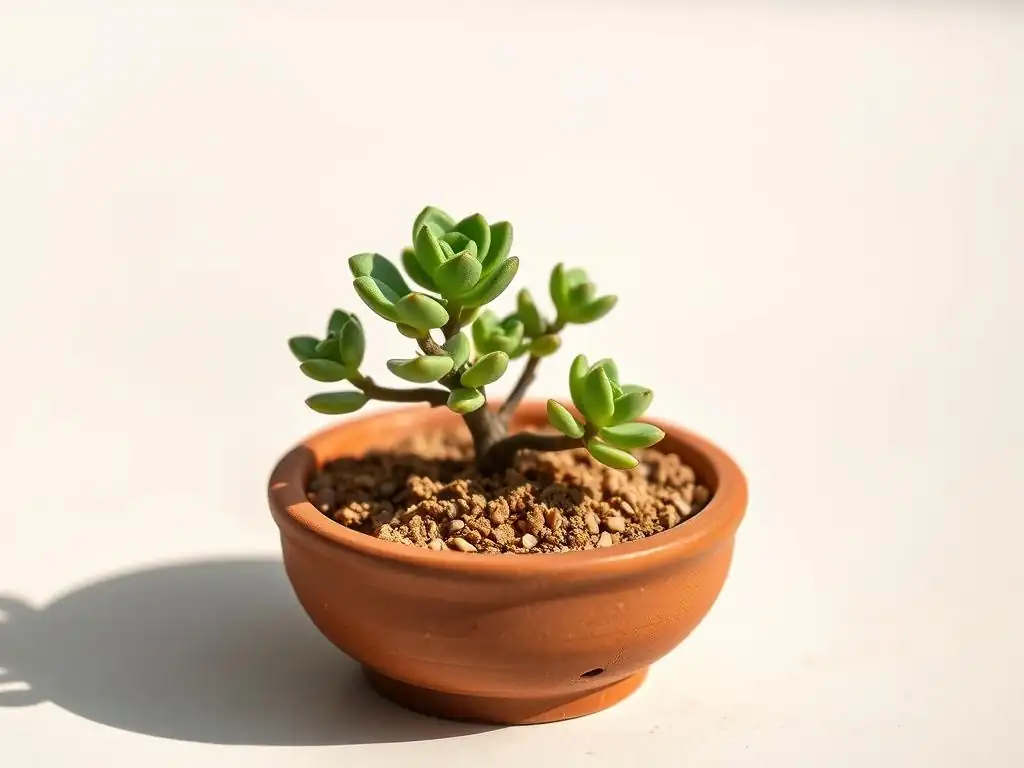
Bonsai soil, with its excellent drainage and aeration properties, offers significant advantages when cultivating succulent bonsai. Its unique composition, typically a blend of inorganic materials like pumice, akadama, and lava rock, mixed with a small percentage of organic matter, prevents the waterlogging that can quickly lead to root rot – a common nemesis of succulents. This well-draining mix ensures that the roots receive sufficient oxygen while preventing the accumulation of excess moisture, creating an ideal environment for healthy growth.
The slightly acidic pH of most bonsai soils also aligns well with the preferences of many succulent species. Choosing the best soil for succulent bonsai means selecting a mix that balances drainage with sufficient water retention to prevent complete desiccation between waterings. This delicate balance is crucial for the successful cultivation of these miniature masterpieces.
Watering Techniques for Succulents in Bonsai Soil
Watering succulent bonsai planted in bonsai soil requires a nuanced approach. The exceptional drainage means that these plants dry out more quickly than those in other potting mixes. Therefore, frequent, but less copious watering is key. Instead of a deep, infrequent soaking, aim for more frequent, lighter waterings that allow the soil to dry out partially between sessions. A good rule of thumb is to water when the top inch or two of soil feels dry to the touch.
Avoid watering when the soil is still moist, as this can lead to root rot. The frequency of watering will depend on several factors, including the ambient temperature, humidity, pot size, and the specific succulent species. During hotter, drier months, you might need to water every few days, while in cooler, more humid periods, watering once a week or even less might suffice. Always check the soil moisture level before watering to avoid overwatering. Careful observation is the best guide.
Using a moisture meter can also be helpful, especially for beginners. Remember, it's better to underwater slightly than to overwater. The signs of underwatering are typically wilting leaves, while overwatering manifests as mushy, decaying leaves and stems. Proper watering is paramount in maintaining the health and vitality of your succulent bonsai.
Fertilizing Your Succulent Bonsai: A Balanced Approach
While succulents are generally slow-growing and don't require heavy fertilization, providing a balanced nutrient supply is crucial for optimal growth and vibrant coloration. Use a diluted, balanced liquid fertilizer specifically formulated for bonsai or cacti and succulents. Avoid high-nitrogen fertilizers, as these can promote excessive leaf growth at the expense of overall plant health and sturdiness.
A balanced fertilizer with a lower nitrogen content (e.g., a 10-10-10 or similar formulation) is best. Apply fertilizer only during the active growing season (typically spring and summer), following the instructions on the fertilizer packaging carefully. Over-fertilizing can be harmful, potentially burning the delicate roots of your succulent bonsai.
It's generally recommended to fertilize every 2-4 weeks during the growing season, but always adjust the frequency based on your plant's needs and the specific fertilizer used. During the dormant season (fall and winter), withhold fertilization altogether to allow the plant to rest and conserve energy. Regular observation of your plant's growth and overall health will help you determine the most appropriate fertilization schedule.
Recognizing Signs of Overwatering or Underwater in Bonsai Planted Succulents
Recognizing the signs of overwatering or underwatering in your succulent bonsai is crucial for timely intervention and preventing irreversible damage. Overwatering manifests in several ways: leaves become mushy, soft, and may develop dark spots or discoloration; the stem might appear bloated or waterlogged; and a foul odor may emanate from the soil. In contrast, underwatering presents with visible signs of dehydration: leaves will shrivel, wrinkle, and become limp; the plant might appear stunted or show signs of slowed growth; and the soil will be completely dry to the touch even several centimeters down. Early detection is key.
If you notice any of these symptoms, adjust your watering schedule accordingly. For overwatering, temporarily withhold watering and ensure proper drainage. For underwatering, provide a thorough but gentle watering, ensuring the water reaches the roots.
Regular monitoring of your succulent bonsai, paying attention to the soil moisture and the plant's appearance, is the best way to prevent problems and ensure the long-term health and beauty of your miniature trees. Remember, prevention is always better than cure when it comes to caring for your precious succulent bonsai. 🪴
Comparing Bonsai Soil to Other Succulent Soil Options
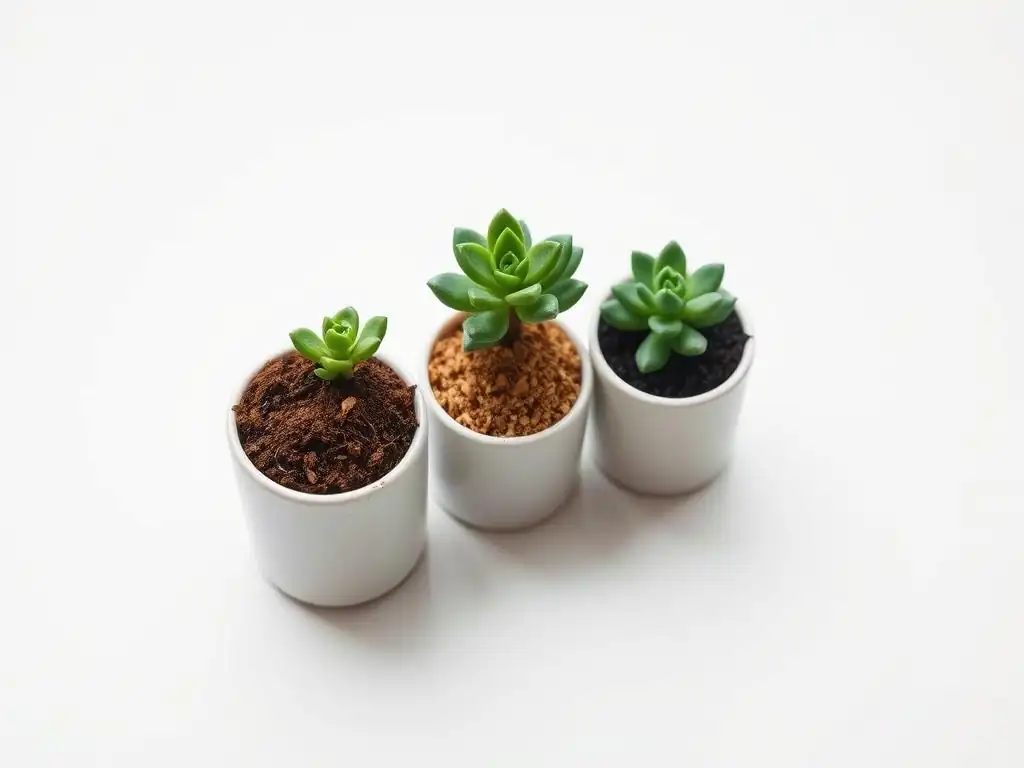
This section delves into a direct comparison of bonsai soil with other popular soil choices for succulents, highlighting the nuances that make bonsai soil a potentially superior option for certain succulent species, particularly those styled as bonsai. We will examine its properties and how they stack up against commonly used alternatives. The "best soil for succulent bonsai" isn't a one-size-fits-all answer, but understanding these comparisons is key to making an informed decision.
Bonsai Soil vs. Cactus and Succulent Mix: A Detailed Comparison
Many succulent enthusiasts rely on pre-mixed cactus and succulent soil blends readily available at garden centers. While these mixes generally offer good drainage, they often lack the specific qualities of bonsai soil, particularly in terms of particle size and aeration. Bonsai soil, meticulously crafted for the unique needs of miniature trees, typically contains a higher proportion of larger inorganic components like pumice and lava rock. This creates superior drainage and aeration crucial for preventing root rot, a common problem for succulents.
| Feature | Bonsai Soil | Cactus & Succulent Mix |
|---|---|---|
| Drainage | Excellent, due to larger particle size | Good, but potentially less than bonsai soil |
| Aeration | Superior, promoting healthy root growth | Adequate, but may become compacted over time |
| Water Retention | Lower, preventing waterlogging | Moderate, requiring careful watering |
| Nutrient Content | Typically lower, requiring supplemental feeding | Often contains some slow-release fertilizers |
| Cost | Generally more expensive | Usually less expensive |
Conversely, cactus and succulent mixes often include finer materials like peat moss which, while retaining some moisture, can become compacted, hindering drainage and aeration over time. This can lead to root rot, a significant threat to succulents' health. The larger particle size in bonsai soil helps maintain a consistently well-aerated environment around the roots, even as the soil settles. For smaller succulents or those particularly prone to root rot, this superior drainage is a considerable advantage. This makes bonsai soil a strong contender for the title of "best soil for succulent bonsai."
Bonsai Soil vs. Regular Potting Soil: Key Differences and Advantages
Using regular potting soil for succulents, especially those cultivated as bonsai, is strongly discouraged. Regular potting soil retains too much moisture and lacks the crucial drainage and aeration necessary to prevent root rot and fungal diseases. Its fine texture compacts easily, creating anaerobic conditions detrimental to succulent roots. This results in poor root health, stunted growth, and ultimately, plant death.
The contrast is stark. Bonsai soil prioritizes drainage and aeration, while regular potting soil prioritizes moisture retention – a completely opposite requirement for succulents. The fine particles in regular potting soil hold water for extended periods, essentially drowning the roots of drought-tolerant succulents. Bonsai soil, on the other hand, allows excess water to drain quickly, ensuring the roots receive sufficient oxygen. This distinction is paramount for the long-term health and survival of your succulent bonsai. The superior drainage and aeration provided by bonsai soil solidify its position as a superior option for many succulent bonsai enthusiasts.
Choosing the Right Soil Based on Your Succulent's Needs
While bonsai soil offers many advantages, the "best soil for succulent bonsai" depends on the specific needs of the plant. Consider the following factors:
- Succulent Species: Some succulents tolerate more moisture than others. Research the specific requirements of your succulent before selecting a soil mix.
- Pot Size and Drainage: Smaller pots require more attention to drainage. Even with well-draining bonsai soil, a poorly draining pot can negate its benefits.
- Climate and Growing Conditions: In humid climates, prioritize even better drainage than in drier climates.
- Watering Habits: Adjust your watering schedule based on the soil's water retention properties. Bonsai soil, with its lower water retention, requires more frequent, but less voluminous, watering.
Ultimately, selecting the appropriate soil is a critical aspect of succulent bonsai care. While bonsai soil presents a compelling option due to its superior drainage and aeration, careful consideration of your specific succulent's needs and your growing environment remains crucial for achieving optimal results. Careful observation and adjustment will help you determine the perfect soil blend for your thriving succulent bonsai collection. Remember, even with the best soil, proper watering techniques are essential for success.
Troubleshooting Common Issues with Bonsai Soil for Succulents
Bonsai soil, while excellent for its aeration and drainage properties in miniature trees, presents unique challenges when used for succulents. Its excellent drainage, a boon for bonsai, can sometimes lead to overly rapid drying for succulents, especially in warmer climates or with smaller plants. Conversely, the coarser components can sometimes impede proper water retention, potentially leading to nutrient deficiencies. Understanding these nuances is crucial for successfully cultivating succulent bonsai. Let's delve into common problems and their solutions.
Addressing Drainage Problems in Bonsai Soil
One of the most frequent issues encountered when using bonsai soil for succulents is inadequate water retention. While the well-draining nature of bonsai soil is generally beneficial, it can lead to succulents drying out too quickly, especially during hot and dry periods. This is particularly true for smaller succulent bonsai, which have a smaller root system and therefore less capacity to store moisture.
To mitigate this, consider amending the bonsai soil mix. You can achieve better water retention by adding a small percentage of organic matter, such as coco coir or well-rotted compost. Aim for a ratio that balances drainage with moisture retention – perhaps 70% bonsai soil to 30% organic matter.
Regularly check the soil moisture level using a moisture meter or by inserting your finger into the soil. Water thoroughly when the top inch of soil feels dry, but avoid overwatering, which can lead to root rot. The frequency of watering will depend on factors like the size of your succulent bonsai, the pot size, the temperature, and the ambient humidity.
Another effective strategy is to choose pots with better water retention. Terracotta pots, while aesthetically pleasing, are notoriously porous and can lead to rapid water evaporation. Consider using glazed ceramic pots or plastic pots which retain moisture better. Remember that the size of the pot relative to the size of the succulent bonsai is also crucial for maintaining proper moisture levels.
Dealing with Nutrient Deficiencies in Succulent Bonsai
Bonsai soil, while providing excellent aeration, is often low in essential nutrients. This can result in nutrient deficiencies in your succulent bonsai, manifesting as stunted growth, pale coloration, or leaf discoloration. Succulents, while adapted to nutrient-poor conditions, still require a balanced supply of essential nutrients for optimal growth and health.
To address this, consider supplementing with a balanced, slow-release fertilizer specifically formulated for succulents and cacti. Avoid over-fertilizing, as this can damage the delicate roots of your bonsai. A diluted liquid fertilizer applied every few weeks during the growing season (spring and summer) is often a suitable approach. Always follow the manufacturer's instructions carefully.
Observe your plants closely for any signs of nutrient deficiency, such as yellowing leaves (chlorosis) which may indicate a lack of nitrogen or magnesium. Addressing nutrient deficiencies promptly ensures the health and vitality of your succulent bonsai. Regular soil testing can provide valuable insights into the nutrient levels in your bonsai soil and help you tailor your fertilization strategy accordingly.
Preventing and Treating Root Rot in Bonsai Planted Succulents
While bonsai soil's excellent drainage minimizes the risk of root rot, it's not entirely eliminated. Overwatering, especially in poorly draining pots or during periods of low temperatures and high humidity, can still lead to root rot. Root rot is a serious fungal disease that can quickly kill your succulent bonsai. Early detection and prompt treatment are crucial.
Prevention is key. Ensure proper drainage by using well-draining bonsai soil and pots with drainage holes. Water only when the soil is dry to the touch, avoiding excessive watering. Ensure good air circulation around your succulent bonsai to prevent the buildup of moisture. Inspect your plants regularly for signs of root rot, such as mushy or discolored roots, wilting, and a foul odor.
If you suspect root rot, act quickly. Remove the succulent from its pot and carefully examine the roots. Trim away any affected roots using sterilized pruning shears. Repot the succulent in fresh, dry bonsai soil and a clean pot with drainage holes. You may also consider applying a fungicide to help prevent further infection. Ensure proper watering practices to prevent recurrence. Careful monitoring and proactive measures are crucial for preventing and treating root rot in your precious succulent bonsai.
Frequently Asked Questions
What is the best soil for succulent bonsai?
A well-draining bonsai soil mix is ideal for succulent bonsai. Look for mixes with a high percentage of inorganic materials like pumice or perlite to ensure excellent drainage and prevent root rot. Avoid heavy clay-based soils.
Why is drainage so important for succulent bonsai?
Succulents are prone to root rot if their roots sit in overly wet soil. Good drainage allows excess water to escape quickly, preventing this common problem and keeping your bonsai healthy. Air circulation is also improved with good drainage.
Can I use regular potting soil for my succulent bonsai?
Regular potting soil is generally too dense and retains too much moisture for succulent bonsai. This increases the risk of root rot. It's best to use a specialized bonsai soil mix or create your own with the right ingredients.
What ingredients should I include in a DIY succulent bonsai soil mix?
A good DIY mix typically includes pumice, perlite, akadama, and a small amount of organic matter like coco coir. The exact ratio will depend on your climate and the specific succulent species. Experiment to find the perfect blend.
How often should I water my succulent bonsai using bonsai soil?
Watering frequency depends on factors like pot size, climate, and season. Allow the soil to dry out completely between waterings. Overwatering is a common mistake, so it's better to underwater slightly than overwater.
Final Reflection: Cultivating Resilience: The Art of Bonsai and Succulent Care
The meticulous art of bonsai, when applied to succulents, reveals a powerful synergy: a testament to the resilience of nature and the rewarding patience of the cultivator. Understanding the ideal soil composition is paramount to achieving this delicate balance, and choosing the right soil—as explored throughout this article—is the cornerstone of success. The health and longevity of your miniature landscapes depend directly on this crucial first step.
The enduring appeal of bonsai and succulents lies not just in their aesthetic beauty, but in the profound connection they foster between human care and natural growth. They are living reminders of the delicate interplay between environment and organism, a constant negotiation between nurture and survival. The best things in life are not things.
This simple adage resonates deeply when considering the quiet satisfaction derived from nurturing these miniature worlds, a satisfaction that transcends the mere acquisition of beautiful plants. It's about the process, the learning, and the ongoing dialogue with nature.
Consider the lessons learned here: the importance of well-draining soil, the careful balance of nutrients, and the ongoing attention required to maintain a thriving miniature ecosystem. These principles extend far beyond the realm of bonsai and succulents; they speak to the resilience we must cultivate within ourselves and the mindful attention we must give to the things we cherish. Now, take a moment to reflect on your own "miniature worlds"—your passions, your relationships, your aspirations—and consider how the principles of careful cultivation might help them flourish. Embrace the challenge, nurture your growth, and watch your own resilience bloom.
Unleash Your Succulent's Potential: Thrive with the Right Soil!
Thank you for learning about the benefits of using specialized soil for your succulents! We hope you feel confident choosing the perfect soil to help your plants flourish. Ready to put your new knowledge into practice?
- Repot your succulents today! Use what you've learned to give your plants the best possible start. You'll notice a significant difference with the right soil.
- Share this article with fellow succulent enthusiasts—let's build a thriving community of happy, healthy plants!
- Experiment with different soil blends and share your results in the comments below! What worked best for you?
What's your favorite tip for keeping succulents happy and healthy? Let's discuss!