
Succulent Temperature Tolerance: How Cold is Too Cold?

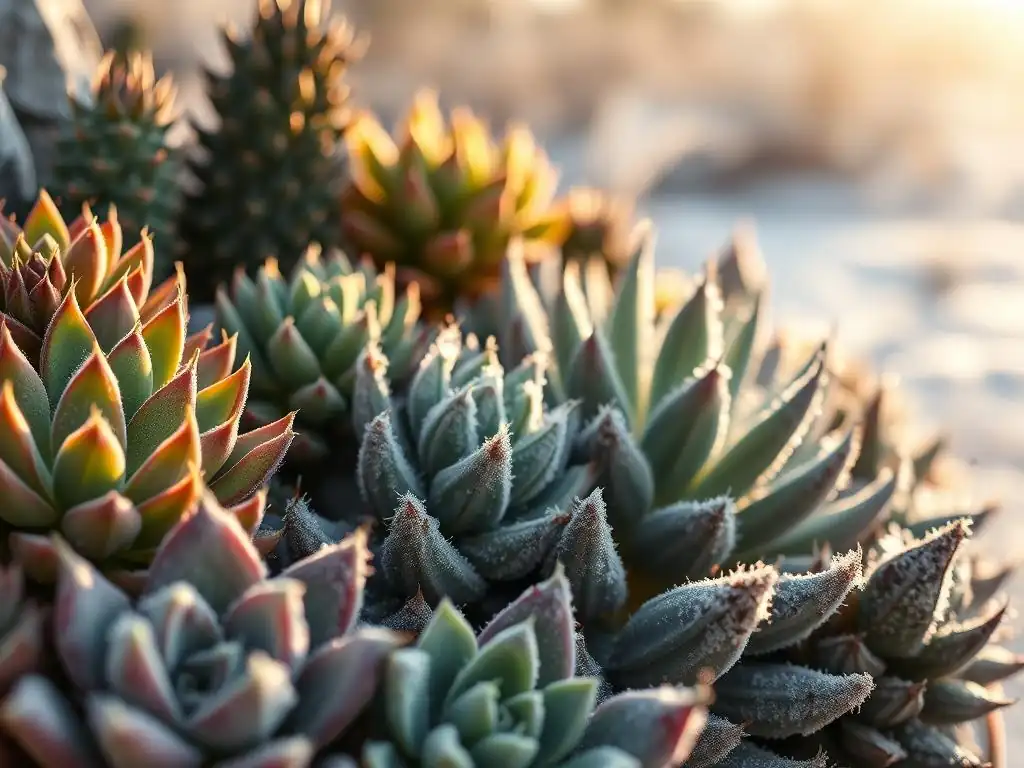
Welcome to SucculentEssentials.org, your gateway to the fascinating world of succulents! Are you ready to unlock the secrets to thriving succulent gardens, no matter the climate? We delve into the captivating intricacies of these resilient plants, from propagation techniques to stunning design inspiration. But first, a crucial question: just how cold is too cold for your succulents? Discover the surprising truth about succulent cold hardiness tolerance and ensure your precious plants flourish through every season. Let's explore!
Understanding Succulent Cold Hardiness
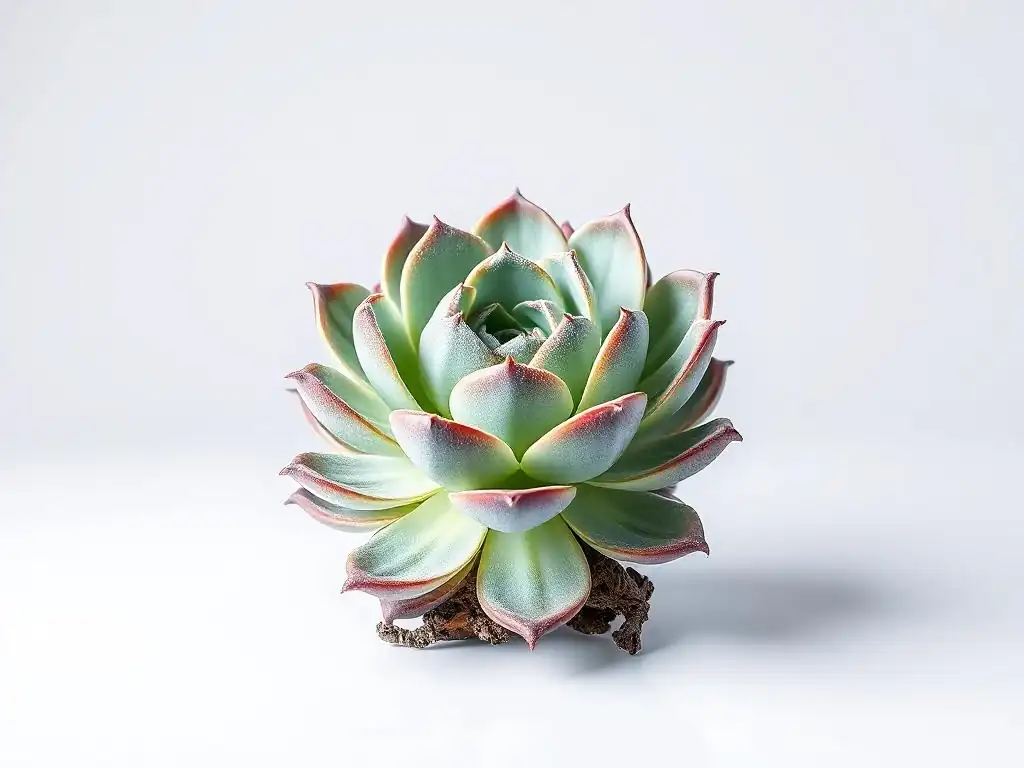
Succulents, with their striking beauty and low-maintenance appeal, have captured the hearts of plant enthusiasts worldwide. However, their resilience isn't limitless. Understanding succulent cold hardiness—their ability to withstand freezing temperatures—is crucial for ensuring their survival, especially for those living in climates with colder winters. This article delves into the intricacies of succulent temperature tolerance, helping you determine how cold is too cold for your beloved plants and providing practical tips for protecting them during frosty spells.
We'll explore various species, their individual cold hardiness ratings, and effective strategies to safeguard your succulent collection from winter's chill. Mastering this knowledge ensures your succulents thrive year-round, showcasing their vibrant colors and unique textures regardless of the season. This guide is essential for maintaining healthy and flourishing succulents, no matter your climate.
Defining Cold Hardiness Zones and Their Impact on Succulents
Understanding plant hardiness zones is paramount when discussing succulent cold hardiness tolerance. These zones, based on average annual minimum temperatures, provide a framework for determining which plants are likely to thrive in a particular region. The USDA Plant Hardiness Zone Map is a widely used resource, categorizing regions into zones ranging from 1 (coldest) to 13 (warmest). However, microclimates within a zone can significantly affect a succulent's tolerance.
Factors like elevation, proximity to water, and wind exposure can influence the actual minimum temperatures experienced by your plants. For example, a succulent in a sheltered, south-facing location might survive a slightly colder temperature than one exposed to harsh winds and full shade. Knowing your specific microclimate is key to accurately assessing your succulent's cold hardiness needs. Remember that even within a specific hardiness zone, temperature fluctuations can be significant, making consistent monitoring crucial, especially during unexpected cold snaps.
Identifying Cold-Hardy and Cold-Sensitive Succulent Varieties
Not all succulents are created equal when it comes to cold tolerance. Some species, like Sedum, Sempervivum (hens and chicks), and Dudleya, exhibit remarkable cold hardiness, tolerating temperatures well below freezing. These hardy succulents often boast a greater tolerance for fluctuations in temperature and moisture. Conversely, many tropical and desert succulents, such as Echeveria, Haworthia, and some Aloe varieties, are far more sensitive to cold and may suffer damage or even die at temperatures only slightly below freezing.
Understanding the specific cold hardiness of individual species is vital. Researching the specific needs of each succulent in your collection will enable you to provide the optimal environment for their survival and flourishing. It’s also important to note that even within a species, variations in cold hardiness can exist depending on the cultivar.
Practical Strategies for Protecting Succulents from Cold Temperatures
Protecting your succulents during cold spells requires a multi-pronged approach. For succulents with moderate cold hardiness, simply moving them to a sheltered location, such as a porch or garage, might be sufficient. Providing adequate drainage is crucial; soggy soil is far more damaging than cold temperatures. For more sensitive succulents, consider bringing them indoors to a bright, cool location. Avoid placing them near heating vents, which can dry out the plants. For those who prefer to keep their succulents outdoors year-round, providing a layer of mulch or other protective covering can help insulate the roots and protect them from freezing temperatures. This insulation helps moderate soil temperature fluctuations, preventing sudden drops that can damage the roots. Remember that consistent monitoring is key: regular checks during cold snaps allow for timely intervention if necessary. A proactive approach is vital to ensure the survival of your succulent collection throughout the winter months.
Signs of Cold Damage in Succulents and Remedial Actions
Recognizing the signs of cold damage in succulents is crucial for taking prompt remedial action. Symptoms can range from discoloration and wilting to mushiness and blackening of leaves or stems. If you notice any of these signs, immediately assess the plant's condition. If the damage is minor, such as slight discoloration, the plant might recover with careful attention and protection from further cold exposure.
Severe damage, however, often indicates irreversible harm. In such cases, consider propagating healthy cuttings to preserve the plant's genetic material. Prompt action is crucial in minimizing losses and ensuring the long-term health of your succulent collection. Prevention is always the best approach, but understanding how to react to cold damage is essential in managing your succulents effectively.
Frequently Asked Questions
What is the average cold hardiness of succulents?
The average cold hardiness varies greatly depending on the specific succulent species. Some can tolerate light frosts (around 30°F or -1°C), while others need much warmer temperatures. Always research your specific succulent's needs.
How can I protect my succulents from freezing temperatures?
Bring your succulents indoors or into a protected area like a garage or greenhouse before a hard freeze. You can also cover them with frost cloth or blankets for added protection. Avoid overwatering before a cold snap.
Which succulents are the most cold-hardy?
Some of the most cold-hardy succulents include Sempervivum (hens and chicks), Sedum, and certain Echeveria species. However, even these can suffer damage in extreme cold. Always check the specific cold hardiness of the cultivar.
What are the signs of cold damage in succulents?
Signs of cold damage include discoloration, mushy or soft leaves, and wilting. Severe cold can lead to complete plant death. Monitor your plants carefully during cold spells.
My succulent has cold damage; can it recover?
If the damage is mild, your succulent might recover with proper care, including providing warmer temperatures, avoiding overwatering, and ensuring adequate sunlight. Severe damage is often irreversible.
Final Reflection: Embracing the Resilience of Succulents
Understanding succulent cold hardiness is not merely a horticultural pursuit; it's a crucial step towards ensuring the thriving of these remarkable plants in our increasingly unpredictable climate. The fragility often associated with succulents belies their surprising resilience, a resilience we must understand and appreciate to protect these beautiful plants and the ecosystems they inhabit. The information presented in this article highlights the critical need for informed care, emphasizing the importance of species-specific knowledge and proactive protection against extreme temperatures.
The journey of learning about succulent cold tolerance has been a profound one, revealing not only the scientific intricacies of plant physiology but also the deeper connection between human care and the natural world. The glory of gardening: hands in the dirt, head in the sun, heart with nature. To nurture a garden is to feed not just the body, but the soul.
This quote beautifully encapsulates the emotional investment and rewarding experience of cultivating succulents, an investment made even more meaningful by understanding their specific needs and limitations. The ongoing impact of climate change underscores the importance of this knowledge, pushing us to become more attentive and responsible stewards of our plant companions.
Consider the succulents you nurture, their unique needs, and the challenges they face. Take the information presented here and use it to create a microclimate of care, ensuring their continued health and beauty. By understanding their cold hardiness, you are not only protecting your plants but also engaging in a deeper appreciation for the delicate balance of nature and the resilience of life itself. Let this knowledge inspire you to continue learning, adapting, and celebrating the remarkable world of succulents.
Unlock Your Succulents' Winter Survival Secrets!
Thanks for exploring the world of succulent cold hardiness! You've gained valuable knowledge to protect your plants from winter's chill. Ready to put your knowledge into practice?
- Prioritize your most vulnerable succulents: Identify the species most at risk based on their type and current health, and apply the appropriate protective measures. This is crucial for a thriving collection.
- Share your cold-weather succulent care tips: Let's build a community of frost-fighting enthusiasts! Share your experiences, successes, and lessons learned in the comments below.
- Explore our comprehensive succulent care guide (available on our website) for additional support and resources to nurture your collection throughout the year.
So, what winter protection plan will you use for your most delicate succulent this year?