
The Hidden Dangers of MoistureRetaining Soil for Succulents

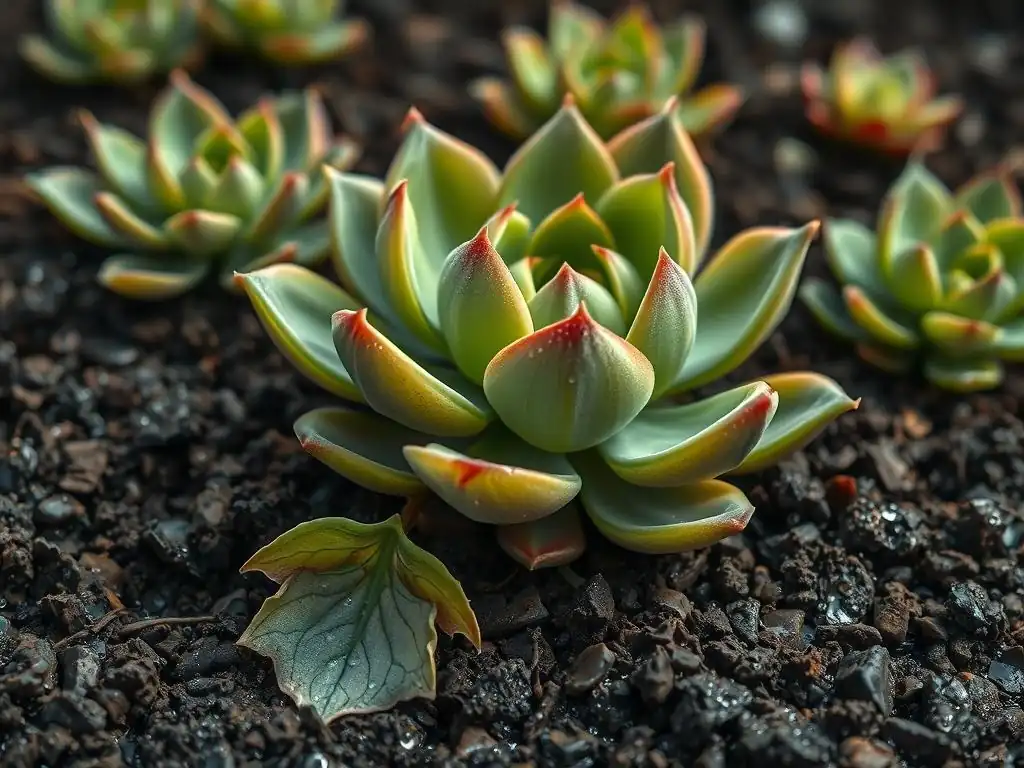
Welcome to SucculentEssentials.org, where the fascinating world of succulents unfolds! Are you ready to unlock the secrets to thriving succulents? We delve into every aspect of succulent care, from propagation techniques to stunning design ideas. But first, let's address a critical concern that can make or break your succulent collection: the hidden dangers of succulent soil moisture. Discover how seemingly beneficial moisture-retaining soil can actually lead to devastating consequences for your beloved plants. Dive in and learn how to avoid these pitfalls – your succulents will thank you!
- Understanding Succulent Soil Moisture Requirements
- Succulent Soil Moisture Dangers: Root Rot and Other Issues
- Selecting the Right Soil for Your Succulents
- Practical Tips for Preventing Moisture-Related Problems
- Case Studies: Real-Life Examples of Moisture-Related Succulent Damage
- Frequently Asked Questions about Succulent Soil and Moisture
- Frequently Asked Questions
- Final Reflection: The Silent Threat of Soggy Soil to Succulent Thriving
- Unveil Your Succulent's Thriving Potential!
Understanding Succulent Soil Moisture Requirements
Succulents, with their striking beauty and adaptability, are beloved by plant enthusiasts worldwide. However, their drought-tolerant nature often leads to misconceptions about their water needs, particularly concerning soil composition. This article delves into the hidden dangers of moisture-retaining soil for succulents, a critical aspect of successful succulent cultivation often overlooked by beginners and experienced growers alike. Understanding the crucial role of well-draining soil in preventing root rot and ensuring the long-term health of your succulent collection is paramount.
We'll explore the consequences of using the wrong soil and how to identify substrates that pose a significant risk to your precious plants. Mastering succulent soil selection is key to unlocking their full potential and avoiding common pitfalls that can lead to plant loss. Let's delve into the specifics of creating the perfect environment for your thriving succulent garden.
The Importance of Well-Draining Succulent Soil
The health and longevity of your succulents are inextricably linked to the quality of their soil. Unlike many other plants that thrive in consistently moist soil, succulents have evolved to survive in arid and semi-arid conditions. Their unique physiology enables them to store water in their leaves and stems, making them remarkably drought-tolerant.
However, this adaptation also makes them highly susceptible to root rot if their soil retains too much moisture. Well-draining succulent soil is crucial because it prevents waterlogging, allowing excess water to drain quickly and preventing the roots from sitting in saturated conditions. This is achieved by using a soil mix that contains a high proportion of inorganic materials such as perlite, pumice, or coarse sand, alongside a smaller amount of organic matter like coco coir or well-rotted compost.
The ideal soil mix should be airy and loose, facilitating optimal oxygen flow to the roots. A well-draining soil mix significantly reduces the risk of fungal diseases and bacterial infections that thrive in damp environments, ensuring the robust health and vibrant growth of your succulents. Ignoring this fundamental aspect of succulent care can lead to devastating consequences.
Consequences of Poor Drainage in Succulent Soil
Using soil that retains excessive moisture has severe repercussions for succulents. The most common and devastating consequence is root rot. When succulent roots remain consistently wet, they become deprived of oxygen, leading to decay and ultimately, the death of the plant. The symptoms of root rot can be subtle initially, but they quickly escalate.
You might notice wilting, even when the soil appears moist, yellowing leaves, mushy stems, or a foul odor emanating from the soil. Unfortunately, by the time these symptoms become apparent, the damage is often irreversible. Beyond root rot, poor drainage can also lead to other problems, including:
- Fungal and Bacterial Infections: Damp soil provides an ideal breeding ground for various pathogens that can attack the roots and other parts of the succulent, causing further damage and decay.
- Salt Buildup: Frequent watering with tap water can lead to a buildup of salts in the soil, further hindering the ability of the roots to absorb water and nutrients.
- Nutrient Deficiencies: Poor drainage can impair the absorption of essential nutrients, leading to stunted growth and weakened plants.
The cumulative effect of these issues severely compromises the health and aesthetic appeal of your succulents, potentially leading to significant losses in your collection.
Identifying Soils That Retain Excessive Moisture
Knowing which soils to avoid is just as important as knowing which soils to use. Several soil types are inherently prone to retaining excessive moisture and should be avoided when potting succulents. These include:
- Heavy Clay Soils: Clay soils are dense and compact, resulting in poor drainage and aeration. They hold onto water for extended periods, creating a waterlogged environment detrimental to succulent roots.
- Peat-Based Potting Mixes: While peat moss can retain some moisture, it often retains too much moisture for succulents unless amended heavily with inorganic materials. Over-reliance on peat-based mixes without sufficient drainage amendments is a common mistake.
- Soils High in Organic Matter: While some organic matter is beneficial, an overly high proportion can lead to water retention issues. A balanced approach is crucial, prioritizing inorganic components for optimal drainage.
To assess whether a soil is suitable, perform a simple drainage test. Add a small amount of soil to a container, add water, and observe how quickly it drains. If the water sits on top for an extended period, the soil is likely too dense and will retain excessive moisture. Remember, prevention is better than cure when it comes to succulent soil. Choosing the right soil mix from the outset is the cornerstone of successful succulent cultivation. Choosing the right soil is a crucial step in ensuring the health and longevity of your succulent collection. 🌱
Succulent Soil Moisture Dangers: Root Rot and Other Issues
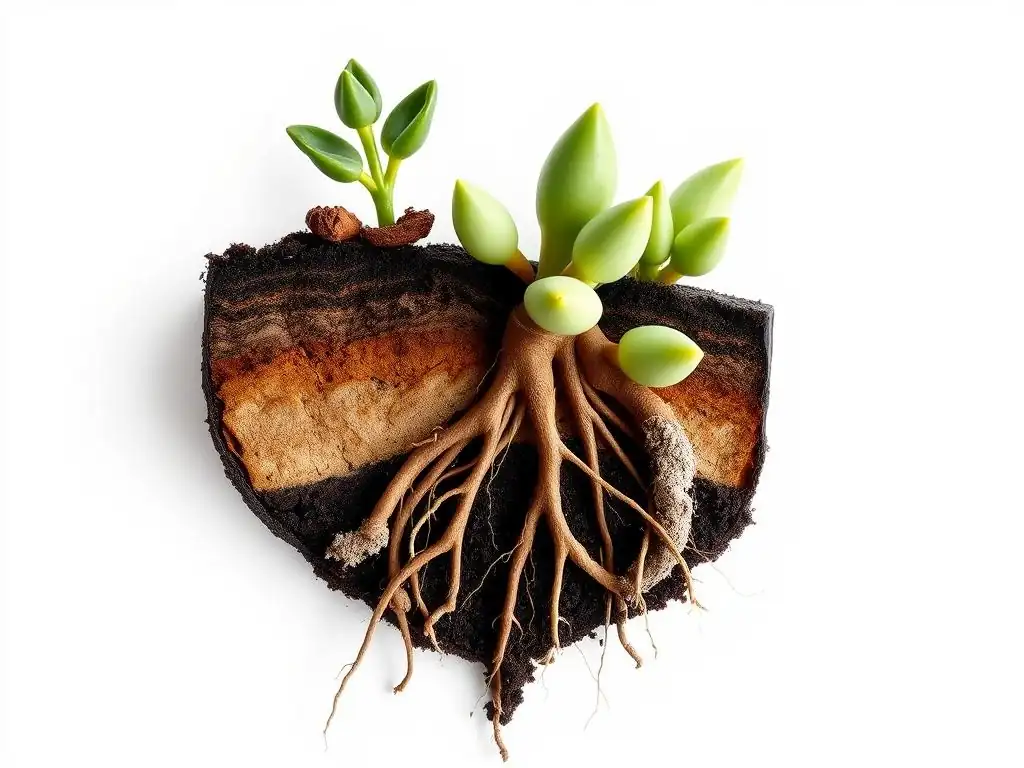
Succulent soil moisture dangers are a serious concern for succulent enthusiasts. While succulents are known for their drought tolerance, overwatering and poorly draining soil can lead to a cascade of problems, ultimately resulting in plant death. Understanding these dangers is crucial for successful succulent cultivation. This section focuses specifically on the detrimental effects of moisture-retaining soil on succulent health. We'll examine the primary threats, including root rot, fungal and bacterial infections, and stem/crown rot, providing you with the knowledge to prevent these issues and keep your succulents thriving.
Root Rot: The Primary Threat of Soggy Soil
Root rot, caused by excessive soil moisture, is arguably the most significant threat to succulents. When succulent roots remain consistently wet, they are deprived of oxygen, leading to decay and the inability to absorb nutrients. This anaerobic environment fosters the growth of various fungi and bacteria that further compromise the root system. The initial symptoms might be subtle – a slightly wilted appearance despite adequate watering – but they quickly progress to more severe signs. Leaves may become mushy or discolored, and the plant may become unstable. Ultimately, root rot leads to irreversible damage and plant death.
The risk of root rot is significantly amplified by using soil that retains too much moisture. Standard potting mixes, often designed for moisture-loving plants, are unsuitable for succulents. These mixes lack the crucial porosity needed for proper drainage and aeration, trapping water around the roots and creating the perfect breeding ground for rot-causing pathogens. Choosing a well-draining, specifically formulated succulent soil mix is paramount to avoiding this devastating issue.
Here's a table summarizing the key symptoms of root rot:
| Symptom | Description |
|---|---|
| Wilting | Plant appears droopy even after watering; may not recover quickly. |
| Mushy Leaves | Leaves become soft, spongy, and lose their firmness. |
| Discoloration | Leaves turn brown, black, or yellow, often starting at the base. |
| Unpleasant Odor | A foul smell may emanate from the soil, indicating decay. |
| Root Examination | Roots appear brown, mushy, and easily pull away from the stem. |
Excess moisture in the soil creates an ideal environment for the proliferation of various fungal and bacterial pathogens. These opportunistic organisms thrive in damp conditions and can easily invade weakened succulent roots and stems. Common fungal infections include Phytophthora and Pythium, while bacterial infections often involve species of Erwinia and Xanthomonas. These pathogens can cause a range of symptoms, from leaf spots and blight to stem cankers and overall plant decline. The severity of the infection depends on several factors, including the pathogen's virulence, the plant's health, and environmental conditions.
The symptoms of fungal and bacterial infections can mimic those of root rot, making diagnosis challenging. However, careful observation may reveal specific indicators. Fungal infections often present as distinct spots or lesions on leaves and stems, sometimes accompanied by powdery or fuzzy growth. Bacterial infections may cause soft rot, a slimy decay that often has a foul odor. Early detection and prompt treatment are crucial to preventing widespread damage. Proper soil drainage and appropriate watering practices are fundamental preventative measures.
Stem and Crown Rot: Recognizing the Symptoms and Causes
Stem and crown rot are serious conditions that frequently result from excessive soil moisture. The crown of the succulent, the area where the stem meets the roots, is particularly vulnerable because it's often close to the soil surface and prone to accumulating moisture. Stem rot, on the other hand, can affect any part of the stem, leading to discoloration, softening, and eventual collapse. Both conditions can rapidly spread throughout the plant, causing irreparable damage.
Symptoms of stem and crown rot often include a water-soaked appearance of the affected tissues, followed by softening and discoloration. The affected areas might turn brown or black and may eventually develop a foul odor. The plant may become unstable and eventually collapse.
In advanced cases, the rot can spread to the roots, further exacerbating the problem. Preventing stem and crown rot requires careful attention to watering techniques and the selection of well-draining soil. Ensuring good air circulation around the plant also helps to prevent the build-up of moisture.
Good sanitation practices, such as sterilizing tools and avoiding overhead watering, can also help to minimize the risk of infection. Early detection is key; if you notice any signs of rot, it's crucial to take immediate action, possibly including removing affected parts of the plant to prevent further spread. Using a fungicide or bactericide might be necessary in severe cases, but preventative measures are always the best approach.
Selecting the Right Soil for Your Succulents
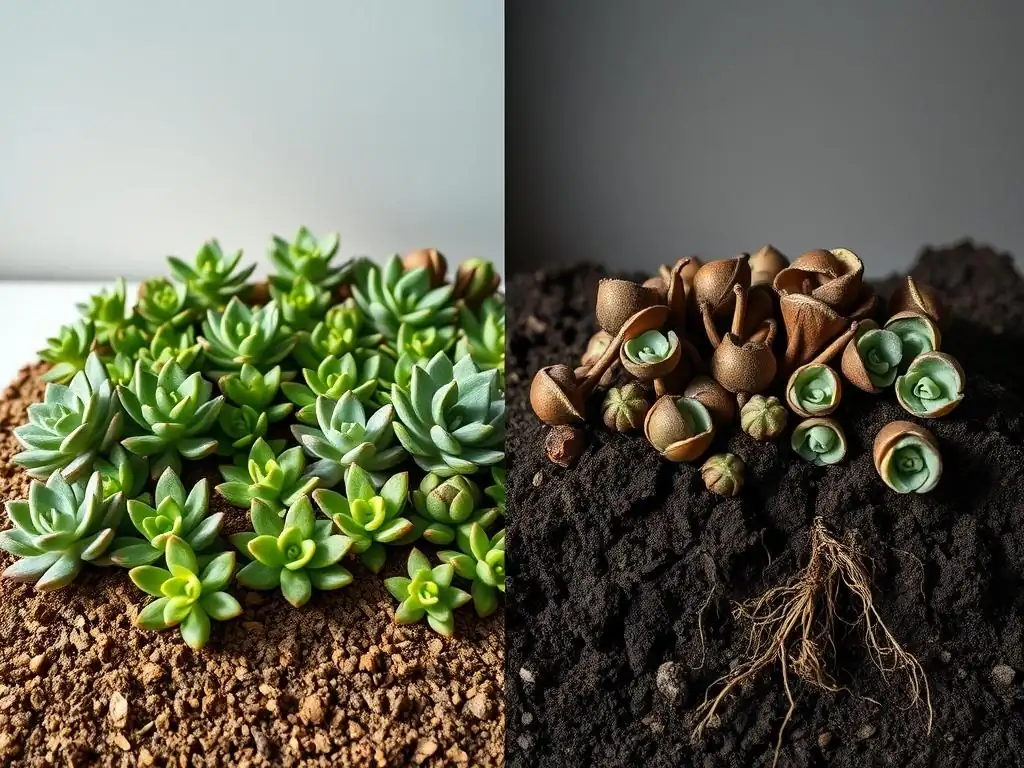
Choosing the appropriate soil is paramount for the health and longevity of your succulents. Succulent soil moisture dangers are a real threat, and understanding how to mitigate these risks is crucial for successful succulent cultivation. Improper soil can lead to root rot, a common and often fatal problem for these drought-tolerant plants.
This section will delve into the specifics of creating a soil mix that promotes healthy root development while preventing waterlogging. Remember, the goal is to create a balance: providing sufficient moisture for growth while ensuring excellent drainage to prevent the accumulation of excess water. This delicate balance is key to avoiding the pitfalls of succulent soil moisture dangers.
Choosing a Well-Draining Soil Mix for Succulents
The foundation of successful succulent cultivation lies in selecting a well-draining soil mix. Avoid using standard potting soil designed for moisture-loving plants; these often retain too much water, leading to root rot and other fungal diseases. A well-draining mix allows for adequate aeration around the roots, preventing the buildup of stagnant moisture. The ideal succulent soil mix should allow water to drain quickly, leaving the soil slightly moist but never soggy. This is critical in preventing the succulent soil moisture dangers we're discussing.
Several commercially available succulent and cactus mixes provide a good starting point. However, even these pre-mixed options can benefit from further amendment to improve drainage. You can enhance drainage by adding additional inorganic components. Consider adding perlite, pumice, or coarse sand to increase porosity and improve water percolation. The ratio of organic to inorganic material should prioritize drainage. A typical good ratio might be 1 part potting mix to 2 parts inorganic material. This will vary depending on the specific components used, but the key is to prioritize drainage.
Essential Ingredients for Ideal Succulent Soil
Creating the perfect succulent soil blend involves carefully selecting ingredients that contribute to both drainage and nutrient retention. While drainage is paramount, completely inorganic mixes can lack the essential nutrients succulents need for healthy growth. A balanced approach is necessary.
Here's a breakdown of essential ingredients and their roles:
- Potting Mix (e.g., peat-based or coco coir): Provides a base for the mix, offering some water retention and essential nutrients. However, using too much can negate the drainage benefits.
- Perlite: A volcanic glass that adds excellent drainage and aeration. It's lightweight and inert, preventing compaction and improving air circulation around the roots.
- Pumice: Another volcanic rock, similar to perlite but often with larger particles. It provides even better drainage than perlite.
- Coarse Sand: Adds drainage and improves soil structure, but avoid fine sand, which can compact and hinder drainage. River sand is a good option.
- Optional Amendments: Some gardeners add small amounts of vermiculite or composted bark for added nutrient content and water retention, but use these sparingly to avoid compromising drainage.
Avoiding Common Mistakes When Selecting Succulent Soil
Many common mistakes can lead to succulent soil moisture dangers. Let's examine some frequent errors and how to avoid them:
- Using regular potting soil: This is the most common mistake. Regular potting soil retains too much moisture, leading to root rot.
- Ignoring drainage: Failing to test the drainage of your soil mix before planting can have devastating consequences. Always test a small amount to ensure proper water percolation.
- Overwatering: Even with well-draining soil, overwatering can still lead to problems. Always allow the soil to dry out completely between waterings.
- Compacting the soil: Compacted soil restricts airflow and water drainage. Gently loosen the soil mix before planting to prevent compaction.
- Ignoring the type of succulent: Some succulents have different drainage requirements than others. Research the specific needs of your succulents to ensure you provide the appropriate soil.
By carefully selecting and preparing your succulent soil, you significantly reduce the risk of root rot and other problems caused by excess moisture. Remember, the goal is a well-draining mix that provides just enough moisture without leading to the succulent soil moisture dangers that can harm your precious plants. Pay close attention to the details, and your succulents will thrive!
This section delves into practical, actionable steps to mitigate the risks associated with moisture-retentive soil for your succulents. Understanding and implementing these techniques is crucial for the long-term health and vitality of your plants. Ignoring these precautions can lead to root rot, fungal infections, and ultimately, the demise of your beloved succulents. Proper soil selection, coupled with attentive watering practices, forms the cornerstone of successful succulent cultivation. Remember, the goal is to provide a well-draining environment that mimics the succulents' natural, arid habitats.
Watering Techniques for Succulents in Different Soil Types
Watering succulents, especially those planted in moisture-retaining soil, requires a nuanced approach. The frequency and amount of water depend heavily on several factors: the type of soil, the pot's size and material, the ambient temperature and humidity, and the specific succulent species.
Overwatering is a common culprit in succulent demise. With moisture-retentive soil, the risk is amplified. Instead of following a strict schedule, practice the "soak and dry" method. Thoroughly soak the soil until water drains freely from the drainage holes. Then, allow the soil to dry completely before watering again. This drying period is crucial; it prevents the roots from sitting in constantly damp conditions, a breeding ground for rot.
The type of soil significantly influences the drying time. A well-draining, gritty mix will dry much faster than a soil heavy in peat or organic matter. For succulents in moisture-retentive mixes, wait even longer between waterings. You might only need to water every two to three weeks, or even less frequently during cooler months. Always check the soil moisture level before watering – more on this in the next section. Observe your succulents closely; their appearance will provide valuable clues about their hydration status. Wilting leaves often indicate underwatering, while mushy, discolored leaves signify overwatering.
Container Selection and Drainage Considerations
The choice of container plays a vital role in managing soil moisture. Terracotta pots are generally preferred for succulents because they are porous, allowing excess moisture to evaporate. Plastic pots, on the other hand, retain moisture for longer periods, increasing the risk of overwatering, especially when using moisture-retaining soil.
Adequate drainage is paramount. Ensure your pots have ample drainage holes at the bottom to allow for efficient water runoff. Without proper drainage, water will accumulate in the bottom of the pot, leading to root rot and other problems. You can further improve drainage by adding a layer of gravel or broken pottery shards at the bottom of the pot before adding the soil. This creates an additional layer of aeration and allows for better water penetration.
Monitoring Soil Moisture Levels: Signs of Overwatering and Underwatering
Regularly monitoring soil moisture is essential for preventing problems. Avoid watering based solely on a schedule; instead, assess the soil's dryness. You can do this by inserting your finger about an inch into the soil. If the soil feels dry to the touch, it's time to water. If it's still moist, wait a few more days.
Signs of Overwatering:
- Mushy, translucent, or discolored leaves.
- Root rot (indicated by a foul odor and soft, dark roots).
- Leaf drop.
- Stem rot.
Signs of Underwater:
- Wilting leaves.
- Dry, brittle leaves.
- Leaf shrinkage.
- Stunted growth.
Careful observation and a proactive approach to watering and drainage are key to preventing moisture-related problems in your succulents, even when using moisture-retaining soil. Remember, prevention is far better than cure when it comes to succulent care. 🌱
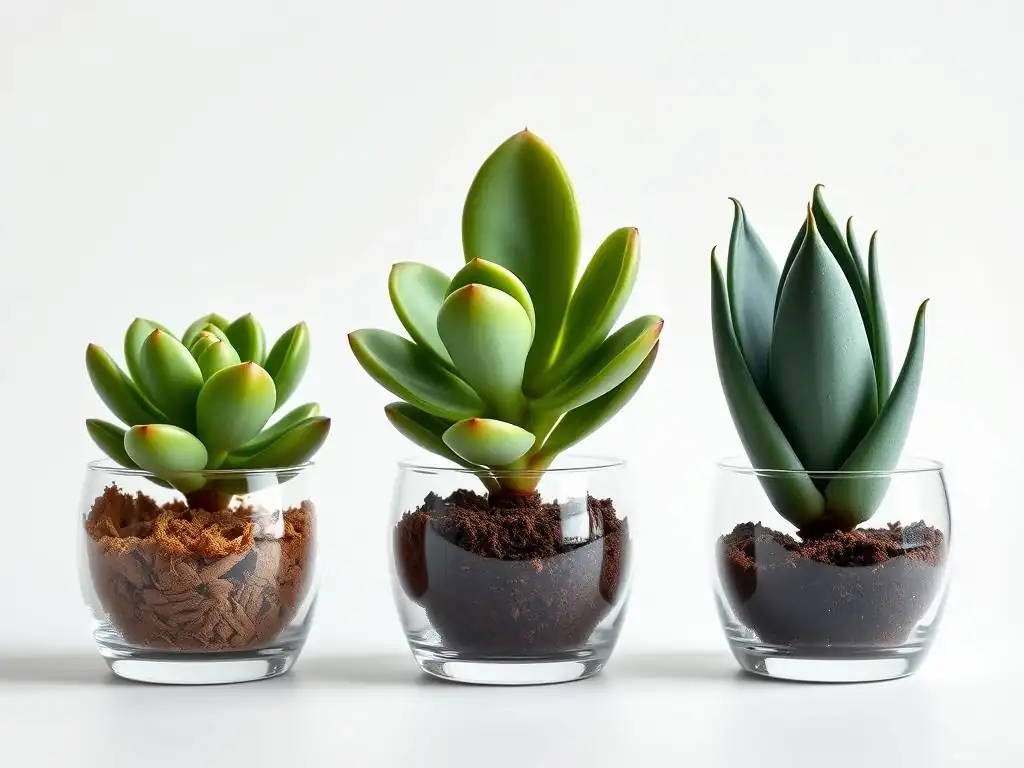
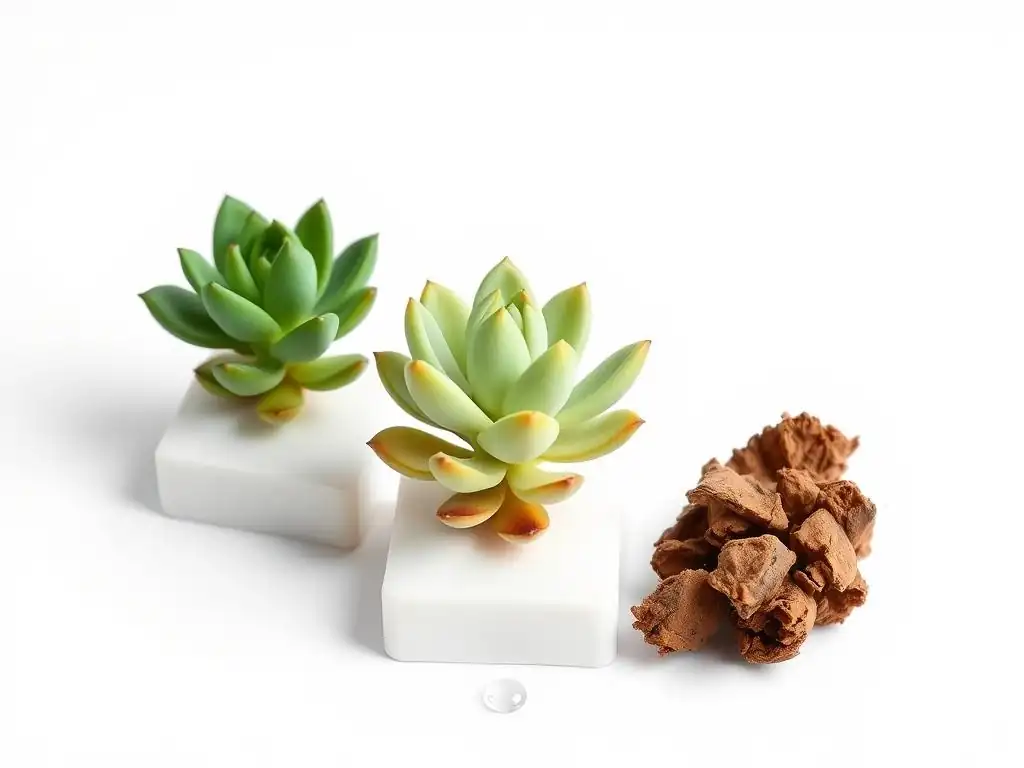
This section presents real-world examples illustrating the detrimental effects of moisture-retentive soil on succulents. Understanding these case studies will solidify the importance of choosing well-draining succulent soil mixes and avoiding the pitfalls of overly moist environments. The consequences of improper soil selection can range from minor setbacks to complete plant loss. Remember, the key to succulent success is mimicking their natural, arid habitats.
Case Study 1: Root Rot in a Haworthia Due to Clay Soil
A novice succulent enthusiast, eager to start their collection, planted a Haworthia attenuata in standard garden clay soil. This soil type, while suitable for many plants, retains excessive moisture, creating a perfect breeding ground for root rot pathogens. Within weeks, the Haworthia, initially vibrant and healthy, began to exhibit signs of distress. The leaves became soft and mushy, losing their turgidity. Upon careful examination, the roots were found to be dark brown and slimy, a clear indication of advanced root rot.
The plant eventually succumbed to the infection, highlighting the crucial role of proper soil selection in preventing this common succulent ailment. The lesson learned? Clay soil's poor drainage significantly increases the risk of succulent soil moisture dangers, leading to irreversible damage. This case underscores the need for a well-draining, fast-drying soil mix tailored to the specific needs of succulents.
Case Study 2: Stem Rot in an Echeveria Caused by Overwatering in Heavy Soil
An Echeveria elegans (Mexican Snowball), prized for its beautiful rosette shape, was planted in a heavy, peat-based potting mix. While this mix might offer some benefits in terms of nutrient retention, its poor drainage coupled with enthusiastic (and frequent) watering proved disastrous. The combination of excessive moisture and poor aeration led to stem rot, a serious condition characterized by the softening and decay of the succulent's stem.
The rot started at the base of the plant, gradually spreading upwards, ultimately causing the entire plant to collapse. Initially, the owner noticed a slight discoloration at the base, but unfortunately, the problem was not addressed promptly.
This tragic outcome illustrates the devastating effects of overwatering in heavy, moisture-retentive soil, emphasizing the importance of allowing the soil to dry completely between waterings and selecting a porous, well-draining medium. The succulent soil moisture dangers were amplified by the heavy soil's inability to release excess water.
Case Study 3: Fungal Infection in a Sedum from Poor Drainage
A Sedum morganianum (Burro's Tail), known for its cascading stems and vibrant green leaves, was planted in a container with inadequate drainage holes. The soil, a mixture of garden soil and compost, retained significant moisture, creating a humid environment conducive to fungal growth. This led to a fungal infection, manifesting as dark spots and lesions on the succulent's leaves.
The infection progressively weakened the plant, impacting its growth and overall health. While the plant didn't die immediately, its aesthetic appeal and vigor were severely compromised. This situation highlights the importance of providing adequate drainage to prevent the buildup of excess moisture and the subsequent development of fungal diseases.
The succulent soil moisture dangers were exacerbated by the lack of drainage, transforming a potentially healthy plant into a diseased specimen. Proper drainage is critical in mitigating the risks associated with succulent cultivation and preventing fungal diseases. Choosing a well-draining pot is as important as selecting the right soil mix to avoid these problems.
Frequently Asked Questions about Succulent Soil and Moisture
This section addresses common concerns regarding soil moisture and its impact on succulent health. Understanding the delicate balance between hydration and drainage is crucial for successful succulent cultivation. Improper soil moisture management is a leading cause of succulent demise, often manifesting as root rot and other debilitating conditions. Let's delve into some frequently asked questions to clarify these crucial aspects of succulent care.
Q1: How often should I water my succulents?
The frequency of watering succulents is highly dependent on several factors: the type of succulent, the size of the pot, the type of soil, the ambient temperature, and the humidity levels. There's no one-size-fits-all answer, but a general guideline is to water thoroughly only when the soil is completely dry. This usually means allowing the top inch or two of soil to dry out completely before providing water.
Overwatering, a significant risk associated with moisture-retentive soil, is far more detrimental than underwatering. Underwatering typically results in shriveled leaves, while overwatering leads to root rot, a fatal condition for succulents. Check the soil moisture regularly using your finger; if it feels damp, wait before watering. During winter months, succulents require significantly less water due to slower growth. Always ensure excess water drains freely from the pot's drainage holes; standing water is a recipe for disaster. Remember, it's better to underwater slightly than to overwater.
Consider using a moisture meter to consistently monitor soil moisture levels. This tool can help you avoid both underwatering and overwatering, especially for beginners. This is particularly important when using soil mixes that retain more moisture than ideal for succulents.
Q2: What are the signs of overwatering in succulents?
Overwatering succulents, often exacerbated by using soil that retains too much moisture, manifests in several distinct ways. Early signs might be subtle, but ignoring them can quickly lead to irreversible damage and ultimately, the death of your plant. Let’s examine the key indicators:
- Mushy or soft leaves: This is a hallmark of overwatering. Healthy succulent leaves are firm and plump. If they feel soft, spongy, or mushy, it's a strong indication of excess moisture.
- Leaf discoloration and drop: Leaves may turn yellow, brown, or black, and begin to fall off. This is the plant's attempt to shed excess water and prevent further damage.
- Root rot: This is often the final stage and unfortunately, often undetectable until it's too late. Root rot is characterized by a foul odor emanating from the soil and the roots themselves becoming mushy and dark brown or black. You may also notice that the plant is easily pulled from the pot.
- Stem discoloration: The stem might become soft, mushy, and discolored, indicating the rot has spread beyond the roots.
- Fungal growth: The appearance of mold or fungus on the soil surface or the plant itself is a clear sign of excessive moisture and poor drainage.
If you notice any of these signs, immediately remove the succulent from its pot, inspect the roots, and repot it into fresh, well-draining soil. Trim away any rotten roots and allow the roots to dry slightly before replanting. This proactive measure may save your succulent.
Q3: How can I improve the drainage of my existing succulent soil?
If you've already planted your succulents in soil that retains too much moisture, you're not without options. Improving drainage is crucial to prevent root rot and other moisture-related problems. Here are a few effective techniques:
- Amend the soil: Mix in additional inorganic components like perlite, pumice, coarse sand, or small gravel to increase the porosity and drainage capacity of the existing soil. A good ratio might be 1:1 (soil to inorganic amendments). This will allow excess water to drain more efficiently.
- Repotting: This is often the most effective solution. Carefully remove the succulent from its pot, gently loosen the roots, and repot it into a well-draining succulent soil mix. This provides a fresh start and ensures the plant has optimal growing conditions.
- Increase pot drainage: Ensure the pot has sufficient drainage holes. If your pot lacks adequate drainage, consider repotting into a container with larger drainage holes or adding a layer of gravel at the bottom of the pot to further improve drainage. Avoid using decorative pots without drainage holes.
- Top dressing: Adding a layer of coarse grit or gravel on top of the soil can improve surface drainage and prevent waterlogging. This top layer helps to prevent the soil from compacting and improves airflow.
Remember, preventing overwatering is key to the long-term health of your succulents. Choosing the right soil and ensuring excellent drainage are fundamental steps in achieving this. Regular monitoring of soil moisture and prompt action when signs of overwatering appear are also essential. With careful attention, you can keep your succulents thriving.
Q4: What type of soil is best for succulents in containers?
Choosing the right soil for container-grown succulents is crucial for their health and longevity. Unlike their in-ground counterparts, containerized succulents rely entirely on the soil mix provided for proper drainage and aeration. Poor drainage is a leading cause of root rot, a fatal condition for many succulents. Therefore, selecting a well-draining soil mix is paramount when addressing succulent soil moisture dangers.
The ideal soil for container succulents is a fast-draining, porous mix that allows excess water to escape quickly. Avoid using standard potting soil, which often retains too much moisture and can lead to root rot. Instead, opt for a specialized succulent and cactus potting mix, readily available at most garden centers. These mixes typically contain ingredients like perlite, pumice, coarse sand, and small amounts of peat moss or coco coir to improve drainage and aeration while retaining some essential moisture.
You can also create your own custom succulent soil blend. A good starting point is a 1:1:1 ratio of potting mix, perlite, and coarse sand. The potting mix provides some organic matter and nutrients, while the perlite and sand enhance drainage.
Experimentation is key; you might need to adjust the ratios based on your local climate and the specific succulent species you're growing. For instance, succulents in hotter, drier climates might benefit from a slightly higher proportion of sand to ensure even faster drainage. Conversely, those in cooler, more humid environments might tolerate a slightly higher percentage of potting mix.
Remember, the goal is to create a soil environment that mimics the well-draining conditions succulents thrive in naturally. Overwatering, exacerbated by poorly draining soil, is one of the biggest succulent soil moisture dangers, leading to root rot and ultimately plant death. Therefore, careful selection and monitoring of the soil is a crucial aspect of successful succulent cultivation.
Regularly checking the soil moisture level before watering, and ensuring your containers have adequate drainage holes, are equally important steps in preventing moisture-related problems. By creating the right soil environment and following proper watering practices, you can significantly reduce the risk of succulent soil moisture dangers and enjoy healthy, thriving plants for years to come.
Frequently Asked Questions
What are the dangers of using moisture-retaining soil for succulents?
Using soil that retains too much moisture can lead to root rot, a fatal condition for succulents. Overwatering, exacerbated by moisture-retentive soil, causes roots to suffocate and decay.
How can I tell if my succulent's soil is retaining too much water?
Look for signs like mushy leaves, stems that feel soft, or a persistent dampness in the soil even days after watering. The soil itself may smell foul.
What type of soil is best for succulents?
A well-draining cactus and succulent potting mix is ideal. These mixes typically contain perlite, pumice, or other ingredients to improve drainage and aeration. Avoid using regular garden soil.
My succulent has root rot. Can it be saved?
Sometimes! Remove the affected roots, repot in dry, well-draining soil, and allow the soil to dry completely before watering again. Careful monitoring and potentially less frequent watering are crucial.
How often should I water my succulents?
Watering frequency depends on many factors, including pot size, soil type, and climate. A good rule of thumb is to water thoroughly only when the soil is completely dry. Always allow excess water to drain completely.
Final Reflection: The Silent Threat of Soggy Soil to Succulent Thriving
The seemingly innocuous act of watering succulents can, in reality, be a silent killer if the soil isn't right. Overwatering, often stemming from misunderstanding the crucial role of well-draining soil, remains a significant obstacle to succulent cultivation, leading to widespread rot and ultimately, plant death. This isn't just about losing a plant; it's about understanding the delicate balance required for these resilient yet sensitive plants to flourish.
The impact of improperly chosen soil extends beyond the individual plant. It speaks to a broader disconnect between our understanding of plant needs and the practical application of that knowledge. We often fall prey to the allure of aesthetically pleasing, but ultimately detrimental, soil mixes. The greatest danger for most of us is not that our aim is too high and we miss it, but that it is too low and we reach it.
– Michelangelo. This quote rings true; aiming for perfectly draining soil, even if it seems a small detail, is crucial for achieving true succulent success. The ongoing struggle to educate succulent enthusiasts about proper soil composition highlights the need for continued awareness and responsible plant care.
Now, consider your own succulent collection, or even the next plant you intend to purchase. Reflect on the soil you're using. Is it truly allowing for proper drainage and aeration? Are you confident in your watering practices, given your soil choice? Take this opportunity to reassess your approach, ensuring your succulents receive the care they deserve. Embrace the challenge of creating the perfect environment for these fascinating plants to thrive, and witness the rewarding beauty that results from understanding their specific needs.
Unveil Your Succulent's Thriving Potential!
Thank you for learning about the often-overlooked dangers of poorly draining soil for your succulents! We hope you feel more confident in understanding your plants' needs. Ready to put this knowledge into practice?
- Repot your succulents: If you suspect your succulents are struggling with overly wet soil, repotting them in a well-draining potting mix is crucial. This simple change can dramatically improve their health.
- Share your success: Show off your newly repotted succulents on social media using #SucculentEssentialsRepot! Let's build a thriving community of succulent enthusiasts.
- Learn more about choosing the right succulent soil in our in-depth guide (available at SucculentEssentials.org).
What's your next step towards a healthier, happier succulent collection?