
How to Choose the Right Soil for Indoor vs. Outdoor Succulents

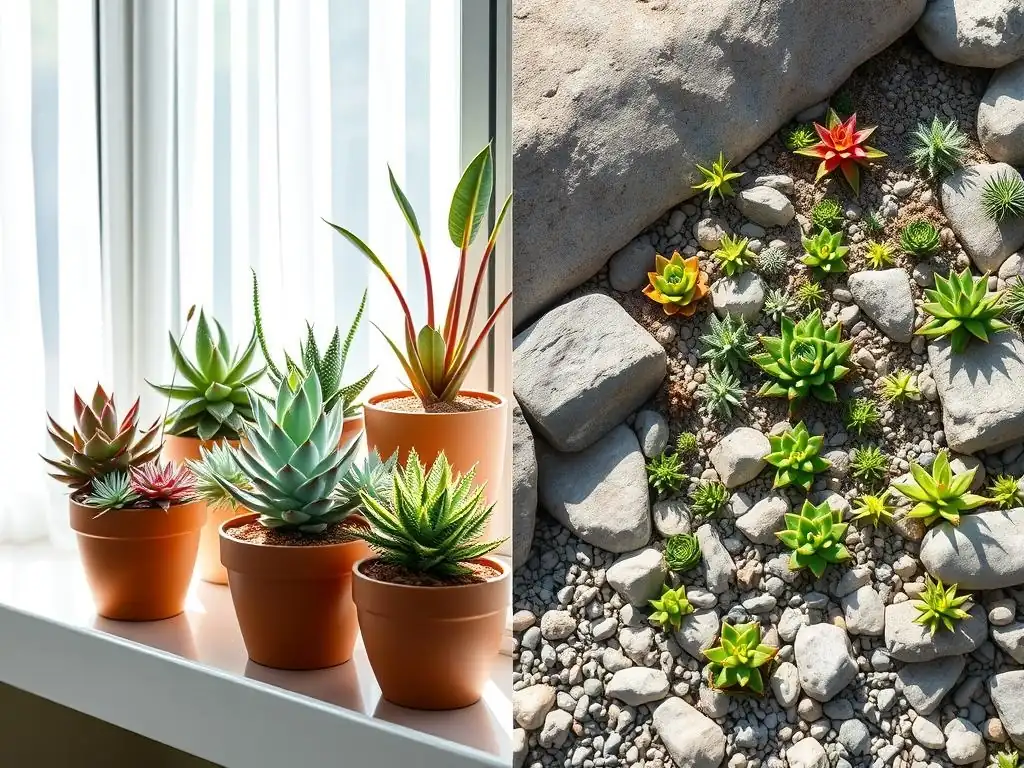
Welcome to SucculentEssentials.org, your gateway to the fascinating world of succulents! Are you ready to unlock the secrets to thriving succulents, no matter where you live? We'll guide you through everything from basic care to stunning displays. But first, let's tackle a crucial question: what's the best soil for succulents indoors and outdoors? Discover the answer and much more within our Fundamentals of Succulent Care section – your journey to succulent success starts now!
- Understanding Soil Requirements for Succulents: Indoor vs. Outdoor
- Best Soil for Succulents Indoors: A Detailed Guide
- Best Soil for Succulents Outdoors: Factors to Consider
- Comparing Indoor and Outdoor Succulent Soil Mixtures: A Side-by-Side Analysis
- Creating Your Own Custom Succulent Soil Mix: A Step-by-Step Guide
- Troubleshooting Common Soil-Related Problems in Succulents
- Frequently Asked Questions
- Final Reflection: Cultivating Success: The Right Soil, the Right Thrive
- Unleash Your Inner Green Thumb: Thrive with the Perfect Soil!
Understanding Soil Requirements for Succulents: Indoor vs. Outdoor
Succulents, with their striking beauty and resilience, are increasingly popular among plant enthusiasts. However, achieving thriving indoor and outdoor succulent gardens hinges on understanding their unique soil needs. This comprehensive guide delves into the crucial differences in soil requirements for succulents grown indoors versus outdoors, helping you select the best soil for succulents indoors/outdoors and cultivate healthy, vibrant plants. We'll explore the essential properties of well-draining soil, examine how drainage needs vary between indoor and outdoor settings, and provide practical tips for creating the perfect soil mix for your succulent collection.
Mastering soil selection is a cornerstone of successful succulent cultivation, ensuring your plants receive the optimal environment to flourish. Choosing the right soil is paramount to preventing root rot, a common problem among improperly cared-for succulents, and maximizing their growth potential. Let's get started!
Essential Properties of Well-Draining Succulent Soil
The key to happy succulents lies in providing a soil that drains exceptionally well. Succulents, unlike many other plants, are adapted to arid and semi-arid conditions. Their roots are not designed to sit in soggy soil; excessive moisture leads to root rot, a fatal condition. Therefore, the ideal succulent soil should possess several key properties:
- Excellent Drainage: This is the most crucial factor. The soil should allow water to drain quickly, preventing waterlogging. Think of it like this: water should flow through the soil, not pool on top.
- Good Aeration: Well-aerated soil allows for sufficient oxygen to reach the roots, promoting healthy root development and overall plant vigor. Compacted soil restricts airflow, leading to root suffocation.
- Porosity: A porous soil structure, with spaces between soil particles, facilitates both drainage and aeration. This is achieved by incorporating materials like perlite, pumice, or coarse sand.
- Nutrient Retention (in moderation): While succulents don't require highly fertile soil, some nutrients are still necessary for growth. A balanced soil mix with a moderate nutrient content is ideal. Over-fertilizing can be detrimental, leading to salt buildup.
- pH Level: A slightly acidic to neutral pH (around 6.0-7.0) is generally suitable for most succulents. However, specific species might have slightly different preferences.
Differences in Drainage Needs: Indoor and Outdoor Environments
While the principles of well-draining soil apply to both indoor and outdoor succulent cultivation, the specific approach differs slightly due to environmental factors.
- Indoor Environments: Indoor succulents often face less natural drainage due to contained pots and limited exposure to wind and sun. Therefore, indoor succulent soil mixes should prioritize exceptional drainage. Consider increasing the proportion of inorganic materials like perlite or pumice to enhance drainage and aeration. Regular watering adjustments are also crucial to prevent overwatering. Careful observation of the soil's moisture level is key; allow the soil to dry out completely between waterings.
- Outdoor Environments: Outdoor succulents, especially those planted directly in the ground, generally benefit from better natural drainage. However, even outdoor succulents can suffer from poor drainage if planted in heavy clay soils. Amending heavy clay soils with organic matter like compost and inorganic materials like perlite can greatly improve drainage. The amount of watering required will also depend on the climate and weather conditions; during periods of heavy rainfall, ensure that your outdoor succulents are not exposed to prolonged periods of waterlogging. Consider raised beds or containers for optimal drainage if necessary.
The choice of the best soil for succulents indoors/outdoors depends on a combination of factors including the specific succulent species, the growing environment, and the pot size. By understanding these nuances, you can provide your succulents with the ideal soil conditions for thriving growth. 🌵
Best Soil for Succulents Indoors: A Detailed Guide
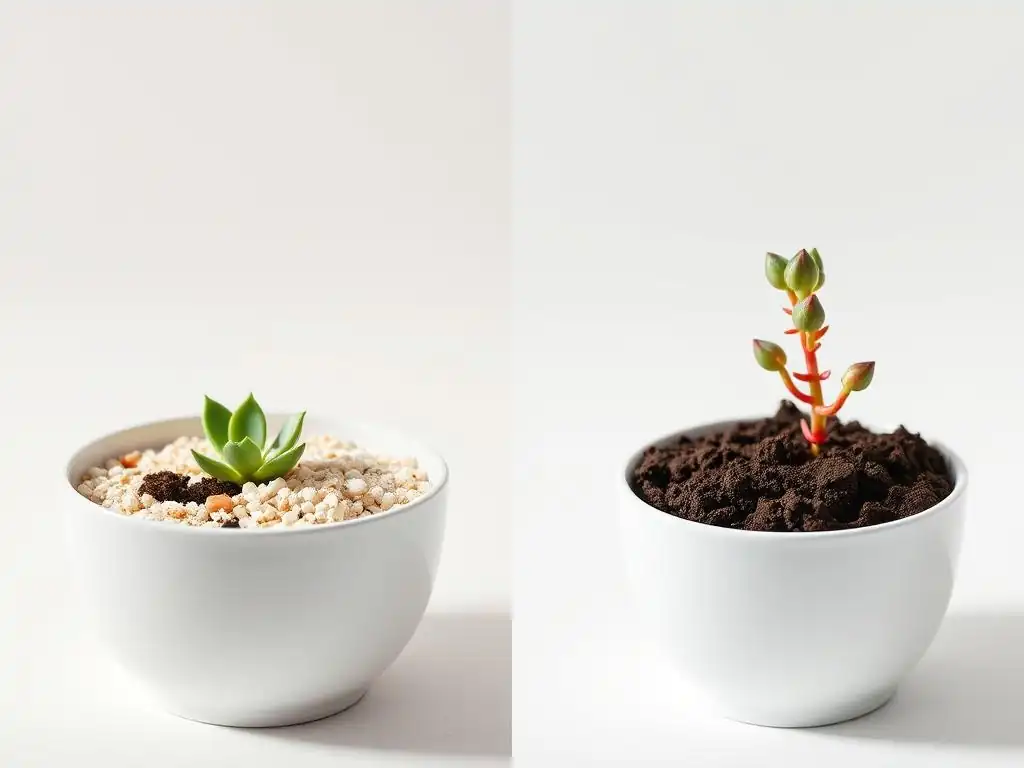
Succulents, with their striking beauty and resilience, are popular houseplants. However, replicating their natural, well-draining environment indoors requires careful consideration of the soil. Using the best soil for succulents indoors is crucial for their health and longevity. Poor drainage leads to root rot, a common killer of indoor succulents. This section delves into creating the perfect potting mix for thriving indoor succulents.
Choosing the Right Potting Mix for Indoor Succulents
The key to successful indoor succulent cultivation lies in selecting a well-draining potting mix. Avoid using garden soil, which retains too much moisture and lacks the necessary aeration for succulent roots. Instead, opt for a specialized succulent and cactus potting mix, readily available at most garden centers. These mixes are formulated with ingredients that promote excellent drainage and airflow. Alternatively, you can create your own custom blend, which offers greater control over the components.
A good commercial mix will generally contain several key elements: pumice, perlite, coarse sand, and peat moss (or coco coir as a sustainable alternative). The proportions vary depending on the brand, but the focus remains on maximizing drainage and preventing waterlogging. Always check the label to understand the composition before purchasing. Consider the specific needs of your succulent species; some prefer a more gritty mix than others. For example, Echeveria species often thrive in a particularly well-draining mix, while Sedum might tolerate slightly more moisture retention.
Consider the following table comparing commercial mixes and homemade options:
| Feature | Commercial Mix | Homemade Mix |
|---|---|---|
| Cost | Moderate | Can be cheaper, depending on ingredient sourcing |
| Convenience | Readily available | Requires sourcing and mixing ingredients |
| Consistency | Consistent quality from batch to batch | Quality depends on ingredient selection and mixing |
| Customization | Limited customization options | Highly customizable to specific succulent needs |
| Drainage | Generally excellent | Excellent if ingredients are carefully chosen |
Key Ingredients for Optimal Indoor Succulent Growth
Let's examine the crucial components of a successful indoor succulent potting mix:
- Pumice: This volcanic rock provides excellent drainage and aeration, preventing water from becoming stagnant around the roots. Its porous nature allows for good airflow, crucial for preventing fungal diseases.
- Perlite: Similar to pumice, perlite is a lightweight, volcanic glass that enhances drainage and aeration. It helps retain some moisture, striking a balance between drainage and hydration.
- Coarse Sand: Adds drainage and improves the overall texture of the potting mix, preventing compaction. Avoid fine sand, which can become easily compacted and hinder drainage. Sharp, horticultural sand is preferred.
- Peat Moss/Coco Coir: While not strictly necessary, peat moss or coco coir can help retain some moisture, which is particularly beneficial during drier indoor conditions. However, use these ingredients sparingly to avoid compromising drainage. Coco coir is a more environmentally friendly alternative to peat moss.
Remember that the ideal ratio of these ingredients will vary depending on your climate, the type of succulent, and the pot's drainage capabilities. Experimentation is key to finding the perfect balance for your specific needs. For particularly sensitive succulents, prioritize a mix with a higher percentage of pumice and perlite.
Avoiding Common Mistakes with Indoor Succulent Soil
Many common mistakes lead to poor growth and even death in indoor succulents. Let's address some of the most frequent errors:
- Using garden soil: Garden soil retains excessive moisture, leading to root rot. Always use a well-draining potting mix specifically designed for succulents.
- Overwatering: Even with the right soil, overwatering remains a significant threat. Always allow the soil to dry out completely between waterings. Check the soil moisture with your finger before watering; if it's still damp, wait.
- Compacted soil: Poorly mixed or compacted soil hinders drainage and airflow. Ensure your potting mix is well-aerated and not overly dense.
- Ignoring drainage holes: Ensure your pot has adequate drainage holes to allow excess water to escape. Without proper drainage, even the best soil will become waterlogged.
By avoiding these common pitfalls and carefully selecting the right soil, you can create a thriving indoor succulent collection. Remember, consistent attention to watering and soil conditions is crucial for the long-term health and beauty of your plants. Happy growing!
Best Soil for Succulents Outdoors: Factors to Consider
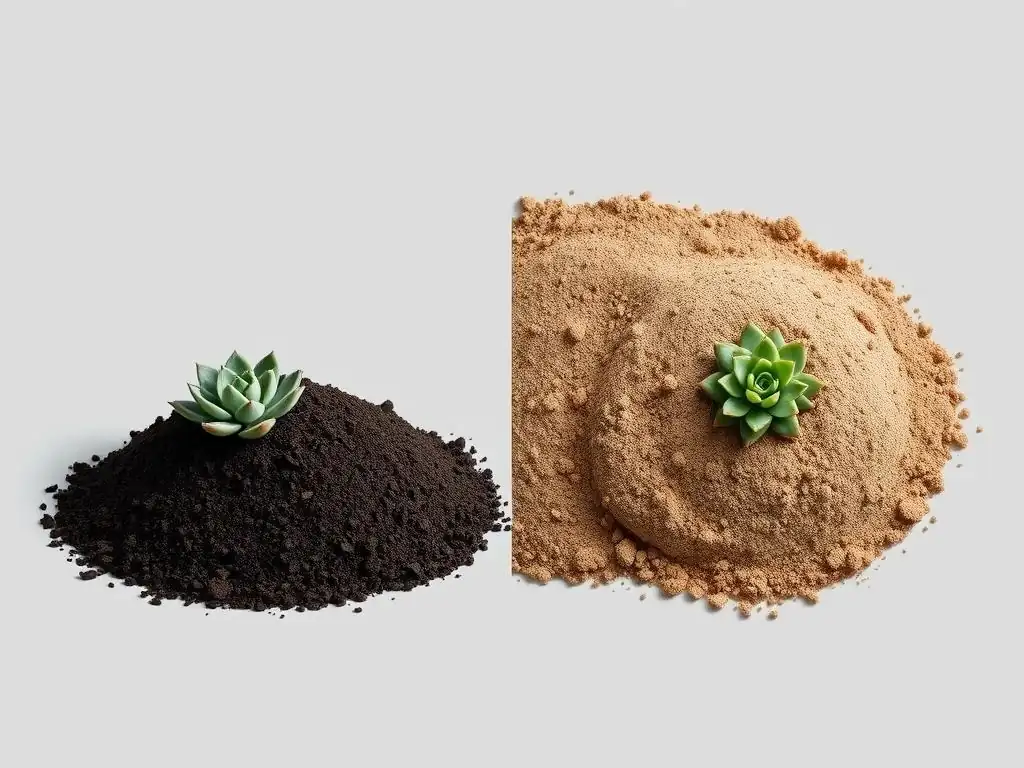
Choosing the best soil for your outdoor succulents hinges on several crucial factors. Unlike indoor environments, outdoor succulents are directly exposed to the elements, influencing soil drainage, moisture retention, and overall plant health. Understanding these elements is key to creating a thriving succulent garden. The ideal outdoor succulent soil should be well-draining, slightly alkaline, and rich in minerals, but not overly fertile. Overly rich soil can encourage leggy growth and increased susceptibility to diseases. We'll explore these factors in more detail below. Finding the perfect balance is essential for ensuring your succulents flourish.
Selecting the Right Soil for Outdoor Succulent Beds
The foundation of a healthy outdoor succulent garden is well-draining soil. Succulents, being drought-tolerant plants, are highly susceptible to root rot if their roots remain consistently wet. Poor drainage leads to waterlogging, creating the perfect breeding ground for fungal diseases. Therefore, selecting a soil mix with excellent drainage properties is paramount. A good starting point is a commercially available cactus and succulent potting mix.
These mixes typically contain a blend of perlite, pumice, and coarse sand, providing the necessary aeration and drainage. However, even these pre-mixed options may need further amendments depending on your specific location and soil type. Consider the existing soil in your garden bed. If it's predominantly clay, which retains a lot of moisture, you'll need to significantly amend it to improve drainage.
You can test your soil's drainage by digging a small hole and filling it with water. Observe how quickly the water drains away. Slow drainage indicates a need for substantial improvement. Remember, the goal is to create a soil environment that mimics the succulents’ natural, arid habitats. Avoid using garden soil alone, as it's often too dense and retains too much moisture for most succulents.
Adapting Soil Composition Based on Climate and Location
The ideal soil composition for outdoor succulents varies significantly depending on your climate and location. Regions with high rainfall require a soil mix that drains exceptionally well, potentially requiring a higher proportion of inorganic materials like pumice or perlite. In contrast, drier climates might tolerate a slightly higher percentage of organic matter, providing some additional moisture retention. Understanding your local climate and rainfall patterns is crucial for tailoring the soil mix to your specific needs.
Consider these examples:
| Location | Climate | Soil Amendment Recommendations |
|---|---|---|
| Coastal California | Mediterranean, Mild | Increased perlite or pumice to enhance drainage |
| Arizona Desert | Hot, Arid | Potentially a slightly higher percentage of coarse sand |
| Southeastern US | Humid, Subtropical | Significant amendment with perlite and coarse sand is crucial |
Remember to always monitor your succulents after planting and adjusting your watering schedule accordingly. Even with the best soil, overwatering can still lead to problems.
Amendments and Soil Improvements for Outdoor Succulents
Amending existing soil to create the perfect environment for your outdoor succulents often involves adding inorganic materials to improve drainage and aeration. These amendments are crucial for preventing root rot and ensuring optimal plant health. Common amendments include:
- Perlite: A volcanic glass that adds aeration and drainage.
- Pumice: Another volcanic rock, similar to perlite in function.
- Coarse Sand: Improves drainage and provides a gritty texture.
- Lava Rock: Adds drainage and can help retain some warmth.
The proportions of these amendments will depend on your existing soil conditions. If your soil is heavy clay, you might need a higher percentage of these inorganic materials. If your soil is already relatively well-draining, you might only need a small amount of amendment to further enhance its properties. Always start with a small amount and gradually increase the quantity as needed. Avoid using fine sand, as it can compact and hinder drainage.
The key is to create a loose, airy soil mix that allows for excellent water percolation. Regularly monitoring your succulents for signs of overwatering or underwatering will guide you in making further adjustments to your soil mix. Remember, a happy succulent is a well-drained succulent! 🌱
Comparing Indoor and Outdoor Succulent Soil Mixtures: A Side-by-Side Analysis
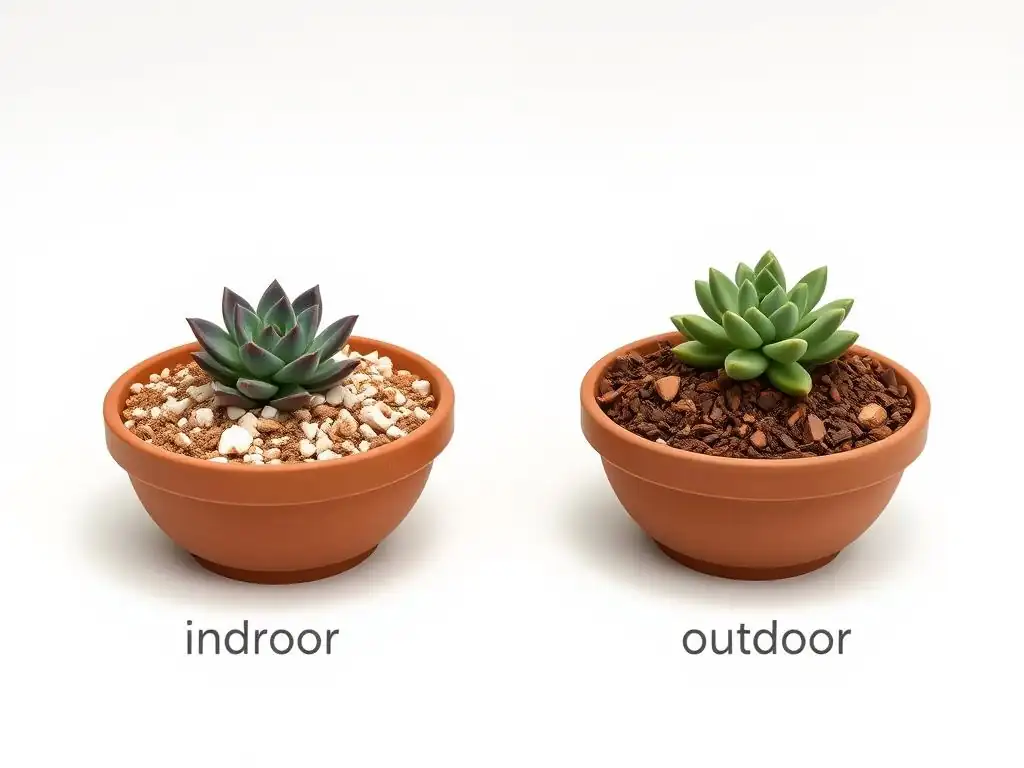
This section delves into the crucial differences between ideal soil mixes for indoor and outdoor succulents. While both require well-draining soil, the specific composition and characteristics should be tailored to their respective environments. Understanding these nuances is key to cultivating thriving succulents, regardless of their location. The best soil for succulents, whether indoors or outdoors, prioritizes proper drainage and aeration to prevent root rot, a common problem for these drought-tolerant plants.
Drainage and Aeration: A Key Differentiator
The most significant difference between indoor and outdoor succulent soil lies in drainage and aeration. Outdoor succulents, exposed to natural rainfall and air circulation, can tolerate a slightly higher moisture retention capacity. However, even outdoors, excellent drainage remains paramount. Poor drainage leads to root rot, a fatal condition for succulents.
Indoor succulents, on the other hand, are entirely dependent on the gardener for watering. Overwatering is a much more significant threat indoors, where air circulation is often less efficient. Therefore, indoor succulent soil must prioritize exceptional drainage. This is achieved through a higher proportion of inorganic components like perlite, pumice, or coarse sand.
Here's a comparison table illustrating the ideal drainage characteristics:
| Feature | Indoor Succulent Soil | Outdoor Succulent Soil |
|---|---|---|
| Drainage | Excellent, rapid drainage is crucial | Good drainage, slightly higher retention |
| Aeration | High, essential to prevent waterlogging | High, benefits from natural air flow |
| Inorganic Matter | 50-70% (perlite, pumice, coarse sand) | 30-50% (perlite, pumice, coarse sand) |
| Organic Matter | 30-50% (coco coir, peat moss) | 50-70% (coco coir, peat moss) |
Using a soil mix with too much organic matter indoors significantly increases the risk of root rot. The added water retention can lead to soggy soil, even with infrequent watering. Conversely, outdoors, the slightly higher organic content can help retain some moisture during dry spells, benefiting the plants.
Nutrient Content and Soil Fertility
While succulents are not heavy feeders, they still require essential nutrients for healthy growth. The best soil for succulents should provide a balanced supply of nutrients without being overly rich. Overly fertile soil can encourage excessive vegetative growth, making the succulents more susceptible to pests and diseases.
For both indoor and outdoor succulents, a well-balanced, slow-release fertilizer is recommended. However, the frequency of fertilization differs. Outdoor succulents often benefit from the natural nutrients present in the soil and may require less frequent fertilization. Indoor succulents, grown in consistently the same soil, may benefit from more regular, albeit diluted, feeding.
Remember to always follow the fertilizer's instructions carefully. Over-fertilization can be just as detrimental as under-fertilization. Observing your plants for signs of nutrient deficiency (e.g., pale leaves, stunted growth) or toxicity (e.g., leaf burn, wilting) will guide your fertilization strategy. 🌱
Moisture Retention and Watering Frequency
The ideal moisture retention level is directly linked to the drainage and the environment. Outdoor succulents, being exposed to the elements, can tolerate slightly more moisture retention, especially in drier climates. Their soil mix can incorporate a slightly higher percentage of organic matter to help retain water between rains.
Indoor succulents, however, require a soil mix that dries out quickly between waterings. Overwatering is a significant threat indoors, leading to root rot. Therefore, the soil mix should prioritize drainage, minimizing the amount of water retained. This means less organic matter and more inorganic components like perlite or pumice.
The frequency of watering should be adjusted according to the soil's moisture level and the environmental conditions. Always allow the soil to dry out completely before watering again. Using a moisture meter can help determine the optimal watering schedule, ensuring that your succulents receive the right amount of water without overwatering. Remember that proper watering practices are crucial for the health and longevity of your succulent collection.
Creating Your Own Custom Succulent Soil Mix: A Step-by-Step Guide
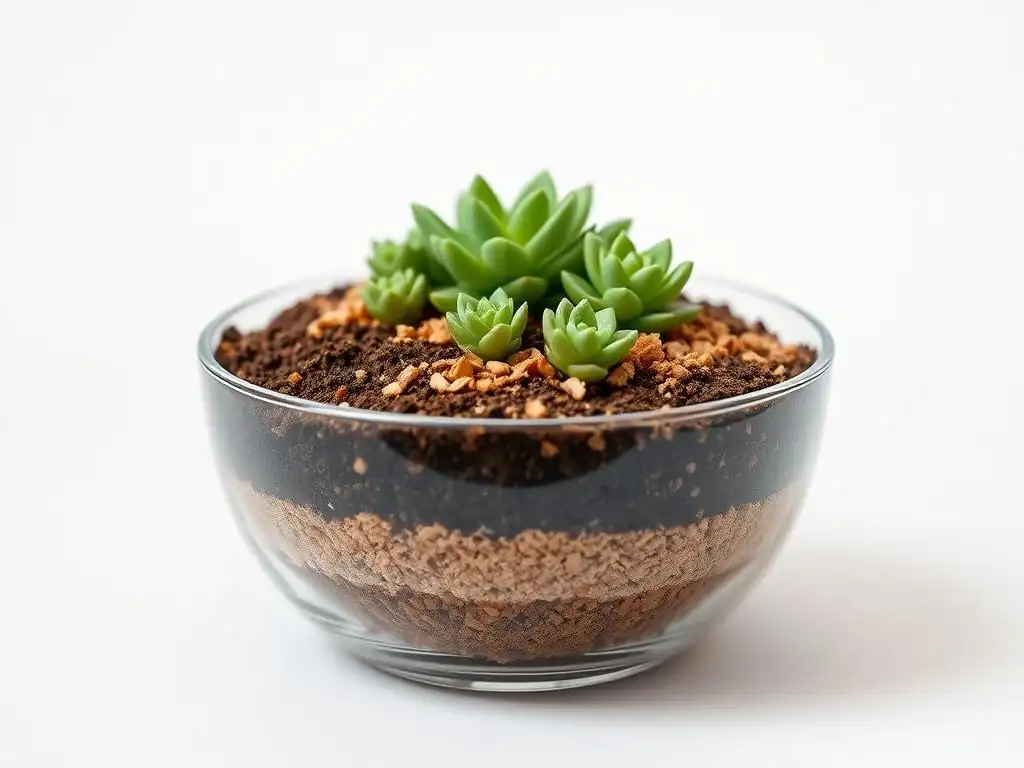
Creating the best soil for succulents—whether indoors or outdoors—often means crafting a custom blend. Pre-packaged succulent mixes can be convenient, but a DIY approach allows for greater control over drainage and aeration, crucial factors for preventing root rot, a common succulent ailment. This section guides you through creating a superior soil mix tailored to your succulents' needs. This detailed approach ensures optimal conditions for thriving succulent growth, regardless of whether they reside in a sunny windowsill or a vibrant outdoor garden.
Sourcing the Essential Ingredients
The foundation of any successful succulent soil mix lies in selecting the right ingredients. Avoid using standard potting soil, as its high organic matter content retains too much moisture, leading to root problems. Instead, focus on materials that promote excellent drainage and aeration. Here's a breakdown of essential components and where to source them:
- Pumice: This volcanic rock provides exceptional drainage and aeration. Look for a fine to medium grade for optimal results. You can find pumice at garden centers, online retailers specializing in gardening supplies, or even some landscaping supply stores.
- Perlite: Another excellent drainage amendment, perlite is a volcanic glass that expands when heated, creating a lightweight and porous material. It's widely available at most garden centers.
- Coarse Sand: Adds grit and improves drainage. Avoid fine sand, which can compact and impede water flow. Construction-grade play sand is a good option; ensure it's washed and free of any additives.
- Optional Ingredients:
- Coco coir: A sustainable alternative to peat moss, adding some organic matter for slow-release nutrients. Use sparingly to avoid overly moist conditions.
- Small amount of compost: Provides minimal nutrients, but use cautiously as it can increase water retention.
- Grit: Adds additional drainage and texture. Consider using crushed gravel or small pebbles (ensure they are clean and inert).
Remember to always choose high-quality, inert materials to avoid introducing diseases or pests into your succulent soil. The quantities of each ingredient will depend on the specific needs of your succulents and your climate; however, a general guideline is provided below.
Mixing Your Perfect Soil Blend
Once you've gathered your ingredients, the mixing process is straightforward. The ideal ratio is crucial for achieving the perfect balance of drainage and moisture retention. We recommend the following ratio as a starting point for most succulent varieties:
| Ingredient | Percentage | Notes |
|---|---|---|
| Pumice | 40% | Provides excellent drainage and aeration. |
| Perlite | 30% | Adds porosity and prevents compaction. |
| Coarse Sand | 20% | Improves drainage and adds grit. |
| Coco Coir (optional) | 10% | Adds a small amount of organic matter for slow-release nutrients. |
Remember, this is a guideline. You might need to adjust the ratios based on your climate and the specific needs of your succulent species. For instance, succulents in drier climates might benefit from a higher percentage of pumice, while those in humid environments may require a slightly higher percentage of coco coir (if used). Thoroughly mix all ingredients in a large container until evenly distributed. Avoid over-mixing, as this can break down the larger particles.
Testing Your Soil Mix for Optimal Drainage
After mixing your succulent soil, it's essential to test its drainage capabilities before planting. Grab a small handful of the mixture and gently squeeze it. If water drips readily from your hand after releasing the soil, the drainage is excellent. If the soil remains clumped and retains significant moisture, you may need to add more pumice or perlite to improve drainage.
You can also perform a more thorough test by placing a small amount of the soil mix into a pot with drainage holes. Pour water slowly through the soil. The water should drain quickly and freely, leaving the soil relatively dry but not completely parched. If the water sits on top of the soil, you need to adjust the mix.
Remember, well-draining soil is the cornerstone of healthy, thriving succulents, both indoors and outdoors. Regularly assessing your soil's drainage can prevent many common succulent problems. This simple test ensures you've created the best soil for succulents and sets the stage for happy, healthy plants.
This section delves into the practical aspects of succulent cultivation, focusing on identifying and resolving common soil-related issues. Understanding these problems is crucial for maintaining healthy and thriving succulents, whether indoors or outdoors. The best soil for succulents, indoors or outdoors, facilitates proper drainage and aeration while providing essential nutrients. Failure in any of these areas can lead to significant problems.
Diagnosing Poor Drainage and Its Consequences
Poor drainage is a leading cause of succulent death. Succulents, adapted to arid conditions, are highly susceptible to root rot in overly moist soil. Symptoms of poor drainage often manifest as mushy, discolored leaves, and a foul odor emanating from the base of the plant. The roots themselves may appear brown and slimy rather than firm and white.
The consequences of inadequate drainage are severe. Standing water around the roots creates an anaerobic environment, depriving the roots of oxygen and fostering the growth of harmful fungi and bacteria. This can quickly lead to irreversible damage and ultimately, the death of the succulent.
To diagnose poor drainage, carefully examine the soil after watering. Well-draining soil should allow excess water to drain away within minutes. If water pools on the surface or remains saturated for extended periods, your soil is likely too dense or compacted, hindering proper drainage. This can be addressed by improving soil structure, as discussed later. Remember, even the best soil for succulents can lead to drainage issues if planted in an improperly prepared pot (e.g., without drainage holes).
Overwatering, often exacerbated by poorly draining soil, is a frequent problem among succulent enthusiasts. While succulents are drought-tolerant, they are not desert dwellers in the literal sense, and they still need water. The key lies in the frequency and amount. Overwatering, irrespective of the type of soil used, leads to the same devastating consequences as poor drainage: root rot.
The symptoms of overwatering mirror those of poor drainage: mushy leaves, discoloration, and a potential foul smell. However, the underlying cause is different. Even with well-draining soil, excessive watering leads to waterlogging. The roots become saturated, preventing oxygen uptake and encouraging fungal growth.
Addressing overwatering requires careful attention to watering practices and soil selection. Choose a well-draining succulent soil mix (e.g., a blend of cactus potting mix, perlite, and coarse sand) and water only when the soil is completely dry to the touch. Allow the soil to dry out thoroughly between waterings, checking its moisture level by inserting your finger a few centimeters into the pot. Avoid frequent, shallow watering, which only wets the surface and keeps the lower layers constantly damp.
Recognizing Nutrient Deficiencies in Succulents and Soil Solutions
Nutrient deficiencies, while less common than watering problems, can significantly impact succulent health and growth. Symptoms can be subtle, ranging from stunted growth and pale coloration to leaf discoloration and unusual leaf shapes. The best soil for succulents contains the essential nutrients they need, but even the richest soil can become depleted over time.
Recognizing specific deficiencies requires a keen eye. For example, a yellowish discoloration often indicates a nitrogen deficiency, while purplish hues might suggest phosphorus deficiency. However, these symptoms are not always conclusive, and other factors can mimic these issues.
Soil solutions for nutrient deficiencies involve supplementing the soil with appropriate fertilizers. However, it’s crucial to use a balanced, slow-release fertilizer specifically formulated for succulents. Over-fertilizing can be as damaging as under-fertilizing, potentially leading to salt buildup in the soil, which can harm the roots. Always follow the fertilizer instructions carefully, and avoid fertilizing during the succulent's dormant period. Remember, prevention is key; using a high-quality succulent soil mix from the start provides a strong foundation for healthy growth and minimizes the risk of nutrient deficiencies.
Frequently Asked Questions
What is the best soil for succulents?
The best soil for succulents is a well-draining mix. This usually means a blend of cactus and succulent potting mix, perlite, and coarse sand. Avoid using regular garden soil, as it retains too much moisture.
Can I use regular potting soil for my succulents?
No, regular potting soil is generally too dense and retains too much water, leading to root rot. Succulents need excellent drainage to thrive. Use a specialized succulent potting mix instead.
How do I improve drainage in my succulent soil?
Add amendments like perlite, pumice, or coarse sand to your succulent potting mix to increase drainage and aeration. The ratio of amendments to potting mix should be roughly 50/50.
What's the difference between soil for indoor and outdoor succulents?
The basic principles are the same: both need excellent drainage. However, outdoor succulents might benefit from slightly more organic matter for added nutrients, while indoor succulents may need a more consistently well-draining mix.
My succulent soil is compacted. What should I do?
Repot your succulents using a fresh, well-draining mix. Carefully remove the plant from its pot, gently loosen the compacted soil around the roots, and place it in a new pot with the appropriate soil.
Final Reflection: Cultivating Success: The Right Soil, the Right Thrive
The quest for the perfect soil isn't just about healthy succulents; it's about understanding the delicate balance between plant and environment. Finding the ideal soil mix, whether for your sun-drenched patio or your cozy windowsill, is the cornerstone of successful succulent cultivation, impacting not only their growth but also their overall vitality and longevity. This seemingly simple choice holds the key to unlocking the vibrant beauty these resilient plants possess.
The impact of proper soil selection extends far beyond the individual plant; it speaks to a broader appreciation for the interconnectedness of nature and nurture. We often overlook the fundamental needs of our plants, focusing solely on aesthetics. But providing the right foundation – the right soil – is an act of respect, a recognition of the plant's inherent resilience and its dependence on a supportive environment. As the renowned botanist, Luther Burbank, once said: The greatest reward in life is the work that is well done.
This applies equally to the meticulous care we give our succulents, ensuring their thriving through the careful selection of their soil.
Now, consider your own "soil." What are the conditions that nurture your own growth and flourishing? Just as succulents need well-draining soil to thrive, we too need the right environment to reach our full potential. Take a moment to reflect on the "soil" of your life – your relationships, your work, your environment – and consider how you can cultivate a more supportive and enriching environment for yourself to blossom and flourish. Let the journey of nurturing your succulents inspire you to nurture yourself and create the conditions for your own vibrant growth.
Unleash Your Inner Green Thumb: Thrive with the Perfect Soil!
Thank you for learning about choosing the right soil for your succulents! We hope you feel confident creating the perfect environment for your thriving plants. Ready to put your new knowledge into practice?
- Prioritize the perfect potting mix: Choosing the right soil blend is crucial for succulent success. Visit your local garden center and select a mix appropriate for your succulents' location—indoors or outdoors. This is the first step to happy, healthy plants!
- Repotting your succulents with fresh soil is a rewarding experience, and your plants will thrive as a result. Give them a fresh start today!
- Share your succulent soil success story—tell us what worked best for you in the comments below!
What soil blend will you create to give your succulents the best possible home?