
Quarantine Quandary: Why Isolating New Succulents Can Save Your Collection

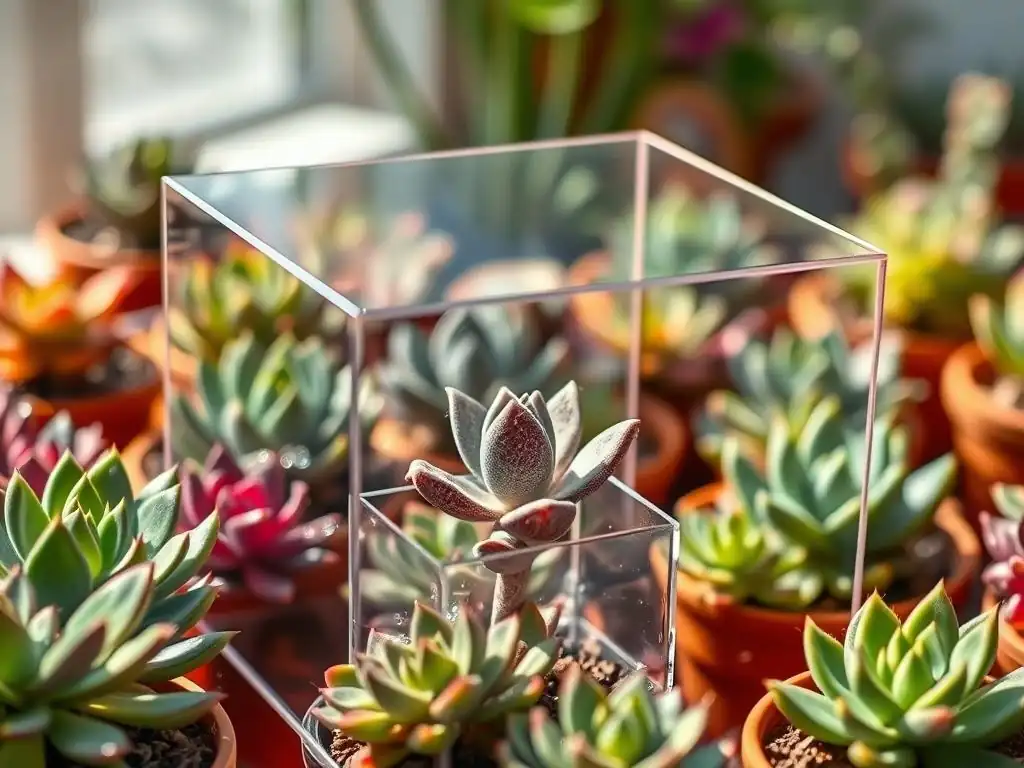
Welcome to SucculentEssentials.org, where the fascinating world of succulents unfolds! Are you ready to unlock the secrets to cultivating a thriving succulent collection? We'll guide you through every step, from identifying rare varieties to mastering propagation techniques. But first, a crucial piece of advice: Isolating new succulents is key to preventing disease and safeguarding your precious plants. Discover why quarantine is paramount in our article, "Quarantine Quandary: Why Isolating New Succulents Can Save Your Collection," and learn how to protect your succulent haven. Dive in and begin your journey to succulent success!
- Understanding the Importance of Isolating New Succulents: Preventing Disease Spread
- Setting Up a Quarantine Zone for Your New Succulents
- The Quarantine Process: Step-by-Step Guide
- Integrating Quarantined Succulents into Your Collection
- Maintaining a Pest-Free Succulent Collection: Long-Term Strategies
- Frequently Asked Questions
- Final Reflection: The Silent Struggle of Succulent Survival
- Unleash Your Inner Plant Parent: Nurture Your Succulent Collection!
Understanding the Importance of Isolating New Succulents: Preventing Disease Spread
Bringing home a new succulent is exciting! The vibrant colors, unique textures, and the promise of adding to your thriving collection are undeniably appealing. However, this excitement can quickly turn to disappointment if you introduce pests or diseases into your existing, healthy plants.
This article will explore the crucial practice of isolating new succulents to safeguard your entire collection from potential threats. We'll delve into the specific risks, identify common succulent pests and diseases, and provide practical steps to prevent contamination, ensuring the long-term health and beauty of your succulent family. By understanding and implementing these preventative measures, you can enjoy the pleasure of expanding your collection without jeopardizing the well-being of your established plants.
This proactive approach is essential for any serious succulent enthusiast, regardless of the size of their collection. Ignoring quarantine procedures can lead to significant losses and considerable heartache, making isolation a key component of responsible succulent ownership.
The Risks of Introducing Pests and Diseases
Introducing a new succulent to your existing collection without a proper quarantine period is akin to introducing a new member to a family without first checking their health. The risks are substantial and can have devastating consequences. New plants, especially those purchased from nurseries or other sellers, may harbor unseen pests or diseases. These can quickly spread to your healthy plants, leading to widespread infestation and potentially irreversible damage. Even seemingly healthy succulents can be carriers of microscopic pathogens, making quarantine a vital preventative measure.
The consequences can range from unsightly blemishes and stunted growth to complete plant death. Consider the potential spread of mealybugs, a common succulent pest, which can rapidly infest an entire collection if left unchecked. Similarly, fungal diseases can quickly decimate a group of plants if introduced through an infected newcomer. The cost of treating an infestation, or worse, replacing lost plants, far outweighs the effort required for a simple quarantine period.
Common Succulent Pests and Diseases: Identifying Potential Threats
Several common pests and diseases can severely impact your succulent collection. Recognizing these threats is the first step towards effective prevention. Let's examine some of the most prevalent culprits:
- Pests:
- Mealybugs: These tiny insects appear as white, cottony masses and suck sap from the plant, causing stunted growth and yellowing leaves.
- Aphids: Small, soft-bodied insects that cluster on stems and leaves, also sucking plant sap.
- Spider mites: Microscopic pests that create fine webbing on leaves, causing stippling and discoloration.
- Scale insects: These armored insects attach themselves to the plant, often appearing as small bumps.
- Diseases:
- Root rot: Caused by overwatering and poor drainage, leading to rotting roots and eventual plant death.
- Fungal leaf spots: Appear as brown or black spots on leaves, often spreading rapidly.
- Bacterial blight: Causes soft, watery lesions on leaves and stems, leading to plant collapse.
This table summarizes the key characteristics of these common threats:
| Pest/Disease | Symptoms | Treatment |
|---|---|---|
| Mealybugs | White, cottony masses; stunted growth | Insecticidal soap; alcohol swab |
| Aphids | Clustering insects; yellowing leaves | Insecticidal soap; neem oil |
| Spider mites | Fine webbing; stippling; discoloration | Insecticidal soap; miticides |
| Scale insects | Small bumps on plant; yellowing leaves | Manual removal; insecticidal soap |
| Root rot | Soft, mushy roots; wilting plant | Repotting; fungicide (if fungal infection) |
| Fungal leaf spots | Brown or black spots on leaves | Fungicide |
| Bacterial blight | Soft, watery lesions; plant collapse | Removal of affected parts; bactericide |
Preventing Contamination: A Proactive Approach to Succulent Health
Preventing the spread of pests and diseases is far easier than treating an established infestation. A simple quarantine procedure is your first line of defense:
- Isolate new succulents: Upon arrival, place new succulents in a separate area away from your existing collection for at least 2-4 weeks. This allows time to observe for any signs of pests or diseases.
- Inspect thoroughly: Carefully examine each plant for any signs of pests, diseases, or unusual discoloration. Use a magnifying glass if necessary.
- Clean the pot: Wash the pot thoroughly with soap and water to remove any soil or debris that may harbor pests.
- Observe for symptoms: Monitor the quarantined plants daily for any changes in their appearance or behavior.
- Treat if necessary: If you detect any pests or diseases, treat the affected plant immediately before introducing it to your main collection. Treatment options vary depending on the specific pest or disease.
By diligently following these steps, you can significantly reduce the risk of introducing pests and diseases into your cherished succulent collection, ensuring its continued health and vibrancy for years to come. Remember, a little preventative care goes a long way in maintaining a thriving and beautiful succulent garden.
Setting Up a Quarantine Zone for Your New Succulents
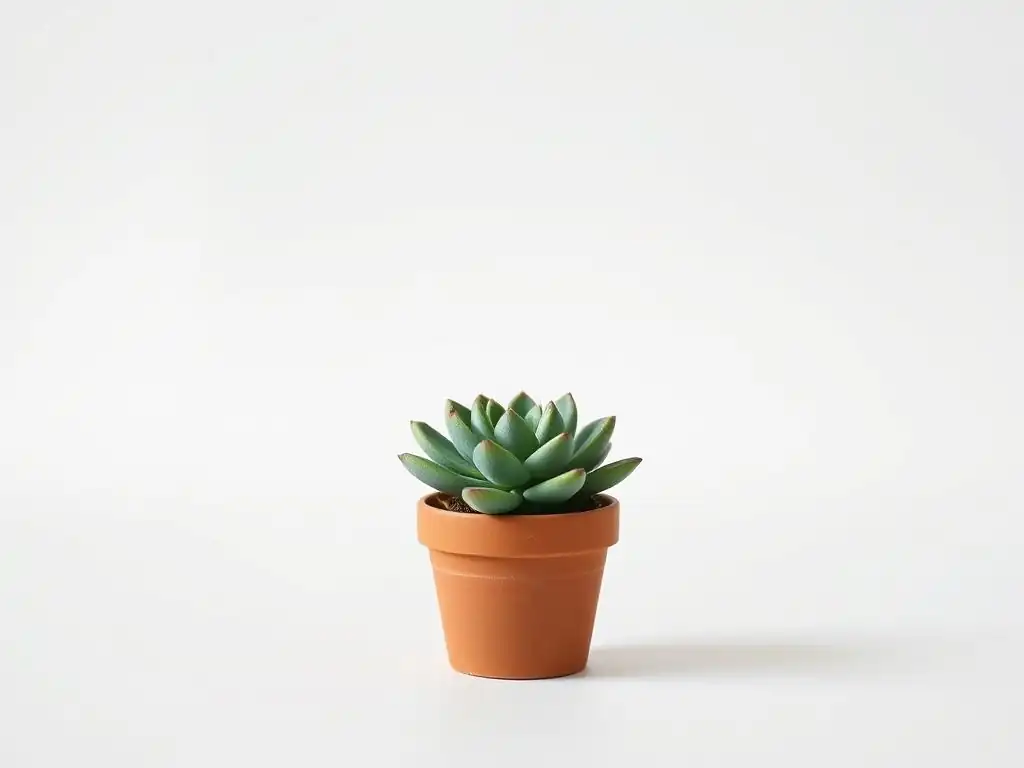
Acquiring new succulents is exciting, but introducing potential diseases or pests to your established collection can be devastating. Isolating new succulents is a crucial step in preventative succulent care, minimizing the risk of widespread infection and protecting your investment. This section details how to establish a robust quarantine zone, ensuring the health and vibrancy of your entire succulent family. This process is key to successfully preventing disease spread and maintaining a thriving collection. Implementing a proper quarantine protocol is vital for anyone serious about 'Isolate new succulents: prevent disease'.
Choosing the Right Quarantine Location: Light, Ventilation, and Space
The ideal quarantine location offers a balance of light, ventilation, and space. Avoid placing your quarantined succulents directly amongst your established plants. A separate room, a dedicated shelf, or even a well-lit corner of a garage or shed can work, provided it meets the following criteria:
- Adequate Light: Succulents need sunlight to thrive. Choose a location that receives at least 4-6 hours of bright, indirect sunlight daily. Direct, intense sunlight can scorch delicate new succulents. Consider using grow lights if natural light is insufficient.
- Good Ventilation: Air circulation helps prevent fungal diseases. Avoid stuffy, humid environments. A well-ventilated area will help prevent the build-up of moisture, a breeding ground for many succulent pests and diseases.
- Sufficient Space: Ensure there's enough room to comfortably arrange your quarantined succulents without overcrowding. Overcrowding can hinder airflow and increase the risk of disease transmission even within the quarantine zone. Leave ample space between individual plants to allow for air circulation.
Proper space and light management are fundamental aspects of effective 'Isolate new succulents: prevent disease' strategies.
Essential Quarantine Supplies: List of Supplies
Before introducing any new succulents to your quarantine zone, gather the necessary supplies. This preparation ensures a smooth and efficient quarantine process and helps prevent the spread of any potential pathogens. These supplies are essential for maintaining a clean and controlled environment:
- Clean, disposable gloves: Protecting your hands is crucial.
- Isopropyl alcohol (70% or higher): For sterilizing tools and surfaces.
- Soft, clean cloths or paper towels: For gentle cleaning.
- Small spray bottle: For applying diluted isopropyl alcohol or other disinfectants.
- Sharp, clean pruning shears or scissors: For removing damaged or infected leaves/stems.
- Potting mix: Fresh, sterile potting mix is crucial. Avoid reusing old potting mix.
- New pots: Using new pots minimizes the risk of cross-contamination.
Having these supplies readily available allows for quick action should any issues arise, reinforcing the effectiveness of your 'Isolate new succulents: prevent disease' plan.
Preparing the Quarantine Area: Cleaning and Sterilization
Before introducing any new succulents, thoroughly clean and sterilize the quarantine area. This removes any existing pathogens or pests that could infect your new acquisitions. This is a vital step in your 'Isolate new succulents: prevent disease' strategy.
- Thorough Cleaning: Begin by removing any dust, debris, or old plant material from the area. Use a damp cloth or paper towel to wipe down all surfaces, including shelves, tables, and windowsills.
- Sterilization: After cleaning, sterilize the area using a 70% isopropyl alcohol solution. Spray the surfaces generously, ensuring complete coverage. Allow the area to air dry completely before placing your new succulents. Pay particular attention to any crevices or cracks where pests might hide.
- Pot and Potting Mix Preparation: New pots should be thoroughly washed with soap and water, then sterilized with isopropyl alcohol. Use fresh, sterile potting mix to avoid introducing unwanted organisms.
By following these steps meticulously, you significantly reduce the risk of introducing diseases or pests to your existing succulent collection, helping you maintain a healthy and thriving garden. Remember, a proactive approach to quarantine is the cornerstone of successful succulent cultivation.
The Quarantine Process: Step-by-Step Guide
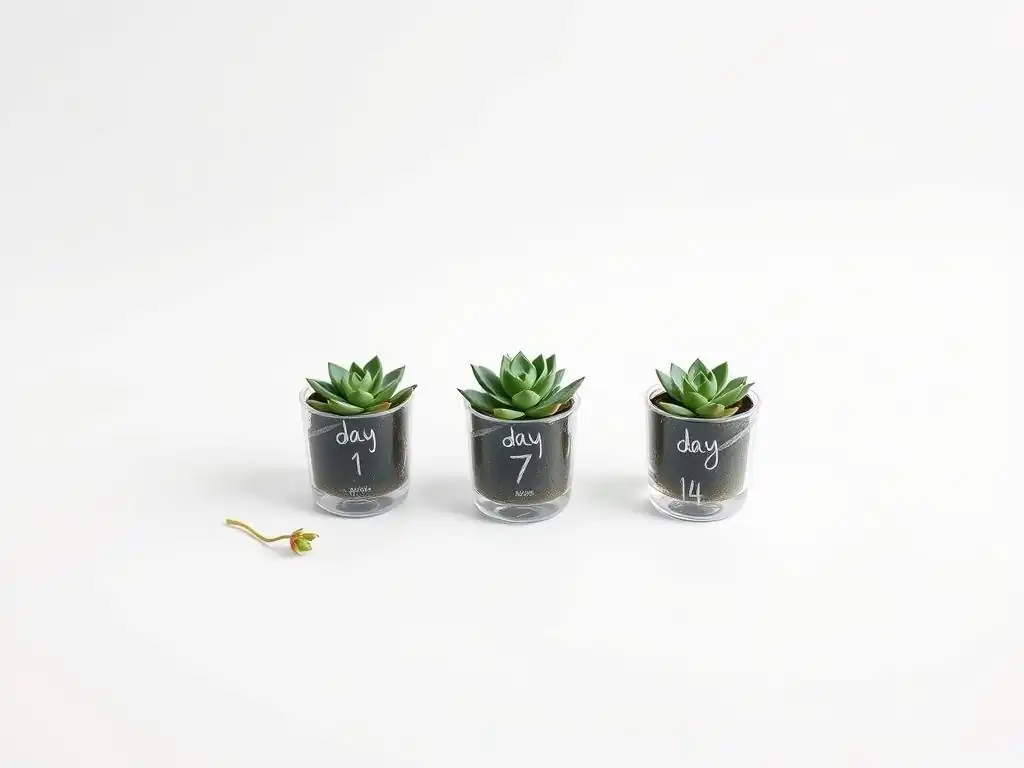
This section details the crucial steps involved in quarantining newly acquired succulents to protect your existing collection from potential pests and diseases. Proper isolation is a proactive measure to prevent the spread of infections and infestations, ensuring the long-term health and vibrancy of your succulent family. Remember, prevention is always better than cure when it comes to succulent care. Failing to isolate new succulents can lead to widespread problems, requiring extensive treatment and potentially resulting in the loss of beloved plants. This step is vital for successfully practicing "isolate new succulents: prevent disease".
Initial Inspection: Checking for Pests and Diseases Upon Arrival
Before even bringing your new succulent indoors, perform a thorough visual inspection. Examine every inch of the plant, including the roots, stems, leaves, and soil. Look for any signs of pests, such as:
- Mealybugs: Tiny, white, cottony insects often found in leaf axils or crevices.
- Aphids: Small, soft-bodied insects that cluster on stems and leaves, sucking plant sap.
- Scale insects: Hard, shell-like insects that adhere to plant surfaces.
- Spider mites: Microscopic pests that create fine webbing on leaves.
Additionally, check for signs of disease:
- Root rot: Soft, mushy roots, often accompanied by a foul odor.
- Leaf spot: Brown or black spots on leaves, indicating fungal or bacterial infection.
- Powdery mildew: A white, powdery coating on leaves and stems.
A magnifying glass can be invaluable for spotting tiny pests. Note any abnormalities – even seemingly insignificant blemishes should raise a flag. Careful initial inspection is the cornerstone of successful "isolate new succulents: prevent disease" strategies. Document your findings with detailed notes or photographs for future reference.
The Observation Period: Monitoring for Signs of Illness or Infestation
Once you've completed the initial inspection, place your new succulent in a separate, well-ventilated area away from your existing collection. This designated quarantine zone should be easily cleaned and disinfected. The observation period typically lasts for 2-4 weeks, allowing sufficient time to detect any latent infections or infestations.
During this period, monitor the plant closely. Look for any changes in its appearance, including:
- Wilting or yellowing leaves
- Unusual spots or discoloration
- Presence of new pests
- Slowed or stunted growth
Regularly check the soil for moisture levels and adjust watering accordingly. Avoid overwatering, as this can exacerbate existing problems and create a breeding ground for fungal diseases. Remember, consistent observation is key to early detection and effective intervention in preventing the spread of disease. This careful monitoring enhances your "isolate new succulents: prevent disease" efforts.
Watering and Care During Quarantine: Maintaining Plant Health
While isolating your new succulents, provide appropriate care to maintain their health without compromising your existing collection's safety. Use clean tools and gloves when handling the quarantined plants. Avoid using the same tools or gloves on your established succulents until the quarantine period is complete.
Watering should be done carefully, avoiding overwatering which can weaken the plant and increase susceptibility to disease. Allow the soil to dry out slightly between waterings. Ensure adequate sunlight exposure but avoid direct, intense sunlight which may stress the plant. Regularly inspect for pests and diseases, noting any changes in the plant's condition.
Remember, a healthy quarantined succulent is less likely to harbor or spread diseases. Providing proper care during isolation is an integral part of a comprehensive "isolate new succulents: prevent disease" protocol. This proactive approach safeguards your entire succulent collection.
Integrating Quarantined Succulents into Your Collection
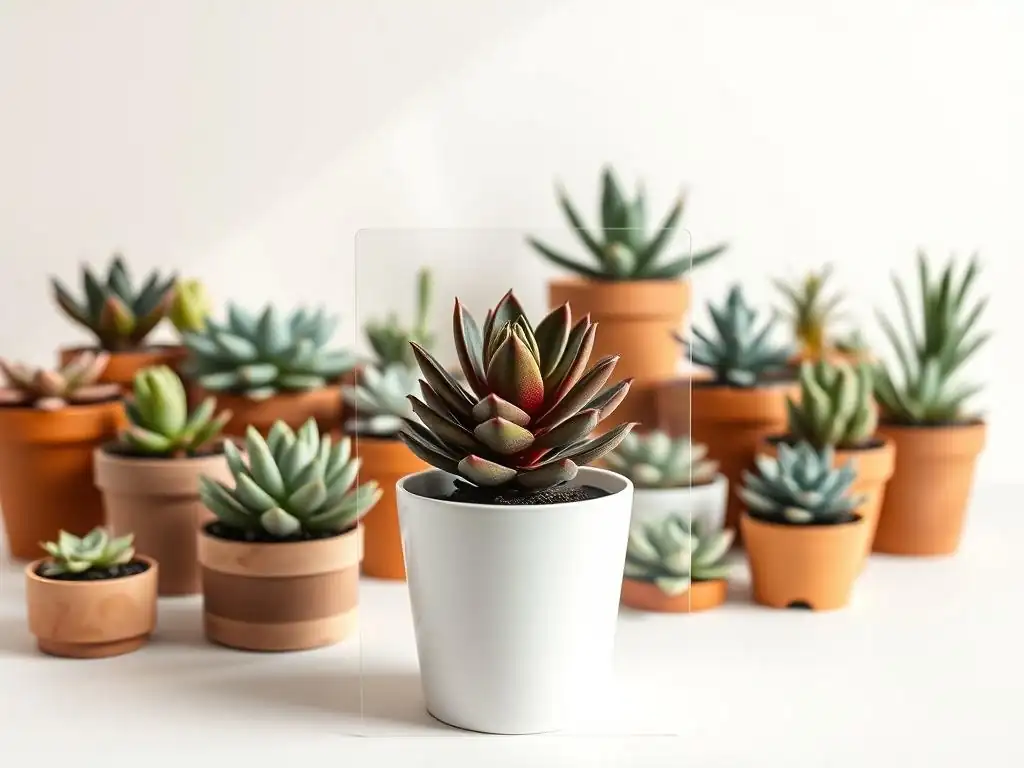
This section focuses on the safe and effective integration of your quarantined succulents into your existing collection, minimizing the risk of spreading any potential diseases or pests. The process should be gradual, allowing for continued observation and preventing a sudden influx of potential threats. Remember, even after quarantine, vigilance is key to maintaining a healthy succulent collection. Properly isolating new succulents is crucial to prevent disease and safeguard your existing plants.
Gradual Introduction: Minimizing Risk of Cross-Contamination
Once your quarantine period (ideally 4-6 weeks) is complete, and you've observed no signs of disease or pests, you can begin the careful introduction of your new succulents into your main collection. This isn't a sudden influx; it's a measured process.
Begin by placing the newly quarantined succulent in a separate area, slightly distanced from your established plants, for at least another week. This allows for a final observation period, acting as a buffer zone. Observe closely for any changes in the plant’s appearance. Pay attention to leaf color, texture, and any signs of wilting or unusual spots.
Next, consider the proximity of the new succulent to your existing plants. Don't immediately place it amongst your most prized or vulnerable succulents. A strategic placement, perhaps on a different shelf or in a separate corner, will help contain any potential spread should any unseen issue reappear.
Finally, thoroughly clean and disinfect any tools you use before and after handling both your quarantined and existing succulents. This simple step can significantly reduce the risk of cross-contamination. Think of it as a final barrier between your quarantine zone and your established collection. This meticulous approach ensures that you're isolating new succulents effectively to prevent disease spread.
Post-Quarantine Monitoring: Continued Vigilance for Early Detection
Even after careful integration, continued monitoring is crucial. Don't assume that the risk is entirely eliminated once the quarantine period is over. Regular inspections are vital for early detection of any issues.
- Weekly Inspections: Conduct thorough weekly inspections of your recently integrated succulents. Look for changes in leaf color, texture, or shape. Check for any signs of pests, such as mealybugs, aphids, or spider mites. Pay particular attention to the undersides of leaves and the base of the plant.
- Note-Taking: Keep a detailed record of your observations. This allows you to track any changes over time and identify potential problems early on. Note the date of integration, any unusual symptoms observed, and any actions taken. This meticulous record keeping is a vital part of isolating new succulents to prevent disease and maintain a healthy collection.
- Quarantine Re-evaluation: If you notice any unusual signs, even subtle ones, don't hesitate to re-quarantine the plant. It's better to err on the side of caution than to risk compromising your entire collection. Remember, a proactive approach is the best way to protect your valuable succulents. The cost of re-quarantine is minimal compared to the potential loss of your entire collection due to a pest or disease outbreak.
This comprehensive approach to integrating your quarantined succulents will significantly reduce the risk of introducing diseases or pests into your established collection. Remember, isolating new succulents to prevent disease is a continuous process, not just a temporary measure. Consistent vigilance and careful observation are key to maintaining a thriving and healthy succulent collection. 🌱
Maintaining a Pest-Free Succulent Collection: Long-Term Strategies
Maintaining a thriving succulent collection requires more than just proper watering and sunlight. A crucial aspect often overlooked is preventative pest and disease control. Isolating new succulents is a cornerstone of this strategy, acting as a crucial first step in preventing the introduction and spread of harmful organisms that can decimate your entire collection.
This section focuses on long-term strategies to keep your succulents healthy and pest-free. By implementing these methods, you'll significantly reduce the risk of disease outbreaks and ensure the longevity of your beloved plants. Remember, proactive care is far more effective and less stressful than reactive treatment.
Regular Inspection: Early Detection is Key
Regular inspection is paramount in preventing the spread of pests and diseases. Think of it as a proactive health check for your succulents. A quick once-over each week can make a significant difference. Look for any signs of unusual discoloration, wilting, webbing, or insects themselves. Pay close attention to the undersides of leaves and between the tightly packed leaves of rosette-forming succulents, as these are common hiding spots for pests.
Early detection is key to successful treatment. The sooner you identify a problem, the easier it is to address before it spreads to other plants. Consider using a magnifying glass to get a closer look at smaller succulents or hard-to-reach areas. Keeping detailed notes on your inspection schedule and any observations made can be incredibly helpful in tracking potential issues and their progression. This detailed record-keeping can also be valuable in determining the effectiveness of your chosen treatment methods. Don't underestimate the power of careful observation; it's your first line of defense against infestations.
Implementing Preventative Measures: Proactive Plant Care
Preventative measures are far more effective than dealing with infestations after they've taken hold. Maintaining optimal growing conditions for your succulents is a key preventative strategy. This includes providing adequate sunlight, well-draining soil, and proper watering techniques. Stressed succulents are far more susceptible to pests and diseases.
- Proper Watering: Avoid overwatering, as this creates a damp environment ideal for fungal growth and attracts pests.
- Well-Draining Soil: Use a well-draining succulent and cacti potting mix to prevent root rot.
- Sunlight: Ensure your succulents receive sufficient sunlight to promote strong growth and resistance to disease.
- Cleanliness: Regularly clean your pots and tools to prevent the spread of pests and diseases. Wipe down surfaces with a diluted bleach solution (1 part bleach to 9 parts water).
Remember, a healthy succulent is a resilient succulent, less likely to fall prey to pests and diseases. By focusing on these preventative measures, you're building a strong foundation for a thriving and pest-free collection. This proactive approach minimizes the need for harsh chemical treatments and ensures the long-term health of your plants.
Dealing with Infestations: Effective Treatment Options
Despite your best efforts, infestations can still occur. When you discover pests or signs of disease, act swiftly and decisively. Isolate the affected succulent(s) immediately to prevent the spread to healthy plants. This isolation is crucial; it's the first step in preventing a minor problem from becoming a major catastrophe. Several treatment options exist, ranging from simple hand-picking of visible pests to the application of insecticidal soaps or neem oil.
| Treatment Option | Effectiveness | Suitability | Precautions |
|---|---|---|---|
| Hand-picking | Low-moderate | Small infestations, easily visible pests | Gentle handling to avoid damaging the plant |
| Insecticidal Soap | Moderate | Most common pests | Follow instructions carefully; test on a small area |
| Neem Oil | Moderate-High | Wide range of pests and some fungal diseases | Avoid direct sunlight after application |
| Systemic Insecticide | High | Severe infestations, systemic issues | Use as a last resort; follow safety guidelines |
Remember to always identify the specific pest or disease before selecting a treatment. Incorrect treatment can worsen the problem. For severe infestations or unknown diseases, consulting with a plant specialist is recommended. Always prioritize the health and well-being of your succulents; prompt and appropriate action is essential for preserving your collection. Isolate new succulents: prevent disease – this simple rule, combined with diligent care, is your best defense against a compromised collection.
Frequently Asked Questions
Why should I quarantine new succulents?
Quarantine is crucial to prevent the spread of diseases and pests to your existing collection. New succulents may harbor unseen problems that could devastate your healthy plants. Isolating them for a few weeks is a preventative measure.
How long should I quarantine a new succulent?
A quarantine period of 4-6 weeks is generally recommended. This allows sufficient time to observe for any signs of disease or pests before introducing the plant to your main collection. Longer is better than shorter.
What are the signs of disease or pests I should look for during quarantine?
Look for unusual spots, discoloration, wilting, insects, or webbing. Any signs of distress warrant further investigation and potential treatment before introducing the plant to your main collection. Early detection is key.
Where is the best place to quarantine a new succulent?
A separate, well-ventilated area away from your main succulent collection is ideal. A bright but not direct sunlight location is best. Consider using a dedicated pot and tray to further minimize the risk of contamination.
What should I do if I find pests or disease on a quarantined succulent?
Isolate the affected plant immediately to prevent spread. Treat the plant with appropriate pesticides or fungicides, following the product instructions carefully. If the infestation is severe, disposal might be necessary.
Final Reflection: The Silent Struggle of Succulent Survival
The seemingly simple act of isolating new succulents isn't just a precaution; it's the cornerstone of a thriving collection. Failing to quarantine can lead to devastating losses, transforming a vibrant display into a graveyard of once-prized plants. The health of your succulent family depends on it.
The impact of unchecked plant diseases extends far beyond the individual plant; it affects the entire ecosystem of your collection. A single infected succulent can quickly become a silent spreader of disease, jeopardizing the well-being of your entire carefully curated garden. This delicate balance underscores the importance of preventative measures. The best cure is prevention,
a timeless adage rings especially true in the world of succulent cultivation. This personal experience has taught me the profound value of patience and careful observation in nurturing these resilient yet vulnerable plants.
Now, consider your own succulent collection, or even your approach to new plants in general. Will you continue to take the risk, or will you embrace the simple, yet powerful, practice of quarantine? Take a moment to reflect on the potential rewards – a healthier, more vibrant collection that thrives for years to come. The future of your succulents, and the joy they bring, rests in your hands.
Unleash Your Inner Plant Parent: Nurture Your Succulent Collection!
Thanks for exploring the world of succulent care! We hope you've learned about the importance of protecting your existing plants by isolating new ones. Now, let's put that knowledge into practice.
- Prioritize quarantine: Keep newly acquired succulents separate from your existing collection for at least two to four weeks, carefully monitoring them for pests or diseases. This is the best way to protect your valuable plants.
- Share your experiences: Tell us about your quarantine setup and any observations in the comments below. Let's learn from each other!
- Learn more: Explore our other articles on pest control and propagation techniques to further expand your succulent care knowledge.
Ready to cultivate a thriving succulent haven? What creative solutions will you use to keep your plants healthy?