Mastering the Art of Cultivating Hard-to-Grow Succulents
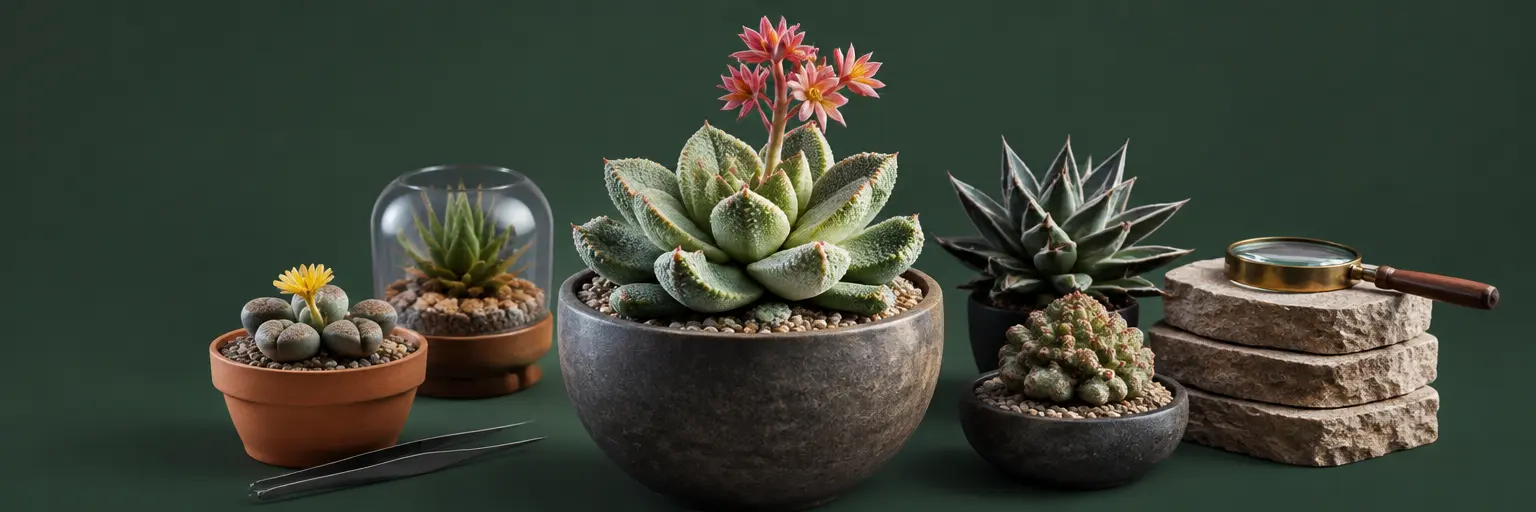
Welcome to the challenging yet incredibly rewarding world of rare and demanding succulents. At SucculentEssentials.org, we understand that while common varieties like Echeveria or Jade plants are forgiving, true collectors seek the thrill of nurturing species that require precise conditions, patience, and specialized knowledge. This subcategory is your definitive guide to unlocking the secrets of these botanical treasures, covering everything from humidity control and substrate chemistry to lighting intensity and seasonal dormancy. Whether you’re struggling with a finicky Ariocarpus or dreaming of a thriving Conophytum collection, you’ll find actionable solutions here.
💧 Decoding Watering Cycles for Sensitive Roots
Hard-to-grow succulents often hail from fog-dominated deserts or high-altitude regions where rainfall is seasonal and fleeting. Unlike typical succulents, these species demand a strict "wet-dry-wet" cycle that mimics monsoon patterns, not a regular weekly soak. Overwatering is the #1 killer, but underwatering during active growth can stunt or deform the plant. You’ll learn to read leaf turgidity, soil moisture at root depth, and even local barometric pressure to time your watering perfectly.
We dive into species-specific schedules, such as winter-growers like Lithops versus summer-growers like Pachypodium. You’ll also discover the importance of using distilled or rainwater, as mineral buildup can burn delicate root hairs. Additionally, we explain the "bottom-watering" technique for plants with caudexes or tight rosettes to prevent rot from stagnant water in leaf axils.
🌱 Crafting the Perfect Mineral Substrate Mix
Standard cactus soil is far too organic for these fussy species. Hard-to-grow succulents often require a gritty mix composed of 70-90% inorganic particles like pumice, akadama, lava rock, and coarse sand. This ensures rapid drainage, excellent aeration, and minimal water retention around the crown. We break down the physical properties of each particle, including particle size distribution, porosity, and how they affect root oxygenation and temperature regulation.
You’ll get recipes for specific genera, such as a pure mineral mix for Aztekium, a calcareous blend for Echinocactus, and a slightly organic but chunky mix for epiphytic rarities like Rhipsalis. We also explain how to sterilize and recharge your substrate, preventing fungal pathogens and nutrient lockout that plague these sensitive root systems.
💡 Mastering Light Intensity and Photoperiods
Many rare succulents originate from sun-baked slopes or high UV environments, yet they still scorch easily under artificial light or southern windows. The trick is to replicate gradual light exposure, not just intensity. We’ll guide you on using diffused shade cloth, LED grow lights with specific spectrum ratios (red:blue), and morning vs. afternoon sun positioning. For instance, Pseudolithos needs bright but filtered light, while Aloe polyphylla tolerates full sun only in cool climates.
Photoperiod also controls flowering and dormancy triggers. We cover how to adjust day length using timers to simulate seasonal changes, especially for species like Dioscorea elephantipes or Othonna that demand a distinct winter rest. You’ll learn to observe etiolation signs early and fine-tune your light setup without breaking the bank.
🌡️ Regulating Temperature, Airflow, and Humidity
These succulents are often thermal specialists, requiring cool nights (10-15°C) and warm days (25-35°C) to thrive. Sudden fluctuations or prolonged heatwaves can trigger stress responses like shriveling or black rot. We explain how to use thermal mass, shade nets, and active fans to create microclimates. For indoor growers, we recommend terrariums with ventilation or simple air pumps to maintain airflow without drying out the roots.
Humidity is a double-edged sword: too low causes root desiccation; too high invites Botrytis. We share practical methods using hygrometers, pebble trays, and occasional misting for species that absorb atmospheric moisture, like Dudleya. You’ll also learn to gently transition plants between seasons to avoid shock, especially after shipping or repotting.
🔬 Troubleshooting Rot, Pests, and Dormancy Failure
Even expert growers face issues, but with rare species, every error is amplified. This section provides a symptom-based diagnostic chart covering blackened stems, mushy caudexes, white chalky spots (likely mite damage), and sudden leaf drop. We offer organic treatments like sulfur powder, neem oil, and beneficial nematodes, emphasizing prevention over cure. You’ll also learn to recognize root rot before it spreads, using a toothpick test or gentle tug.
Dormancy failure is another common hurdle, often caused by inconsistent watering or temperature. We detail how to force dormancy for Pleiospilos or Gasteria by gradually reducing moisture and lowering night temperatures. Additionally, we cover safe acclimation methods for imported wild-collected plants (which are ethically problematic) versus nursery-raised specimens, ensuring your collection survives long-term.
Frequently Asked Questions
Why does my Lithops keep splitting into two and never grow larger?
This is often due to overwatering during its rest cycle, which prevents the old leaves from being absorbed. Allow the plant to dry completely and stop watering until the outer leaves are fully shriveled. Also, provide intense bright light to force the new pair to emerge naturally. Never peel the old leaves manually.
Can I use regular succulent soil for Ariocarpus if I add perlite?
No, the addition of perlite alone is insufficient. Ariocarpus requires a nearly pure mineral mix with zero peat or bark. Use a base of pumice and fine grit (2-4mm) with a small amount of decomposed granite. Organic matter increases the risk of fatal root rot, especially in cool winters.
How do I know if my rare succulent is dormant or dead?
A dormant plant retains firm, slightly rubbery tissue and a live growing point, while dead plants are soft, translucent, or collapse when squeezed. Gently scratch the caudex surface; green or white underneath indicates life. Wait until spring, but if the root is mushy, repot immediately.
What is the best way to import rare succulent seeds legally?
Always purchase from reputable nurseries that provide phytosanitary certificates. For seeds, ensure they are sterilized and sealed. Avoid wild-collected seeds, as they are often scarce and may carry pests. Check your country’s quarantine regulations, and consider using a licensed importer to avoid delays.
Do hard-to-grow succulents require special fertilizer?
Yes, they prefer low nitrogen, high potassium formulas diluted to 1/4 strength. Use a fertilizer with trace elements like magnesium and iron. Apply only during the active growing season (spring or autumn) and never on dry roots. Overfeeding leads to weak, elongated growth and increased pest susceptibility.