
Navigating the Nuances of Growing the Peculiar Obregonia Denerii

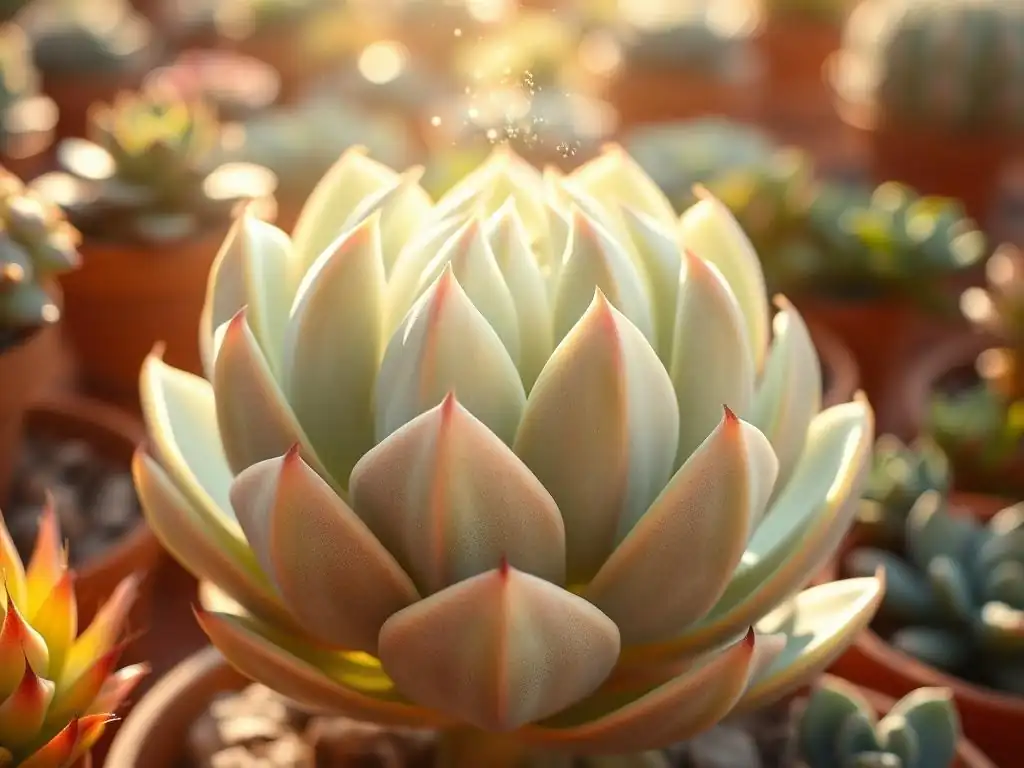
Welcome to SucculentEssentials.org, where the fascinating world of succulents unfolds before you! Prepare to be captivated by the diverse beauty and resilience of these remarkable plants. But first, have you ever encountered the enigmatic Obregonia Denerii? This unique succulent presents a captivating challenge, and we're ready to guide you through the nuances of its care. Dive in and discover the secrets to successfully cultivating this rare treasure – your journey into the world of specialized succulent collections begins now!
- Understanding Obregonia denegrii: A Unique Succulent
- Essential Obregonia denegrii Succulent Care: Soil and Potting
- Obregonia denegrii Watering Techniques: Avoiding Overwatering
- Light and Temperature Requirements for Obregonia denegrii
- Obregonia denegrii Propagation Methods: Challenges and Success
- Common Problems and Solutions in Obregonia denegrii Cultivation
- Obregonia denegrii and its Aesthetic Appeal in Succulent Arrangements
- Frequently Asked Questions
- Final Reflection: The Enduring Allure of the Obregonia Denerii
- Unleash Your Inner Succulent Expert!
Understanding Obregonia denegrii: A Unique Succulent
The world of succulents is vast and varied, encompassing a breathtaking array of shapes, sizes, and colors. While many succulents are relatively easy to cultivate, some present a more significant challenge to even the most experienced plant enthusiasts. This article delves into the fascinating world of Obregonia denegrii, a truly peculiar and captivating succulent that demands a nuanced approach to cultivation.
Successfully nurturing this rare beauty requires a deep understanding of its unique characteristics, natural habitat, and the specific conditions it needs to thrive. Mastering the art of Obregonia denegrii care will not only reward you with a stunning addition to your succulent collection but will also enhance your overall understanding of succulent cultivation, equipping you to tackle other challenging species with confidence. We will explore the key aspects of Obregonia denegrii succulent care, helping you navigate the nuances of growing this exceptional plant and ensuring its long-term health and beauty.
This guide is designed to equip you with the knowledge needed to successfully cultivate this often-elusive species, providing you with the tools to become a true expert in Obregonia denegrii care. Let's embark on this journey together!
Identifying Key Characteristics of Obregonia denegrii
Obregonia denegrii, also known as the "living rock" succulent, is instantly recognizable due to its distinctive, almost geometric features. Its tubercles, or bumpy protrusions, are arranged in a tightly packed, spiraling pattern, giving it a unique, almost artichoke-like appearance. These tubercles are triangular and sharply pointed, contributing to its overall unusual texture.
The plant’s color typically ranges from a deep, bluish-green to a grayish-green, depending on light exposure and growing conditions. The relatively small size of mature Obregonia denegrii plants, usually reaching only a few inches in diameter, adds to their charm and makes them suitable for smaller spaces. Unlike many succulents, Obregonia denegrii exhibits a slow growth rate, adding to its mystique and making every inch of growth a testament to successful cultivation.
Careful observation of its tubercles, color, and overall size will help you monitor its health and detect any potential issues early on. This attention to detail is crucial for the successful long-term care of this unique succulent.
Obregonia denegrii's Natural Habitat and Growing Conditions
Understanding the Obregonia denegrii's natural habitat is paramount to replicating its ideal growing conditions. Native to the northeastern Mexican state of Tamaulipas, this succulent thrives in a very specific environment characterized by:
- Arid Climate: It is accustomed to hot, dry summers and mild, relatively dry winters.
- Well-Draining Soil: The soil in its natural habitat is typically rocky and exceptionally well-draining, preventing waterlogging which is fatal to this species.
- Limited Sunlight: While it requires sunlight for photosynthesis, Obregonia denegrii prefers filtered or indirect sunlight, avoiding harsh, direct exposure that can scorch its delicate leaves.
- Specific pH Levels: [Specific pH range pending]
To successfully cultivate Obregonia denegrii, you must strive to mimic these conditions. Use a well-draining potting mix specifically formulated for cacti and succulents, ensuring proper aeration to prevent root rot. Provide ample indirect sunlight, perhaps using shade cloth during the hottest parts of the day. Careful watering is crucial, allowing the soil to dry completely between waterings. Overwatering is a common cause of failure with this species. The temperature should ideally remain within a specific range [Temperature range pending], reflecting the conditions of its natural habitat.
Distinguishing Obregonia denegrii from Similar Succulents
While Obregonia denegrii is unique, its appearance might lead to confusion with other succulents. Careful observation of key characteristics will help distinguish it from similar species. For example, it is sometimes confused with certain species of Ariocarpus, but the distinct, spiraling arrangement of its tubercles sets it apart. Similarly, while some Lophophora species share a somewhat similar overall shape, the sharp, triangular tubercles of Obregonia denegrii are a key differentiator.
The subtle differences in color and texture also aid in identification. Detailed observation and comparison with images of similar species will enhance your ability to accurately identify Obregonia denegrii and ensure you are providing the correct care for your plant. Remember, accurate identification is the cornerstone of successful cultivation.
Essential Obregonia denegrii Succulent Care: Soil and Potting
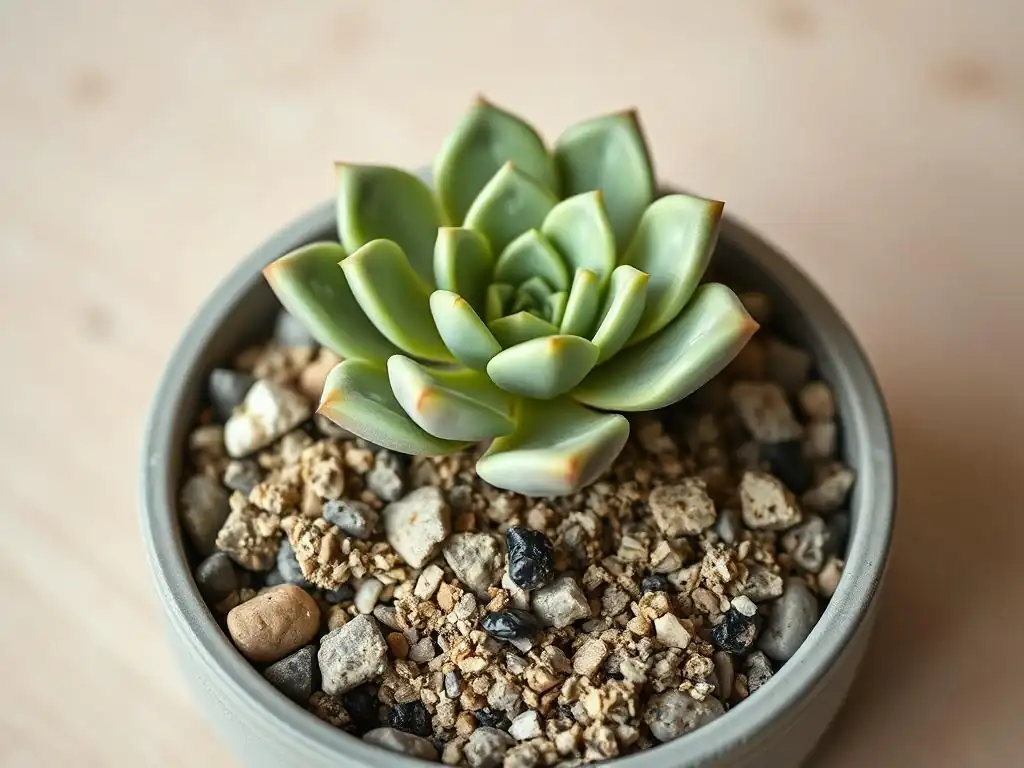
The Obregonia denegrii, also known as the "bishop's cap" succulent, presents unique challenges for even experienced succulent growers. Its specific needs, particularly regarding soil and potting, are crucial for its survival and thriving. Mastering these aspects is key to successful Obregonia denegrii succulent care. Ignoring these nuances often leads to root rot, a common downfall for this peculiar species. Let's delve into the specifics.
Selecting the Right Potting Mix for Obregonia denegrii
The Obregonia denegrii requires an exceptionally well-draining potting mix. Unlike many succulents that tolerate slightly more moisture retention, this species is highly susceptible to root rot in overly moist conditions. A mix that retains some moisture but primarily allows for rapid drainage is paramount. Avoid using standard potting soil, as it tends to retain too much water.
Here's a recommended mix:
- 2 parts: Coarse, well-washed pumice or perlite. These inorganic materials provide excellent drainage and aeration.
- 1 part: Fine horticultural grit, such as grit sand or crushed granite. This adds drainage and improves soil structure.
- 1 part: Well-rotted compost (optional). A small amount of well-rotted compost can provide minimal nutrients, but prioritize drainage over added nutrients.
This ratio can be adjusted slightly based on your climate and the specific materials used. The key is to ensure excellent air circulation around the roots to prevent waterlogging. Always check the potting mix before planting; it should feel almost gritty and loose rather than compact. Think of it as creating a miniature desert environment within the pot. 🌵
Choosing the Ideal Pot for Obregonia denegrii Growth
Pot selection is equally crucial for Obregonia denegrii success. The pot should facilitate optimal drainage and prevent water retention around the roots. Terracotta pots are generally preferred due to their porous nature, which allows for better evaporation and reduces the risk of root rot. However, be mindful that terracotta pots dry out more quickly, requiring more frequent watering (though still infrequent).
Avoid plastic pots unless you are exceptionally diligent about watering. The lack of porosity in plastic can lead to persistently damp conditions, which are detrimental to the Obregonia denegrii. The size of the pot should be proportionate to the size of the plant; a slightly snug fit is better than one that's too large, preventing excessive moisture accumulation in the soil. Always ensure the pot has drainage holes at the bottom. Multiple drainage holes are even better! 🕳️
Repotting Your Obregonia denegrii: A Step-by-Step Guide
Repotting your Obregonia denegrii should ideally be done during the spring or early summer, its active growing season. This lessens the stress on the plant compared to repotting during dormancy. However, if root rot is suspected or the plant is severely root-bound, repotting may be necessary at another time.
Here's a step-by-step guide:
- Gentle Removal: Carefully remove the plant from its current pot. Gently loosen the roots if necessary, being mindful not to damage the delicate root structure.
- Root Inspection: Inspect the roots for any signs of rot (mushy, brown, or foul-smelling roots). Remove any affected roots with clean, sharp scissors or a knife.
- New Pot and Soil: Place a layer of your prepared potting mix (as described above) at the bottom of the new pot. Center the Obregonia denegrii in the pot and fill the remaining space with the potting mix, ensuring the crown of the plant remains above the soil level.
- Watering: After repotting, wait for at least a week before watering to allow any damaged roots to heal and prevent rot. Water sparingly, allowing the soil to dry completely between waterings.
- Post-Repotting Care: Place the repotted Obregonia denegrii in a location with bright, indirect sunlight and monitor its progress carefully. Avoid overwatering, as this is a common cause of failure in Obregonia denegrii cultivation.
Remember, patience and attention to detail are vital when caring for this challenging but rewarding succulent. By meticulously following these guidelines for soil, potting, and repotting, you’ll significantly increase your chances of successfully cultivating the unique and captivating Obregonia denegrii.
Obregonia denegrii Watering Techniques: Avoiding Overwatering
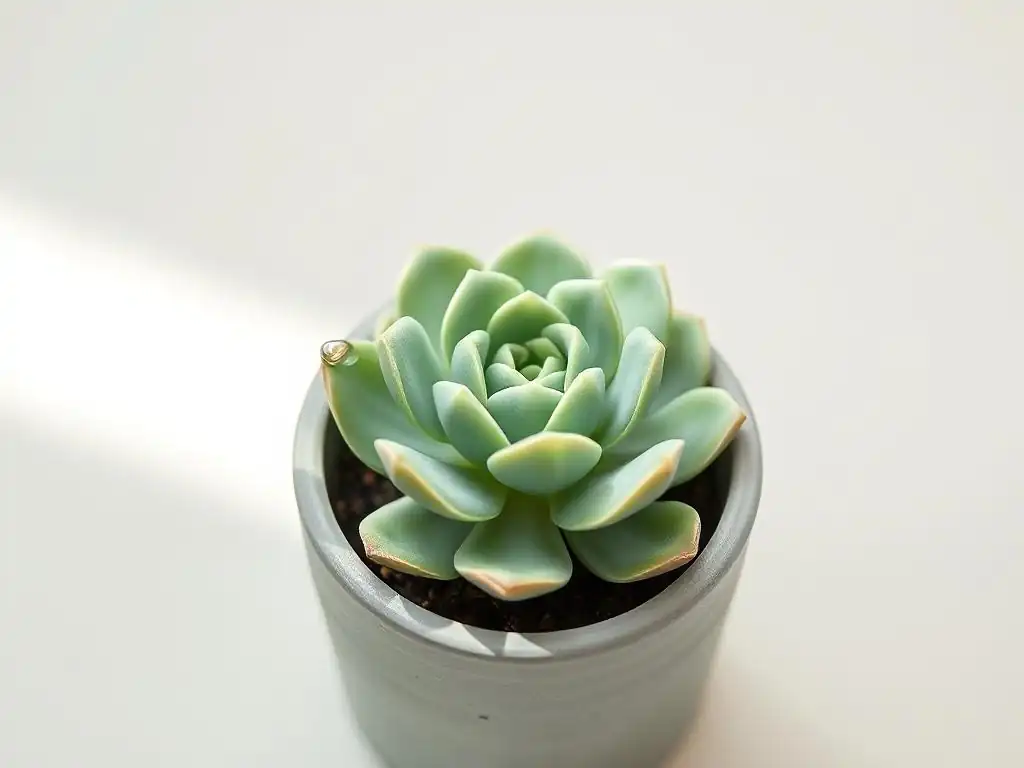
The Obregonia denegrii, also known as the "Bishop's Hat" succulent, presents unique challenges for even experienced succulent enthusiasts. Its slow growth and specific water needs make proper hydration crucial for its survival and thriving. Mastering the art of watering this peculiar succulent is paramount to its long-term health and beauty. Incorrect watering practices are the most common reason for Obregonia denegrii failure, so understanding its requirements is essential for success in Obregonia denegrii succulent care.
Understanding Obregonia denegrii's Water Requirements
The Obregonia denegrii is adapted to arid conditions, possessing a remarkable ability to store water within its tuberous roots and unique, ribbed body. Unlike many other succulents that tolerate infrequent but deep watering, the Obregonia denegrii prefers consistently moist, but never soggy, soil. Overwatering is a far greater threat than underwatering, leading to root rot and subsequent plant demise.
The key lies in providing just enough water to keep the soil slightly damp, allowing it to dry out slightly between waterings. Think “damp, not drenched.” The frequency of watering will depend significantly on factors like temperature, humidity, and pot size, making careful observation crucial. Remember, consistent monitoring is key to successful Obregonia denegrii succulent care.
Developing a Consistent Watering Schedule
Establishing a consistent watering schedule for your Obregonia denegrii requires careful observation and adaptation. There's no one-size-fits-all solution; environmental factors play a significant role. During the warmer months (spring and summer), you might water every 7-10 days, checking the soil moisture beforehand. During the cooler months (autumn and winter), watering frequency should be significantly reduced, potentially to once every 2-3 weeks or even less.
Always check the soil moisture before watering – stick your finger a couple of inches into the soil; if it feels dry, it's time to water. If it still feels moist, wait a few more days. Avoid following a rigid schedule blindly; adapt to your specific environmental conditions. This careful approach is the foundation of successful Obregonia denegrii succulent care.
Recognizing Signs of Overwatering and Underwatered Obregonia denegrii
Recognizing the signs of both overwatering and underwatering is essential for timely intervention and preventing irreversible damage.
Overwatering manifests in several ways:
- Soft, mushy leaves: This indicates root rot, a common consequence of excessive moisture.
- Yellowing or browning leaves: A sign of decaying tissue due to prolonged exposure to overly wet soil.
- Foul odor emanating from the soil: Indicates bacterial or fungal growth, often associated with root rot.
Underwatering, while less immediately damaging, also displays specific signs:
- Shriveled or wrinkled leaves: A clear indication that the plant is dehydrated.
- Slow or stunted growth: A subtle sign that the plant isn't receiving sufficient water.
- Leaves becoming brittle and easily broken: A late-stage sign of severe dehydration.
The following table summarizes these key indicators:
| Symptom | Overwatering | Underwatered |
|---|---|---|
| Leaves | Soft, mushy, yellowing, browning | Shriveled, wrinkled, brittle |
| Soil | Foul odor | Dry to the touch |
| Growth | Stunted, rotting | Slow, stunted |
| Overall plant appearance | Lethargy, wilting | Dehydrated, fragile |
Careful observation and prompt action, based on these indicators, are crucial elements of successful Obregonia denegrii succulent care. Remember, prevention is always better than cure! By understanding the subtle nuances of this plant's water needs, you can help your Obregonia denegrii thrive for years to come. 🌵
Light and Temperature Requirements for Obregonia denegrii
The Obregonia denegrii, often called the "artichoke cactus" due to its unique appearance, presents specific challenges regarding light and temperature. Mastering these aspects is crucial for successful cultivation of this fascinating succulent. Providing the right balance is key to healthy growth and preventing common issues like etiolation (leggy growth) or sunscald. Understanding the nuances of its light and temperature needs will significantly improve your chances of nurturing a thriving Obregonia denegrii. This section will detail the specific requirements for optimal Obregonia denegrii succulent care.
Providing Optimal Light Exposure for Obregonia denegrii
Obregonia denegrii thrives in bright, indirect light. Direct sunlight, especially during the hottest parts of the day, can quickly scorch its delicate skin. Think of it as a plant that prefers the dappled shade under a tree, rather than full sun exposure. The ideal light intensity is crucial for maintaining its compact, healthy growth habit. Insufficient light, on the other hand, leads to etiolation, where the plant stretches towards the light source, becoming weak and spindly.
To ensure optimal light exposure, consider the following:
- East- or west-facing windowsills: These locations offer ample morning or afternoon light, respectively, without the harsh intensity of midday sun.
- Filtered sunlight: Use sheer curtains or blinds to diffuse direct sunlight, preventing sunburning.
- Artificial lighting: During winter months, or in areas with limited natural light, supplementing with grow lights can be beneficial. Aim for a light cycle similar to its natural environment.
- Regular observation: Monitor your plant's appearance. Signs of sunscald (brown or bleached patches) indicate too much direct light, while etiolation (long, weak stems) suggests insufficient light. Adjust accordingly.
Maintaining Ideal Temperature Ranges for Healthy Growth
Maintaining a consistent temperature range is essential for the Obregonia denegrii's health and well-being. These succulents prefer moderate temperatures, avoiding both extreme heat and cold. Fluctuations can stress the plant and impact its growth. Understanding its temperature preferences is paramount for Obregonia denegrii succulent care.
The ideal temperature range for Obregonia denegrii is generally between 65°F (18°C) and 80°F (27°C) during the growing season (spring and summer). During winter dormancy (fall and winter), slightly cooler temperatures around 50°F (10°C) to 60°F (15°C) are beneficial, mimicking its natural environment. Consistent temperature is more important than specific numbers.
Protecting Obregonia denegrii from Extreme Temperatures
Extreme temperatures, both hot and cold, can severely damage or even kill an Obregonia denegrii. Protecting it from these extremes is a crucial aspect of successful cultivation. This requires proactive measures, especially during the hottest summer months and coldest winter periods.
Here are some strategies to protect your Obregonia denegrii from temperature extremes:
- Summer protection: Relocate the plant to a shadier location during the hottest part of the day, or provide shade with a sheer curtain or awning. Avoid placing it near heat sources like radiators or air conditioners.
- Winter protection: Bring the plant indoors during freezing temperatures. Avoid placing it in drafty areas or near cold windows. A well-insulated location is ideal.
- Gradual temperature changes: Avoid sudden changes in temperature, as these can shock the plant. Acclimate it gradually to changes in environment.
- Monitoring: Regularly monitor the temperature around your Obregonia denegrii using a thermometer. This allows you to proactively adjust its position or environment as needed. Careful monitoring is a vital part of Obregonia denegrii succulent care.
Remember, consistent attention to light and temperature is fundamental to successfully growing this unique and captivating succulent. By following these guidelines, you'll significantly increase your chances of cultivating a healthy and thriving Obregonia denegrii. 🌱
Obregonia denegrii Propagation Methods: Challenges and Success
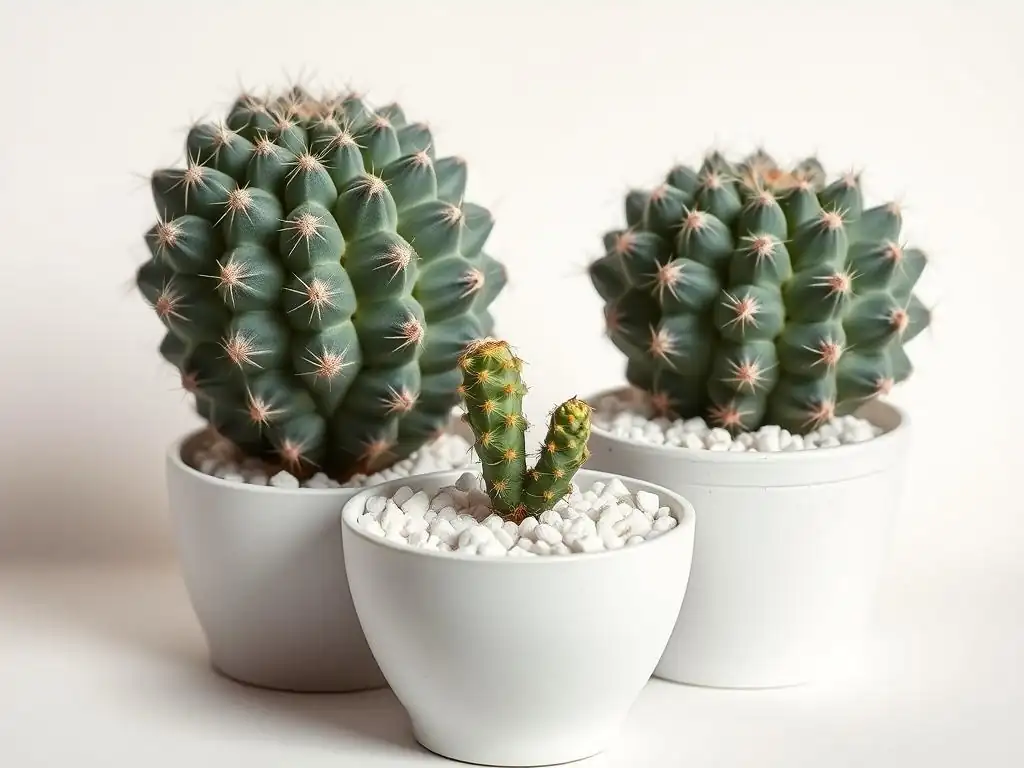
The Obregonia denegrii, also known as the "Bishop's Hat" succulent, presents unique challenges to propagation due to its slow growth and specific environmental needs. Successfully propagating this rare and highly prized succulent requires patience, precision, and a deep understanding of its requirements. This section will detail the two primary methods: seed propagation and propagation via offsets. Mastering these techniques significantly increases your chances of expanding your Obregonia denegrii collection. Successful Obregonia denegrii propagation is a testament to the grower's skill and dedication.
Seed Propagation of Obregonia denegrii: A Detailed Process
Seed propagation of Obregonia denegrii is a lengthy process, often taking several years to reach a sizable plant. However, it offers the potential for a large number of plants from a single successful batch. Here's a detailed breakdown:
- Seed Acquisition: Sourcing high-quality seeds is crucial. Obtain seeds from reputable sources known for their accurate labeling and high germination rates. Avoid seeds that appear old or damaged.
- Sowing: Use a well-draining seed-starting mix, such as a cactus and succulent potting mix amended with perlite or pumice. Sow seeds thinly and evenly across the surface of the mix. Gently press them into the soil but don't bury them deeply.
- Germination Environment: Maintain consistently warm temperatures (around 70-75°F or 21-24°C) and high humidity. A humidity dome or propagator is highly beneficial. Provide bright, indirect light. Avoid direct sunlight, which can scorch delicate seedlings.
- Watering: Water sparingly, ensuring the soil remains slightly moist but not soggy. Overwatering is a common cause of seed rot and failure. Allow the top inch of soil to dry out between waterings.
- Patience: Germination can take several weeks, or even months. Be patient and maintain the ideal conditions. Once seedlings emerge, gradually reduce humidity and increase ventilation to prevent fungal diseases.
- Transplanting: Once seedlings develop a few true leaves (several months to a year), carefully transplant them into individual small pots using a well-draining succulent potting mix.
Challenges in Propagating Obregonia denegrii from Seed
Seed propagation of Obregonia denegrii presents several significant challenges:
- Low Germination Rates: Obregonia denegrii seeds often exhibit low germination rates. This necessitates sowing a large number of seeds to ensure a reasonable success rate.
- Susceptibility to Damping-off: Seedlings are highly susceptible to damping-off, a fungal disease that can quickly wipe out entire batches. Maintaining proper ventilation and avoiding overwatering is key to preventing this.
- Slow Growth: Even after successful germination, Obregonia denegrii seedlings grow extremely slowly. It can take many years for them to reach a mature size.
- Specific Environmental Needs: Maintaining the correct temperature, humidity, and light levels throughout the entire germination and seedling stages is critical for success. Any deviation can significantly impact growth and survival.
Offsets Propagation of Obregonia denegrii
Propagation through offsets, or "pups," is a more reliable method than seed propagation for Obregonia denegrii, though offsets are not frequently produced. When they do appear, they are usually small and closely attached to the mother plant.
- Offset Identification: Carefully examine the base of the mature Obregonia denegrii plant for small, developing offsets. These will appear as miniature versions of the mother plant.
- Separation: Once offsets have developed a few small leaves and roots (this can take several years), carefully separate them from the mother plant using a sharp, sterile knife or scalpel. Ensure to leave a small portion of root attached to the offset.
- Planting: Plant the separated offsets in small pots filled with a well-draining succulent potting mix. Handle them gently to avoid damaging the delicate roots and leaves.
- Post-Separation Care: Water sparingly after planting and provide bright, indirect light. Avoid direct sunlight, which can easily scorch the delicate offsets. Monitor for signs of rot or disease. The slow growth rate of Obregonia denegrii offsets means patience is still key.
This detailed guide provides a comprehensive overview of propagating Obregonia denegrii. Remember that success requires patience, attention to detail, and a thorough understanding of this unique succulent's needs. Even with careful attention, losses are possible; consider it a learning process, and celebrate the successes along the way. 🌱
Common Problems and Solutions in Obregonia denegrii Cultivation
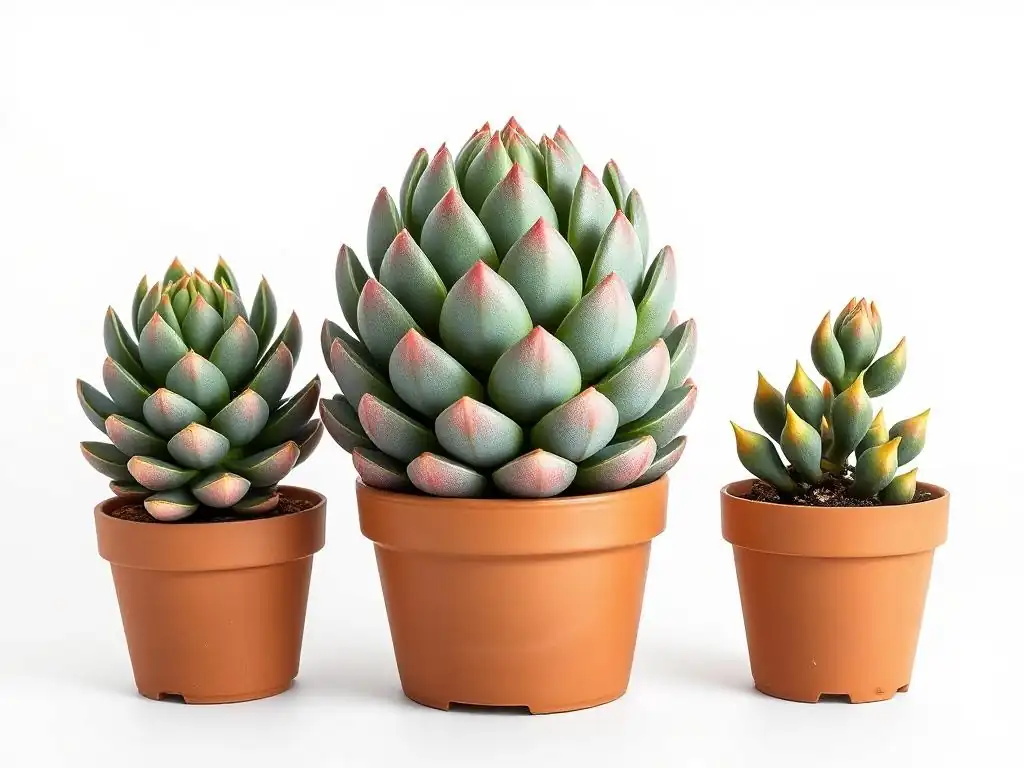
The Obregonia denegrii, often called the "Bishop's Hat" succulent, presents unique challenges for even experienced succulent growers. Its slow growth and specific needs make it susceptible to certain issues. Mastering these challenges is key to successful Obregonia denegrii succulent care. Understanding the plant's natural habitat – the arid regions of northeastern Mexico – provides crucial insights into its cultivation requirements. Proper watering, soil composition, and pest control are paramount for keeping your Bishop's Hat thriving. Let's delve into the common problems and their effective solutions.
Addressing Root Rot in Obregonia denegrii
Root rot is a significant threat to Obregonia denegrii, often stemming from overwatering and poorly draining soil. The succulent's compact, tuberous root system is particularly vulnerable to fungal infections in consistently damp conditions. Symptoms include soft, mushy roots, wilting, and a foul odor emanating from the soil.
To prevent root rot, ensure excellent drainage. Use a well-draining potting mix specifically formulated for cacti and succulents. This typically includes a blend of inorganic materials like pumice, perlite, and coarse sand, mixed with a small amount of organic matter. Avoid using heavy clay-based soils. Water only when the soil is completely dry, allowing it to dry out thoroughly between waterings. During winter dormancy, reduce watering significantly.
If root rot is detected, immediate action is crucial. Carefully remove the plant from its pot and gently inspect the roots. Use sterile, sharp scissors or a knife to trim away any affected, mushy roots. Treat the remaining roots with a fungicide designed for succulents. Repot the plant in fresh, dry, well-draining soil. Monitor the plant closely, adjusting watering as needed. Avoid overhead watering to prevent water from accumulating around the crown of the plant. Proper air circulation is vital; don't overcrowd your plants.
Dealing with Pests and Diseases Affecting Obregonia denegrii
While relatively resistant to many pests, Obregonia denegrii can still fall victim to mealybugs, aphids, and scale insects. These sap-sucking pests can weaken the plant, leading to stunted growth and discoloration. Regular inspection is crucial for early detection.
Mealybugs appear as small, cottony masses on the plant's surface. Aphids are tiny, soft-bodied insects that cluster on stems and leaves. Scale insects look like small, hardened bumps. Manual removal using a cotton swab dipped in rubbing alcohol can be effective for small infestations. For larger infestations, consider using insecticidal soap or neem oil. Always follow the product instructions carefully. Avoid using strong chemical pesticides, as they can damage the delicate succulent. Maintaining good air circulation and avoiding overcrowding can help prevent pest problems. Introducing beneficial insects, like ladybugs, can also provide natural pest control.
Preventing and Treating Obregonia denegrii's Common Issues
Preventing problems is far easier than treating them. Consistent, mindful care is the cornerstone of successful Obregonia denegrii cultivation. This includes:
- Proper Lighting: Provide bright, indirect light. Avoid direct sunlight, which can scorch the plant.
- Temperature Control: Maintain temperatures between 65-80°F (18-27°C) during the growing season and slightly cooler during winter dormancy. Avoid extreme temperature fluctuations.
- Watering Technique: Water deeply but infrequently, allowing the soil to dry out completely between waterings. Adjust watering frequency based on the season and environmental conditions.
- Soil Composition: Use a well-draining, cactus and succulent potting mix.
- Fertilization: Use a balanced, diluted succulent fertilizer sparingly during the growing season. Avoid fertilizing during dormancy.
By understanding the specific needs of the Obregonia denegrii and implementing preventative measures, you can significantly reduce the risk of encountering common problems and ensure the long-term health and beauty of this unique and fascinating succulent. Remember, patience and observation are key to mastering the art of Obregonia denegrii succulent care. 🌱
Obregonia denegrii and its Aesthetic Appeal in Succulent Arrangements
The Obregonia denegrii, often called the "Bishop's Hat" succulent, possesses a unique aesthetic that significantly elevates succulent arrangements. Its distinctive, geometric shape, resembling a tightly clustered rosette of triangular tubercles, provides a striking contrast to the smoother forms of many other succulents. The subtle, greyish-green hue of its skin, often tinged with a bluish cast, adds a calming, almost ethereal quality.
This understated elegance makes it a focal point in any composition, even when surrounded by more vibrant species. The plant's relatively slow growth further contributes to its appeal, allowing for careful placement and long-term appreciation within a design. Its compact size also makes it versatile, suitable for both miniature and larger displays.
Incorporating Obregonia denegrii into Unique Displays
The Obregonia denegrii's unusual form demands thoughtful placement. Avoid overcrowding; its unique structure deserves to be showcased. Consider these arrangement strategies:
- As a centerpiece: Its geometric shape naturally lends itself to being the central focus of a composition, surrounded by smaller, complementary succulents with contrasting textures and colors. Think of using trailing succulents to soften the edges and create a visually appealing contrast.
- In minimalist arrangements: Its understated elegance shines in minimalist designs, perhaps paired with a single, striking stone or a simple, modern pot. This highlights its inherent beauty without distractions.
- In themed arrangements: The Obregonia denegrii's unusual form can be incorporated into themed arrangements. For instance, its geometric shape might complement a desert-themed design or even a modern, geometrically inspired display. The possibilities are truly endless!
- In terrariums: While requiring careful consideration of its specific needs (discussed in subsequent sections), a carefully planned terrarium can provide a stunning micro-environment for this unique succulent. However, be mindful of drainage and humidity levels.
Obregonia denegrii's Role in Modern Succulent Design
The Obregonia denegrii plays a significant role in modern succulent design trends. Its unusual form challenges conventional notions of succulent aesthetics, pushing designers to think outside the box. Its incorporation into arrangements reflects a growing appreciation for unconventional shapes and textures, moving beyond the typical reliance on vibrant colors and cascading forms. This succulent's unique appeal aligns perfectly with the current interest in biophilic design and the incorporation of natural elements into modern interiors. The plant's low-maintenance nature also fits well with the contemporary lifestyle, adding a touch of nature without demanding excessive care.
Obregonia denegrii in Creative Arrangements
Here are a few creative examples of how to incorporate Obregonia denegrii into different arrangements:
| Arrangement Type | Description | Key Considerations |
|---|---|---|
| Geometric Terrarium | A minimalist terrarium featuring the Obregonia denegrii as the central element, surrounded by carefully selected stones and gravel. | Precise drainage, appropriate humidity, and controlled lighting are crucial. |
| Desert Landscape | A broader landscape arrangement mimicking a desert environment, with the Obregonia denegrii nestled amongst other desert-adapted succulents. | Careful selection of companion plants with similar water needs is essential. |
| Modern Minimalist Pot | A single Obregonia denegrii planted in a sleek, modern pot, highlighting its unique form and texture. | The pot should allow for adequate drainage and should complement the plant's understated elegance. |
The Obregonia denegrii isn't just a plant; it's a statement piece. Its inclusion in any succulent arrangement elevates the entire composition, adding a touch of unexpected artistry and sophistication. Its ability to enhance both minimalist and more complex designs underscores its versatility and enduring appeal in the world of succulent cultivation and design. 🌵
Frequently Asked Questions
What are the unique characteristics of the Obregonia Denerii?
The Obregonia Denerii, also known as the "Bishop's Hat" succulent, is characterized by its triangular, tubercled leaves arranged in a rosette pattern. Its slow growth and unique appearance make it a prized succulent for collectors.
What kind of soil is best for Obregonia Denerii?
This succulent thrives in well-draining soil mixes. A gritty cactus and succulent potting mix amended with perlite or pumice is ideal to prevent root rot. Avoid heavy, clay-based soils.
How much sunlight does an Obregonia Denerii need?
The Obregonia Denerii prefers bright, indirect sunlight. Too much direct sun can scorch its leaves, while too little light will lead to leggy growth and poor health. Filtered sunlight is perfect.
How often should I water my Obregonia Denerii?
Water your Obregonia Denerii infrequently, allowing the soil to completely dry out between waterings. Overwatering is a common cause of root rot in this species. Adjust watering based on your climate and the season.
How do I propagate Obregonia Denerii?
Propagation is best achieved through offsets (or "pups") that grow at the base of the mother plant. Carefully separate these offsets when they are large enough, allowing the cut ends to callus before planting in well-draining soil.
Final Reflection: The Enduring Allure of the Obregonia Denerii
Cultivating the Obregonia Denerii is more than just a horticultural pursuit; it's a journey into patience, observation, and a deep appreciation for the subtle beauty of the natural world. The meticulous care required, detailed throughout this article, reflects a broader need for mindful engagement with our environment, a need increasingly relevant in a world facing ecological challenges. The success of nurturing this unique succulent mirrors the success of nurturing a sustainable future.
The Obregonia Denerii, with its enigmatic form and demanding needs, serves as a potent metaphor for the delicate balance required in all aspects of life. Its slow growth, its specific requirements for light and water, all underscore the importance of understanding the nuances of our interactions with the living world. The greatest glory in living lies not in never falling, but in rising every time we fall.
- Nelson Mandela. This quote resonates deeply with the challenges and rewards of cultivating this remarkable plant, mirroring the resilience needed to overcome life's obstacles.
You, the reader, now hold the knowledge to embark on your own journey with the Obregonia Denerii. Will you accept the challenge? Will you embrace the slow, deliberate process of nurturing this living sculpture? I encourage you to do so, not just for the beauty it will bring to your life, but for the profound lessons in patience, observation, and respect for the intricate wonders of nature that it will impart. The journey of cultivating this peculiar plant is a journey of self-discovery, a testament to the power of connection between human and nature.
Unleash Your Inner Succulent Expert!
Thank you for exploring the fascinating world of Obregonia denegrii! We hope you gained valuable insights into cultivating these unique succulents. Now it's time to put your knowledge into practice.
- Craft Your Succulent Oasis: Begin designing the ideal environment for your Obregonia denegrii—consider the lighting, soil composition, and watering schedule discussed in the article. Create the perfect home for these remarkable plants.
- Share Your Gardening Journey: Connect with fellow succulent enthusiasts on our social media channels and share your experiences! Post pictures of your thriving plants or ask questions about any challenges you face. Learn and grow alongside a supportive community.
- Explore Further: Discover other rare and fascinating succulent varieties on SucculentEssentials.org. You might find your next gardening project!
Ready to enhance your plant collection? How will you nurture the growth of your Obregonia denegrii?