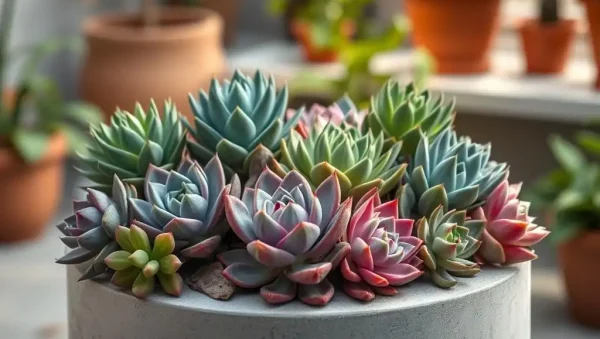
Explore Variegated and Crested Mutations: Rare Succulent Forms
Welcome to the fascinating world of variegated and crested succulents, where nature’s quirks create living art. These rare mutations transform familiar plants into stunning, one-of-a-kind specimens. On SucculentEssentials.org, we delve into the unique characteristics, care requirements, and market value of these coveted forms. Whether you’re a seasoned collector or a curious beginner, this subcategory offers deep insights into genetics, propagation, and maintaining the beauty of these unusual plants.
🔍 Understanding Variegation: Color Patterns and Genetics
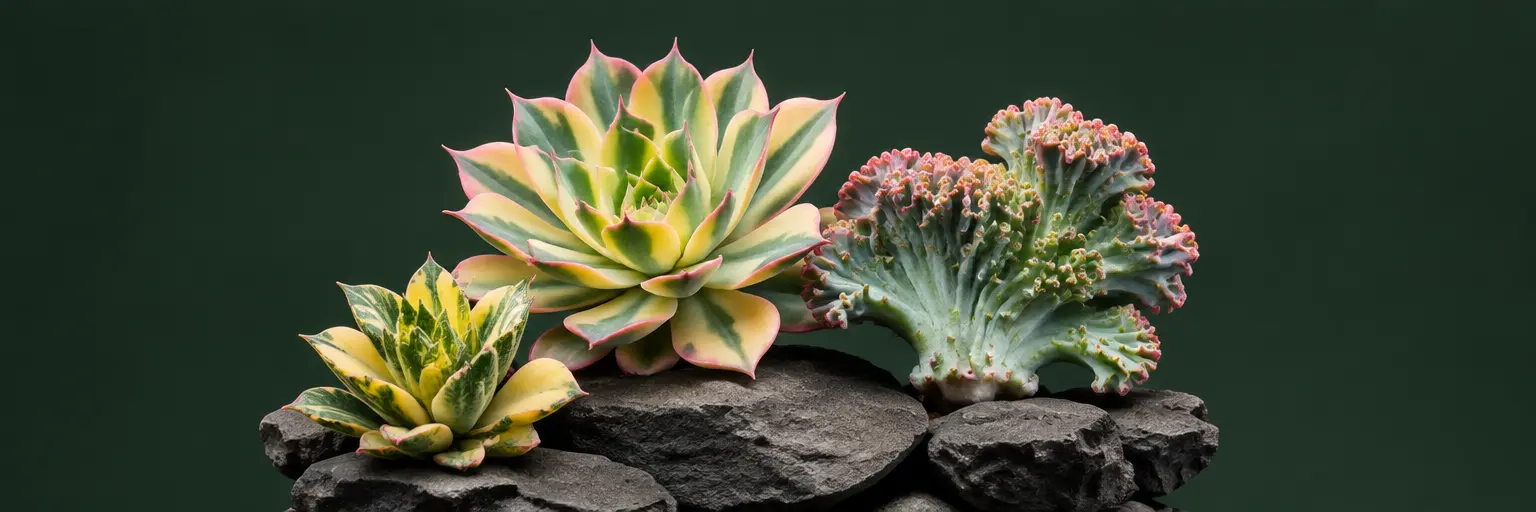
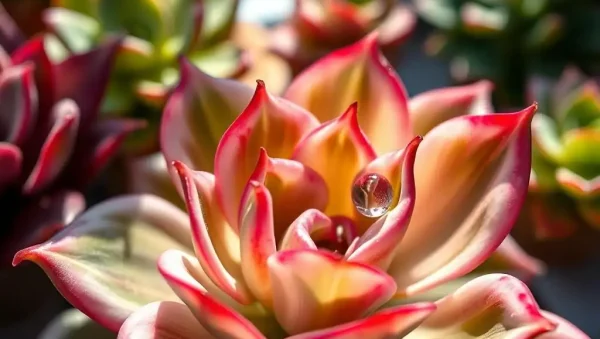
Variegated succulents display striking patterns of white, cream, yellow, or pink alongside their natural green hues. This occurs due to a lack of chlorophyll in certain plant tissues, often caused by genetic mutations or environmental factors. The resulting patterns range from subtle speckles to bold, sectoral stripes. Collectors prize these plants for their visual appeal and rarity, as stable variegation is uncommon and often unpredictable.
When caring for variegated succulents, you must provide bright, indirect light to prevent scorching while encouraging vivid coloration. Since variegated areas lack chlorophyll, they photosynthesize less efficiently, so these plants grow slower than their non-variegated counterparts. Be prepared for occasional reversion, where new growth loses variegation. Prune these reverted sections promptly to maintain the plant’s unique pattern. Understanding these genetic quirks helps you appreciate the delicate balance required to keep these beauties thriving.
🌀 Crested Succulents: Fasciation and Unique Growth Forms
Crested mutations, known as fasciation, cause a succulent’s growing point to flatten and elongate, producing undulating, fan-like shapes. Instead of a single rosette or stem, these plants develop mesmerizing, wavy crests that resemble coral or brain formations. This rare anomaly occurs due to hormonal imbalances, physical damage, or bacterial triggers. Each crested specimen is truly unique, making them highly sought after by collectors worldwide.
Maintaining crested succulents requires attention to their altered structure. The crest’s dense folds can trap moisture, increasing the risk of rot, so use gritty, well-draining soil and water sparingly. Propagation is challenging: cuttings from the crest often revert to normal growth, while offsets from the base may retain the cresting trait. Patience is key, as these plants grow slowly and may produce small, non-crested offsets that you can remove and pot separately. Embracing their irregular beauty is part of the joy of growing crested succulents.
💎 Top Rare Varieties: Prized Cultivars and Market Values
Certain variegated and crested varieties command premium prices in the succulent market. For example, Variegated Haworthia truncata features translucent green leaves with bold white striping, often selling for high sums. Crested Echeveria ‘Lola’ forms stunning, ruffled fans that collectors adore. Similarly, Variegated Sansevieria species, with their yellow-edged leaves, are beloved for their architectural appeal. These rare forms are often sold at specialty nurseries or online auctions, with prices ranging from $30 to over $500 depending on size and condition.
When purchasing these rare succulents, always verify the plant’s authenticity and health. Look for mature, established specimens with vibrant variegation or well-defined crests, as young plants may lose these traits. Beware of artificially induced variegation, sometimes achieved through chemical treatments, which often fades and damages the plant. Research reputable sellers and read reviews to ensure you’re investing in genuine, healthy mutations. Building a collection of these treasures can be rewarding, both aesthetically and financially, as rarity often appreciates over time.
🌱 Propagation Tips for Mutations: Success Rates and Methods
Propagating variegated and crested succulents is notoriously tricky but not impossible. For variegated plants, leaf cuttings may or may not produce variegated offspring, depending on the mutation’s stability. To increase success, choose leaves with the most variegation possible, but be aware that too little chlorophyll can hinder rooting. For crested forms, the best method is to take basal offsets that express the crested trait; however, these are rare. Stem cuttings from the crest often revert to normal growth, so many collectors rely on grafting to preserve crested characteristics.
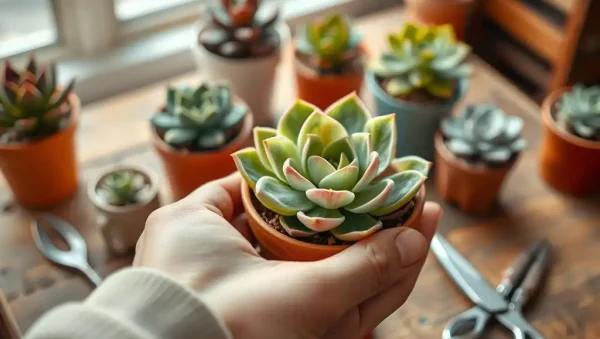
Use sterile tools and allow cuttings to callus for a few days before planting in dry, gritty mix. Maintain moderate humidity and avoid overwatering, as young mutations are prone to rot. Patience is critical: roots may take several weeks to develop, and new growth might appear normal before reverting. Consider hormone rooting powder to enhance success rates, but always monitor for fungal issues. With careful technique, you can expand your collection and share these rare beauties with fellow enthusiasts.
🛒 Sourcing and Purchasing: Where to Find Rare Mutations
Finding authentic variegated and crested succulents requires knowing where to look. Reputable online nurseries specializing in rare plants, such as Rare Succulents Co., offer curated selections with detailed photos and origin stories. Etsy and eBay host many independent sellers, but always check reviews and ask for real-time photos to avoid misrepresentation. Local cactus and succulent society auctions are excellent venues for discovering exceptional specimens at fair prices. Attend plant swaps and expos to network with collectors who may trade or sell cuttings.
Before purchasing, request information on the plant’s history, including whether it’s greenhouse-grown or imported. Imported plants may face stress or require quarantine to prevent pests. Verify the supplier’s phytosanitary certificates if importing internationally. Also, consider the plant’s season: winter-dormant species may arrive with damaged roots. Ensure your environment can support the plant’s needs, such as sufficient light and temperatures. Building a trusted network of sellers and fellow collectors is invaluable for sourcing these rare gems safely.
Frequently Asked Questions
What causes variegation in succulents?
Variegation results from a genetic mutation that reduces chlorophyll production in certain plant cells. This can be caused by natural genetic changes, viral infections, or environmental stress. The lack of green pigment reveals underlying cell colors, creating white, yellow, or pink patches. This trait is often unstable and may revert over time.
Can crested succulents revert to normal growth?
Yes, crested succulents can revert, especially if the growing point produces normal sections. Prune any non-crested growth immediately to redirect energy back to the crest. Reversion often occurs from basal offsets, which you can remove and replant separately. Environmental stress may also trigger reversion, so maintain stable conditions.
How do I care for variegated succulents to prevent browning?
Variegated succulents need bright, indirect light to prevent the white areas from scorching or browning. Use a grow light if natural light is insufficient. Avoid overwatering, as variegated areas are more prone to rot. Ensure excellent drainage and reduce watering during dormancy. Regularly inspect for pests, which may target stressed tissues.
Are crested succulents more sensitive to disease?
Yes, crested forms often have denser, irregular growth that traps moisture and debris, making them more susceptible to rot, fungal infections, and mealybugs. Inspect the folds regularly and gently clean with a soft brush. Use well-draining soil and avoid overhead watering. Quarantine new plants to prevent spreading pests to your collection.
What is the best way to propagate a crested succulent?
The most reliable method is to remove basal offsets that already display cresting. Gently twist or cut these offsets, allow them to callus, and plant in gritty soil. Leaf or stem cuttings from the crest rarely retain the trait. For difficult cases, grafting onto non-crested rootstock can preserve the form.