
Pest Control for Variegated Succulents: Protecting Their Unique Foliage

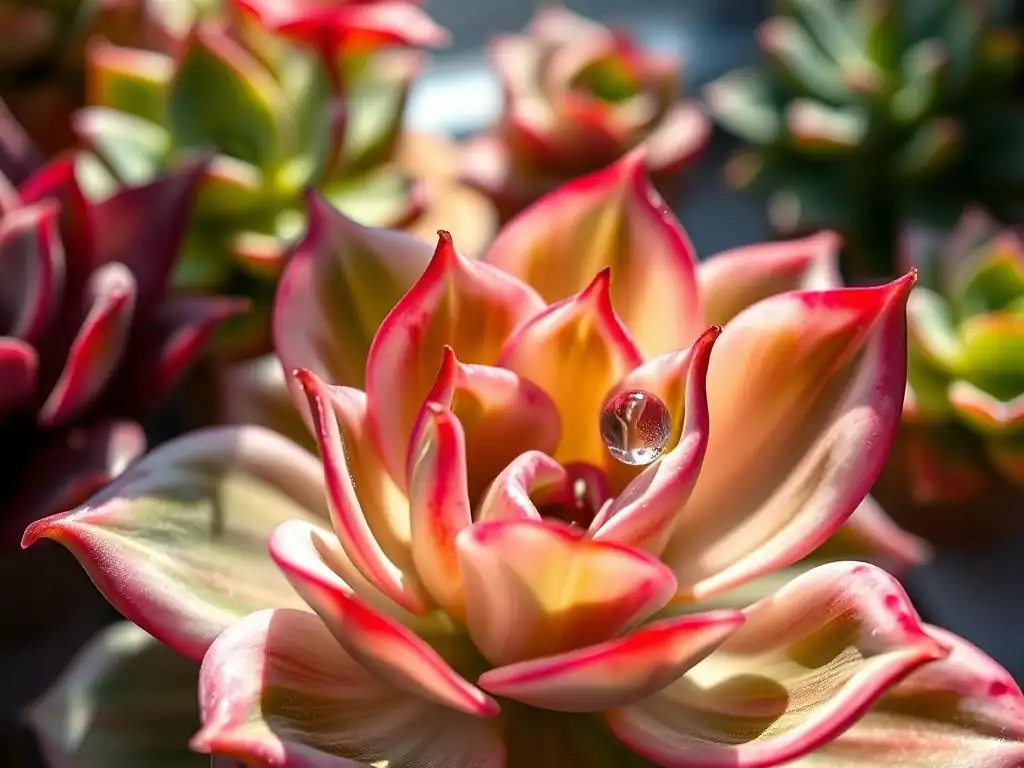
Welcome to SucculentEssentials.org, where the fascinating world of succulents unfolds before you! Are you ready to unlock the secrets to thriving, vibrant plants? We delve into every aspect of succulent care, from basic propagation to the most intriguing varieties. But today, we're tackling a particularly captivating challenge: Variegated succulent pest control. Discover how to protect the unique beauty of these prized plants and keep their stunning foliage flourishing. Dive in and learn the essential techniques to ensure your collection remains healthy and breathtaking!
- Understanding Variegated Succulent Pests and Diseases
- Effective Pest Control Methods for Variegated Succulents
- Preventing Pest Infestations in Your Variegated Succulent Collection
- Protecting the Unique Foliage of Variegated Succulents
- Choosing the Right Pest Control Approach for Your Variegated Succulents
-
Frequently Asked Questions
- What are variegated succulents?
- What pests commonly affect variegated succulents?
- How does pest control for variegated succulents differ from other succulents?
- What are some organic pest control methods for variegated succulents?
- Are there specific preventative measures for variegated succulent pest control?
- Final Reflection: Nurturing the Beauty of Variegation: A Legacy of Care
- Unveil Your Succulents' Vibrant Potential: Protect & Thrive!
Understanding Variegated Succulent Pests and Diseases
Variegated succulents, with their stunning patterns of color and unique foliage, often command a higher price and special attention from collectors. This increased value, however, also means a heightened need for proactive pest and disease control. Their captivating beauty makes them especially vulnerable to damage from pests, which can quickly mar their distinctive markings and even lead to plant death.
This comprehensive guide will delve into the common pests and diseases that target variegated succulents, providing you with the knowledge and strategies to effectively protect your prized collection and maintain their vibrant health. We'll explore effective identification techniques, preventative measures, and treatment options, ensuring your variegated succulents thrive and continue to display their captivating beauty for years to come. Understanding the specific vulnerabilities of these plants is key to successful cultivation, so let's dive into the details.
Common Pests Affecting Variegated Succulents
Variegated succulents, while possessing the same basic needs as their non-variegated counterparts, can be more susceptible to certain pests due to their often more delicate leaves and slower growth rates. Some of the most common culprits include:
- Mealybugs: These tiny, cottony insects often cluster in leaf axils and along stems, sucking sap and leaving behind a sticky honeydew. Their presence can weaken the plant and lead to fungal growth. Early detection is crucial for effective treatment. The slow growth rate of some variegated succulents means damage can be significant before it's noticed.
- Aphids: These small, pear-shaped insects also feed on plant sap, causing stunted growth and leaf distortion. Their feeding can also transmit viruses. Aphids are particularly attracted to the tender new growth often seen in variegated succulents.
- Spider Mites: These microscopic pests create fine webbing on the leaves, causing discoloration and stippling. Their feeding can lead to leaf drop and overall plant decline. High temperatures and dry conditions can exacerbate spider mite infestations.
- Scale Insects: These armored pests attach themselves to the stems and leaves, sucking sap and hindering growth. They are often difficult to remove, requiring persistent treatment. Their presence can be indicated by yellowing or browning of the affected areas.
Identifying Signs of Infestation in Variegated Plants
Early detection is paramount in successfully managing pest infestations. Regular inspection of your variegated succulents is key to identifying problems before they become widespread. Look for the following signs:
- Visible Pests: The most obvious sign is the presence of insects themselves. Carefully examine the leaves, stems, and soil for mealybugs, aphids, spider mites, or scale insects. Use a magnifying glass if necessary. 🔎
- Webbing: Spider mites produce fine webbing, often visible on the undersides of leaves.
- Sticky Honeydew: Mealybugs and aphids secrete a sticky substance called honeydew. This can attract ants and lead to sooty mold, a black fungus that further damages the plant.
- Leaf Discoloration: Yellowing, browning, or distorted leaves can indicate pest damage. Pay close attention to the unique coloration of your variegated succulents; any deviation from the normal pattern could be a warning sign.
- Wilting or Stunted Growth: If your variegated succulent is wilting or growing significantly slower than expected, pests may be to blame.
Diseases Specific to Variegated Succulents and Their Prevention
While pests are a significant concern, variegated succulents can also be susceptible to certain diseases. These are often exacerbated by improper care, such as overwatering or poor drainage. Preventing disease is often more effective than treating it. Key preventative measures include:
-
Proper Watering: Avoid overwatering, which can lead to root rot and other fungal diseases. Allow the soil to dry out completely between waterings.
-
Good Drainage: Ensure your pots have adequate drainage holes to prevent waterlogging.
-
Sterile Tools: Always sterilize your tools before propagating or pruning to avoid spreading diseases.
-
Air Circulation: Good air circulation helps prevent fungal diseases. Avoid overcrowding your plants.
-
Quarantine New Plants: Always quarantine new succulents for a few weeks before introducing them to your existing collection to prevent the introduction of pests or diseases.
The unique beauty of variegated succulents makes their protection especially important. By diligently following these preventative measures and promptly addressing any signs of infestation, you can ensure that your collection remains healthy and vibrant, showcasing their remarkable coloration for many years to come. 🪴
Effective Pest Control Methods for Variegated Succulents
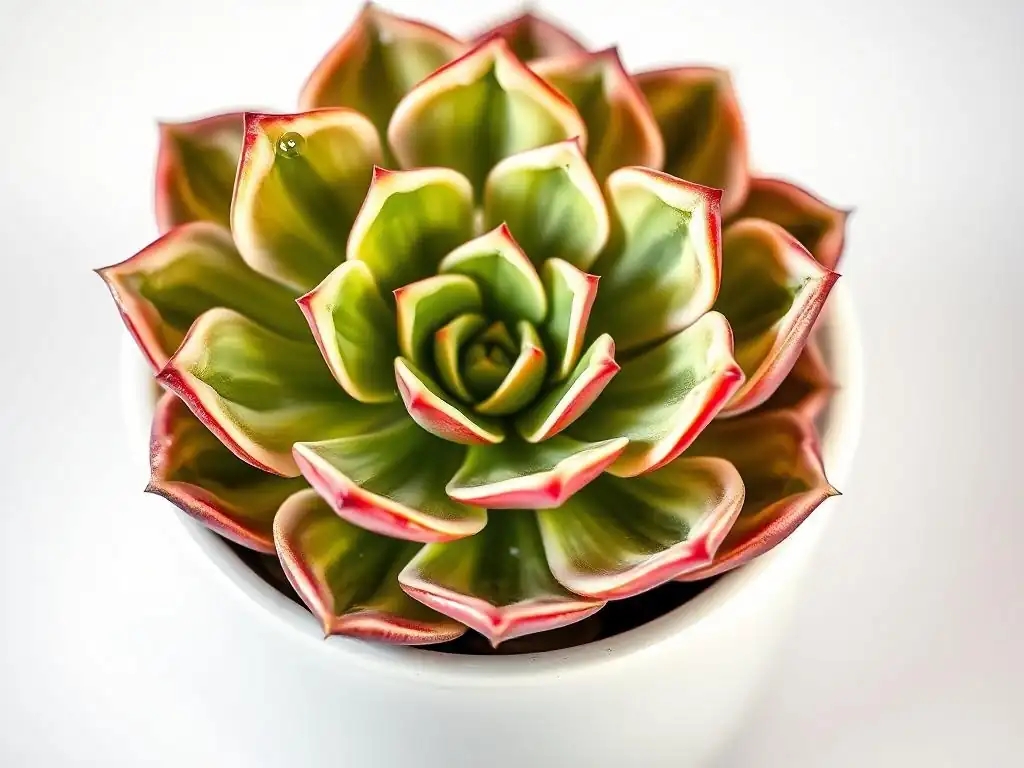
Variegated succulents, with their stunning patterns of color, require extra care to protect their delicate foliage from pests. Their unique coloration often signifies a slightly weaker genetic makeup compared to their solid-colored counterparts, making them potentially more susceptible to infestations. Effective pest control involves a multi-pronged approach, combining preventative measures with targeted treatments. This section details the most effective methods for safeguarding your prized variegated collection. Remember, early detection is key to minimizing damage and preventing widespread infestation. Ignoring even minor infestations can lead to significant problems, especially with delicate variegated varieties.
Natural Pest Control for Variegated Succulents
Natural methods are often the preferred first line of defense for variegated succulent pest control, minimizing the use of harsh chemicals that could harm the plants or disrupt beneficial insects. These methods are generally safer for the environment and less likely to cause harm to pets or humans.
Several effective natural approaches include:
- Isopropyl Alcohol (70%): A highly effective method for spot-treating small infestations of mealybugs, aphids, and spider mites. Apply directly to the affected areas using a cotton swab or soft brush, ensuring thorough coverage. Be cautious not to saturate the leaves, as this can cause damage. Always test on a small, inconspicuous area first.
- Neem Oil: A natural insecticide derived from the neem tree, neem oil is a broad-spectrum treatment effective against various pests. Dilute according to package instructions and apply as a foliar spray, ensuring even coverage. Repeat applications may be necessary depending on the severity of the infestation. Note that neem oil can sometimes leave a residue, so test in an inconspicuous area first.
- Insecticidal Soap: Another effective natural option, insecticidal soap disrupts the cell membranes of soft-bodied insects like aphids and mealybugs. Apply as a foliar spray, ensuring thorough coverage of all plant surfaces, including the undersides of leaves. Again, test in a small area first to avoid damage.
- Diatomaceous Earth: This fine powder, made from fossilized diatoms, acts as a physical barrier and abrasive, damaging the exoskeletons of insects. Apply as a light dusting to the soil surface and around the base of the plants. Avoid over-application, as it can affect soil drainage. Remember to use food-grade diatomaceous earth for safety.
Chemical Pest Control Options for Variegated Succulents
Chemical pest control should only be considered as a last resort after attempting natural methods, and only when the infestation is severe. Always follow the product instructions carefully, and wear appropriate protective gear, such as gloves and eye protection. Improper use can damage your plants and even pose risks to your health and the environment.
Some common chemical options include:
- Imidacloprid: A systemic insecticide that is effective against a wide range of sucking insects, including aphids, whiteflies, and mealybugs. It's absorbed by the plant, making it toxic to pests that feed on the plant's sap. However, it's crucial to use this with caution, as it can also harm beneficial insects.
- Malathion: A broad-spectrum insecticide effective against various pests, including aphids, mealybugs, and spider mites. It's a contact insecticide, meaning it kills pests on contact. Like other chemical options, careful application and adherence to the product instructions are paramount. It's also important to consider environmental impact and potential harm to beneficial insects.
- Spinosad: A naturally derived insecticide, spinosad is effective against a range of pests, but it's typically less toxic to beneficial insects than other synthetic options. It's still important to use it cautiously and follow label instructions meticulously.
Integrated Pest Management (IPM) for Variegated Succulents
Integrated Pest Management (IPM) is a holistic approach that combines preventative measures, monitoring, and targeted treatments to minimize pest problems while reducing reliance on chemical pesticides. For variegated succulents, IPM involves:
- Regular Inspection: Frequent inspection is crucial for early detection of infestations. Check your plants regularly for signs of pests, including webbing, discoloration, sticky residue (honeydew), or the presence of the pests themselves.
- Quarantine New Plants: Always quarantine new succulents before introducing them to your existing collection. This helps prevent the introduction of pests or diseases.
- Proper Watering and Drainage: Ensure your succulents have well-draining soil and avoid overwatering, as this can weaken plants and make them more susceptible to pests.
- Strategic Treatment: Choose the least toxic and most effective treatment based on the identified pest and the severity of the infestation. Start with natural methods whenever possible and escalate to chemical controls only if necessary.
- Monitoring and Evaluation: After treatment, continue to monitor your plants closely to assess the effectiveness of the chosen method. Adjust your approach if needed, ensuring you're proactively managing the pest population.
By following an IPM approach, you can effectively protect your variegated succulents from pests while minimizing the environmental impact and maintaining the health of your valuable collection. Remember that proactive prevention and early detection are key to successful variegated succulent pest control.
Preventing Pest Infestations in Your Variegated Succulent Collection
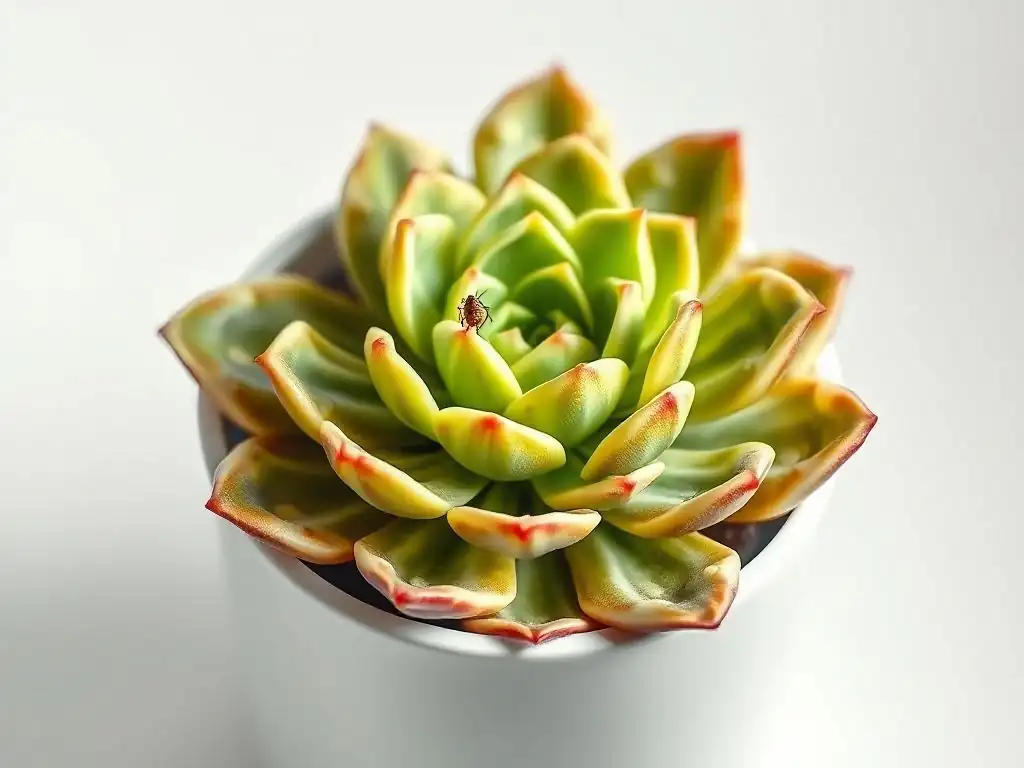
Preventing pest infestations is paramount when caring for your prized variegated succulents. Their unique coloration often makes them more susceptible to certain pests, as the variegation can sometimes indicate a slightly weaker plant constitution than their uniformly colored counterparts. Proactive measures are significantly more effective and less stressful than reactive treatment. A robust preventative strategy involves a multi-pronged approach focusing on environmental control, plant health, and vigilant inspection. This section will delve into the specifics of creating a hostile environment for common succulent pests.
Maintaining Optimal Growing Conditions for Variegated Succulents
Healthy, vigorously growing variegated succulents are far less likely to fall victim to pests. Providing the ideal conditions mimics their natural environment, boosting their natural defenses. This includes ensuring adequate sunlight. Variegated succulents, especially those with higher white or yellow variegation, often require more light than their solid-colored cousins to thrive. Insufficient light can weaken the plant, making it more vulnerable. Aim for at least 6-8 hours of bright, indirect sunlight daily. Adjust lighting based on the specific needs of your succulent variety – some tolerate more direct sun than others.
Furthermore, well-draining soil is crucial. Soggy soil creates the perfect breeding ground for fungal diseases and attracts pests that thrive in damp conditions. Use a well-draining succulent potting mix, or amend standard potting soil with perlite or pumice to improve drainage. Overwatering is a common culprit, leading to root rot, which weakens the plant and makes it an easy target for pests.
Finally, proper fertilization supports healthy growth. Use a balanced, slow-release succulent fertilizer during the growing season (spring and summer) to provide essential nutrients without burning the roots. Avoid over-fertilizing, as this can also weaken the plant. Remember, a strong, healthy plant is your best defense against pests!
Proper Watering Techniques to Prevent Pest Problems
Watering techniques play a pivotal role in pest prevention. Overwatering is a major contributor to pest problems in variegated succulents, creating a humid environment attractive to many insects and fungi. Underwatering, while less directly linked to pest infestation, can stress the plant, making it more susceptible. The ideal watering strategy involves allowing the soil to dry out completely between waterings. Check the soil moisture level by inserting your finger about an inch into the soil; if it feels dry, it's time to water.
Water thoroughly, ensuring that the water reaches the roots, but avoid letting the plant sit in standing water. Water at the base of the plant to avoid wetting the leaves, which can encourage fungal growth and attract pests. Adjust watering frequency based on the season, temperature, and the specific needs of your succulent variety. During dormancy (fall and winter), reduce watering significantly. Proper watering is a fundamental aspect of "variegated succulent pest control".
Quarantine New Variegated Succulents to Avoid Infestations
Quarantine is a crucial step in preventing the introduction of pests into your existing collection. Always quarantine any new variegated succulents for at least 2-4 weeks before introducing them to your established plants. This allows you to observe the new plant for any signs of pests or diseases. Isolate the new succulent in a separate area, away from your other plants, and monitor it closely. Even seemingly healthy plants can harbor microscopic pests.
During quarantine, you can inspect the plant thoroughly, checking for any signs of pests, such as insects, webbing, or unusual discoloration. If you find any pests, treat the quarantined plant immediately before introducing it to your main collection. This preventative measure is vital for maintaining the health and beauty of your entire variegated succulent collection. Think of quarantine as a proactive approach to "variegated succulent pest control". It's a small investment in the long-term health and vitality of your plants.
Protecting the Unique Foliage of Variegated Succulents
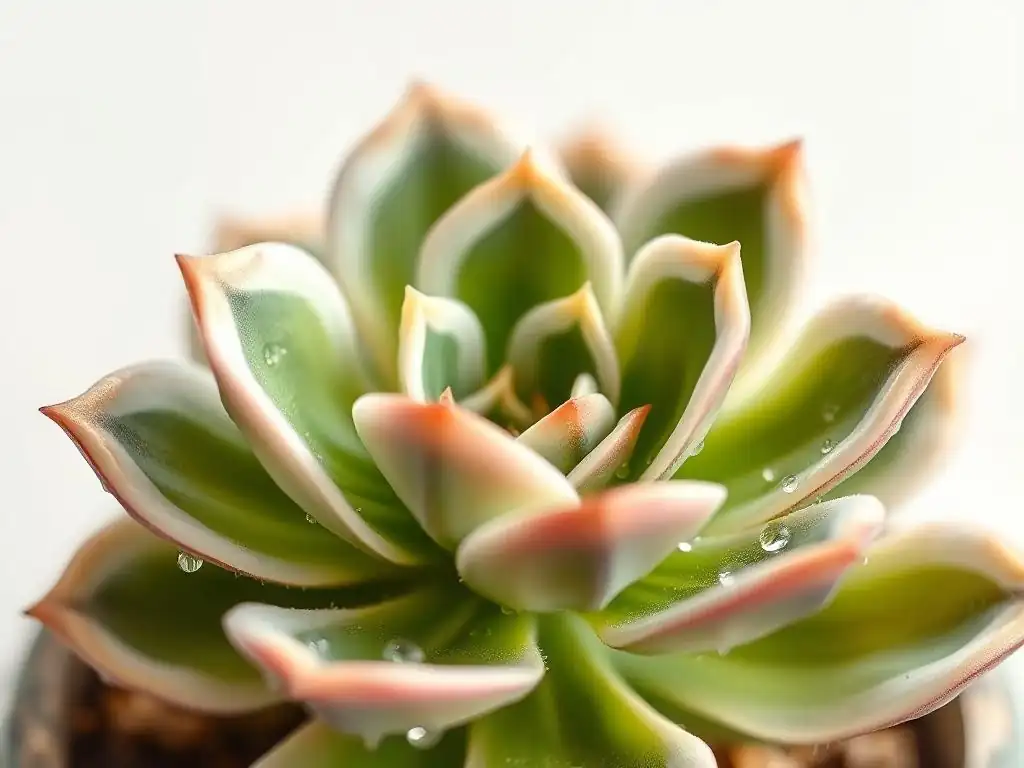
Variegated succulents, with their stunning patterns of color, are prized possessions for many collectors. However, their delicate coloration often makes them more susceptible to pest infestations than their uniformly colored counterparts. The unique characteristics that make variegated succulents so visually appealing—the combination of chlorophyll-rich green tissue and chlorophyll-deficient areas resulting in creamy white, yellow, or pink variegation—can also make them weaker and more vulnerable to attacks.
This section focuses on the specific challenges and best practices for protecting the unique beauty of variegated succulents from common pests. Understanding the vulnerabilities of these plants is the first step towards effective variegated succulent pest control.
Handling Infested Variegated Succulents Safely and Effectively
Dealing with a pest infestation on your prized variegated succulents requires a careful and methodical approach. Rushing the process can damage the already compromised plant. First, isolate the infested plant immediately to prevent the spread of pests to other succulents in your collection. This isolation should be complete, placing the affected plant in a separate room or even outside if weather permits.
Next, identify the pest. Is it mealybugs, aphids, spider mites, or something else? Accurate identification is crucial for choosing the correct treatment method. A magnifying glass can be helpful in identifying smaller pests. For example, mealybugs are easily spotted as small, white, cottony masses, while spider mites are tiny and require closer inspection. Knowing the specific pest will inform your treatment choices.
Once you've identified the pest, choose an appropriate treatment. For less severe infestations, you may be able to physically remove pests using a cotton swab dipped in rubbing alcohol or a gentle stream of water. However, for more significant infestations, insecticidal soap or neem oil are effective and relatively safe options for variegated succulents. Always follow the product instructions carefully, paying close attention to dilution ratios and application methods. Remember that some variegated succulents are more sensitive than others, so a test application on a small, inconspicuous area is recommended before treating the entire plant.
Consider the following table summarizing effective treatments for common pests:
| Pest | Treatment Options | Precautions |
|---|---|---|
| Mealybugs | Isopropyl alcohol (70%), insecticidal soap | Avoid over-application, test on a small area first. |
| Aphids | Insecticidal soap, neem oil | Ensure thorough coverage, repeat applications may be necessary. |
| Spider Mites | Neem oil, insecticidal soap, miticides | High infestation may require stronger miticides, follow instructions carefully. |
| Scale Insects | Insecticidal soap, horticultural oil | Persistent pests; multiple treatments may be required. |
Remember to always wear gloves when handling infested plants and wash your hands thoroughly afterward. Proper hygiene prevents accidental spread of pests. 🛡️
Recovering and Repotting Infested Variegated Succulents
After successfully treating a pest infestation, your variegated succulents will need some extra care to fully recover. This often involves repotting. Before repotting, carefully inspect the roots for any damage or signs of infestation. Gently remove any affected roots. Use fresh, well-draining potting mix to prevent future issues. Avoid overwatering during the recovery period, allowing the soil to dry completely between waterings.
This prevents root rot, a common problem for stressed succulents. Providing adequate sunlight and maintaining a stable temperature will aid in the recovery process. Monitor the plant closely for any signs of recurring infestation and repeat treatment if necessary. Remember patience is key; recovery takes time. 🌱
Long-Term Prevention Strategies for Healthy Variegated Succulents
Preventing pest infestations is always preferable to treating them. Proactive measures significantly reduce the risk of damage to your precious variegated succulents. Regularly inspect your plants for any signs of pests, paying close attention to crevices and undersides of leaves. Early detection allows for swift intervention.
Maintaining good air circulation around your succulents is crucial. Overcrowding can create humid microclimates, which are ideal breeding grounds for many pests. Ensure adequate spacing between plants. Proper watering is also key. Overwatering weakens plants, making them more susceptible to pests. Allow the soil to dry out completely between waterings.
Consider using a well-draining potting mix specifically formulated for succulents. Finally, introducing beneficial insects, such as ladybugs, can help control pest populations naturally. These insects prey on common succulent pests, providing a biological control method. By combining these preventative measures, you can significantly reduce the chances of pest infestations and maintain the vibrant health and beauty of your variegated succulents for years to come. ✨
Choosing the Right Pest Control Approach for Your Variegated Succulents
Protecting your variegated succulents requires a nuanced approach. Unlike their uniformly colored cousins, variegated succulents often possess a slightly more delicate constitution, making them potentially more susceptible to pest damage. Their unique coloration, resulting from genetic mutations affecting chlorophyll production, can sometimes indicate a slightly lower vigor, making them a more attractive target for certain pests. Therefore, a proactive and informed pest control strategy is crucial for preserving the beauty and health of your collection.
This involves careful observation, prompt intervention, and a considered choice of treatment method, tailored to the specific needs of your variegated plants and the severity of the infestation. Ignoring pest problems can lead to irreversible damage, including leaf discoloration beyond the natural variegation, stunted growth, and even plant death. Remember that early detection and intervention are key to successful variegated succulent pest control.
Evaluating Your Variegated Succulent Collection for Pest Susceptibility
Assessing your collection's vulnerability to pests is the first step in effective pest management. Certain variegated succulents, due to their specific genetic makeup or growth habits, might be inherently more susceptible to particular pests. For example, succulents with thinner leaves or looser growth patterns may be more easily targeted by mealybugs or aphids.
Consider these factors when evaluating your collection:
- Species: Some variegated species are simply more prone to pest infestations than others. Research the specific needs and pest vulnerabilities of each variety in your collection. Knowing this will help you prioritize your monitoring efforts.
- Growth Conditions: Stress weakens plants, making them more vulnerable. Factors like inadequate sunlight, improper watering, or poor soil drainage can all contribute to increased pest susceptibility. Address these environmental factors to bolster your plants' natural defenses.
- Plant Health: A healthy, vigorously growing variegated succulent is better equipped to withstand pest attacks. Regular fertilization with a balanced succulent fertilizer can enhance their resilience.
- Proximity to Other Plants: Pests can easily spread from one plant to another. Regularly inspect plants near your variegated succulents for any signs of infestation. Isolate infested plants immediately to prevent widespread damage.
Selecting the Best Pest Control Method Based on Infestation Severity
The chosen pest control method should directly correlate with the severity of the infestation. For minor infestations, less aggressive approaches are often sufficient. However, severe infestations require more decisive action.
Here’s a breakdown:
| Infestation Severity | Recommended Approach |
|---|---|
| Minor (few pests) | Manual removal (e.g., using a cotton swab dipped in alcohol) |
| Moderate (localized) | Insecticidal soap spray |
| Severe (widespread) | Systemic insecticide (use cautiously and follow label instructions carefully) |
Remember to always thoroughly research any pesticide before using it on your plants, paying close attention to its effects on variegated succulents. Some chemicals may damage the delicate variegation patterns.
Monitoring Your Variegated Succulents for Recurring Pest Issues
Even after successful treatment, vigilance is crucial. Regular monitoring is paramount to prevent future infestations. Regularly inspect your plants for any signs of pests, paying close attention to leaf undersides, crevices, and soil surfaces. Early detection allows for prompt intervention, minimizing potential damage.
A proactive approach includes:
- Weekly inspections: Make weekly inspections a routine part of your succulent care.
- Quarantine new plants: Isolate any new additions to your collection for several weeks to ensure they are pest-free.
- Maintain good hygiene: Keep your growing area clean and free of debris, reducing potential breeding grounds for pests.
- Record keeping: Maintain a record of pest infestations, treatments used, and their effectiveness. This will help you identify patterns and refine your pest control strategy over time. This data can also be invaluable in understanding the specific pest pressures in your environment. Careful observation and record-keeping are the cornerstones of successful long-term variegated succulent pest control. 📈
Frequently Asked Questions
What are variegated succulents?
Variegated succulents are plants with leaves displaying multiple colors, often including shades of green, white, yellow, or pink. This coloration is due to a genetic mutation affecting chlorophyll production. Their unique foliage makes them highly desirable.
What pests commonly affect variegated succulents?
Common pests include mealybugs, aphids, spider mites, and scale insects. These pests can damage the leaves and hinder the plant's growth, especially impacting the delicate variegated coloring. Early detection is key.
How does pest control for variegated succulents differ from other succulents?
The approach is largely the same, focusing on early detection and treatment. However, because of their often more delicate foliage, you may need to be more careful with stronger pesticides, opting for gentler, organic methods first.
What are some organic pest control methods for variegated succulents?
Effective organic options include isopropyl alcohol, neem oil, insecticidal soap, and manual removal. Always test a small area first to ensure no damage occurs to the sensitive variegated leaves.
Are there specific preventative measures for variegated succulent pest control?
Yes, proper watering and good air circulation are crucial. Regularly inspect your plants for any signs of infestation. Quarantine new succulents before introducing them to your existing collection to prevent the spread of pests.
Final Reflection: Nurturing the Beauty of Variegation: A Legacy of Care
The delicate artistry of variegated succulents, with their striking patterns and vibrant colors, is increasingly threatened by pests. Their unique beauty demands a proactive and informed approach to pest control, ensuring these captivating plants thrive for generations to come. The vulnerability of these plants highlights the crucial role we play in preserving their aesthetic and genetic diversity.
The journey of understanding variegated succulent pest control is not merely about eliminating unwanted insects; it's about fostering a deeper connection with the natural world. It's about recognizing the intricate balance of ecosystems and our responsibility within them. The glory of gardening: hands in the dirt, head in the sun, heart with nature. To nurture a garden is to feed not just the body, but the soul.
This quote beautifully encapsulates the profound satisfaction derived from protecting these unique plants, a satisfaction that extends beyond simple pest eradication. The ongoing challenge lies in adapting our methods to evolving pest pressures and promoting sustainable practices that safeguard both the plants and the environment.
Now, consider your own variegated succulents. What steps will you take to ensure their continued health and vibrancy? Embrace the knowledge you've gained, and become a steward of these remarkable plants. By diligently applying the techniques discussed, you are not only protecting individual plants but also contributing to the preservation of their beauty for future generations to enjoy. Let the legacy of vibrant variegated succulents flourish through your attentive care.
Unveil Your Succulents' Vibrant Potential: Protect & Thrive!
Thank you for learning about protecting your variegated succulents! We hope you feel confident in keeping their stunning foliage healthy and vibrant. Ready to put your knowledge into action?
- Prioritize pest prevention: Regularly inspect your succulents for any signs of infestation. Early detection is key to keeping them thriving.
- Share your successes (and challenges!): Connect with our community on social media and share your experiences with variegated succulent pest control. Let's learn from each other!
- Learn more: Explore our extensive library of succulent care guides on SucculentEssentials.org for expert advice and tips.
What pest prevention methods have you found most effective for your variegated succulents? Let's discuss!