
The Ethical Path: Choosing Sustainable and Responsible Succulent Sources

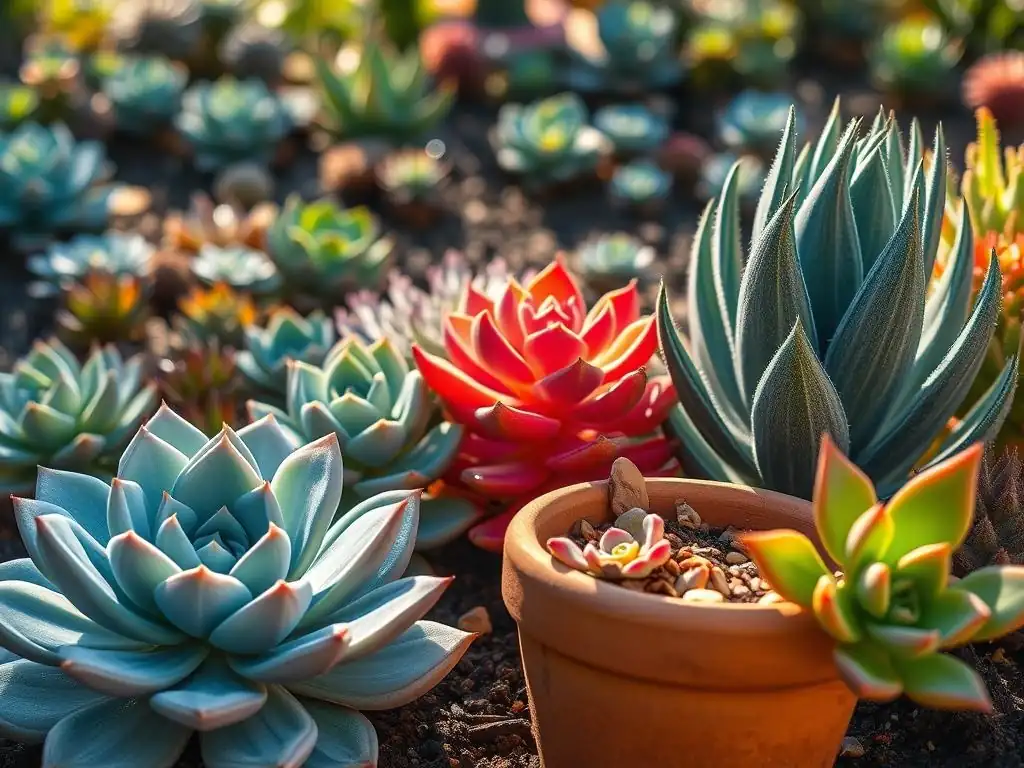
Welcome to SucculentEssentials.org, where the fascinating world of succulents unfolds before you! Are you ready to uncover the secrets to thriving succulent gardens? We delve into every aspect of succulent care, from propagation techniques to breathtaking design ideas. But first, let's address a crucial element often overlooked: our Ethical Succulent Sourcing Guide. Discover how to cultivate your collection responsibly and sustainably, ensuring the beauty of these unique plants flourishes ethically. Begin your journey into the heart of succulent cultivation now, and learn how to build a collection you can truly be proud of.
- Understanding Ethical Succulent Sourcing: A Comprehensive Guide
- Sustainable Succulent Cultivation: Protecting Our Planet
- Responsible Succulent Consumption: Making Informed Choices
- Building a Sustainable Succulent Collection: Tips and Best Practices
- Resources for Ethical Succulent Sourcing: A Curated List
- Frequently Asked Questions
- Final Reflection: Cultivating a Conscience: The Future of Succulent Ownership
- Bloom Where You're Planted: Cultivate Your Ethical Succulent Journey
Understanding Ethical Succulent Sourcing: A Comprehensive Guide
The captivating world of succulents, with their diverse forms and remarkable resilience, has seen a surge in popularity. This increased demand, however, has unfortunately led to unsustainable harvesting practices that threaten wild succulent populations and the delicate ecosystems they inhabit. This comprehensive guide explores the crucial aspects of ethical succulent sourcing, empowering you to make informed choices that support both your passion for these fascinating plants and the preservation of their natural habitats.
We will delve into what constitutes ethical practices, the devastating consequences of unethical harvesting, and how to identify succulents obtained through irresponsible means. By understanding these key elements, you can contribute to a more sustainable future for succulent enthusiasts and the environment. Choosing ethically sourced succulents isn't just a trend; it's a responsibility.
Defining Ethical Practices in the Succulent Industry
Ethical succulent sourcing goes beyond simply purchasing a plant. It involves a commitment to practices that prioritize the long-term health of succulent populations and the ecosystems they are part of. Key elements of ethical sourcing include:
- Sustainable Propagation: Prioritizing succulents propagated through methods like cuttings, offsets, or tissue culture, minimizing the pressure on wild populations. This ensures a plentiful supply without depleting natural resources.
- Responsible Harvesting: If harvesting from the wild is absolutely necessary (which should be rare), it must be done in a way that minimizes environmental impact. This includes adhering to strict regulations, taking only a small percentage of plants from a given area, and avoiding endangered species.
- Transparency and Traceability: Ethical suppliers are transparent about their sourcing practices. They can readily provide information about where their plants originate, how they were propagated, and any certifications they hold.
- Fair Labor Practices: Ethical sourcing also encompasses fair wages and safe working conditions for those involved in the cultivation and distribution of succulents. Exploitation of workers should never be tolerated.
- Conservation Efforts: Ethical businesses often contribute to conservation projects aimed at protecting wild succulent habitats and promoting sustainable practices within the industry. Look for companies actively involved in such initiatives.
The Impact of Unethical Succulent Harvesting on Ecosystems
The unchecked demand for succulents has resulted in devastating consequences for many species and their environments. Unethical harvesting practices often lead to:
- Population Decline and Extinction: Over-harvesting can severely deplete wild succulent populations, pushing vulnerable species towards extinction. This loss of biodiversity has cascading effects on the entire ecosystem.
- Habitat Degradation: The removal of large numbers of succulents can disrupt the delicate balance of their habitats, impacting other plants and animals that rely on them. Soil erosion and loss of crucial microclimates are common consequences.
- Illegal Trade and Smuggling: The illegal trade in rare and endangered succulents fuels unethical harvesting and contributes to the decline of wild populations. This illicit activity often operates outside of any regulatory oversight.
- Loss of Genetic Diversity: The removal of plants from the wild can reduce genetic diversity within a species, making them more vulnerable to diseases and environmental changes. This weakens the resilience of the population as a whole.
- Economic Instability: Over-reliance on unsustainable harvesting practices can lead to economic instability in local communities, as wild populations are depleted and sustainable alternatives are not developed.
Identifying Signs of Unethically Sourced Succulents
Knowing how to identify potentially unethically sourced succulents is crucial for making responsible purchasing decisions. Here are some red flags to watch out for:
- Unusually Low Prices: Prices significantly below the market average for a particular species may indicate unsustainable harvesting practices. Be wary of deals that seem too good to be true.
- Lack of Information: If a seller is unable or unwilling to provide information about the origin and propagation of their succulents, it's a major warning sign. Transparency is paramount in ethical sourcing.
- Rare or Endangered Species: Purchasing rare or endangered succulents, especially without proper documentation, directly supports unethical harvesting. Always verify the legality and sustainability of obtaining such plants.
- Plants in Poor Condition: Succulents showing signs of stress, damage, or improper handling may have been harvested unsustainably. Healthy plants are more likely to have been responsibly propagated.
- Suspicious Packaging: Packaging that lacks proper labeling or appears hastily assembled could indicate a lack of concern for ethical sourcing and proper plant care.
By being aware of these factors and actively seeking out ethical suppliers, you can contribute to the preservation of these incredible plants and their fragile ecosystems. Remember, your choices matter. Let's cultivate a future where our love for succulents goes hand-in-hand with their conservation. 🌱
Sustainable Succulent Cultivation: Protecting Our Planet
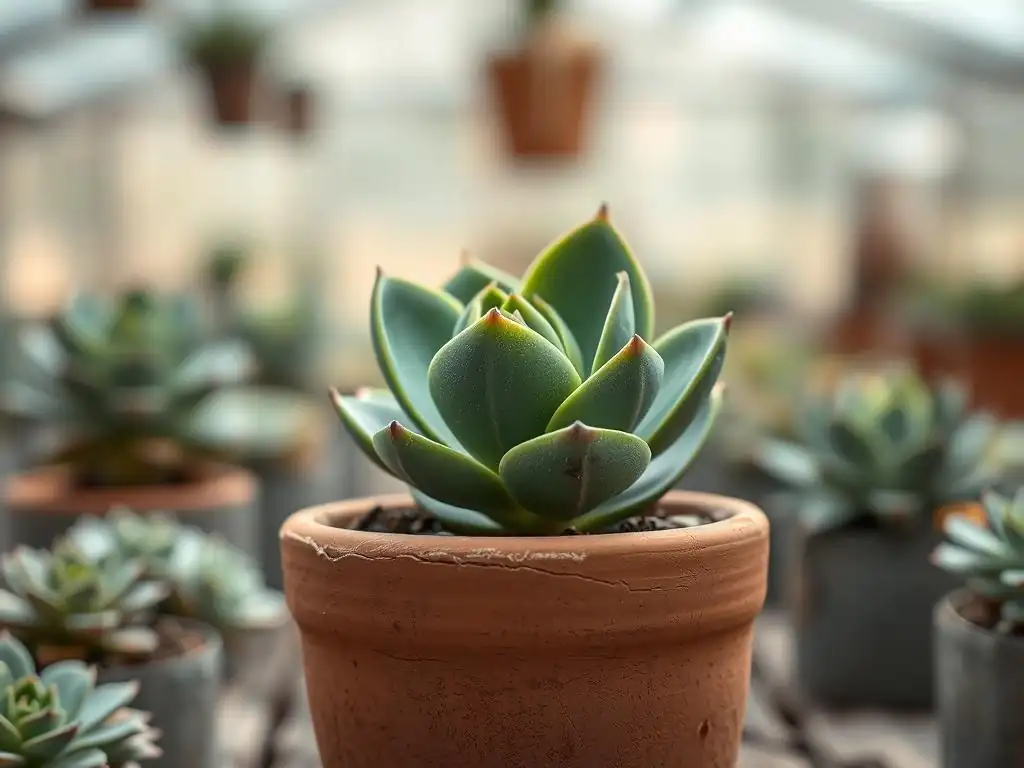
This section delves into the crucial role sustainable practices play in ensuring the long-term health of the succulent hobby and the preservation of diverse succulent species. Ethical succulent sourcing isn't just about where you buy your plants; it's about the entire production cycle, from seed to sale. By supporting sustainable cultivation methods, we can collectively protect vulnerable plant populations and minimize the environmental impact of succulent production.
The demand for succulents, especially rare varieties, has unfortunately led to unsustainable harvesting practices in some regions. Understanding and actively promoting sustainable cultivation is key to reversing this trend and preserving these unique plants for future generations. This involves examining the entire supply chain, from the initial propagation methods to the final retail sale.
Choosing Reputable Succulent Growers and Suppliers
Selecting reputable succulent growers and suppliers is the cornerstone of ethical succulent sourcing. Look beyond just the price and the visual appeal of the plants. Investigate the supplier's practices. Do they openly share information about their propagation methods? Do they prioritize plant health and welfare over rapid profit? Reputable suppliers will often highlight their commitment to sustainable practices on their websites or in their marketing materials.
For example, a commitment to using organic soil mixes, water-wise irrigation techniques, and integrated pest management (IPM) are strong indicators of ethical and sustainable practices. Ask questions! Don't hesitate to contact potential suppliers directly to inquire about their sourcing, propagation, and shipping methods. Transparency is a key characteristic of responsible businesses. Consider creating a checklist of questions to ensure consistency in your evaluation process. Here's a sample checklist:
| Question | Importance Level | Yes/No/Unsure | Notes |
|---|---|---|---|
| Do they use organic soil? | High | ||
| Do they practice IPM? | High | ||
| Do they disclose their sourcing? | High | ||
| What are their shipping methods? | Medium | ||
| Do they use recycled materials? | Medium |
Choosing ethically sourced succulents might mean paying a slightly higher price, but the investment contributes to the long-term health of the succulent community and the environment.
Supporting Sustainable Succulent Farms and Nurseries
Supporting sustainable succulent farms and nurseries directly contributes to the preservation of diverse succulent species and promotes responsible growing practices. These farms often prioritize conservation efforts, employing techniques that minimize environmental impact and maximize plant health. Examples of sustainable practices include:
- Water conservation: Implementing efficient irrigation systems, utilizing rainwater harvesting, and employing drought-tolerant plant varieties.
- Soil health: Utilizing organic soil amendments, composting plant waste, and avoiding the use of harmful pesticides and herbicides.
- Biodiversity: Cultivating a diverse range of succulent species, promoting genetic diversity, and avoiding monoculture practices.
- Habitat restoration: Participating in habitat restoration projects in native succulent ecosystems.
By choosing to purchase succulents from these farms, you are actively supporting businesses committed to environmental stewardship and ethical practices. Look for nurseries and farms that actively engage in these practices and are transparent about their operations. This supports a positive feedback loop, encouraging further sustainable practices within the industry. The long-term benefits of this approach far outweigh the short-term cost considerations.
Recognizing Certifications and Eco-Friendly Practices in Succulent Production
While specific certifications for ethical succulent sourcing may still be developing, look for nurseries and growers who demonstrate a commitment to environmentally sound practices. These could include participation in local conservation programs, adherence to organic growing standards, or the use of sustainable packaging materials. Look for clues in their marketing and online presence. Do they explicitly mention their commitment to sustainability? Do they describe their methods in detail?
While formal certifications are ideal, the absence of them shouldn't automatically disqualify a supplier. Instead, focus on the evidence of their commitment to sustainable practices and transparency in their operations. Remember, responsible ethical succulent sourcing is a continuous process of learning and improvement. By making informed choices and supporting sustainable growers, we can collectively contribute to a healthier future for succulents and the planet. 🪴
Responsible Succulent Consumption: Making Informed Choices
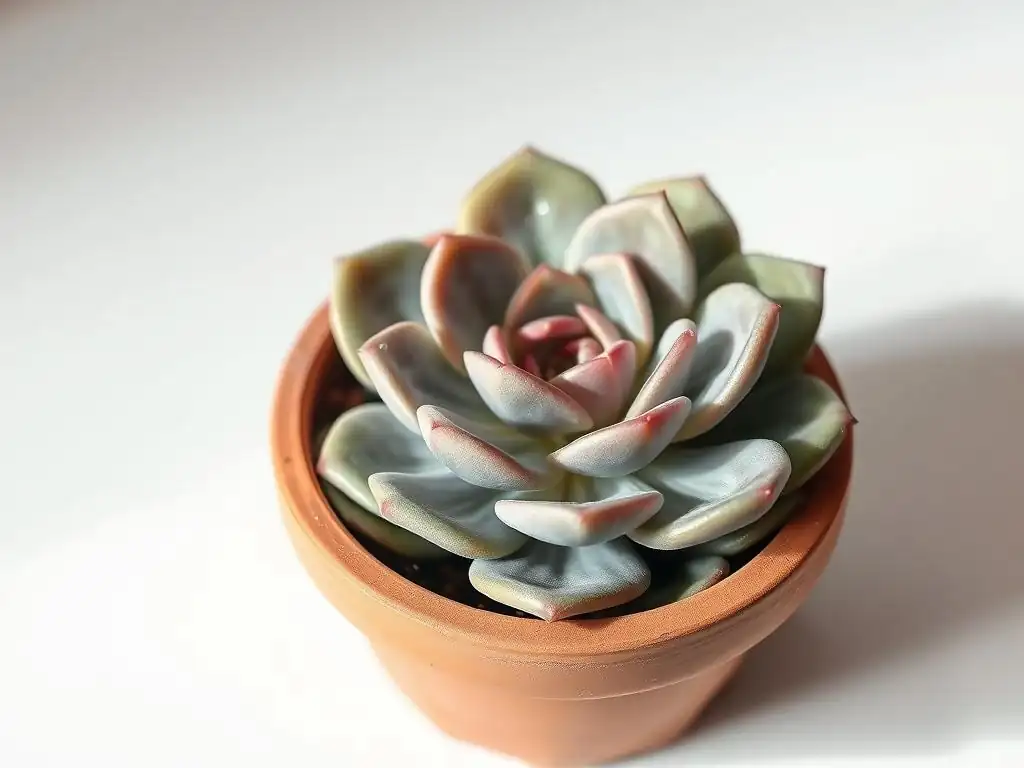
This section delves into the practical aspects of ethical succulent sourcing, empowering you to make informed choices that support sustainable practices and protect vulnerable plant populations. Choosing ethically sourced succulents isn't just about personal satisfaction; it's a crucial step in preserving the biodiversity of these fascinating plants for future generations. By understanding the implications of your purchasing decisions, you contribute directly to the conservation of succulent species and the health of their ecosystems. Let's explore how you can make a positive impact.
The Importance of Buying Locally Grown Succulents
Buying locally grown succulents offers a multitude of benefits, both for the environment and the local economy. Firstly, it significantly reduces the carbon footprint associated with transportation. Shipping succulents long distances consumes considerable energy and contributes to greenhouse gas emissions. Opting for plants grown within your region minimizes this impact, promoting a more sustainable approach to succulent ownership.
Secondly, supporting local nurseries and growers fosters economic growth within your community. These businesses often employ local individuals, contributing to the overall economic well-being of the area. This contrasts sharply with purchasing from large corporations that may prioritize profit over sustainable practices and fair labor standards.
Finally, locally grown succulents are often better adapted to your specific climate and environmental conditions. They are more likely to thrive in your garden or home, requiring less supplemental care and reducing the likelihood of plant loss. This translates into less waste and a more environmentally friendly outcome. Consider the reduced need for pesticides and fertilizers when plants are already suited to their environment. This further minimizes the environmental impact of your succulent collection.
A simple way to find local growers is to search online for "[your region] succulent nurseries" or attend local farmers' markets and plant sales.
Prioritizing Plants Propagated from Cuttings over Wild-Harvested Specimens
Wild-harvested succulents, plucked directly from their natural habitats, pose a significant threat to vulnerable plant populations. Over-harvesting can lead to habitat destruction, reduced genetic diversity, and even the extinction of certain species. This irresponsible practice undermines conservation efforts and jeopardizes the long-term survival of these unique plants.
In contrast, succulents propagated from cuttings are ethically sourced and contribute to sustainable growth. This method involves taking a cutting from a healthy mother plant and allowing it to root and develop into a new, independent plant. This process avoids depleting wild populations and allows for the expansion of existing collections without harming natural ecosystems.
Choosing succulents grown from cuttings ensures that your purchase supports sustainable practices and does not contribute to the depletion of wild populations. This responsible choice directly contributes to the preservation of biodiversity and the long-term health of succulent ecosystems. Look for nurseries that explicitly state their propagation methods; many will proudly highlight their commitment to sustainable practices.
Understanding the Role of Conservation in Ethical Succulent Ownership
Ethical succulent ownership extends beyond simply choosing responsible sources; it encompasses a commitment to conservation and the preservation of succulent habitats. Understanding the challenges faced by these plants in their natural environments is crucial. Factors like habitat loss due to urbanization, climate change, and invasive species all pose significant threats.
Supporting organizations dedicated to succulent conservation is a vital step in promoting responsible succulent ownership. These organizations often conduct research, implement conservation programs, and advocate for policies that protect succulent habitats. Donating to, or volunteering with, such organizations directly contributes to their vital work.
Furthermore, educating yourself and others about the importance of ethical succulent sourcing and conservation is crucial. Sharing your knowledge with fellow succulent enthusiasts helps build a community committed to sustainable practices and the preservation of these remarkable plants. By actively participating in conservation efforts, you ensure the continued enjoyment of succulents for generations to come. Remember, responsible ownership is a continuous process of learning and engagement.
Building a Sustainable Succulent Collection: Tips and Best Practices
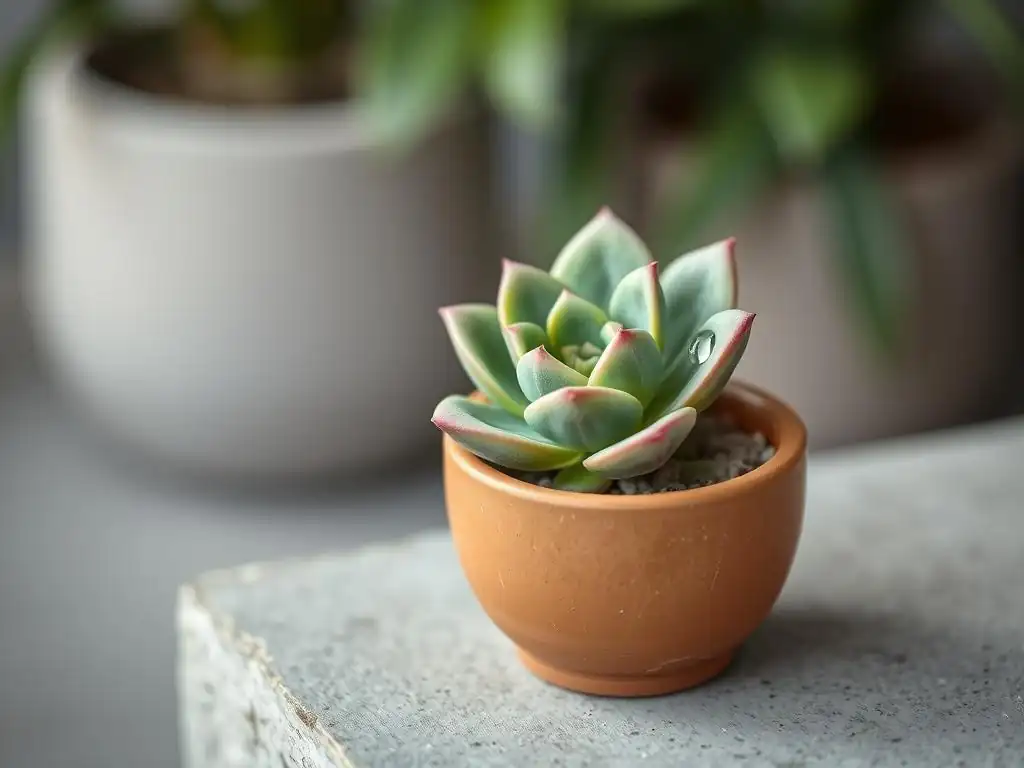
This section delves into practical strategies for cultivating a thriving succulent collection while upholding ethical and sustainable practices. Building a collection responsibly goes beyond simply acquiring plants; it encompasses mindful purchasing, propagation, and long-term care. By prioritizing these practices, you contribute to the conservation of succulent species and minimize your environmental footprint. This ethical succulent sourcing guide provides actionable steps for a greener approach.
Propagating Your Own Succulents: A Guide to Ethical Propagation
One of the most impactful ways to build a sustainable succulent collection is through propagation. Instead of constantly purchasing new plants, learn to propagate your existing succulents. This method significantly reduces the demand on commercial nurseries and minimizes the risk of contributing to unsustainable harvesting practices. It's also incredibly rewarding!
Several techniques exist, each suitable for different succulent types. Leaf cuttings, for instance, are effective for many Echeveria and Sedum species. Simply remove a healthy leaf, allow it to callus for a few days, and then place it on well-draining soil. With consistent, indirect sunlight and infrequent watering, roots will develop within a few weeks.
Stem cuttings are ideal for succulents that grow tall and leggy, such as Sedum morganianum (Burro's Tail). Cut a healthy stem section, remove the lower leaves, and allow it to callus before planting. Offshoot propagation involves carefully separating small plantlets that develop naturally at the base of the mother plant. These can be gently detached and potted individually.
Remember to use sterile tools and well-draining potting mix to minimize the risk of rot and disease. Patience is key; propagation takes time, but the reward of ethically grown succulents is well worth the effort. This practice directly contributes to responsible and ethical succulent sourcing, reducing the pressure on wild populations. 🌱
Minimizing Environmental Impact Through Proper Succulent Care
Ethical succulent sourcing extends beyond acquisition; proper care significantly impacts environmental sustainability. Overwatering is a common mistake that leads to root rot and plant death, wasting resources and generating unnecessary waste. Understanding your succulent's specific watering needs—which vary greatly depending on the species and climate—is crucial. Thoroughly research the requirements of each succulent in your collection.
Using appropriate potting mixes is equally important. Well-draining soil is essential for preventing root rot. Commercial succulent mixes often contain perlite or pumice, which improve drainage and aeration. Avoid using heavy soils that retain too much moisture.
Furthermore, choosing the right pot size prevents overwatering and promotes healthy root development. Ensure pots have adequate drainage holes to prevent waterlogging. Recycling or repurposing old containers is a great way to minimize waste and reduce your environmental impact. Remember, responsible succulent care is a vital part of ethical succulent sourcing and contributes to the overall health of your plants and the environment.
Responsible Disposal and Repurposing of Succulent Pots and Materials
Once a succulent pot or its components have reached the end of their useful life, responsible disposal is crucial. Avoid simply discarding plastic pots in landfills; instead, explore recycling options in your community. Many municipalities offer plastic recycling programs. Alternatively, thoroughly clean and repurpose old pots for other gardening uses or crafting projects.
Similarly, consider how you handle spent potting mixes. Avoid discarding it in your garden or compost pile, as some mixes may contain harmful chemicals or invasive species. Some municipalities have programs for disposing of garden waste. Repurposing materials from old pots and plant containers is another great way to support sustainable practices. For instance, broken terracotta pots can be used as drainage material in new pots, creating a closed-loop system. This mindful approach contributes to sustainable gardening practices and aligns perfectly with an ethical succulent sourcing strategy.
Resources for Ethical Succulent Sourcing: A Curated List
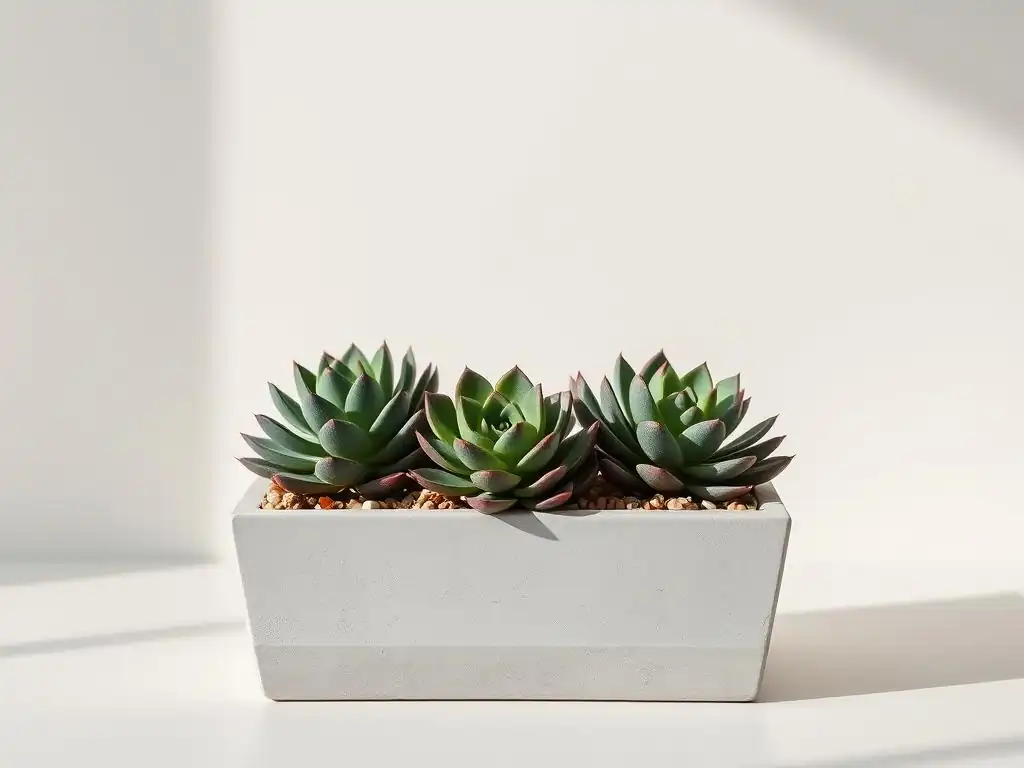
This section provides a curated list of resources to help you make informed decisions when acquiring succulents, ensuring your purchases support ethical and sustainable practices. Choosing ethically sourced succulents contributes to the long-term health of succulent populations and ecosystems. Remember, responsible succulent ownership begins with responsible sourcing.
Online Retailers Committed to Sustainable Practices
Finding reputable online retailers dedicated to sustainable practices requires diligent research. Look for companies that transparently disclose their sourcing methods, emphasizing ethical harvesting and propagation techniques. Avoid businesses that may be involved in the unsustainable harvesting of wild succulents, often leading to habitat destruction and endangering rare species. A commitment to sustainable packaging is also crucial, reducing the environmental impact of shipping.
Some key indicators of ethical online retailers include:
- Detailed plant descriptions: Reliable sources provide thorough information about the origin of their succulents, including propagation methods (e.g., cuttings, tissue culture) and any conservation efforts they support.
- Certifications and affiliations: Look for affiliations with organizations dedicated to plant conservation or ethical business practices. While not always present, these certifications can add a layer of assurance.
- Transparent shipping practices: Ethical retailers will often utilize eco-friendly packaging materials and shipping methods to minimize their carbon footprint.
- Customer reviews: Positive reviews mentioning ethical practices and happy, healthy plants are a strong indicator of a responsible business.
Remember to always check multiple sources and compare information before making a purchase. Don't hesitate to contact the retailer directly to inquire about their sourcing practices if details aren't readily available on their website. Your questions demonstrate your commitment to ethical succulent sourcing and encourage greater transparency within the industry.
Local Nurseries and Growers Promoting Ethical Sourcing
Supporting local nurseries and growers offers numerous advantages for ethical succulent sourcing. Local businesses often have more transparent sourcing practices, allowing you to directly inquire about their methods and build relationships with passionate plant professionals. This direct connection helps you understand the journey of your succulent from propagation to your home.
When choosing a local nursery, consider:
- Inquiring about propagation methods: Ask how the nursery propagates its succulents. Tissue culture and cuttings are generally more sustainable than harvesting from the wild.
- Observing plant health: Healthy, vibrant plants indicate good care and responsible growing practices.
- Assessing environmental practices: Observe whether the nursery employs water-wise irrigation techniques and minimizes pesticide use.
- Community involvement: Some local nurseries participate in conservation efforts or educational programs, further demonstrating their commitment to ethical practices.
By choosing local nurseries, you not only support your community but also contribute to the reduction of transportation emissions associated with long-distance shipping of succulents. This local approach enhances the sustainability of your succulent acquisition.
Organizations Dedicated to Succulent Conservation and Protection
Several organizations are dedicated to the conservation and protection of succulents worldwide. Supporting these organizations directly contributes to vital research, habitat preservation, and educational initiatives aimed at protecting these unique plants. These groups often advocate for sustainable harvesting practices and combat illegal trade, which significantly impacts succulent populations.
Consider supporting organizations that:
- Conduct research on succulent habitats and populations: This research helps inform conservation strategies and ensures the long-term survival of threatened species.
- Advocate for policy changes to protect succulents: These policies are essential for combating illegal harvesting and trade.
- Educate the public about the importance of sustainable succulent sourcing: Raising awareness is crucial for promoting responsible practices throughout the succulent community.
- Engage in habitat restoration and reintroduction programs: These programs are vital for restoring degraded habitats and reintroducing endangered succulent species.
Supporting these organizations, even through small donations or volunteering, makes a tangible difference in the fight to conserve succulent biodiversity. Your contribution helps safeguard these fascinating plants for future generations. Remember, responsible succulent ownership is not just about caring for your plants; it's about ensuring the survival of these unique species in their natural habitats.
Frequently Asked Questions
What does "ethical succulent sourcing" mean?
Ethical succulent sourcing means choosing succulents from responsible suppliers who prioritize sustainable practices, avoid overharvesting from the wild, and ensure fair labor practices throughout their supply chain. This supports both the environment and the people involved.
How can I identify unethical succulent sources?
Look for sellers offering unusually low prices or an overabundance of rare or endangered species. Avoid sources lacking transparency about their sourcing methods and growing practices. Unclear or misleading labeling is also a red flag.
Are all succulents from nurseries ethical?
While many nurseries are ethical, some may still engage in unsustainable practices. Always inquire about their sourcing and growing methods. Look for nurseries that prioritize propagation from cuttings rather than wild harvesting and those that are certified or transparent in their practices.
What are the environmental impacts of unethical succulent sourcing?
Unethical sourcing can lead to habitat destruction, species endangerment, and the disruption of delicate ecosystems. Overharvesting depletes natural populations and can contribute to the loss of biodiversity.
Where can I find ethically sourced succulents?
Seek out local nurseries and specialized succulent growers with a strong commitment to sustainability. Online retailers that openly share their sourcing information and demonstrate environmentally conscious practices are also good options. Support businesses that prioritize ethical and sustainable practices.
Final Reflection: Cultivating a Conscience: The Future of Succulent Ownership
The ethical sourcing of succulents is no longer a niche concern; it's a crucial element of responsible plant ownership in a world grappling with biodiversity loss and unsustainable practices. The demand for these captivating plants continues to surge, placing immense pressure on natural habitats and potentially fueling unethical harvesting methods. Ignoring this reality is simply not an option.
The journey towards ethical succulent sourcing is not merely about acquiring a beautiful plant; it's about participating in a larger conversation surrounding environmental stewardship and social justice. The impact of our choices extends far beyond our windowsills. The earth provides enough to satisfy every man's needs but not every man's greed.
- Mahatma Gandhi. This quote underscores the importance of mindful consumption and the need to prioritize sustainability over fleeting trends. My own experience researching this topic has profoundly shifted my perspective on plant ownership, highlighting the interconnectedness of our actions and their far-reaching consequences.
Now, consider your own succulent collection. Where did your plants originate? Do you know the story behind their journey to your home? I urge you to reflect on these questions and commit to making informed choices in the future. Seek out reputable nurseries and growers who prioritize ethical and sustainable practices. By supporting responsible businesses, we collectively cultivate a future where our love for succulents doesn't come at the expense of the planet or the communities that depend on its resources. Let's nurture a greener, more ethical future, one succulent at a time.
Bloom Where You're Planted: Cultivate Your Ethical Succulent Journey
Thanks for exploring the world of ethical succulent sourcing with us! We hope you feel empowered to make conscious choices that benefit your collection and the planet. Ready to take the next step?
- Support ethical growers: Research local nurseries and online retailers, focusing on those committed to sustainable practices. Investigate their sourcing methods, environmental impact, and labor standards. This is crucial for a mindful succulent hobby.
- Share your knowledge: Discuss ethical succulent sourcing with fellow plant enthusiasts. Let's build a community dedicated to responsible plant ownership.
- Advocate for change: Share your experiences—positive or negative—with succulent growers by writing reviews. This can inspire positive change within the industry.
What will you do today to ensure your succulent collection thrives ethically?