
The Mystical Aura of the Copiapoa: A Guide to Rare Desert Cacti Identification

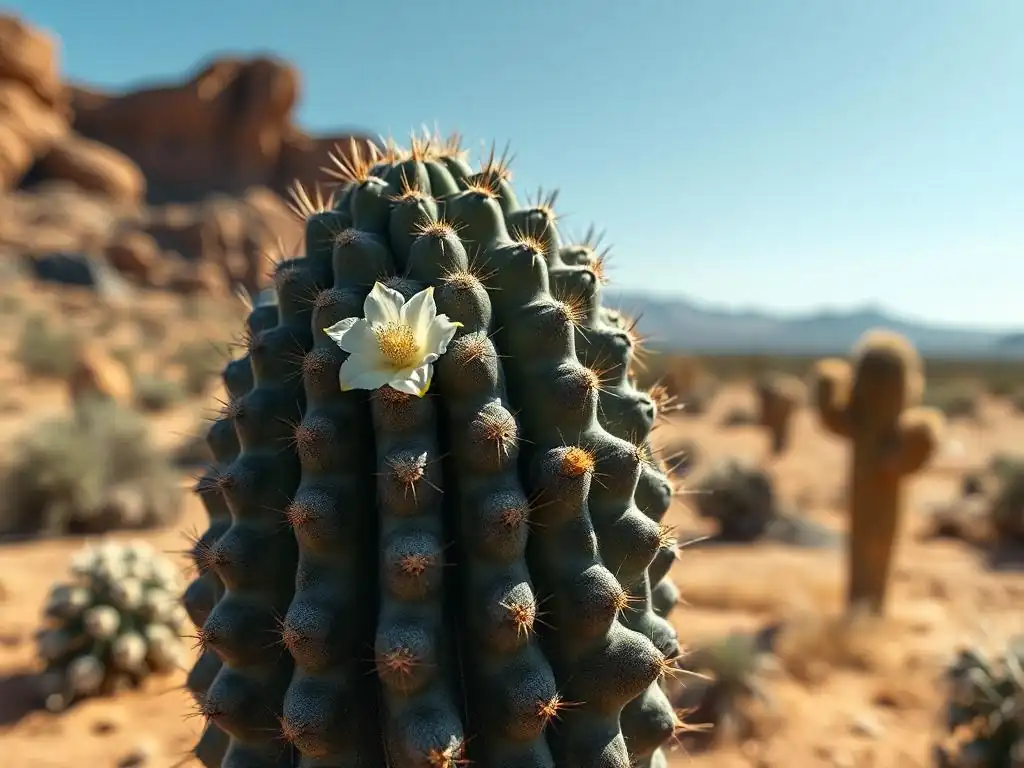
Welcome to SucculentEssentials.org, where the fascinating world of succulents unfolds before you! Are you ready to unlock the secrets of these resilient wonders? Prepare to be captivated by the unique beauty and surprising diversity of succulent life, and delve into the intriguing world of rare species. We'll start with a journey into the mystical aura of the Copiapoa cacti – learn how to Identify rare Copiapoa cacti and discover the hidden treasures waiting to be unearthed in the desert. Explore our comprehensive guides and unlock the secrets to successfully cultivating these captivating plants. Let the adventure begin!
- Understanding the Genus Copiapoa: A Collector's Guide
-
Identifying Rare Copiapoa Cacti: Key Characteristics and Variations
- Copiapoa cinerea Identification: Recognizing the "Grey Cactus"
- Copiapoa humilis Identification: The Low-Growing Species and its Variations
- Copiapoa tenuissima Identification: Identifying the Slender-Spined Species
- Copiapoa dealbata Identification: Spotting the Striking White-Powdered Cactus
- Copiapoa solaris Identification: Distinguishing Features of This Sun-Loving Species
- Advanced Copiapoa Identification Techniques
- Conservation Concerns and Ethical Collecting of Rare Copiapoa
- Resources for Copiapoa Identification and Cultivation
- Frequently Asked Questions
- Final Reflection: The Enduring Mystery of Copiapoa, and Our Role in Their Preservation
- Unleash Your Inner Cactus Connoisseur!
Understanding the Genus Copiapoa: A Collector's Guide
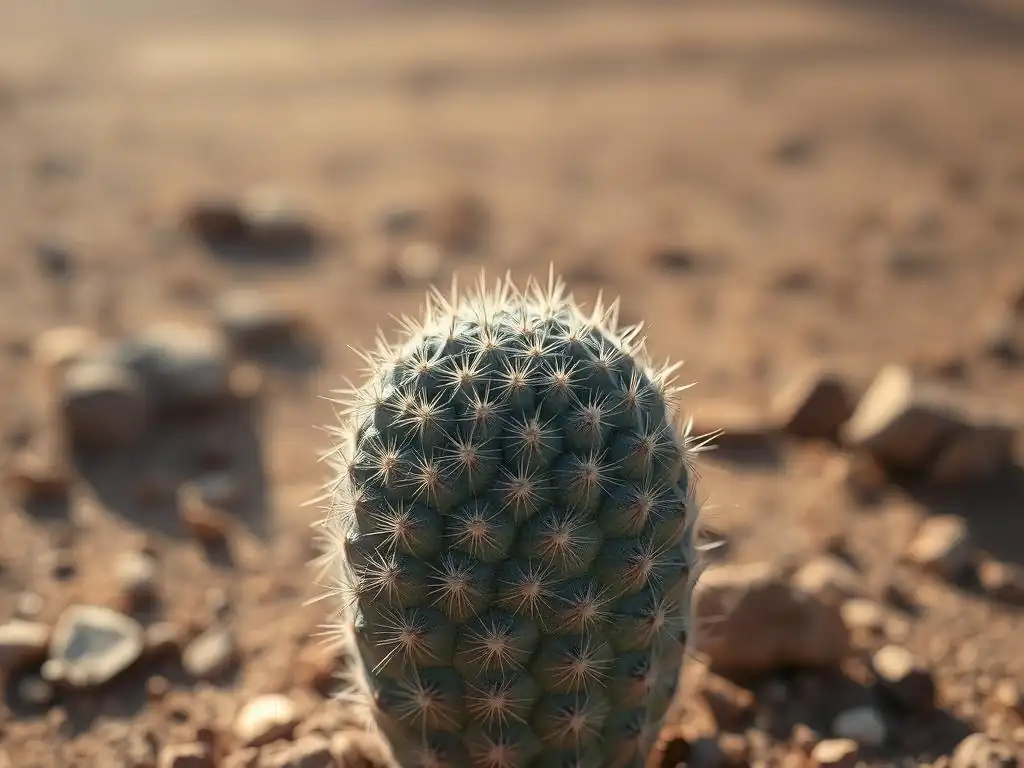
The captivating world of succulents encompasses a diverse array of fascinating species, but few possess the mystique and allure of the Copiapoa genus. These rare Chilean cacti, often described as living sculptures, are highly sought after by collectors for their unique adaptations to harsh desert environments and their striking aesthetic qualities. This guide delves into the intricacies of Copiapoa identification, equipping you with the knowledge to confidently distinguish between various species and appreciate their remarkable diversity.
Identifying rare Copiapoa cacti requires a keen eye for detail and an understanding of their specific characteristics, which we will explore in detail below. This guide will provide you with the tools to confidently navigate the complexities of Copiapoa identification, transforming you from a casual observer into a discerning connoisseur of these remarkable desert dwellers. Prepare to unlock the secrets of these captivating plants and add to your understanding of these unique succulents.
Distinguishing Features of Copiapoa Cacti: Spinations, Ribs, and Areoles
One of the key aspects of identifying Copiapoa cacti lies in understanding their distinctive morphological features. Careful observation of spination, rib structure, and areoles is crucial for accurate classification. Copiapoa species exhibit a wide range of variation in their spines, from densely clustered and bristly to sparse and widely spaced. The color of the spines also varies considerably, ranging from yellowish-white to dark brown or even black.
The number of ribs also plays a significant role; some species boast numerous thin ribs, while others display fewer, more prominent ones. The areoles, the small cushion-like structures from which spines emerge, also provide valuable clues. Their size, shape, and density can differ significantly between species. For example, Copiapoa cinerea is known for its dense, woolly areoles, while Copiapoa humilis often displays more sparsely distributed areoles.
Detailed examination of these features, often aided by magnification, is essential for accurate identification. Careful study of images and descriptions in specialized botanical literature is also highly recommended. Remember that subtle differences can be significant in distinguishing between closely related species.
Geographic Distribution and Habitat Preferences of Copiapoa: Chilean Desert Environments
Understanding the geographic distribution and habitat preferences of Copiapoa cacti is essential for accurate identification and appreciation of their ecological adaptations. These cacti are endemic to the arid and semi-arid regions of northern Chile, thriving in exceptionally harsh conditions. The specific location where a Copiapoa specimen is found can provide valuable clues about its species.
Different species exhibit preferences for specific microhabitats within the broader Chilean desert landscape. Some species, for example, may favor rocky slopes, while others might prefer sandy plains or coastal areas. Altitude also plays a role, with certain species thriving at higher elevations than others.
The variations in rainfall, temperature, and soil composition across these diverse habitats have resulted in the evolution of distinct Copiapoa species, each uniquely adapted to its specific environment. This ecological context is crucial for accurate identification, as similar-looking species may be geographically isolated and therefore distinct. Detailed knowledge of the Chilean desert's diverse ecosystems is thus a vital tool in the identification process.
Variations in Copiapoa Species: Size, Shape, and Color Morphs
The diversity within the Copiapoa genus is truly remarkable, with species exhibiting a wide range of variations in size, shape, and color. Some species remain relatively small and compact throughout their lives, while others can grow into substantial specimens. The shape of the cactus body can also vary significantly, from globular to cylindrical or even columnar.
The color of the epidermis also plays a crucial role in identification, with species exhibiting shades ranging from grayish-green to dark brown or even reddish hues. Furthermore, many Copiapoa species exhibit color variations depending on their age, exposure to sunlight, and even seasonal changes. These color morphs can sometimes be subtle, requiring careful observation and comparison with established references.
This variability underscores the importance of considering multiple characteristics when attempting to identify a Copiapoa cactus. Detailed descriptions accompanied by high-quality images are invaluable tools in navigating this diversity and ensuring accurate identification. Remember that even experienced collectors can encounter challenges in identifying certain species due to the subtle variations that exist within the genus.
Identifying Rare Copiapoa Cacti: Key Characteristics and Variations
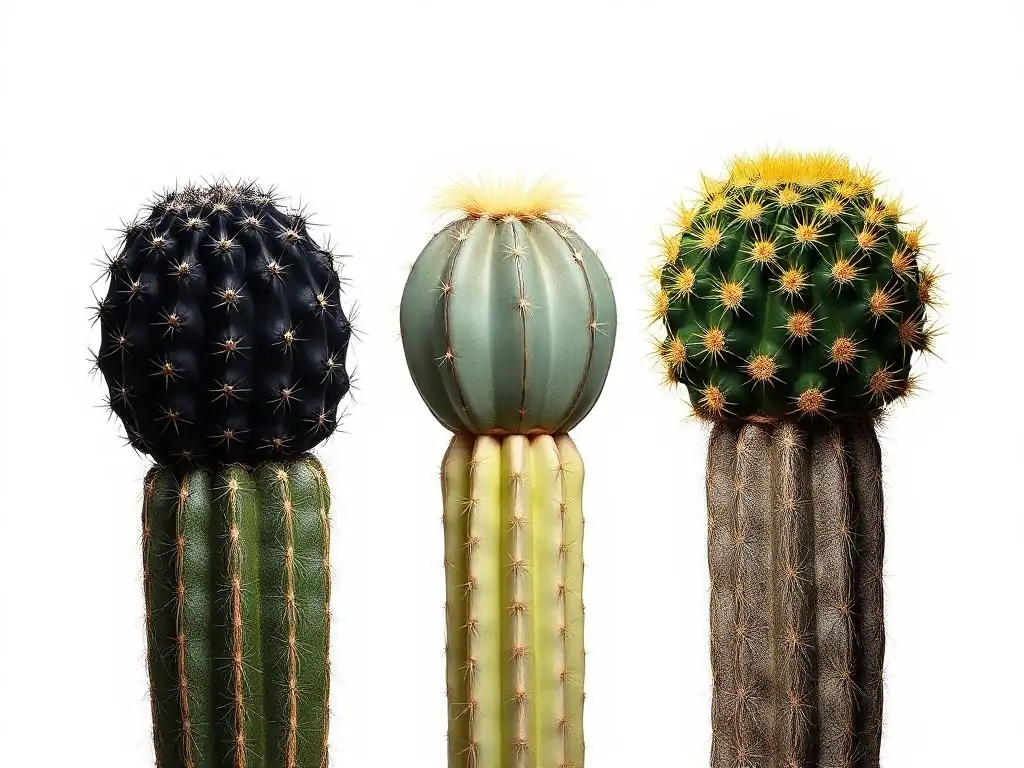
Identifying rare Copiapoa cacti requires a keen eye for detail and a solid understanding of their diverse morphological characteristics. These Chilean natives exhibit remarkable variation, making precise identification a challenging but rewarding pursuit for succulent enthusiasts. This section will delve into the key features that distinguish several rare Copiapoa species, focusing on characteristics that reliably separate them from similar-looking cacti.
Accurate identification is crucial for responsible cultivation and conservation efforts, contributing to the preservation of these unique desert plants. Remember that even within a single species, significant variations in size, spine density, and coloration can occur depending on environmental conditions and age.
Copiapoa cinerea Identification: Recognizing the "Grey Cactus"
Copiapoa cinerea, often called the "grey cactus," is prized for its distinctive, densely packed grey-white spines. These spines are not merely a protective mechanism; they also play a vital role in reflecting sunlight and minimizing water loss in the arid Chilean desert. Identifying C. cinerea involves focusing on several key features:
- Spine Color and Density: The spines are typically a dense, greyish-white, sometimes with a slight yellowish tinge. This dense covering is a hallmark of the species. Look for a complete covering of spines, obscuring much of the underlying stem.
- Stem Shape and Size: Copiapoa cinerea typically forms a solitary, globose or cylindrical stem, ranging in size from a few centimeters to several tens of centimeters in diameter. Older specimens may display slightly elongated growth.
- Areoles: The areoles (the small cushion-like structures from which spines emerge) are closely spaced and prominent, contributing to the overall dense appearance of the cactus.
- Flowering: Flowers are typically yellow and relatively small, appearing near the apex of the plant during the flowering season. However, flowering is not always a reliable identification feature, as it is dependent on environmental conditions and the age of the plant.
The variations within C. cinerea are subtle but noticeable to experienced collectors. Some specimens exhibit a slightly greener hue, while others may have a more pronounced yellowish tinge to their spines. These variations are often linked to microclimatic differences in their natural habitats. Careful observation and comparison with established reference material are essential for accurate identification. Detailed photographic records alongside precise location data are invaluable tools for documenting these variations.
Copiapoa humilis Identification: The Low-Growing Species and its Variations
Copiapoa humilis is a low-growing species, often forming clusters of small, rounded stems. Distinguishing it from other Copiapoa species requires attention to its relatively small size, specific spine characteristics, and growth habit.
- Size and Growth Habit: This species remains relatively small, rarely exceeding 15 cm in height. It often forms clusters of stems, creating a dense, mat-like growth pattern.
- Spine Characteristics: The spines are typically short, somewhat bristly, and often yellowish-brown to dark brown in color. They are considerably less dense than those of C. cinerea.
- Stem Shape: The stems are typically globose or slightly elongated, often with a slightly flattened top.
- Flowering: The flowers are generally yellow, though the exact shade can vary, and appear near the apex of the stem.
Variations in C. humilis include differences in spine color and density. Some forms may have almost completely brown spines, while others retain a more yellowish hue. The degree of clustering also varies, with some plants forming more compact clumps than others. Careful observation of these subtle variations is crucial for accurate species identification. Geographical location plays a significant role in these variations, with plants from different regions exhibiting distinct characteristics.
Copiapoa tenuissima Identification: Identifying the Slender-Spined Species
Copiapoa tenuissima is characterized by its exceptionally slender, needle-like spines, setting it apart from other members of the genus. The following features are key to its identification:
- Spine Morphology: The spines are extremely thin and needle-like, much more delicate than those found in other Copiapoa species. Their length and density can vary, but their slenderness is a defining characteristic.
- Stem Shape and Size: C. tenuissima tends to form solitary stems, which can grow to a moderate size.
- Areoles: The areoles are spaced relatively far apart compared to C. cinerea.
- Flowering: The flowers are typically yellow, similar to other Copiapoa species.
Variations in C. tenuissima primarily involve the color and density of the spines. Some specimens exhibit a slightly more yellowish or brownish coloration, while others have a more pronounced silvery-grey hue. The density of spines can also vary, with some plants having more densely packed spines than others. These variations are often subtle and require careful examination and comparison. Maintaining detailed records, including precise geographical data, is important for understanding these variations and contributing to our knowledge of this fascinating species.
Copiapoa dealbata Identification: Spotting the Striking White-Powdered Cactus
The Copiapoa dealbata, also known as the white Copiapoa, is easily recognizable due to its striking, thick coating of white powder or wax. This pruinose covering isn't just for show; it acts as a crucial defense mechanism against the intense sun and arid conditions of its native Chilean habitat. Identifying a Copiapoa dealbata requires careful observation of several key features beyond just the white powder. The body of the cactus itself is typically globular to short cylindrical, often clustering to form impressive groups. The ribs are usually prominent and somewhat tubercled, giving the cactus a slightly bumpy texture beneath the powdery coating.
Areoles, the small cushion-like structures from which spines emerge, are often spaced relatively far apart along the ribs. Spines, when present, are usually short, yellowish-brown, and often obscured by the dense white powder. Mature specimens can develop a woody base, further adding to their unique appearance. Remember, the intensity of the white powder can vary depending on the growing conditions and the age of the plant; younger plants might have less pronounced pruinosity.
Comparing your specimen to detailed photographs and descriptions from reputable sources will significantly improve your identification accuracy. Look for differences in spine length and density, rib prominence, and the overall shape and size of the plant to further refine your assessment. Variations within the species exist, but the overarching characteristic of heavy white pruinosity remains the defining feature. Careful examination, coupled with comparing your findings to established references, will increase your chances of accurately identifying a Copiapoa dealbata.
Copiapoa solaris Identification: Distinguishing Features of This Sun-Loving Species
The Copiapoa solaris, true to its name, thrives in intense sunlight. This adaptation is reflected in its distinctive physical characteristics, making identification relatively straightforward for experienced succulent enthusiasts. Unlike the powdery Copiapoa dealbata, the Copiapoa solaris boasts a darker, often reddish-brown epidermis, especially when exposed to prolonged sun. This coloration acts as a natural sunscreen, protecting the cactus from the harsh ultraviolet radiation. The body of the Copiapoa solaris is typically globose or slightly elongated, often solitary rather than clustering like the dealbata.
The ribs are usually less pronounced than those of the dealbata, appearing smoother and less tubercled. The spines are a key identifier; they are typically longer, darker, and more robust than those found on Copiapoa dealbata, often ranging in color from dark brown to almost black. The areoles, while still present, are less prominent on the smoother surface of the solaris. The overall appearance is one of compactness and resilience, perfectly suited to its harsh desert environment. However, variations in size and spine length can exist depending on growing conditions and age.
Younger plants may not exhibit the same intense coloration as mature specimens. Therefore, considering the combination of color, spine characteristics, rib prominence, and overall shape is crucial for accurate identification. Comparing your specimen to detailed photographic references and descriptions from trusted sources is essential for confirming your identification of a Copiapoa solaris. Pay close attention to subtle differences to confidently distinguish it from similar-looking Copiapoa species.
Advanced Copiapoa Identification Techniques
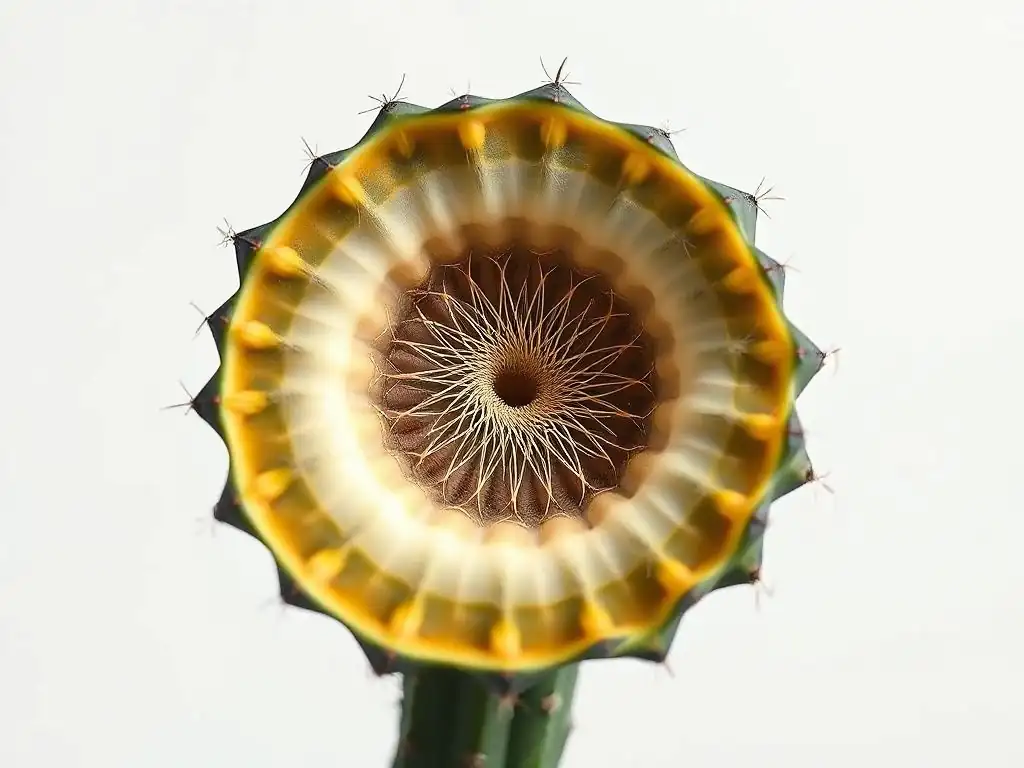
Identifying rare Copiapoa cacti requires a keen eye and a multi-faceted approach. While visual observation of the plant's overall morphology is crucial, delving deeper into specific characteristics provides a far more accurate identification, especially when dealing with rare and closely related species. This section explores advanced techniques that go beyond superficial examination, enabling even seasoned succulent enthusiasts to confidently pinpoint the exact Copiapoa species. Mastering these techniques will significantly enhance your ability to Identify rare Copiapoa cacti.
Using Flower and Fruit Characteristics for Precise Identification
Floral and fruit characteristics offer some of the most reliable features for Copiapoa species differentiation. Many Copiapoa species exhibit subtle but significant variations in their flowers and fruits, characteristics often overlooked in casual observation. For example, the color, size, and shape of the flowers can vary dramatically. Some species boast vibrant yellow blooms, while others present paler yellow or even greenish hues. The number of petals and the arrangement of the stamens also play a crucial role in identification.
Consider Copiapoa cinerea and Copiapoa humilis. While both exhibit similar overall plant morphology, their flowers differ significantly. Copiapoa cinerea typically displays larger, brighter yellow flowers, while Copiapoa humilis tends to have smaller, more subdued yellow flowers. Furthermore, the fruit shape, size, and even the seed morphology can help narrow down the possibilities. Detailed observations, possibly with photographic documentation, are essential for accurate identification using these features. Remember to meticulously record all observations, including the precise color using a color chart if possible, and the exact dimensions of the flowers and fruits.
Analyzing Root Systems and Growth Habits for Species Differentiation
Beyond the above-ground features, the root system and growth habit provide invaluable clues for species identification. While not always readily observable, examining the root structure can reveal crucial details. Some Copiapoa species develop extensive taproots, while others have more fibrous root systems. The depth and spread of the root system are directly influenced by the species’ adaptation to its native habitat and water availability.
Moreover, analyzing the plant's growth habit—solitary, clustering, or cespitose—adds another layer of information. Careful observation of the branching pattern, stem morphology, and overall plant architecture provides critical insights. For instance, Copiapoa tenuissima is known for its slender, elongated stems, while Copiapoa gigantea is characterized by its massive, solitary growth form. Documenting these aspects, including the number of stems, their diameter, and their branching pattern, will enhance identification accuracy. Consider sketching the plant and its root system if possible to accurately capture the details.
Utilizing Microscopic Examination for Accurate Species Determination
For the most precise identification, especially when dealing with closely related species, microscopic examination of specific plant parts may be necessary. This technique allows for the analysis of subtle anatomical features invisible to the naked eye. For example, microscopic examination of the epidermis (outer layer of the stem) can reveal unique cellular structures and patterns specific to certain Copiapoa species. Similarly, analyzing the trichomes (hairs) on the plant surface can provide additional distinguishing characteristics. Trichome density, shape, and size can vary considerably among different species.
Furthermore, microscopic examination of pollen grains offers another reliable identification tool. Pollen morphology—size, shape, and surface texture—is a crucial taxonomic characteristic. This level of analysis requires specialized equipment and expertise but offers unparalleled precision in differentiating closely related species. The detailed analysis of these microscopic features can be the deciding factor in identifying elusive or rare Copiapoa cacti, providing a conclusive and scientific basis for your identification. 🌵
Conservation Concerns and Ethical Collecting of Rare Copiapoa
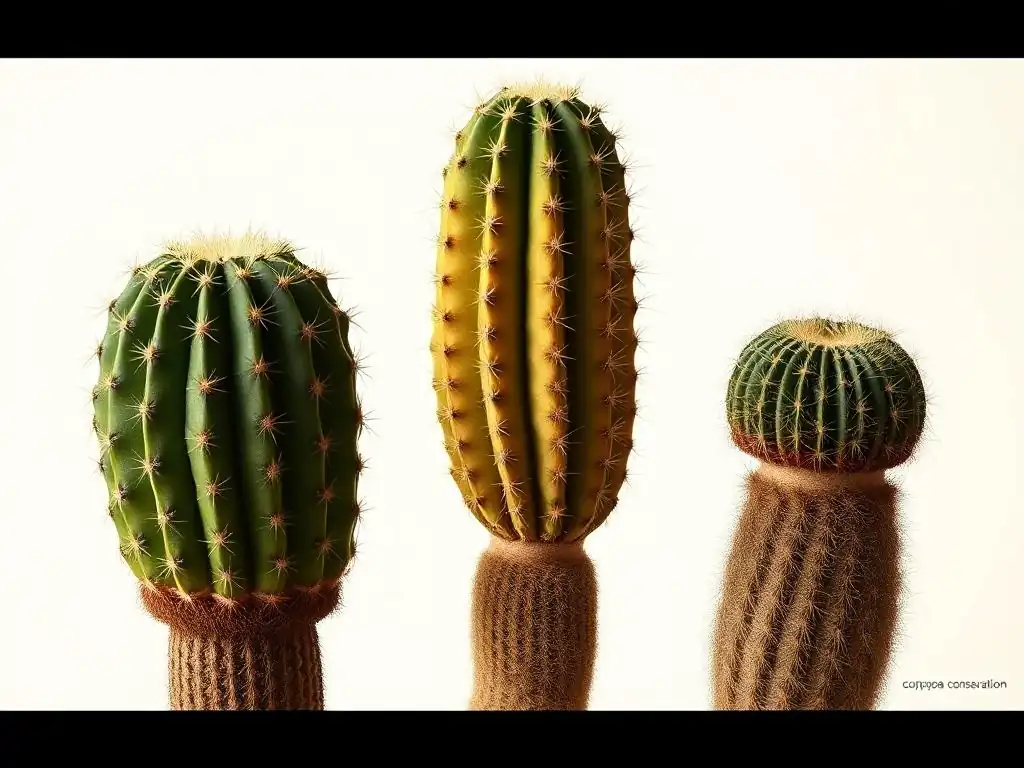
The captivating beauty of rare Copiapoa cacti often leads to a desire for ownership. However, it's crucial to understand the ethical implications and conservation challenges surrounding these unique plants. Their natural habitat, the arid Atacama Desert in Chile, is incredibly fragile, and unsustainable harvesting practices threaten the survival of many Copiapoa species.
Responsible collecting and cultivation are paramount to ensuring the long-term preservation of these remarkable plants for future generations. Understanding the delicate balance of this ecosystem and the impact of human intervention is key to ethical collecting. This section explores the importance of sustainable practices, the dangers of illegal harvesting, and ways you can support conservation efforts.
The Importance of Sustainable Practices in Copiapoa Cultivation
Sustainable practices in Copiapoa cultivation go beyond simply keeping the plant alive; it's about mimicking their natural environment as closely as possible. This includes understanding the specific needs of each Copiapoa species—some tolerate more sun than others, and water requirements vary significantly. Overwatering is a common cause of Copiapoa death, highlighting the need for well-draining soil and careful watering schedules. Using mineral-rich, well-draining soil mixes is crucial.
Avoid using peat-based mixes, as these can retain too much moisture. Consider incorporating pumice, perlite, and coarse sand to promote excellent drainage. Proper potting is essential to prevent root rot, a significant threat to Copiapoa health.
Furthermore, understanding the plant's natural growth cycle is vital. Copiapoa species typically experience periods of dormancy, during which watering should be significantly reduced or even suspended. Observing the plant's cues—changes in color, turgidity, and growth—allows for informed adjustments to watering and fertilization. Over-fertilizing can be detrimental, potentially leading to salt buildup in the soil. A balanced, slow-release fertilizer is recommended, applied sparingly and only during the active growing season. Sustainable practices are not merely a recommendation; they are essential for the long-term health and survival of these unique desert cacti.
Avoiding Illegal Harvesting and Protecting Endangered Species
Many Copiapoa species are threatened or endangered due to habitat loss and illegal poaching. The illegal trade in rare cacti thrives on the demand for these unique plants. It's crucial to only acquire Copiapoa from reputable sources that can provide documentation proving their plants were legally obtained and propagated. Avoid purchasing plants from unknown sellers or those offering suspiciously low prices. Such practices often contribute to the illegal harvesting of plants from their natural habitat, threatening their survival. Remember, purchasing illegally harvested Copiapoa directly supports unsustainable practices and contributes to the depletion of wild populations.
Identifying illegally harvested plants can be challenging. However, some signs might include unusually low prices, lack of documentation, or plants showing signs of stress or damage from improper handling. Always be cautious and prioritize ethical sourcing. If you suspect a plant has been illegally harvested, report it to the relevant authorities. Protecting endangered species requires collective effort, and responsible consumers play a critical role in combating this illegal trade. Choosing to purchase from ethical and sustainable sources is a powerful way to support conservation efforts.
Supporting Conservation Efforts for Chilean Desert Flora
Supporting conservation efforts for Chilean desert flora directly contributes to the long-term survival of Copiapoa cacti. Many organizations work to protect the Atacama Desert ecosystem and its unique plant life. Researching and supporting these organizations, whether through donations or volunteering, can make a significant impact. Furthermore, advocating for stronger regulations against the illegal harvesting and trade of Copiapoa is essential. Educating others about the importance of conservation and ethical collecting helps raise awareness and promotes responsible behavior.
Remember, the preservation of these rare and beautiful plants depends on our collective commitment to sustainable practices and conservation efforts. By actively participating in these initiatives, we can ensure the Copiapoa continues to thrive in its natural environment and beyond. The future of these unique species depends on our responsible actions today. 🌵
Resources for Copiapoa Identification and Cultivation
Identifying rare Copiapoa cacti requires dedication and access to reliable resources. This section outlines key tools and communities that can assist in your quest to accurately identify these fascinating desert plants. Successfully identifying a rare Copiapoa involves careful observation of its morphology, habitat information (if available), and cross-referencing with established resources. Remember, misidentification can lead to improper care and potentially harm the plant.
Recommended Books and Field Guides for Copiapoa Enthusiasts
Several excellent publications cater specifically to the identification and cultivation of Copiapoa cacti. These books offer detailed descriptions, high-quality photographs, and often include distribution maps crucial for narrowing down possibilities. Investing in these resources is an invaluable step for any serious Copiapoa enthusiast striving to accurately identify rare specimens.
For example, a comprehensive guide focusing on Chilean cacti, including a dedicated section on Copiapoa, would be an essential addition to any collector's library. Such a book might include detailed line drawings alongside photographs, illustrating subtle variations in spine arrangement, areole size, and overall plant structure. Another valuable resource might be a monograph specifically dedicated to the genus Copiapoa, providing taxonomic keys and in-depth species descriptions, along with information on their natural habitats and conservation status.
These specialized texts often feature high-resolution images showcasing the nuances of different Copiapoa species, helping to distinguish between similar-looking varieties. Consider also seeking out older, possibly out-of-print publications; these may contain valuable historical information and illustrations not found in modern works. The availability of these resources may vary, so diligent searching is recommended.
Online Forums and Communities for Sharing Identification Expertise
The digital age offers unparalleled opportunities for connecting with experts and fellow enthusiasts. Online forums and communities dedicated to cacti and succulents, particularly those specializing in rare species, provide invaluable platforms for sharing knowledge and seeking identification assistance. These virtual spaces often feature experienced members who can offer guidance based on images and detailed descriptions of your plants.
Remember to always provide high-quality photographs showcasing various angles of the cactus, including close-ups of the spines, areoles, and overall plant form. Include information about the plant's origin (if known), size, and growing conditions. The more detail you provide, the easier it will be for experienced members to assist in the identification process.
Be prepared to engage in discussions and potentially provide additional images or information as requested. Respectful engagement and a willingness to learn are key to benefiting from these online communities. While many forums are welcoming, be aware that some require membership or registration before you can participate.
Reputable Suppliers of Rare and Authentic Copiapoa Cacti
Acquiring Copiapoa cacti from reputable suppliers is crucial for ensuring the authenticity and health of your plants. Reputable suppliers prioritize ethical sourcing and responsible cultivation practices, minimizing the impact on wild populations. They often provide detailed information about the origin and cultivation history of their plants, increasing your confidence in the accuracy of the identification.
When choosing a supplier, look for those who provide detailed descriptions, high-quality photographs, and transparent information about their sourcing practices. Avoid suppliers who offer unusually low prices or lack detailed information about their plants, as this may indicate unethical sourcing or misidentification. Consider joining online communities or forums to ask for recommendations from experienced collectors who can vouch for the integrity and reliability of particular nurseries or suppliers.
Building relationships with reputable suppliers can be a rewarding experience, providing access to rare and valuable Copiapoa specimens and valuable insights into their cultivation. Always prioritize ethical sourcing to contribute to the conservation of these unique and fascinating plants. 🌵
Frequently Asked Questions
How can I identify rare Copiapoa cacti?
Identifying rare Copiapoa requires careful observation of physical characteristics, such as rib structure, spine color and arrangement, and areole shape. Comparing your plant to detailed images and descriptions in specialized books or online resources is crucial.
What are some key features that distinguish Copiapoa from other cacti?
Copiapoa cacti often possess globular or cylindrical shapes, dense spiny coverings, and a characteristic woolly or hairy areole. They typically exhibit a greyish-green to brownish coloration, differing from many other cacti species.
Where are Copiapoa cacti naturally found?
These cacti are endemic to the Atacama Desert in Chile, a region characterized by extreme aridity. This geographical origin is a crucial factor in understanding their specific needs and identifying potential rare varieties.
Are all Copiapoa cacti considered rare?
No, while some Copiapoa species are rare and endangered, others are more common in cultivation. Rarity is determined by factors like natural population size, habitat destruction, and difficulty in propagation.
What resources can help me identify a rare Copiapoa cactus?
Consult specialized books on cacti, particularly those focusing on Chilean species. Reliable online databases and forums dedicated to cacti enthusiasts can also provide valuable information and expert opinions for accurate identification.
Final Reflection: The Enduring Mystery of Copiapoa, and Our Role in Their Preservation
The meticulous identification of rare Copiapoa cacti is not merely a botanical pursuit; it's a crucial step in ensuring the survival of these magnificent, enigmatic plants. The subtle variations in spine arrangement, the almost imperceptible shifts in areole color, these seemingly minor details are the keys to unlocking the secrets of their unique adaptations and ultimately, their conservation. Ignoring these differences risks losing irreplaceable genetic diversity.
The journey through the world of Copiapoa has been a deeply humbling experience. Witnessing the resilience of these plants in the harshest environments, their quiet beauty defying the odds, has profoundly impacted my understanding of the delicate balance of nature. The desert teaches the value of silence.
This quote, though not directly about cacti, perfectly encapsulates the quiet strength and wisdom inherent in these remarkable plants, and the need for us to listen and learn from them. Their survival depends on our understanding and respect.
Now, consider your own role in this story. You've learned to distinguish between the subtle nuances that separate one Copiapoa species from another. This knowledge is power. Use it wisely. Support responsible cultivation practices, advocate for the protection of their natural habitats, and share your newfound expertise with others. Let us ensure that the mystical aura of the Copiapoa continues to enchant and inspire future generations, not as a fading memory, but as a testament to our commitment to the preservation of biodiversity.
Unleash Your Inner Cactus Connoisseur!
Thank you for exploring the fascinating world of Copiapoa cacti with us! We hope you've gained a deeper appreciation for these rare desert gems and their unique characteristics. Now it's time to put your knowledge into practice.
- Start your Copiapoa collection: Research reputable nurseries or online sellers specializing in rare cacti, and begin with one or two manageable plants. Carefully consider the specific needs of each species before making a purchase.
- Share your passion: Post a picture of your favorite Copiapoa on social media using #CopiapoaCollection and #SucculentEssentials – let's connect!
- Expand your cacti knowledge: Explore our website for more articles on succulent cultivation, including expert tips on watering, soil, and propagation.
Ready to embark on your Copiapoa journey? Which Copiapoa species are you most excited to learn about and add to your collection?